














































































Feeder Insect Variety: Why Reptiles Need More Than One Bug
Feeder Insect Variety Matters More Than Most Beginners...

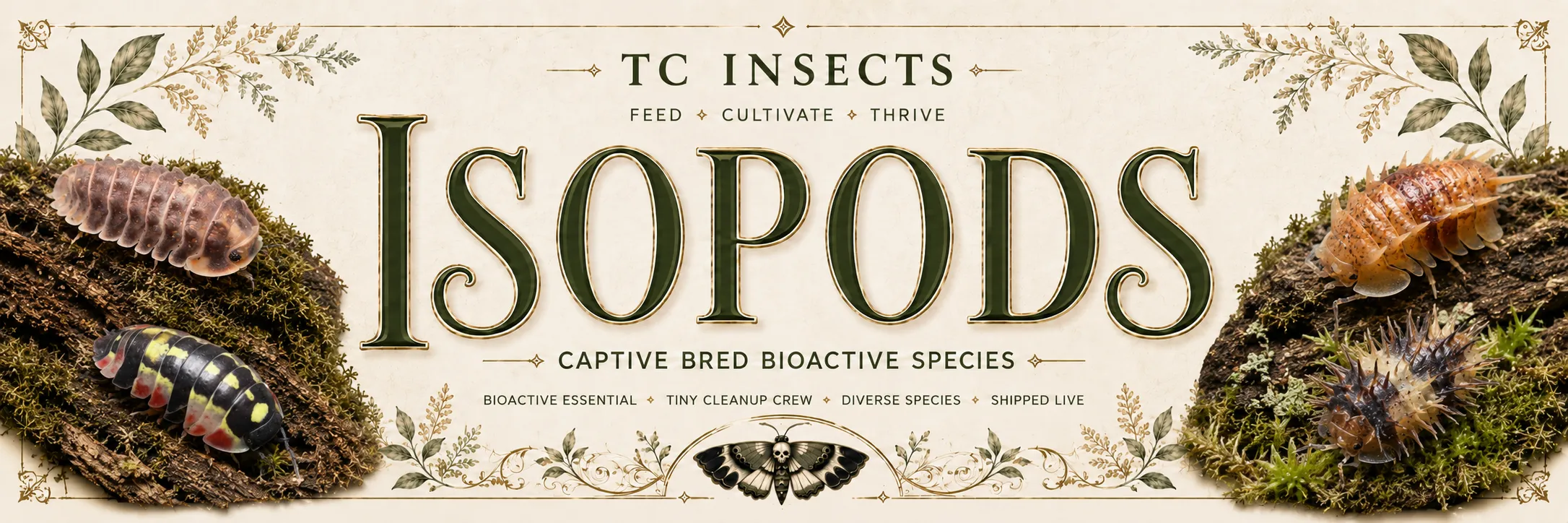
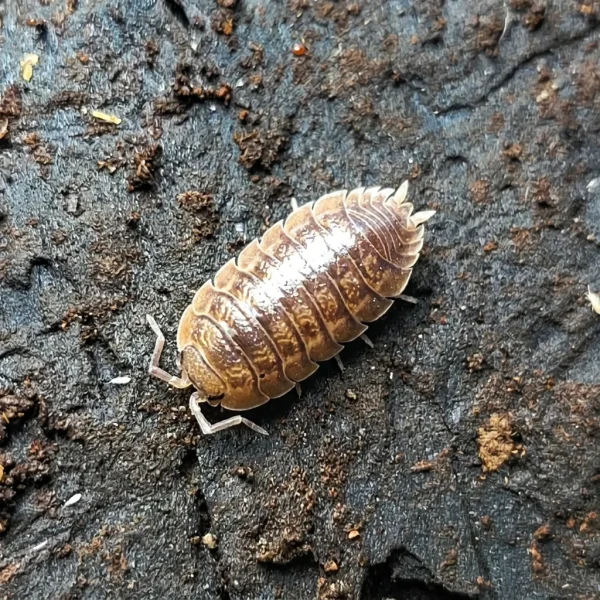
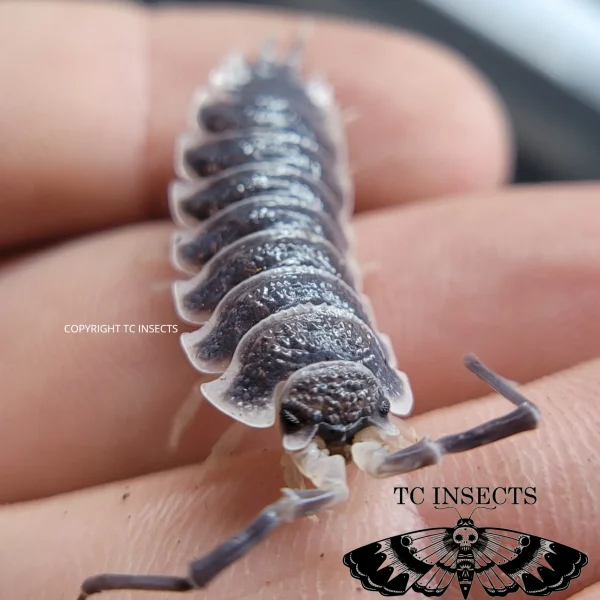
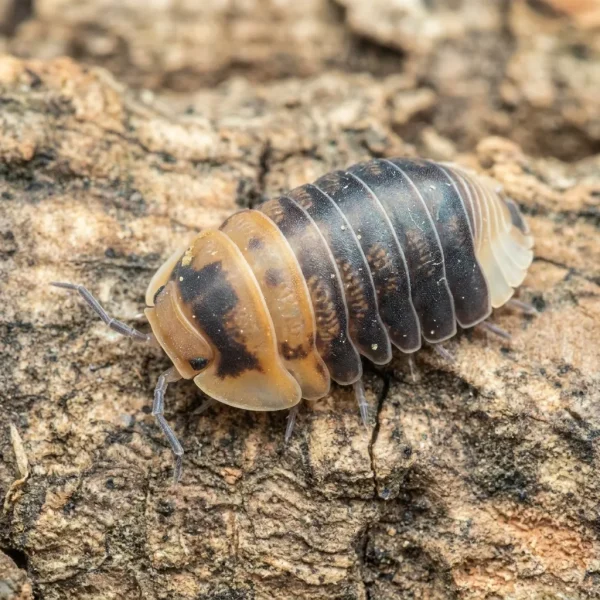
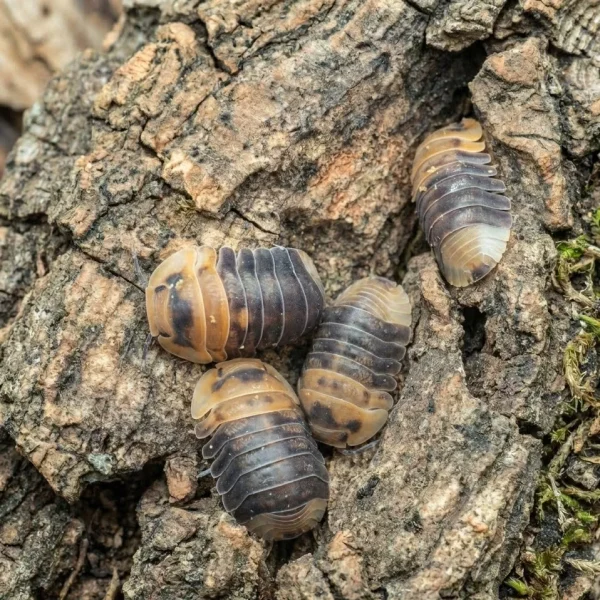
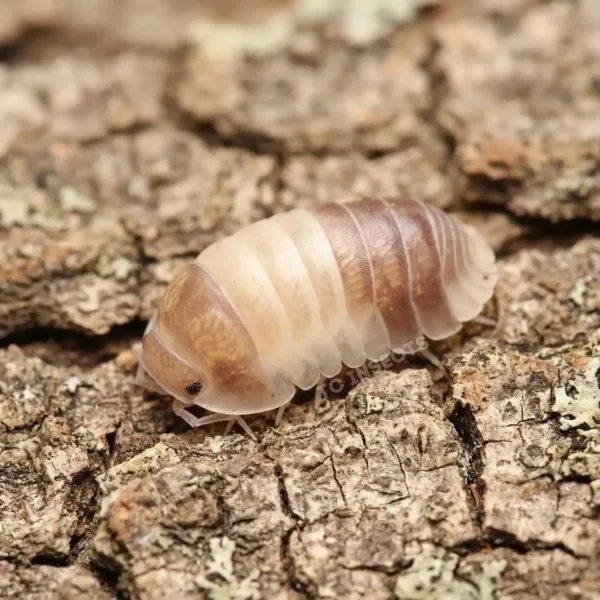
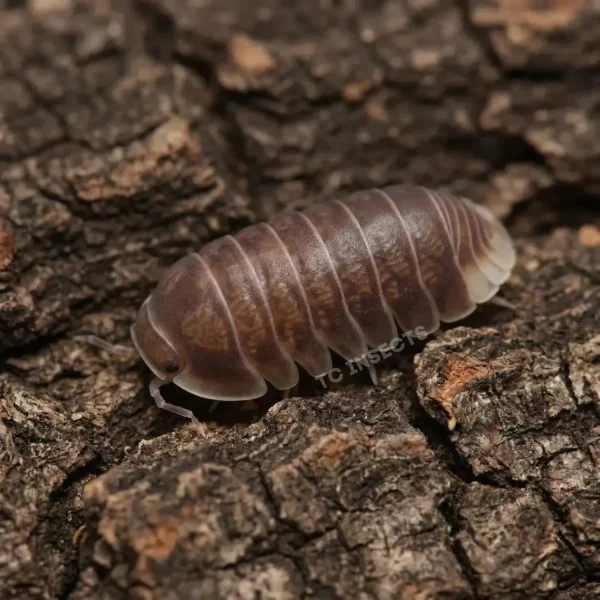
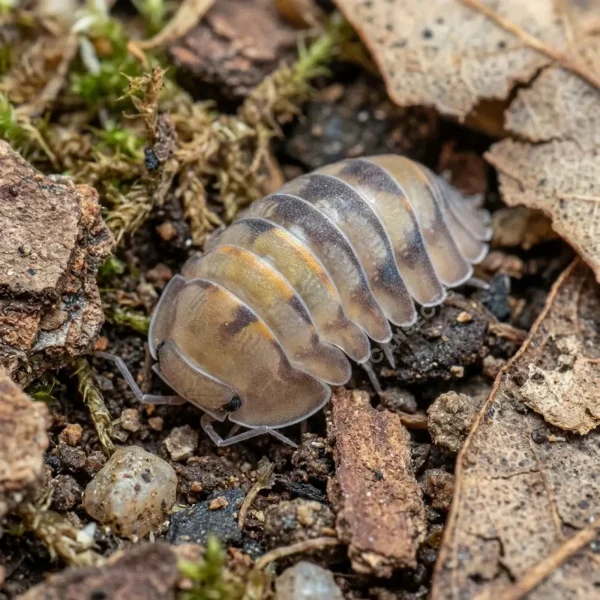
Shop live isopods for sale from TC INSECTS, including beginner isopods, dwarf isopods, powder isopods, Cubaris isopods, Porcellio isopods, Armadillidium isopods, and bioactive cleanup crew species for terrariums, vivariums, and isopod collections. Isopods help break down leaf litter, soft wood, shed skin, and decaying organic material while adding life and activity to bioactive enclosures.
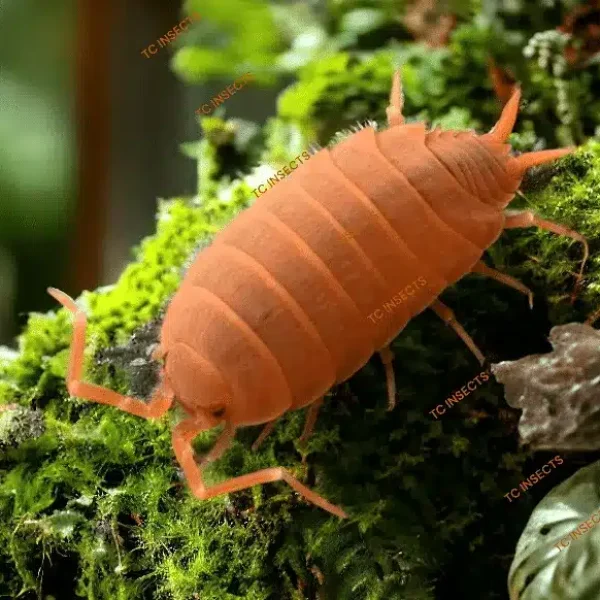
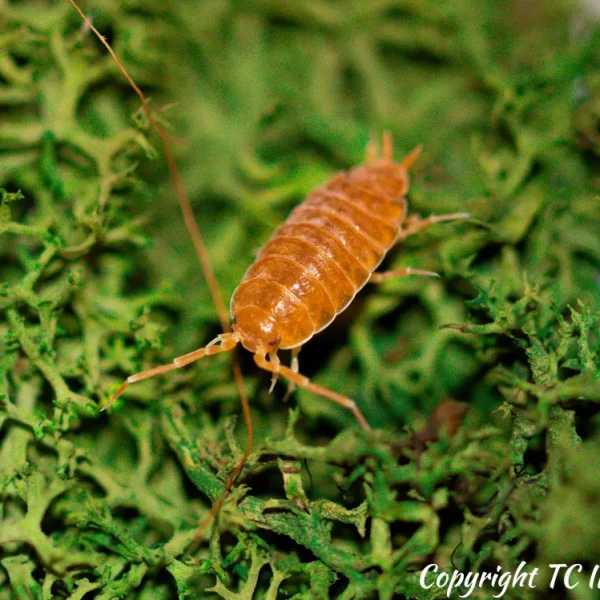
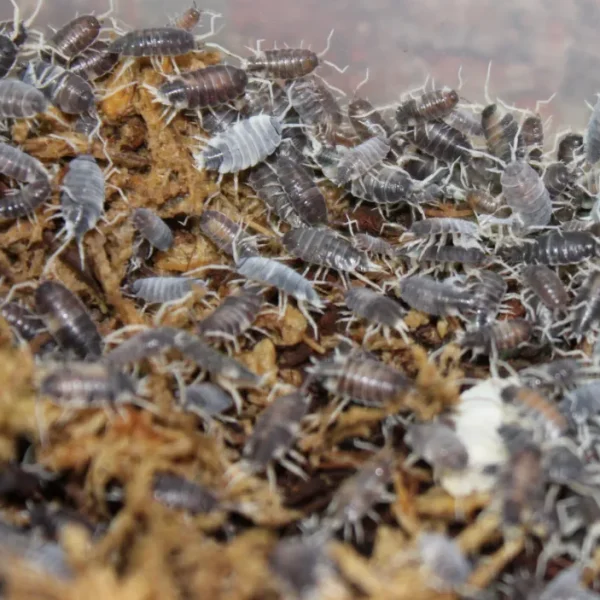
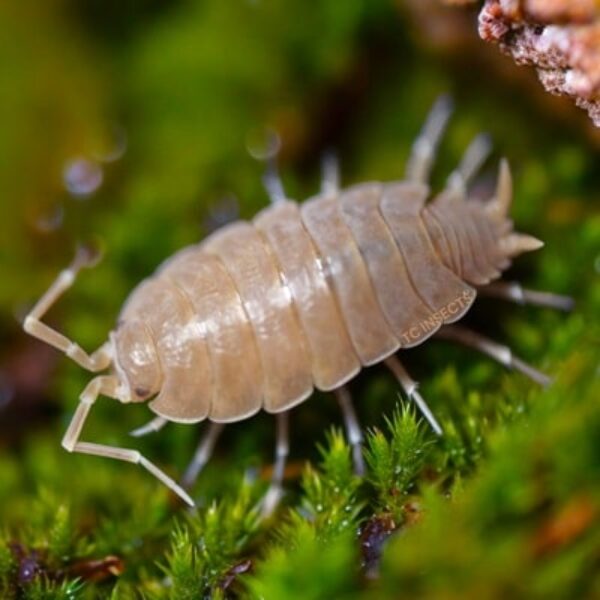
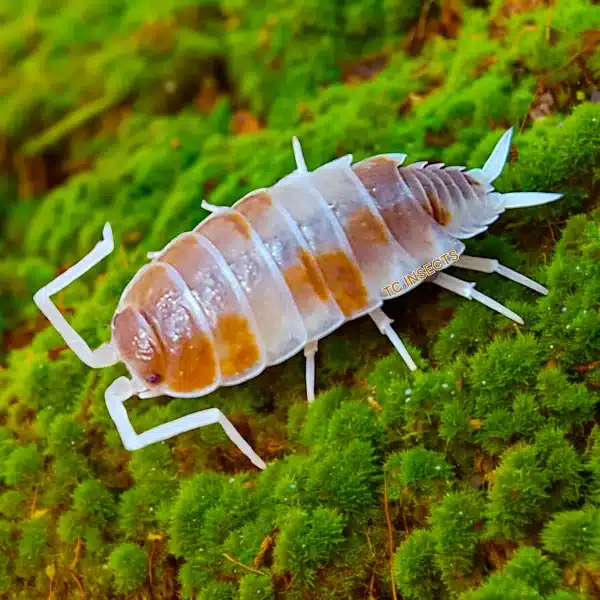
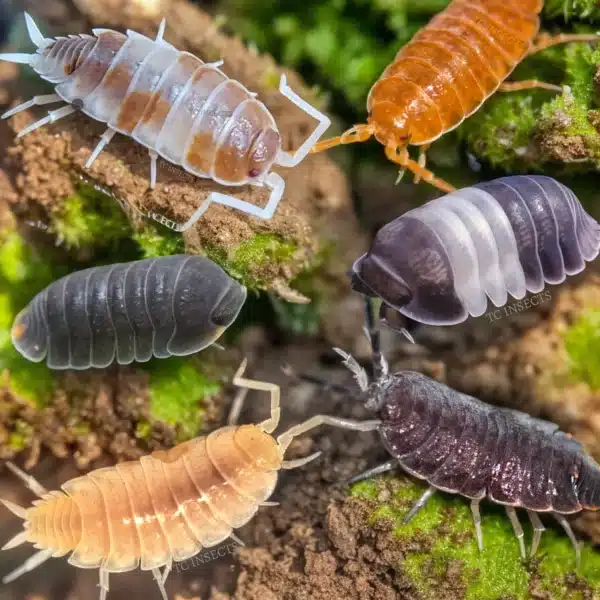
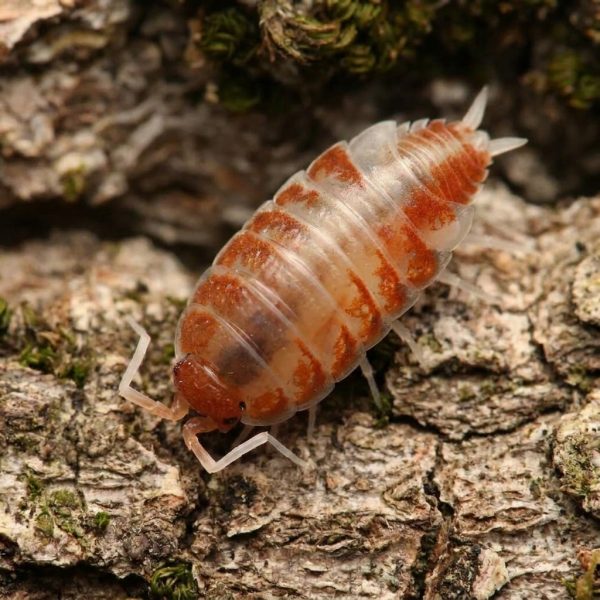
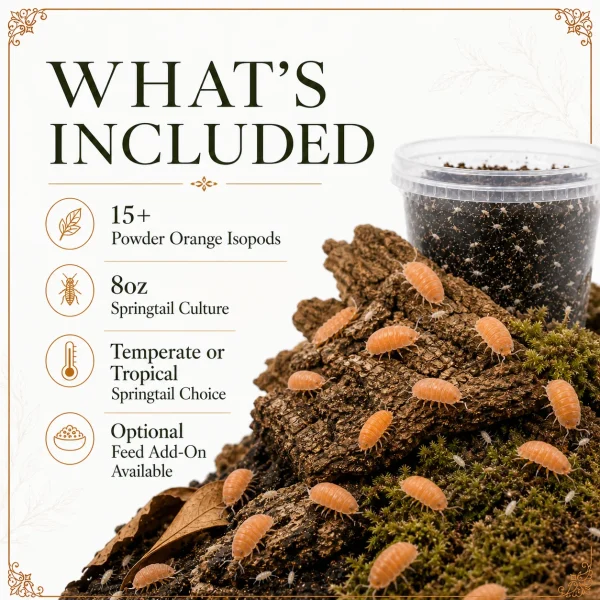
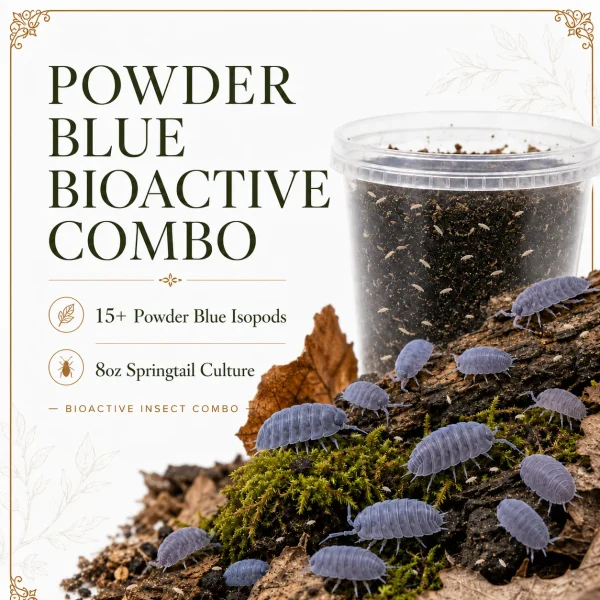
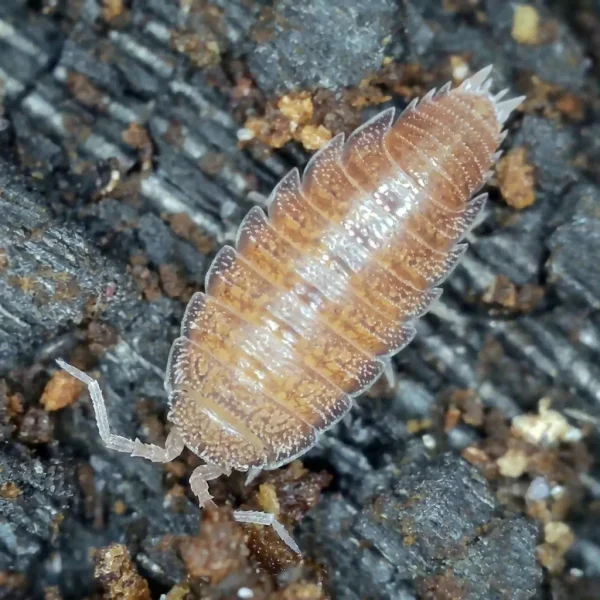
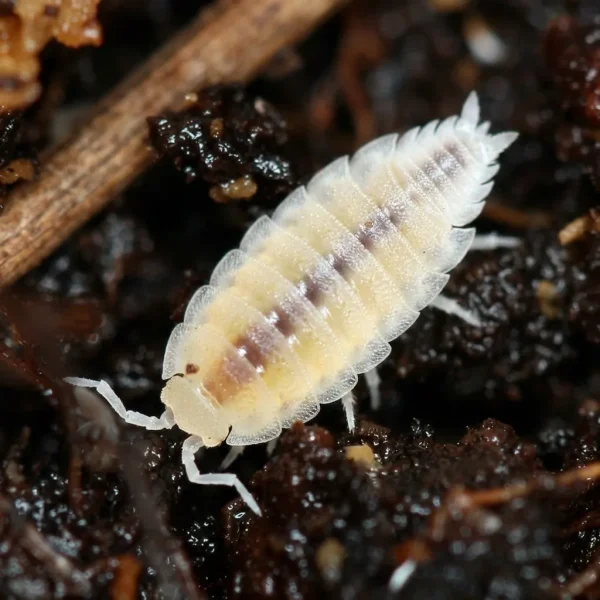
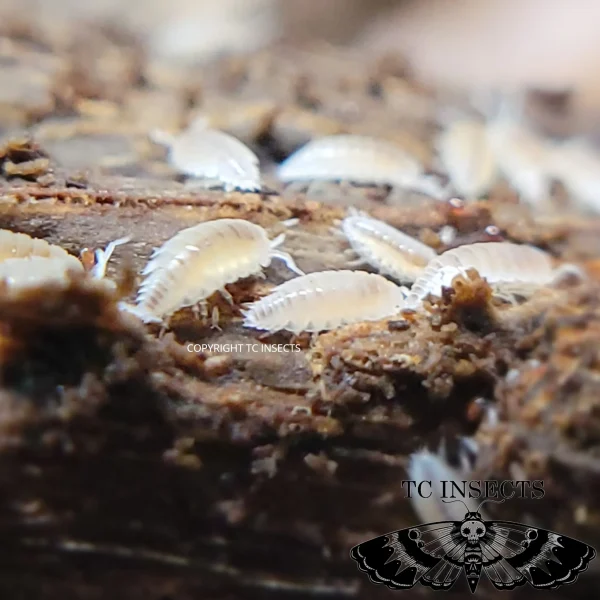
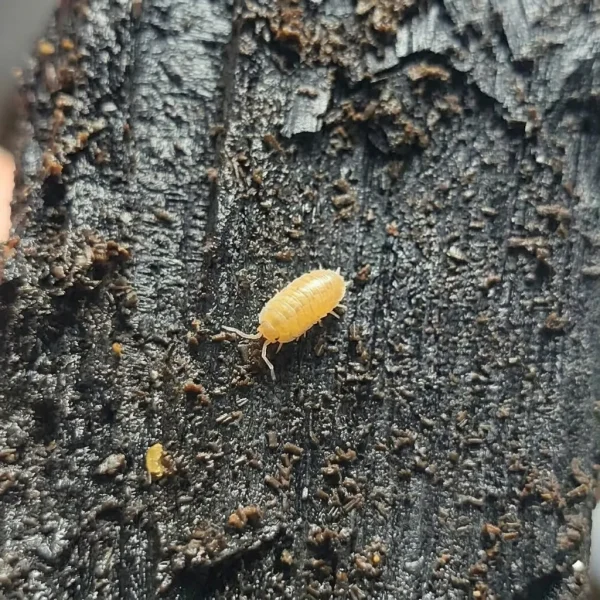
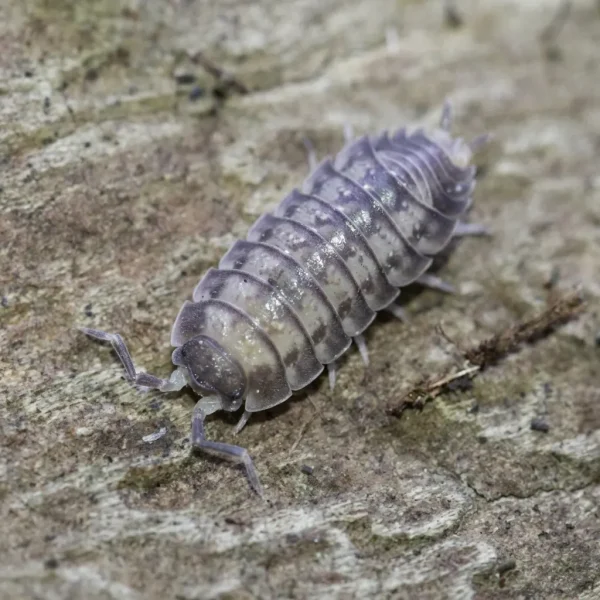
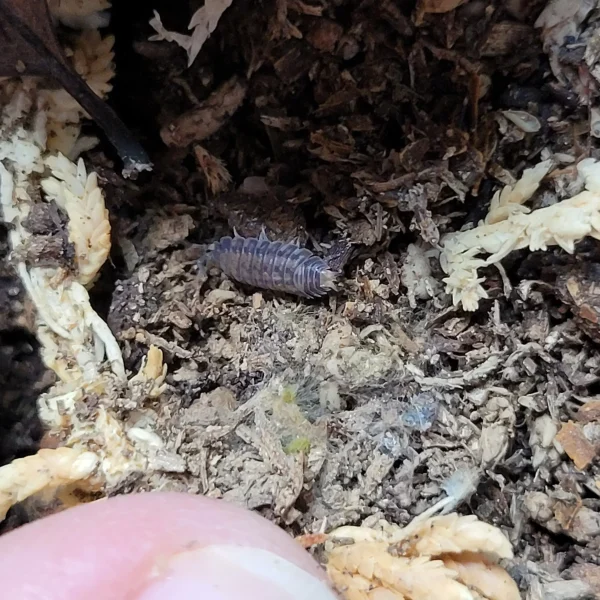
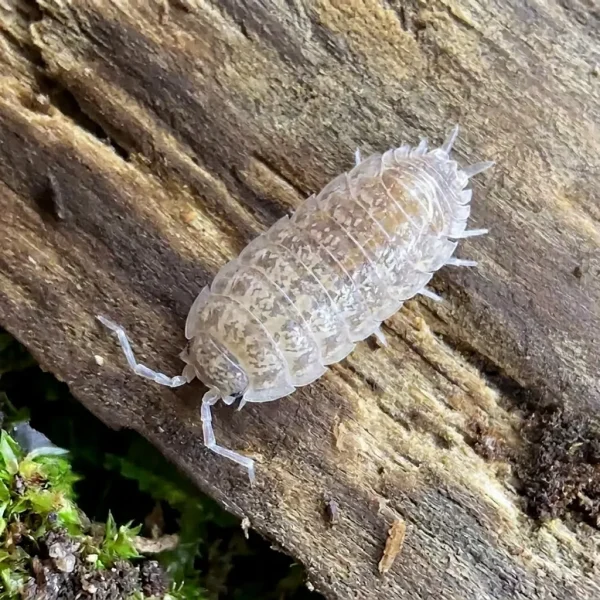
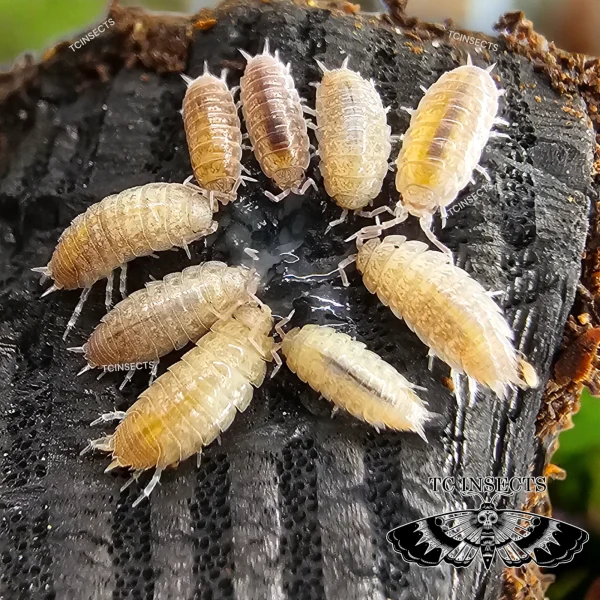
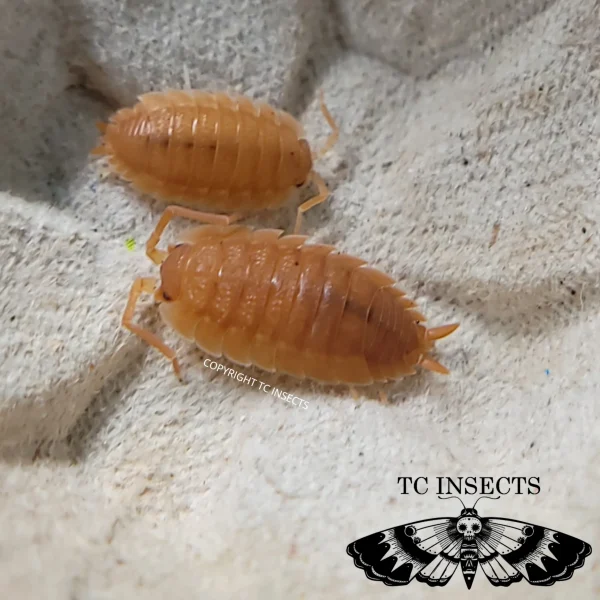
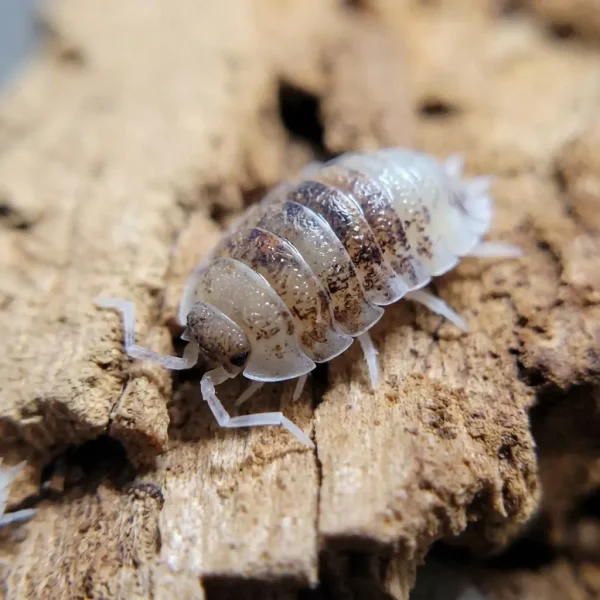
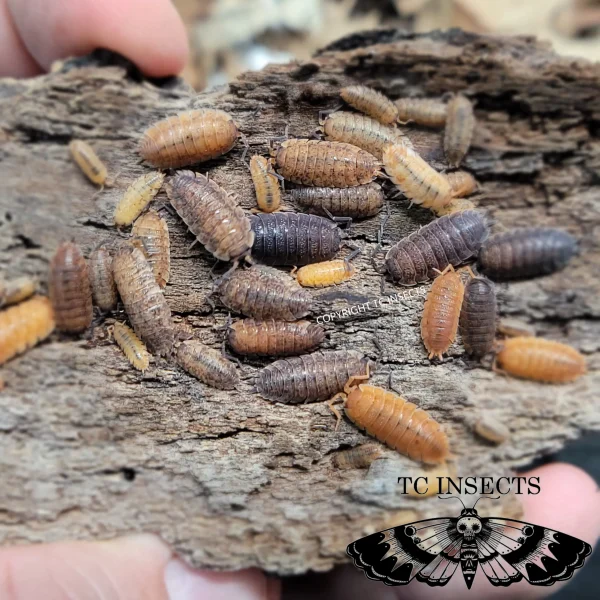
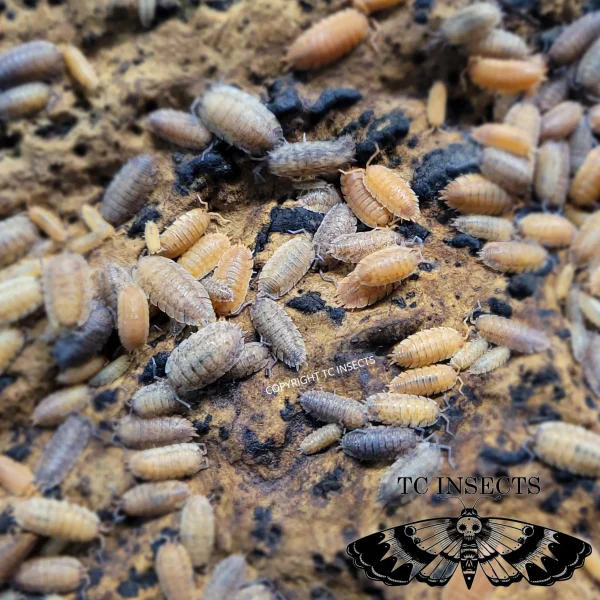
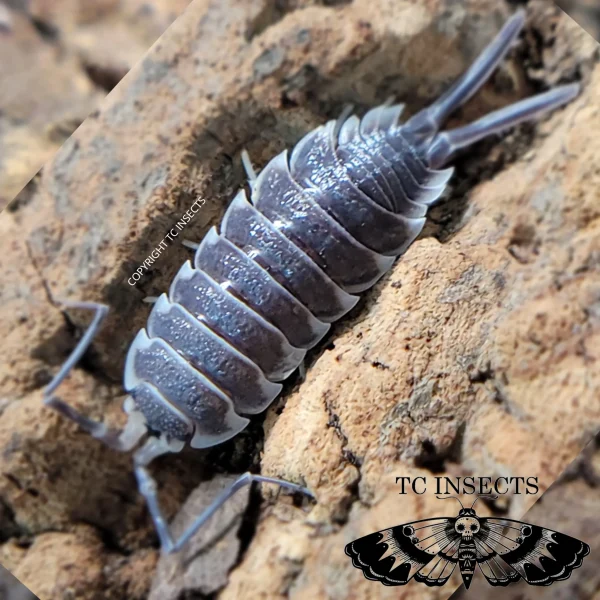
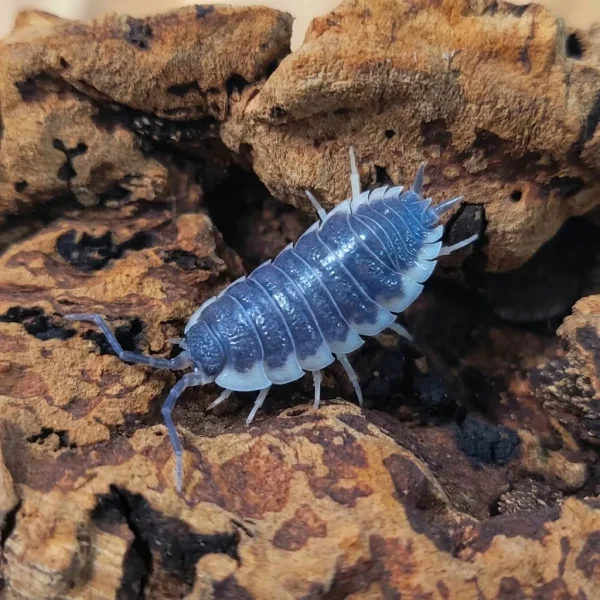
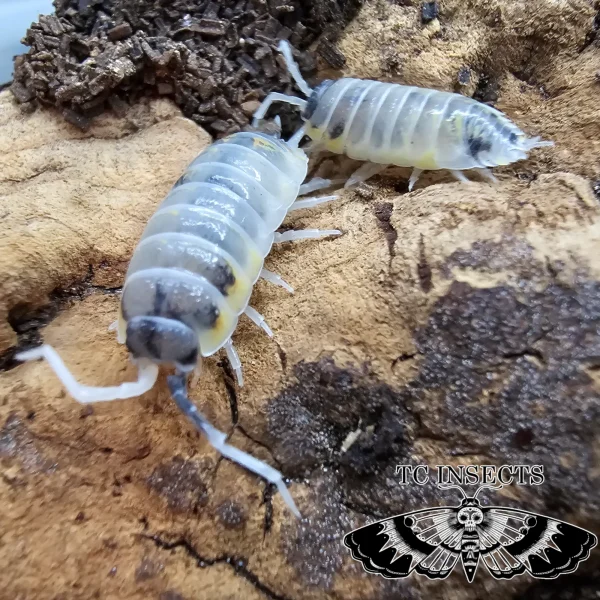
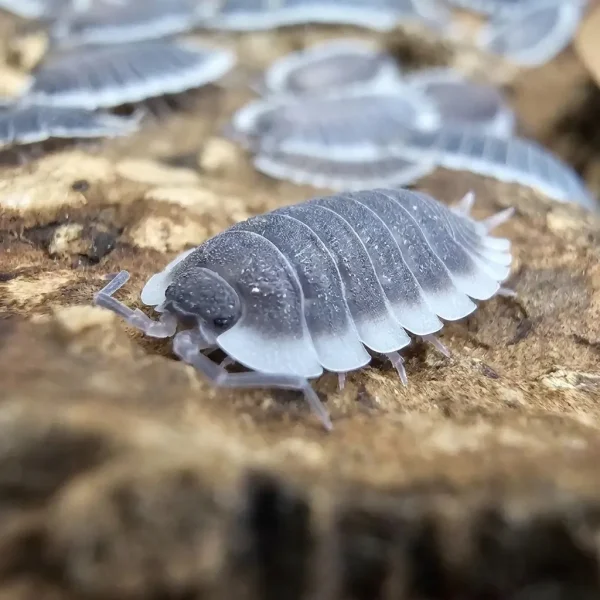
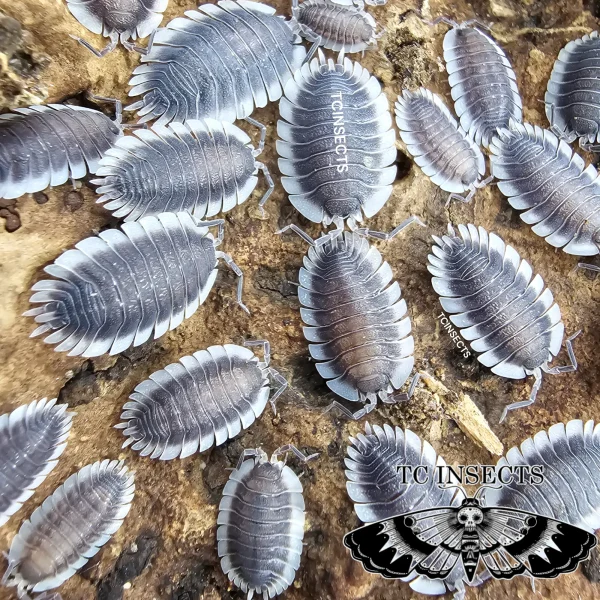
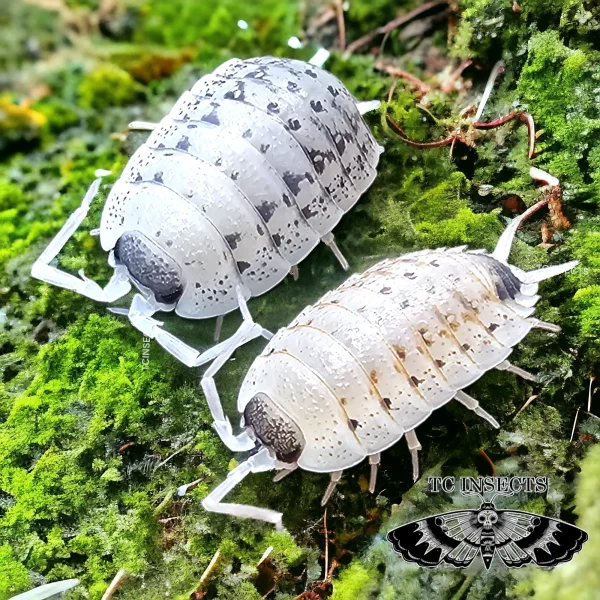
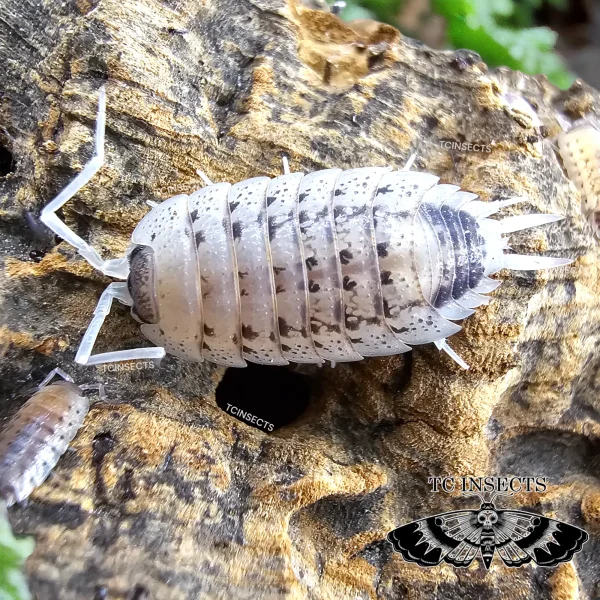
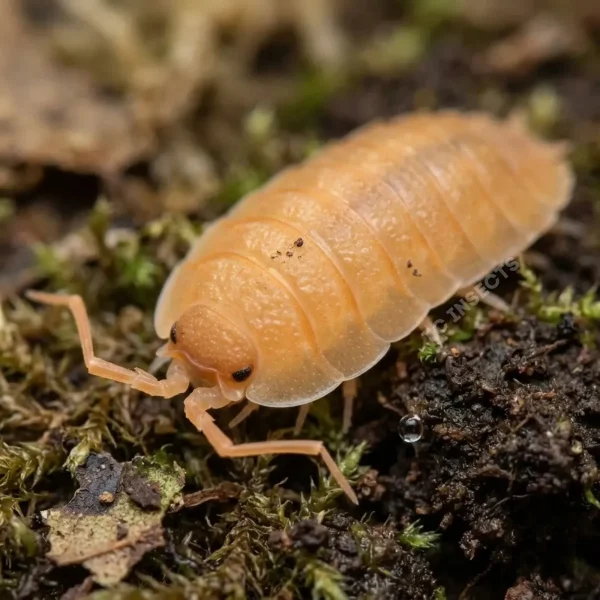
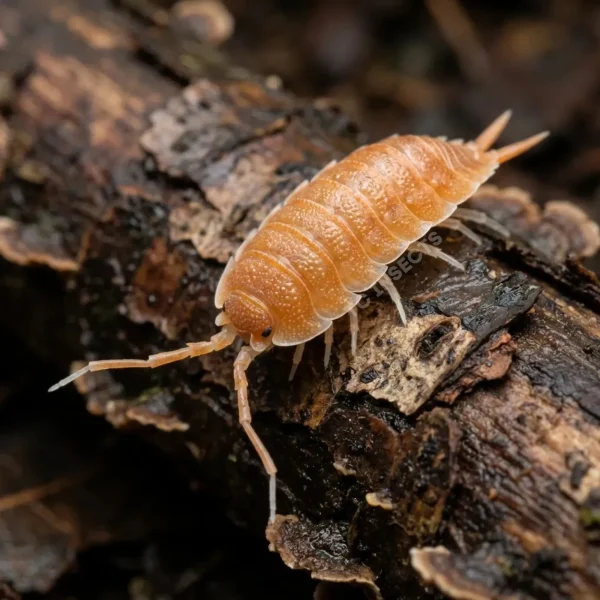
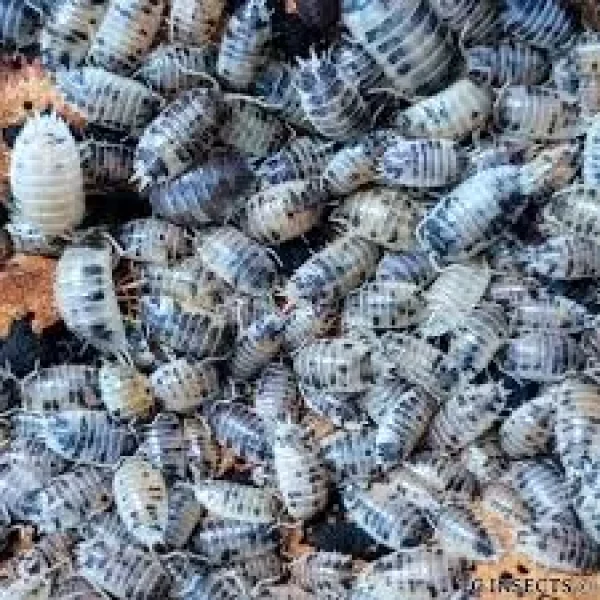
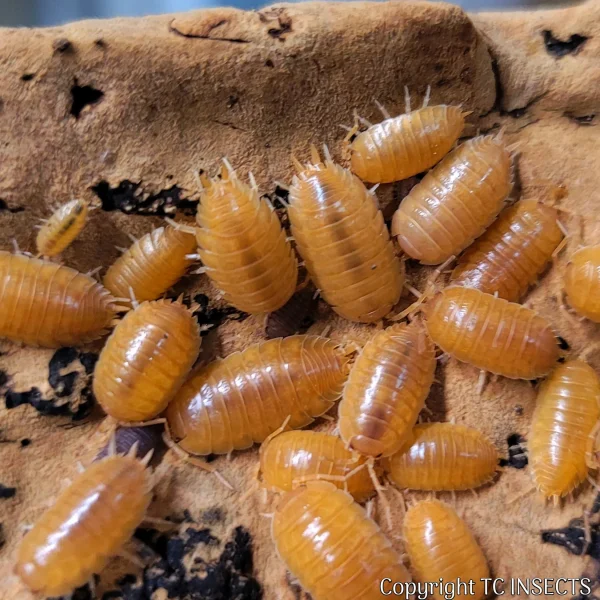
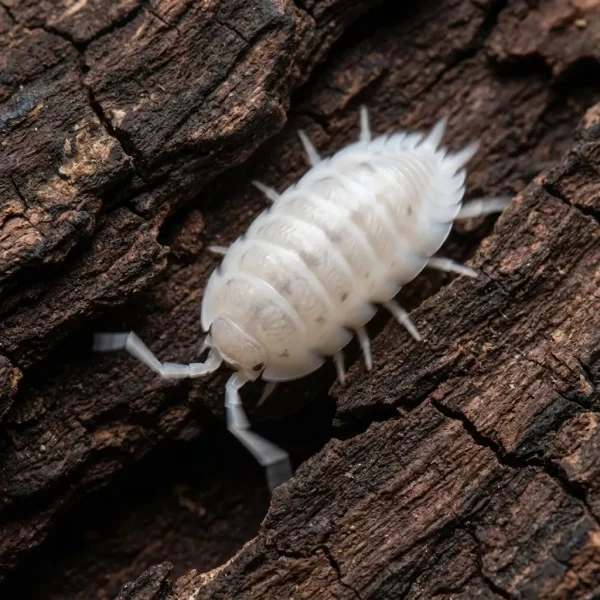
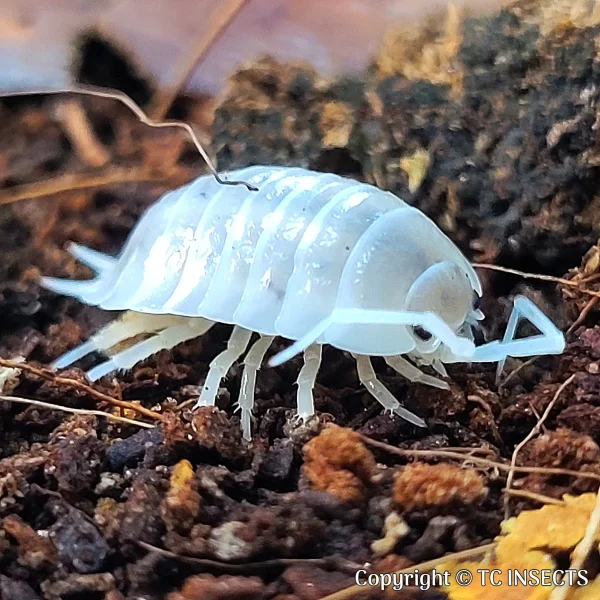
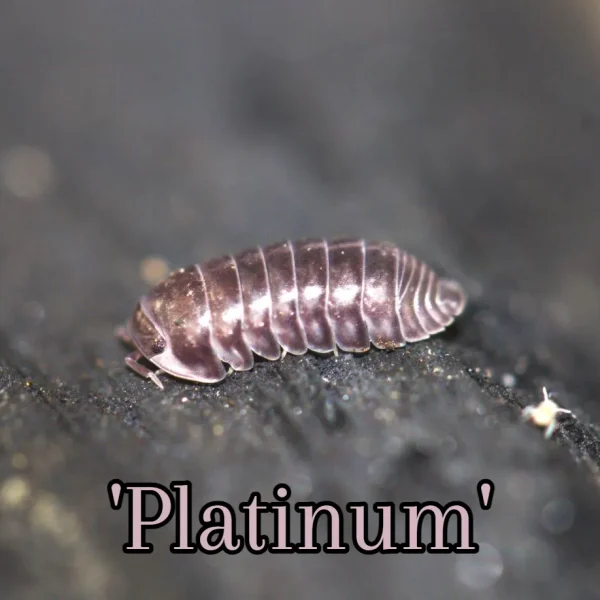
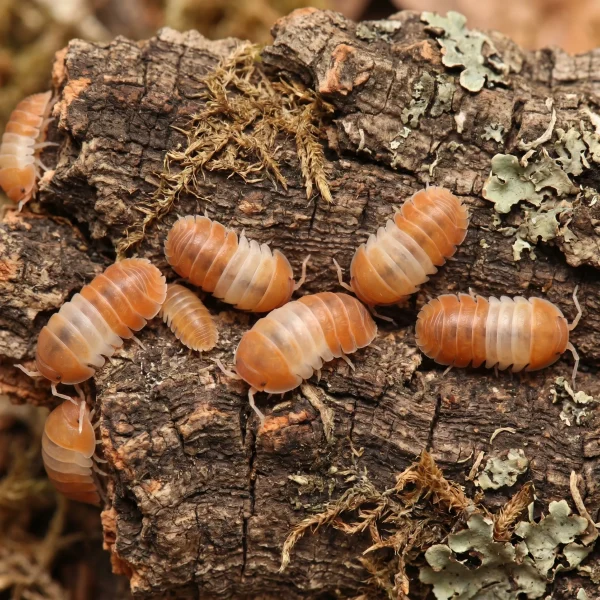
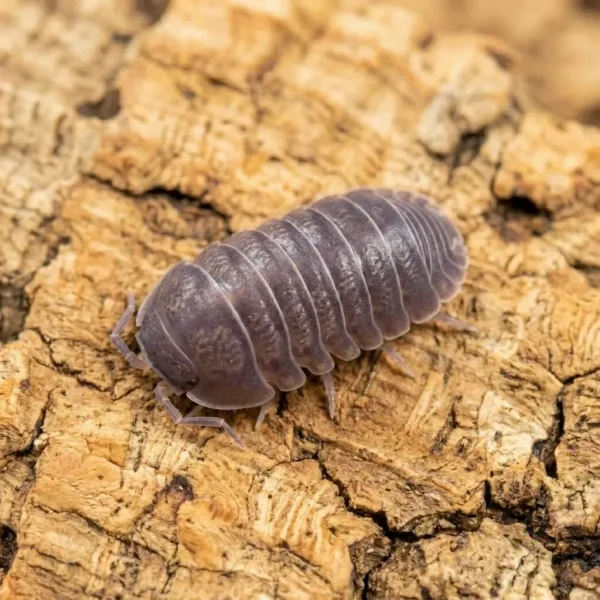
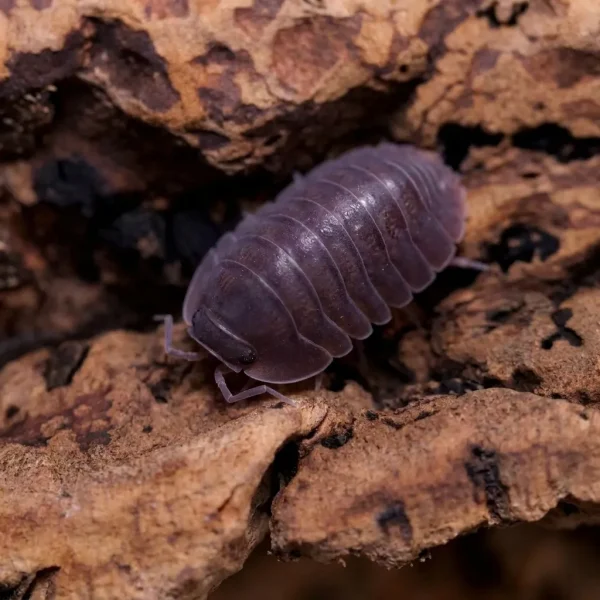
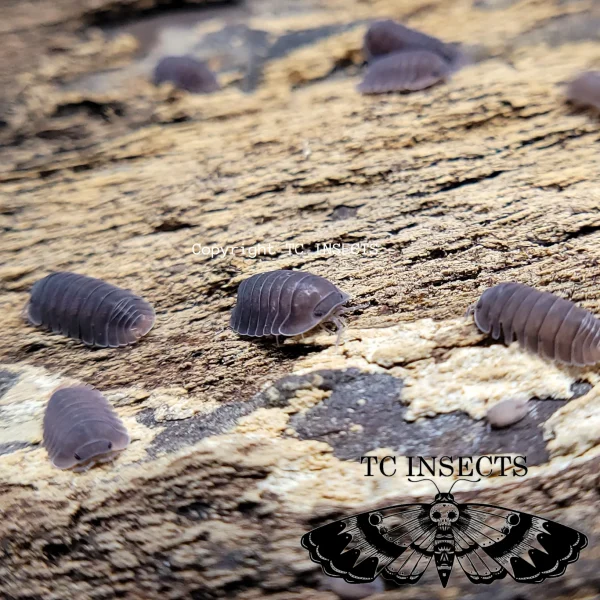
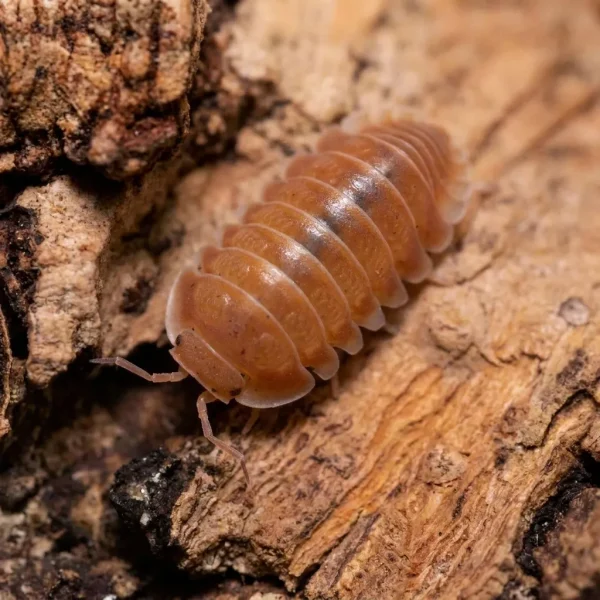
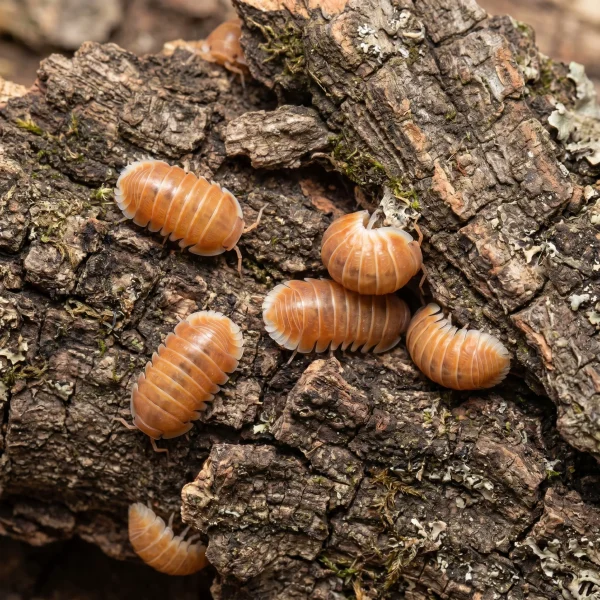
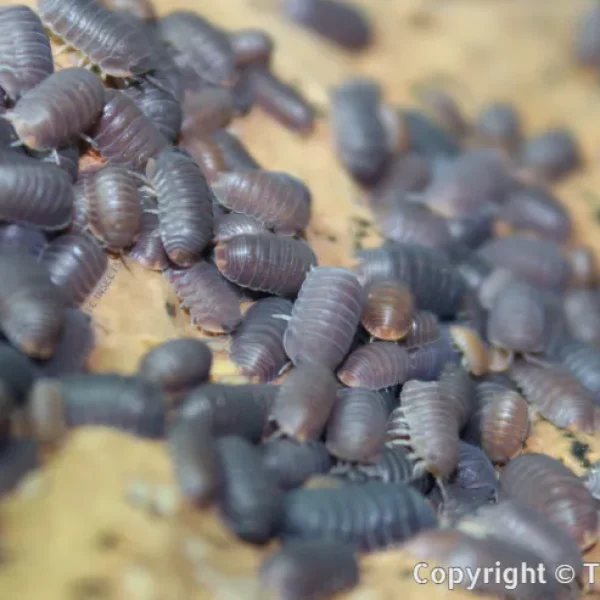
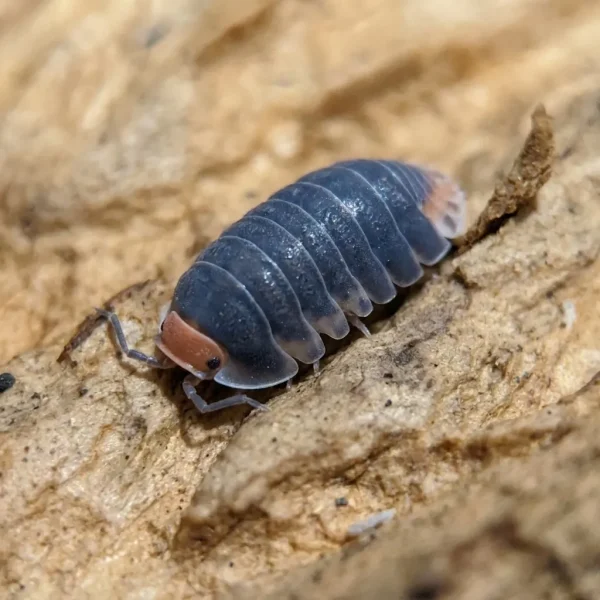
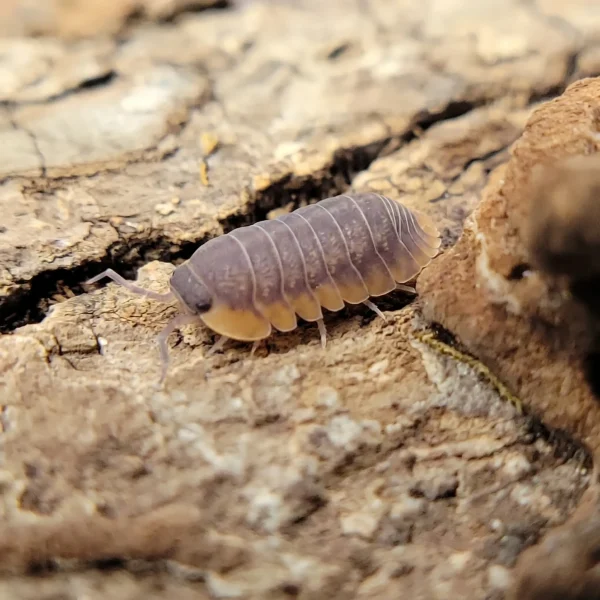
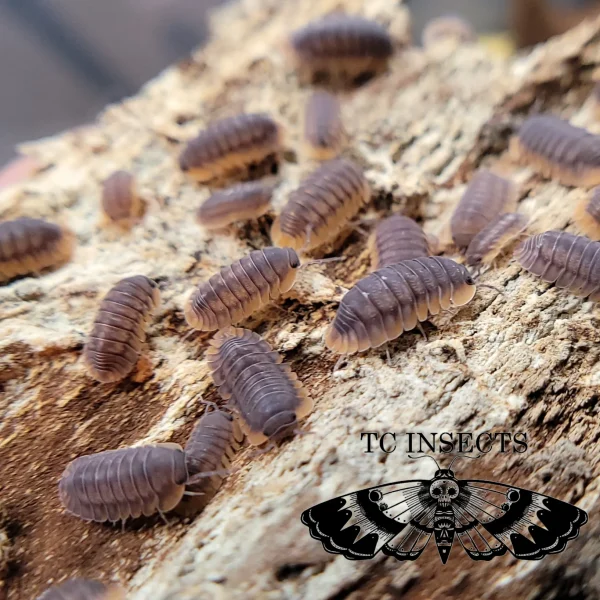
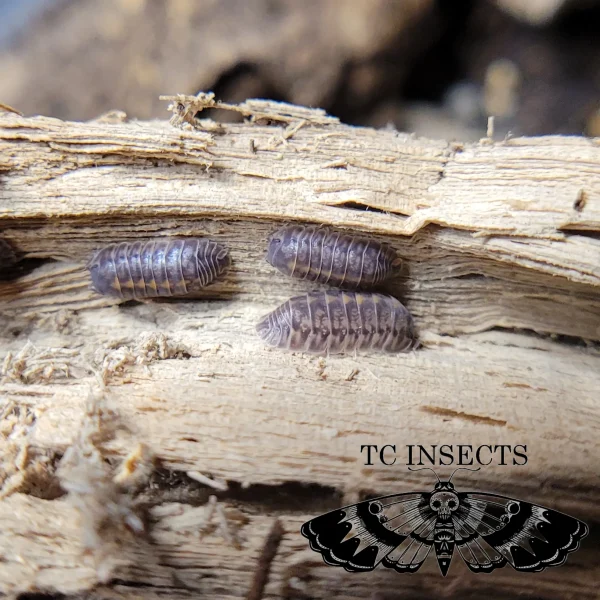
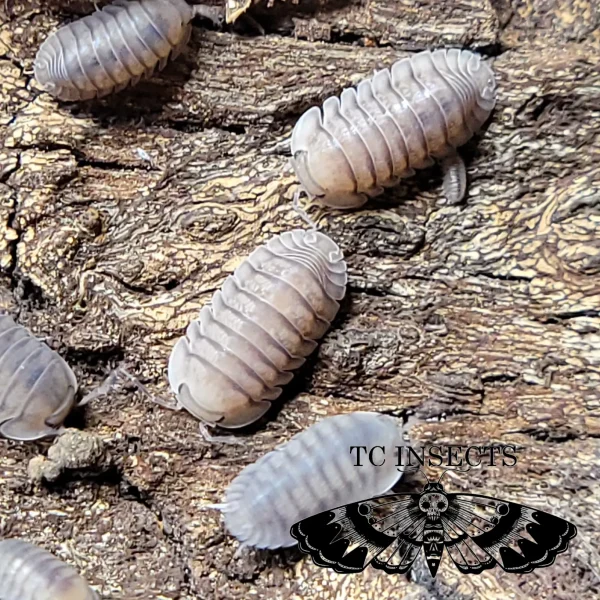
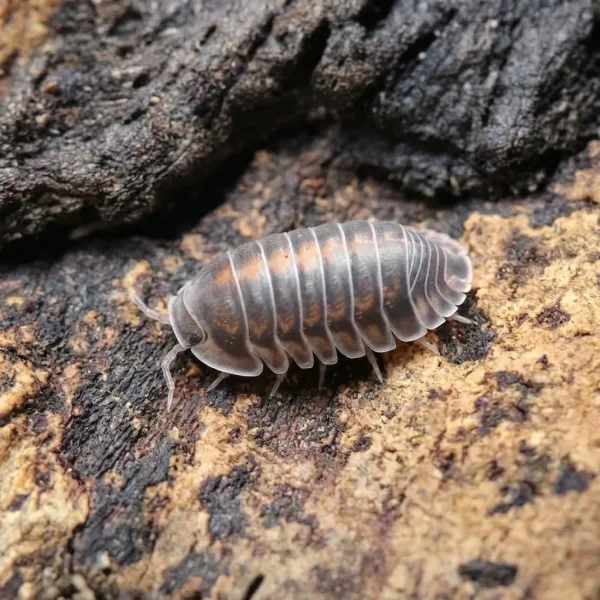
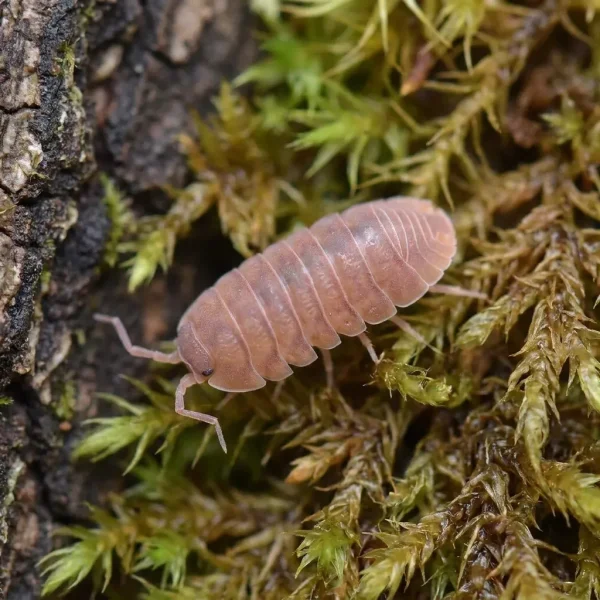
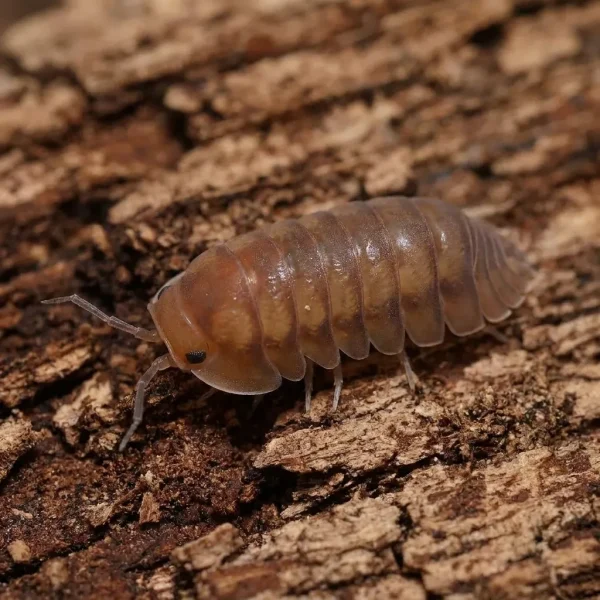
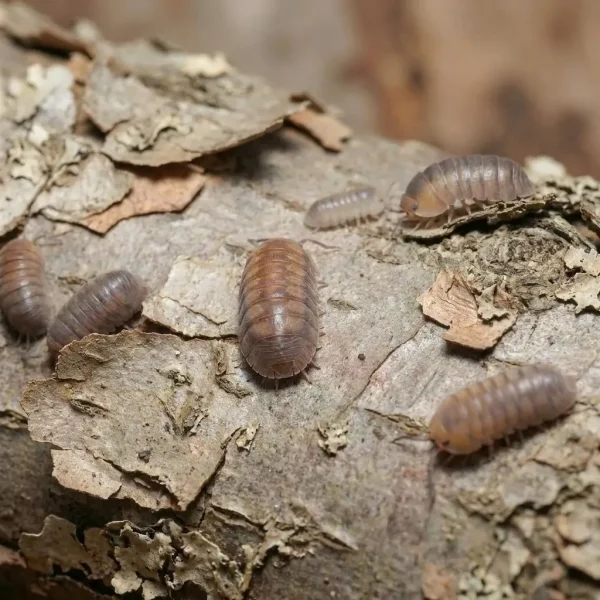
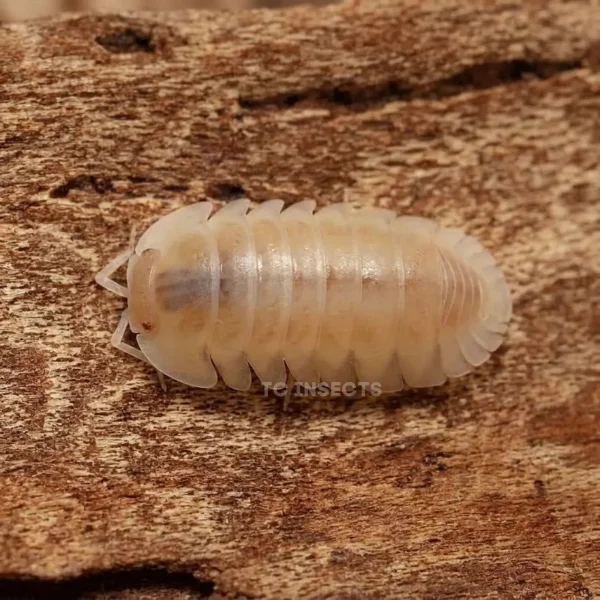
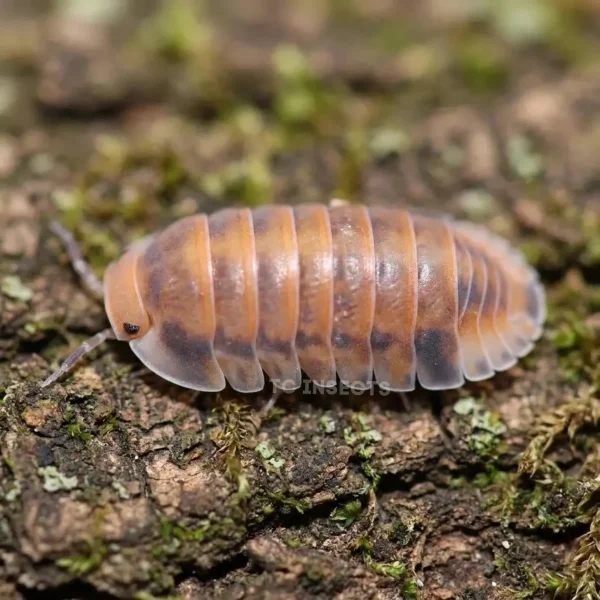
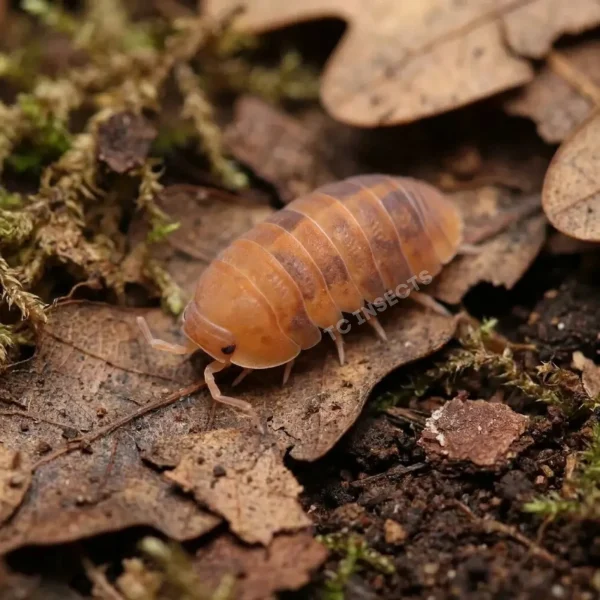
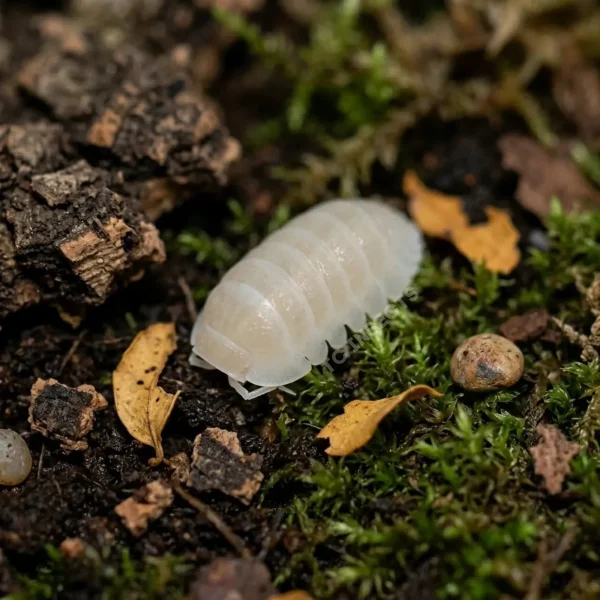
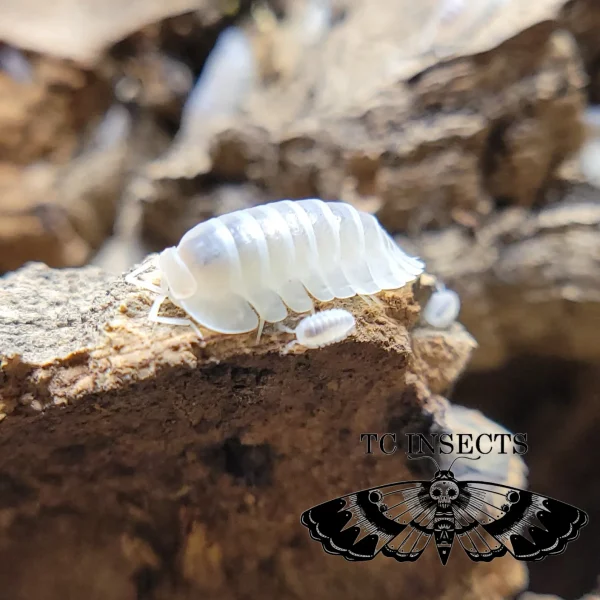
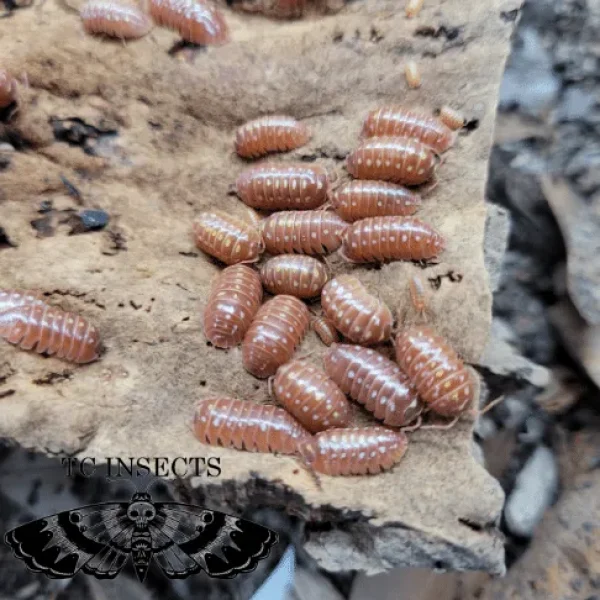
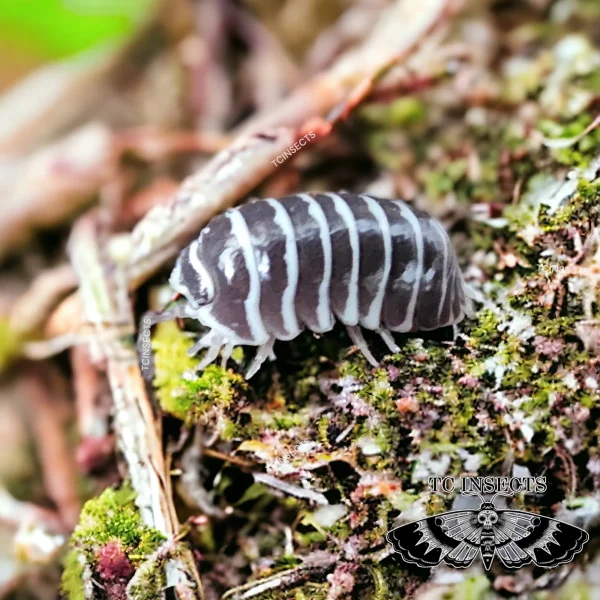
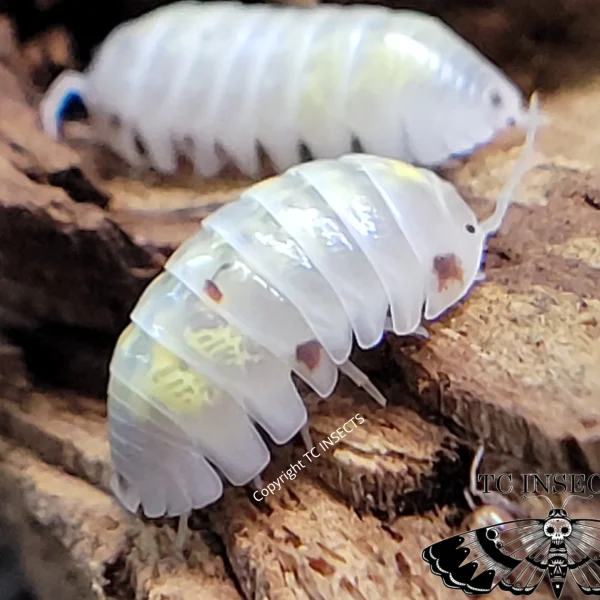
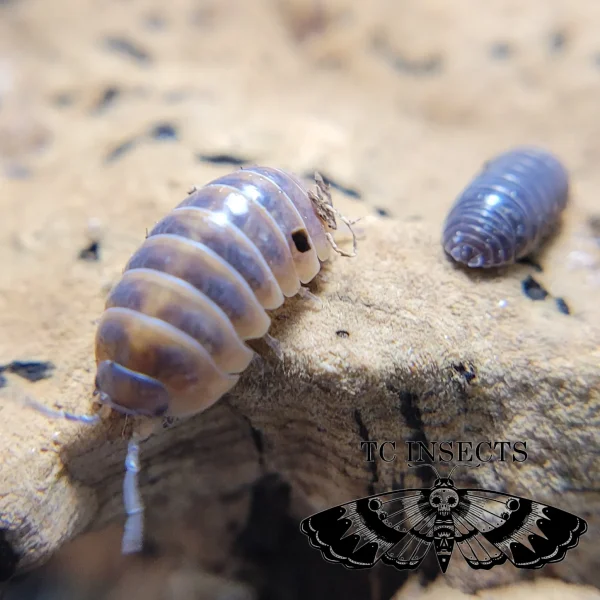
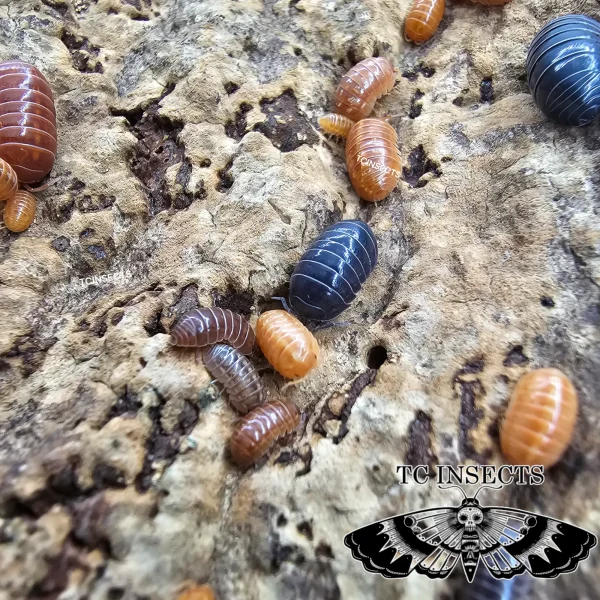
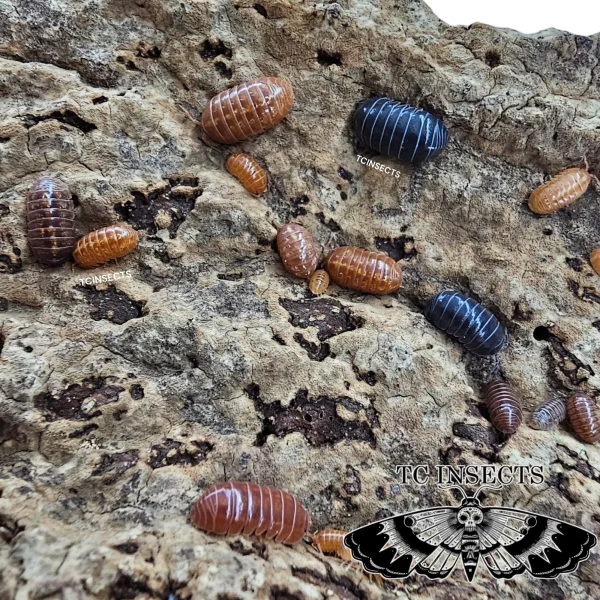
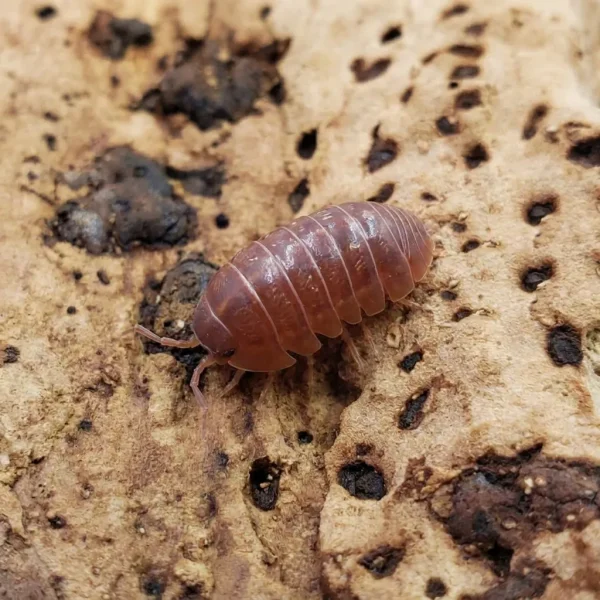
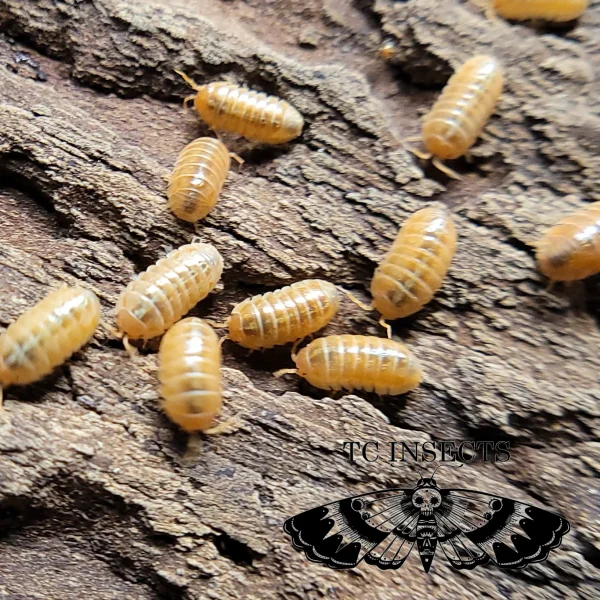
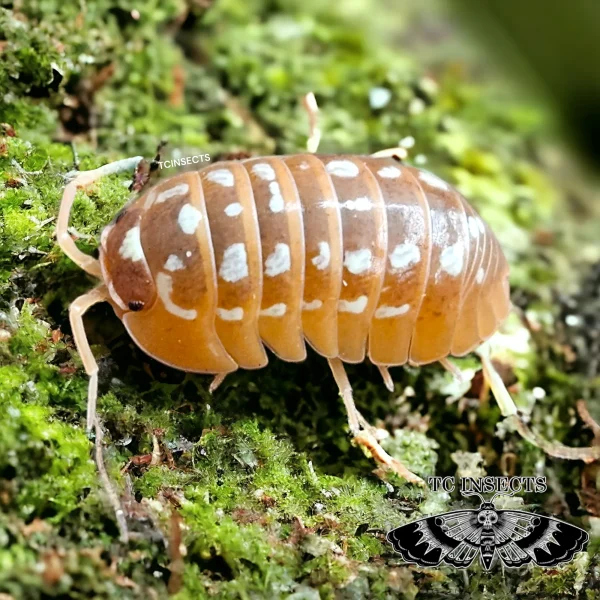
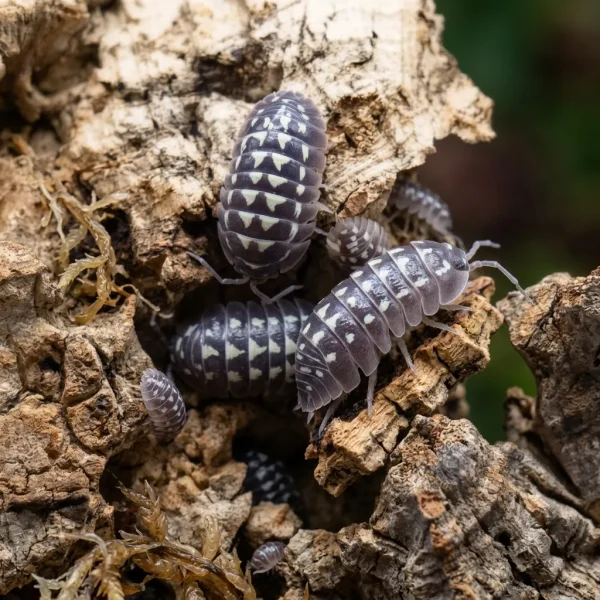
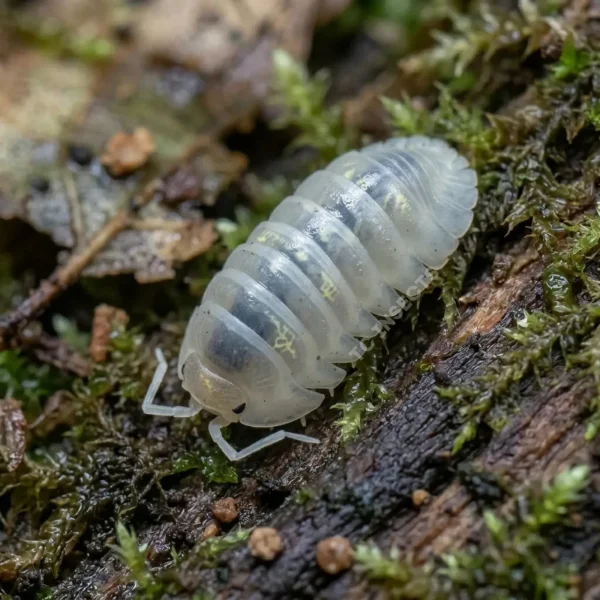
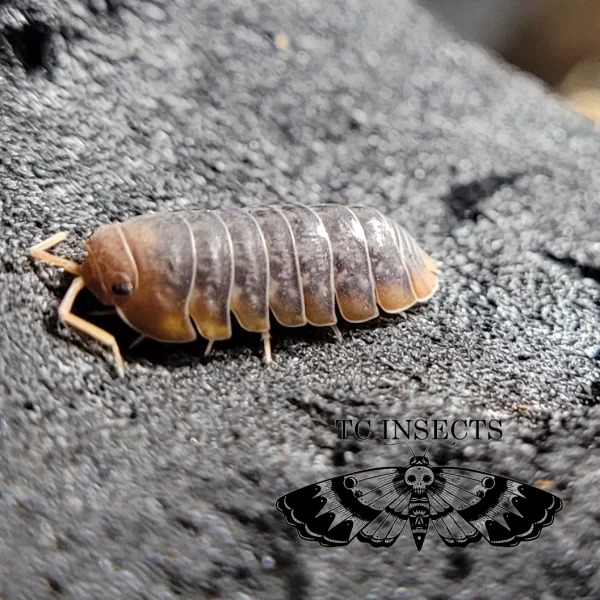
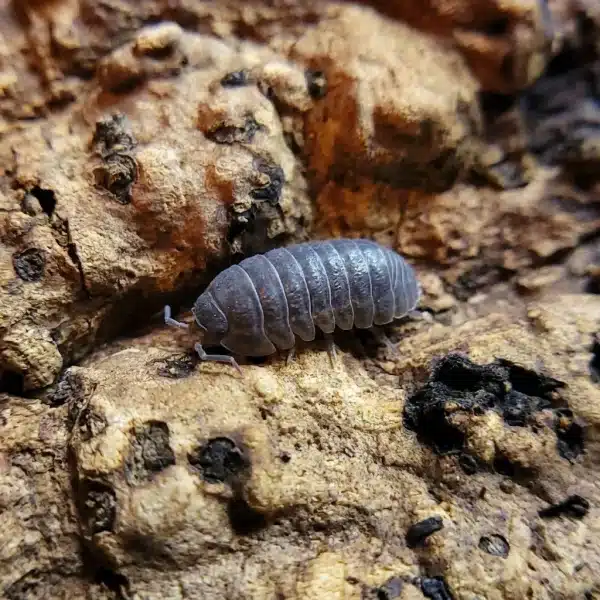
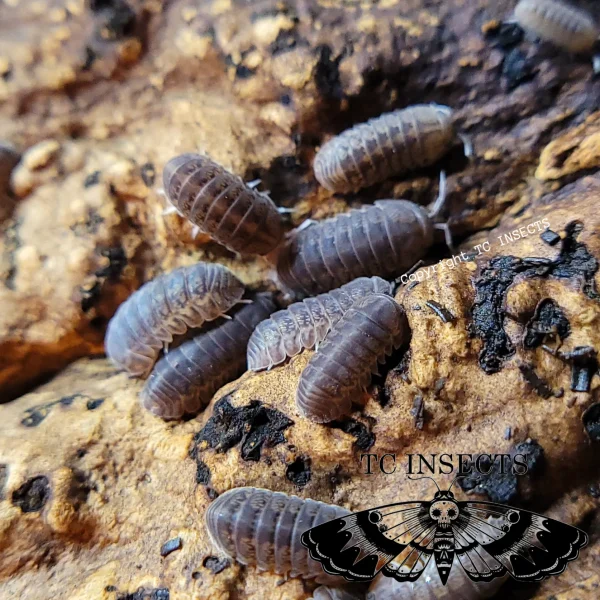
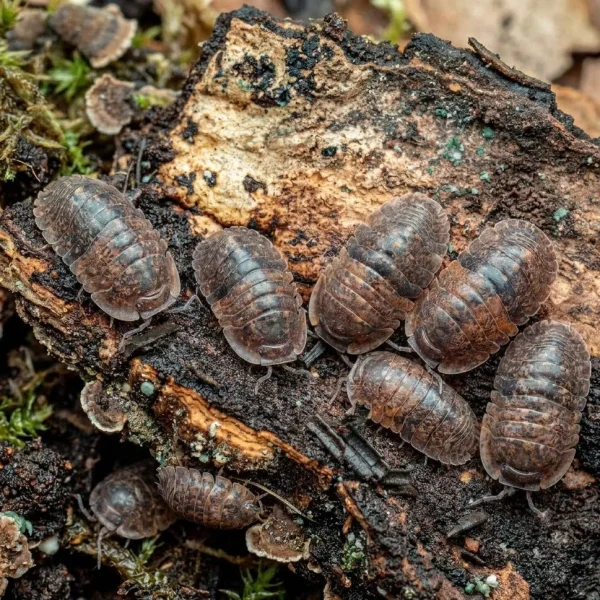
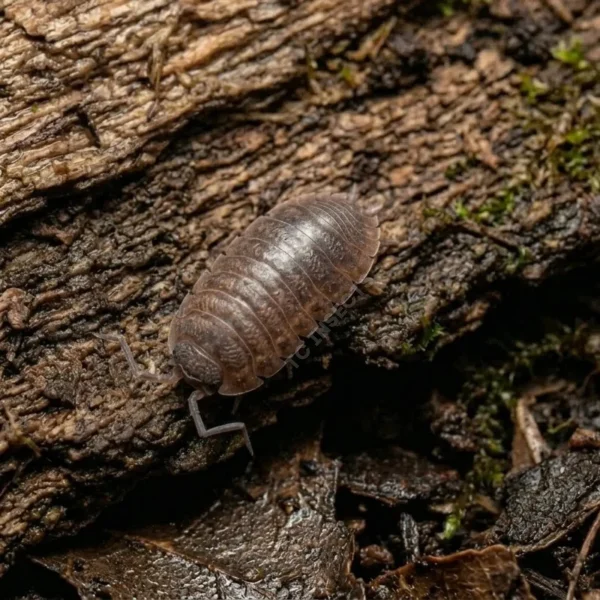
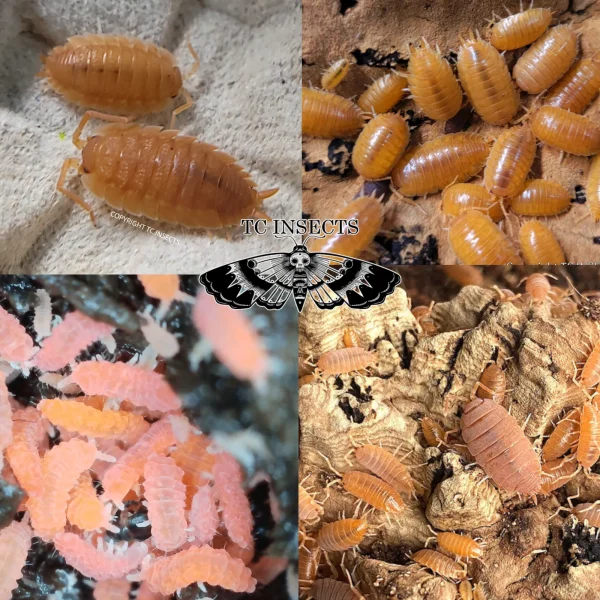
Powder isopods are some of the most popular live isopods for bioactive terrariums, cleanup crews, and beginner isopod keepers. Porcellionides pruinosus morphs such as Powder Blue, Powder Orange, Powder White, and Powder Mix are active, hardy, and useful for breaking down organic matter in many humid and semi-humid setups.
Best for: beginner keepers, bioactive cleanup crews, reptile enclosures, isopod bins, and customers who want fast-moving, productive isopods.
Powder isopod and springtail combos are a simple way to start a more complete bioactive cleanup crew. Springtails help manage mold, fungi, and fine organic waste, while powder isopods break down leaf litter, soft wood, shed skin, and larger organic material.
Best for: new bioactive terrariums, vivariums, reptile enclosures, amphibian setups, and customers who want isopods and springtails in one order.
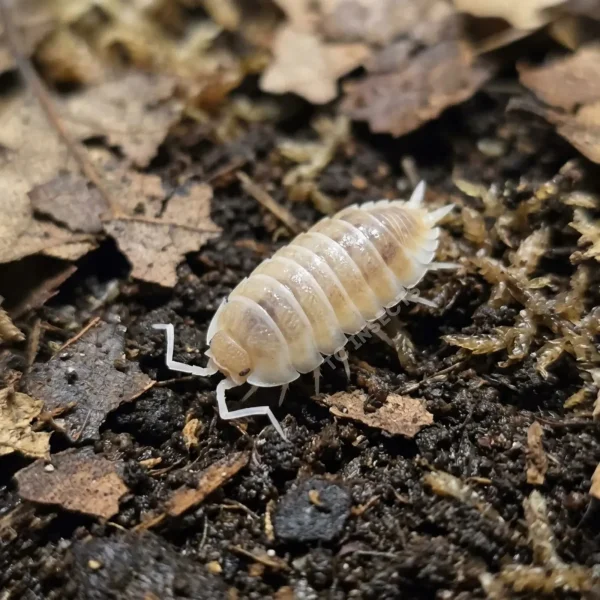
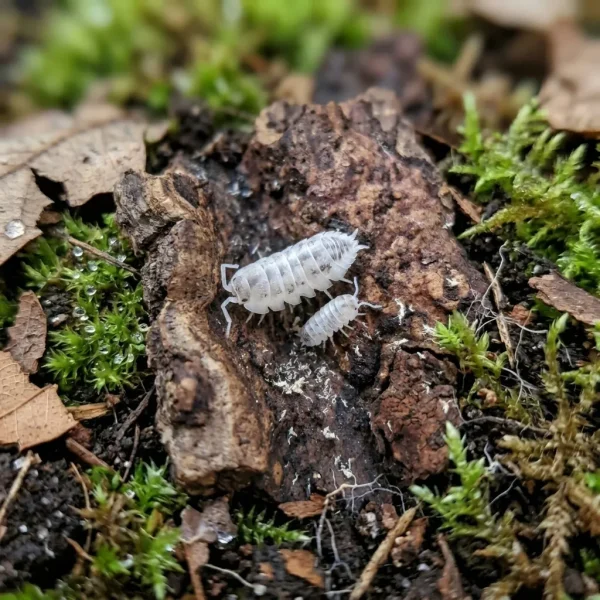
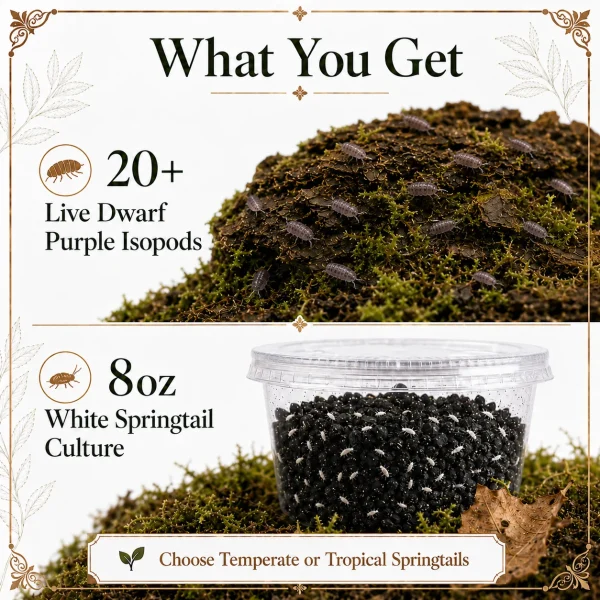
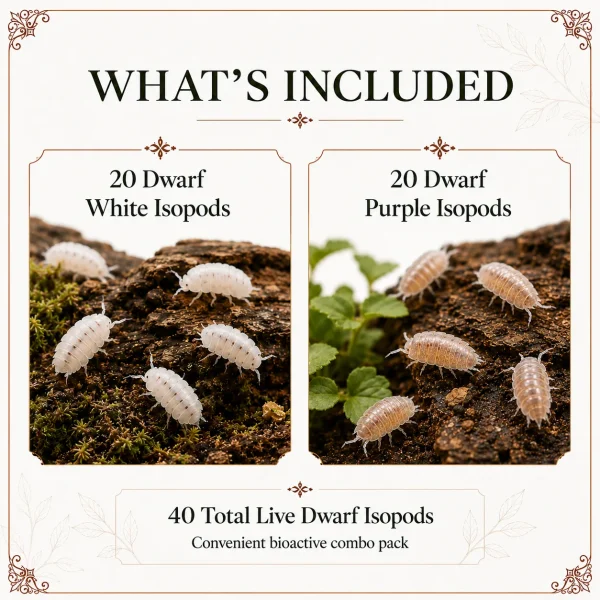
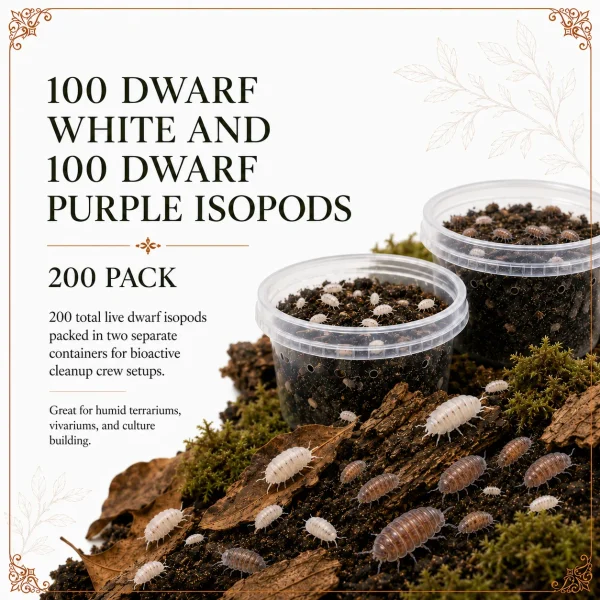
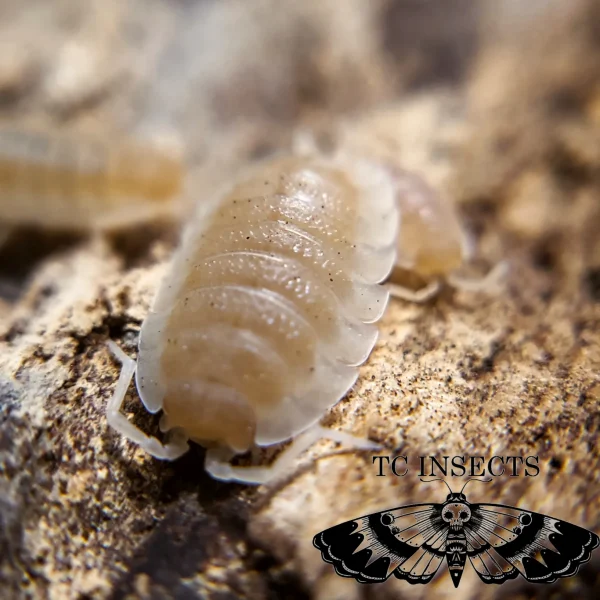
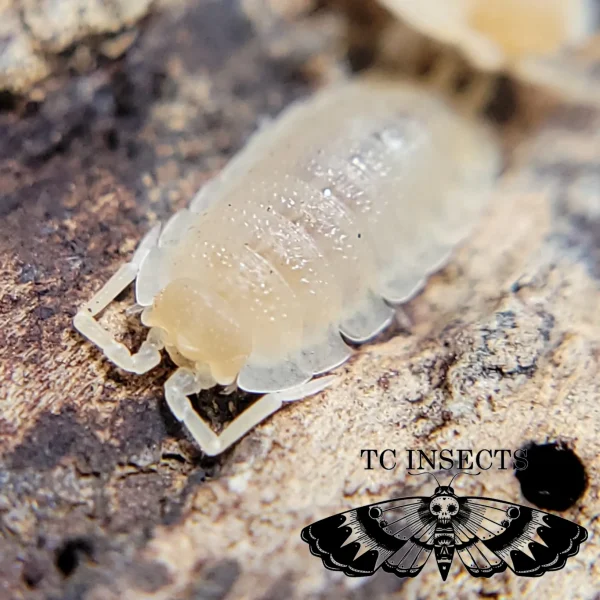
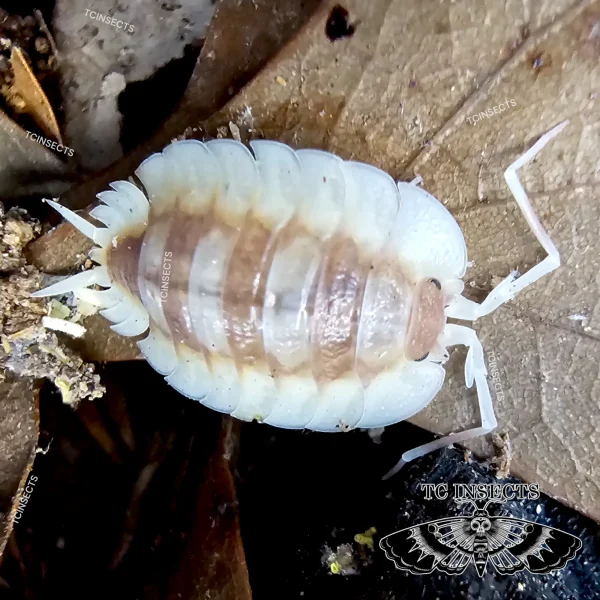
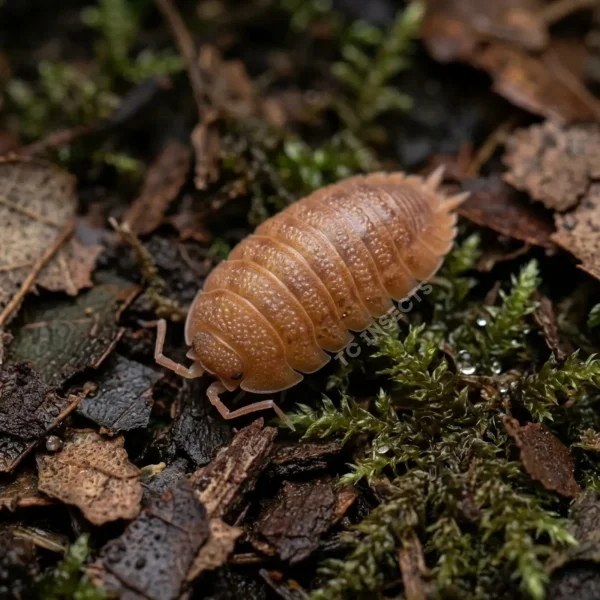
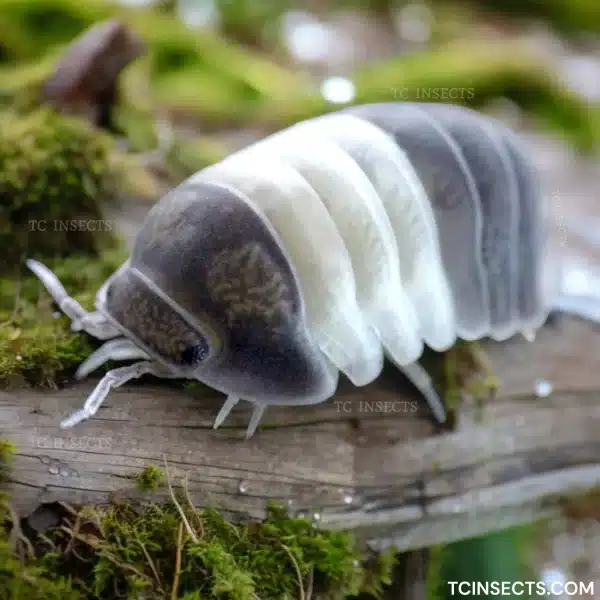
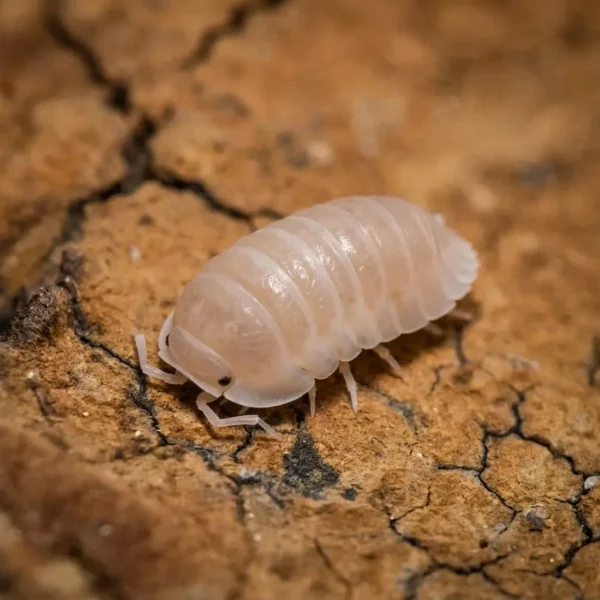
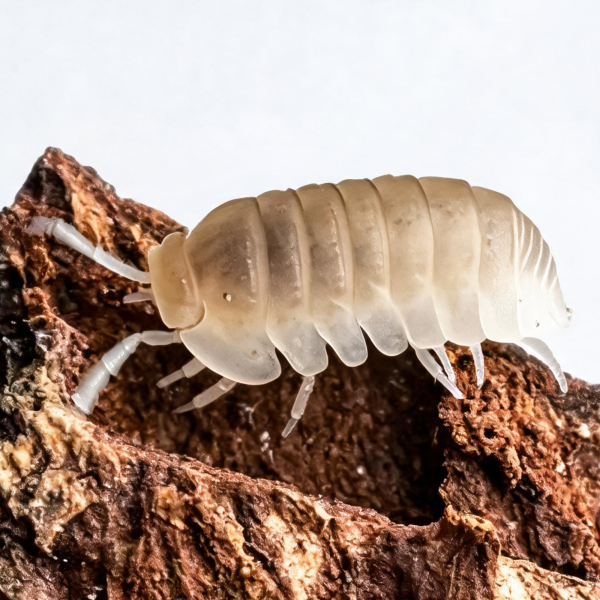
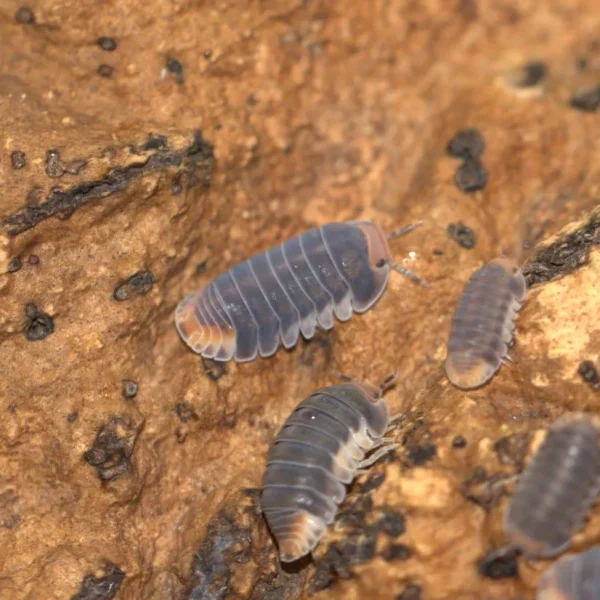
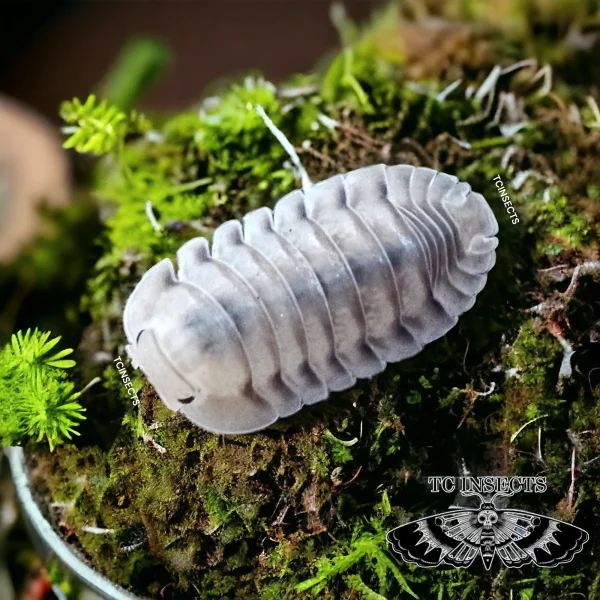
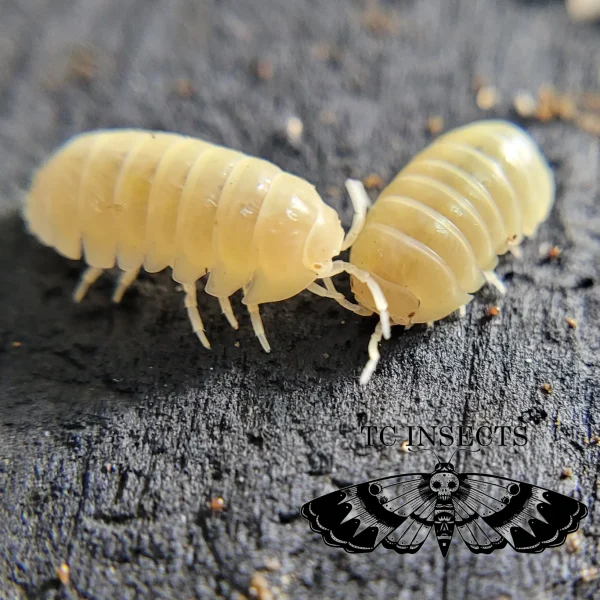
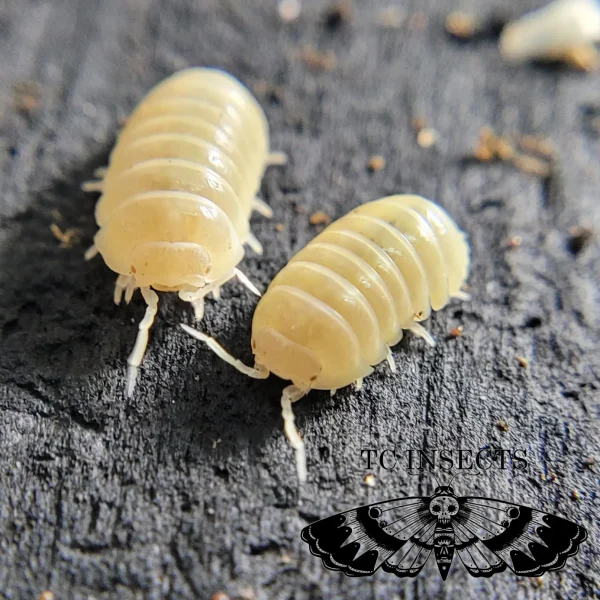
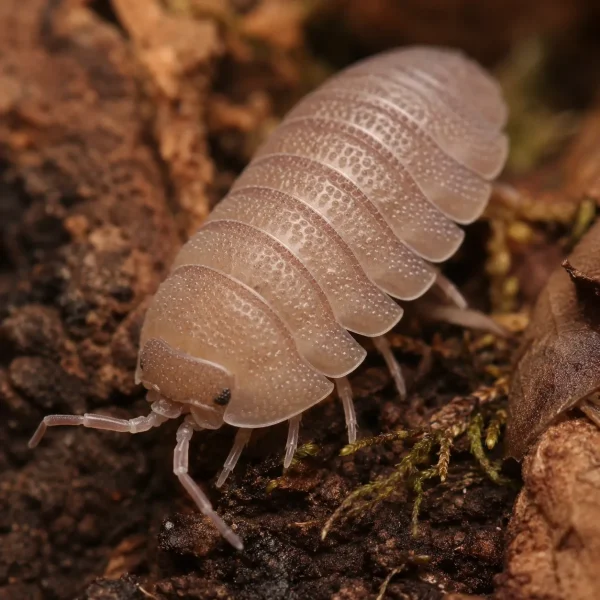
Dwarf isopods are small cleanup crew species that work well in humid bioactive terrariums, dart frog vivariums, planted enclosures, and isopod cultures. Dwarf White, Dwarf Purple, Dwarf Grey, and other small isopods are useful when you want a lower-profile cleanup crew that stays active in the substrate and leaf litter.
Best for: humid enclosures, dart frogs, small terrariums, planted vivariums, and bioactive setups where larger isopods may not be ideal.
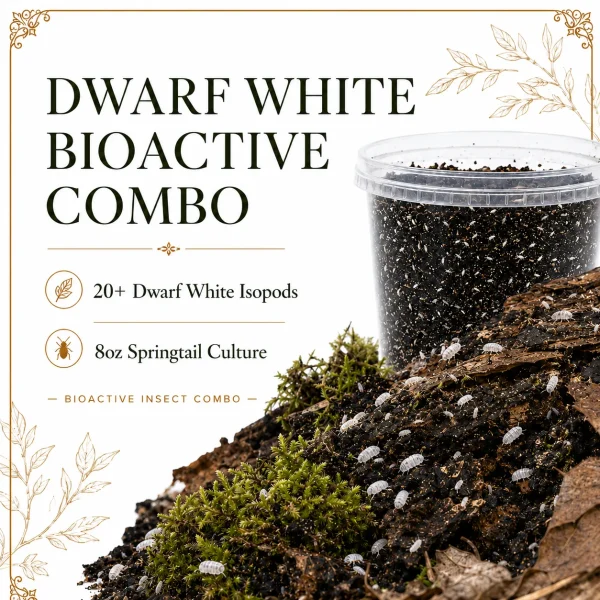
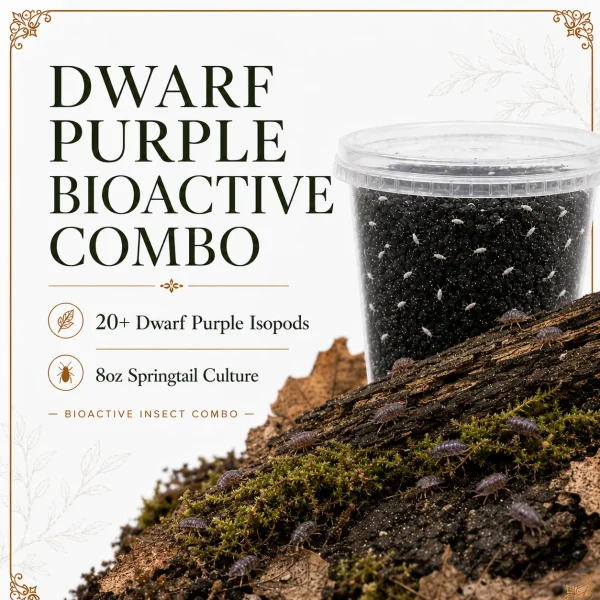
Dwarf isopod and springtail combos are ideal for keepers who want a starter cleanup crew for humid enclosures. These combos pair small isopods with springtails so the substrate gets support from both larger decomposers and tiny mold-control microfauna.
Best for: dart frog vivariums, small reptile enclosures, humid bioactive setups, planted tanks, and beginner cleanup crew builds.
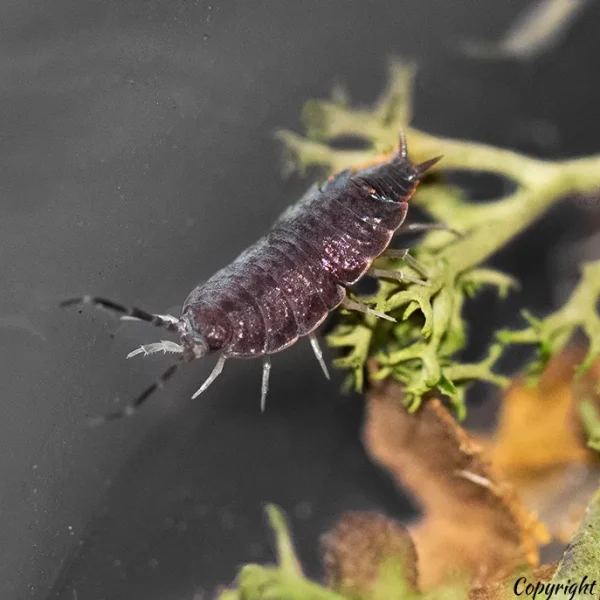
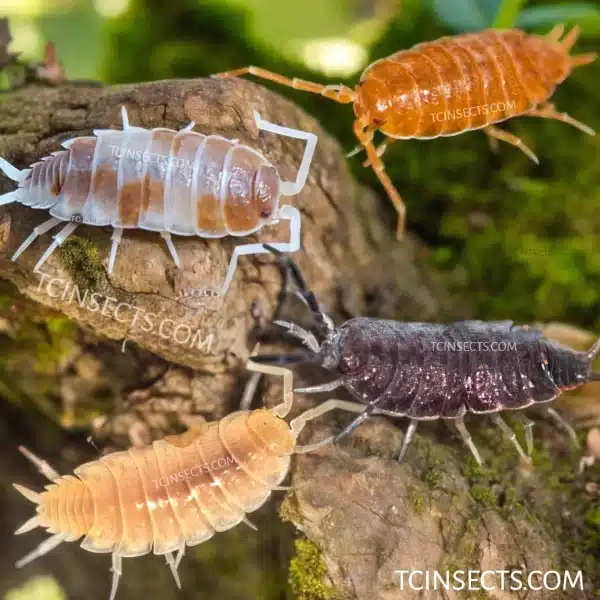
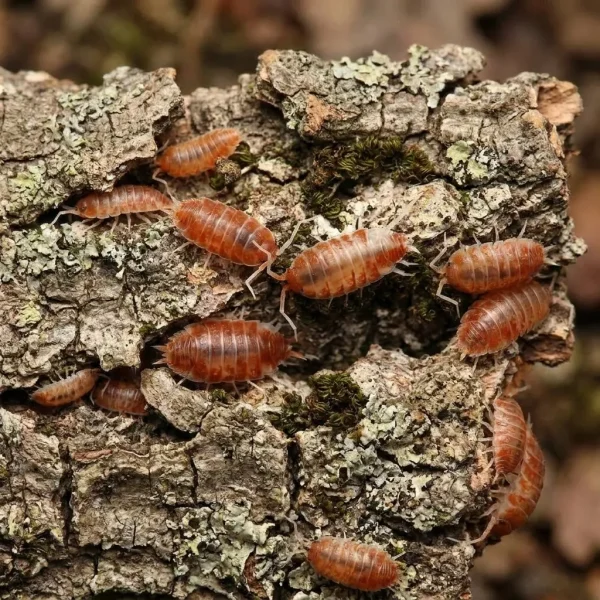
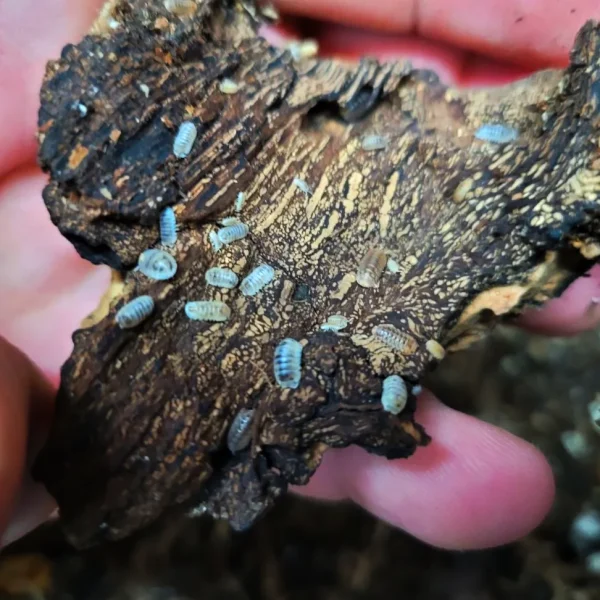
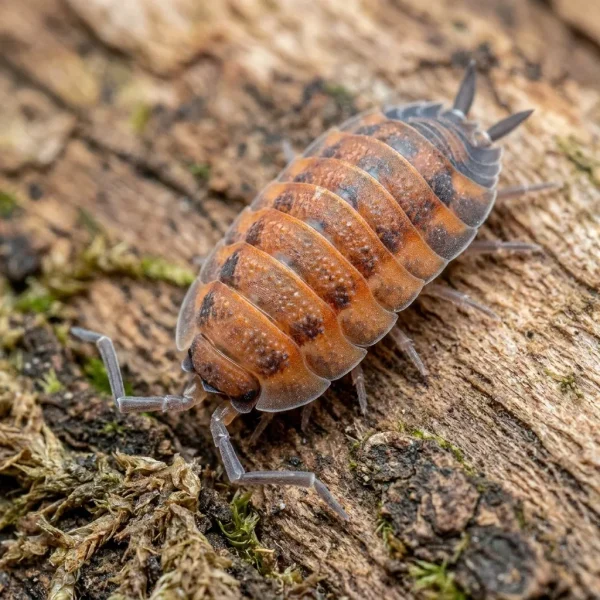
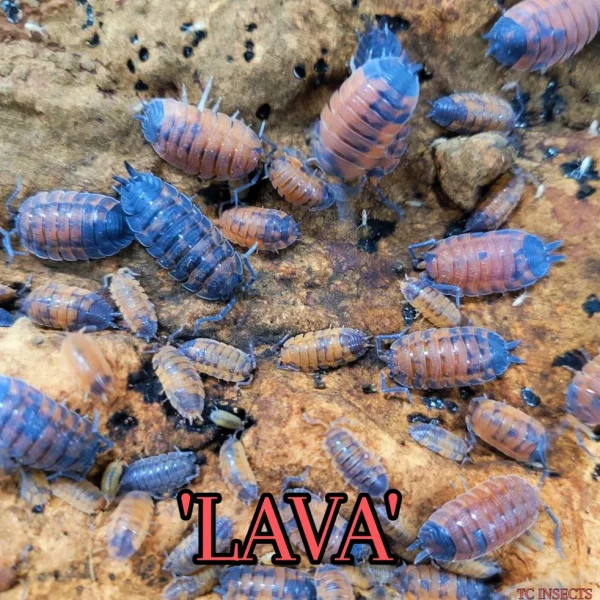
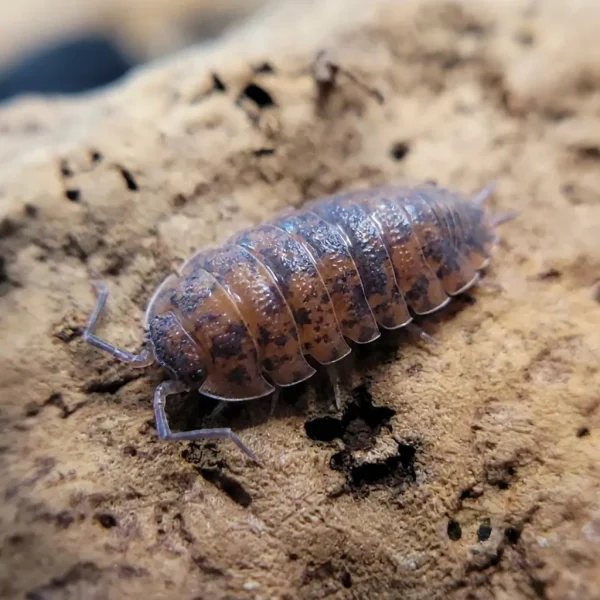
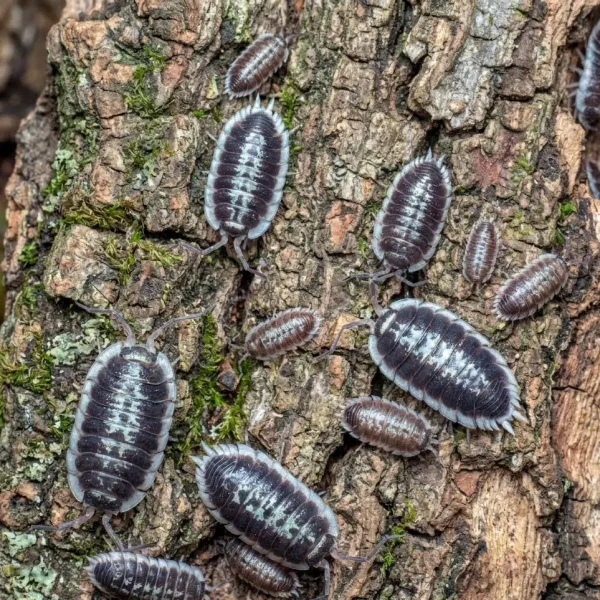
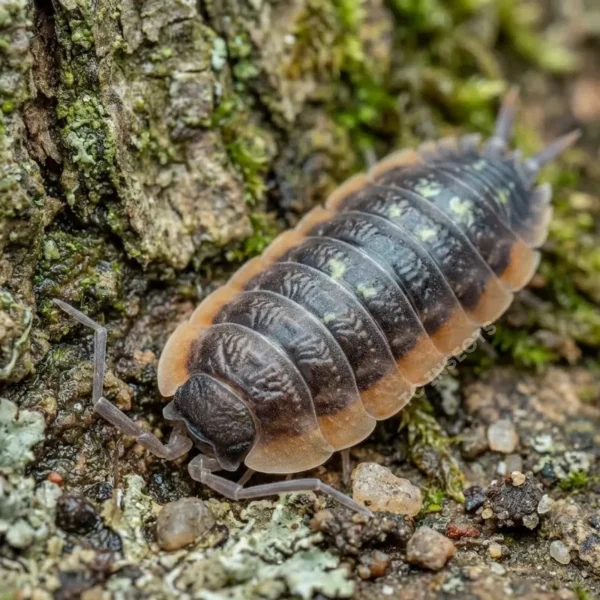
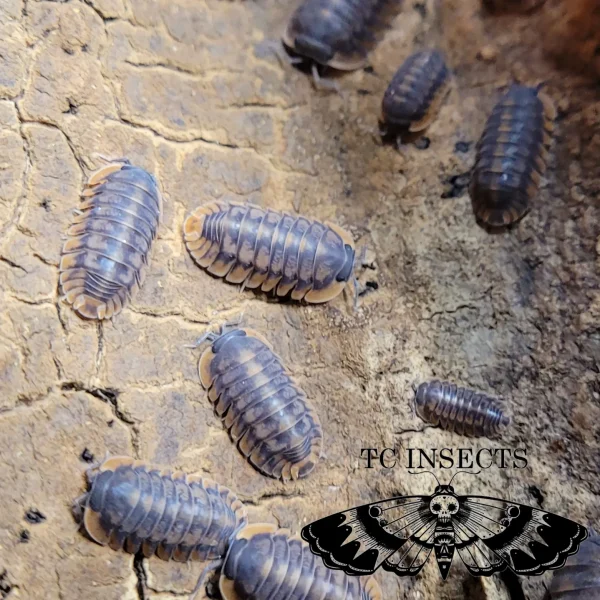
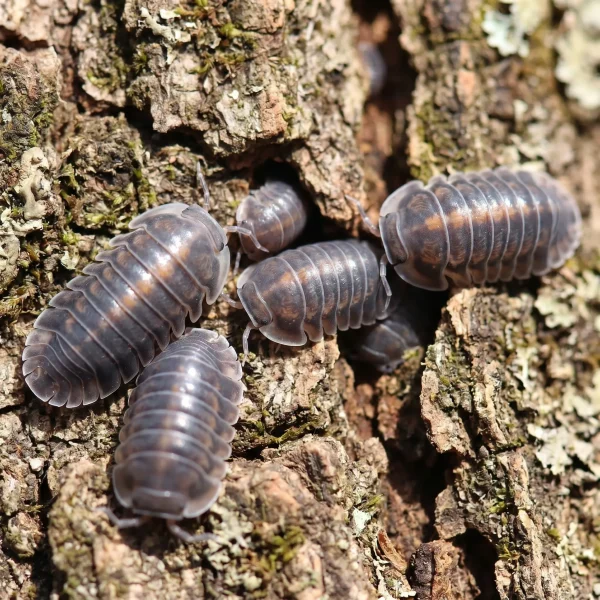
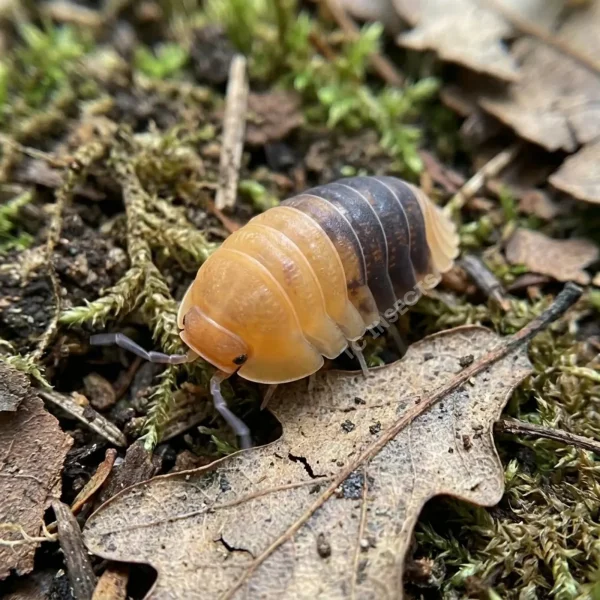
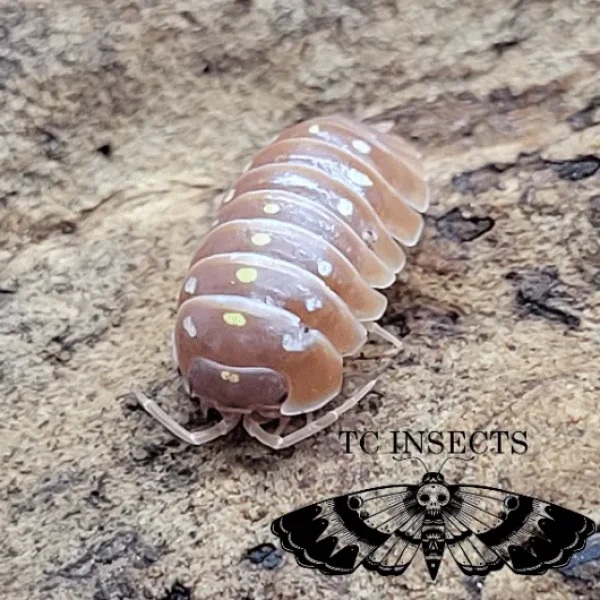
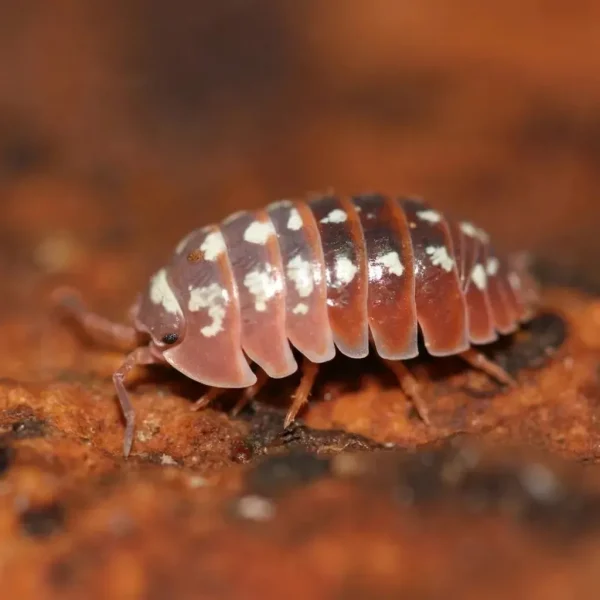
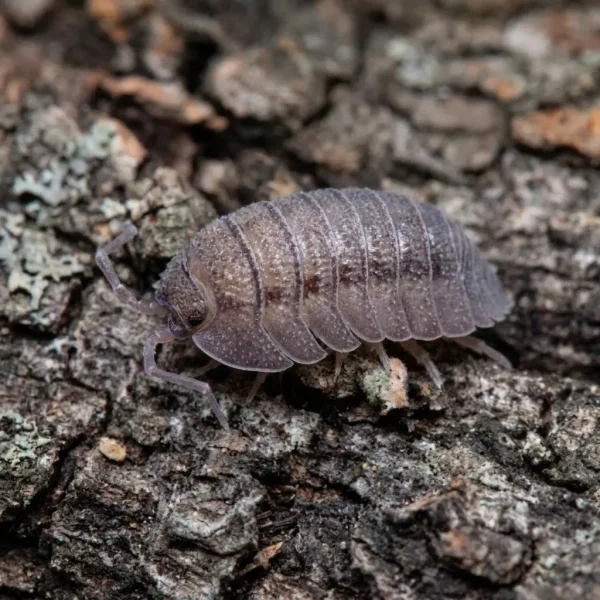
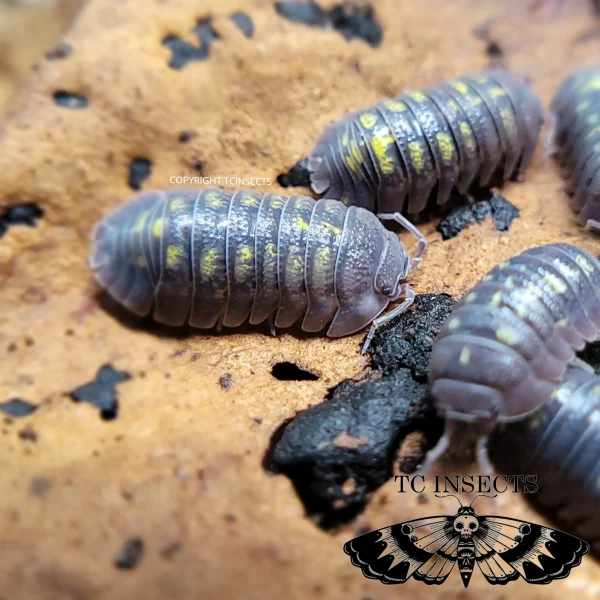
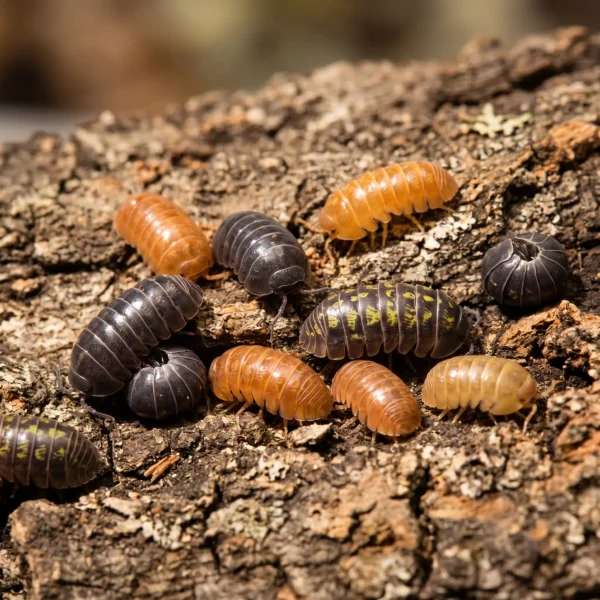
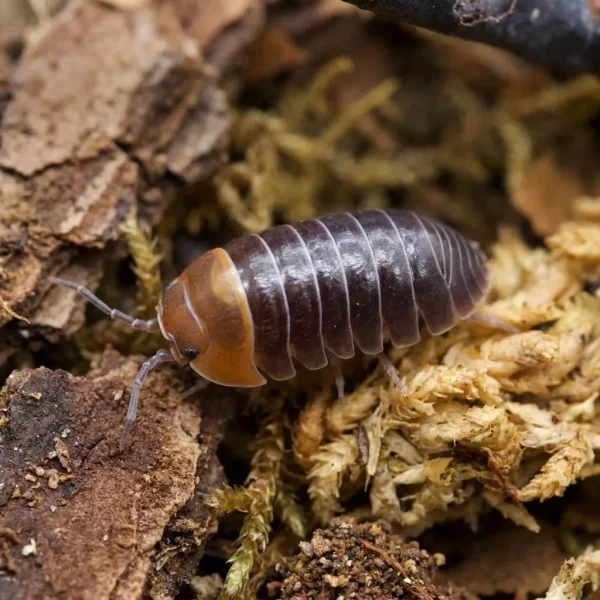
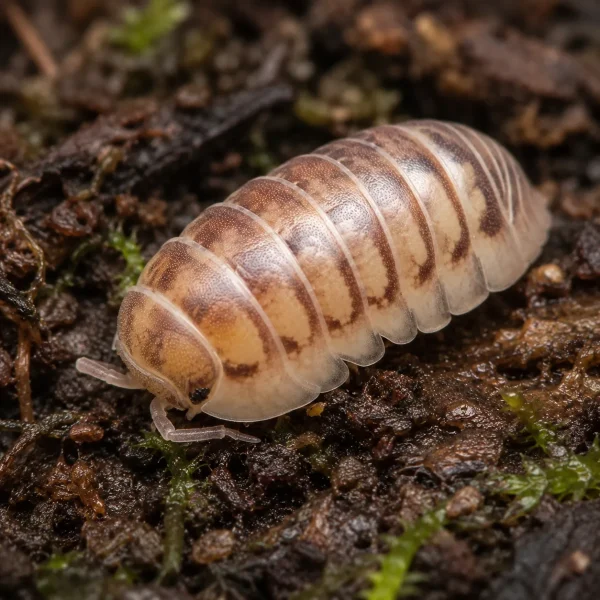
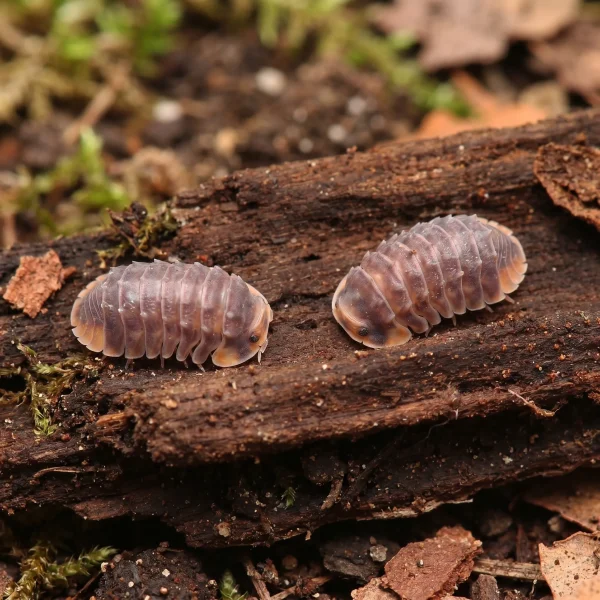
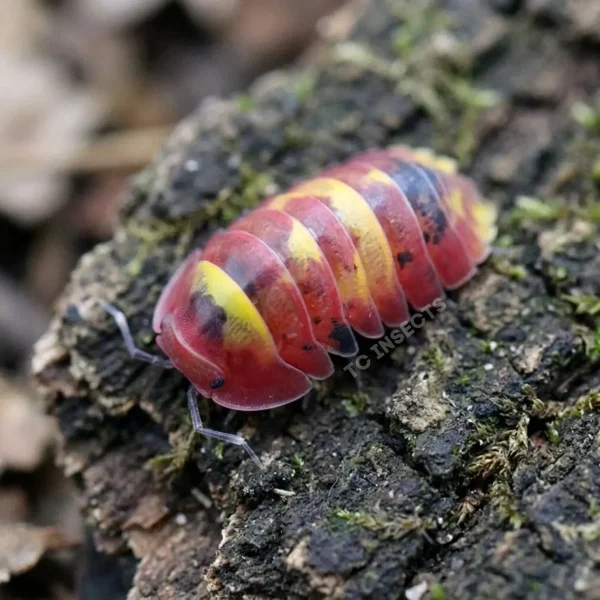
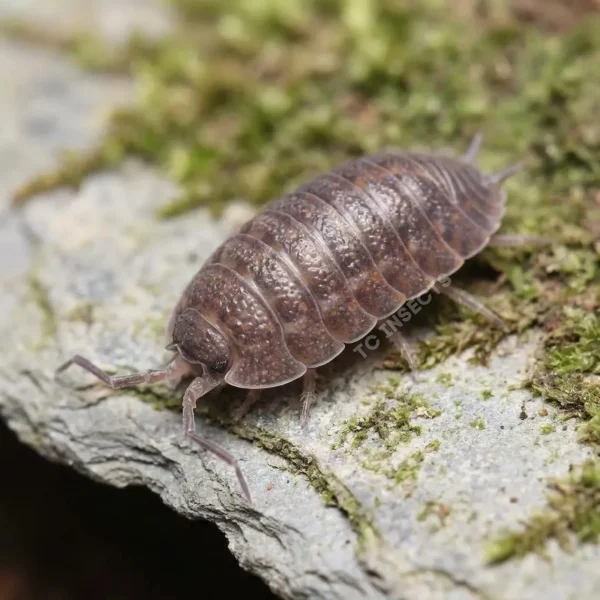
Porcellio scaber isopods are hardy, colorful, and popular with both beginners and collectors. Morphs like Lava, Orange, Red Calico, Koi, and Lemonade offer strong visual variety while still being practical for isopod cultures and compatible bioactive setups.
Best for: hobby collections, starter colonies, display bins, and keepers who want hardy isopods with color variety.
XXL Porcellio species are larger, impressive isopods for experienced keepers and collectors. Species and morphs such as Giant Canyon, Titan, Sevilla, Bolivari, Hoffmanseggii, and other large Porcellio types are often chosen for display colonies, breeding projects, and advanced isopod collections.
Best for: experienced keepers, display cultures, dry-to-semi-humid setups, and collectors who want larger isopods with bold appearance.
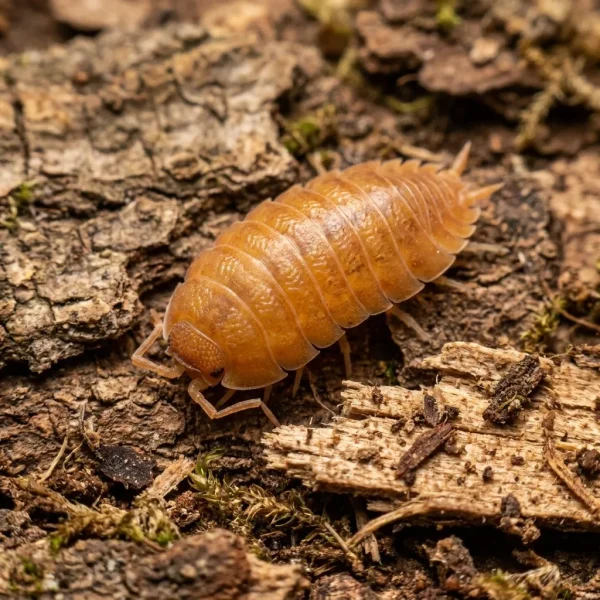
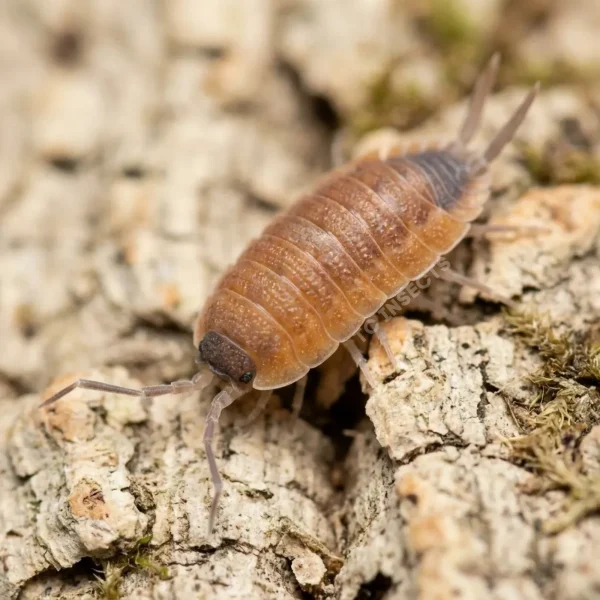
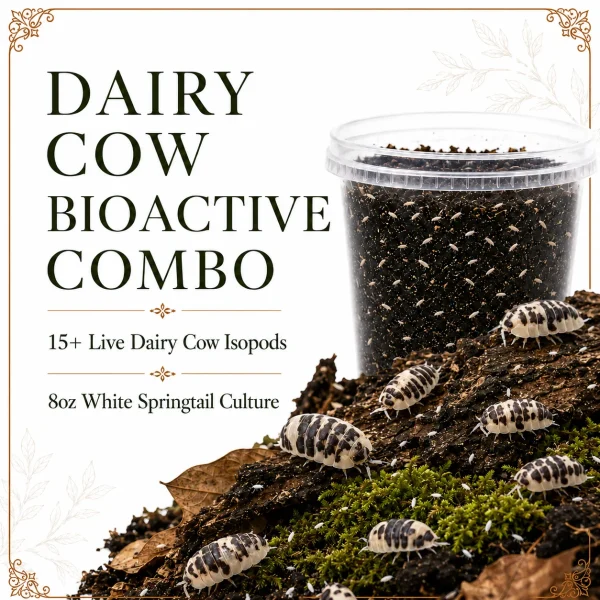
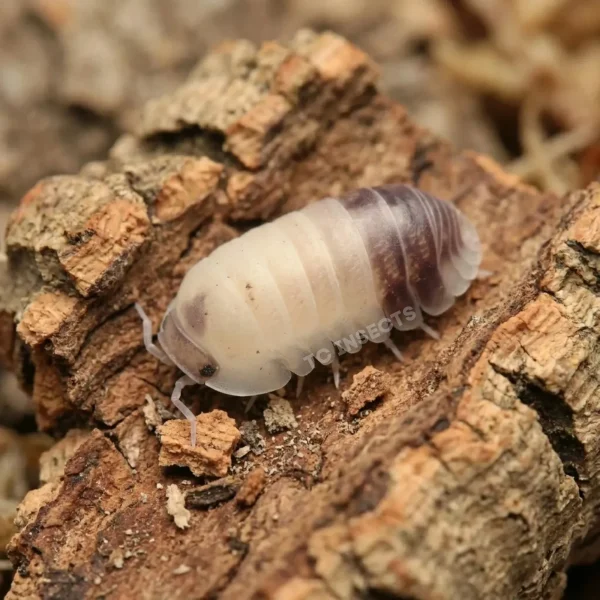
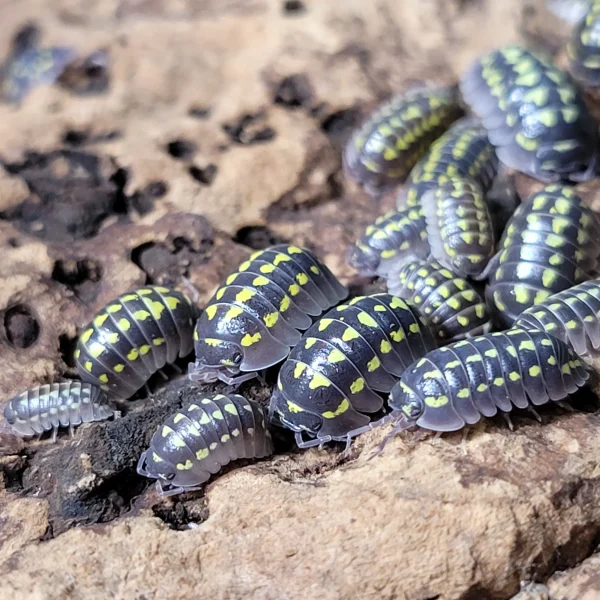
Porcellio laevis isopods are active, hardy, and popular in the hobby. Dairy Cow, Orange, White, Wild Type, and Milkback isopods are often chosen for starter colonies, cleanup crew use, and productive breeding projects.
Best for: beginner keepers, bioactive setups, feeder-support colonies, display cultures, and customers who want active, easy-to-see isopods.
Porcellio laevis combos help customers start with multiple morphs or pair Dairy Cow isopods with springtails for a stronger cleanup crew. These packs are useful for hobbyists who want value, variety, and a simple way to seed bioactive enclosures or start multiple cultures.
Best for: customers who want easy isopods, springtail support, or more variety in one order.
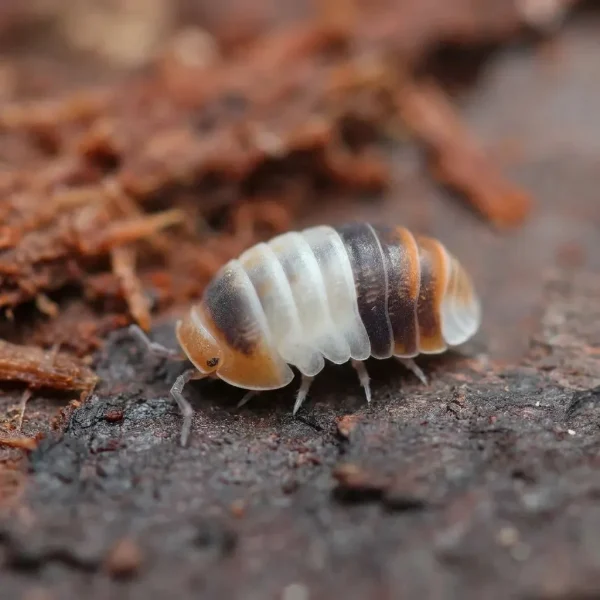
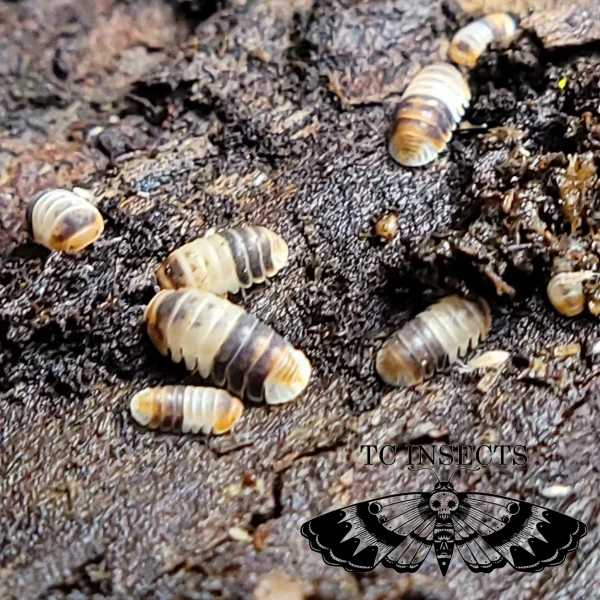
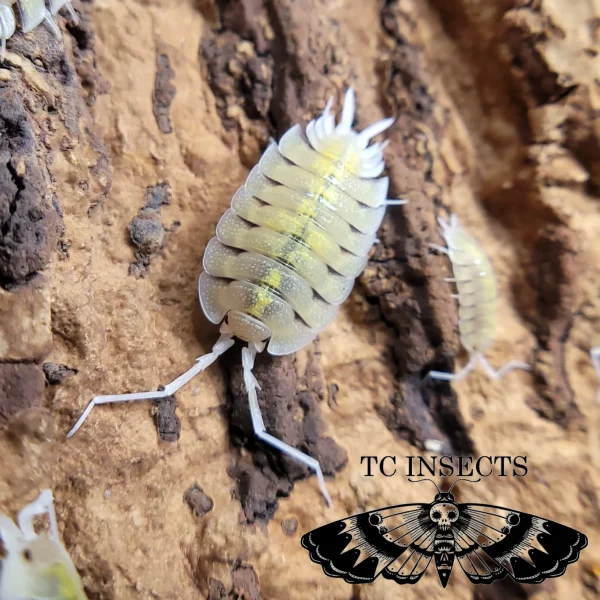
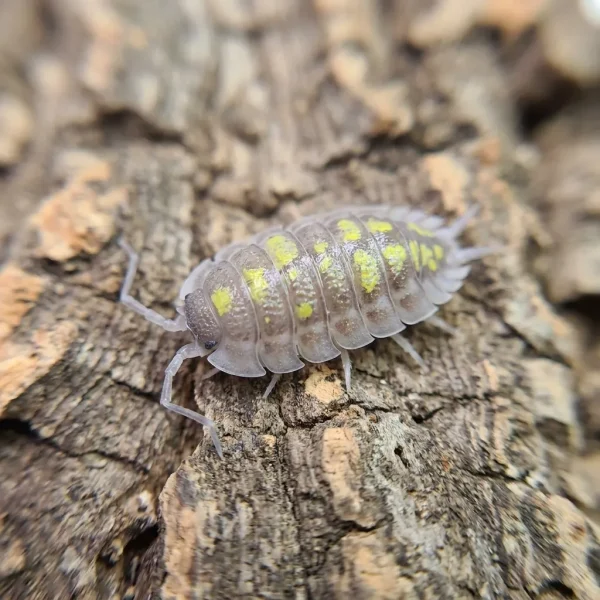
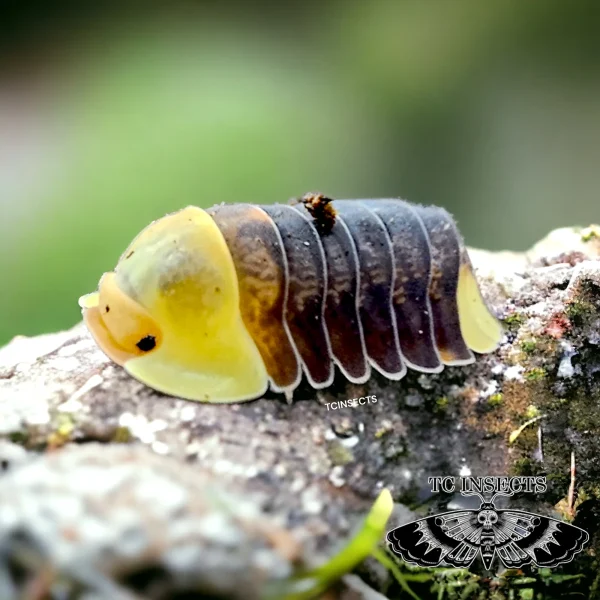
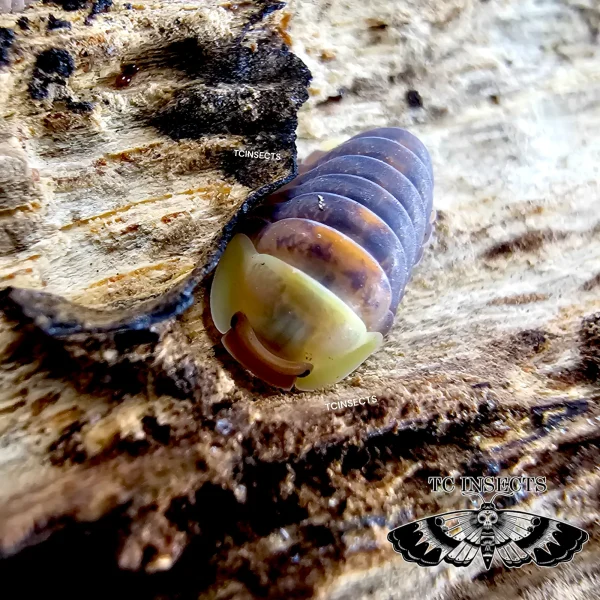
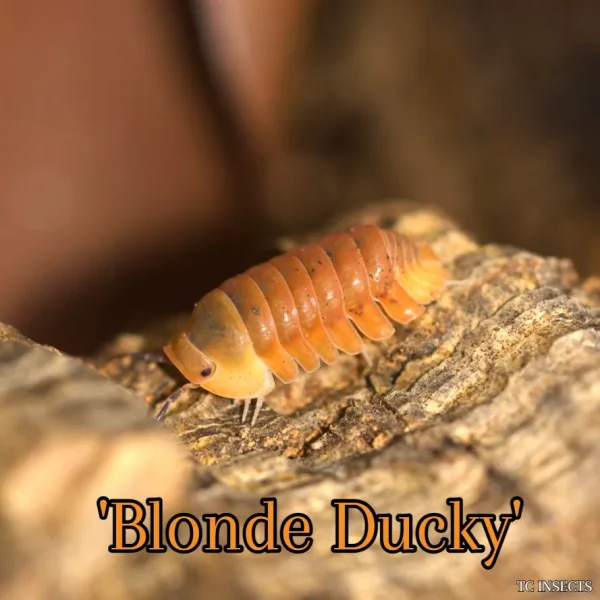
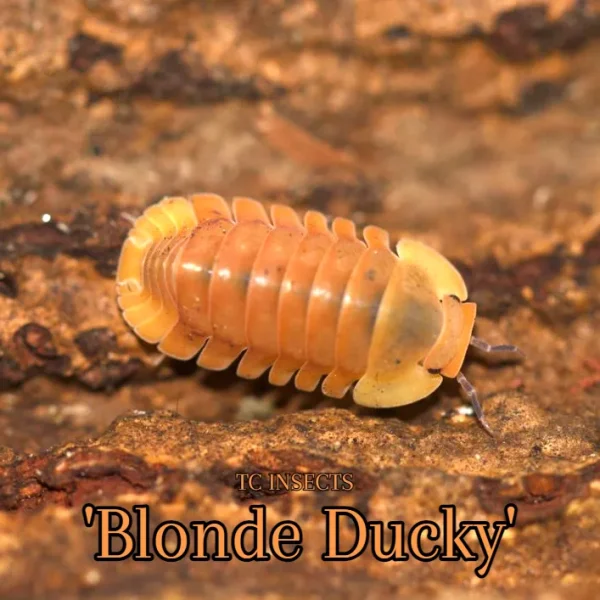
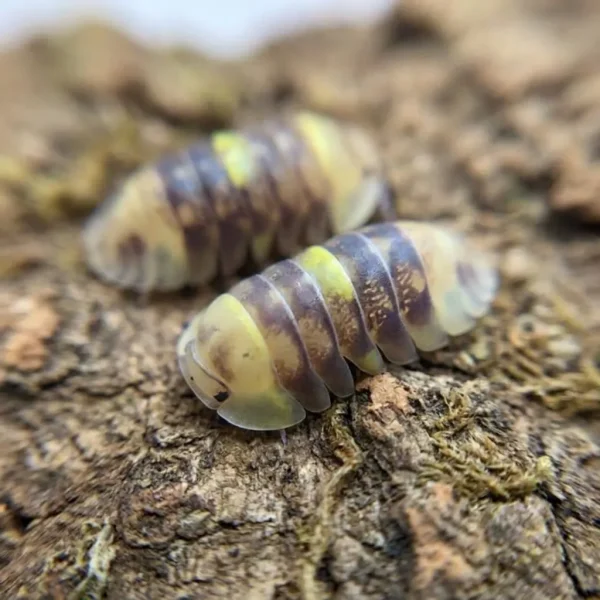
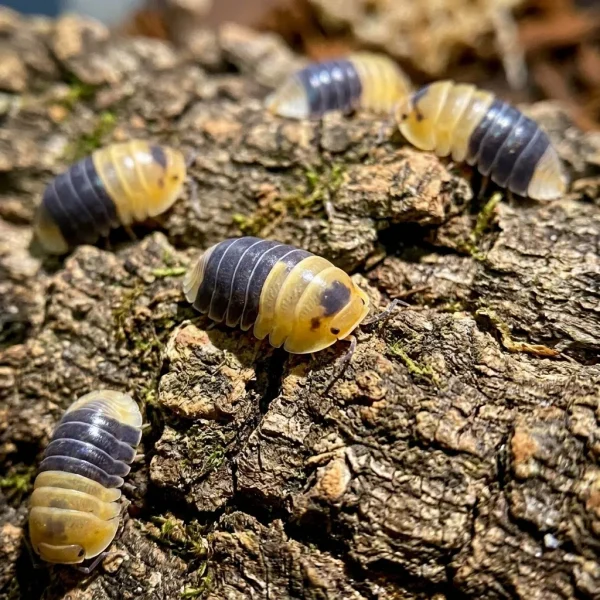
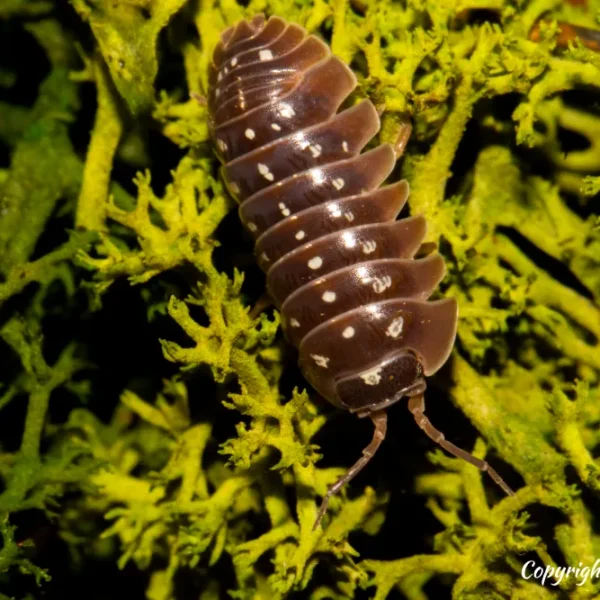
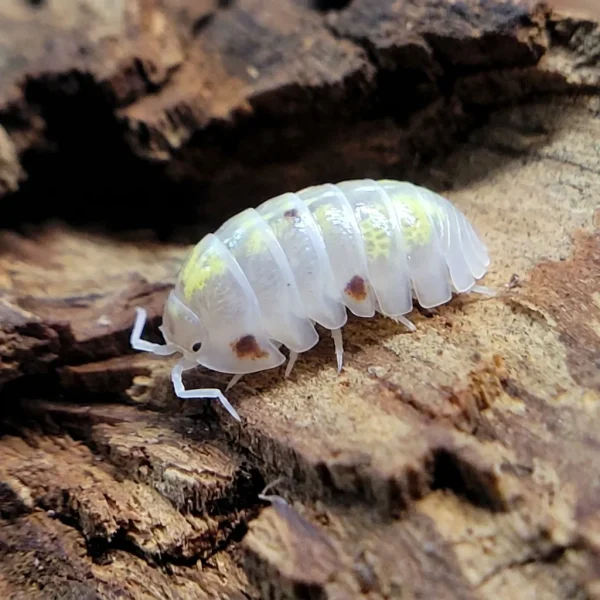
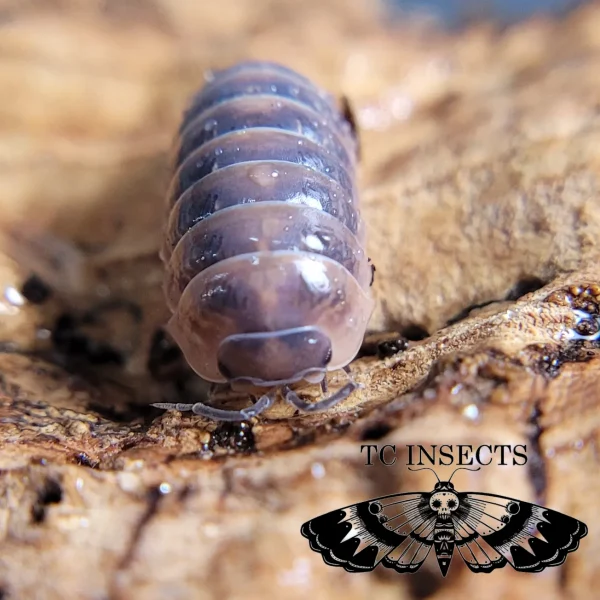
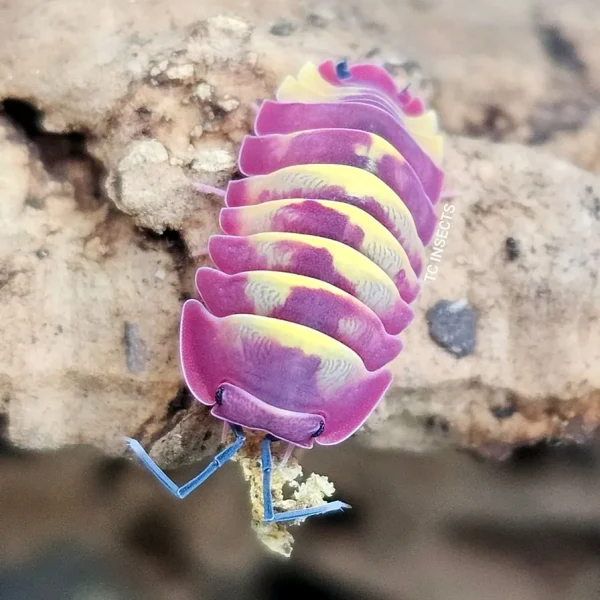
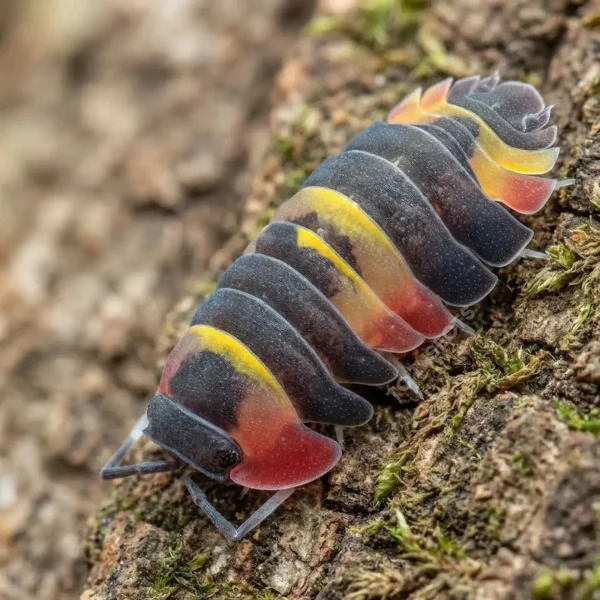
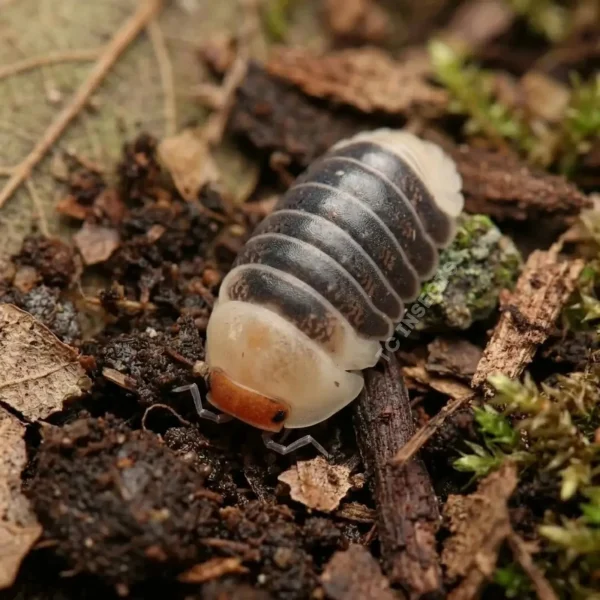
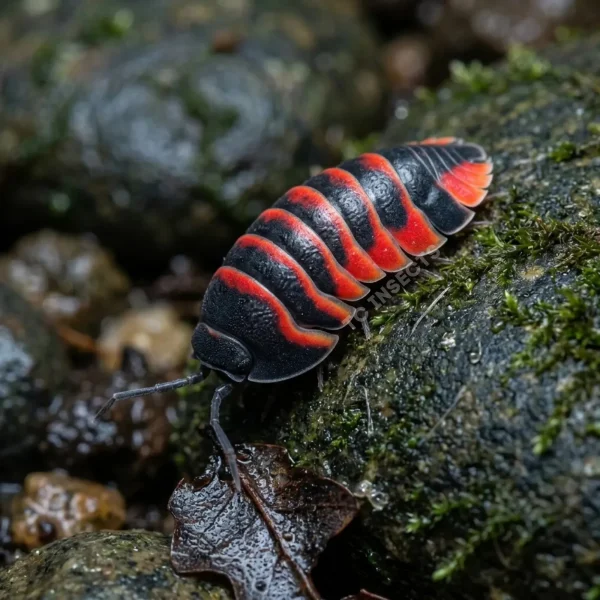
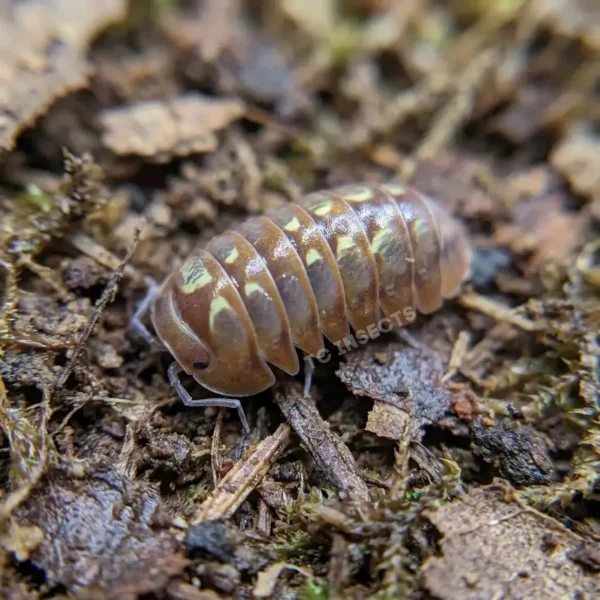
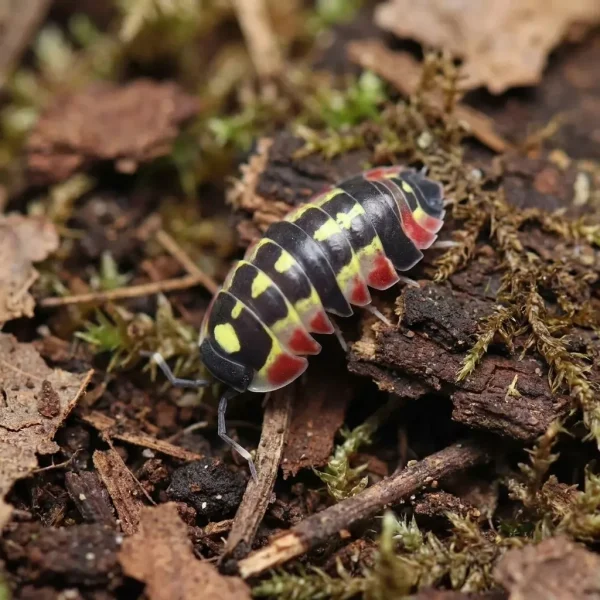
Rare Cubaris isopods are some of the most collectible isopods in the hobby. Species and morphs like Rubber Ducky, Panda King, Blonde Ducky, Red Panda, Cappuccino, Pak Chong, Papaya, Glacier, and other Cubaris types are popular for collectors who want unique shapes, colors, and behaviors.
Best for: isopod collectors, display cultures, tropical-style setups, and keepers who want premium or unusual isopod species.
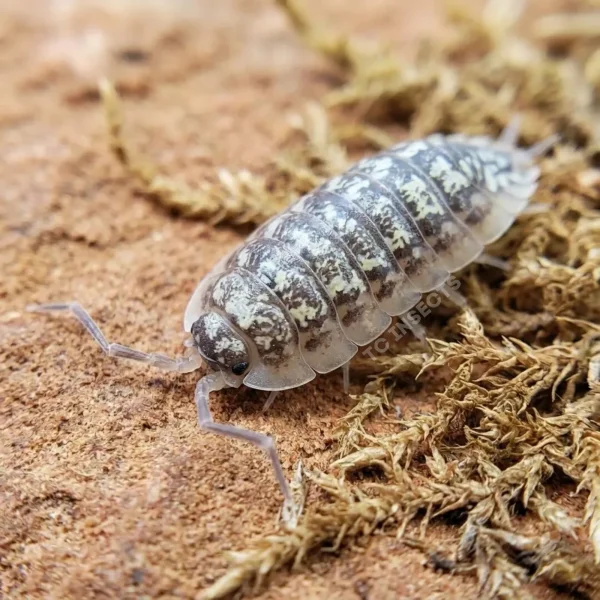
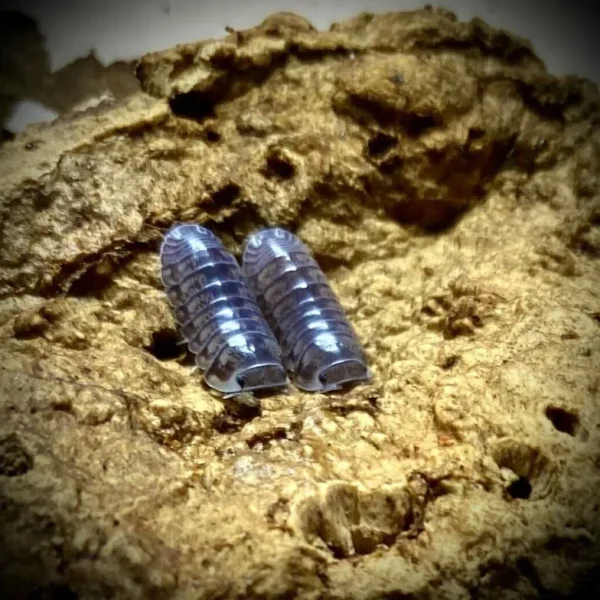
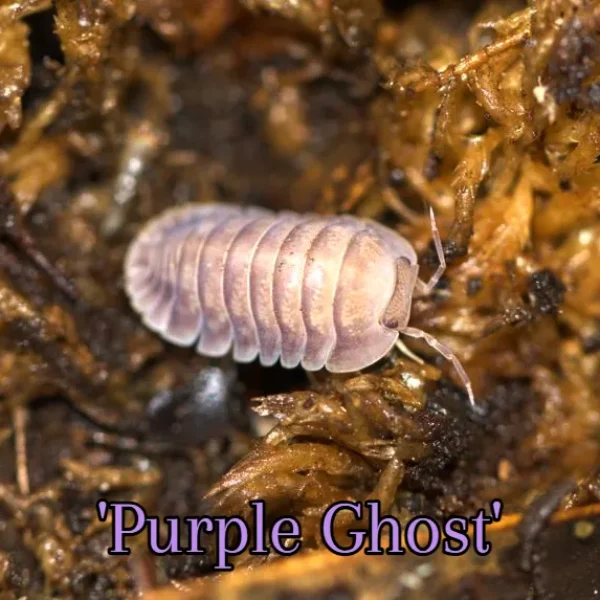
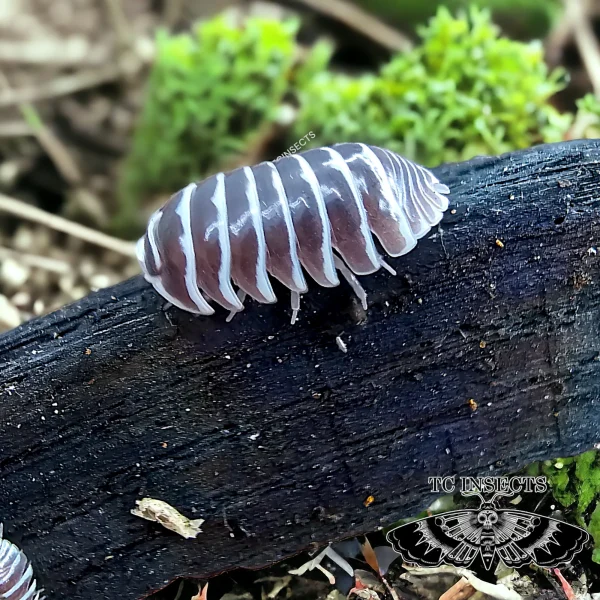
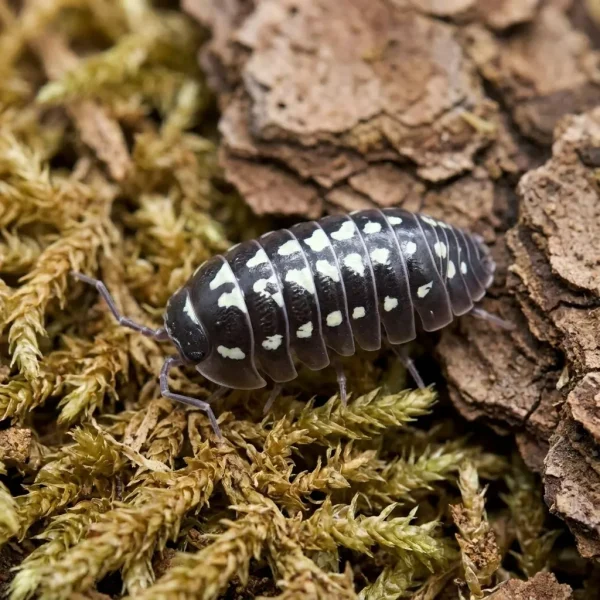
Nesodillo arcangeli isopods are unique collector isopods with attractive colors and patterns. Purple Ghost, Shiro Utsuri, Silver Ghost, and Yeti are good choices for hobbyists who want something different from common cleanup crew species.
Best for: collectors, display colonies, and keepers who can maintain stable isopod culture conditions.
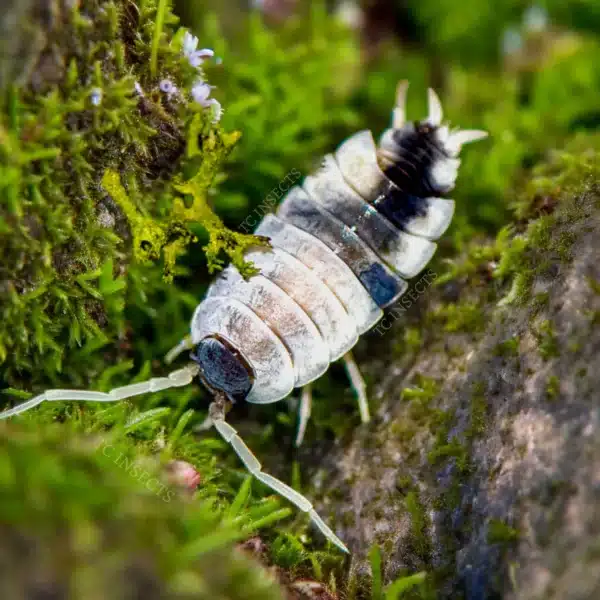
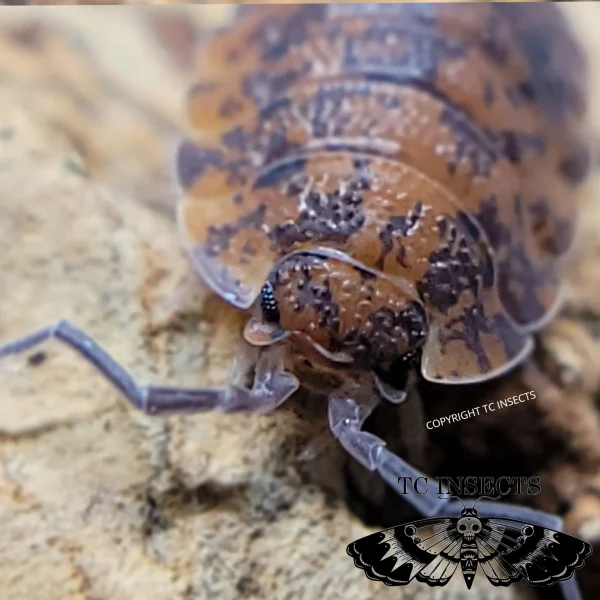
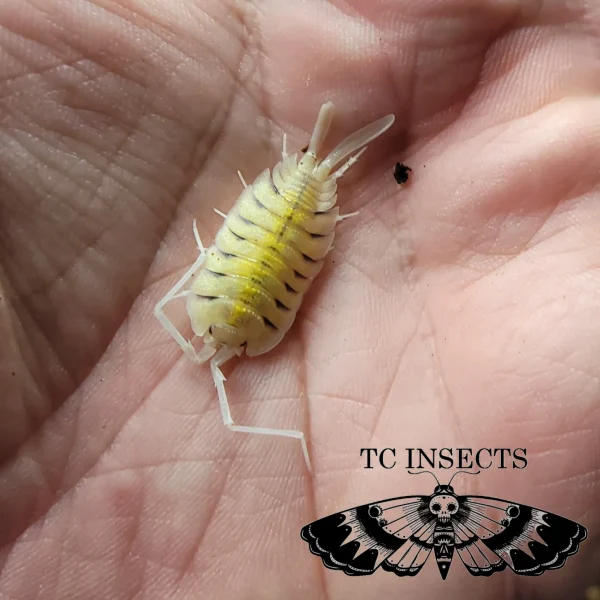
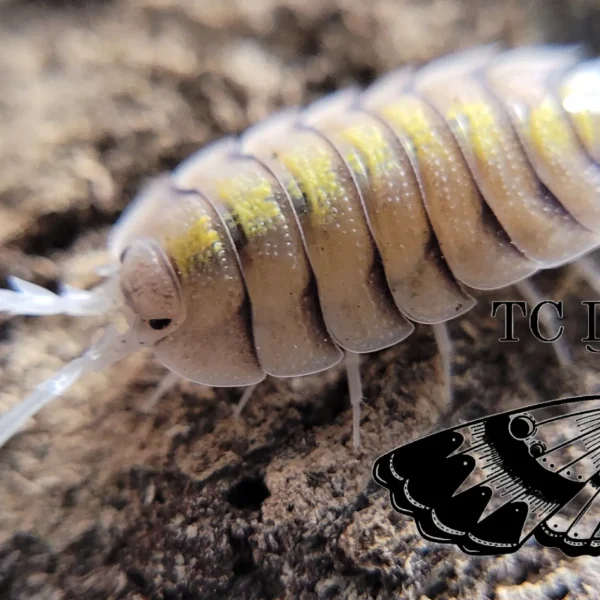
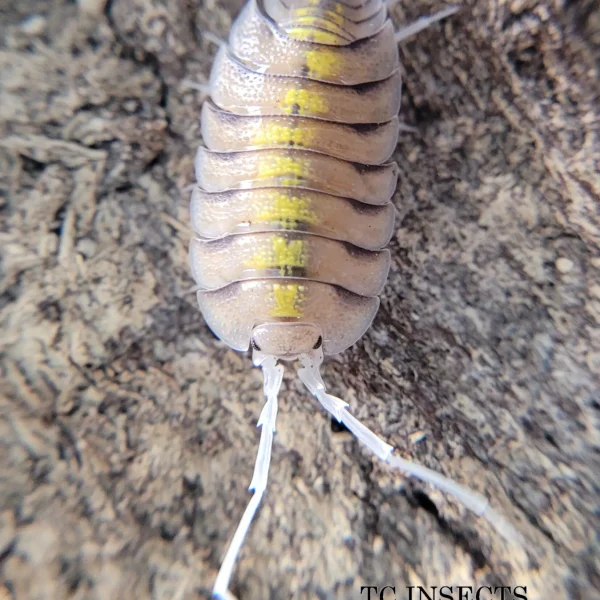
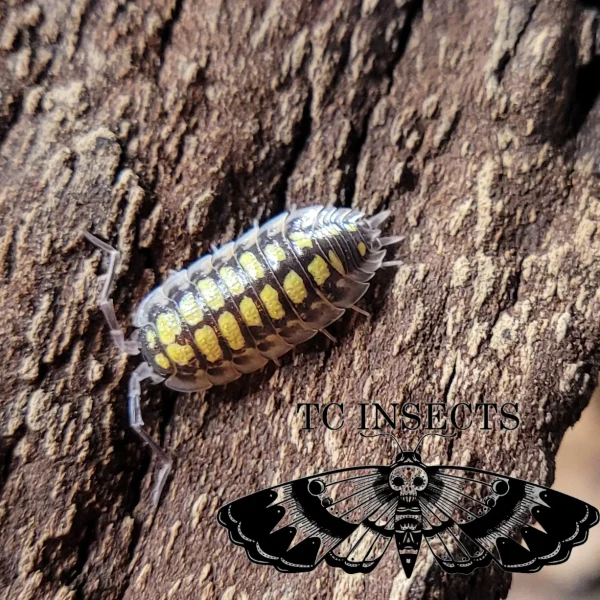
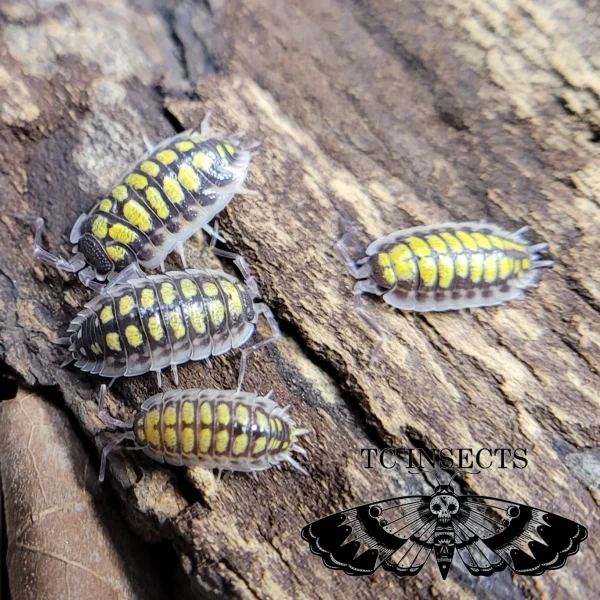
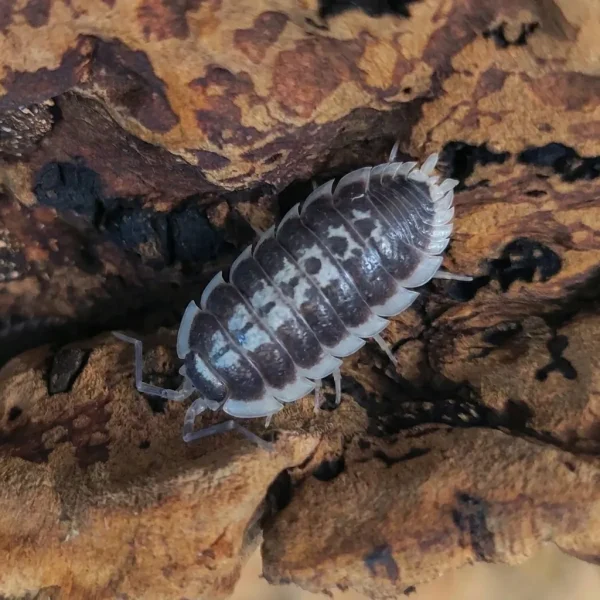
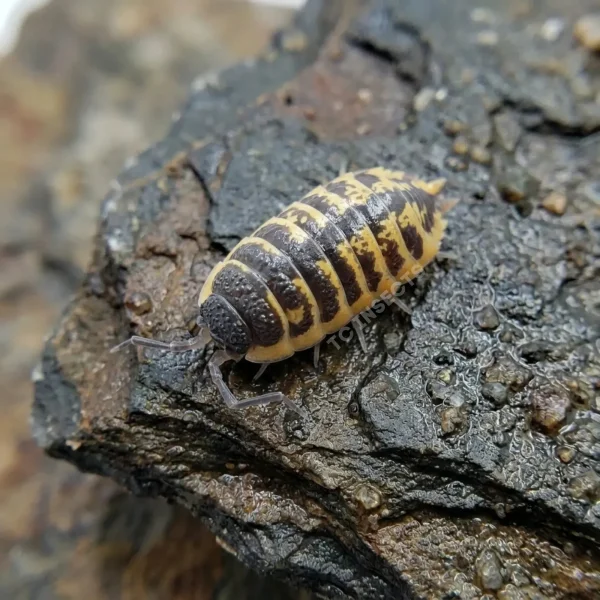
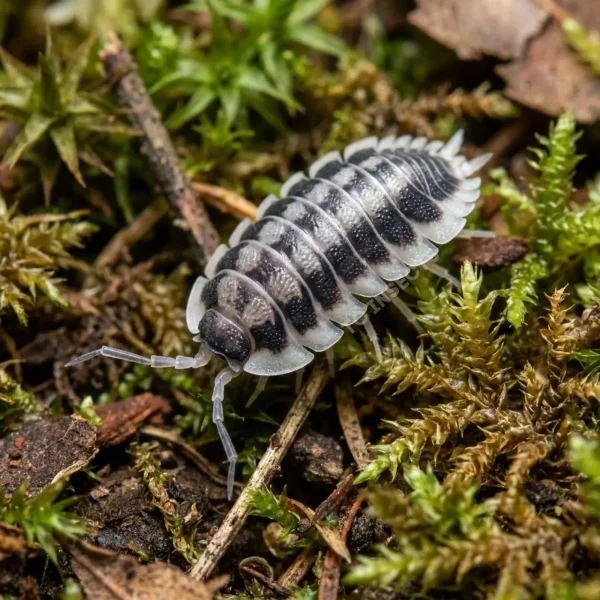
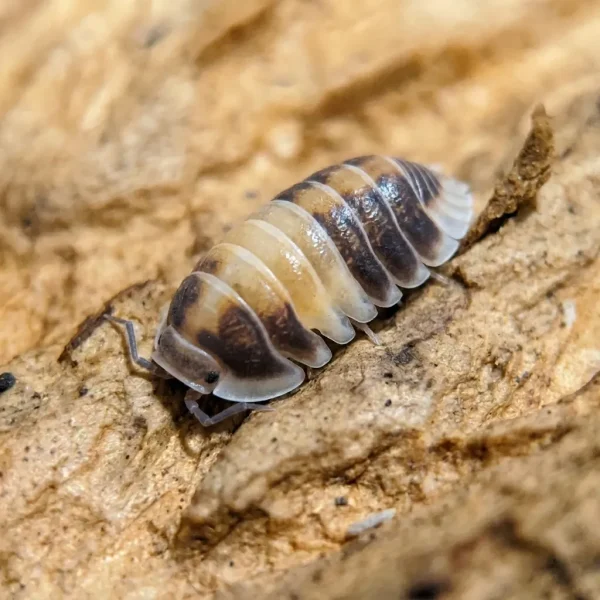
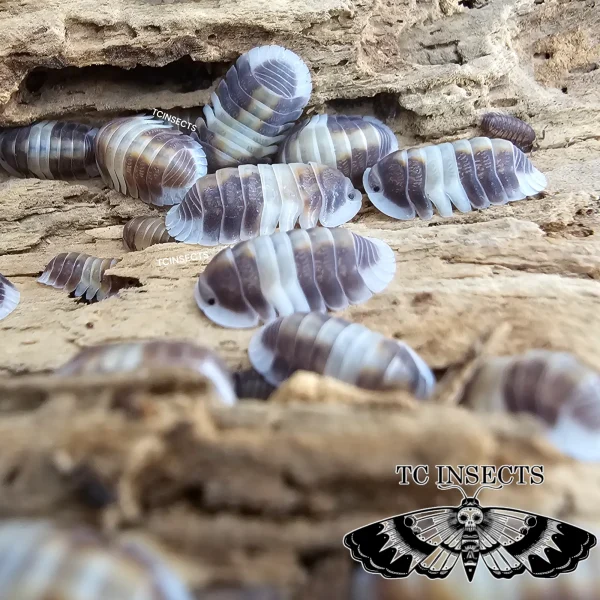
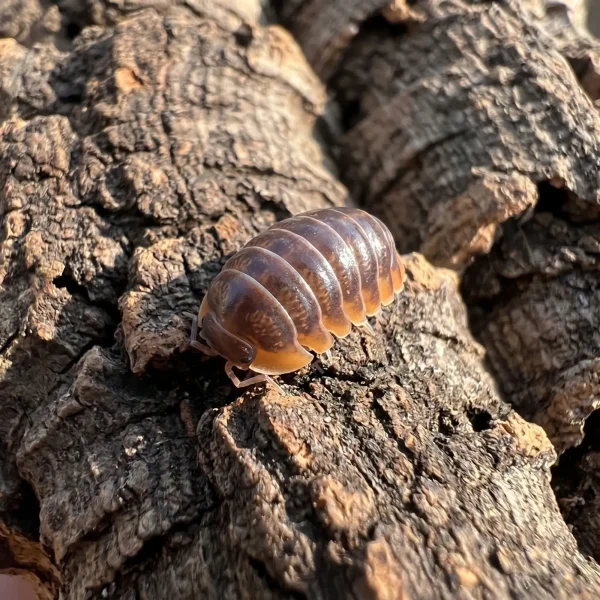
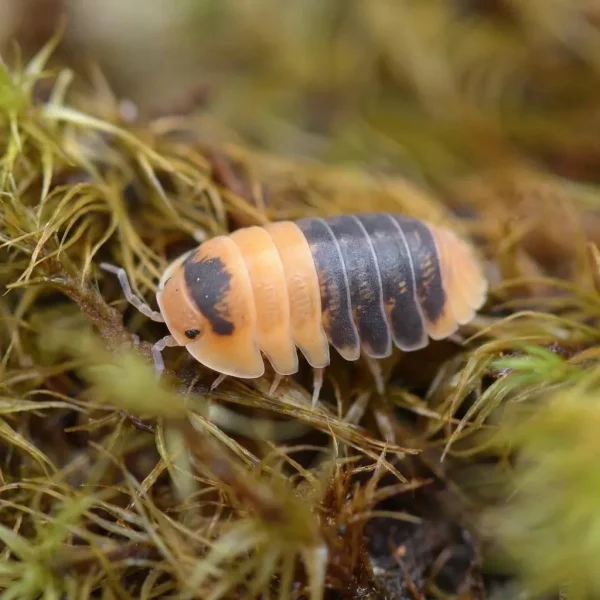
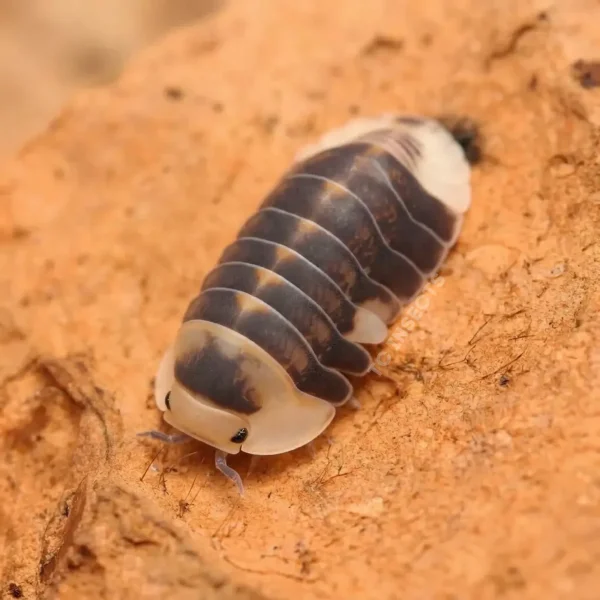
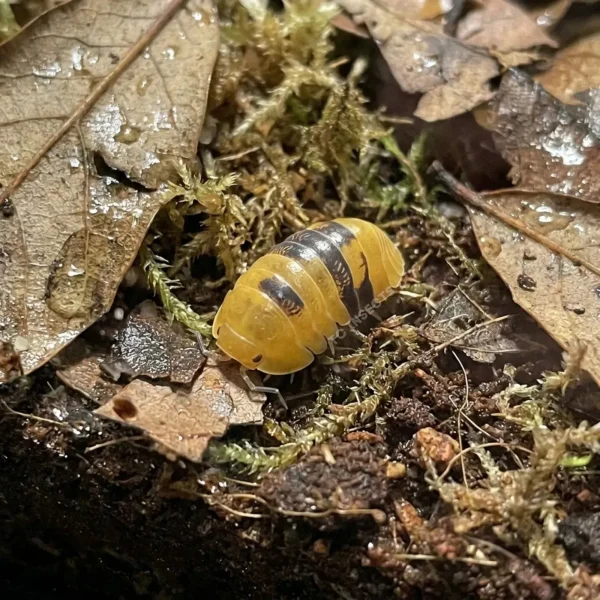
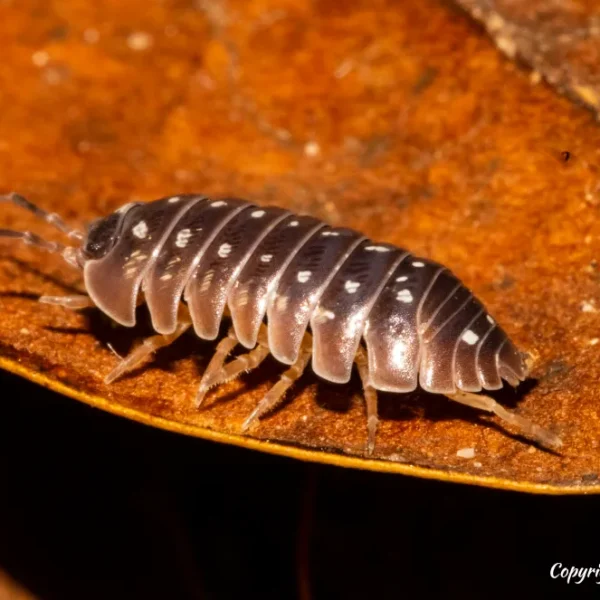
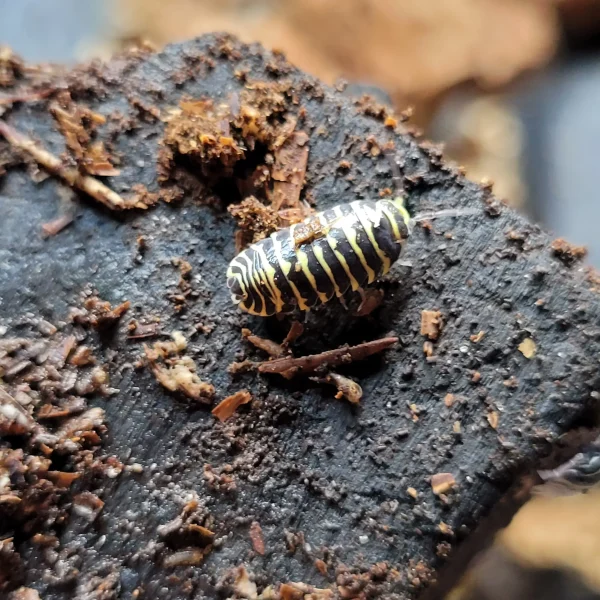
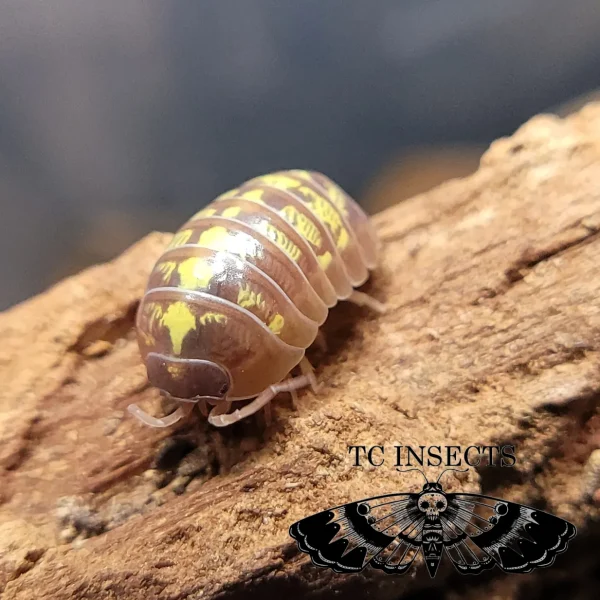
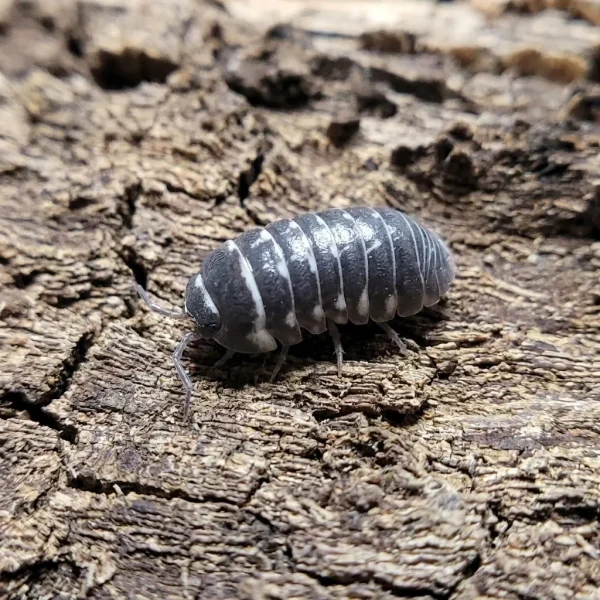
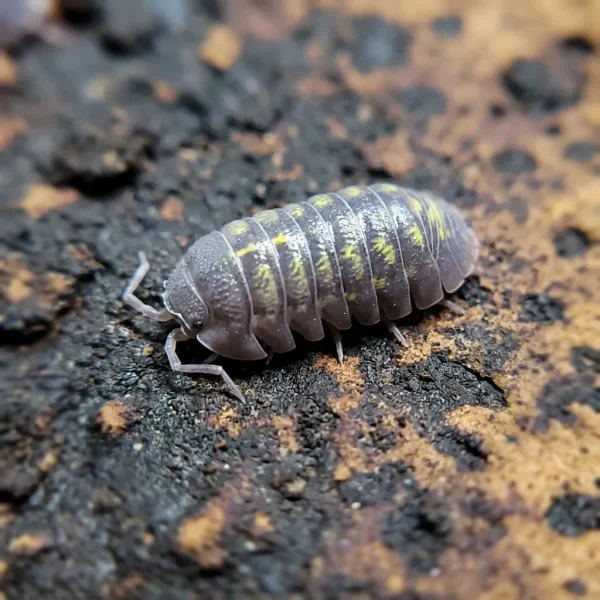
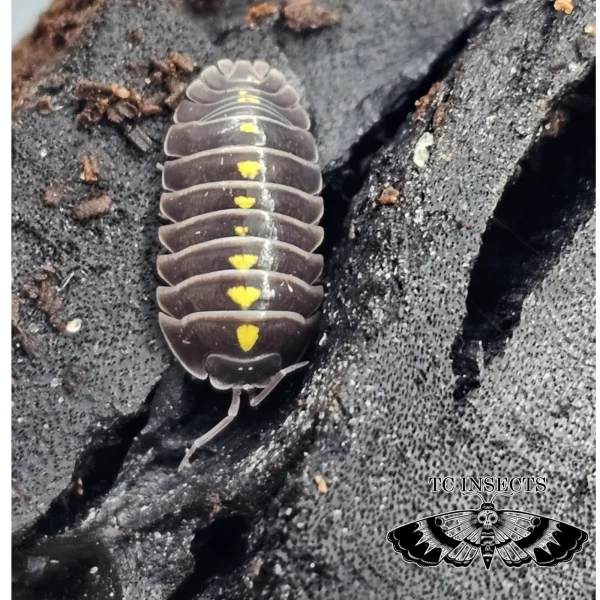
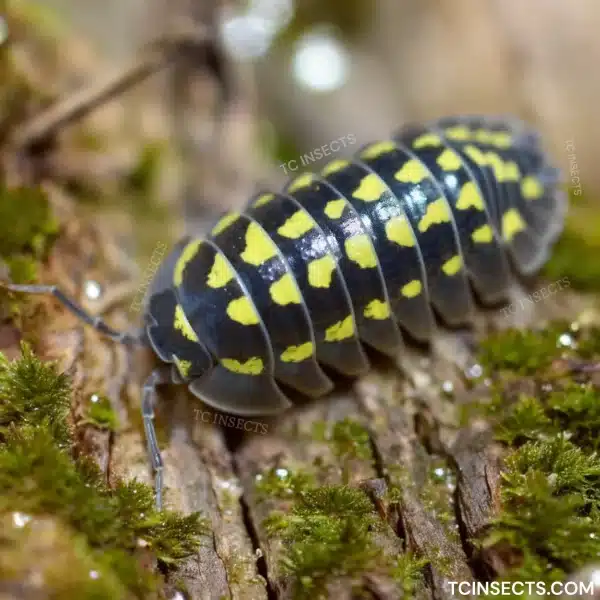
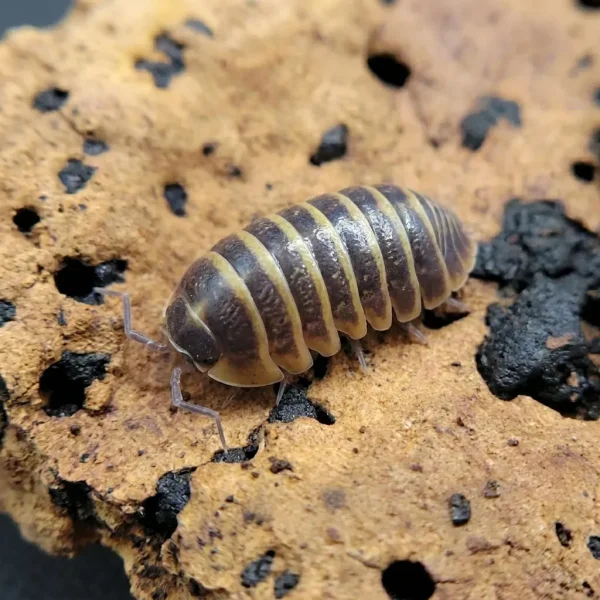
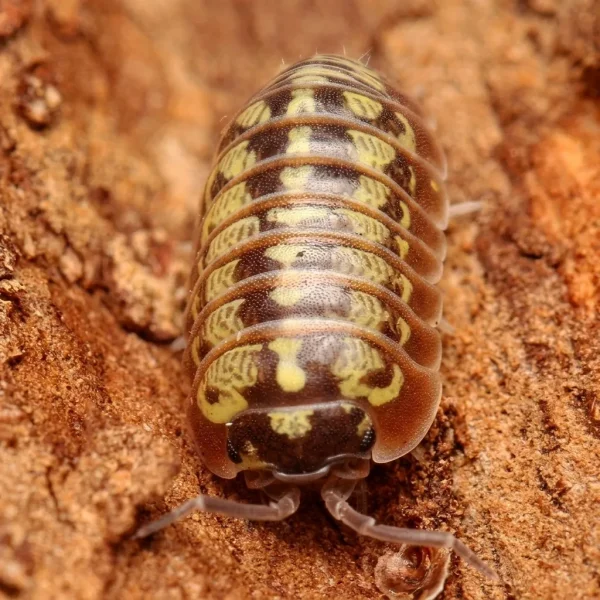
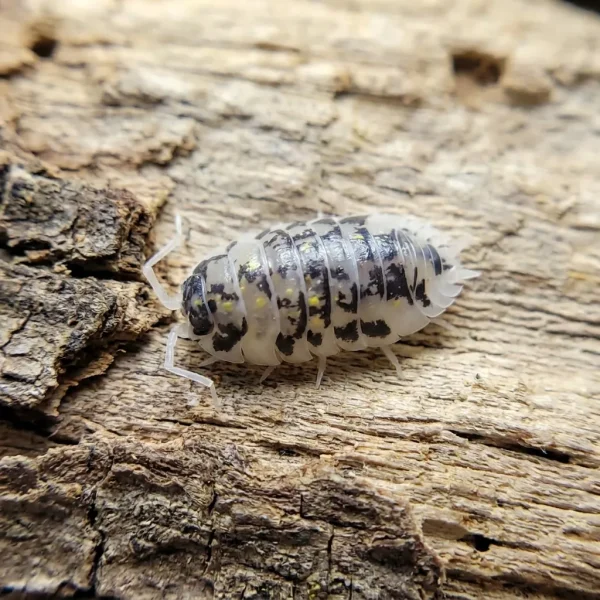
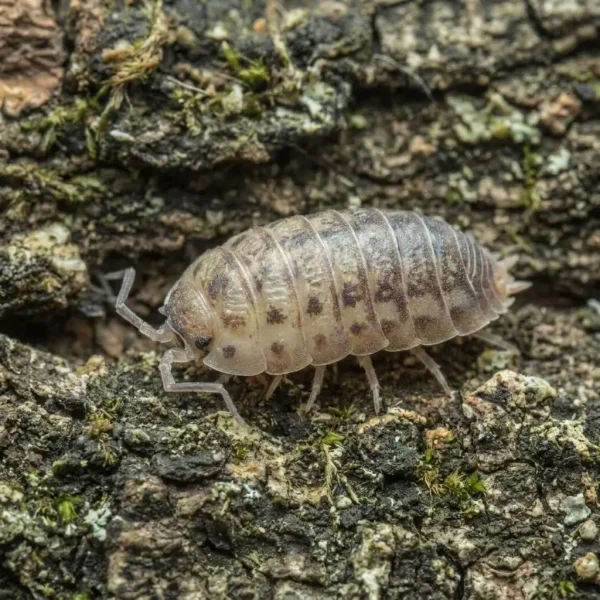
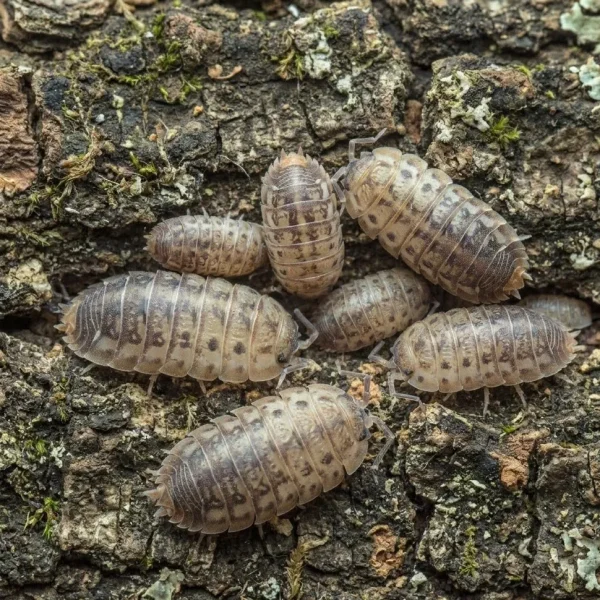
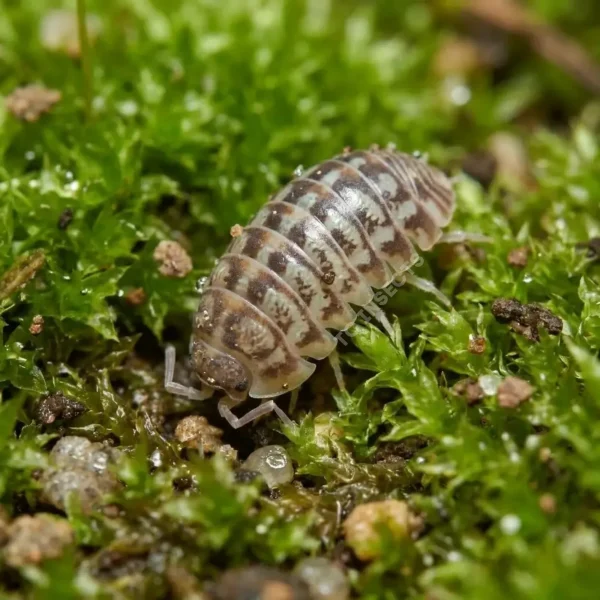
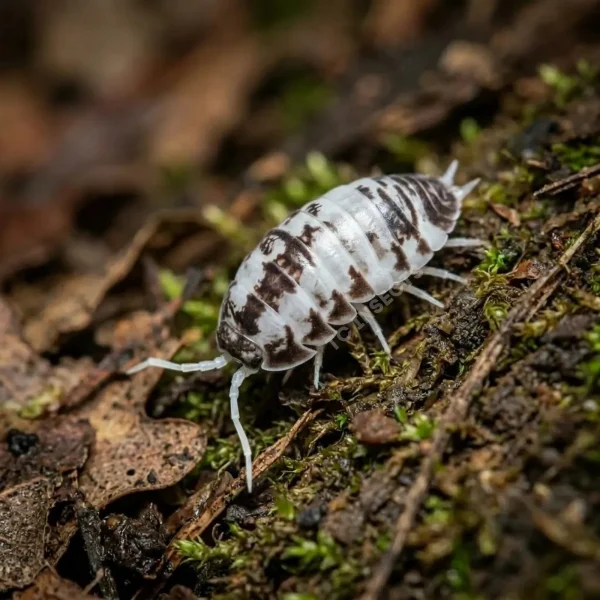
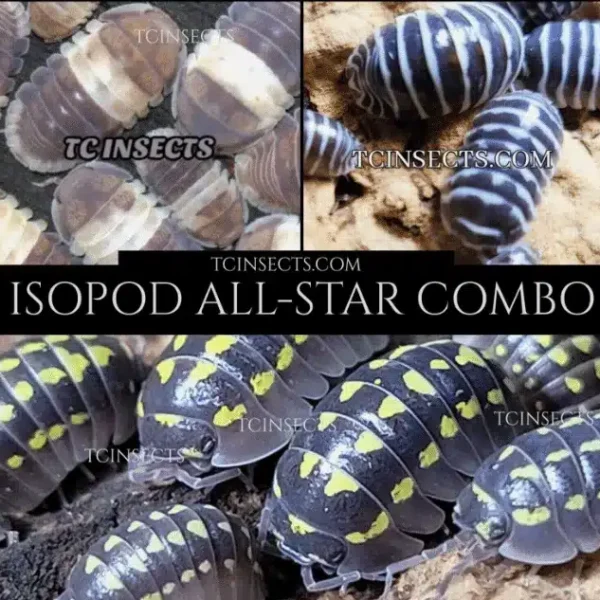
Armadillidium isopods are popular because many species can roll into a ball and come in attractive patterns and colors. Zebra, Magic Potion, Gestroi, Klugii, Orange Clown, Chocolate Zebra, and other Armadillidium species are great options for hobbyists who want hardy, visible, and collectible isopods.
Best for: beginner-to-intermediate keepers, display cultures, bioactive setups, and collectors who like bold patterns.
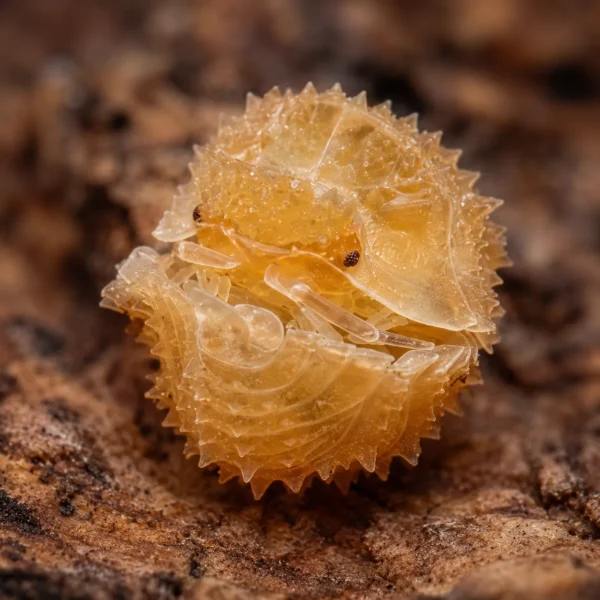
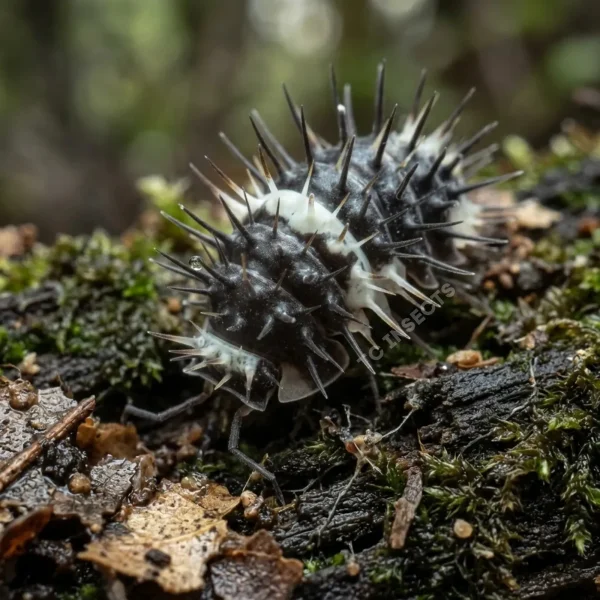
Oddball and specialty isopods are for keepers who want unusual species, rare localities, spiky isopods, land shrimp, and collector-grade cultures. This section is best for hobbyists who already understand isopod care and want to expand beyond the most common species.
Best for: advanced collectors, rare species keepers, specialty displays, and unique isopod projects.
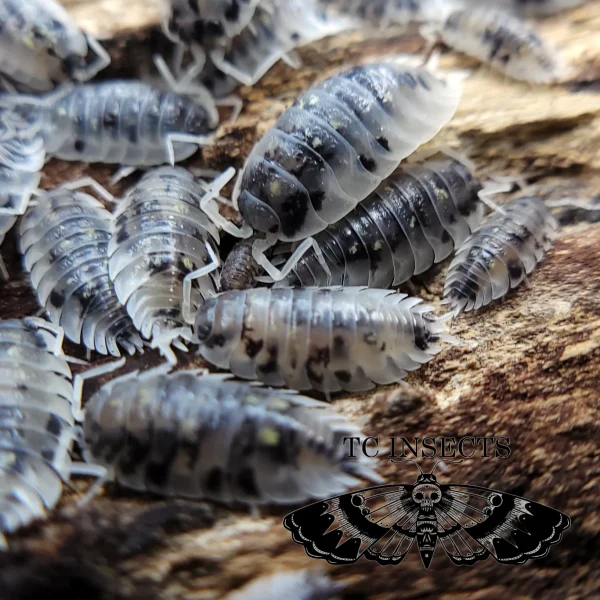
Mixed isopod combos are a simple way to add variety to your collection or start multiple cultures from one order. These packs are useful for hobbyists who want value, color variety, or a quick way to compare different isopod types.
Best for: starter collections, gift packs, variety cultures, and keepers who want more than one isopod type.
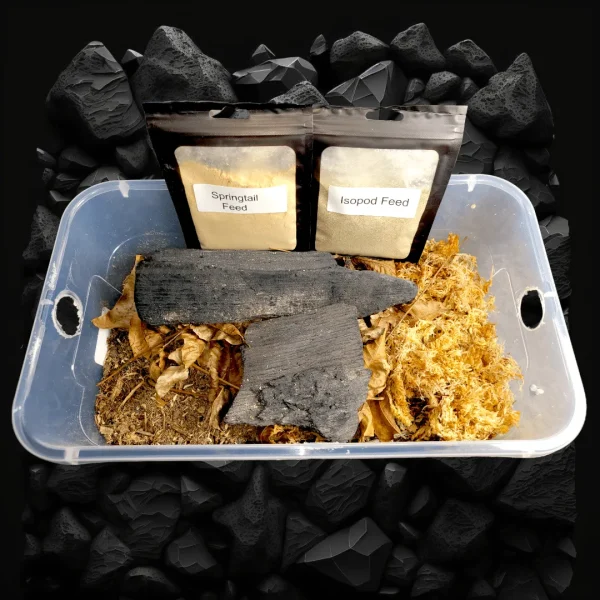
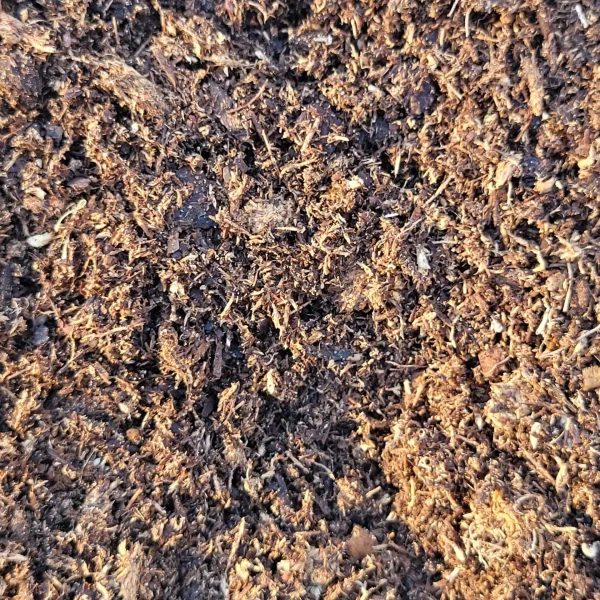
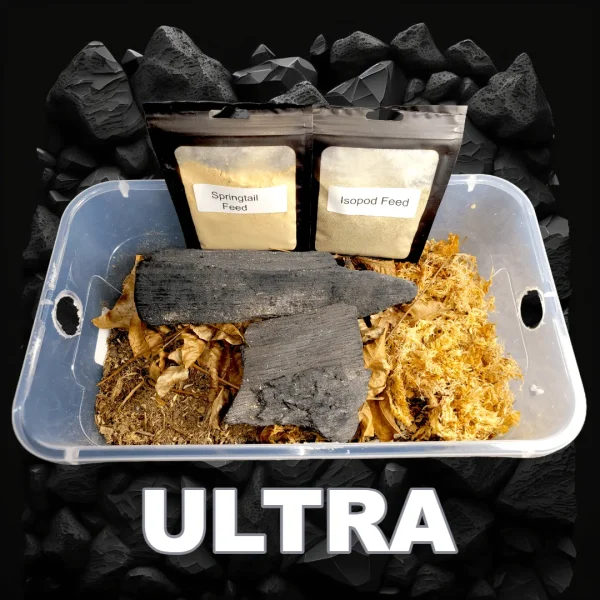
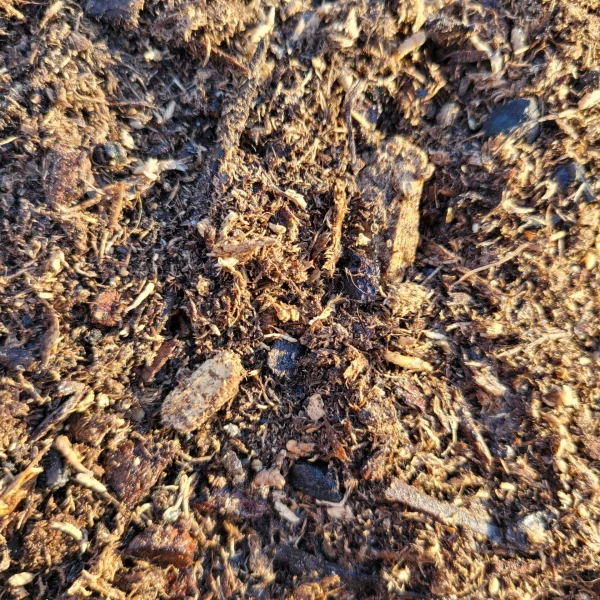
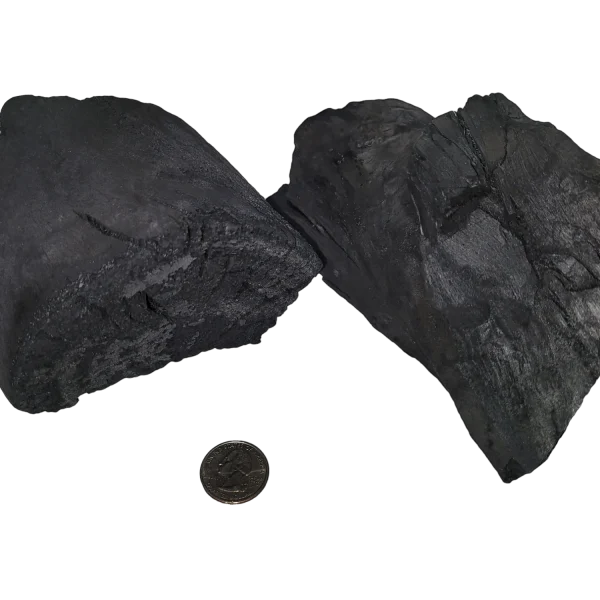
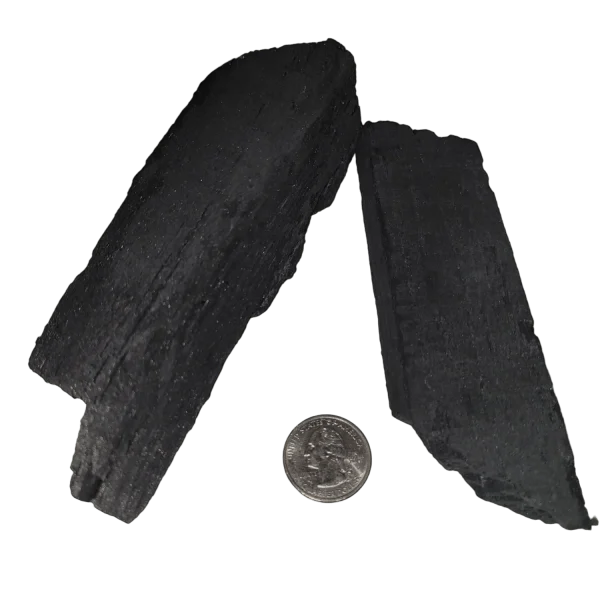
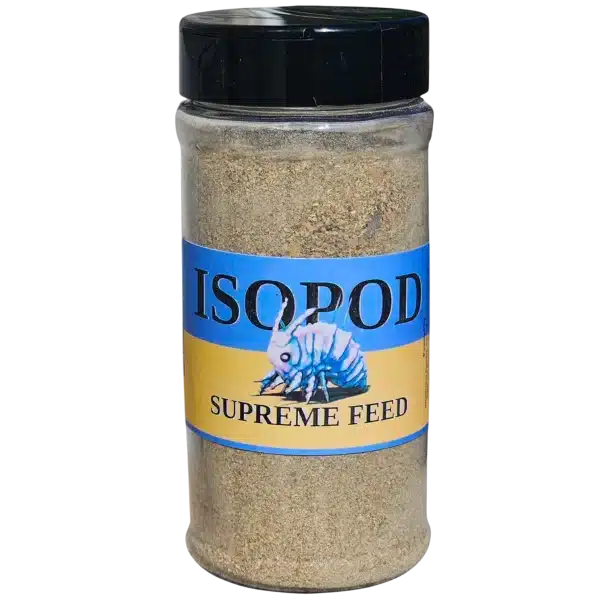
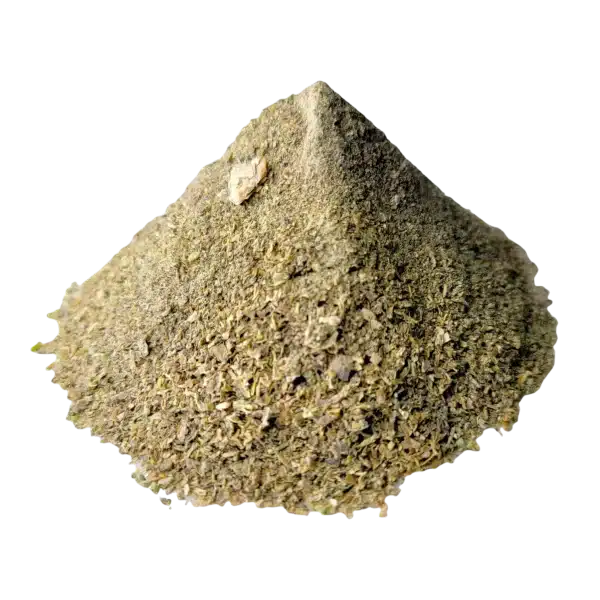
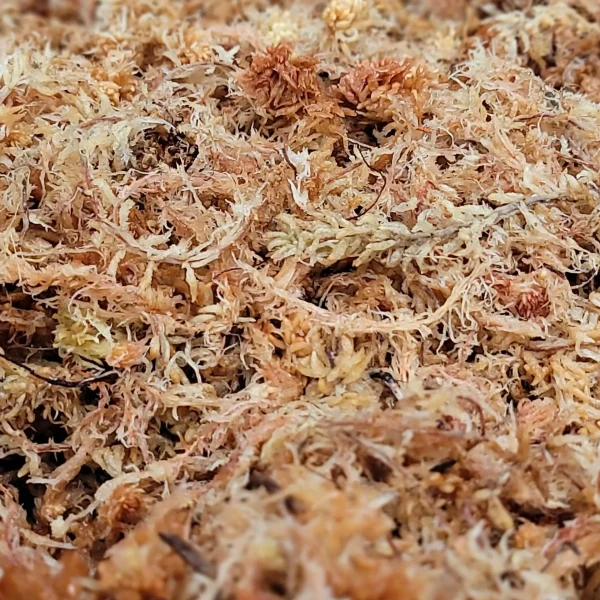
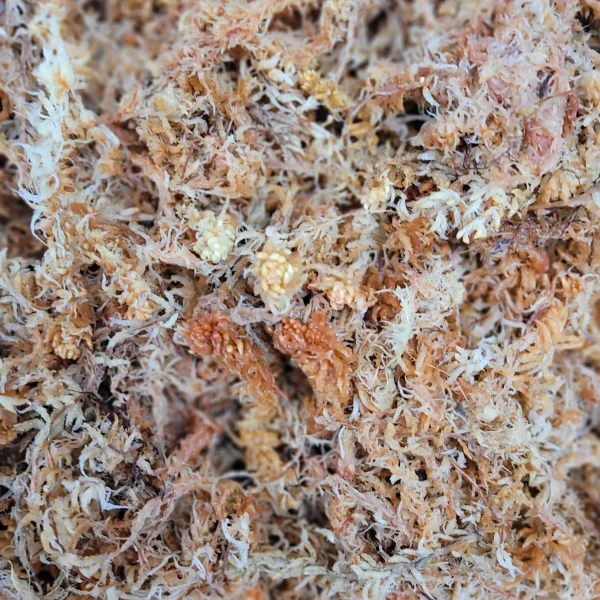
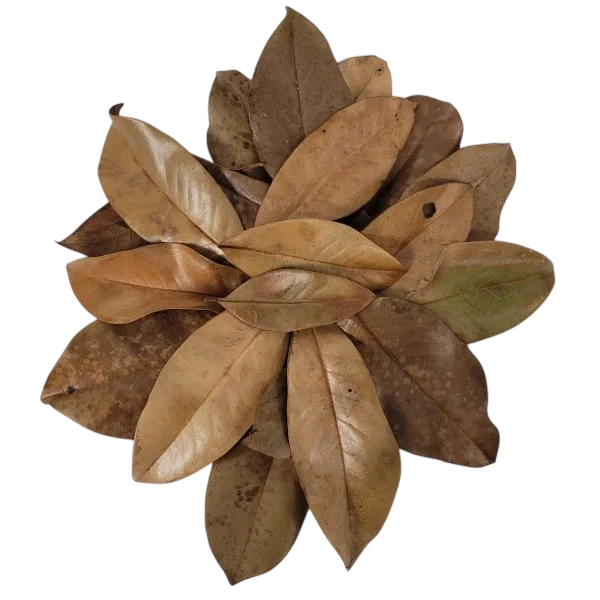
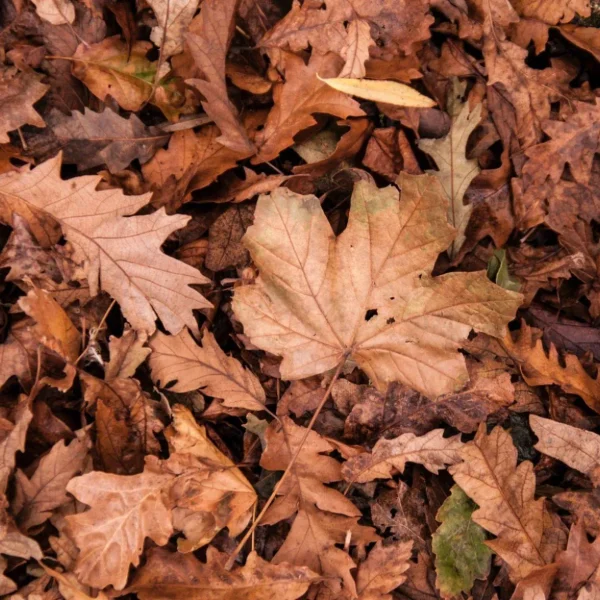
Isopod culturing supplies help keep live isopods healthy after arrival. Habitat kits, substrate, leaf litter, sphagnum moss, charcoal hides, and isopod food support moisture control, hiding areas, nutrition, and long-term colony stability.
Best for: new isopod keepers, colony expansion, bioactive terrariums, breeding bins, and customers who want to improve culture success.
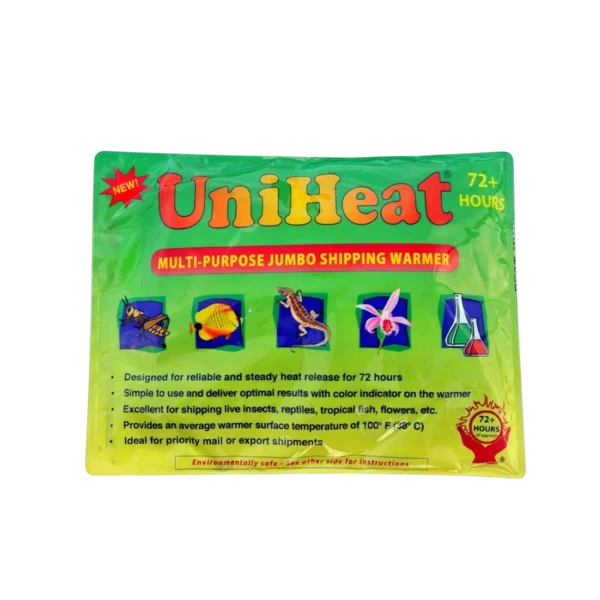
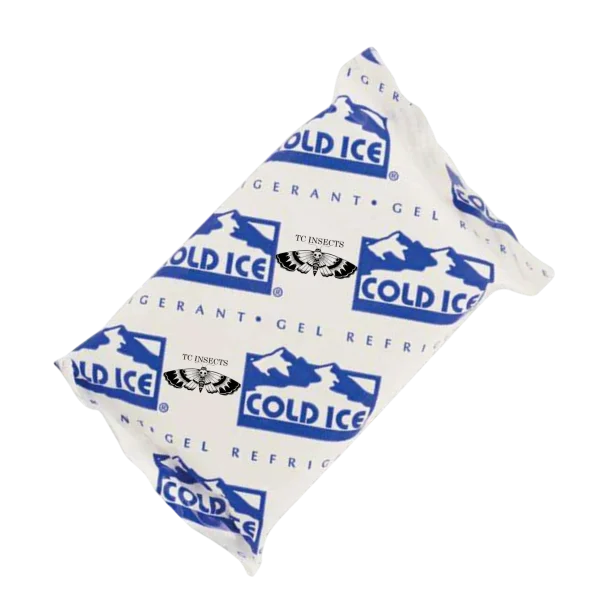
Shipping add-ons can help protect live isopods during hot or cold weather. Heat packs and cold packs should be selected based on your local temperatures and shipping conditions so your isopod order has the best chance of arriving safely.
Best for: winter shipping, summer shipping, temperature-sensitive orders, and customers in areas with extreme weather.
Best for: new isopod keepers, colony expansion, bioactive terrariums, breeding bins, and customers who want to improve culture success.
Choosing the best isopods depends on your goal, enclosure conditions, and experience level. If you are new to isopods, start with hardy species such as Powder Orange, Powder Blue, Dairy Cow, Dwarf White, Dwarf Purple, Zebra, or Magic Potion isopods. These species are popular because they are productive, easier to establish, and useful in many bioactive setups.
If you are building a bioactive terrarium, think about temperature, humidity, airflow, substrate depth, leaf litter, and the animals already living in the enclosure. Springtails are also helpful because they focus on mold and fine organic waste, while isopods process larger organic material. For that reason, many keepers use both isopods and springtails as a complete cleanup crew.
Collectors may prefer rare Cubaris, XXL Porcellio, Nesodillo, Armadillidium, or specialty species. These isopods can be more sensitive and may need more stable conditions, so they are usually better for keepers who already understand moisture gradients, ventilation, food, hides, and colony growth.
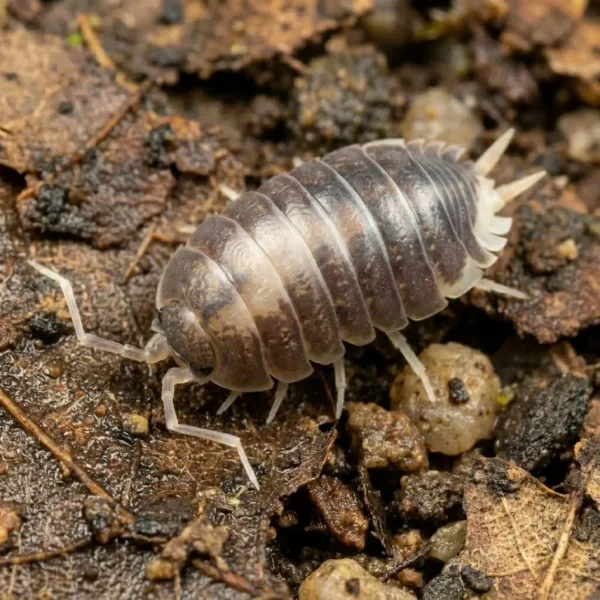
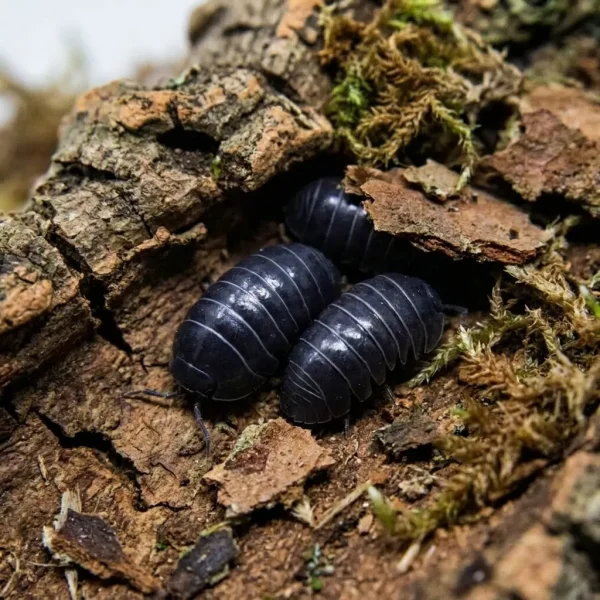
Beginner isopods are usually hardy, affordable, and forgiving. They are a good choice for customers who are setting up their first bioactive terrarium or starting their first isopod bin. Powder isopods, dwarf isopods, Porcellio laevis, Porcellio scaber, and many Armadillidium species are common starter choices.
Rare isopods are usually chosen for their appearance, locality, behavior, or collector value. Many rare Cubaris, spiky isopods, and specialty species require more careful moisture control, stable temperatures, and slower colony management. If you are buying rare isopods, set up the enclosure before they arrive and avoid overfeeding while the colony settles in.
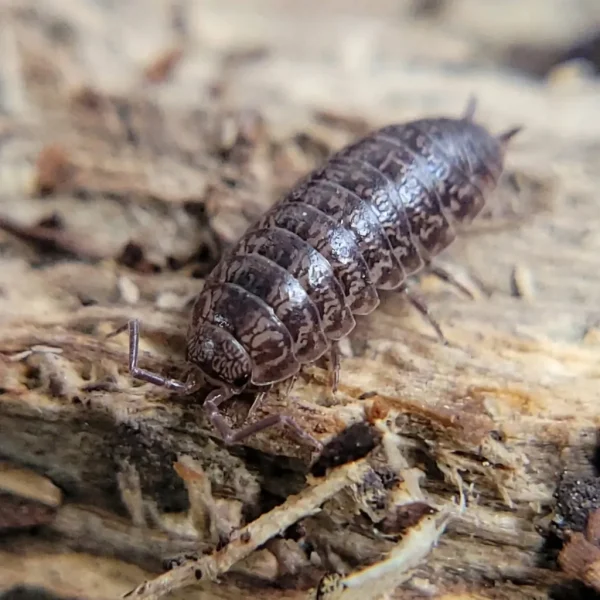
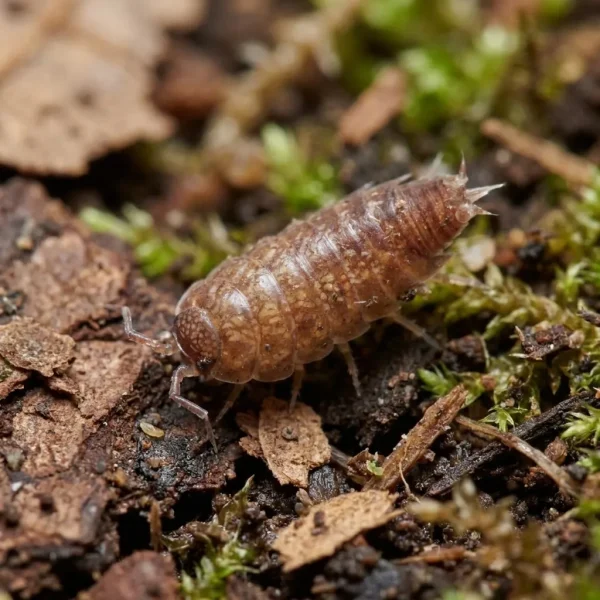
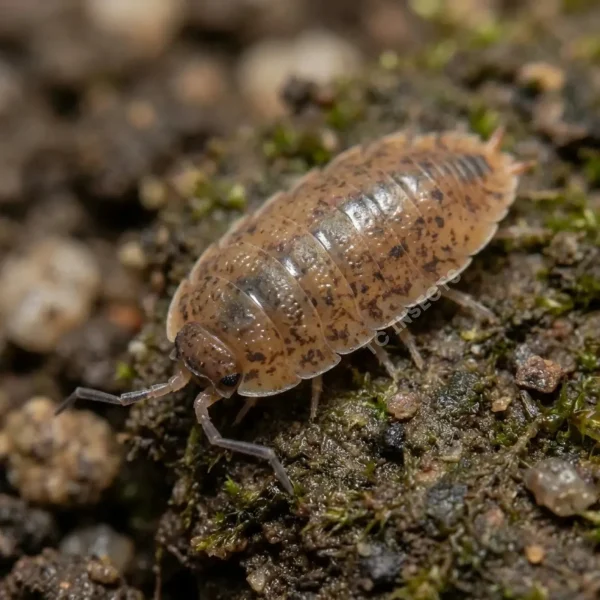
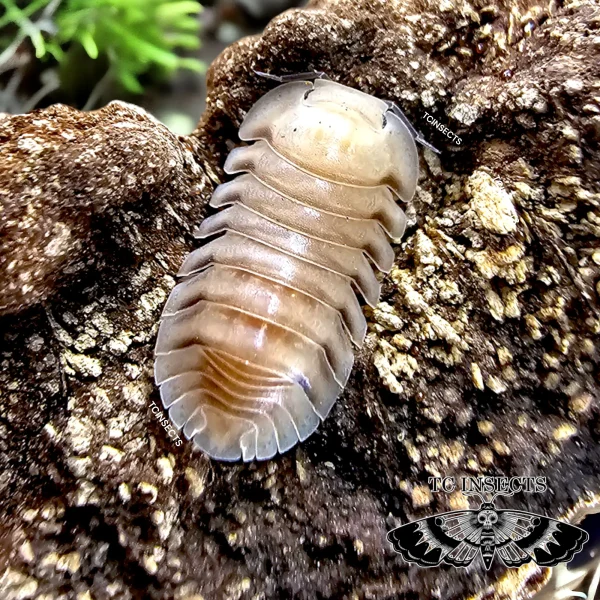
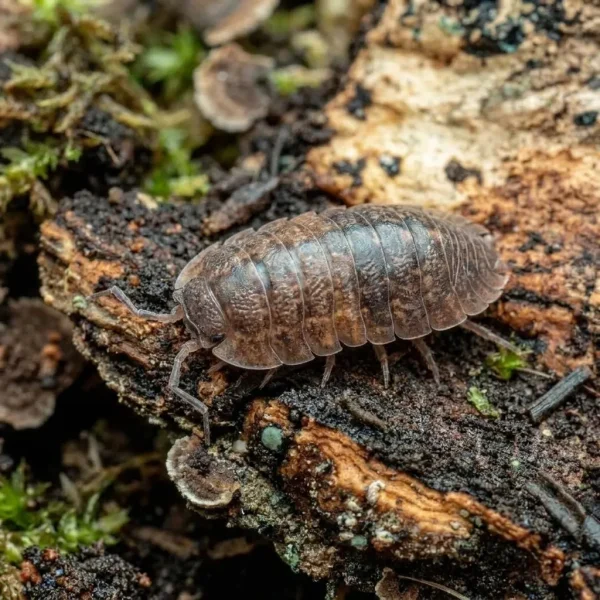
Isopods are one of the most useful cleanup crew animals for bioactive terrariums and vivariums. They help break down leaf litter, soft wood, shed skin, leftover food, and decaying organic matter. Over time, a healthy isopod colony can help support a more active living substrate layer.
For best results, give isopods a moisture gradient, leaf litter, cork bark or hides, safe substrate, and a steady calcium source. Many keepers also add springtails because springtails help control mold in the damp areas where isopods live.
Powder Orange, Powder Blue, Dairy Cow, Dwarf White, Dwarf Purple, Zebra, Magic Potion, and many Porcellio scaber morphs are popular beginner options because they are hardy, active, and easier to establish than many rare collector species.
Yes. Isopods are commonly used in bioactive terrariums because they help break down organic waste, leaf litter, shed skin, and decaying material. They work even better when paired with springtails.
You do not always need springtails, but they are strongly recommended for most humid bioactive setups. Springtails help manage mold and fine organic waste, while isopods break down larger organic material.
Powder isopods, Dwarf White isopods, Dwarf Purple isopods, and Porcellio laevis morphs are known in the hobby for being productive when kept in the right conditions.
Some Cubaris species can be manageable, but many rare Cubaris are better for keepers with isopod experience. They often need more stable humidity, airflow, temperature, and feeding routines.
Most isopods eat decaying leaves, soft wood, vegetables, protein sources, calcium, and prepared isopod foods. A good isopod setup should include leaf litter, hiding areas, moisture, and a calcium source.
Isopods usually stay in the substrate and hiding areas when conditions are right. However, very dry, overcrowded, or unsuitable enclosures can cause them to wander. Use a secure enclosure and keep proper moisture.
Most hobbyists start with 10 to 20 isopods for a small culture. Larger terrariums or cleanup crew setups may benefit from bigger starter groups so the colony establishes faster.
Isopods are part of the natural decomposer community in many moist environments. They help process decaying plant material and organic waste, which is why they are commonly used in bioactive terrariums and vivariums.
Learn more from educational sources:
NC State Extension: Isopods
https://content.ces.ncsu.edu/isopods
University of Minnesota Extension: Springtails
https://extension.umn.edu/nuisance-insects/springtails
University of Florida Featured Creatures: Sowbugs and Pillbugs
https://entnemdept.ufl.edu/creatures/MISC/Armadillidium_vulgare.htm
Feeder Insect Variety Matters More Than Most Beginners...

Preface: Basic Springtail Care Sheet Being the largest...

Cricket Care: A Beginner’s Guide Crickets are a...

Mealworms are a popular choice for pet owners who are...
© 2026 | TCINSECTS | All RIGHTS RESERVED