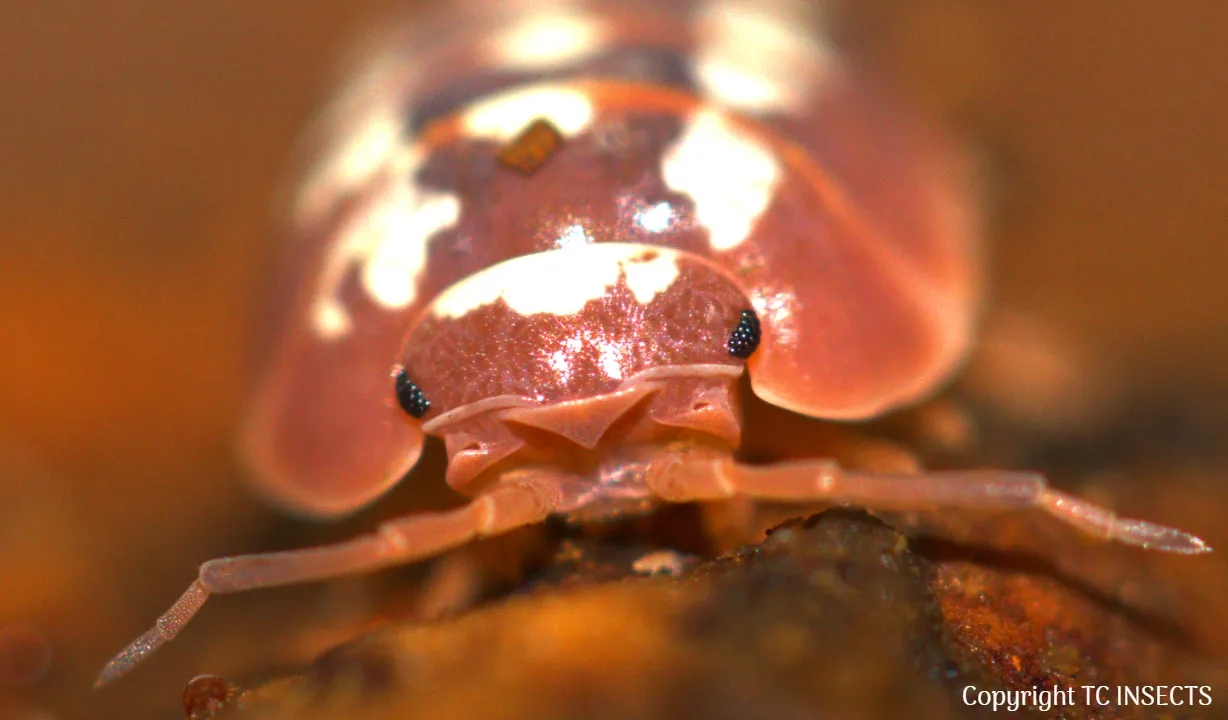

Armadillidium klugii Dubrovnik Isopods for Sale
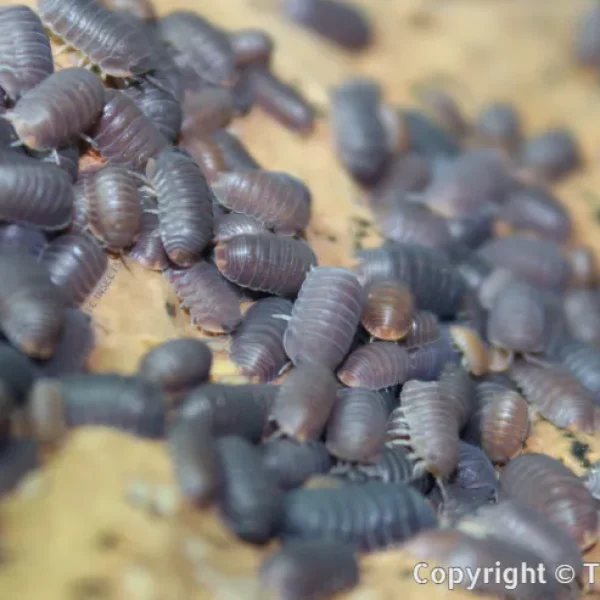
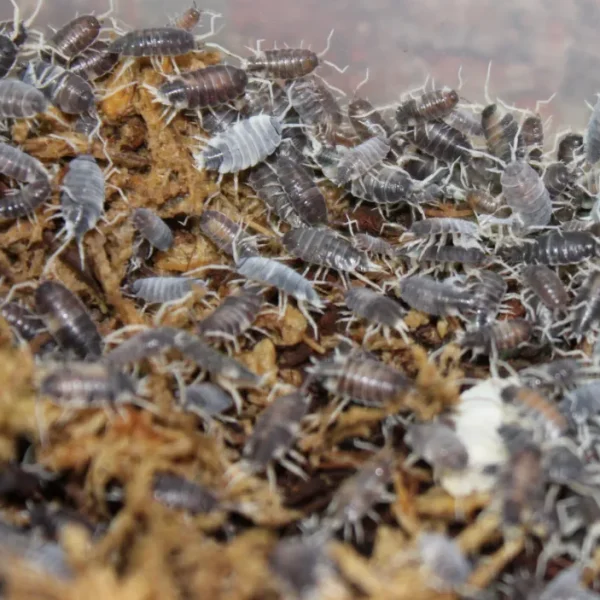
First, TC INSECTS ships Armadillidium klugii “Dubrovnik” as a live captive-bred starter culture. Specifically, this is the established hobby Clown Isopod locality line, named after the Croatian coastal city of Dubrovnik.
Additionally, the species was described by Johann Friedrich Brandt in 1833. As a result, this is the catalog anchor page for A. klugii.
Furthermore, this page sits alongside our Twisted Clown as related klugii-genetics products. In contrast, Twisted Clown is a hybrid of A. klugii and A. versicolor. Therefore, this Dubrovnik page is the pure-species reference
for A. klugii buyers who want the unhybridized line.
Overview
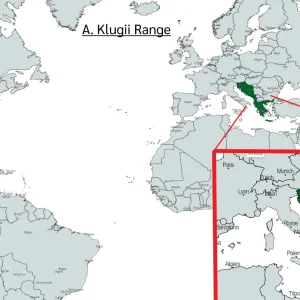
First, Armadillidium klugii is a documented Adriatic coastal species. Specifically, the species ranges from Croatia to Montenegro along the Adriatic Sea. Additionally, newer records document populations in southern
Albania and western Greece. Furthermore, the species was described by Johann Friedrich Brandt in 1833 in the same paper that introduced A. granulatum.
As a result, this is a sister species to our coastal A. granulatum page at the genus level. Specifically, both were described in Brandt’s Conspectus monographiæ crustaceorum oniscodorum Latreillii. However, the two
species have different visual signatures and different geographic ranges. Therefore, this is a useful sister-species pairing for catalog buyers interested in the broader Brandt 1833 genus revision.
Why Keep Armadillidium klugii “Dubrovnik”?
- Documented Batesian mimicry: First, the species mimics the Mediterranean black widow spider Latrodectus tredecimguttatus. Specifically, predators that have learned to avoid the venomous spider also avoid the isopod.
- Real Croatian Adriatic locality: Additionally, “Dubrovnik” traces to a documented coastal city within the species’ native range. As a result, the locality name reflects actual geographic provenance.
- Catalog anchor for A. klugii: Furthermore, this is the catalog’s pure-species reference for the Clown Isopod. Therefore, buyers comparing pure-klugii lines have a clear starting point here.
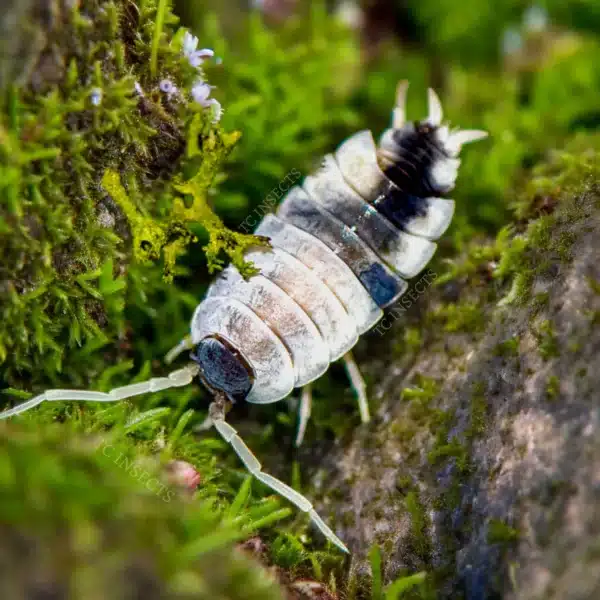
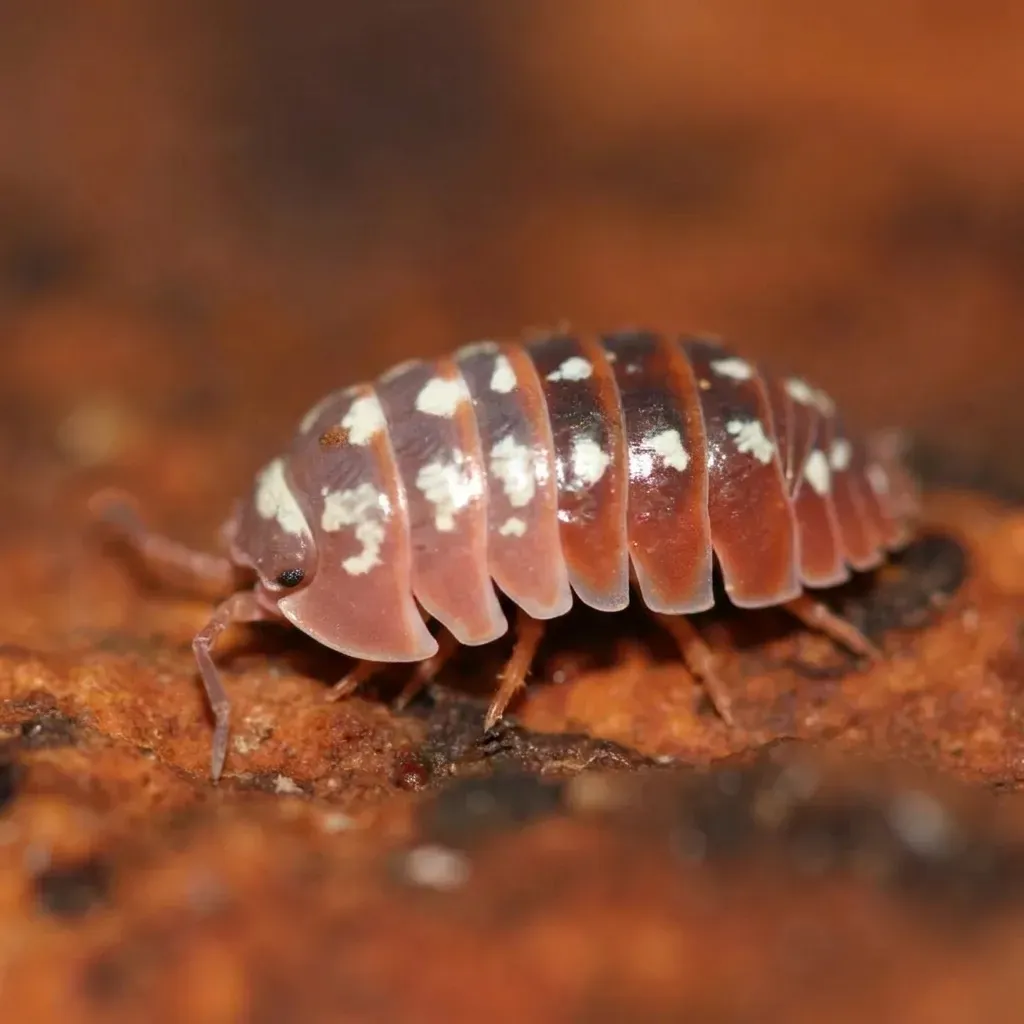
- Three-row dot pattern: Specifically, the pattern runs three rows of dots front-to-back. In contrast, the closely related A. werneri shows five rows. As a result, the row count is the documented identification feature.
- Full conglobation: Finally, this species seals completely when rolled. Therefore, the spotted pattern wraps into a dramatic sphere when the animal is disturbed.
Honest Note: Batesian Mimicry of the Mediterranean Black Widow
First, A. klugii shows documented Batesian mimicry of Latrodectus tredecimguttatus. Specifically, this is the Mediterranean black widow spider. Additionally, the spider shares the species’ native Adriatic range.
Furthermore, the black widow is venomous and produces strong warning coloration.
The mimicry works through visual resemblance. Specifically, the isopod’s spotted pattern on a grayish-brown base resembles the spider’s red, yellow, and white warning markings. As a result, predators that have learned to
avoid the venomous spider also avoid the harmless isopod. In effect, the isopod gains protective benefit from looking like a dangerous animal.
This is a different mimicry model from our Wild Type Zebra page. Specifically, Wild Type Zebra mimics the chemically defended pill millipede Glomeris marginata. In contrast, Dubrovnik mimics a venomous spider. As a
result, our catalog now documents two distinct Batesian mimicry models across Armadillidium species.
Honest Note: Three Rows of Dots vs. Werneri’s Five Rows
First, the spot row count is the documented visual identifier for A. klugii. Specifically, the species shows three rows of dots running front-to-back. In contrast, the closely related A. werneri “Greater Clown Isopod” shows five
rows. As a result, you can distinguish the two species visually by counting spot rows.
Additionally, individual dot color varies. Specifically, dots may appear white, cream, yellowish, or lightly orange depending on the individual and the line. Furthermore, the center row often turns yellow as animals matur
e. Therefore, expect color variation within the same colony and across age classes.
In practical terms, this identification check matters for buyers comparing the two products. Specifically, A. werneri reaches 20 to 22 mm with a bulkier body and three-year maturation time. In contrast, A. klugii Dubrovnik
reaches 15 to 21 mm with normal Armadillidium growth rates. As a result, these are clearly different species despite their visual similarity.
Honest Note: Dubrovnik Is a Real Adriatic Locality
First, Dubrovnik is a real Croatian coastal city on the Adriatic Sea. Specifically, the city sits within the documented native range of A. klugii. Additionally, the species ranges from Croatia to Montenegro and into southern
Albania and western Greece. Therefore, “Dubrovnik” as a locality designation traces to actual geographic provenance.
However, whether the specific TC INSECTS Dubrovnik culture traces back to documented Dubrovnik-collected wild stock is not formally recorded. Specifically, the line has been established in captive breeding for years. As
a result, treat “Dubrovnik” as a documented hobby locality designation with unclear founding collection record.
Furthermore, other recognized hobby locality lines exist for this species. Specifically, “Montenegro” is the other widely traded A. klugii locality. As a result, Dubrovnik and Montenegro are sister hobby lines representing
different points along the Adriatic coastal range.
Honest Note: Catalog Connection to Twisted Clown
First, our catalog also carries Twisted Clown. Specifically, Twisted Clown is a hybrid of A. klugii and A. versicolor created by breeder Orin A. Additionally, the hybrid line carries klugii genetics combined with versicolor
genetics. However, the hybrid is not pure A. klugii.
Therefore, this Dubrovnik page is the catalog’s pure-species reference for A. klugii. Specifically, buyers who want the unhybridized Clown Isopod should choose this page. In contrast, buyers who want the distinctive Twisted
Clown morph from the hybrid line should choose that page. As a result, the two products represent different genetic approaches to the Clown Isopod lineage.
Care and Setup
Generally, A. klugii Dubrovnik follows the standard Adriatic Armadillidium husbandry framework. Specifically, the species’ Mediterranean coastal origin shapes the care approach. Therefore, moderate humidity with strong ventilation works better than tropical-style high-humidity setups.
Temperature
First, target 68 to 78°F for steady activity. Specifically, normal indoor temperatures work fine for this species. However, avoid sustained heat above 80°F. Additionally, avoid cold rooms consistently below 60°F.
Humidity
First, target moderate humidity overall with a clear dry-to-moist gradient. Specifically, keep one consistently moist retreat zone hydrated with sphagnum moss and damp substrate. Then let the rest of the enclosure run drier. As a result, the colony self-selects between zones.
Substrate
First, use 2 to 3 inches of moisture-holding substrate. Specifically, a mix of organic topsoil, rotted hardwood, and flake soil works well. Then add a generous layer of TC INSECTS Assorted Hardwood Leaf Litter on top. Furthermore, cork bark and weathered wood pair well with the spotted pattern in display setups.
Food
First, lead with leaf litter and decaying hardwood as the base diet. Then supplement with TC INSECTS Isopod Food for added protein and minerals. Additionally, add a calcium source like TC Calcium Ultra Fine. Furthermore, occasional dried shrimp or fish flakes support the breeding cycle.
Ventilation
First, use cross-ventilation or a well-ventilated lid. Specifically, this species prefers active airflow rather than sealed wet conditions. As a result, undersized ventilation causes problems faster than undersized humidity. Therefore, prioritize ventilation over maximum humidity settings.
Bioactive Use
Generally, A. klugii Dubrovnik works well in moderate-humidity bioactive enclosures with strong ventilation. Specifically, the drier-tolerant Mediterranean profile fits planted vivariums. However, run a backup culture in a dedicated bin first. Furthermore, predation in display tanks can keep population numbers low.
Breeding Notes
First, A. klugii Dubrovnik breeds at a moderate pace once established. Specifically, females carry developing mancae in a brood pouch. Additionally, stable conditions with consistent calcium support successful broods. As a
result, expect visible juveniles within several months of stable conditions.
Furthermore, juveniles emerge pale and gradually develop the spotted pattern. Specifically, the row pattern becomes clearer with each subsequent molt. Therefore, very small mancae may look uniformly pale before the
contrast pattern emerges. Additionally, the center spot row often turns yellow only as animals reach adult maturity.
In particular, keep this line separate from other klugii locality designations like Montenegro. Specifically, cross-breeding would dilute the locality identity over generations. Furthermore, keep this line separate from Twisted
Clown stock to avoid further hybridization with versicolor genetics. As a result, dedicated bins preserve the pure-species Dubrovnik identity.
Best For
- Display vivariums where the spotted clown pattern reads strongly
- Collector cultures focused on pure-species A. klugii
- Multi-morph Armadillidium catalog sets across vulgare, maculatum, and klugii
- Keepers building a paired Clown Isopod set with A. werneri Greater Clown
- Buyers comparing pure-species klugii against hybrid Twisted Clown
- Mediterranean-style display setups with cork bark and weathered wood
Not Best For
- Mixed cultures with Twisted Clown, since cross-breeding adds versicolor genetics to the line
- Mixed cultures with other klugii locality lines, since cross-breeding blurs locality identity
- Sealed wet tropical setups suited to high-humidity Cubaris species
- Hot tropical setups running consistently above 80°F
- Workhorse cleanup crew use, since the moderate breeding rate is slower than dwarf whites or Powder Orange
- Feeder use, since per-animal value is too high and the rolled defensive posture limits feeder availability
Origin and Locality Notes
First, Armadillidium klugii was described by Johann Friedrich Brandt in 1833. Specifically, the description appears in his Conspectus monographiæ crustaceorum oniscodorum Latreillii. Additionally, this is the same
paper that described A. granulatum. As a result, the two species are documented sister species at the genus level.
Furthermore, A. klugii is native to the Adriatic coastal range. Specifically, the species occurs from Croatia to Montenegro, plus newer records in southern Albania and western Greece. In contrast to widely naturalized
species like A. vulgare, A. klugii has not spread as a wild population outside the Adriatic. Therefore, this is a documented restricted-range Adriatic species.
The Dubrovnik locality name traces to the Croatian coastal city of Dubrovnik. Specifically, the city sits within the documented native range. However, the exact founding collection record for the captive Dubrovnik line is not
publicly documented. As a result, treat “Dubrovnik” as a documented hobby locality designation.
Receiving and Acclimation
First, open your package promptly when it arrives. Then inspect the cup calmly before moving anything. Specifically, rolling isopods often arrive curled up or hidden in moss and shipping paper. As a result, check slowly
rather than dumping the culture.
Additionally, prepare the enclosure before opening the cup. Specifically, the habitat should already have a moisture gradient with one moist retreat zone, deep leaf litter, bark, and a calcium source. Furthermore, place the
shipping material into the enclosure and let the isopods move out on their own. Finally, keep the setup quiet for the first week while the colony settles.
Generally, it is normal for new arrivals to stay curled or hidden for several days. Specifically, juveniles may not show the full spotted pattern yet. However, this species is reasonably active once established. As a result, expect
surface visibility within the first week as the colony settles.
Recommended Add-Ons
- TC INSECTS Isopod Habitat Kit — a complete starter setup that gives this culture proper substrate, leaf litter, moss, and feed from day one.
- TC INSECTS Assorted Hardwood Leaf Litter — the core food and cover layer that should never run out in a Dubrovnik Clown culture.
- TC INSECTS Isopod Food — supplemental protein and minerals beyond leaf litter, fed in small portions to support steady breeding.
- TC Calcium Ultra Fine — supports healthy molts and exoskeleton development across the spotted pattern.
- Springtails — pair with Dubrovnik Clown in moderate-humidity bioactive setups to manage mold around the moist retreat zone.
Frequently Asked Questions
How is Dubrovnik different from Montenegro?
First, both are documented hobby locality lines of A. klugii. Specifically, Dubrovnik traces to the Croatian Adriatic city of Dubrovnik. In contrast, Montenegro traces to the southern Adriatic coast of Montenegro. Additionally, the two lines represent different points along the species’ native Adriatic range.
How is this different from the Twisted Clown?
First, Twisted Clown is a hybrid line. Specifically, it combines A. klugii and A. versicolor genetics. In contrast, this Dubrovnik page is pure A. klugii. Therefore, buyers who want unhybridized klugii genetics should choose this page.
How is this different from A. werneri “Orange”?
First, A. werneri is a separate species in the same genus. Specifically, A. werneri shows five rows of dots; A. klugii shows three rows. Additionally, A. werneri reaches 20 to 22 mm, while A. klugii reaches 15 to 21 mm. Furthermore, A. werneri takes up to three years to mature; A. klugii grows at normal Armadillidium rates.
What is Batesian mimicry?
First, Batesian mimicry is when a harmless species resembles a dangerous species. Specifically, predators learn to avoid the dangerous species’ visual signature. Additionally, harmless mimics gain protection by sharing that signature. In this case, A. klugii‘s spots resemble the Mediterranean black widow spider Latrodectus tredecimguttatus. As a result, predators that avoid the venomous spider also avoid the isopod.
Why do the spots change color with age?
First, the center spot row often turns yellow as animals mature. Specifically, juveniles may show white or cream spots that later transition to yellow. Additionally, individual variation means some adults keep paler spots while others develop strong yellow. As a result, expect the colony’s visual appearance to evolve as animals reach full maturity.
Are they good cleanup crew?
Generally limited. Specifically, this species processes leaf litter and organic debris at a moderate rate. However, the moderate breeding rate makes them less efficient than workhorse cleanup species like Powder Orange or Dwarf Whites. As a result, this species works best as a display animal rather than a primary cleanup crew.
Learn More About Armadillidium klugii
Generally, A. klugii is a documented Adriatic endemic with peer-reviewed biology. Additionally, the species has documented Batesian mimicry of a venomous spider. Therefore, the following non-competitor references give keepers solid background on the species.
- Wikipedia: Armadillidium klugii.
Specifically, the main species reference covering Brandt’s 1833 description, Adriatic coastal range, three-row spot pattern, and the documented Batesian mimicry of the Mediterranean black widow. As a result, this is the foundational reference for the species.
-
Wikipedia: Latrodectus tredecimguttatus (Mediterranean Black Widow). Additionally, the reference for the venomous spider that A. klugii mimics. Therefore, this provides the model species side of the Batesian mimicry relationship. Useful for understanding why the spotted pattern persists in wild populations.
-
Wikipedia: Batesian Mimicry. Furthermore, the broader biology reference covering the mimicry concept across species. As a result, this is useful for understanding how a harmless isopod gains protection by resembling a venomous spider.
Natural Habitat:
The origin of Armadillidium Klugii spans the coast of the Adriatic Sea. Found from Croatia to Montenegro. New records are indicating sitings in Southern Albania and west Greece.