Isopod Food for Sale
Overview
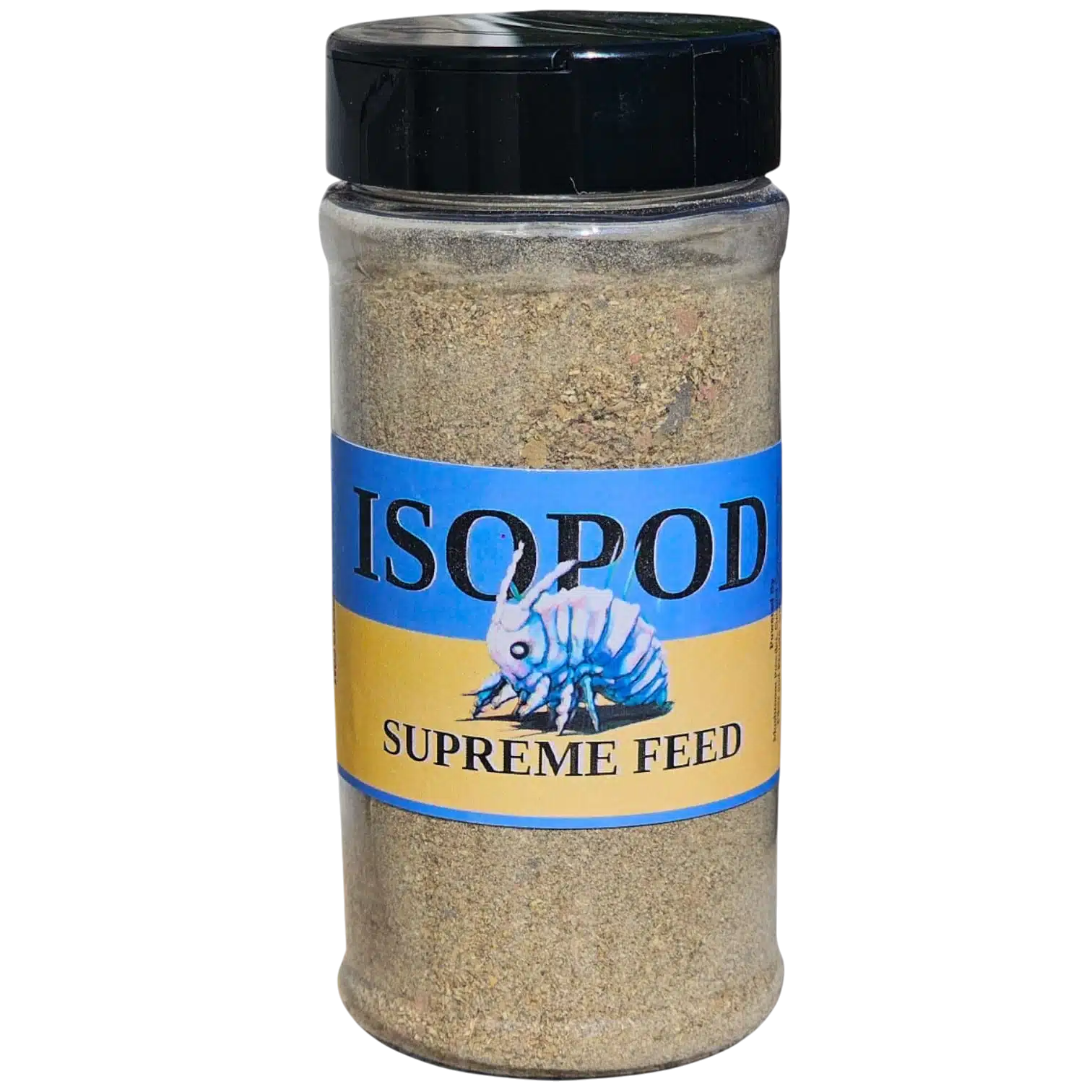
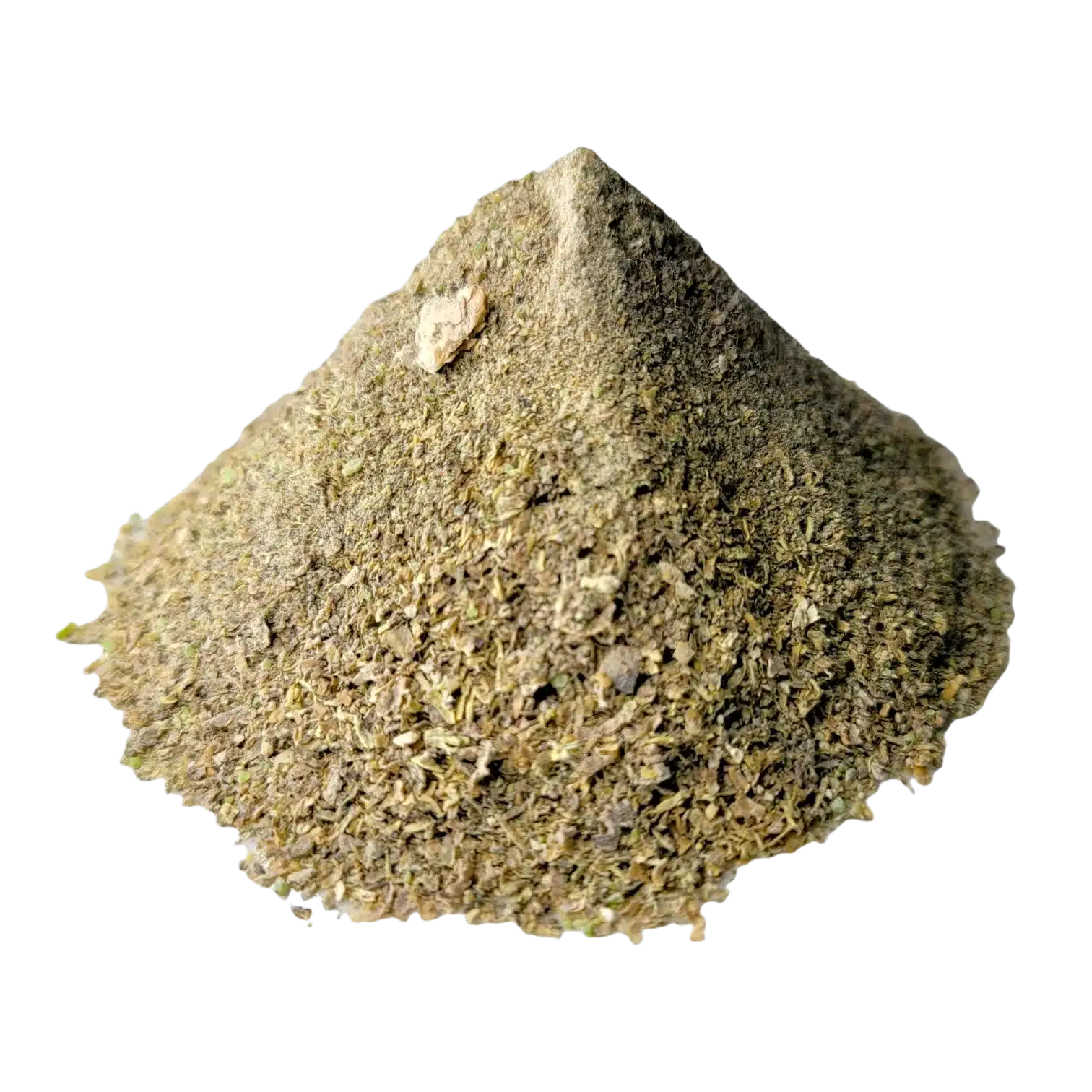
Isopod Supreme Feed is a powdered staple food designed and produced by TC INSECTS for isopod cultures of any size. The same blend, called “The Mix” inside the farm, is the feed used across TC INSECTS’ own
production lines, where millions of isopods are grown out each year. Between customer shipments and on-farm use, the formula moves at over 500 pounds per month, which gives it a long track record across a wide range
of hobby species and color lines.
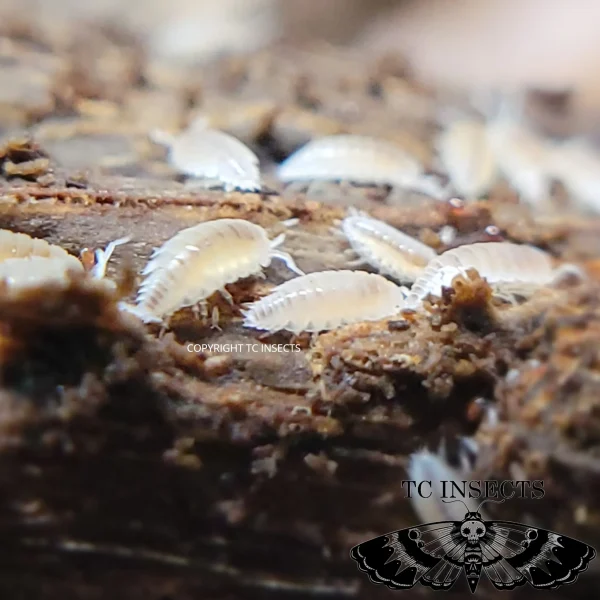
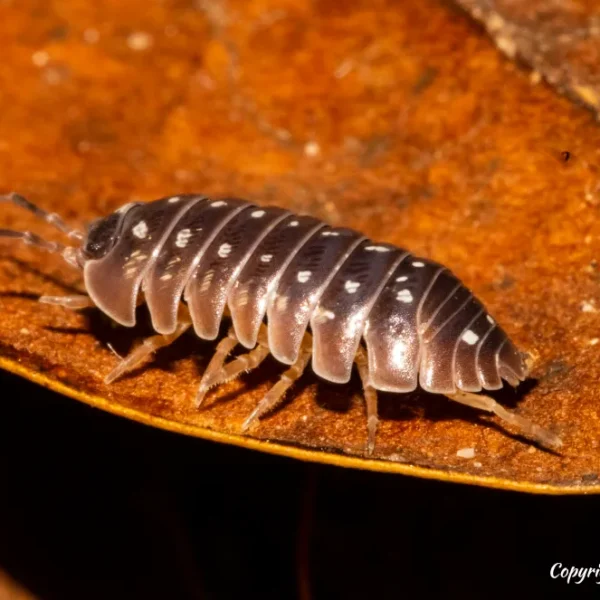
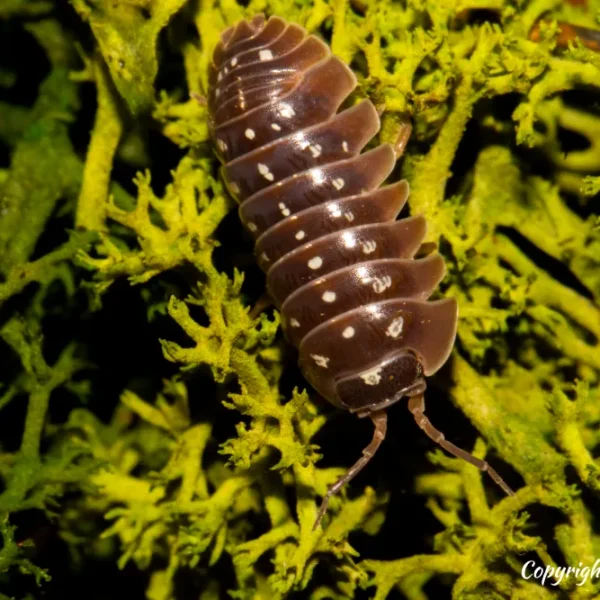
Additionally, the texture matters as much as the ingredients. The blend is ground into a fine powder, which lets juveniles and the smallest hobby species (Dwarf White, Dwarf Purple, small Cubaris and Venezillo lines) feed
alongside larger species like Porcellio dilatatus and Armadillo officinalis. Coarser feeds tend to favor larger animals, while powdered feeds support juvenile development more reliably.
What Is in the Mix?
- Protein: Supports growth and the development of juveniles to maturity.
- Fiber and Carbohydrates: Provide a balanced base for steady, sustained feeding rather than a quick energy spike.
- Calcium and Cuttlebone Powder: Helps support molting, which is one of the most calcium-demanding processes in isopod biology. The ground cuttlebone is finely powdered so even small isopods can access it.
- Vitamins and Minerals: Round out the formula to support general health and longevity.
- Real Organic Mushrooms: A natural protein and trace-nutrient component that isopods readily eat in the wild.
Why Choose Isopod Supreme Feed?
- Used in-house at TC INSECTS: The same blend feeds the millions of isopods grown out on the farm each year, which is documented real-world use across many species.
- Fine powder texture: Accessible to both the smallest hobby species and large-bodied animals, which makes it a single workable feed across a varied shelf.
- Multi-size options: The 2 oz size suits a single enclosure, while the 5 lb size suits multi-species collections or breeders running cultures at scale.
- Includes real mushrooms and cuttlebone: Two of the components most commonly recommended in isopod husbandry are already in the formula, which simplifies feeding.
- Convenience: Saves the time of mixing protein, calcium, and fresh components separately for each feeding.
Honest Note on What Feed Is and Is Not
Two honest points are worth flagging clearly before purchase. First, Isopod Supreme Feed is a supplemental staple feed, not a complete diet by itself. Isopods do best with leaf litter as a slow base food, occasional fresh
vegetables for moisture and variety, and a powdered staple feed like this one for protein, calcium, and trace nutrients. Feeding only powdered feed in a bare enclosure leaves out the leaf litter base that healthy cultures rely
on long-term.
Second, feed should be portioned conservatively. A pinch in one corner of the enclosure typically lasts a small to mid-sized culture several days. Heavy feeding leads to leftover food, which molds quickly in humid setups and
invites grain mites. Start light, watch how much the colony actually consumes between feedings, and adjust upward only if the food disappears reliably.
If you only need substrate and cover materials rather than ongoing feed, the TC INSECTS Ultra Isopod Habitat Kit already includes a starter portion of Isopod Supreme Feed, so first-time buyers do not necessarily need a
separate feed purchase to get started.
How to Feed Isopod Supreme Feed
Feeding is straightforward and benefits from light, consistent portions rather than heavy occasional dumps.
How Much to Feed
For a single small to mid-sized culture (25 to 250 isopods), a pinch of feed (roughly a quarter teaspoon) in one corner of the enclosure usually lasts several days. Larger cultures scale up proportionally. If the food disappears within a day, increase the portion gradually. If a meaningful amount remains untouched after several days, reduce the portion.
How Often to Feed
Once or twice a week works for most cultures. Fast-breeding species like Porcellionides pruinosus “Powder” lines may consume feed more quickly, while slow collector species like Cubaris and Reductoniscus often eat less. Adjust frequency based on consumption rather than a strict schedule.
Where to Place the Feed
Place feed in one corner of the enclosure on a flat surface (a small piece of bark or a clean leaf works well) rather than scattering it across the substrate. Concentrated placement makes it easier to monitor consumption and remove uneaten portions before mold develops.
Storage
Store the feed in a sealed container at room temperature, away from humidity. The powdered format keeps well in dry storage but can absorb moisture and clump if left open in humid spaces. The 5 lb size benefits from
being divided into smaller sealed containers for portioning convenience.
Which Size Should You Choose?
- 2 oz: Sampler or single-enclosure use. Good for keepers running one small bioactive setup, or anyone trying the formula before committing to larger volumes.
- 8 oz: Mid-range volume suited to keepers with two to four active cultures, or one larger colony with steady consumption.
- 16 oz: Multi-species shelf or sustained heavier feeding. Lasts several months for most keepers.
- 5 lb: Breeders, multi-species collectors, or anyone running cultures at production scale. Best paired with proper dry storage and portioning into smaller working containers.
Best For
- Isopod keepers running any size culture, from a single bioactive enclosure to a multi-species shelf.
- First-time keepers who want a single workable staple feed rather than mixing components themselves.
- Breeders working through ounces or pounds of feed per month.
- Keepers running multiple species side by side that need a feed accessible to both juveniles and adults.
- Anyone pairing TC INSECTS live isopods or habitat kits with an ongoing feed routine.
Not Best For
- Keepers expecting a complete standalone diet without leaf litter or fresh vegetable supplementation.
- Buyers looking for a single-purpose calcium supplement. TC Calcium Ultra Fine is the standalone calcium product.
- Strictly carnivorous insect cultures with very different protein-to-fiber ratio needs.
- Keepers who want very large pellet or chunk textures. This feed is ground fine on purpose to support juveniles.
- Long-term storage in humid, unsealed environments, which can cause clumping.
Recommended Pairings
- TC INSECTS Assorted Hardwood Leaf Litter as the slow-base food and cover that pairs with any powdered feed.
- TC Calcium Ultra Fine for additional molting support on top of the calcium and cuttlebone already in the feed.
- TC INSECTS Ultra Isopod Habitat Kit for keepers setting up a new culture from scratch.
- Springtails as a microfauna partner that also benefits from the same feed at small portions.
- Any live isopod product from the TC INSECTS catalog as the colony being fed.
Frequently Asked Questions
Is Isopod Supreme Feed a complete diet?
It is a staple supplemental feed rather than a complete standalone diet. Isopods do best when the feed is paired with leaf litter as a slow base food and occasional fresh vegetables for moisture and variety. The powdered feed
provides protein, calcium, vitamins, and minerals that round out a balanced diet.
How often should I feed my isopods?
Once or twice a week works for most cultures. Adjust based on what the colony actually consumes between feedings. Fast-breeding species like Porcellionides pruinosus “Powder” lines may need feed more often, while slow
collector species like Cubaris tend to eat less.
Will the powder texture work for tiny isopods?
Yes. The feed is ground fine specifically so juveniles and small hobby species can eat without trouble. The same texture works for larger species like Porcellio dilatatus, which makes it usable across a varied shelf without
buying separate feeds for different size classes.
Can I use this feed for springtails too?
Yes, in small portions. Springtails will consume isopod feed alongside their main food sources. However, dedicated springtail feed targets springtail biology more precisely, so the included TC INSECTS Habitat Kit springtai
l feed (or a standalone springtail feed) is still useful in dedicated springtail-focused cultures.
How long does the 5 lb size last?
For most multi-species hobby keepers, the 5 lb size lasts many months to over a year, depending on culture count and feeding frequency. Breeders running cultures at production scale work through it faster. Storing it in
sealed containers away from humidity keeps the feed fresh through the entire bag.
Can other invertebrates eat this feed?
Many detritivore invertebrates handle similar protein-and-mineral blends, including some millipedes and some collembolan groups. However, this product is formulated specifically for isopod nutrition, so other species
may benefit more from species-specific feeds. Treat occasional crossover use as supplemental rather than primary feeding for non-isopod cultures.
Learn More About Isopod Nutrition and Husbandry
For background on isopod nutrition and the role of leaf litter, calcium, and supplemental feeding in healthy cultures, the following non-commercial sources are useful starting points.
-
British Myriapod and Isopod Group: Woodlice. A general primer on woodlouse biology and behavior, including their natural detritivore role and why varied food sources support healthy populations.
-
University of Florida IFAS: Sowbugs and Pillbugs. An extension page covering general biology and feeding ecology of sowbugs and pillbugs, useful background for understanding how supplemental feeds fit into a complete husbandry routine.
-
Natural History Museum: Woodlice. A general-audience introduction to woodlouse biology, helpful background for keepers thinking about how diet and habitat conditions interact in a healthy culture.