


Ultra Isopod Habitat Kit for Sale
Overview
The Ultra Isopod Habitat Kit is a complete starter habitat for a single isopod species, built around a 6-quart double-vented clear enclosure and an enriched “Ultra” substrate blend. Each kit ships with everything a new
isopod culture needs to settle in. This includes substrate, cover, charcoal hides, leaf litter, sphagnum moss, isopod feed, and springtail feed. The contents come individually packed, which makes setup straightforward. This
also lets keepers control how much of each material they use during initial bedding.
Additionally, TC INSECTS recommends one kit per species. The kit is sized for a focused starter colony of a single isopod line. It is paired with springtails as microfauna support, rather than as a mixed-species housing
solution. Keepers running multiple species on a shelf typically run one kit per culture.
What Is in the Kit?
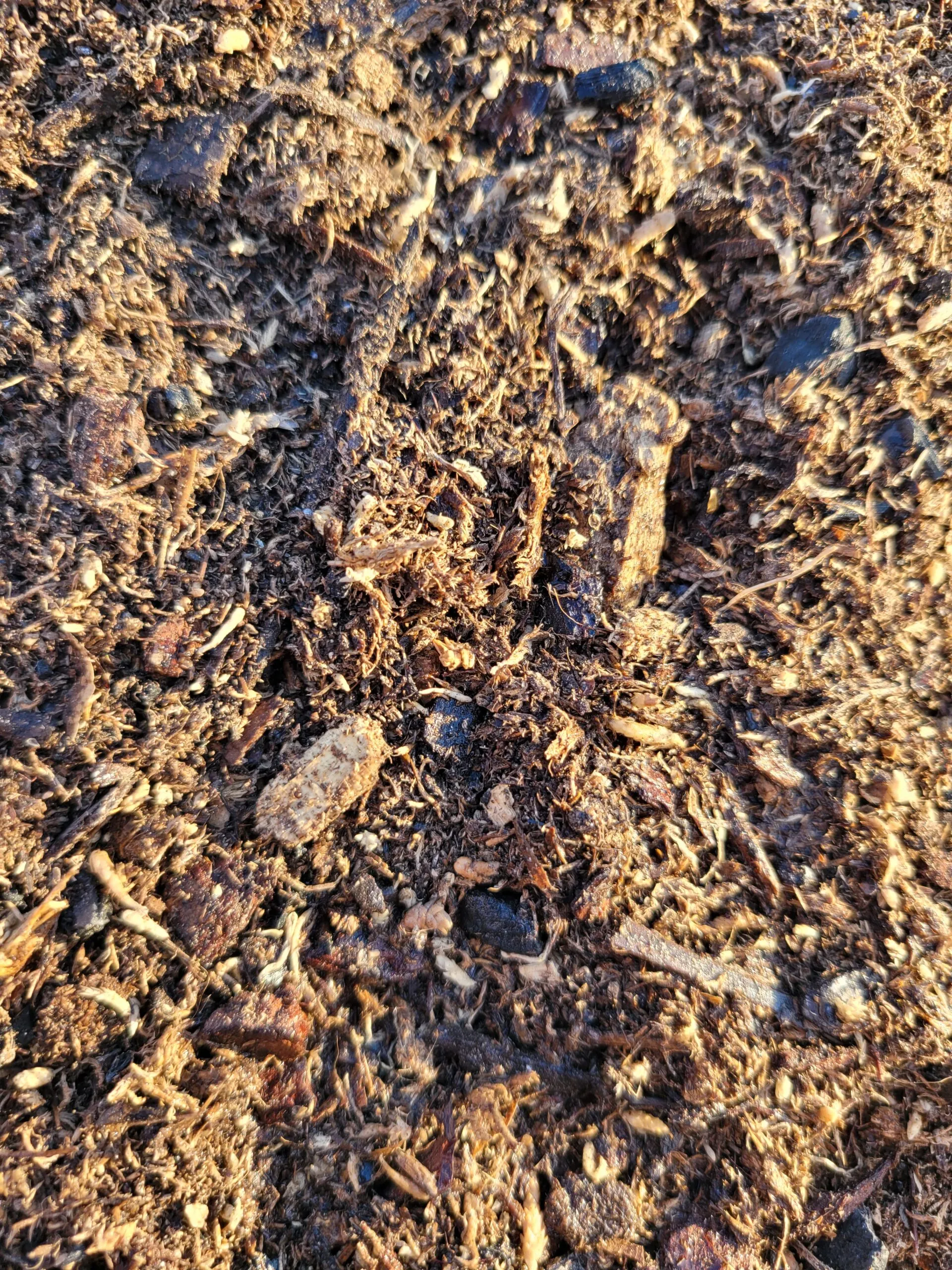
- 2 quarts of Ultra Isopod Substrate: An enriched bioactive blend made with woodchips, charcoal, New Zealand sphagnum, peat, sand, flake soil, rotten softwood, calcium, and worm castings. The mixture is designed to hold moisture, feed the colony slowly, and support microfauna development from day one.
- 16 oz New Zealand Sphagnum Moss: A highly absorbent moss that boosts local humidity inside the enclosure and gives isopods a damp retreat zone.
- 16 oz Assorted Hardwood Leaf Litter: A mix of hardwood leaves that serves as both cover and a slow-release food source. Isopods consume leaf litter steadily as it breaks down.
- 2 Charcoal Hides: Edible charcoal pieces that double as shelter and a slow-release supplement.
- Isopod Feed and Springtail Feed: TC INSECTS feed portions designed to support healthy growth, reproduction, and microfauna booms inside the new culture.
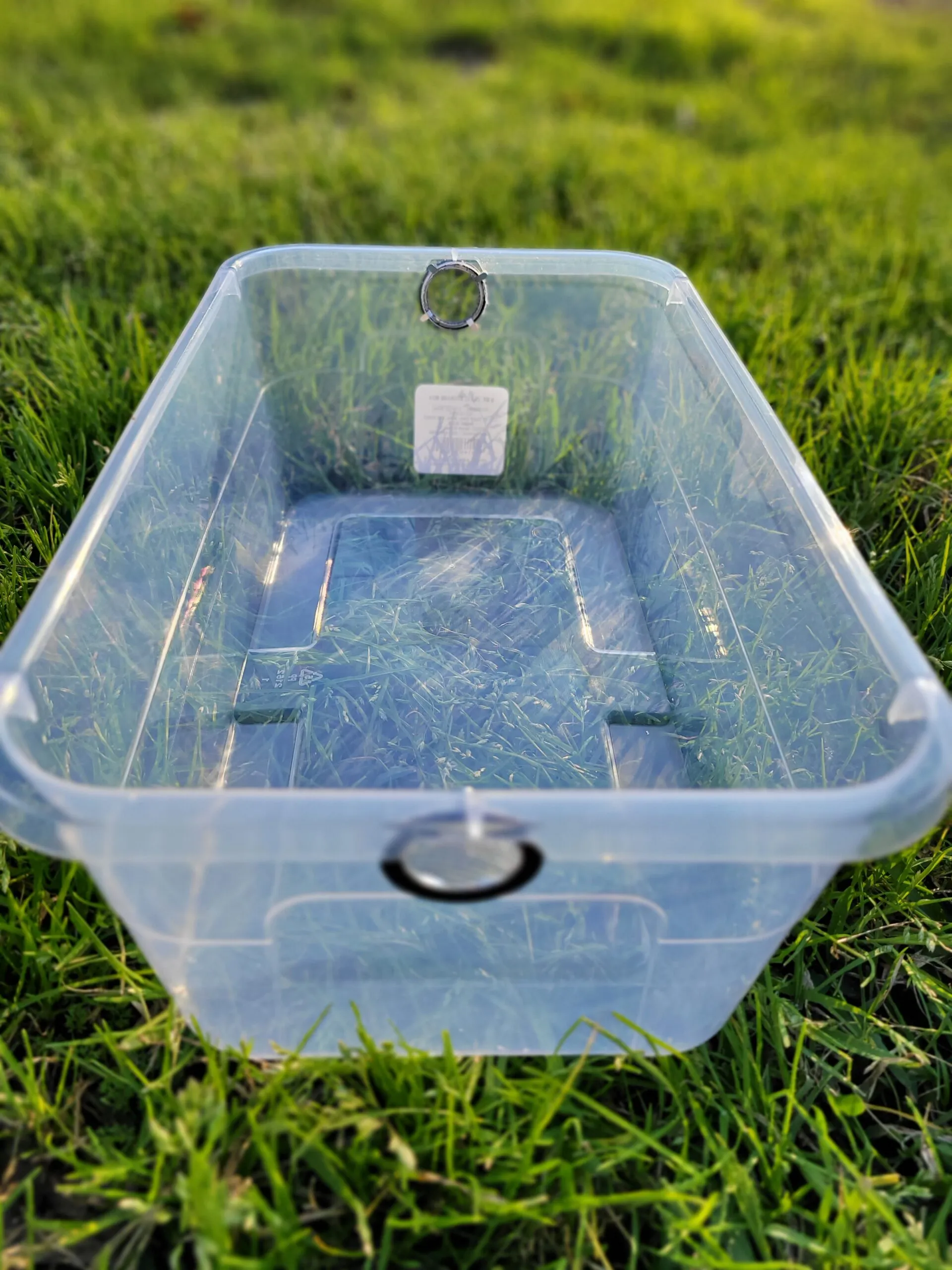
- Double-Vented Clear Habitat: A 6-quart clear container with ventilation on two sides, which keeps airflow consistent and helps prevent stagnant conditions.
Why Choose the Ultra Kit?
- Enriched substrate blend: The Ultra substrate goes further than basic coco fiber by combining flake soil, rotten softwood, calcium, worm castings, and other components for slow-release nutrition.
- Turn-key setup: Everything needed to start a single-species culture is included in one purchase, which saves the time of sourcing each component separately.
- Two-sided ventilation: The double-vented enclosure helps prevent the stagnant air conditions that lead to mite issues in fully sealed setups.
- Individually packed contents: Each component arrives in its own packaging, so keepers can layer the enclosure intentionally rather than fishing materials out of a single mixed bag.
- Pairs naturally with TC INSECTS live cultures: Designed as the matching habitat for any of the live isopod and springtail products on the TC INSECTS catalog.
Honest Note on What the Kit Is and Is Not
Two honest points are worth flagging clearly before purchase. First, the kit does not include live animals. The Ultra Isopod Habitat Kit is a complete habitat starter setup. However, isopods and springtails are purchased
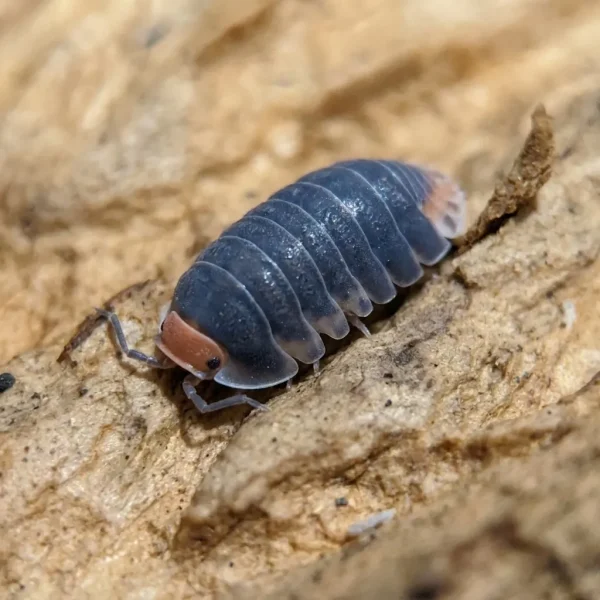
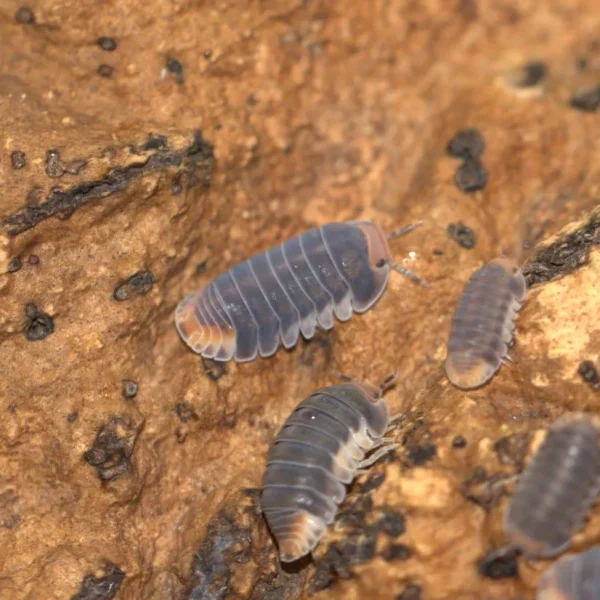
separately. Buyers who want a live colony shipped should add a live isopod product like Powder Orange Isopods or other lines from the TC INSECTS catalog, plus Springtails, alongside the kit.
Second, the kit is designed for one isopod species at a time. TC INSECTS recommends one kit per species, so this is not a multi-species housing solution. Mixing several different isopod lines into the same 6-quart enclosure
causes long-term issues. These include hybridization between color morphs of the same species, competition between species with different humidity preferences, and difficulty separating cultures later. Keepers running a
varied shelf typically buy one kit per culture.
If you are looking for a multi-species bundle to use across multiple enclosures rather than a single setup, consider browsing the live isopod catalog and adding kits as needed.
How to Set Up the Kit
Setup is straightforward and takes about ten to fifteen minutes once the kit arrives.
Step 1: Layer the Substrate
Open the Ultra Isopod Substrate and pour it into the double-vented enclosure. Spread the substrate evenly across the bottom to about an inch or two deep. Then mist lightly with dechlorinated water to bring moisture up to a consistently damp (not soaked) feel. The blend should hold its shape when squeezed without dripping.
Step 2: Add Sphagnum and Leaf Litter
Place a generous layer of New Zealand sphagnum moss on one side of the enclosure to create a humid retreat zone. Then cover the rest of the substrate with the assorted hardwood leaf litter. Apply the leaf litter generously since it serves as both shelter and slow-release food.
Step 3: Position the Charcoal Hides
Set the two charcoal hides on top of the leaf litter at different points in the enclosure. The hides give isopods and springtails additional shelter and act as edible supplemental cover.
Step 4: Add Feed
Sprinkle a small amount of isopod feed and springtail feed in one corner of the enclosure. Start light. It is easier to add more feed later than to clean out moldy excess.
Step 5: Introduce Live Animals
Once the habitat is layered and lightly misted, add live isopods and springtails directly with their shipping substrate. Avoid rinsing them before transfer, since their shipping substrate carries beneficial microfauna. Leave the new culture undisturbed for at least a week before evaluating activity.
Ongoing Maintenance
Once the culture is established, ongoing maintenance is light. Mist one side of the enclosure as needed to maintain a humid retreat zone. Let the other side dry slightly between mistings. Add fresh leaf litter every few weeks
as the original layer breaks down. Refresh feed in small portions and remove any uneaten fresh vegetables before mold develops. In addition, top up TC Calcium Ultra Fine periodically to support molting in growing
colonies.
Best For
- First-time isopod keepers setting up their first dedicated culture.
- Intermediate keepers adding a new species to an existing isopod shelf.
- Gift purchases paired with a live isopod product.
- Bioactive setups where a complete single-species starter habitat fits better than sourcing components individually.
- Keepers who want enriched substrate from the start rather than building one from scratch.
Not Best For
- Buyers expecting live isopods or springtails included. Those are sold separately.
- Mixed-species housing, since the kit is designed for one species at a time.
- Very large enclosures or large-bodied colonies that have outgrown a 6-quart container.
- Dart frog vivariums or reptile terrariums, since this kit is a dedicated isopod culture enclosure rather than a vivarium substrate layer.
- Keepers who only need substrate by itself. A standalone substrate purchase fits better in that case.
Recommended Pairings
- TC INSECTS Isopod Food in larger quantities for ongoing feeding once the included starter portion runs out.
- TC INSECTS Assorted Hardwood Leaf Litter for ongoing leaf-litter top-ups as the original layer breaks down.
- TC Calcium Ultra Fine for sustained molting support beyond the calcium content of the substrate blend.
- Springtails for live microfauna seeding into the new enclosure.
- Any live isopod product from the TC INSECTS catalog as the colony to populate the new habitat.
Frequently Asked Questions
Does the Ultra Isopod Habitat Kit include live isopods?
No. The kit is a complete habitat starter setup with substrate, cover, hides, leaf litter, sphagnum, and feed, but live isopods and springtails are purchased separately. Add a live culture from the TC INSECTS catalog to populate the kit on arrival.
Can I house multiple isopod species in one kit?
Generally no. TC INSECTS recommends one kit per species, since mixing different lines in a single 6-quart enclosure leads to long-term issues. Different species often have different humidity preferences, and mixing color morphs of the same species causes hybridization that washes out distinct color lines over generations.
Is the Ultra Kit beginner-friendly?
Yes. The kit is built around a turn-key setup, so first-time isopod keepers do not need to source substrate components individually or research which materials to combine. The enriched substrate also gives new colonies a stronger start than basic coco-fiber-only setups.
How long will the substrate last?
The Ultra Isopod Substrate typically lasts many months in a stable culture, since it breaks down slowly and supports microfauna development as it ages. Most keepers top up with additional leaf litter every few weeks rather than fully replacing the substrate, since established cultures benefit from the existing microfauna load.
Can I use this kit for springtail cultures?
Yes, the substrate and humidity conditions work for springtail cultures as well, especially when paired with the included springtail feed. However, keepers running a dedicated springtail culture sometimes prefer a smaller container so the colony stays denser and easier to harvest. The 6-quart size works best as an isopod-focused habitat with springtails as microfauna support.
What size isopod culture does the kit support?
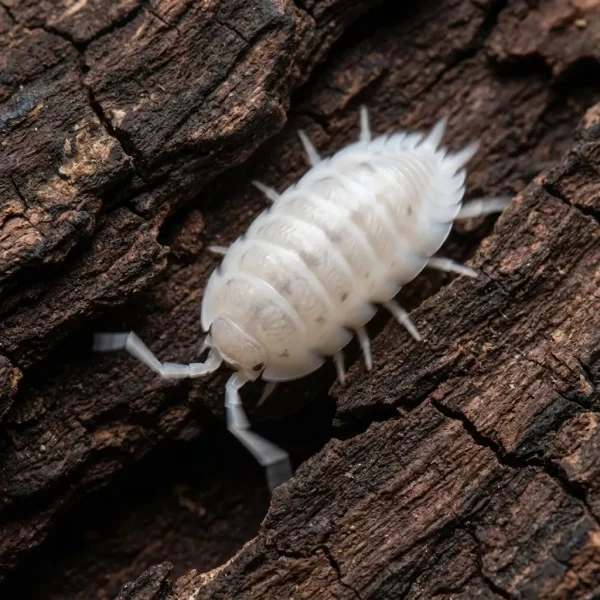
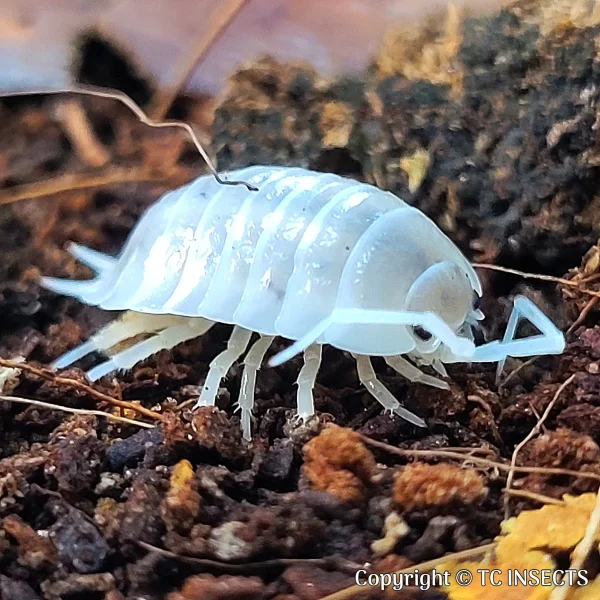
The 6-quart enclosure works for a small to mid-sized starter culture of most hobby species, including 25-count to 250-count starter cultures of common lines like Powder Orange Isopods or Dwarf White Isopods. For very large colonies (500-count or 1000-count starting po

Reviews
There are no reviews yet.