


Porcellionides Pruinosus 'Powder Orange' Isopods
$8.50 - $249.99
Pronounced: Por-sell-ee-on-EYE-deez proo-ih-NO-sus
Care Level: Beginner
Adult Size: 1 to 1.25 cm
Reproductive Rate: Very high once established
Temperature: 70 to 85°F
Humidity: 45 to 80% with a humid retreat
Scientific Name: Porcellionides pruinosus "Powder Orange"
Appearance: Warm orange dorsal coloration with a powdery surface coat, soft exoskeleton, long-legged and quick on the surface
Best For: Display vivariums, bioactive cleanup, and occasional soft-bodied feeders
The warm orange color form of Porcellionides pruinosus, and one of the most popular display isopods in the hobby for a reason. The orange reads bright against dark substrate and leaf litter, which is hard to match with most other isopod species. Our Powder Orange line comes from a TC INSECTS mother culture started in 2017, so it is an established in-house bred colony rather than a freshly imported lot. Surface-active, quick moving, and productive once a starter group settles in.
Shipping & Guarantees


Description
Powder Orange Isopods for Sale
Overview
Powder Orange is the warm-toned color form of Porcellionides pruinosus, and it is one of the few isopods that genuinely stands out visually against dark substrate, leaf litter, and moss. Where the Powder Blue version of this species reads cool and gray, Powder Orange reads bright and warm, which is why most keepers buying this morph specifically want it for display rather than just cleanup.
Our colonies come from a TC INSECTS mother culture started in 2017. Bred in-house, that long-running line is more acclimated to standard isopod husbandry than freshly collected or recently imported stock.
Why Keep Powder Orange Isopods?
Most customers pick this morph for one or more of the following:
- Visibility. Surface-active, diurnal, and brightly colored, so you actually see them moving in the enclosure rather than only finding them when you lift a piece of bark.
- Contrast. The orange pops against dark substrate, magnolia leaves, and moss, which is useful for planted vivariums and dart frog tanks where the visual layer matters.
- Productive cleanup support. They process leaf litter, decaying hardwood, mold, biofilm, and animal waste in a working bioactive setup. They will not replace tank maintenance, but they cut down on buildup once the colony is healthy.
- Soft-bodied occasional feeder. The exoskeleton is softer than most Porcellio species, which makes them a more digestible supplement when calcium-dusted, especially for dart frogs and small geckos.
Care and Setup
Powder Orange is a forgiving culture, but the morph still benefits from a few specific setup choices. The color holds best on a varied diet with adequate carotenoids and stable humidity zones, and stable conditions consistently produce a more visible colony than pushing the edges of their tolerance.
Temperature
70 to 85°F is the practical working range. Reproduction picks up at the upper half of that range, and you will see a noticeable slowdown if the enclosure runs cooler than the high 60s for long stretches.
Humidity
Aim for 45 to 80% with a reliably moist corner. They handle a drier average enclosure better than many isopods, but they still need a humid retreat for molting and reproduction. A pocket of damp sphagnum moss or a moist leaf litter pile is enough.
Substrate
Coconut fiber blended with flake soil or decomposed hardwood, topped with leaf litter and a few pieces of cork bark or hardwood. Calcium sources such as crushed cuttlebone, eggshell, or limestone help support exoskeleton development.
Food and Color
A varied diet supports the orange color over time. Useful items include decaying hardwood (avoid pine and cedar), leaf litter, magnolia pods, sweet potato, carrot, squash, mushrooms, freeze-dried peas, and protein sources like shrimp meal, fish food, or insect frass. A prepared balanced diet such as TC INSECTS Isopod Food simplifies this and adds calcium support.
Ventilation
Cross-ventilation matters. Sealed bins with no airflow are the most common cause of mite blooms and crashed Powder cultures. A vented lid with one moist corner outperforms a closed lid at uniform high humidity.
Bioactive Use
Powder Orange works well in standard tropical and temperate bioactive vivariums alongside springtails. In drier reptile setups, they can survive when a protected humid hide is always available, but reproduction will slow compared to a more typical bioactive build.
Breeding Notes
Once a starter group is settled, Powder Orange breeds quickly. Females develop a visible white marsupium between the legs when carrying young and tend to be slightly larger than males. Mancae are small and stay under cover for the first several weeks. Expect a starter group of 10 to 25 to take a few months before the population becomes clearly visible on the surface.
Best For
- Display vivariums where the orange color is the main reason for buying this morph
- Bioactive setups with dart frogs, mourning geckos, day geckos, crested geckos, and similar small species
- Keepers who want a visible, surface-active culture rather than a hidden burrower
- Occasional soft-bodied feeders for small insectivores when calcium-dusted
- New bioactive builders looking for a forgiving starter colony
Not Best For
- Keepers who specifically want rare collector morphs, since Powder Orange is widely available and priced as such
- Use as a primary staple feeder, because the soft body and small size make them better as a supplement
- Sealed, no-ventilation tubs, which often develop mite issues and culture crashes
- Fully dry enclosures with no humid retreat at all
Origin and Locality
Porcellionides pruinosus is widely distributed and has been recorded across the Mediterranean, parts of Europe, and southwest Asia, with further spread through trade. The "Powder Orange" name is a hobby trade designation for a specific color form, not a separate species or a confirmed wild locality. This page focuses on practical captive care of the morph rather than claiming a precise wild origin.
Recommended Add-Ons
- TC INSECTS Ultra Habitat Kit for a vented 6qt enclosure with substrate, sphagnum, leaf litter, and starter feed
- TC INSECTS Isopod Food for a calcium-supported diet that helps maintain color and reproduction
- Springtails to handle mold and biofilm at a smaller scale than isopods can reach
Learn More About Isopod Biology
- University of Nebraska-Lincoln Department of Entomology: Sowbugs and Pillbugs
- Natural History Museum (UK): Woodlice overview
Powder Orange Isopod's Natural Habitat:
The Powder Isopods Origins are from the Mediterranean. Later being discovered in South West Asia and Europe. Travel and Trade in recent history have spread this species worldwide and now can even be found in cosmopolitan settings.

Additional information
| Weight | N/A |
|---|---|
| Dimensions | N/A |
| Quantity | 10, 25, 50, 100, 200, 500, 1000 |
Related products
-
Sale!
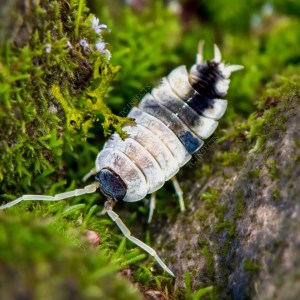
Porcellionides Pruinosus "Powder Oreo Crumble" Isopods
$8.50 - $249.99Select options This product has multiple variants. The options may be chosen on the product page -
Sale!

Porcellio laevis - "White" Isopods
$14.99 - $99.99Select options This product has multiple variants. The options may be chosen on the product page -
Sale!

Porcellionides Pruinosus "Powder Blue" Isopods
$8.50 - $249.00Select options This product has multiple variants. The options may be chosen on the product page -
Sale!

20 Dwarf White and 20 Dwarf Purple Isopods 40 Pack
Original price was: $44.00.$29.99Current price is: $29.99.
