





Feeder Insect Variety: Why Reptiles Need More Than One Bug
Feeder Insect Variety Matters More Than Most Beginners...


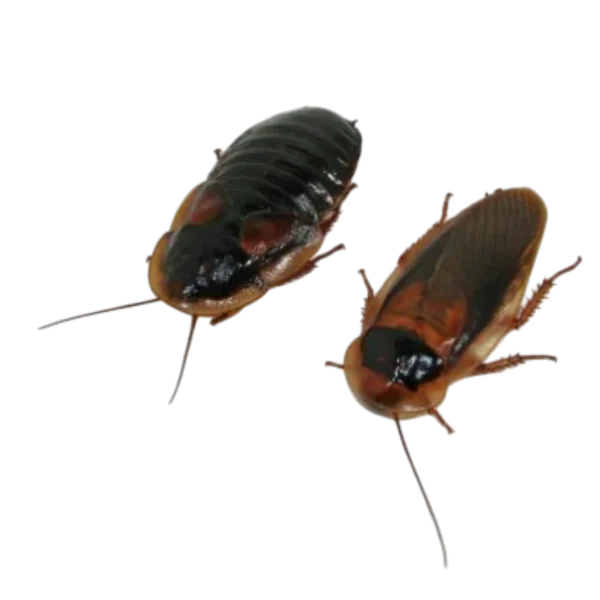
Shop Dubia roaches for sale from TC INSECTS for reptiles, amphibians, arachnids, fish, birds, and other insect-eating pets. Dubia roaches, also known as Blaptica dubia, are popular feeder insects because they are slower moving than crickets, easy to handle, and useful for keepers who want a reliable live feeder option.
Choose extra small, small, medium, large, or adult Dubia roaches based on your animal’s size and feeding needs. You can also shop Dubia roach colony starters, Dubia roach food, water crystals, calcium powder, buffalo beetles, and shipping add-ons below.
Shop live Dubia roaches by size so you can match the feeder to your reptile, amphibian, arachnid, or insect-eating pet. Extra small Dubia roaches are useful for smaller animals, while medium, large, and adult Dubia roaches are better for larger reptiles that can safely handle bigger feeder insects.
Many keepers rotate Dubia roaches with other live feeder insects such as crickets, hornworms, mealworms, superworms, silkworms, and black soldier fly larvae to add more variety to their animal’s diet.
Dubia roach colonies and breeder starter packs are a good option for keepers with larger reptile collections or customers who want to produce feeders at home. A starter colony can help you build a long-term feeder supply when the roaches are kept warm, clean, well-fed, and properly hydrated.
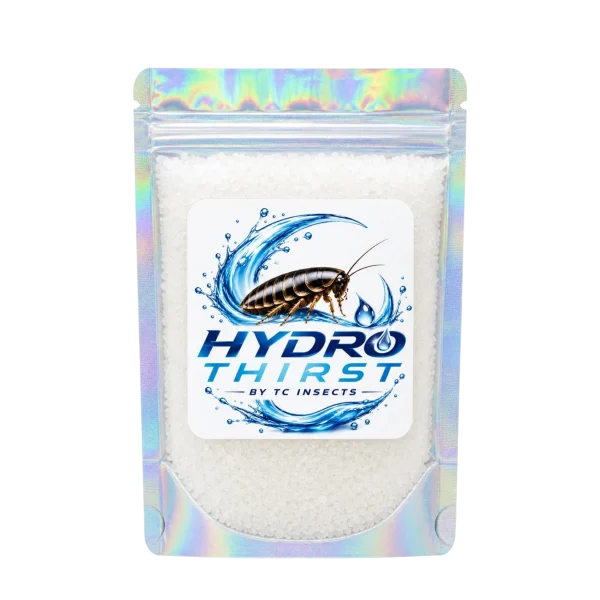
For best results, pair your Dubia roach colony with Supreme Feed Dubia, Hydro-Thirst Insect Water Crystals, and buffalo beetles for Dubia colonies.
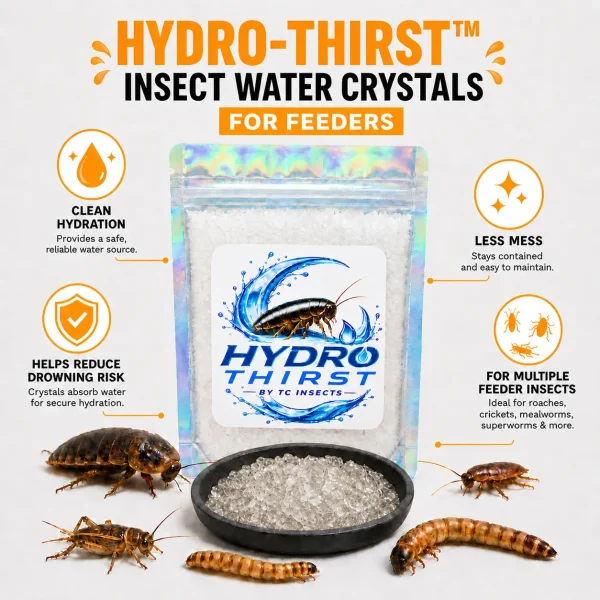
Dubia roach food and water supplies help keep feeder roaches healthier before they are offered to your animals. Dubia Supreme Feed can be used as a gut-load style food, while Hydro-Thirst Insect Water Crystals provide hydration without standing water that can spill, mold, or create unsanitary conditions.
Many reptile keepers also dust feeder roaches with TC Calcium before feeding, especially for animals that need careful calcium support.
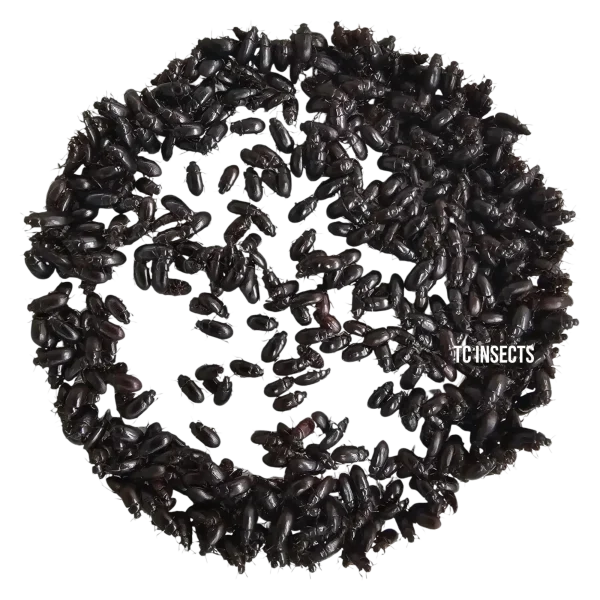
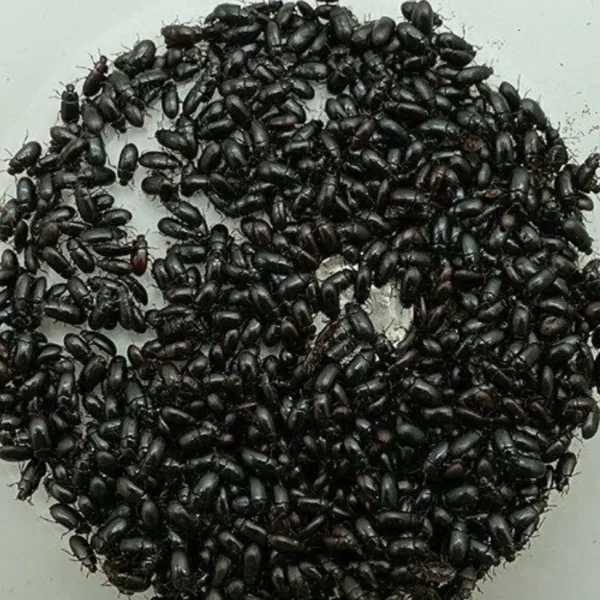
Buffalo beetles are commonly used in Dubia roach colonies to help clean up leftover food, waste, and organic debris. They can help support a cleaner colony environment and may help reduce odors when the Dubia bin is maintained properly.
Buffalo beetles are not a replacement for good husbandry. Keep the colony dry, ventilated, and clean, and remove excess food before it spoils.
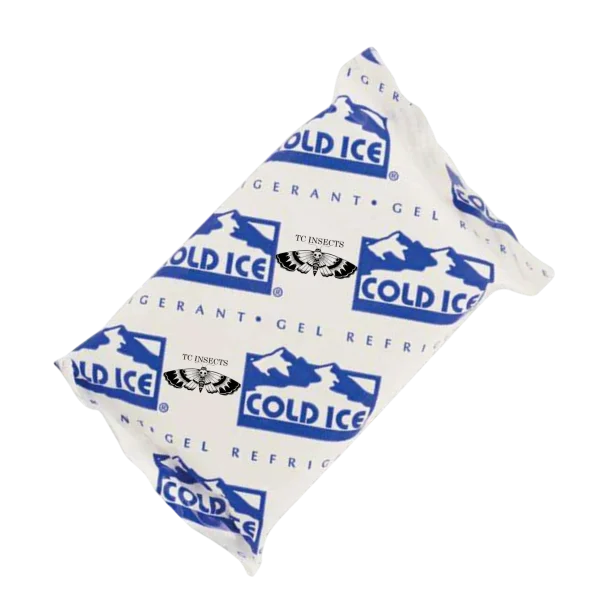
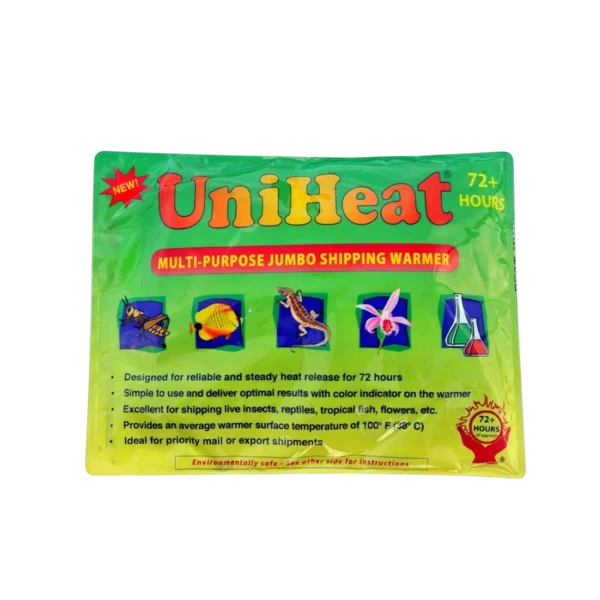
Shipping add-ons can help protect live Dubia roaches during hot or cold weather. Use hold for pickup, heat packs, or ice gel packs when weather conditions may make live feeder insect shipping more difficult.
If you are ordering live Dubia roaches during extreme temperatures, choosing the right shipping add-on can help reduce time sitting outside and improve arrival conditions.
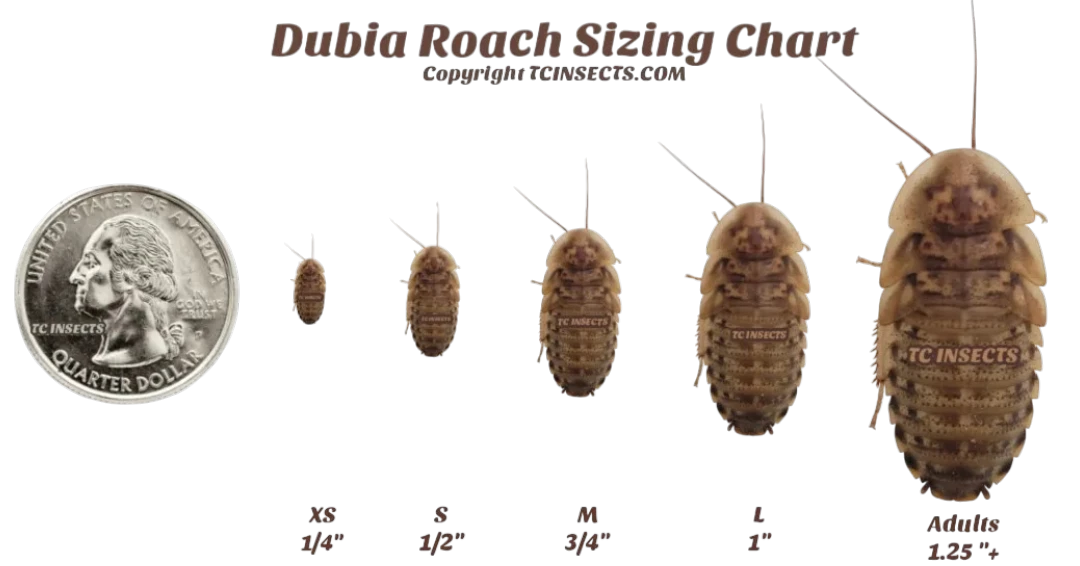
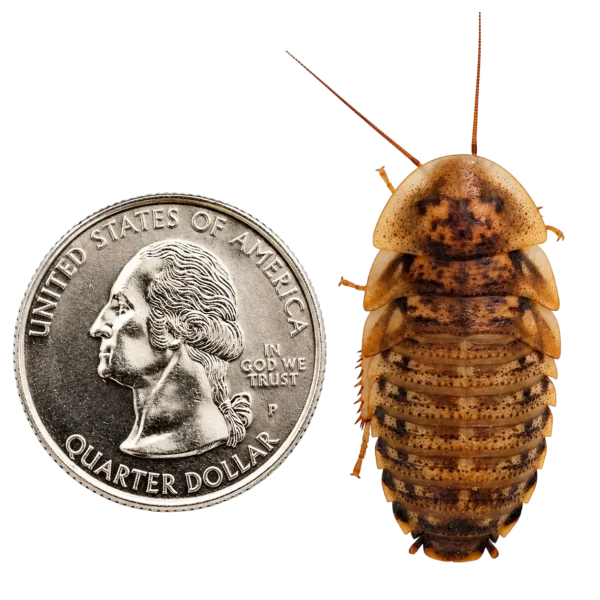
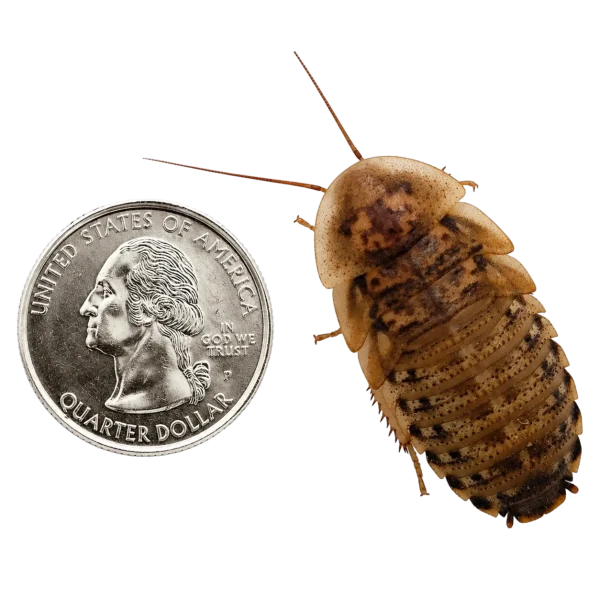
Adult Dubia roaches usually reach about 1.2 to 2 inches. They are also called Tropical Spotted Roaches, Orange-Spotted Roaches, or Blaptica dubia. Adult males usually have full wings, while adult females are heavier-bodied with shorter wing pads.
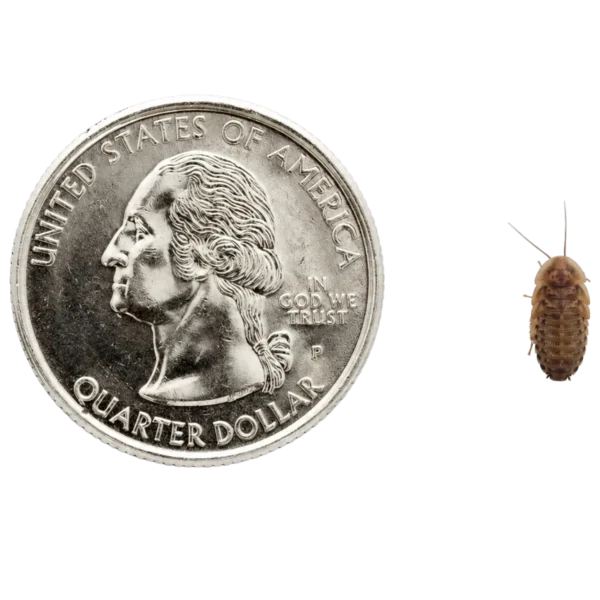
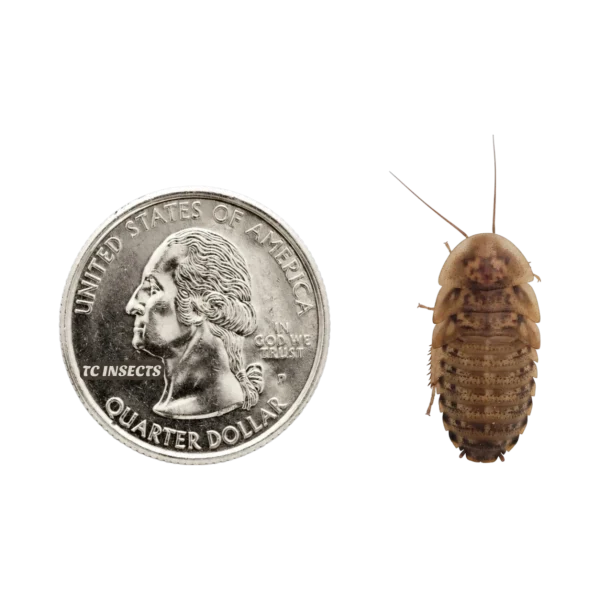
Dubia roach sizing is approximate, but the options below help customers choose the right feeder size.
Extra Small: 1/4 inch
Small: 1/2 inch
Medium: 3/4 inch
Large: 1 inch
Adults: 1 1/4 to 2 inches
Most keepers choose Dubia roaches no larger than the space between the animal’s eyes. This is a helpful general rule for many reptiles and amphibians, but always follow species-specific feeding guidance for your animal.
If you are unsure, start smaller. Smaller Dubia roaches are easier for many reptiles to catch, chew, and digest.
Dubia roaches are useful feeder insects, but many reptiles still need proper calcium supplementation, UVB exposure, and species-appropriate husbandry. Poor calcium balance, low vitamin D3, or inadequate UVB can contribute to metabolic bone disease in reptiles.
Many keepers dust feeder insects with reptile-safe calcium powder before feeding. Follow care guidance for your specific reptile, especially for growing juveniles, breeding females, and species with high calcium needs.
TC INSECTS lists Dubia roach counts to make ordering easier, but live insects are packed by generous weight. Because individual roaches vary in size and weight, the exact count may be slightly higher or lower than the listed number.
For example, an order listed as 100 Dubia roaches may arrive with a slightly different count, but the goal is to provide the correct feeder weight and a generous amount of live insects.
Dubia roaches are easier to maintain than many feeder insects when kept in a clean, dry, well-ventilated container. Most keepers use egg flats or vertical cardboard hides, a quality dry roach food, and a safe hydration source such as water crystals.
Avoid standing water in the enclosure because spills can create mold, odor, and unsanitary conditions. Fresh foods can be offered in moderation, but remove leftovers before they spoil.
To breed Dubia roaches, use a warm, dark, ventilated container with plenty of vertical egg flats or hides. A plastic storage bin, screen-lid tank, or prepared insect habitat can work when airflow, temperature, food, hydration, and cleanliness are maintained.
A quality base diet for Dubia roaches should include a professional feeder roach diet such as Supreme Feed Dubia. Good food helps support active feeder roaches and improves the value of the insects before they are offered to reptiles, amphibians, arachnids, birds, fish, or other insect-eating pets.
Dubia roaches can also be offered safe supplemental foods such as potato, sweet potato, dried peas, oranges, bananas, apples, dried mushrooms, oats, grains, and leaf litter. Use water crystals for hydration and avoid wet, spoiled, or moldy food.
Dubia roaches are generally considered ovoviviparous, meaning the eggs develop inside the female and she gives birth to live nymphs instead of laying loose eggs like many other insects. Under good conditions, adult females can produce groups of nymphs after a gestation period, and production depends on temperature, food, hydration, colony density, and stress levels.
For a productive colony, many keepers maintain a ratio with more females than males, keep the colony warm, provide plenty of hides, and avoid disturbing the bin too often.
The females will lay eggs (ooth) that hatch in 7 to 14 days. The nymphs can be kept with the adults.
Dubia roaches are one of the most popular feeder insects for reptiles because they are easy to handle, slower moving than crickets, and available in multiple sizes. They are commonly used for bearded dragons, leopard geckos, chameleons, monitors, skinks, frogs, tarantulas, and other insect-eating animals.
They are also useful for keepers who want a cleaner feeder option. Dubia roaches do not jump like crickets, and they are easier for many customers to contain when kept in a smooth-sided bin with proper ventilation, food, hydration, and hides.
Below find specific nutritional information on Dubia Roaches
|
Species |
Protein % |
Fat % |
Fiber % |
Calcium_(mg/kg) |
Phosphorus_(mg/kg) |
|
Crickets |
15.3 |
3.2 |
2.1 |
275 |
2510 |
|
Dubia |
22.9 |
7.1 |
2.8 |
798 |
2623 |
|
BSFL |
17.4 |
13.8 |
2.9 |
9380 |
3540 |
|
Superworms |
19.6 |
17.6 |
2.5 |
180 |
2350 |
|
Mealworms |
18.7 |
13.3 |
2.6 |
169 |
2980 |
|
Silkworms |
9.6 |
1.1 |
1 |
185 |
2400 |
|
Fruit Flies |
21.5 |
6 |
2 |
526 |
4000 |
|
Spikes |
17 |
12.5 |
2 |
5230 |
3540 |
|
Hornworms |
9 |
3 |
0.5 |
470 |
2000 |
Dubia are native to Central and South America. Often found hiding under leaves and logs in the wild. They are now captive bred to feed reptiles world wide.

Choose Dubia roach size based on your animal’s size and feeding ability. Extra small Dubia roaches work well for smaller animals, while medium, large, and adult Dubia roaches are better for larger reptiles and other insect-eating pets.
Yes. Dubia roaches are popular feeder insects for reptiles because they are easy to handle, slower moving than crickets, and available in several sizes. They should still be gut-loaded and dusted when appropriate for your animal’s care needs.
Yes. Dubia roaches need hydration, but standing water can spill and create mold. Hydro-Thirst Insect Water Crystals are a cleaner way to provide hydration in many feeder roach setups.
Dubia roaches can eat a quality dry roach diet such as Supreme Feed Dubia, along with safe supplemental foods like potato, sweet potato, oats, grains, fruits, and vegetables in moderation. Remove wet foods before they spoil.
Yes. A Dubia roach colony starter can help keepers with larger reptile collections produce feeders at home. The colony should be kept warm, dry, ventilated, well-fed, and supplied with water crystals and hides.
Many reptile keepers dust Dubia roaches with calcium before feeding, especially for growing reptiles or animals with higher calcium needs. Follow species-specific care guidance and veterinary recommendations for your reptile.
They are also useful for keepers who want a cleaner feeder option. Dubia roaches do not jump like crickets, and they are easier for many customers to contain when kept in a smooth-sided bin with proper ventilation, food, hydration, and hides.
Feeder Insect Variety Matters More Than Most Beginners...

Preface: Basic Springtail Care Sheet Being the largest...

Cricket Care: A Beginner’s Guide Crickets are a...

Mealworms are a popular choice for pet owners who are...
© 2026 | TCINSECTS | All RIGHTS RESERVED