Buffalo Beetle Colony for Sale
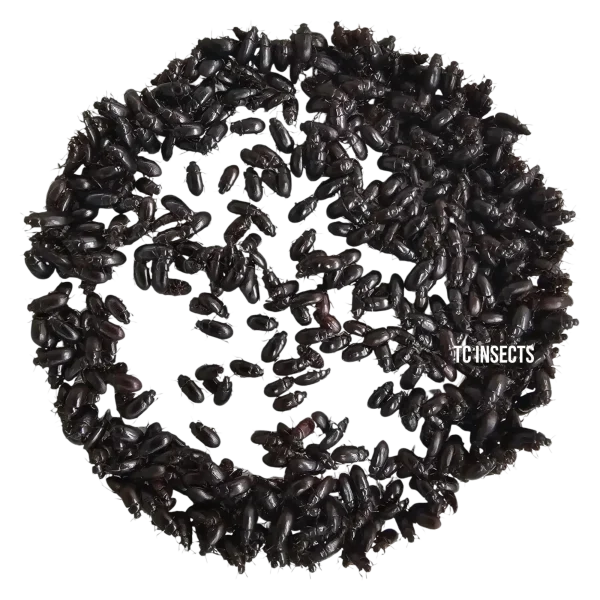
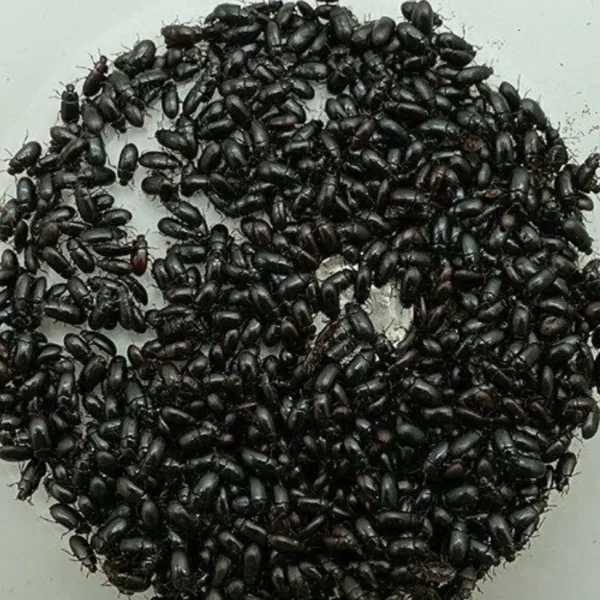
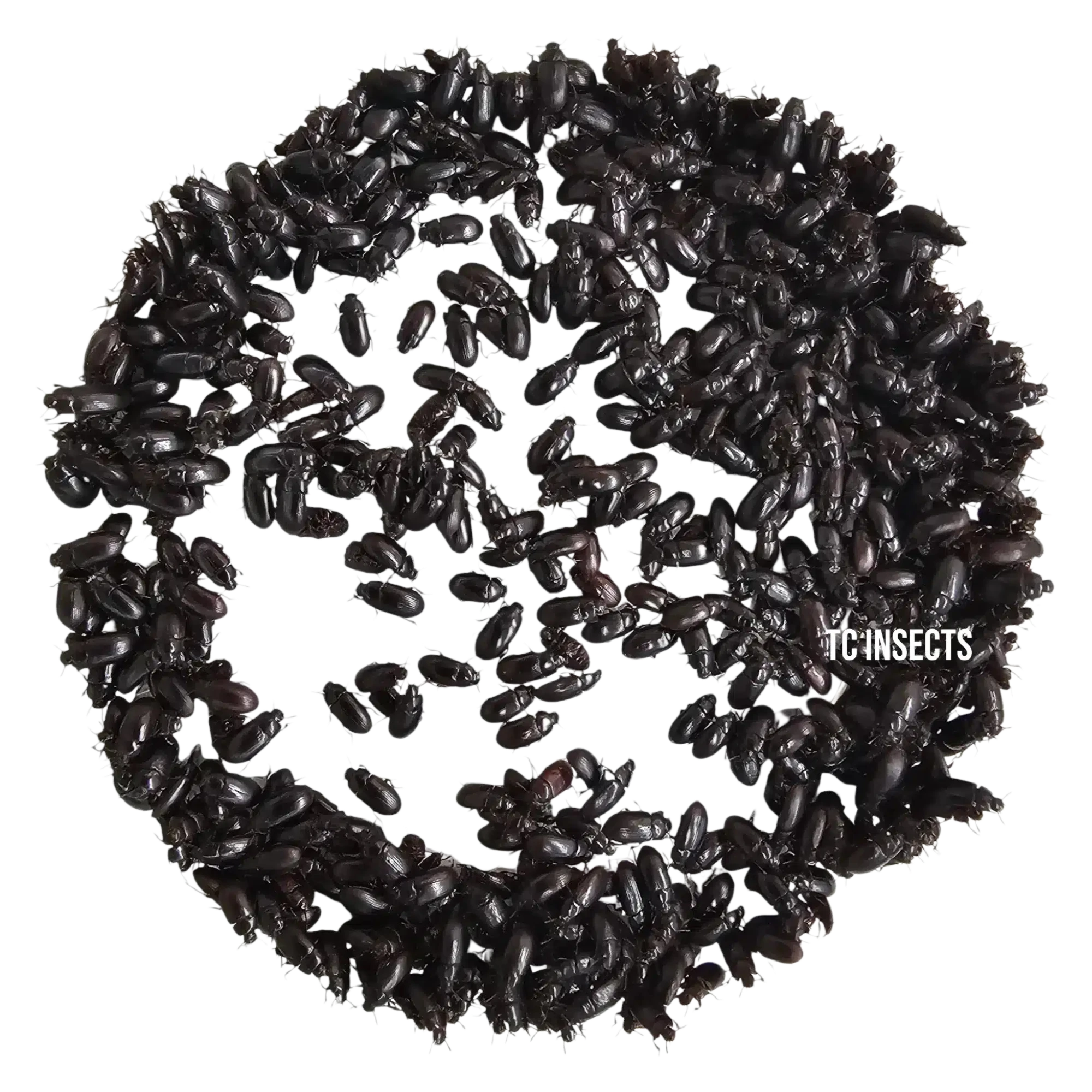
The Buffalo Beetle Large Starting Colony is the scale-ready version of the cleanup crew. At 250 strong, it starts working a large or multi-colony feeder setup from day one, instead of building slowly from a small portion. These are Alphitobius diaperinus, the lesser mealworm or litter beetle, and they earn their keep by eating shed exoskeletons, dead insects, and debris in the bottom of a colony or terrarium. The larvae, sold as Buffalo worms, also double as a small feeder. For a single small bin, start with the 16oz Buffalo Beetle culture instead.
Overview
This is a large live culture of adult beetles and larvae at various stages, sized to act as a working cleanup crew immediately. In a big roach or cricket operation, a larger starting population covers more substrate and waste from the start, so you are not waiting for a small culture to catch up to a busy bin. They do not bother healthy feeders, and they reproduce in the same warm, fed conditions a colony already provides.
Why a 250 Starting Colony?
- Works at scale immediately. A large crew keeps up with the waste a big or multi-bin setup produces from day one.
- No long grow-out. You skip the weeks a small culture needs to build into a useful population.
- Better value at volume. For large operations, a single large colony is more practical than seeding several small cultures.
- Covers big terrariums. A larger detritivore population suits the floor area of a large bioactive enclosure.
- Self-sustaining. Added to a warm colony, it maintains its own numbers alongside your feeders.
Cleanup Crew or Feeder?
Like the smaller culture, this colony serves both roles, just at a larger scale.
As a Cleanup Crew
Across a large colony or multiple bins, the beetles and larvae break down shed skins, dead insects, and leftover debris. That lowers mold pressure and odor in setups that generate a lot of waste, which is exactly where a bigger crew pays off.
As a Feeder
The larvae remain a small, soft-bodied feeder for compact insectivores. With a large colony, you will usually have surplus to harvest, so you can feed the extras while the crew keeps cleaning. Size them to your animal using the space-between-the-eyes rule.
Honest Note on Right-Sizing the Crew
Bigger is not automatically better. A 250 starting colony is built for large or multiple bins and big terrariums. Drop that many beetles into one small, clean bin and they can run short on the waste they feed on, which means you would have to feed them separately to keep them going. If you keep a single small colony, the 16oz culture is the better match. Match the crew to the amount of waste your setup actually produces.
Honest Note on Containment
In a controlled culture this species is a useful detritivore, but in uncontrolled settings such as stored grain and poultry houses, it is treated as a pest. With a colony this size, containment matters even more. Keep it in a smooth-walled bin, manage escapes, and never release Buffalo Beetles outdoors or anywhere they could establish. Used responsibly inside your colonies or terrariums, they are safe and effective. As with every live insect we sell, do not release them into the wild.
Honest Note on What a Cleanup Crew Does
Even at 250, a cleanup crew supports your maintenance rather than replacing it. A larger crew handles more waste, but you still remove heavy frass, manage moisture, and keep airflow up as colonies grow. They also will not rescue a soaked or crashing bin. Think of this colony as scaled-up maintenance support for a setup that is already running.
Care and Setup
A large Buffalo Beetle colony needs the same conditions as the smaller culture, just more room to spread out.
Temperature
They are most active and reproduce fastest between roughly 75 and 90°F. A warm colony bin suits them. At room temperature, they slow but persist.
Humidity
Keep it dry. These beetles prefer dry conditions and are best in a bin that is not waterlogged. Provide moisture through produce or a separate water source rather than wetting the substrate.
Substrate and Habitat
In a colony, they use the existing egg flats and waste layer. In a standalone large culture, give them a deeper bed of dry bran or grain-based medium with egg flats so a big population has room to feed and breed.
Food
They eat organic debris and the same dry feeds your roaches use, such as Supreme Feed Dubia. In a shared colony they mostly live on waste and leftover chow, though a large crew in a clean bin may need supplemental feed.
Ventilation
Use a vented or mesh lid. Good airflow keeps a large culture dry, which is what these beetles prefer and what limits mold.
Best For
- Keepers running large or multiple Dubia and cricket colonies
- Busy feeder operations that generate a lot of waste
- Large bioactive terrariums needing a dry-tolerant detritivore at scale
- Keepers who want an immediate working cleanup crew, not a slow grow-out
- Anyone wanting a large, self-sustaining feeder source alongside cleanup
Not Best For
- Single small colonies, where the 16oz culture is the right size
- Wet or heavily moist setups, since these beetles prefer dry conditions
- Keepers expecting a fix for an already-crashing or molded bin
- Large predators needing a substantial feeder, where the larvae are too small
- Anyone unwilling to keep a large culture contained, given the species’ pest status outdoors
Receiving and Acclimation
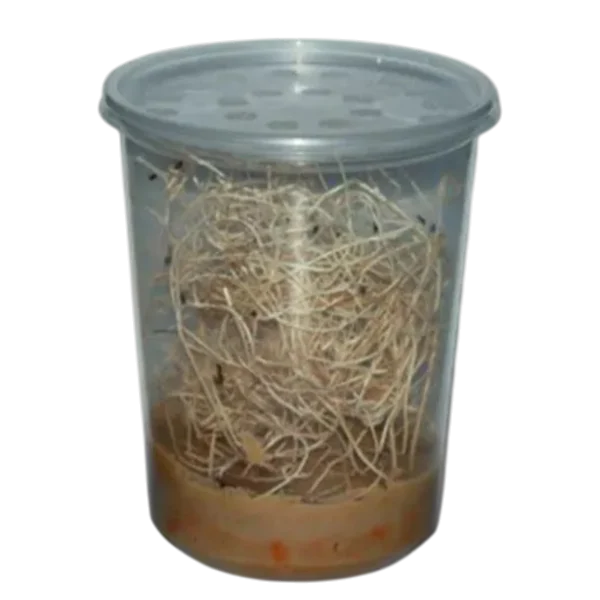
Your colony ships with ventilation and bedding suited to transit. On arrival, open it in a clean, contained area and either add the beetles to your colony bins or transfer them into a prepared dry culture container with room for a large population. Give them a day to settle before judging activity, since shipping can briefly slow them. Keep the culture warm and dry, and a colony this size begins working quickly.
Recommended Add-Ons
- 100 Count Dubia Colony Starter for the larger roach colony this crew is sized to keep clean.
- Supreme Feed Dubia 5lb as a shared dry feed for the roaches and the beetles.
- Complete Culture Collection Combo for keepers building out several feeder and culture types at once.
- Wingless Melanogaster Fruit Flies for a small flying-free feeder alongside the beetle larvae.
- Isopods for a larger detritivore in big bioactive terrariums.
Frequently Asked Questions
How large a setup needs a 250 colony?
This size suits large single colonies, multiple bins, or big terrariums that produce a lot of waste. For one small bin it is more than you need, and the 16oz culture is the better fit.
Will a large crew run out of food in a clean bin?
It can. Buffalo Beetles live on waste, shed skins, and debris, so a big crew in a small or very clean bin may need supplemental dry feed. In a busy colony that produces steady waste, they feed themselves.
Can I split the colony across several bins?
Yes, that is a common use. Divide the starting colony among your roach or cricket bins to seed cleanup crews in each, then let each population sustain itself on that bin’s waste.
Does it work in a large terrarium?
It can, in drier bioactive setups. These beetles prefer dry conditions, so for humid enclosures, springtails or isopods may suit better.
How is this different from the 16oz culture?
Same species and same uses, different scale. The 16oz is a starter portion for a small bin. This 250 colony is an established population that works a large or multi-colony setup right away.
Do I need to keep it contained?
Yes. This species is a pest in uncontrolled grain and poultry settings, so keep the culture in a smooth-walled bin and never release them outdoors. Inside your colonies they are safe and useful.
Learn More About Buffalo Beetles
These references give keepers background on the species behind the cleanup crew and why it thrives on organic debris.
-
University of Florida EDIS: Lesser Mealworm, Litter Beetle (Alphitobius diaperinus). A detailed entomology profile covering the species’ biology, lifecycle, and habits. The clearest background on what these beetles do and why they prefer warm, dry conditions.
-
U.S. Fish and Wildlife Service: Lesser Mealworm species profile. A short government classification entry confirming the scientific identity of the beetle behind the Buffalo Beetle trade name.
-
University of Florida Featured Creatures. A university entomology resource covering many insect species, including darkling beetles. Good general background for keepers raising cleanup insects at scale.