Golden Melanogaster Producing Culture for Sale
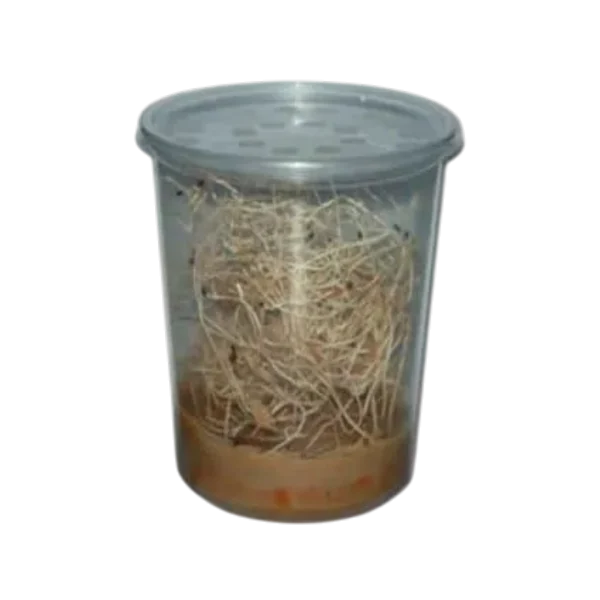
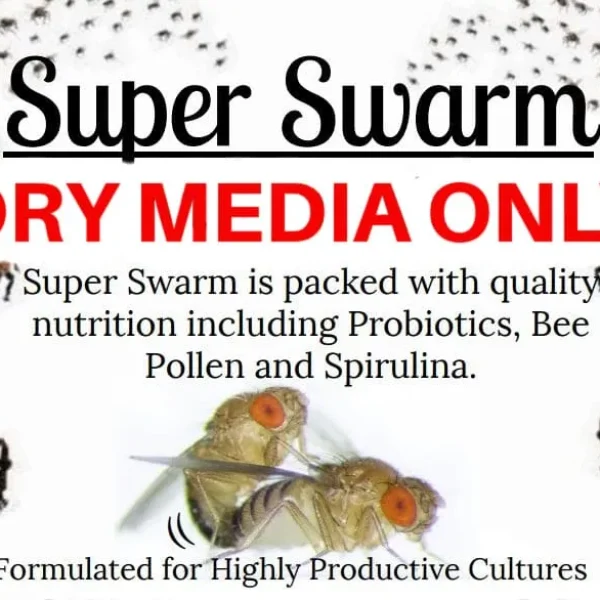
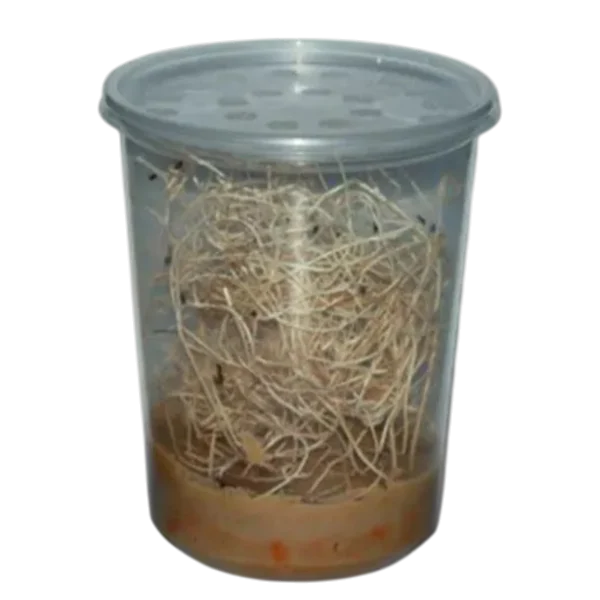
This is a single, already-producing culture of the golden, flightless fruit fly, a yellow-bodied strain of Drosophila melanogaster. The adults run about 3mm and cannot fly, so they are simple to feed. The pale golden color also stands out against dark substrate, which makes the flies easy to see while feeding. Because it is sold as a producing culture, it should already contain larvae and pupae and give flies soon. It arrives in a 32oz cup with Super Swarm Media.
Golden Color, Single Ready Culture
This listing pairs two helpful traits: the golden color for visibility and the single, ready-to-feed format. So it suits keepers who want one culture they can feed from quickly. For bulk golden cultures, the golden pack listing offers 5, 10, and 20 options. For the standard color, see the wingless producing culture.
Honest Note on Color and Production
Golden is a body-color form, so it does not change nutrition. For that reason, still dust the flies with calcium and a multivitamin before feeding. TC’s note that this golden line is more prolific than the normal melanogaster is their own observation, so treat heavier output as a likely bonus rather than a guarantee.
A producing culture is also further along than a fresh one, so you can usually feed soon. However, output rises, peaks, then fades over a few weeks. So plan to rotate or replace cultures to keep flies on hand.
Using Your Culture
Care is the same as any wingless melanogaster culture.
Feeding from It
Feed flies once you see them moving in the cup. If it arrives with mostly larvae and pupae, give it a few days to finish emerging.
Conditions
Keep the culture at normal room temperature and out of direct sun. Stable warmth keeps production steady.
Harvesting and Dusting
Tap flies into a separate cup, then dust them with calcium and a multivitamin before feeding. Tapping the cup down keeps the flies from climbing out.
Best For
- Keepers who want a single, visible, ready-to-feed golden culture.
- Poison dart frog keepers who want to judge feeding at a glance.
- Keepers of small or newly hatched reptiles and amphibians.
- Mantis nymph and spiderling keepers feeding tiny prey.
Not Best For
- Keepers who want several cultures or bulk pricing, who should use the golden pack listing.
- Larger animals, since these flies are small. For a bigger fly, try Hydei.
- Keepers who will not dust feeders, because color does not change the low calcium content.
Recommended Add-Ons
- TC Calcium Ultra Fine to dust flies before feeding.
- Golden Wingless Packs for buying several golden cultures at a discount.
- Wingless Melanogaster Culture for the standard color.
- Super Swarm Fruit Fly Kit to culture your own flies at home.
- Fabric Vented Lid for culturing flies in your own 32oz cups.
Frequently Asked Questions
What is this listing?
It is a single, already-producing culture of golden wingless Drosophila melanogaster at a flat price. It is the simplest way to buy one golden culture.
How is it different from the golden pack listing?
This is one culture, sold as producing and ready to feed soon. The golden pack listing offers the same fly in 5, 10, and 20 culture options with bulk discounts.
What does the golden color give me?
The pale flies are easy to see against dark backgrounds, so you can judge feeding. The color does not change nutrition, so still dust before feeding.
Can I feed from it right away?
Usually yes, since it is sold as producing. Feed flies once you see them, and give it a few days if it arrives mostly as larvae and pupae.
Is it more prolific than standard melanogaster?
TC reports that this golden line produces even more heavily. Treat that as a likely bonus rather than a guarantee.
How long will it keep producing?
Output rises, peaks, then fades over a few weeks. So rotate or replace cultures to keep flies on hand.
Learn More About Fruit Flies
These sources cover the biology and color genetics of the fly behind your culture.
- EBSCO Research Starter: Drosophila melanogaster. An overview of fruit fly genetics, including the body-color mutations that produce golden forms.
- eLife: The Secret Lives of Drosophila Flies. A peer-reviewed look at the natural history of the fruit fly behind this feeder.
- ScienceDirect: Gut Loading (veterinary overview). A reference on why feeder insects need supplementation, which supports dusting flies regardless of color.