



Feeder Insect Variety: Why Reptiles Need More Than One Bug
Feeder Insect Variety Matters More Than Most Beginners...



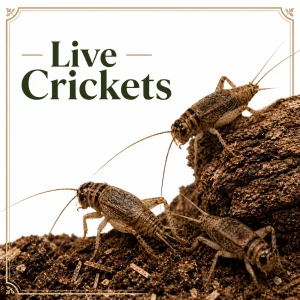
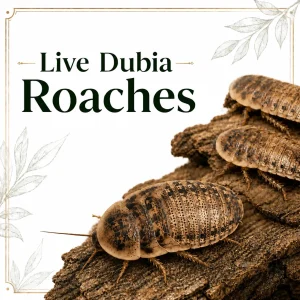
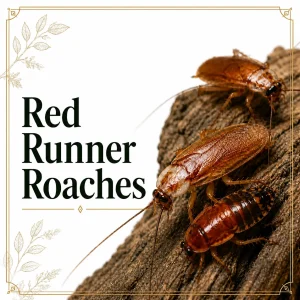
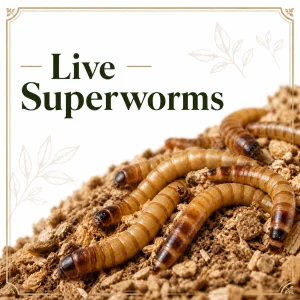
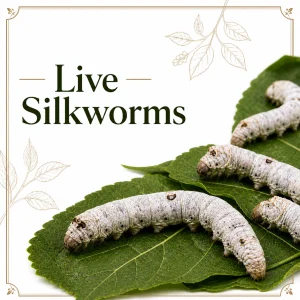
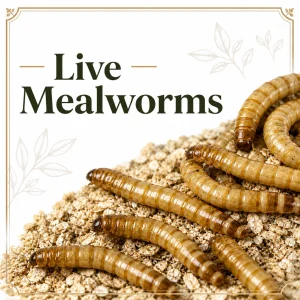
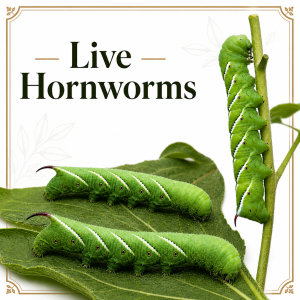
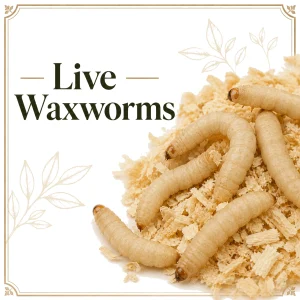
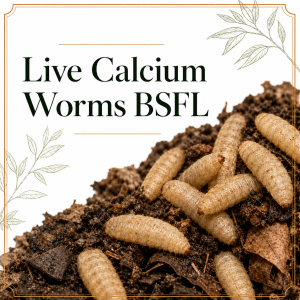
Shop live feeder insects for reptiles, amphibians, birds, fish, and insect-eating pets. We offer popular feeder options such as Dubia roaches, hornworms, superworms, mealworms, silkworms, black soldier fly larvae, waxworms, and other nutritious feeders for a varied diet.

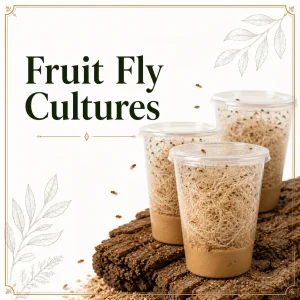
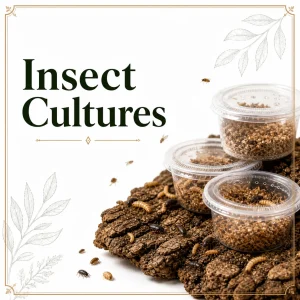
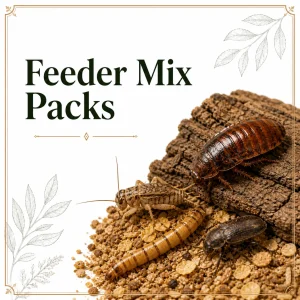
Shop live insect cultures and feeder mix packs for small reptiles, amphibians, invertebrates, and breeding projects. Choose from fruit fly cultures, bean beetle cultures, feeder insect mix packs, and other live culture options for dart frogs, baby reptiles, mantises, jumping spiders, and other small insect-eating animals.

Shop live isopods and springtails for bioactive terrariums, vivariums, reptile enclosures, amphibian habitats, planted setups, and invertebrate cultures. Springtails help manage mold, fungi, and fine organic waste, while isopods break down waste, shed skin, and larger pieces of decaying material. Together, they create one of the most effective cleanup crews for healthy bioactive enclosures.

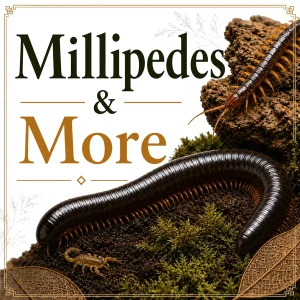
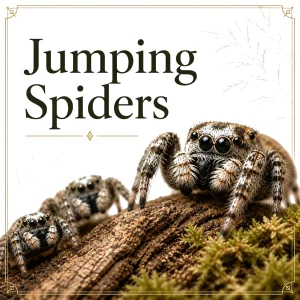
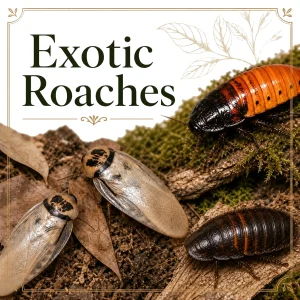
Shop exotic insects and invertebrates for display enclosures, breeding projects, and experienced hobbyists. Availability may include millipedes, jumping spiders, exotic roaches, and other unique invertebrates for keepers who want to expand their collection with something different.

Learn how to care for feeder insects, springtails, isopods, bioactive cleanup crews, and exotic invertebrates with TC INSECTS care guides and care sheets. Our learning center helps customers choose the right live insects, understand basic husbandry, troubleshoot common problems, and keep cultures healthy after arrival.

TC INSECTS helps reptile keepers, amphibian keepers, bioactive terrarium builders, and invertebrate hobbyists find healthy live insects for reptiles and other insect-eating animals. Whether you need feeder insects, isopods, springtails, fruit fly cultures, bean beetles, or bioactive cleanup crews, our goal is to make it easier to choose the right live insects for your setup.
We focus on practical products that support real keepers. Some customers need nutritious feeder insects for bearded dragons, geckos, chameleons, frogs, turtles, birds, or fish. Others are building bioactive terrariums and need isopods and springtails to help manage mold, waste, leaf litter, and decaying organic material. Because every setup is different, TC INSECTS offers multiple categories so you can shop by animal, enclosure type, culture style, or cleanup crew need.
Not every feeder insect or cleanup crew species is used the same way. Dubia roaches, hornworms, superworms, mealworms, silkworms, waxworms, black soldier fly larvae, and fruit flies all serve different feeding purposes. For example, small reptiles, dart frogs, mantises, and jumping spiders often need tiny feeders like fruit flies or bean beetles, while larger reptiles may do better with roaches, worms, larvae, and feeder insect mix packs.
Bioactive keepers usually need a different type of live insect support. Springtails are best known for helping control mold, fungi, and fine organic waste in humid soil layers. Isopods help break down leaf litter, soft wood, shed skin, and larger pieces of decaying material. Together, isopods and springtails create one of the most useful cleanup crews for terrariums, vivariums, amphibian habitats, reptile enclosures, and planted bioactive setups.
Shopping for live insects for reptiles can be confusing because some products are meant for feeding, while others are meant for culturing or enclosure maintenance. TC INSECTS organizes the homepage into simple sections so customers can quickly find what they need.
Choose live feeder insects when you need food for reptiles, amphibians, birds, fish, or invertebrates. Choose insect cultures and feeder mix packs when you want small feeders, backup cultures, or variety packs. Choose isopods and springtails when you are building a bioactive cleanup crew. Choose exotic insects and invertebrates when you are looking for display animals, breeding projects, or unique species for your collection.
Bioactive insects are especially useful for keepers who want a more natural enclosure. Instead of relying only on manual cleaning, a bioactive setup uses living organisms, substrate, leaf litter, moisture, airflow, and microfauna to help process organic waste over time.
Springtails and isopods are two of the most popular bioactive insects because they work well together. Springtails focus on mold and fine organic matter, while isopods handle larger organic material. This makes them a strong choice for reptile keepers, amphibian keepers, dart frog hobbyists, planted vivarium builders, and isopod collectors who want a healthier living substrate layer.
The TC INSECTS Learning Center is built to help customers choose the right live insects and care for them after arrival. Our care guides and care sheets cover feeder insects, springtails, isopods, bioactive cleanup crews, and exotic invertebrates so beginners and experienced keepers can make better buying decisions.
Before choosing live insects for reptiles, consider your animal’s size, diet, enclosure humidity, temperature, feeding schedule, and whether the product is meant for feeding, breeding, culturing, or bioactive cleanup. If you are building a bioactive enclosure, pairing springtails with isopods is usually a stronger choice than using only one cleanup crew species.
Use the sections above to shop live feeder insects, insect cultures, feeder insect mix packs, isopods, springtails, bioactive cleanup crews, exotic insects, and care guides. TC INSECTS continues to expand its live insect selection for reptile keepers, amphibian hobbyists, bioactive terrarium builders, and invertebrate collectors.
Live insects for reptiles can support natural feeding behavior, dietary variety, and enrichment when they are matched to the animal’s size and care needs. For more general reptile feeding information, customers can review reptile nutrition basics from VCA Animal Hospitals.
Springtails and isopods are also important in bioactive enclosures because they help support the living substrate layer. Customers building bioactive terrariums can learn more about springtails from University of Minnesota Extension and isopods from NC State Extension.
Reptile Nutrition Basics from VCA Animal Hospitals
https://vcahospitals.com/know-your-pet/feeding-reptiles
Springtails from University of Minnesota Extension
https://extension.umn.edu/nuisance-insects/springtails
Isopods from NC State Extension
https://content.ces.ncsu.edu/isopods
Feeder Insect Variety Matters More Than Most Beginners...

Preface: Basic Springtail Care Sheet Being the largest...

Cricket Care: A Beginner’s Guide Crickets are a...

Mealworms are a popular choice for pet owners who are...
© 2026 | TCINSECTS | All RIGHTS RESERVED