















Feeder Insect Variety: Why Reptiles Need More Than One Bug
Feeder Insect Variety Matters More Than Most Beginners...

Shop live springtails for sale from TC INSECTS, including temperate springtails, tropical springtails, and bioactive springtail cultures for terrariums, vivariums, and cleanup crew setups. Springtails help break down mold, leftover food, and decaying organic matter while supporting a healthier bioactive enclosure. Choose the culture size and medium that best fits your setup, then add them directly to a compatible bioactive environment or start your own backup culture at home.
Exotic springtails are a great choice for keepers who want more variety in their bioactive terrariums, vivariums, isopod cultures, and planted enclosures. These specialty springtail cultures can add diversity to your cleanup crew while still helping break down mold, leftover food, fungi, and decaying organic matter.
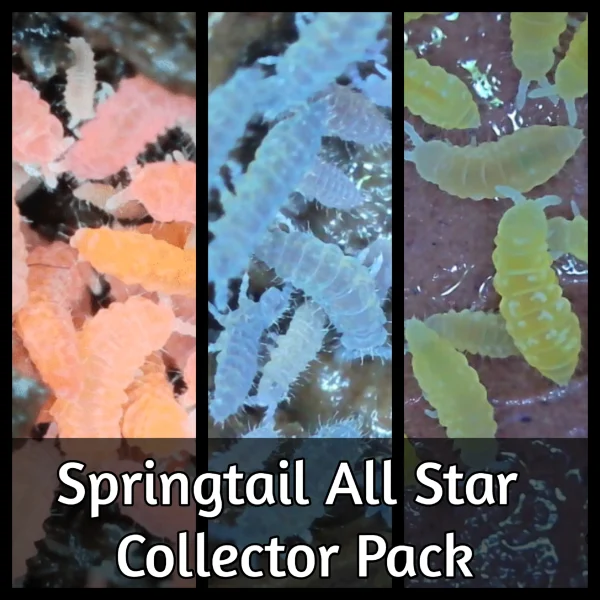
Springtail combos make it easier to seed multiple enclosures, start backup cultures, or add more diversity to your bioactive cleanup crew. Instead of choosing just one culture type, a combo gives you a stronger starting point for terrariums, vivariums, isopod bins, and reptile or amphibian setups.
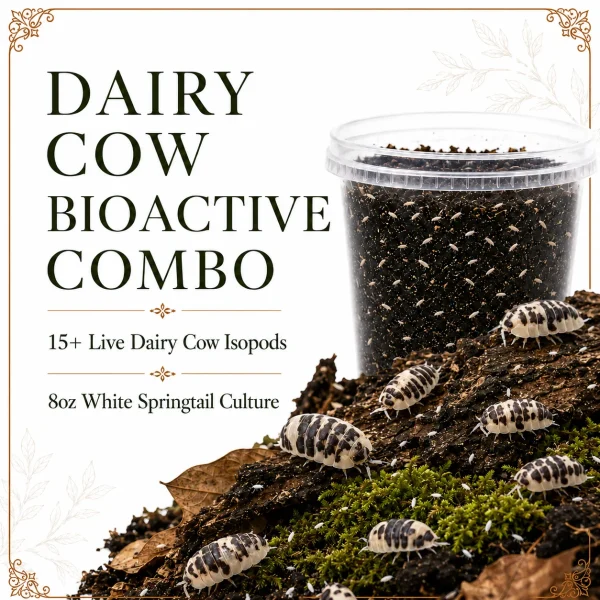
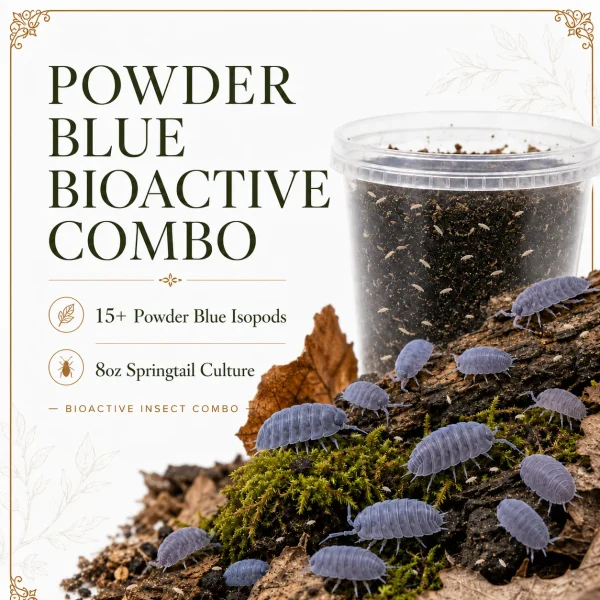
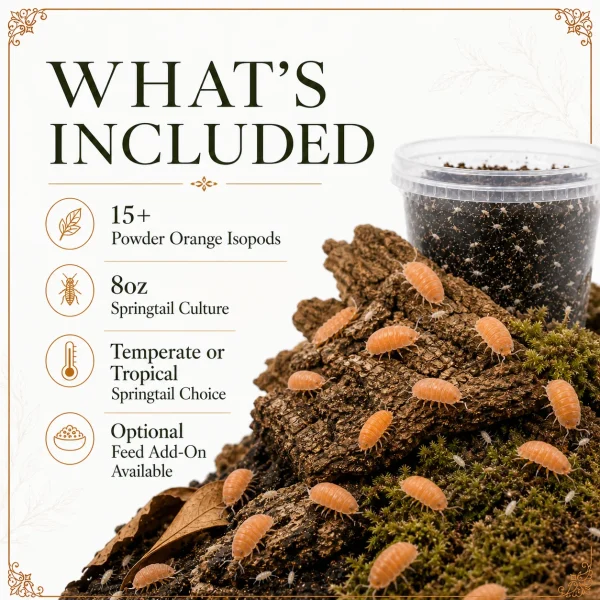
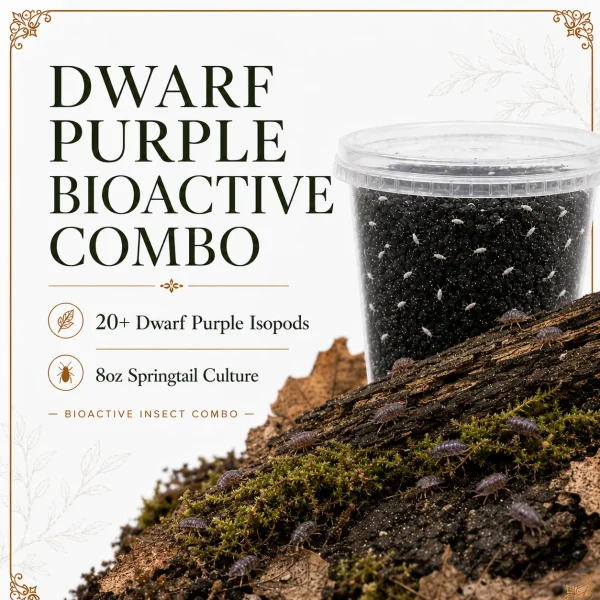
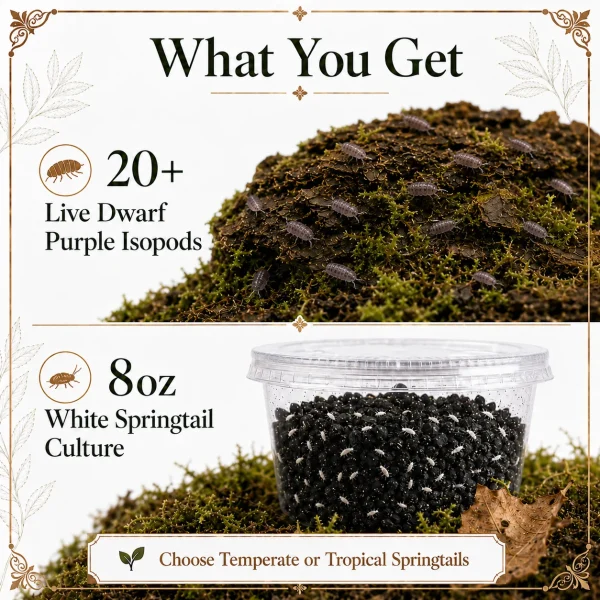
Springtail and isopod bioactive combos are one of the easiest ways to start a complete cleanup crew for a terrarium or vivarium. Springtails help control mold, fungi, leftover food, and fine organic waste, while isopods break down leaf litter, soft wood, shed skin, and larger pieces of decaying material.
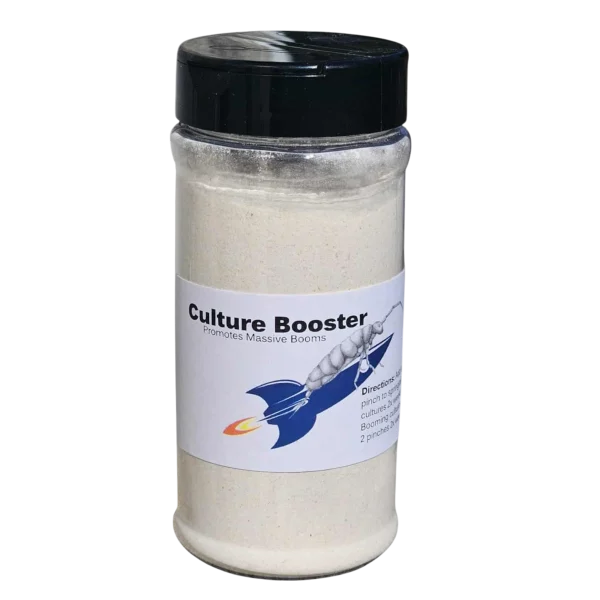
Springtail culturing supplies help you maintain, expand, and harvest your springtail cultures at home. Whether you are starting a backup culture, feeding an active colony, or setting up multiple bioactive enclosures, the right supplies make it easier to keep springtails productive and healthy.
Yes. Springtails are one of the most useful cleanup crew animals for bioactive terrariums because they help consume mold, leftover food, and decaying organic material. They are especially helpful in humid setups with live plants, moss, leaf litter, and soil.
Yes. Springtails are commonly used to help control mold in bioactive enclosures, isopod bins, and terrariums. They will not fix every husbandry problem, but they can help reduce mold when the enclosure has proper moisture, airflow, and feeding balance.
Springtails are generally considered safe for bioactive reptile and amphibian enclosures. They are tiny, soft-bodied cleanup crew animals that live mostly in the substrate and leaf litter.
Temperate white springtails are usually one of the best beginner choices because they are hardy, productive, and easy to culture. Tropical springtails are also a strong option for warm, humid vivariums and tropical bioactive setups.
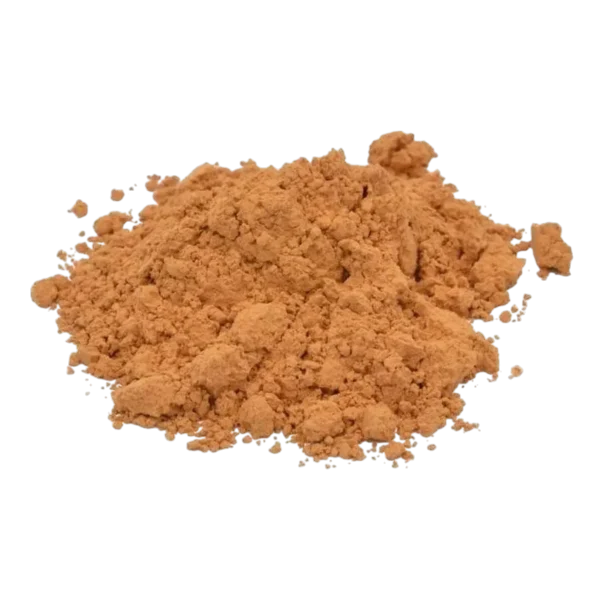
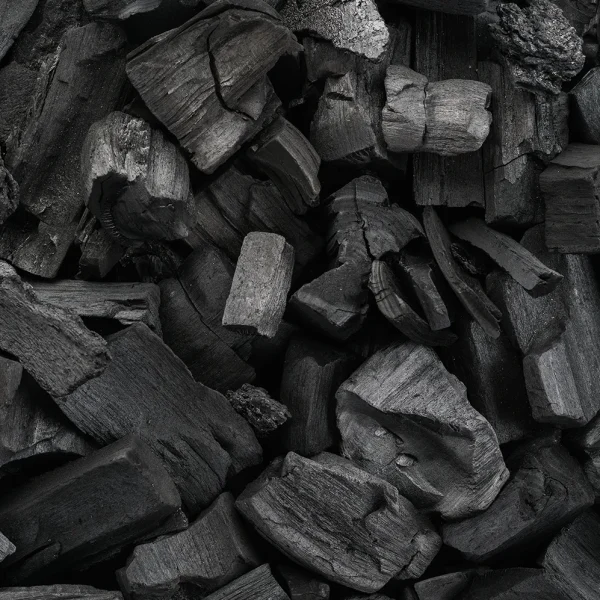
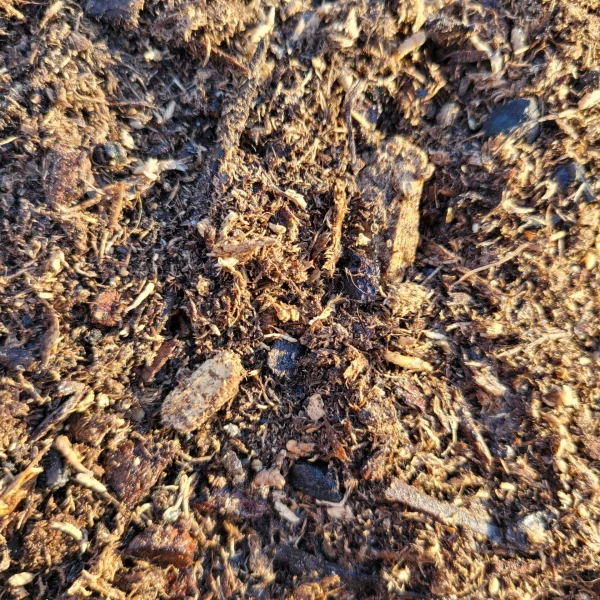
Yes, springtails can usually be added directly into a compatible bioactive terrarium. However, make sure your enclosure animals and setup can tolerate the culture medium being added, especially with coco, clay, charcoal, plaster, or substrate-based cultures.
No. Springtails and isopods work best together. Springtails focus more on mold and fine organic matter, while isopods handle larger pieces of decaying leaves, wood, shed skin, and waste.
Springtail reproduction depends on species, temperature, moisture, food, and culture conditions. In a healthy moist culture with light feeding, many common springtail species can reproduce quickly and build strong populations over time.
Springtails may decline if the enclosure is too dry, too hot, too cold, overfed, poorly ventilated, or exposed to unsafe chemicals. They may also hide deep in the substrate, so a lower visible population does not always mean the culture is gone.
Below find Springtail Information and Care Sheets
TC INSECTS raises and ships live springtail cultures for reptile keepers, amphibian keepers, bioactive terrarium builders, and invertebrate hobbyists. Our springtails are packed with live culture health in mind, so customers receive a usable cleanup crew culture instead of a generic container of substrate.
Springtails are small, but they play a big role in a bioactive setup. They help consume mold, leftover food, decaying plant matter, and organic waste. As a result, they are one of the easiest ways to support a cleaner, more balanced enclosure for reptiles, amphibians, isopods, plants, and microfauna.
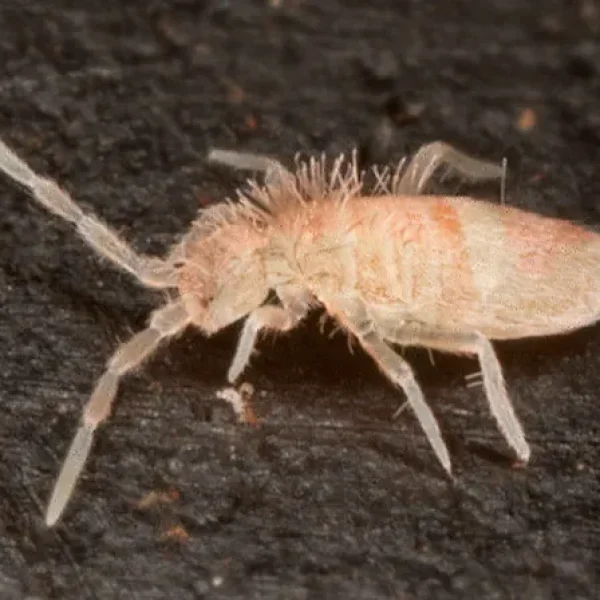
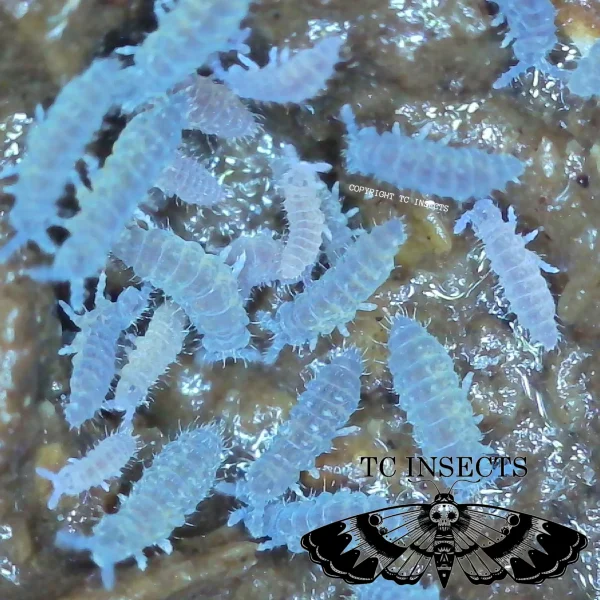
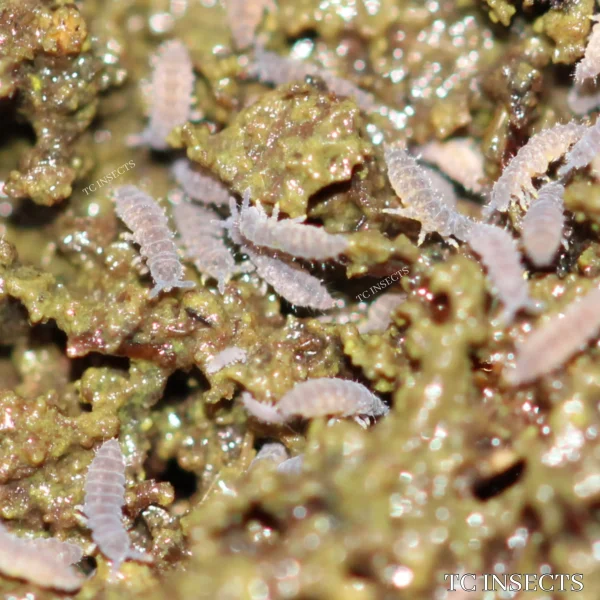
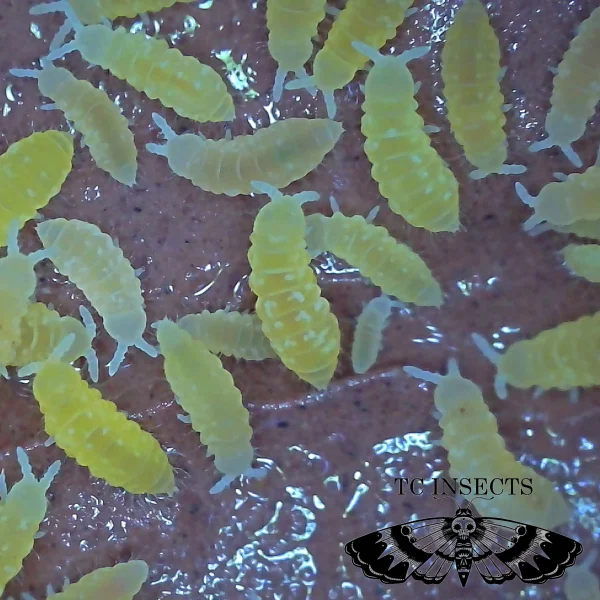
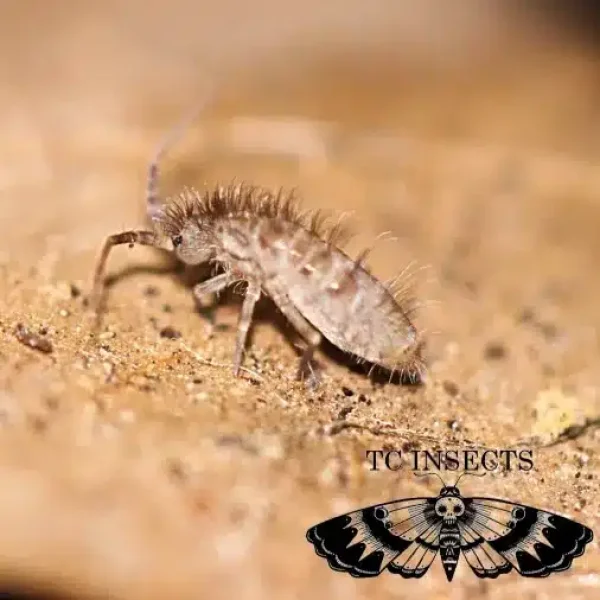
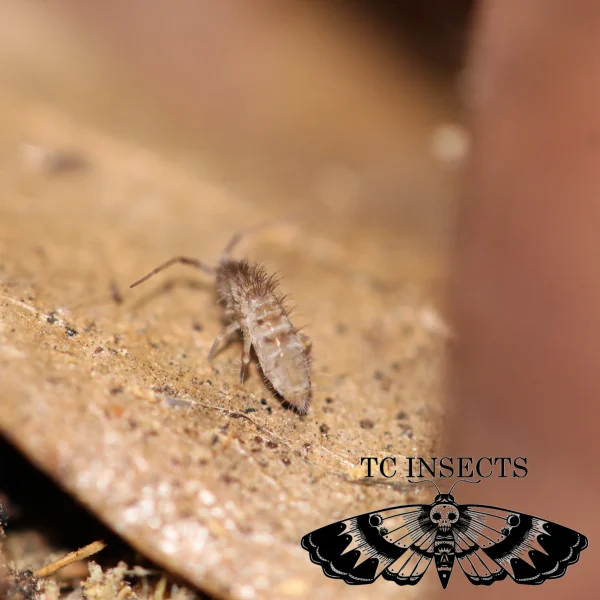
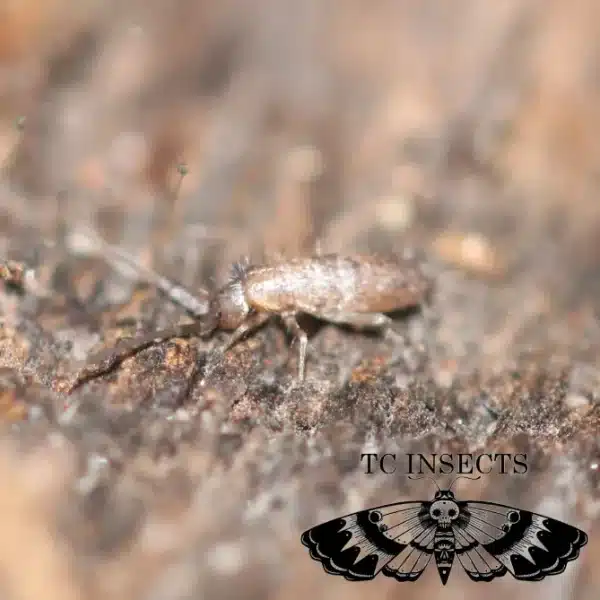
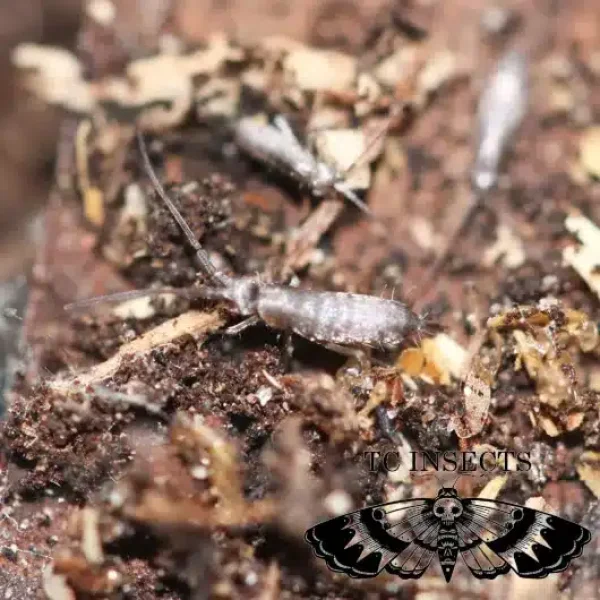
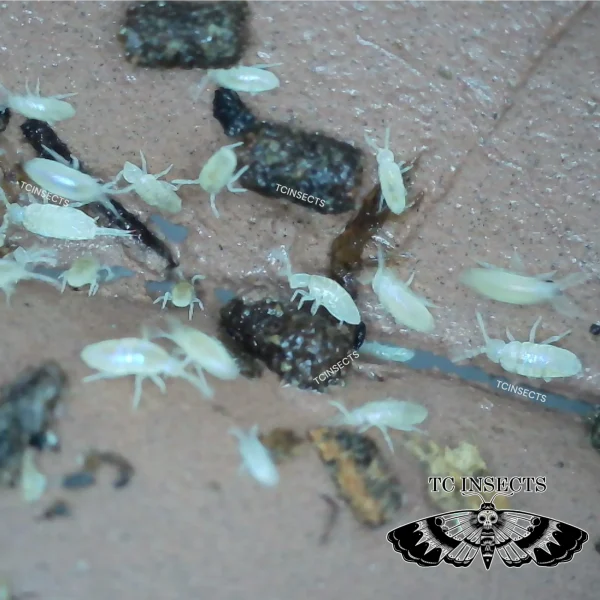
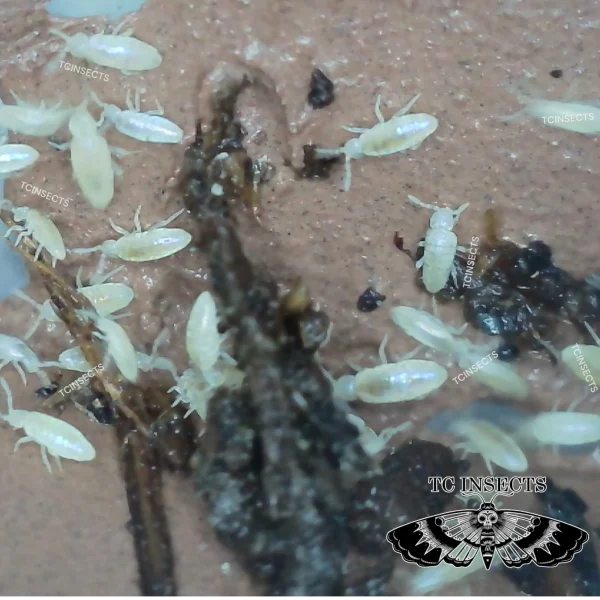
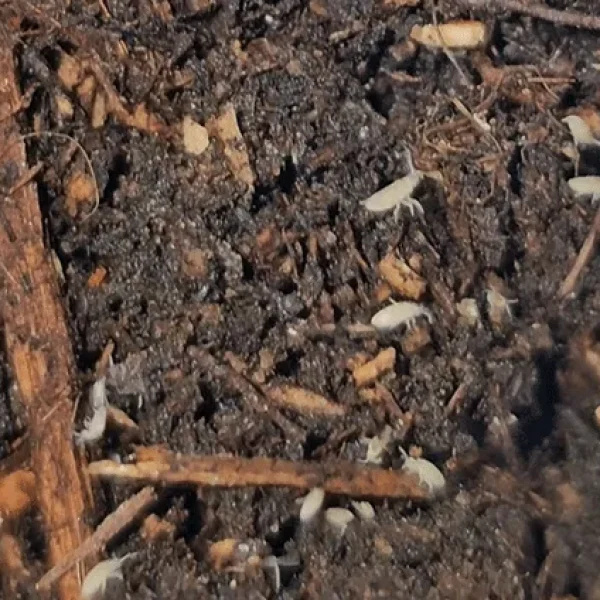
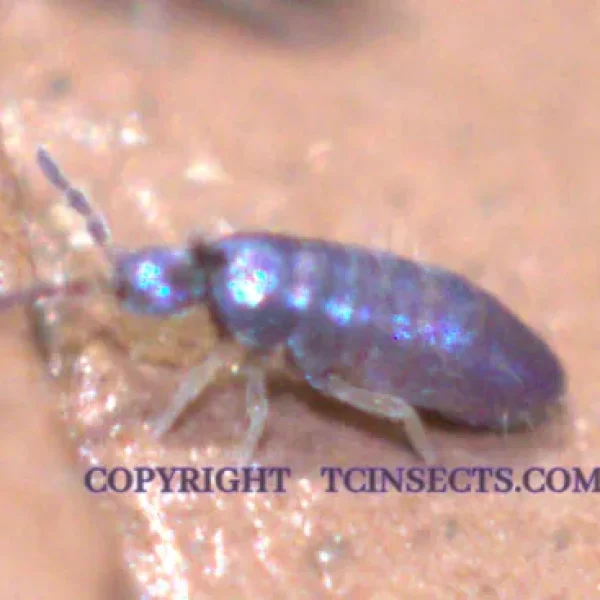
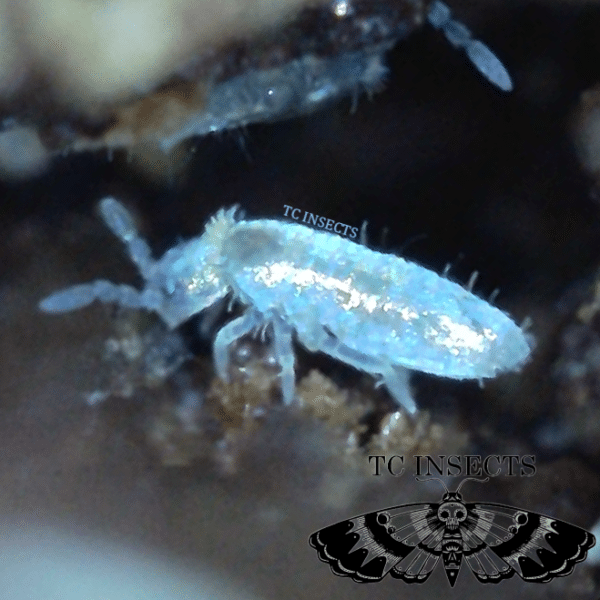
Springtails are tiny soil-dwelling arthropods commonly used as a bioactive cleanup crew. In terrariums and vivariums, they help break down mold, decaying leaves, leftover food, and other organic material before it builds up inside the enclosure.
Because they stay small and reproduce well in moist environments, springtails are especially useful in tropical, humid, planted, and bioactive setups. They are often used with isopods because both animals work together in the substrate layer. Springtails focus heavily on mold and fine organic matter, while isopods handle larger pieces of decaying leaves, wood, and waste.
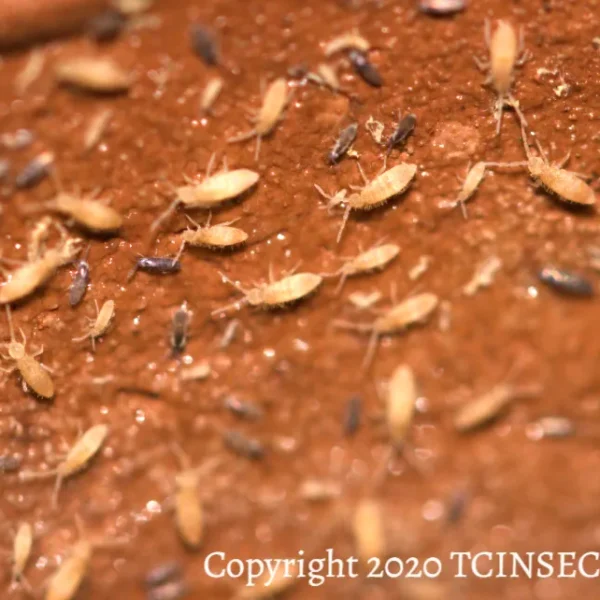
Different springtail cultures work better for different setups. For most beginner bioactive enclosures, temperate white springtails are one of the easiest choices because they are hardy, productive, and widely used in the hobby.
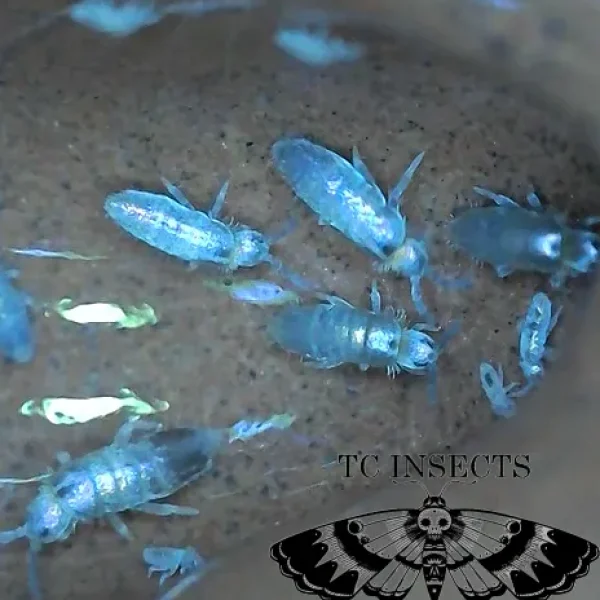
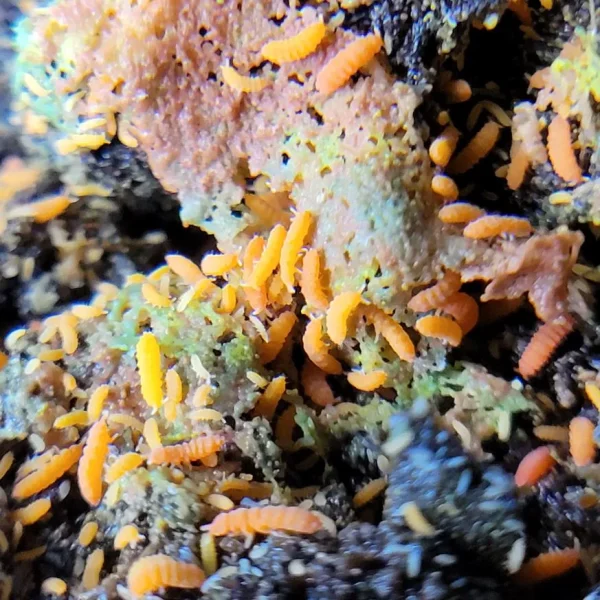
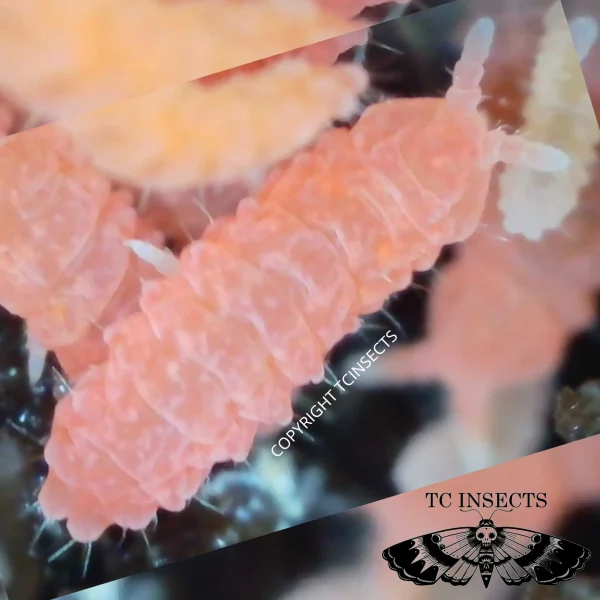
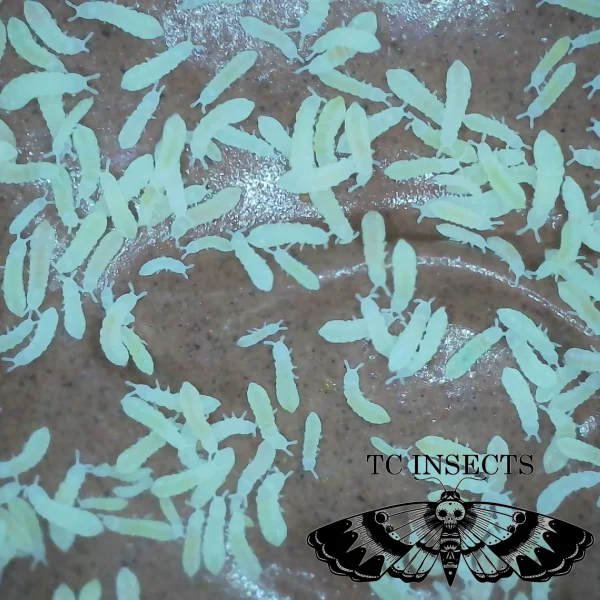
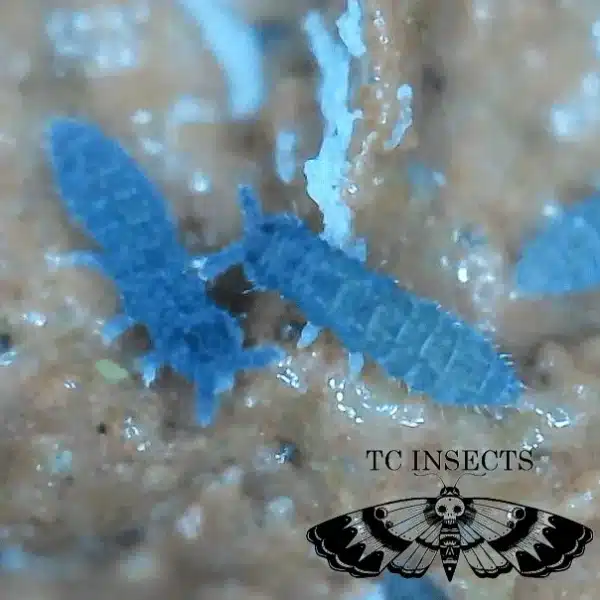
Tropical springtails are a strong option for warm, humid enclosures, planted vivariums, dart frog setups, tropical reptiles, and amphibian habitats. Pink springtails and other specialty springtails can also be useful for keepers who want a more diverse microfauna population.
When choosing a springtail culture, think about three things:
Enclosure humidity
Most springtails need moisture to thrive. They do best in setups with a damp substrate zone, leaf litter, moss, or another moisture-retaining area.
Culture medium
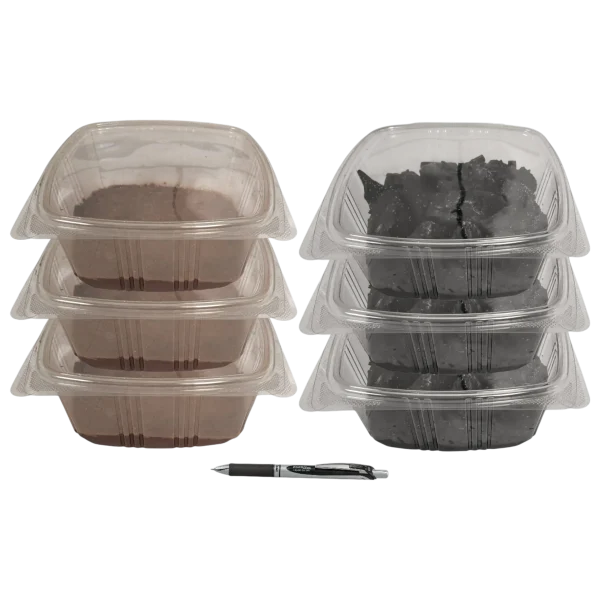
Charcoal, clay, coco, plaster, and bioactive substrate cultures all have different benefits. Some are easier to harvest from, while others are better for direct addition into a terrarium.
Setup size
Small terrariums may only need an 8 oz or 16 oz culture. Larger enclosures, racks, bioactive bins, and heavily planted vivariums may benefit from 32 oz or 64 oz cultures.
Springtails are useful in many types of enclosures, including:
Bioactive reptile terrariums
They help reduce mold and organic buildup in humid hides, soil layers, and leaf litter.
Amphibian and dart frog vivariums
They support a cleaner substrate layer and may also become a tiny supplemental food source for very small amphibians.
Isopod cultures
Springtails help control mold inside isopod bins and can improve the overall stability of the culture.
Planted terrariums
They help process decaying plant material and support the living soil layer.
Invertebrate enclosures
Many spider, millipede, roach, beetle, and invert keepers use springtails to manage mold and leftover food.
Springtails and isopods are both cleanup crew animals, but they do not do the exact same job.
Most importantly, springtails are tiny and excellent for mold control, fine organic waste, and the damp micro-layer of the substrate. Isopods are larger and better at breaking down leaf litter, soft wood, shed skin, and larger pieces of organic matter.
For the best bioactive setup, many keepers use both. Springtails help keep mold from spreading, while isopods help process larger debris. Together, they create a more complete cleanup crew.
When considering small enclosures, one starter culture is usually enough to seed the substrate. However, larger enclosures need more springtails if you want faster coverage.
As a general guide:
8 oz culture
Best for small terrariums, starter cultures, small isopod bins, and backup cultures.
16 oz culture
Best for medium enclosures, small bioactive builds, and hobbyists who want a stronger starting population.
32 oz culture
Best for larger terrariums, multiple small enclosures, or keepers setting up several bins.
64 oz culture
Best for large enclosures, breeding projects, reptile rooms, bioactive racks, and customers who want a heavier culture.
To add springtails, gently pour or transfer part of the culture into the moist areas of the enclosure. Focus on damp substrate, moss, leaf litter, cork bark, and areas where mold or leftover food may appear.
After adding springtails, keep the enclosure properly hydrated. If the setup dries out too much, springtail populations can slow down or crash. However, if the enclosure is kept too wet with poor airflow, mold and bacterial issues may become excessive. The goal is moisture plus airflow, not stagnant saturation.
Letting the culture dry out
Springtails need moisture. A dry culture or dry enclosure can quickly reduce the population.
Adding too much food
Overfeeding springtail cultures can cause mold blooms, mites, or foul smells. Feed lightly and only increase food when the culture is actively consuming it.
Using springtails as the only cleanup crew in larger setups
Springtails are excellent, but they work best with isopods in many bioactive enclosures.
Choosing the wrong medium for direct addition
Some culture mediums are better for harvesting, while others are better for adding directly into a terrarium. If you are adding the full culture into an enclosure, make sure the animals and setup can tolerate the added medium.
Springtails are excellent for mold control and fine organic waste, but they work even better when paired with live isopods. Isopods help break down larger pieces of leaf litter, decaying wood, shed skin, and leftover organic matter, while springtails focus on mold, fungi, and the smaller material in the substrate.
For the most complete bioactive cleanup crew, add a starter group of isopods along with your springtail culture. Together, they help support a cleaner, more balanced terrarium or vivarium.
Feeder Insect Variety Matters More Than Most Beginners...

Preface: Basic Springtail Care Sheet Being the largest...

Cricket Care: A Beginner’s Guide Crickets are a...

Mealworms are a popular choice for pet owners who are...
© 2026 | TCINSECTS | All RIGHTS RESERVED