Super Springtail – Culture Booster for Sale
Overview
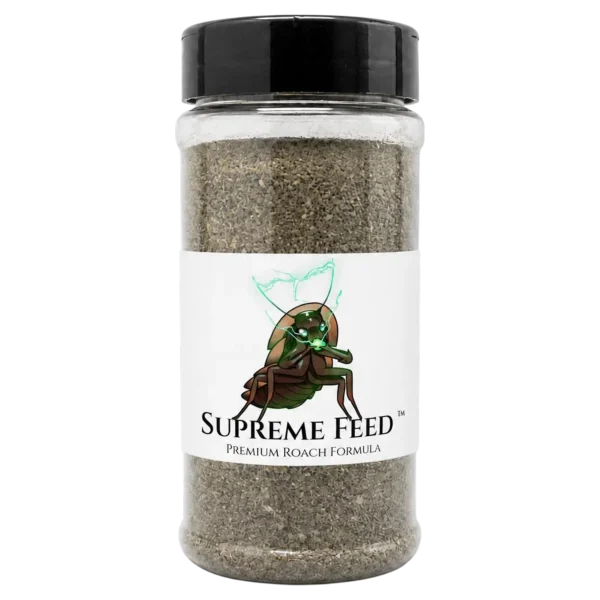
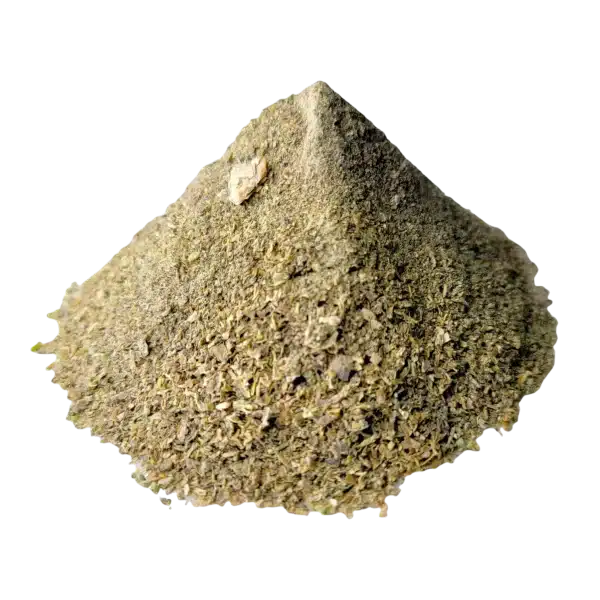
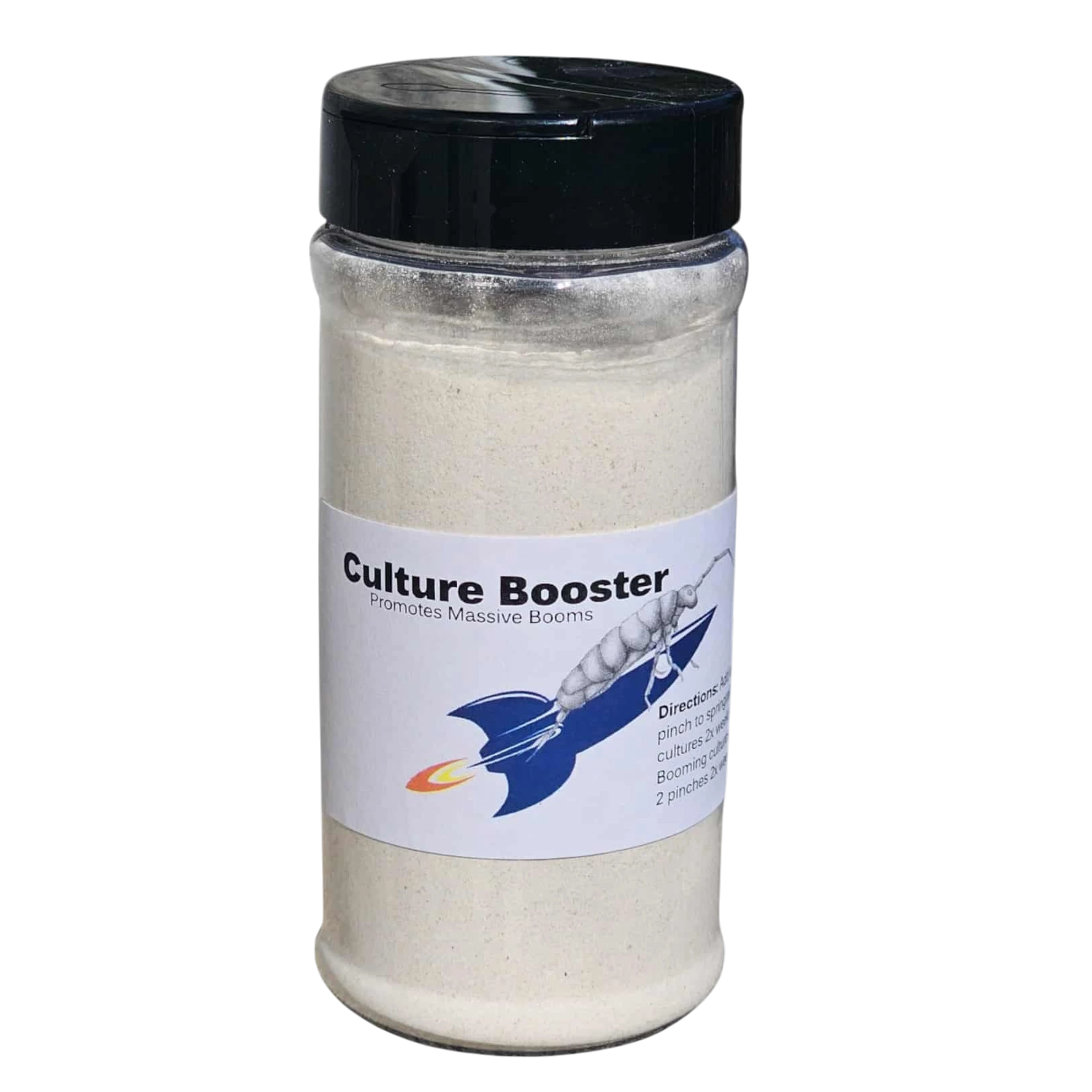
Springtail Culture Booster is a prepared dry food blend for feeding live springtail cultures and supporting active bioactive cleanup crews. Customers receive TC INSECTS Super Springtail – Culture Booster in the selected size.
Springtails are one of the most useful microfauna groups in bioactive terrariums, vivariums, isopod bins, and culture systems. They help consume mold, fungi, biofilm, bacteria, algae, and small decomposing organic material. However, springtail cultures still need proper feeding to stay productive over time.
Springtail Culture Booster is designed to make springtail feeding simple. Add a small pinch to new cultures or to one corner of a bioactive habitat, then adjust feeding as the springtail population grows.
Available Sizes
Springtail Culture Booster is available in multiple sizes so keepers can choose the amount that matches their culture needs.
Available options:
- 2 oz
- 8 oz
- 16 oz
- 32 oz
The 2 oz size is a good choice for hobbyists with a few cultures. Larger sizes are better for reptile rooms, bioactive keepers, springtail breeders, isopod keepers, and customers maintaining multiple cleanup crew systems.
What Is Springtail Culture Booster Used For?
Springtail Culture Booster is used to feed and maintain live springtail populations. It can be used in springtail cups, clay cultures, charcoal cultures, plaster cultures, substrate cultures, isopod bins, and bioactive habitats.
Use Springtail Culture Booster for:
- Starting new springtail cultures
- Feeding established cultures
- Supporting springtail reproduction
- Maintaining backup cultures
- Boosting culture activity
- Feeding springtails before enclosure seeding
- Supporting bioactive terrarium cleanup crews
- Keeping springtails available for future setups
- Helping springtail cultures stay productive over time
A small amount goes a long way. Start light, then increase feeding only after the culture is eating well.
Why Feed Springtail Cultures?
Springtails naturally graze on fungi, mold, biofilm, bacteria, algae, and decaying organic material. In a mature bioactive setup, they often find food on their own. However, contained cultures usually benefit from light supplemental feeding.
Feeding springtails helps keep the culture active, productive, and easier to maintain. It also helps customers keep backup cultures ready for terrariums, vivariums, isopod bins, amphibian habitats, and reptile enclosures.
The goal is not to bury the culture in food. Instead, feed small amounts and watch how quickly the springtails consume it.
How to Use Springtail Culture Booster
Add a small pinch of Springtail Culture Booster to a new springtail culture or to one corner of a bioactive habitat. Feed lightly at first. As the springtail population grows, increase the amount only if the culture is consuming the food quickly.
Basic feeding steps:
- Open the springtail culture indoors
- Check that the culture has moisture
- Add a small pinch of Springtail Culture Booster
- Place food on the culture surface or near a moist area
- Wait for springtails to gather and feed
- Feed again after most of the food is consumed
- Reduce feeding if food remains uneaten
- Avoid piling food across the entire culture
For most cultures, feeding 1 to 2 times weekly is a practical starting point. Large or booming cultures may need more food, while small starter cultures usually need less.
Best Culture Types for Springtail Culture Booster
Springtail Culture Booster can be used with many common springtail culture styles.
Good culture types include:
- EuroClay© cultures
- Charcoal cultures
- Bio-Plaster cultures
- Clay cultures
- Coco cultures
- Bioactive substrate cultures
- Isopod bin cultures
- Springtail backup cultures
- Mixed springtail cultures
For clean cultures such as EuroClay©, charcoal, and Bio-Plaster, place a small pinch on the culture surface. For substrate-based cultures, place food in one visible area so it is easier to monitor.
Springtail Culture Feeding Guide
New Starter Cultures
Feed very lightly. A new culture does not need much food at first. Too much food can mold heavily before the springtails can consume it.
Best approach:
- Use a tiny pinch
- Place food in one spot
- Keep the culture moist
- Wait for activity before feeding more
- Avoid overfeeding during the first week
Established Cultures
Established cultures can usually handle more frequent feeding. However, feeding should still be based on population size and how quickly food disappears.
Best approach:
- Feed 1 to 2 times weekly
- Increase slowly as the population grows
- Keep moisture stable
- Watch for sour smells or excess mold
- Refresh old cultures when needed
Booming Cultures
Large springtail cultures may consume food quickly. These cultures can often handle larger feedings, but it is still better to increase gradually.
Best approach:
- Feed small amounts more often
- Avoid dumping large piles of food
- Keep airflow balanced
- Maintain moisture
- Start backup cultures when the population is strong
Bioactive Habitats
In bioactive terrariums, use Springtail Culture Booster sparingly. Add it to one corner or near a moist area so the springtails can find it.
Best approach:
- Use a small pinch
- Feed one corner only
- Avoid feeding directly on animal waste
- Do not overload the enclosure
- Remove spoiled food if needed
- Keep enclosure animals’ needs first
Feeding Notes
Feeding Notes: Feed lightly and adjust based on culture activity.
Too much springtail food can mold heavily, sour the culture, attract pests, or create odor. A small pinch is usually enough for a starter culture. Add more only after most of the previous feeding has been consumed.
If a culture smells sour or looks overly wet, reduce feeding and improve airflow. If the culture is dry, restore moisture before adding more food.
Using Springtail Culture Booster in Bioactive Setups
Springtail Culture Booster can be used in bioactive habitats, but it should be applied carefully. Springtails should have access to moisture, cover, and organic material so they can move into safe areas after feeding.
Use it in:
- Bioactive terrariums
- Planted vivariums
- Isopod cultures
- Amphibian habitats
- Humid reptile enclosures
- Cleanup crew starter systems
- Springtail maintenance cultures
For direct habitat use, place a small amount in a corner of the enclosure. This helps prevent food from spreading everywhere and makes it easier to monitor.
Springtail Culture Booster and Isopod Bins
Springtail Culture Booster can support springtail populations inside isopod bins when used lightly. Springtails help consume mold, biofilm, fungi, and small leftover organic material inside the culture.
For isopod bins, place the booster near the moist side or under cover. Use small amounts so the food does not overpower the bin or mold before the cleanup crew can consume it.
This product is made for springtails, but it can support the microfauna layer inside many isopod cultures when used responsibly.
Best Uses for Springtail Culture Booster
Springtail Culture Booster is best for keepers who want to maintain active, productive springtail cultures.
Best uses include:
- Springtail culture feeding
- EuroClay© springtail cultures
- Charcoal springtail cultures
- Bio-Plaster springtail cultures
- Coco springtail cultures
- Bioactive habitat feeding
- Isopod bin microfauna support
- Backup culture maintenance
- Large springtail breeder cultures
- Mixed springtail cultures
- Springtail starter cultures
- Bioactive cleanup crew systems
This product is especially useful for customers who keep multiple springtail species and want a simple feeding routine.
Receiving and Storage Guidance
When your Springtail Culture Booster arrives, keep it sealed and stored in a cool, dry place. Avoid moisture inside the container or bag because damp food can clump, spoil, or mold before use.
Storage tips:
- Keep sealed when not in use
- Store in a cool, dry place
- Use a clean dry spoon or scoop
- Avoid getting water inside the container
- Do not leave open in humid rooms
- Keep away from direct sun and heat
- Label the container if transferring into another storage jar
- Good storage helps keep the product cleaner and easier to use over time.
Recommended Add-On: EuroClay©
Pair Springtail Culture Booster with EuroClay© when customers want a clean, easy-to-maintain springtail culture setup. EuroClay© is a calcium-bearing springtail clay that mixes with water to create a smooth culture medium.
EuroClay© is useful because it helps make springtails easier to view, feed, maintain, and harvest. Together, EuroClay© and Springtail Culture Booster make a strong setup for hobbyists who want productive springtail cultures without loose substrate mess.
Best used for:
- New springtail cultures
- Backup cultures
- Springtail breeder cultures
- Clean culture setups
- Easy harvesting
- Culture refreshes
- Long-term springtail maintenance
Recommended Add-On: Ultra Habitat Kit
Use Ultra Habitat Kit when customers want a premade habitat setup that is ready for isopods, springtails, and compatible bioactive cleanup crew species.
The Ultra Habitat Kit helps customers avoid starting with a bare container. Instead, it gives springtails and isopods a prepared habitat with moisture-holding areas, hiding spaces, grazing surfaces, and bioactive materials that support a living cleanup crew system.
It includes useful habitat components such as rotten soft wood, flake soil, moss, charcoal, calcium, worm castings, and other bioactive materials that help create a naturalistic setup for springtails and isopods.
This is useful for customers setting up:
- Bioactive cleanup crew habitats
- Isopod starter habitats
- Springtail culture habitats
- Naturalistic observation setups
- Planted terrarium cleanup crew bases
- Backup cultures for future enclosure seeding
For best results, add springtails near the moist side, moss, leaf litter, bark, or substrate pockets. Keep part of the habitat moist, provide ventilation, and feed lightly with TC INSECTS Springtail Culture Booster as needed.
Frequently Asked Questions
What is Springtail Culture Booster used for?
Springtail Culture Booster is used to feed live springtail cultures and support active springtail populations in culture cups, bioactive habitats, and isopod bins.
How much Springtail Culture Booster should I use?
Start with a small pinch. Increase the amount only after the springtails are eating the food quickly and the culture population grows.
How often should I feed springtails?
Most cultures can start with light feeding 1 to 2 times weekly. Smaller cultures may need less, while booming cultures may need more.
Can I use Springtail Culture Booster in a bioactive terrarium?
Yes. Add a small pinch to one corner of the habitat, preferably near a moist area where springtails are active.
Can too much Springtail Culture Booster cause mold?
Yes. Overfeeding can lead to heavy mold, sour smells, pests, or poor culture conditions. Feed lightly and adjust slowly.
Can I use this with EuroClay© cultures?
Yes. Springtail Culture Booster works well with EuroClay© cultures. Place a small pinch on the clay surface and keep the culture lightly moist.
Can I use this with charcoal springtail cultures?
Yes. Add a small amount to the charcoal surface or a feeding area. Keep the charcoal moist and avoid overfeeding.
Can I feed this to isopods?
This product is made for springtail culture support. It may be used around springtails in isopod bins, but TC INSECTS Isopod Food or other isopod-specific diets are better for directly feeding isopods.
Learn More About Springtails and Bioactive Care
Check out the TC INSECTS Springtail Blog
• University of Minnesota Extension: Springtails
Educational resource about springtails feeding on fungi, pollen, algae, and decaying organic matter in moist habitats.
https://extension.umn.edu/nuisance-insects/springtails
• Penn State Extension: Springtails
Educational resource explaining springtails, damp environments, mold, mildew, fungi, bacteria, and decaying plant material.
https://extension.psu.edu/springtails/
• Colorado State University Extension: Springtails
Educational overview explaining springtails, moisture, organic matter, fungi, algae, bacteria, and decaying plant material.
https://extension.colostate.edu/resource/springtails/
• Virginia Tech: Springtails
Educational page explaining springtails, moisture needs, and their connection to mold and mildew.
https://www.pubs.ext.vt.edu/ENTO/ENTO-23/ENTO-23.html
• iNaturalist: Springtails, Class Collembola
Natural history reference showing springtails as a diverse group of tiny soil and moisture-associated arthropods.
https://www.inaturalist.org/taxa/49470-Collembola
Final Notes
Springtail Culture Booster is a simple, practical way to support live springtail cultures and bioactive cleanup crew systems. It helps keep cultures active, productive, and ready for future enclosure seeding.
For best results, feed lightly, keep cultures moist, avoid overfeeding, and adjust the amount as the springtail population grows.