
Pseudosinella rolfsi Rutabaga Runner Springtails for Sale
The Rutabaga Runner is the springtail you buy when you want speed. Pseudosinella rolfsi moves so fast across substrate that still photos rarely do them justice, which is why TC INSECTS documents this species on video. Beyond the visual novelty, the real selling point is environmental range: this culture handles semi-moist to semi-arid setups better than the soft tropical white springtails most keepers default to. That makes it a practical choice for bioactive enclosures that run drier than dart frog or tropical vivariums, and a fun pick for collectors who want a fast-moving runner species in their lineup. Honest note up front: they are quick, so use a tight lid and expect them to vanish into substrate the moment you open the cup.
Overview
Most springtails sold in the hobby want it wet. The Rutabaga Runner is one of the harder-working runner species for setups that sit on the drier side of the moisture scale. It is sold both as a collector culture for hobbyists building a varied springtail rack and as a cleanup crew option for bioactive enclosures that would crash a moisture-dependent species.
Pronunciation
soo-doh-sih-NELL-uh ROLF-eye
Care Level
Beginner to intermediate. Forgiving on moisture compared to tropical white springtails, but the speed of this species means handling takes a little practice. Keepers used to slow-moving springtails will be surprised the first time they open the lid.
Appearance and Behavior
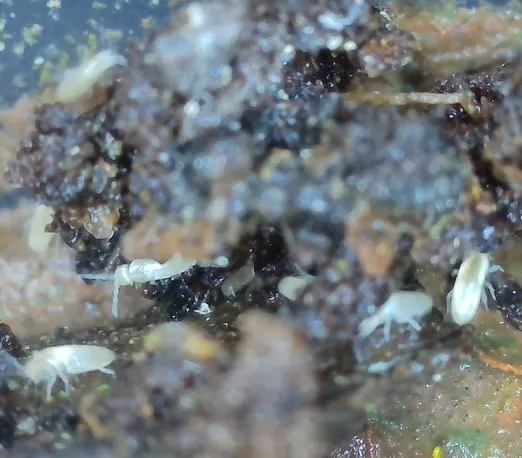
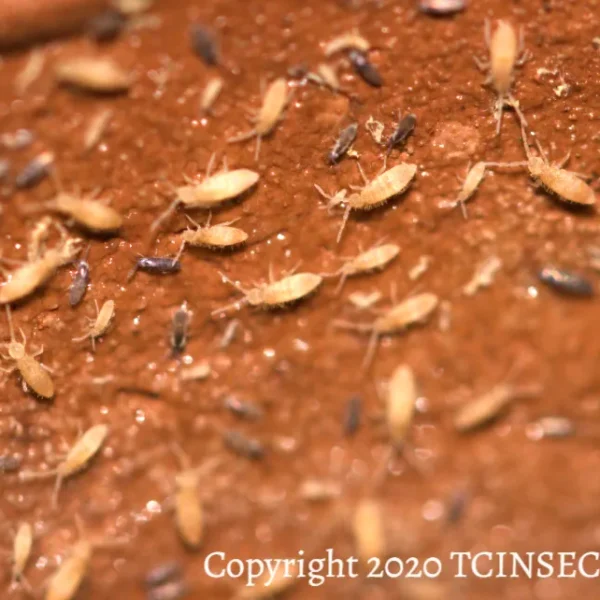
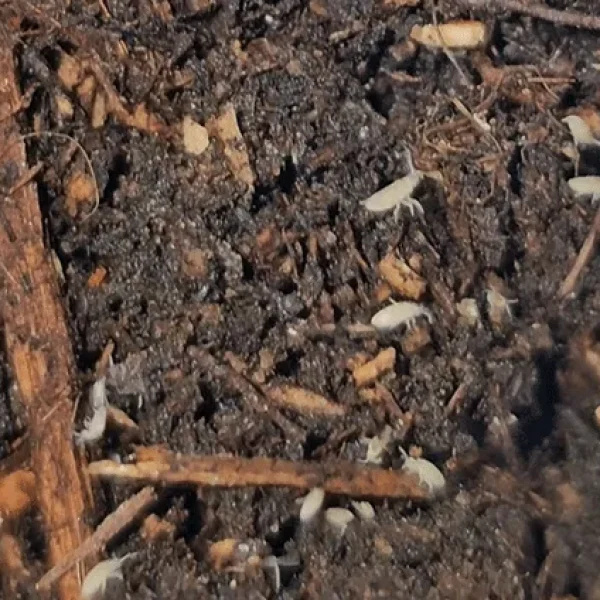
The Rutabaga Runner is an elongated runner-type springtail, not a globular species. Body shape is long and slender, built for surface speed. The “Rutabaga” trade name is a hobby label rather than a scientific descriptor. The behavior is what sells this one: rapid surface running across substrate, glass, and culture media. Activity is high, especially after light misting or when food is added.
Adult Size
Small elongated body. Visible to the naked eye on a clean substrate, especially in motion.
Reproductive Rate
Moderate to strong in a stable culture. Cultures build steadily when humidity, food, and ventilation stay consistent.
Springtail Care
Temperature
Standard room temperature works well. Avoid placing the culture near heat lamps, sunny windows, or cold drafts. Stable temperature matters more than hitting an exact number.
Humidity
This species tolerates a wider moisture range than most springtails sold for vivariums. Semi-moist to semi-arid setups are workable. That said, springtails still need moisture access. A fully dry culture will not survive. Keep at least one corner or section of the substrate consistently damp so the colony always has a moisture zone to retreat to.
Culture Setup
- Container with a tight secure lid. Runner springtails escape any loose-fitting cup.
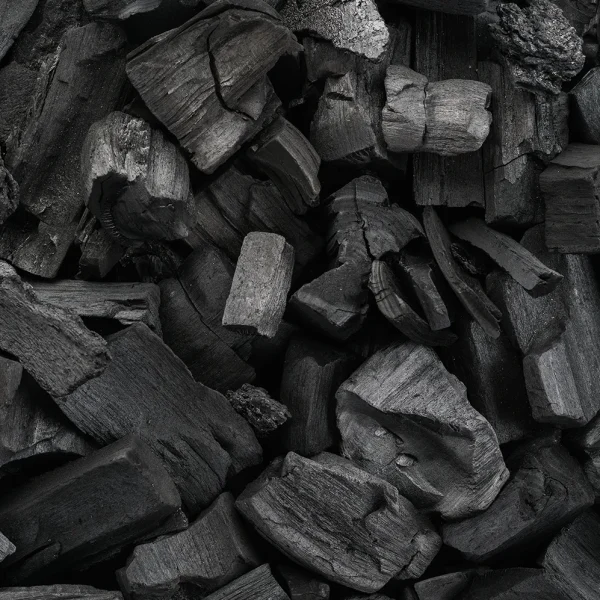
- Substrate options work, including soil mixes, coco-based culture media, or a charcoal and substrate blend. Pick what matches the moisture style you want.
- Small ventilation holes or a micropore lid for airflow.
- Leaf litter, bark, or charcoal on top for grazing surface and humidity refuge zones.
- Keep one damp zone even in a drier overall culture.
Diet and Feeding
Biofilm, Mold, and Organic Matter
Like other springtails, the Rutabaga Runner helps consume mold, fungi, biofilm, and small organic debris in a bioactive enclosure. Cleanup contribution is real, but it does not replace proper enclosure airflow, watering habits, and substrate choice. Treat them as a supporting cleanup crew, not a mold removal guarantee.
Supplemental Food
In a dedicated culture, feed small pinches of yeast, uncooked rice or couscous grains, or a measured springtail food. A balanced dry food keeps cultures cleaner than raw vegetable scraps and reduces mite and smell issues.
Feeding Notes
- Feed lightly. Overfeeding kills more springtail cultures than anything else.
- Wait until the previous food is mostly gone before adding the next pinch.
- Remove visibly moldy chunks. Light surface mold being worked by springtails is normal.
- Mist the damp zone if surface looks dry.
Breeding and Culture Growth
Cultures grow steadily with light feeding and stable humidity. Because this species runs faster than most, harvesting requires a different approach: tap the lid or culture wall to dislodge active springtails into a collection cup rather than trying to scoop them. Most keepers see clear population growth within a few weeks of starting a culture.
Culture Maintenance
- Keep at least one backup culture in a separate container.
- Refresh substrate when it becomes packed, sour-smelling, or fouled with old food.
- Avoid mixing the Rutabaga Runner with other springtail species in the same culture if you want to keep counts and harvesting clean.
- Skip drowning the substrate. A wet edge plus a drier surface area is the working setup.
Best Uses
- Bioactive enclosures that run semi-moist to semi-arid, where tropical white springtails struggle.
- Collector cultures for hobbyists building variety in their springtail rack.
- Setups with crested geckos, certain temperate amphibians, isopod-heavy bioactive bins, and other animals where the enclosure is not constantly wet.
- Microfauna diversity for keepers who already run a moist springtail species and want a drier-tolerant species too.
Not Best For
- Bone-dry desert tanks with zero moisture refuge. Even a tolerant springtail needs some damp zone.
- Open-top tubs or loose-fitting lids. Runner springtails will exit fast.
- Primary feeder colonies for keepers needing the highest possible reproduction rate. Tropical white springtails still outproduce most runner species in pure cleanup volume.
- Keepers who want a slow easy-to-photograph springtail. This species is built for speed, not portrait sessions.
Receiving and Acclimation Guidance
Open the culture in a draft-free area, away from pets. Open over a tray or sink in case any active springtails launch out. Let the culture sit at room temperature for a few hours before feeding or transferring. If the substrate looks shipping-dry, mist the damp zone lightly, do not flood it. If seeding directly into a vivarium, confirm the enclosure animals and plants tolerate the added culture medium.
Frequently Asked Questions
Why is it called the Rutabaga Runner?
“Rutabaga Runner” is a hobby trade name TC INSECTS uses alongside the simpler “Runner Springtail” label. The scientific name is Pseudosinella rolfsi. Both common names point to the same product.
Can these springtails actually handle a drier setup?
Yes, more than most springtails. They work in semi-moist to semi-arid bioactive enclosures as long as some moisture refuge zone is available. Fully dry setups still will not work.
Will I see them in the culture?
Yes, but they move so fast that you may register them as a blur before you spot individuals. Activity is highest after misting or feeding.
Can I keep Rutabaga Runners with isopods?
Yes, in a bioactive enclosure they coexist with most common isopod species. In a dedicated culture, keep them separate so harvesting stays clean.
Will they get rid of mold in my enclosure?
They help consume mold, fungi, and biofilm, but they will not fix a moisture or ventilation problem. Fix airflow and watering first, then let springtails do the supplemental cleanup.
Are these better than tropical white springtails?
Not better, different. Tropical white springtails are the cleanup volume workhorse for wet vivariums. The Rutabaga Runner is the better pick for drier enclosures and for keepers who want runner-type species in their lineup.
Learn More About Springtails and Bioactive Care
- TC INSECTS Springtail Care Guide: In-house TC INSECTS guide covering springtail care, culture setup, feeding, and troubleshooting.
- BugGuide: Collembola (Springtails): Identification reference for springtail families and genera, including Pseudosinella.
Final Notes
The Rutabaga Runner fills a real gap in the springtail market: a culture that works in drier bioactive setups without instantly crashing. Pair it with a tight lid, light feeding, one damp refuge zone, and at least one backup culture, and it earns its spot on the shelf.
Reviews
There are no reviews yet.