Folsomia candida “Temperate White” Springtails for Sale
Overview
Temperate White springtails are tiny live cleanup crew microarthropods commonly used in bioactive terrariums, vivariums, isopod cultures, reptile enclosures, amphibian habitats, and planted setups. Customers receive a live Folsomia candida culture in the selected culture type and size.
This species is one of the most popular springtails in the bioactive hobby because it is easy to culture, reproduces well, and helps consume mold, fungi, biofilm, and decomposing organic material. As a result, Temperate White springtails are a practical choice for beginners and experienced keepers.
Springtails do not replace proper enclosure maintenance. However, they help support the cleanup crew layer by working through damp substrate, leaf litter, moss, bark, and organic debris.
Pronounced
Folsomia: Fole-SOH-mee-uh
candida: CAN-dih-duh
Temperate White: Tem-per-it White
Care Level
Care Level: Easy
Temperate White springtails are one of the easiest cleanup crew species to maintain. They do best with moisture, food, and breathable culture conditions. However, they should not be allowed to dry out completely.
Appearance and Size
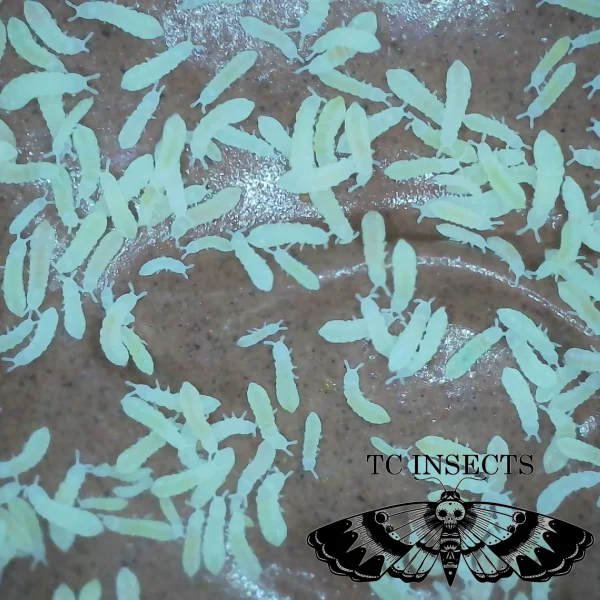
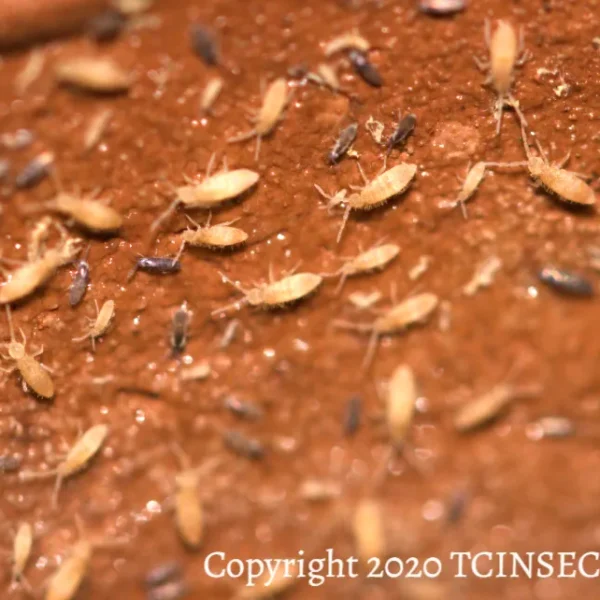
Temperate White springtails are very small, pale white to translucent microarthropods. They are not insects, although many keepers casually group them with terrarium microfauna. They belong to Collembola and are widely used in soil biology research and bioactive enclosure care.
They are usually seen moving across damp charcoal, coco fiber, clay media, moss, leaf litter, or moist substrate. Because they are tiny, customers may see more movement after gently tapping the culture or adding food.
Adult Size
Adult Size: Commonly around 1 to 3 mm
Their tiny size allows them to move through substrate pockets, moss, bark crevices, and leaf litter. Therefore, they are excellent for small enclosures and culture bins.
Reproductive Rate
Reproductive Rate: High once established
Folsomia candida is well known as a parthenogenetic springtail, meaning females can reproduce without males. This helps cultures grow quickly under the right conditions. Scientific literature also describes Folsomia candida as a standard soil arthropod used in laboratory testing because it is easy to maintain and reproduce.
Temperate White Springtail Care
Temperate White springtails need moisture, food, and a stable culture environment. They should be kept in a damp culture medium, but the setup should not become foul, stagnant, or overly flooded unless it is specifically designed as a water-based culture.
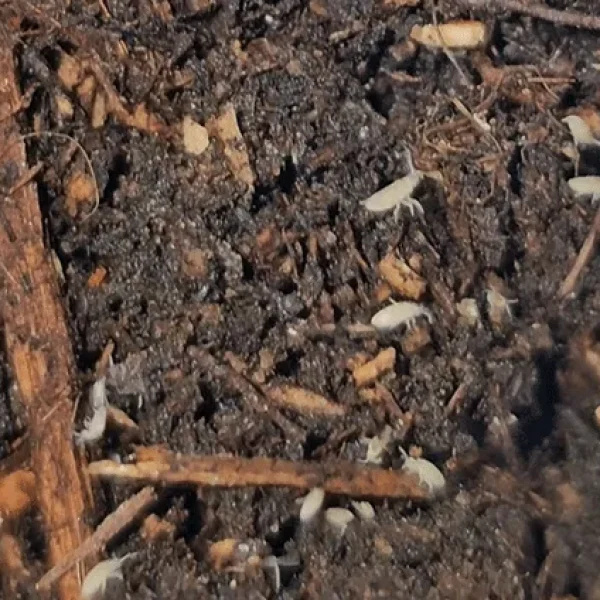
For terrariums and vivariums, add springtails into the substrate layer, under leaf litter, near moss, or around damp natural decor. They will spread through the enclosure as they find food and moisture.
Avoid dry substrate, direct heat, chemical cleaners, pesticide-treated materials, and overfeeding. Also, avoid letting the culture sit in extreme heat during shipping or storage.
Temperate White Springtail Husbandry
Temperature
Temperature: 65 to 80°F preferred
Temperate White springtails usually perform well at normal room temperatures. A stable range around 70 to 76°F is a good target for most cultures. They may tolerate slightly cooler or warmer conditions, but sudden extremes can reduce culture performance.
Avoid placing cultures in direct sunlight, near heat lamps, inside hot vehicles, or beside strong heat sources.
Humidity
Humidity: Medium-high to high
Springtails rely on moisture. Keep cultures damp enough for active movement and reproduction. In terrariums, they perform best in areas with moist substrate, moss, leaf litter, and organic debris.
The goal is consistent moisture without dirty, spoiled conditions. If a culture smells bad, has excessive waste buildup, or is flooded without airflow, refresh the setup or reduce feeding.
Springtail Culture Type Options
This product includes multiple culture media options so customers can choose the best format for their setup.
CoCo Culture
CoCo Culture is a good all-purpose springtail culture option for keepers who want a clean, sterile, and low-cost option.
CoCo is not the best direct-add medium for every setup. It is not recommended for millipede bins, and it is generally not the preferred direct-add option for isopod cultures because coco fiber does not quickly break down into a useful food source.
If adding a full CoCo springtail culture directly into a terrarium, make sure the enclosure animals and setup can tolerate the added coco medium. For direct bioactive use, the Ultra Bioactive Substrate Culture is usually the better choice because the culture medium is designed to blend into a living substrate system
Charcoal Culture
Charcoal Culture is a classic springtail culture option. Charcoal provides surface area, drainage, and easy visibility when springtails gather on the pieces.
This option is useful for keepers who want a clean culture style that can be fed and harvested easily. It is also a popular choice for maintaining backup springtail cultures.
Euro-Clay Culture
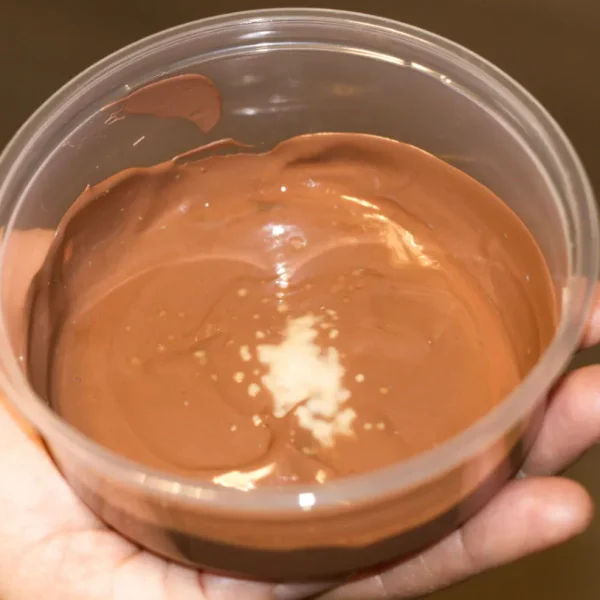
Euro-Clay Culture is a clay-based culture option designed for customers who prefer a mineral-style springtail medium. Clay cultures can help hold moisture while giving springtails a stable surface to graze and reproduce. It’s also very easy to harvest by just flipping and tapping the container, no messy soils or media.
This is a good choice for keepers who want a premium culture medium that is easy to manage and different from standard coco or charcoal cultures.
Bio-Plaster Culture
Bio-Plaster Culture is a plaster-based springtail culture with added bio-char. This style helps create a stable, moist culture surface while the bio-char adds extra food source and textured surface area. It’s also very easy to harvest by just flipping and tapping the container, no messy soils or media.
This option is slightly more premium than basic plaster-style cultures and is useful for keepers who want a clean, productive and controlled springtail culture format.
Ultra Bioactive Culture
Ultra Bioactive Culture is built with TC INSECTS Ultra Bioactive Substrate and is ideal for customers who want to add the culture directly into a bioactive setup.
This option is especially useful for Bioactive Projects, planted terrariums, vivariums, insect/isopod bins, and cleanup crew builds because the culture medium becomes part of the enclosure’s living substrate layer. TC’s Ultra Springtail Substrate is made with ingredients such as flake soil, rotten soft wood, calcium, and worm castings. It is designed to support springtails and isopods as a secondary food source and bioactive substrate component.
Recommended Terrarium Size by Culture Size
Use these recommendations as a practical starting point. Heavily planted, very humid, or high-waste enclosures may benefit from a larger culture size or a second culture.
8 oz Culture
Recommended for: Small terrariums, starter cultures, small isopod bins, and spot-seeding.
Good for small enclosures, small planted setups, and keepers who want to start a backup springtail culture.
8 oz Culture: approximately 300+ springtails
Counts are approximate and not exact. Springtail numbers may vary slightly because each culture is alive and actively reproducing.
16 oz Culture
Recommended for: Medium terrariums and one to two small bioactive enclosures.
This is a strong general-use size for many reptile, amphibian, and isopod keepers.
16 oz Culture: approximately 500+ springtails
Counts are approximate and not exact. Springtail numbers may vary slightly because each culture is alive and actively reproducing.
32 oz Culture
Recommended for: Larger terrariums, multiple small enclosures, or heavier bioactive seeding.
Choose this size when you want a stronger starting population or plan to seed more than one setup.
32 oz Culture: approximately 700+ springtails
Counts are approximate and not exact. Springtail numbers may vary slightly because each culture is alive and actively reproducing.
64 oz Culture
Recommended for: Large bioactive enclosures, multiple terrariums, breeder racks, or ongoing culture maintenance.
This size is best for keepers who use springtails often or want more backup culture volume.
64 oz Culture: approximately 1,000+ springtails
Counts are approximate and not exact. Springtail numbers may vary slightly because each culture is alive and actively reproducing.
Temperate White Springtail Diet
Temperate White springtails feed on mold, fungi, biofilm, decaying organic matter, and prepared springtail food. In a bioactive enclosure, they help process small organic debris, but they still benefit from occasional feeding in culture containers.
Fiber-Based Foods
Springtails graze around leaf litter, bark, moss, and organic substrate. These materials help create the microbe-rich surfaces they use for food.
Good habitat materials include:
- Leaf litter
- Cork bark
- Decaying wood
- Moss
- Organic substrate
- Bioactive soil blends
Biofilm, Mold, and Fungal Growth
Springtails are valued because they feed on mold and fungal growth. This makes them especially useful in humid bioactive setups where moisture is necessary for reptiles, amphibians, plants, and isopods.
However, springtails are not a cure for severe enclosure problems. If mold is heavy, reduce overfeeding, improve airflow, remove spoiled food, and check moisture balance.
Supplemental Springtail Food
Use TC INSECTS Springtail Food to support culture growth. Feed lightly and watch how quickly the culture consumes the food.
Good feeding options include:
- TC INSECTS Springtail Food
- Small amounts of yeast-based foods
- Small amounts of grain-based springtail feed
- Natural biofilm in mature substrate
Feeding Notes
Feeding Notes: Feed lightly and avoid burying the culture in excess food.
Too much food can mold, sour, or attract pests. A small amount of springtail food is usually enough. Add more only after the previous feeding has been mostly consumed.
Temperate White Springtail Breeding
Temperate White springtails breed quickly when moisture, food, and temperature are stable. They are a strong choice for customers who want to maintain backup cultures or seed multiple bioactive enclosures over time.
Folsomia candida is parthenogenetic, so cultures can reproduce without males. This is one reason the species is widely used in research and captive culture.
Females
Females: Folsomia candida cultures are commonly female-based and reproduce through parthenogenesis. Customers do not need to sex springtails or separate breeding groups.
Males
Males: Males are not needed for normal culture growth.
Culture Maintenance
Maintain moisture, feed lightly, and refresh the culture when waste builds up. If the culture becomes overcrowded, seed part of it into a terrarium or start another culture.
For long-term success, keep at least one backup culture separate from display enclosures.
Temperate White Springtail Natural Habitat
Folsomia candida is a soil-dwelling springtail associated with organic-rich soils, leaf litter, and humid microhabitats. It is widely distributed and commonly used as a model organism in soil research. Scientific sources describe it as a cosmopolitan soil microarthropod that feeds on organic material and fungal hyphae.
In captivity, this means Temperate White springtails do best in damp, organic setups with food, airflow, and shelter. They should not be kept dry like arid cleanup crew species.
Best Uses for Temperate White Springtails
Temperate White springtails are one of the most useful cleanup crew species for bioactive setups.
Best uses include:
- Bioactive terrariums
- Dart frog vivariums
- Amphibian enclosures
- Humid reptile habitats
- Planted terrariums
- Isopod cultures
- Mold control support
- Microfauna cultures
- Feeding tiny frogs and micro insectivores when appropriate
- Starter cleanup crew systems
They are especially useful when paired with isopods. Springtails work on mold, biofilm, and small organic debris, while isopods process larger leaf litter and decaying material.
Receiving and Acclimation Guidance
When your Temperate White springtails arrive, open the package indoors and inspect the culture. Springtails are tiny, so look closely for movement on the culture medium, container sides, and moist areas.
To add them to a terrarium, gently pour or spoon part of the culture into the substrate layer. Place them near moss, leaf litter, cork bark, or damp decor. Then cover lightly with leaf litter so they can move into protected areas.
After shipping, springtails may gather in damp areas or appear less active until they settle. Keep the culture moist, avoid overheating it, and feed lightly after arrival.
Helpful receiving tips:
- Open indoors
- Avoid direct sun and heat
- Keep the culture moist
- Seed near damp substrate and leaf litter
- Do not let the culture dry out
- Feed lightly after arrival
- Keep a backup culture if possible
Avoid chemical cleaners or pesticide-treated materials
Recommended Add-On: TC INSECTS Springtail Food
Support your Temperate White springtail culture with TC INSECTS Springtail Food. A prepared springtail diet helps keep cultures active, productive, and easier to maintain between enclosure seedings.
This is especially helpful if you want to keep the culture breeding in the cup instead of adding the entire culture to a terrarium at once.
Best used for:
- Maintaining springtail cultures
- Boosting culture activity
- Supporting reproduction
- Feeding backup cultures
- Keeping springtails available for future bioactive setups
- Use a small amount at a time. If food remains uneaten, reduce the next feeding.
Recommended Add-On: TC INSECTS Isopod Habitat Kit
Pair Temperate White springtails with a TC INSECTS Isopod Habitat Kit when building a bioactive cleanup crew setup. The habitat kit adds natural materials like leaf litter, wood-based cover, and moisture-supporting structure that benefit both isopods and springtails.
This is useful for customers setting up:
- Bioactive terrariums
- Isopod bins
- Planted vivariums
- Amphibian enclosures
- Cleanup crew starter systems
For best results, add springtails into the habitat near moist substrate, moss, bark, and leaf litter.