
½ Gallon Springtail Culture for Sale
Overview
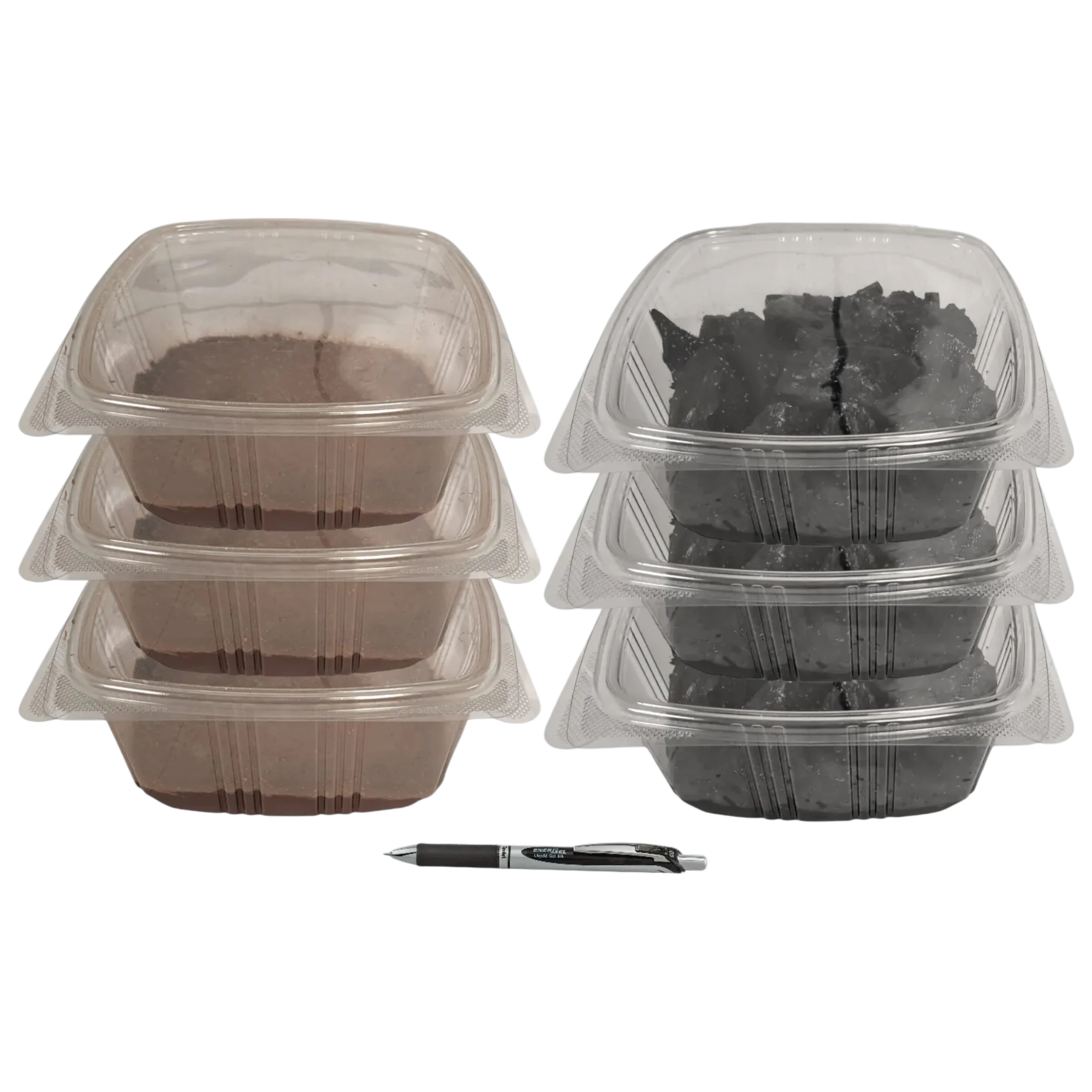
½ Gallon springtail cultures are large live springtail cultures used to seed multiple bioactive terrariums, vivariums, isopod bins, reptile enclosures, amphibian habitats, and cleanup crew systems. Customers choose their preferred springtail type, culture substrate, and culture stage.
This product is built for keepers who need more springtails than a small starter cup. A ½ gallon culture gives customers a larger springtail population, more culture media, and more long-term use for enclosure seeding, backup culture maintenance, and small supplemental feeder use for suitable animals.
Available springtail types include:
- Tropical springtails
- Temperate springtails
- Tropical Pink springtails
- Silver springtails
- Blue Podura springtails
Available culture substrates include:
- Clay
- Charcoal
Available culture stages include:
- Fresh
- Booming
Fresh cultures are newly started cultures that are best for customers who want a culture to grow out over time. Booming cultures are more established cultures with larger springtail populations and multiple life stages.
What Is a ½ Gallon Springtail Culture?
A ½ Gallon springtail culture is a larger live culture designed for serious bioactive keepers, reptile rooms, isopod breeders, vivarium builders, and customers who want springtails available for more than one setup.
A larger culture can be used to:
- Seed multiple terrariums
- Seed one large bioactive enclosure
- Maintain a backup culture
- Feed tiny micro insectivores when appropriate
- Support isopod cultures
- Refresh older springtail populations
- Build long-term cleanup crew systems
- Supply future bioactive projects
A ½ gallon culture can last a long time when kept moist, lightly fed, and maintained correctly.
Fresh vs. Booming Cultures
Fresh Culture
A Fresh ½ Gallon Springtail Culture is a newly started culture. It is best for customers who want a larger culture to grow out over time.
Fresh cultures may not contain as many eggs, juveniles, and visible springtails as older cultures. However, they are useful for keepers who are not in a rush and want a culture that can establish and build over time.
Best for:
- Patient culture growth
- Backup culture projects
- Customers starting early
- Long-term springtail maintenance
- Lower-cost culture building
Booming Culture
A Booming ½ Gallon Springtail Culture is an aged culture with a stronger springtail population and more visible activity. Booming cultures are better for customers who need more springtails available sooner.
Booming cultures may include more adults, juveniles, and developing springtails throughout the culture.
Best for:
- Seeding enclosures sooner
- Large bioactive setups
- Multiple terrariums
- Reptile rooms
- Isopod breeder setups
Customers who need a stronger starting population
Springtail Type Options
Tropical Springtails
Tropical springtails are useful for warm, humid bioactive terrariums, planted vivariums, amphibian habitats, and tropical reptile enclosures. They are a good choice for setups that stay moist and warm.
Best for:
- Tropical terrariums
- Dart frog vivariums
- Humid reptile enclosures
- Planted vivariums
- Warm isopod bins
Temperate Springtails
Temperate springtails are one of the most popular cleanup crew springtails for general bioactive use. They are easy to culture, reliable, and useful in many terrarium and isopod setups.
Best for:
- Beginner bioactive setups
- Isopod cultures
- Terrariums
- Vivariums
- Backup cultures
- Mold control support
Tropical Pink Springtails
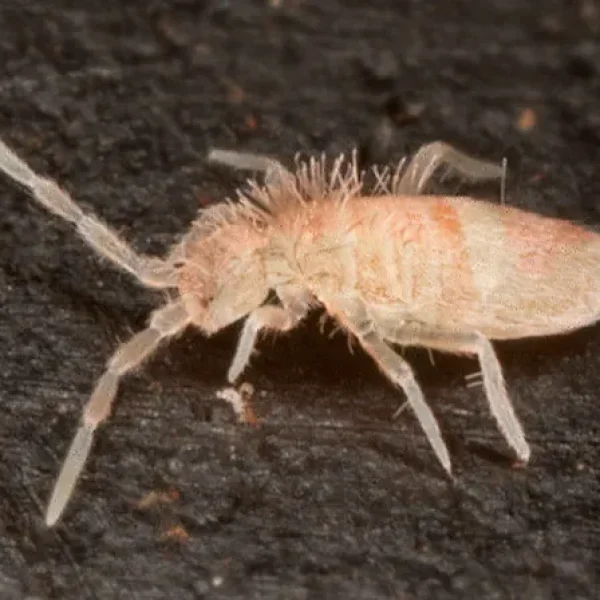
Tropical Pink springtails are warm-loving springtails with a subtle pink, peach, or pale salmon tint. They are not bright neon pink, but they add a unique visual element to springtail cultures.
Best for:
- Warm terrariums
- Tropical vivariums
- Springtail collectors
- Humid reptile habitats
- Bioactive cleanup crews
Silver Springtails
Silver springtails are known for their shiny, metallic, chrome-like, or pearlescent appearance. They are useful for keepers who want a cleanup crew species that also has visual interest.
Best for:
- Bioactive terrariums
- Display cultures
- Isopod bins
- Springtail collections
- Microfauna projects
Blue Podura Springtails
Blue Podura springtails are small, productive springtails with a blue-gray to dark slate appearance. They are useful in bioactive systems, isopod cultures, and micro feeder projects for suitable tiny animals.
Best for:
- Bioactive terrariums
- Isopod bins
- Micro feeder projects
- Froglet grow-out setups
- Springtail culture expansion
Substrate Options
Clay Culture
Clay cultures are clean, easy to feed, and easy to monitor. Springtails gather on the clay surface, making them easier to view and harvest.
Clay is a good option for customers who want:
- Cleaner culture maintenance
- Easy feeding
- Easy viewing
- Easy harvesting
- Less loose substrate mess
- Simple backup cultures
Clay cultures should stay moist but not flooded. Feed lightly with TC INSECTS Springtail Culture Booster and add small amounts of water as needed.
Charcoal Culture
Charcoal cultures are a classic springtail culture method. Springtails gather on moist charcoal pieces, making them easy to see, feed, and harvest.
Charcoal is a good option for customers who want:
- Simple culture care
- Easy springtail harvesting
- A clean culture style
- Good surface area
- Water-supported culture maintenance
- Backup culture reliability
Charcoal should stay moist, but the culture should not become sour or filled with dirty standing water. Refresh older cultures if needed.
½ Gallon Springtail Culture Care
½ Gallon springtail cultures need moisture, food, airflow, and stable temperatures. Keep the culture moist enough for springtail activity, but avoid sour, stagnant, flooded, or overly wet conditions.
Springtails are small microarthropods that feed on mold, fungi, biofilm, bacteria, algae, and decaying organic matter. In a culture, they also benefit from light feeding with a prepared springtail diet.
Avoid dry culture media, chemical cleaners, pesticide-treated materials, direct heat lamps, and overfeeding. Also, avoid leaving live springtail cultures in hot cars, direct sun, or sealed areas with extreme heat.
½ Gallon Springtail Culture Husbandry
Temperature
Temperature: 65 to 80°F general target
Most springtail cultures do well at stable room temperatures. A practical target range around 70 to 76°F is ideal for many culture types.
Tropical and Tropical Pink cultures may prefer the warmer side of the range. Temperate cultures usually perform well at normal room temperature. Blue Podura and Silver springtails can also do well when conditions are stable and moisture is maintained.
Avoid direct sun, hot windowsills, reptile basking zones, and sudden temperature spikes.
Humidity
Humidity: Moderate to High, with consistent moisture
Springtails need moisture to stay active and reproduce. The culture substrate should stay moist, but not foul or stagnant.
Good culture conditions include:
- Moist clay or charcoal
- Light feeding
- Gentle airflow
- No sour smell
- Stable temperature
- No direct heat
- No pesticide exposure
If the culture dries out, springtail activity and reproduction may slow. If the culture stays too wet without airflow, mold, odor, and poor culture conditions can develop.
Feeding ½ Gallon Springtail Cultures
Use TC INSECTS Springtail Culture Booster to feed ½ gallon springtail cultures. Add a small pinch at a time, then increase feeding only after the springtails are consuming the food well.
Feeding Notes
Feeding Notes: Feed lightly and adjust based on culture size and activity.
A larger ½ gallon culture can usually handle more food than a small starter cup, but overfeeding can still cause problems. Too much food can mold heavily, sour the culture, attract pests, or create odor.
Good feeding tips:
- Start with a small pinch
- Feed 1 to 2 times weekly as needed
- Place food in one visible area
- Increase only when the culture is active
- Reduce feeding if food remains uneaten
- Keep the culture moist after feeding
- Avoid burying the culture in food
Using a ½ Gallon Culture to Seed Terrariums
A ½ gallon springtail culture can be used to seed multiple small terrariums or one larger bioactive enclosure. The exact number of setups depends on enclosure size, humidity, planting level, substrate depth, and how heavily the customer wants to seed.
For best results, add springtails near:
- Moist substrate
- Leaf litter
- Moss
- Bark
- Cork hides
- Plant roots
- Shaded humid areas
After adding springtails, cover lightly with leaf litter or moss so they can move into protected areas.
Using Springtails in Isopod Bins
½ Gallon springtail cultures are useful for isopod keepers because springtails help manage mold, biofilm, and small organic debris in moist culture areas.
Add springtails near the moist side of the isopod bin, under bark, or around leaf litter. Keep ventilation balanced and avoid overfeeding the bin.
Springtails help support the microfauna layer, but they do not replace proper isopod care. Isopods still need leaf litter, rotten wood, calcium, substrate, and species-appropriate moisture.
Best Uses for ½ Gallon Springtail Cultures
½ Gallon springtail cultures are best for customers who need a larger live culture for ongoing use.
Best uses include:
- Bioactive terrarium seeding
- Planted vivarium cleanup crews
- Isopod bin support
- Reptile enclosure cleanup crews
- Amphibian habitat cleanup crews
- Backup springtail cultures
- Large enclosure seeding
- Multiple small enclosure seeding
- Reptile room maintenance
- Micro feeder use for suitable tiny animals
- Breeder springtail culture projects
This product is especially useful for customers who want a larger culture that can be maintained, fed, harvested, and used over time.
Receiving and Acclimation Guidance
When your ½ Gallon Springtail Culture arrives, open the package indoors and inspect the culture carefully. Springtails are tiny, so look closely for movement on the culture medium, cup walls, food areas, moist surfaces, charcoal pieces, or clay surface.
Keep the culture moist after arrival. If the culture looks dry, add a small amount of clean water or mist lightly depending on the substrate type. Do not flood the culture.
To seed an enclosure, add part of the culture near moist substrate, leaf litter, bark, or moss. Keep part of the culture as a backup if possible.
Helpful receiving tips:
- Open indoors
- Keep away from heat and direct sun
- Maintain moisture
- Feed lightly after arrival
- Seed near damp substrate and leaf litter
- Avoid chemical sprays
- Avoid pesticide-treated decor
- Keep part of the culture as a backup
- Do not flood the culture
- Do not let the culture dry out completely
Recommended Add-On: Springtail Culture Booster
Support your ½ Gallon Springtail Culture with Springtail Culture Booster. A prepared springtail diet helps keep cultures active, productive, and easier to maintain between enclosure seedings.
Springtail Culture Booster is useful for Fresh cultures, Booming cultures, clay cultures, charcoal cultures, and backup springtail cultures.
Best used for:
- Feeding ½ gallon cultures
- Supporting reproduction
- Maintaining Fresh cultures
- Supporting Booming cultures
- Feeding backup cultures
- Boosting culture activity
- Keeping springtails available for future setups
Use a small amount at a time. If food remains uneaten, reduce the next feeding.
Recommended Add-On: Ultra Habitat Kit
Pair a ½ Gallon Springtail Culture with the Ultra Habitat Kit when customers want a premade habitat that is ready for isopods, springtails, and compatible cleanup crew species.
The Ultra Habitat Kit helps customers avoid starting with a bare container. Instead, it gives springtails and isopods a prepared habitat with moisture-holding areas, hiding spaces, grazing surfaces, and bioactive materials that support a living cleanup crew system.
It includes useful habitat components such as rotten soft wood, flake soil, moss, charcoal, calcium, worm castings, and other bioactive materials that help create a naturalistic setup for springtails and isopods.
This is useful for customers setting up:
- Bioactive cleanup crew habitats
- Isopod starter habitats
- Springtail culture habitats
- Naturalistic observation setups
- Planted terrarium cleanup crew bases
- Backup cultures for future enclosure seeding
Use the ½ Gallon Springtail Culture to seed the prepared habitat, then maintain moisture and feed lightly with TC INSECTS Springtail Culture Booster as needed.
Frequently Asked Questions
What is a ½ Gallon Springtail Culture used for?
A ½ gallon culture is used to seed bioactive terrariums, vivariums, isopod bins, reptile enclosures, amphibian habitats, and backup springtail cultures.
What is the difference between Fresh and Booming cultures?
Fresh cultures are newly started and meant to grow out over time. Booming cultures are more established and usually contain a larger springtail population with more visible activity.
Which springtail type should I choose?
Choose Temperate for general use, Tropical for warm humid setups, Tropical Pink for warm setups with a subtle color option, Silver for metallic visual interest, and Blue Podura for productive culture and micro feeder potential.
Should I choose Clay or Charcoal?
Choose Clay if you want a clean surface culture that is easy to feed and monitor. Choose Charcoal if you want a classic water-supported culture that is easy to harvest from.
How many terrariums can a ½ gallon culture seed?
It depends on enclosure size and how heavily you seed. A ½ gallon culture can seed multiple small terrariums or one large bioactive enclosure.
How do I feed a ½ gallon springtail culture?
Feed lightly with TC INSECTS Springtail Culture Booster. Start with a small pinch and increase only after the culture is consuming food well.
Can springtails be used as feeders?
Yes, springtails can be used as tiny supplemental feeders for suitable frogs, froglets, micro geckos, and other micro insectivores. Their main use is cleanup crew support.
Why do I not see many springtails right away?
Springtails are tiny and may hide in the culture medium after shipping. Keep the culture moist, feed lightly, and check food areas, cup walls, charcoal pieces, or clay surfaces for movement.
Learn More About Springtails and Bioactive Care
Check out the TC INSECTS Springtail Blog Here
• University of Minnesota Extension: Springtails
Educational resource about springtails feeding on fungi, pollen, algae, and decaying organic matter in moist habitats.
https://extension.umn.edu/nuisance-insects/springtails
• Penn State Extension: Springtails
Educational resource explaining springtails, damp environments, mold, mildew, fungi, bacteria, and decaying plant material.
https://extension.psu.edu/springtails/
• Colorado State University Extension: Springtails
Educational overview explaining springtails, moisture, organic matter, fungi, algae, bacteria, and decaying plant material.
https://extension.colostate.edu/resource/springtails/
• Virginia Tech: Springtails
Educational page explaining springtails, moisture needs, and their connection to mold and mildew.
https://www.pubs.ext.vt.edu/ENTO/ENTO-23/ENTO-23.html
• iNaturalist: Springtails, Class Collembola
Natural history reference showing springtails as a diverse group of tiny soil and moisture-associated arthropods.
https://www.inaturalist.org/taxa/49470-Collembola
Final Notes
A ½ Gallon Springtail Culture is a strong choice for keepers who need a larger live culture for multiple enclosures, large bioactive setups, isopod bins, or long-term backup culture maintenance.
For best results, keep the culture moist, feed lightly with Springtail Culture Booster, avoid heat extremes, and seed springtails into enclosures with suitable moisture, cover, and organic material.


Reviews
There are no reviews yet.