

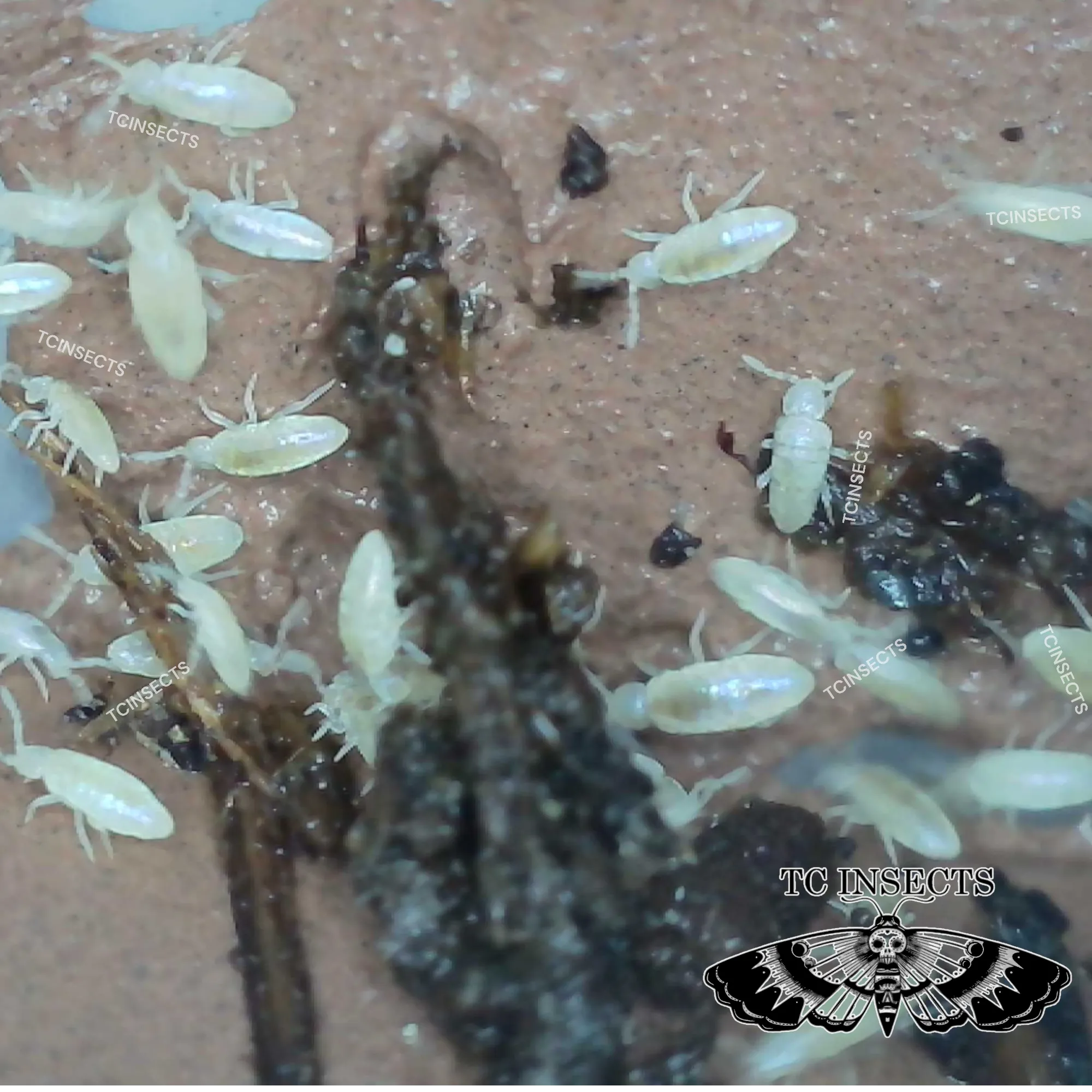
Lepidocyrtus sp. Tropical Thunder Springtails for Sale
The Tropical Thunder is the cleanup-volume upgrade to the standard tropical white springtail. Lepidocyrtus sp. was collected by TC INSECTS in Southeast Asia, and it looks similar to the common tropical whites most bioactive keepers already run. However, the Tropical Thunder is smaller, faster, and reproduces at higher rates than typical tropical whites. As a result, this culture fills the same role as a standard cleanup workhorse, but produces more individuals per square inch of substrate.
TC INSECTS sells Tropical Thunder springtails specifically for keepers who already understand how tropical whites perform and want the same look with stronger production. One honest note up front: because of the smaller body size, individuals are harder to spot than standard tropical whites. The trade-off is sheer numbers.
Overview
Most cleanup-focused springtail cultures hit a ceiling. Standard tropical whites work, but they are not optimized for raw production speed. The Tropical Thunder closes that gap. Because of its smaller body and faster reproductive cycle, this culture builds populations more quickly under the same conditions that drive tropical white reproduction.
If you are running a multi-species rack, this culture pairs well with other live springtails covering visual display and drier-tolerant niches. Most keepers run Tropical Thunder as their cleanup foundation while adding collector species for display.
Pronunciation
leh-pih-doh-SIR-tus (genus), Tropical Thunder is a TC INSECTS trade name
Care Level
Beginner-friendly. Care matches what most bioactive keepers already do for standard tropical whites. As a result, customers transitioning from tropical whites need no real learning curve to keep this culture productive.
Appearance and Size
The Tropical Thunder looks visually similar to standard tropical white springtails at first glance. Body color is pale, elongated body shape, and the typical Lepidocyrtus scaled surface. However, individuals are smaller and noticeably faster on substrate than typical tropical whites. Movement is what gives the culture its name.
Customers used to slow-moving tropical white springtails are often surprised by how quickly Tropical Thunder individuals dart across substrate and glass. Because of the small size and speed, individuals can be harder to spot until the population builds up. Once established, the culture surface stays visibly active.
Adult Size
Small, smaller than typical tropical white springtails. Individual specimens require attention to spot, especially in fresh cultures before populations build.
Reproductive Rate
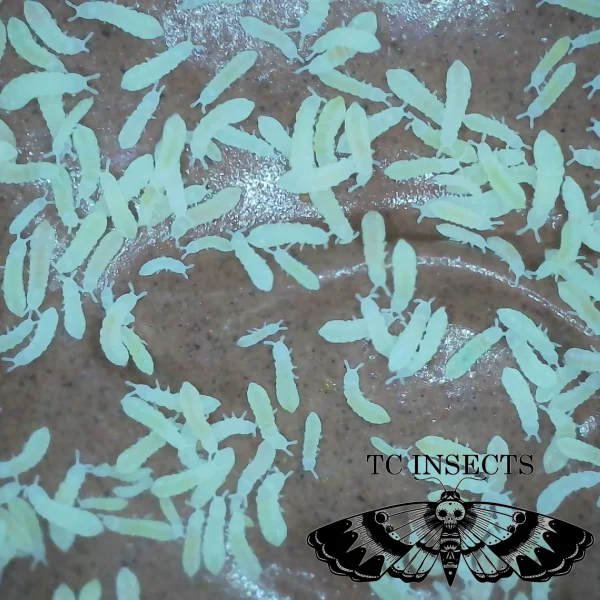
High, faster than standard tropical white springtails under the same conditions. Cultures build noticeable populations quickly when moisture, food, and ventilation stay stable. As a result, this is one of the stronger production options for keepers who want maximum cleanup volume per culture.
Tropical Thunder Springtail Care
Temperature
Standard room temperature works well, matching what tropical white springtails prefer. Avoid placing the culture near heat lamps, sunny windows, or cold drafts. Stable temperature matters more than hitting an exact number.
Humidity
Keep the substrate moist with good airflow. The Tropical Thunder is a tropical species, so it prefers consistently high humidity rather than a dry-to-moist gradient. However, the substrate should never be flooded. Springtails need moisture access at all times, and stagnant standing water stresses cultures.
Culture Setup
- Container with a tight lid and breathable ventilation.
- Substrate of moist soil, a soil and charcoal mix, or coco-based culture medium.
- Leaf litter, bark, or moss on top for grazing surface and humidity refuge.
- Avoid sealed dead-air setups. Airflow keeps cultures from souring.
Diet and Feeding
Biofilm, Mold, and Organic Matter
The Tropical Thunder helps consume mold, fungi, biofilm, and small organic debris in bioactive enclosures. Because of its high reproductive rate, this species contributes meaningful cleanup volume once a population establishes. However, springtails do not replace proper enclosure maintenance. If mold becomes heavy, fix airflow, watering habits, and overfeeding before relying on the cleanup crew.
Supplemental Food
In a dedicated culture, feed light pinches of a measured springtail food like TC INSECTS Springtail Culture Booster. A prepared diet keeps the culture cleaner than raw food scraps, with fewer mite issues. For fast-reproducing species like Tropical Thunder, consistent light feeding outperforms occasional heavy drops.
Feeding Notes
- Feed lightly and consistently. High-production cultures collapse quickly if overfed.
- Add the next pinch only after the previous food is mostly gone.
- Remove visibly moldy food chunks before they sour the substrate.
- Mist the surface if it starts looking dry.
Breeding and Culture Growth
Tropical Thunder cultures grow faster than standard tropical whites under matched conditions. Most keepers see clear population growth within weeks of starting a culture, with surface activity becoming obvious as numbers build. Because of the rapid production rate, this culture works well for keepers who need to seed multiple enclosures from one starter colony.
Culture Maintenance
- Keep at least one backup culture in a separate container.
- Refresh substrate when it becomes packed, sour-smelling, or fouled.
- Maintain ventilation. High-production cultures generate waste faster, so airflow matters more.
- Harvest regularly. Established cultures benefit from periodic thinning to avoid overcrowding.
Natural Habitat Background
The Tropical Thunder was collectedin Southeast Asia. This is a documented hobby trade origin, which is rare for live springtail cultures. As a result, customers can confidently treat this as a true tropical-climate species that performs best in warm, humid bioactive setups matching its native conditions.
Best Uses
- High-production cleanup crew for tropical bioactive vivariums.
- Dart frog enclosures and other warm, humid amphibian habitats.
- Cleanup foundation in multi-species racks where display species fill the visual role.
- Backup cultures that need to seed multiple enclosures over time.
- Supplemental tiny feeder use for small insectivores that take springtail-sized prey.
- Mold and biofilm support in established planted vivariums with stable humidity.
Not Best For
- Bone-dry desert enclosures. The Tropical Thunder is a tropical-climate species.
- Keepers who want a visible display species. The small size and speed make individuals hard to spot until populations build.
- Cool-climate setups with low humidity. Match the enclosure to the species origin.
- Open-top tubs or loose lids. Like most Lepidocyrtus, this species jumps.
Receiving and Acclimation Guidance
Open the culture indoors in a draft-free area away from pets and direct sun. Let the culture sit at room temperature for a few hours before feeding or transferring. If the substrate looks shipping-dry, mist lightly. Do not flood the culture trying to rehydrate it. If seeding directly into a vivarium, confirm the enclosure animals and plants tolerate the added culture medium.
How Tropical Thunder Compares to the Ultraviolet Springtail
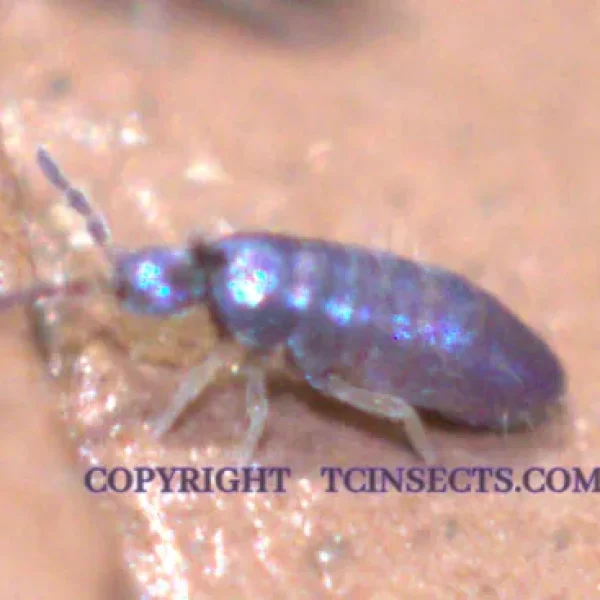
Both species belong to the genus Lepidocyrtus, and both are tropical-climate cultures. However, they fill completely different roles in a bioactive keeper’s rack. The Tropical Thunder is the production-volume cleanup species, smaller and faster than standard tropical whites, optimized for raw cleanup output. By contrast, the Ultraviolet is the display-grade collector species, larger and slower with the iridescent scaled body that defines its visual appeal. As a result, most keepers run both: Tropical Thunder for cleanup foundation, Ultraviolet for display.
Frequently Asked Questions
How is the Tropical Thunder different from standard tropical white springtails?
Same visual look, same care, same role. However, Tropical Thunder individuals are smaller, faster, and reproduce at higher rates. As a result, this culture produces more cleanup volume per square inch of substrate than standard tropical whites under matched conditions.
Where do Tropical Thunder springtails come from?
TC INSECTS collected the original culture in Southeast Asia. This is a documented hobby-trade origin, which is unusual for live springtail cultures. The species is a true tropical-climate Lepidocyrtus.
Can I mix Tropical Thunder with isopods?
Yes. In bioactive enclosures they coexist with most common isopods. For dedicated cultures, keep them separate so harvesting and counts stay clean.
Why are they harder to see than my tropical whites?
Smaller body size. Individuals require a closer look to spot, especially in fresh cultures before populations build. Once the colony establishes, surface activity is clearly visible.
How does Tropical Thunder compare to the Ultraviolet springtail?
Both are Lepidocyrtus species, but they serve different purposes. Tropical Thunder is the high-production cleanup workhorse. Ultraviolet is the iridescent display-grade collector culture. Most bioactive keepers run both for different reasons.
Can Tropical Thunder springtails be used as feeders?
Yes, as tiny supplemental feeders for small insectivores that take springtail-sized prey. However, their main role is cleanup crew support and culture maintenance, not high-volume feeder production.
Learn More About Springtails and Bioactive Care
- TC INSECTS Springtail Care Guide: In-house TC INSECTS guide covering springtail care, culture setup, feeding, and troubleshooting.
- BugGuide: Lepidocyrtus: Identification reference for the genus Lepidocyrtus, including scaled body structure and common species.
- ITIS: Lepidocyrtus Taxonomy: Integrated Taxonomic Information System reference for Lepidocyrtus classification and recognized species.
Final Notes
The Tropical Thunder fills a clear gap in the springtail market: a high-production cleanup species with documented Southeast Asian origin, sold as the cleanup upgrade for keepers already running tropical whites. Keep the substrate moist with airflow, feed lightly, keep a backup culture, and pair with a display species like the Ultraviolet for visual variety. As a result, you get one of the strongest cleanup foundations available in the live springtail trade.


Reviews
There are no reviews yet.