
Shop
Live Feeders
Crickets Dubia Roaches Red Runners Mealworms Superworms Hornworms Waxworms Silkworms Calcium Worms (BSFL)Cultures & Combos
Fruit Fly Cultures Insect Cultures Feeder Mix Packs Bioactive CombosBioactive & Exotic
Isopods Springtails Millipedes & More Jumping Spiders Exotic Roaches Nutrition & CareIsopods by Genus
Cubaris Porcellio Armadillidium Powder Isopods Venezillo Ardentiella Nesodillo Oddball & Specialty 🌱 Beginner Picks All Isopods →Freebies & Deals
🐾 Feeders by Animal 🔥 Free Shipping Deals 🎁 Freebies & Free GiftsCare Guides
Opportunities
The Learning Center
Whether you're seeding your first bioactive tank or fine-tuning a feeding routine, you're in the right place. Real care sheets, honest feeding advice and hands-on tools from the people who breed these animals every day.
New to Bioactive?
Answer three quick questions and get a full starter plan - substrate, a safe cleanup crew, and the kit to build it.
Take the Quiz → Feeder FinderFind the Right Feeders
Tell us what you keep and get the right insects, sized to your pet, with a printable weekly schedule.
Open the Finder → Bioactive BuilderBuild Your Setup
Three questions, one complete plan - the substrate stack, a climate-matched crew with counts, and a seeding timeline.
Open the Builder →
Official Care Sheets
Farm-tested care for every species we sell, from the team that breeds them. Filter by group or search below.
New Reptile Feeding Guides
New Kit & Culture Guides
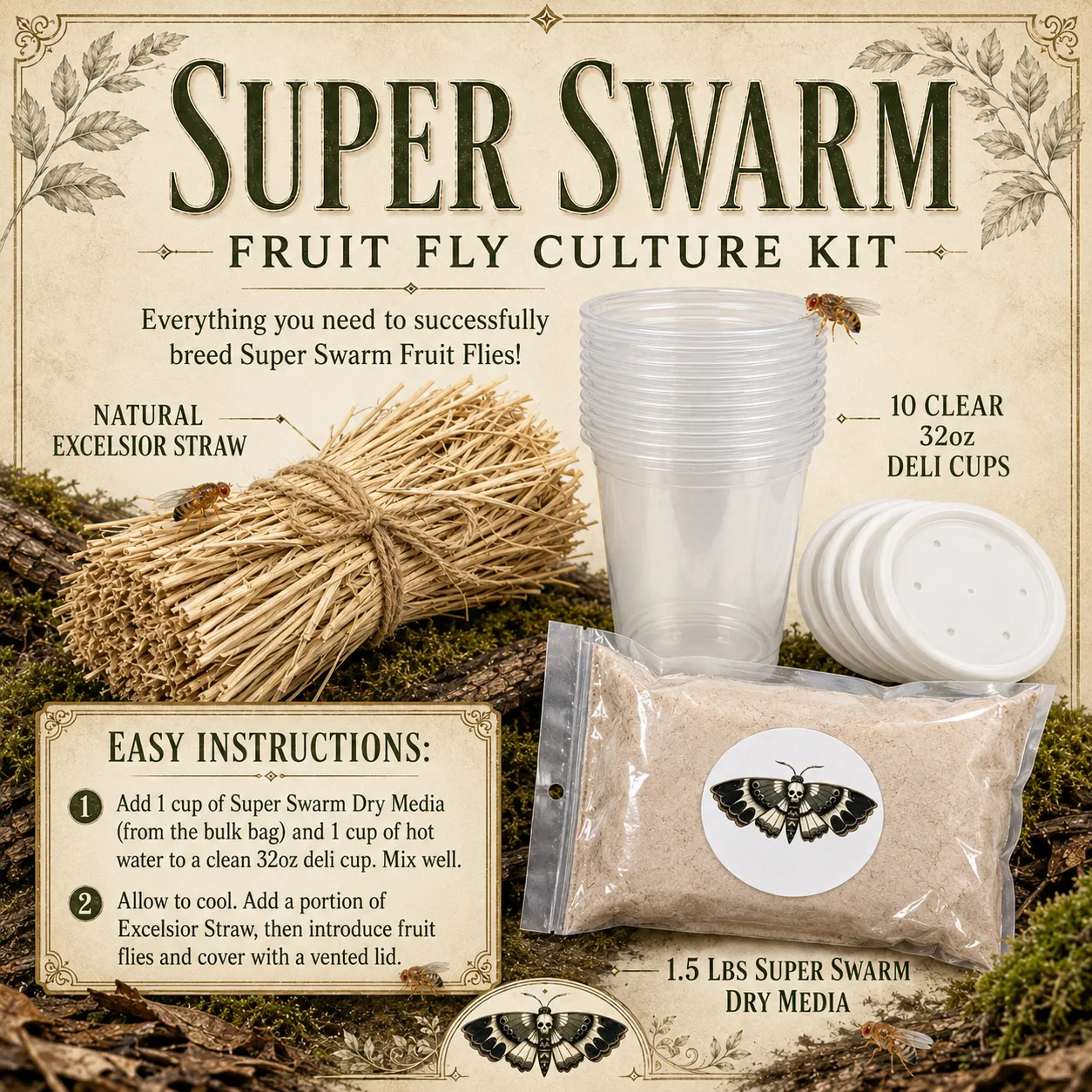
Fruit Fly Culture Kit: A Simple Start
A short start-and-stagger guide for the Super Swarm culture kit.
Read Guide →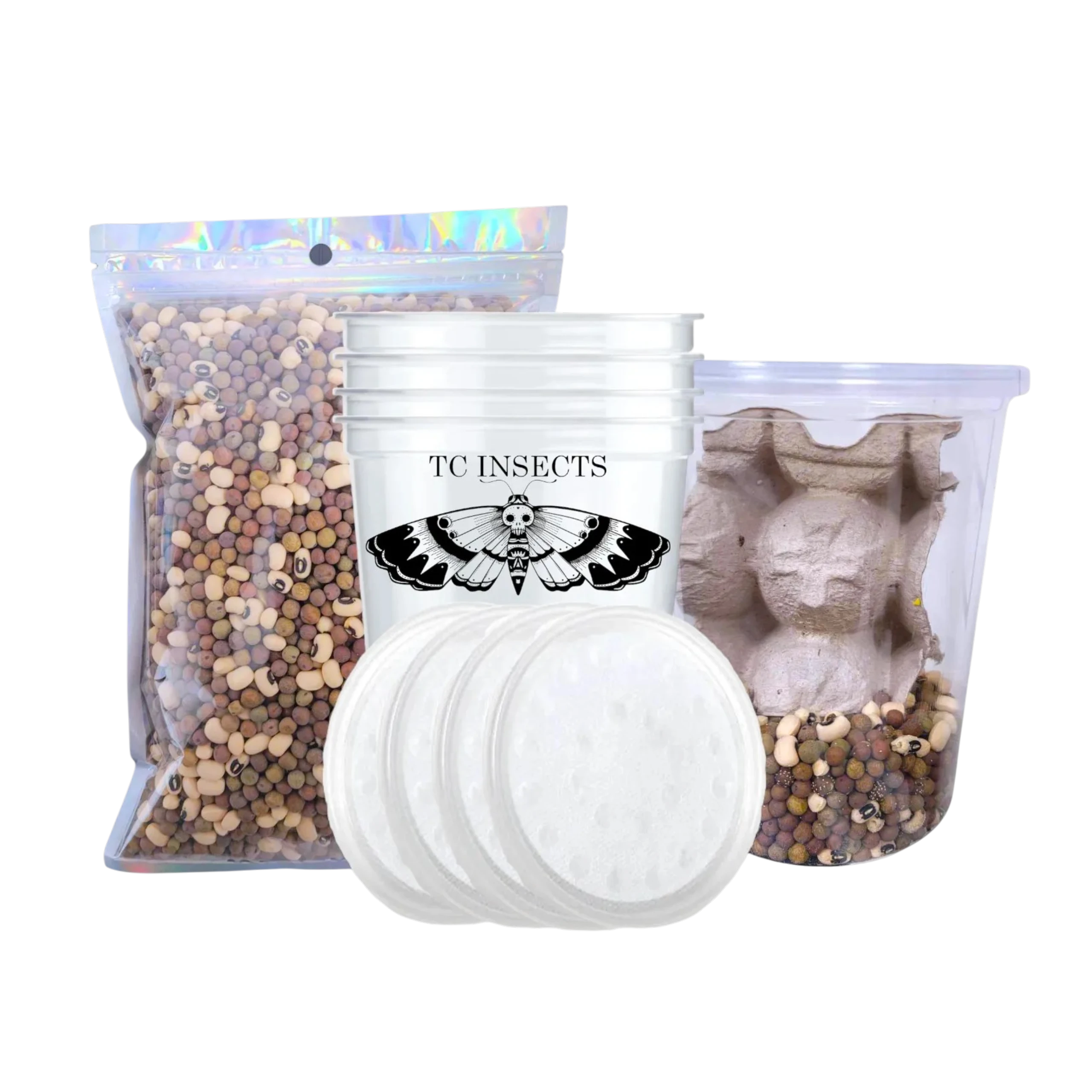
Bean Beetle Culture Kit: Quick Setup
Set up the supplied cups and dry bean blend, then keep cultures contained.
Read Guide →
Rice Flour Beetle Culture Kit: Quick Setup
Start the cups, keep the medium dry, and harvest the small larvae.
Read Guide →
Isopod Habitat Kit: Simple Setup
Build a moisture gradient, leaf-litter cover, and a secure habitat.
Read Guide →
Temperate White Springtail Care
Keep a damp backup culture and seed a bioactive enclosure.
Read Guide →New Feeder Insect Care Guides

Pinhead House Cricket Care Sheet
A simple setup for tiny house crickets before they become feeder meals.
Read Guide →
Dubia Nymph Care Sheet
Keep young dubia roaches settled, dry, and easy to sort by feeder size.
Read Guide →
Red Runner Nymph Care Sheet
A quick routine for small, fast red runner roaches kept as feeders.
Read Guide →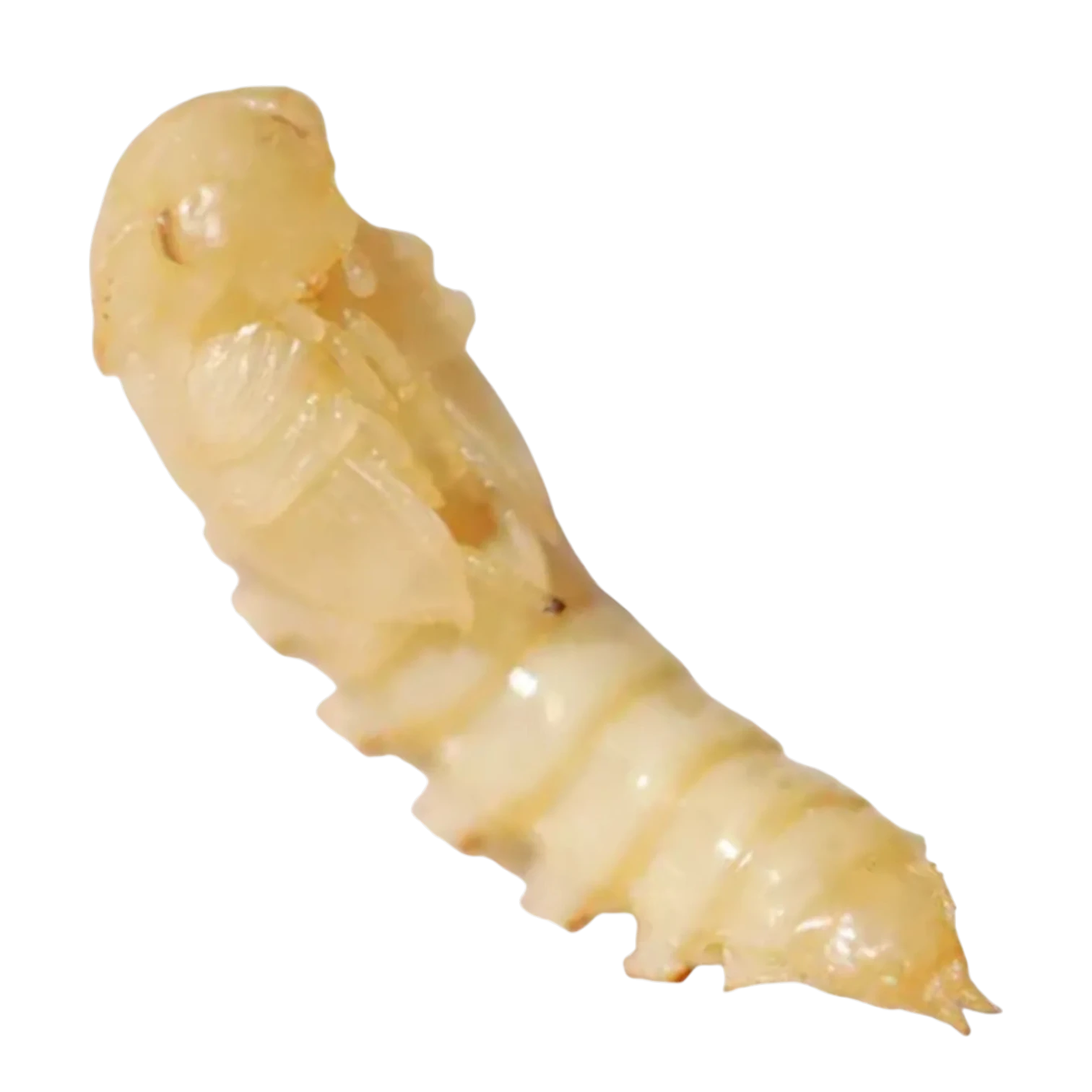
Mealworm Pupa Care Sheet
What to do when a mealworm turns into a motionless pupa.
Read Guide →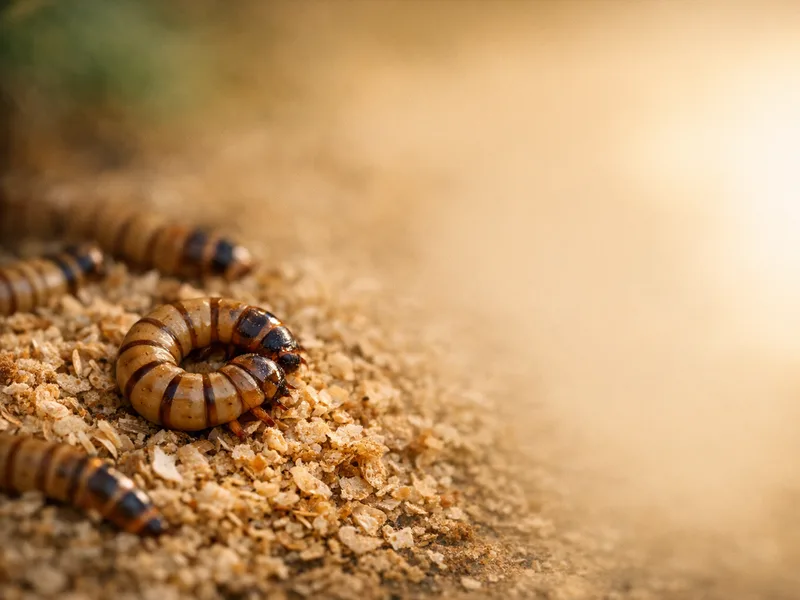
Superworm Beetle Care Sheet
The adult-beetle stage of a superworm colony, in one simple setup.
Read Guide →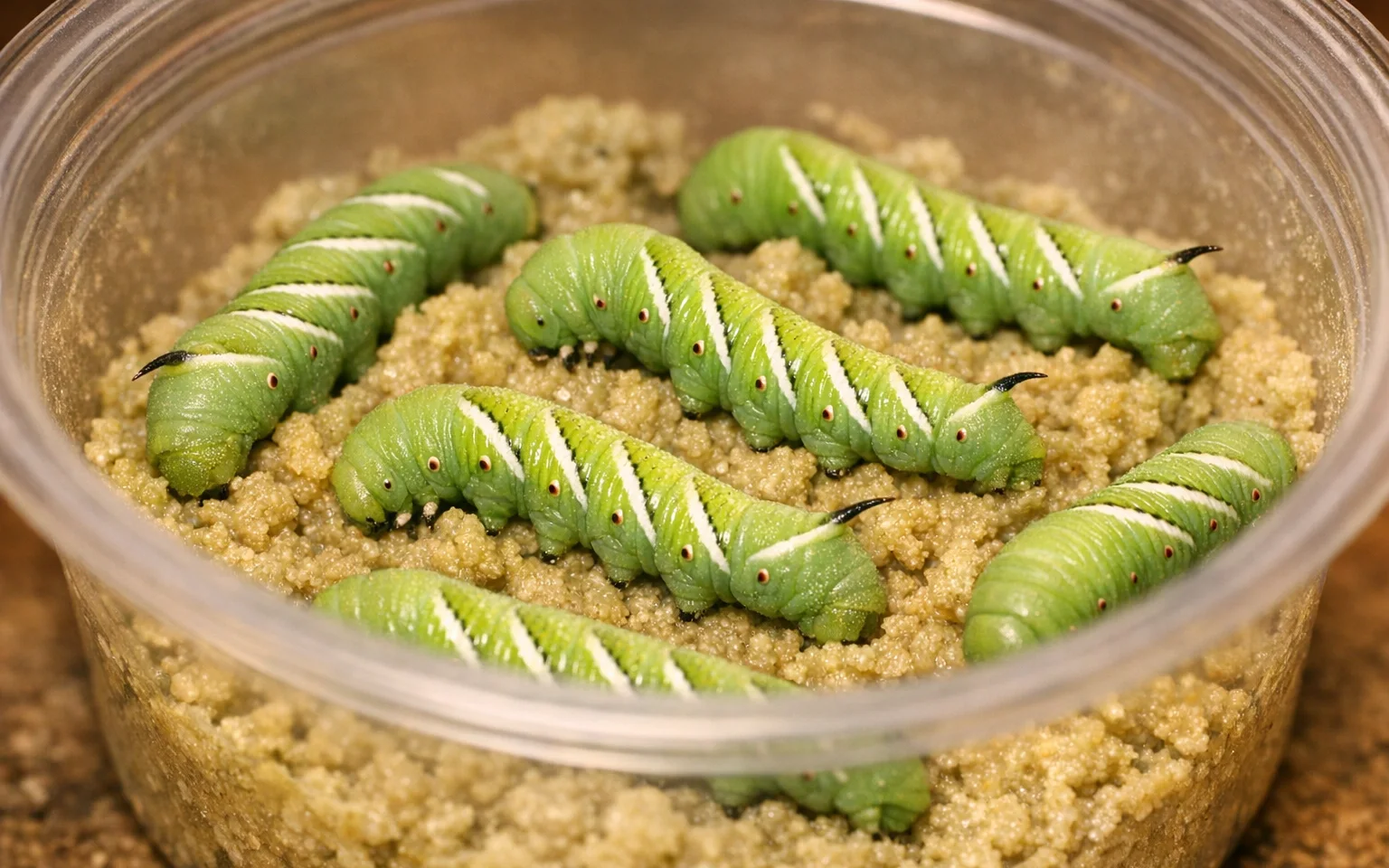
Hornworm Cup Arrival Guide
The first checks to make when a hornworm cup arrives.
Read Guide →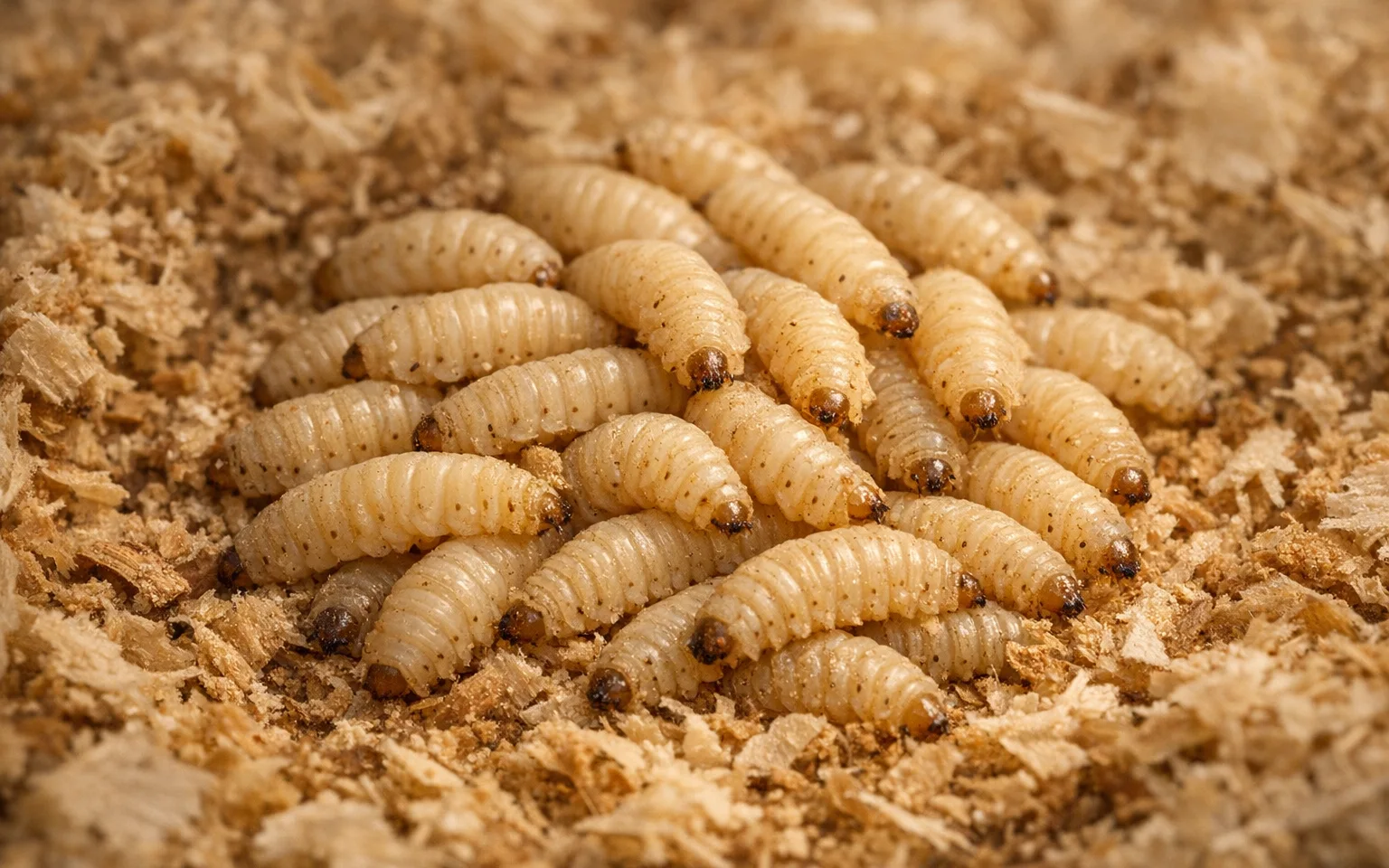
Waxworm Cup Arrival Guide
Keep a waxworm cup clean and use these rich feeders sparingly.
Read Guide →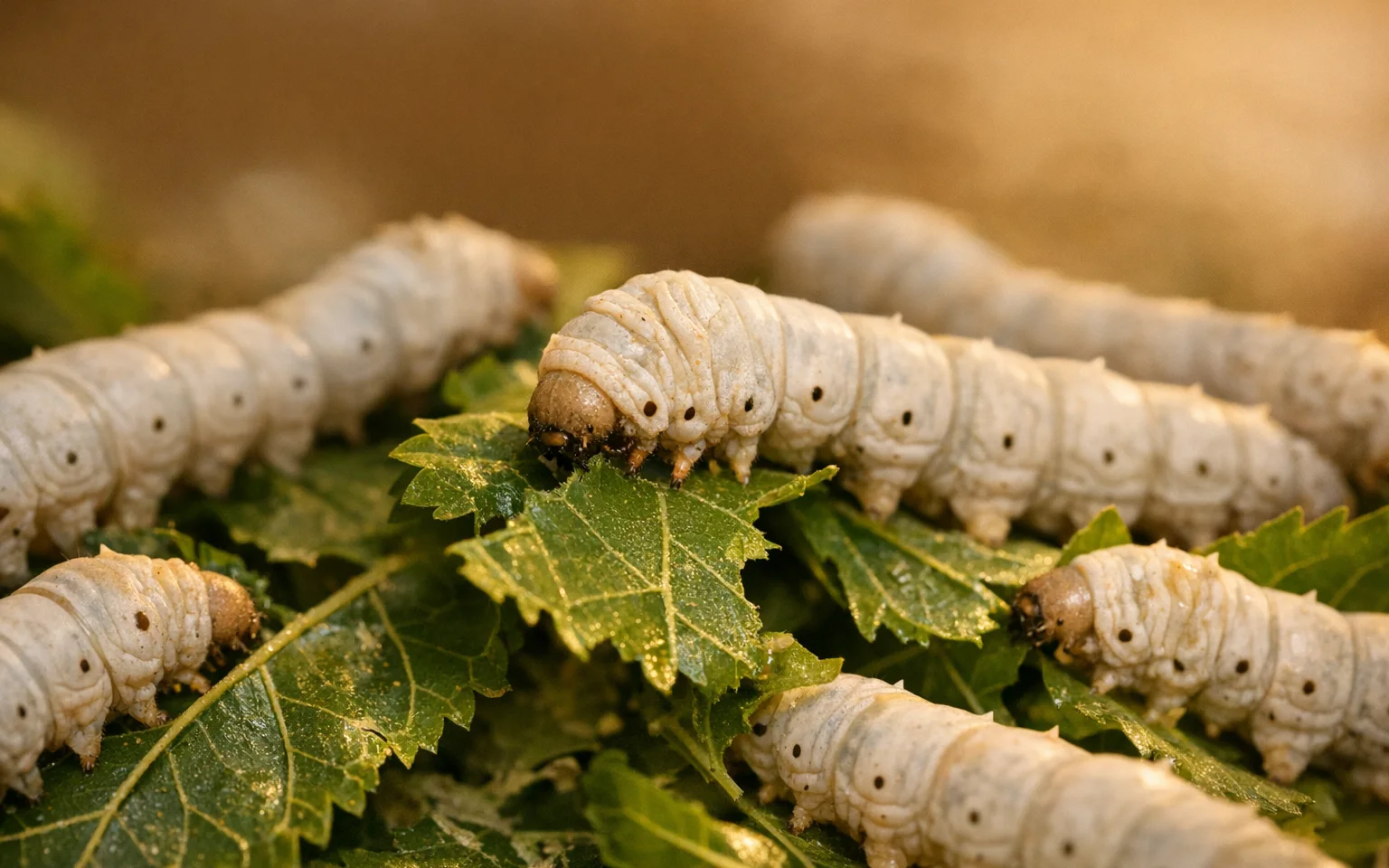
Silkworm Feeding Station Guide
A clean, low-handling routine for soft-bodied silkworm feeders.
Read Guide →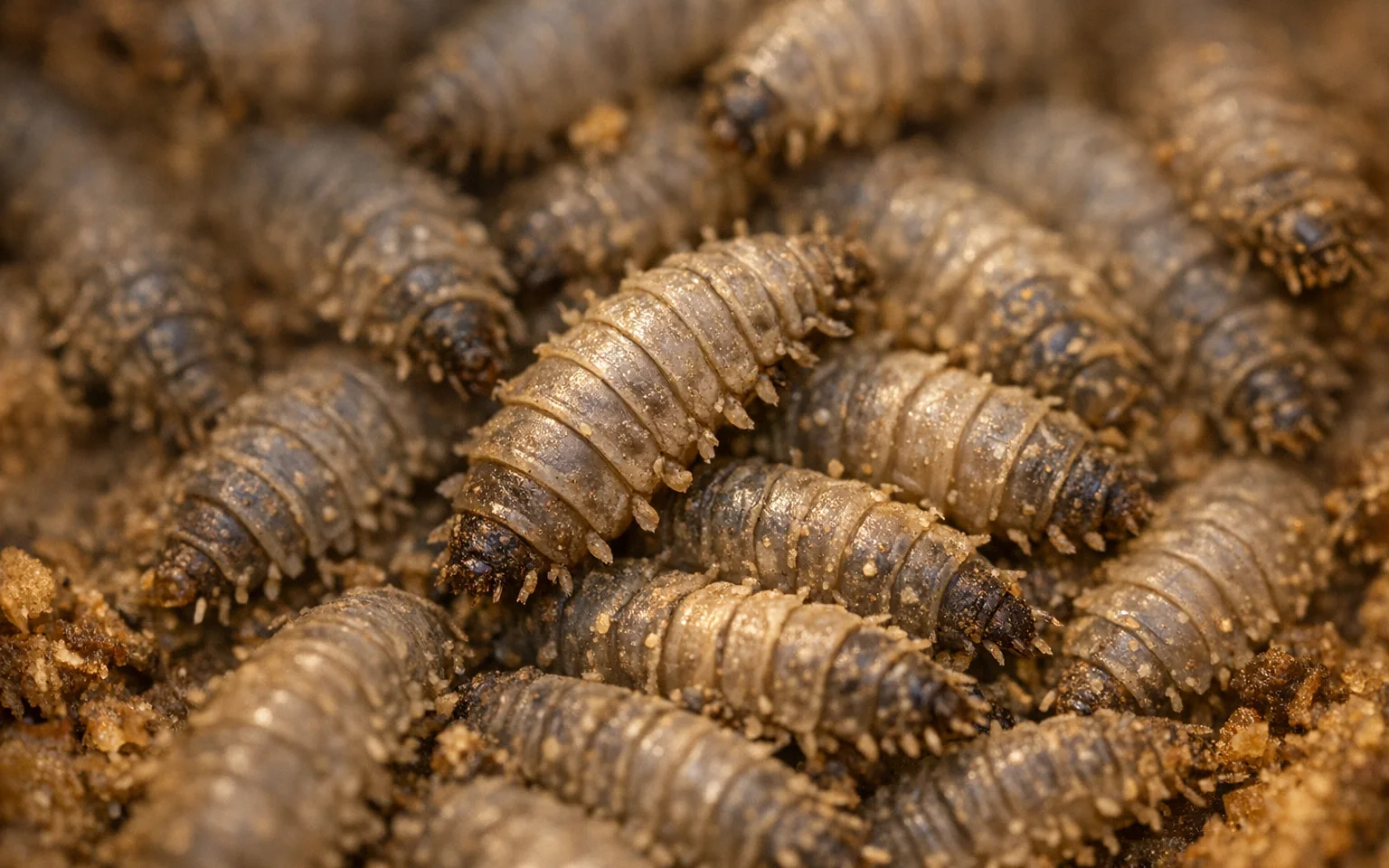
BSFL Cup Bedding Care Guide
Keep black soldier fly larvae clean without turning the cup into a wet mess.
Read Guide →
Flightless Fruit Fly Cup Ventilation Guide
Airflow, lids, and condensation for a productive feeder-fly cup.
Read Guide →Rice Flour Beetle Larvae Care Sheet
A short care guide for maintaining tiny rice flour beetle feeder cultures.
Read Guide →New Reptile Setup & Care Guides
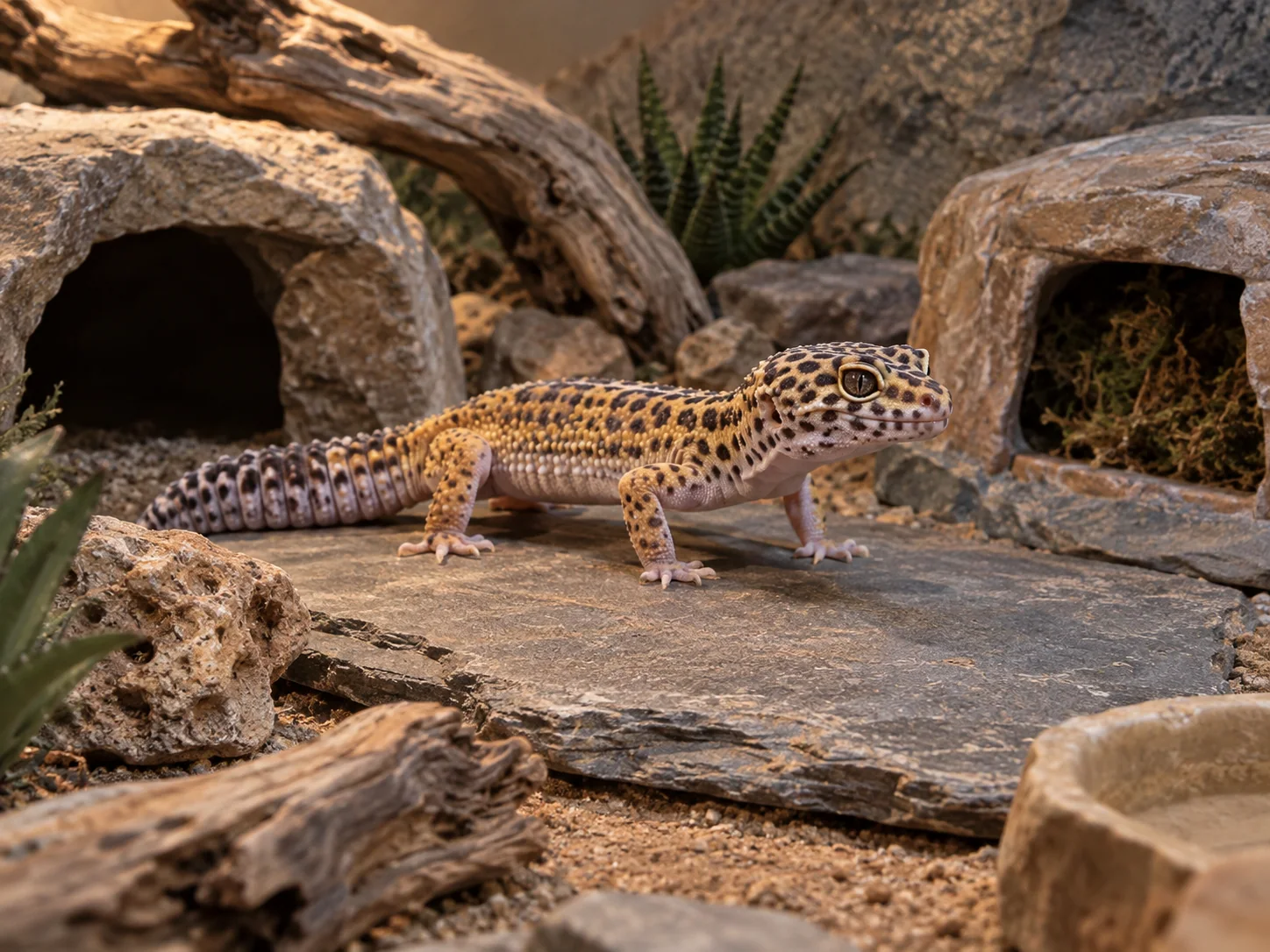
Leopard Gecko Humid Hide Setup Guide
Make the moist retreat that helps a leopard gecko shed cleanly.
Read Guide →
Crested Gecko Feeding Ledge Guide
A steady, easy-to-clean place for a crested gecko’s prepared diet.
Read Guide →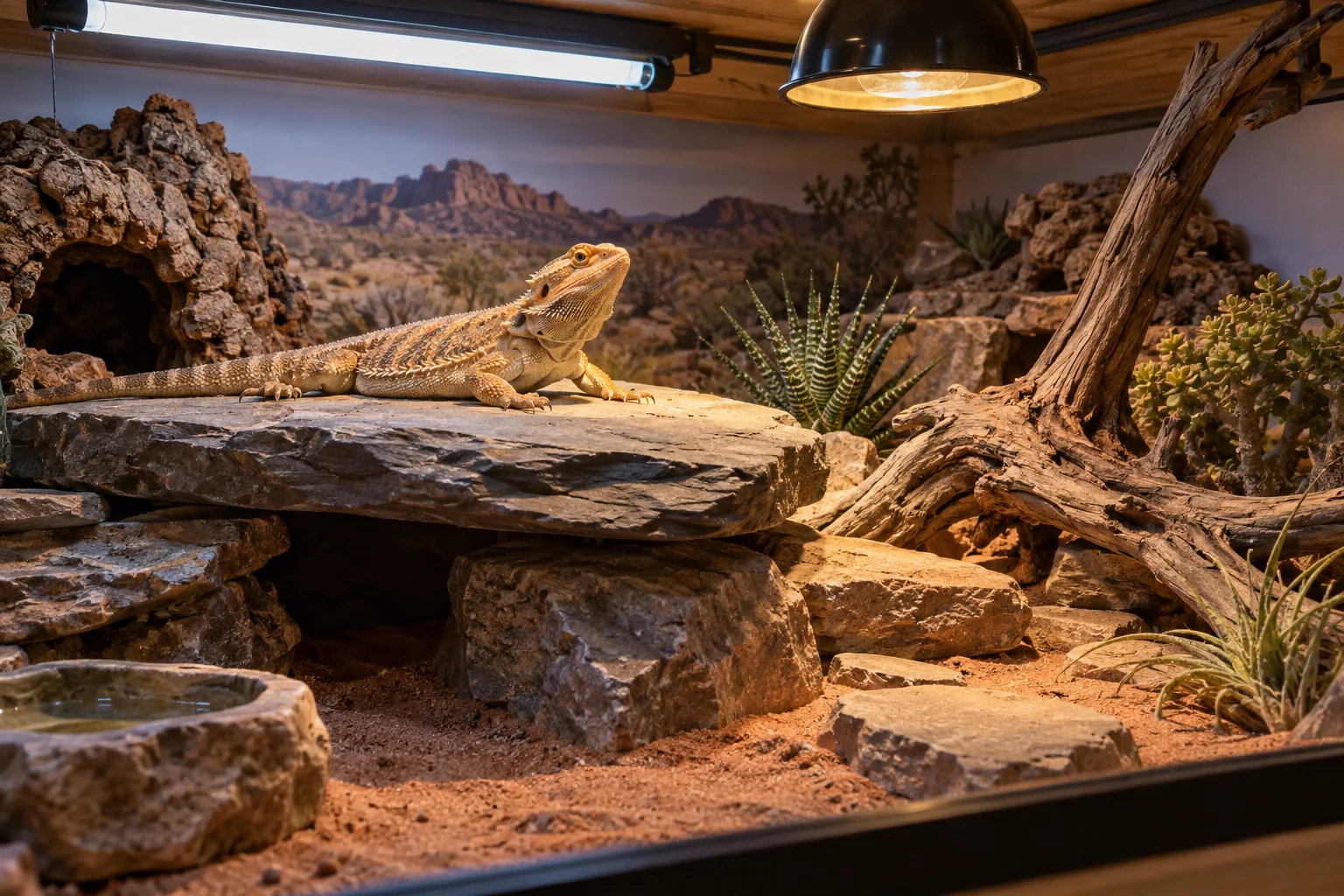
Bearded Dragon Basking Zone Checklist
Arrange the basking perch, lighting, and cool retreat as one system.
Read Guide →
Ball Python Two-Hide Layout Guide
Give a ball python secure choices across its temperature gradient.
Read Guide →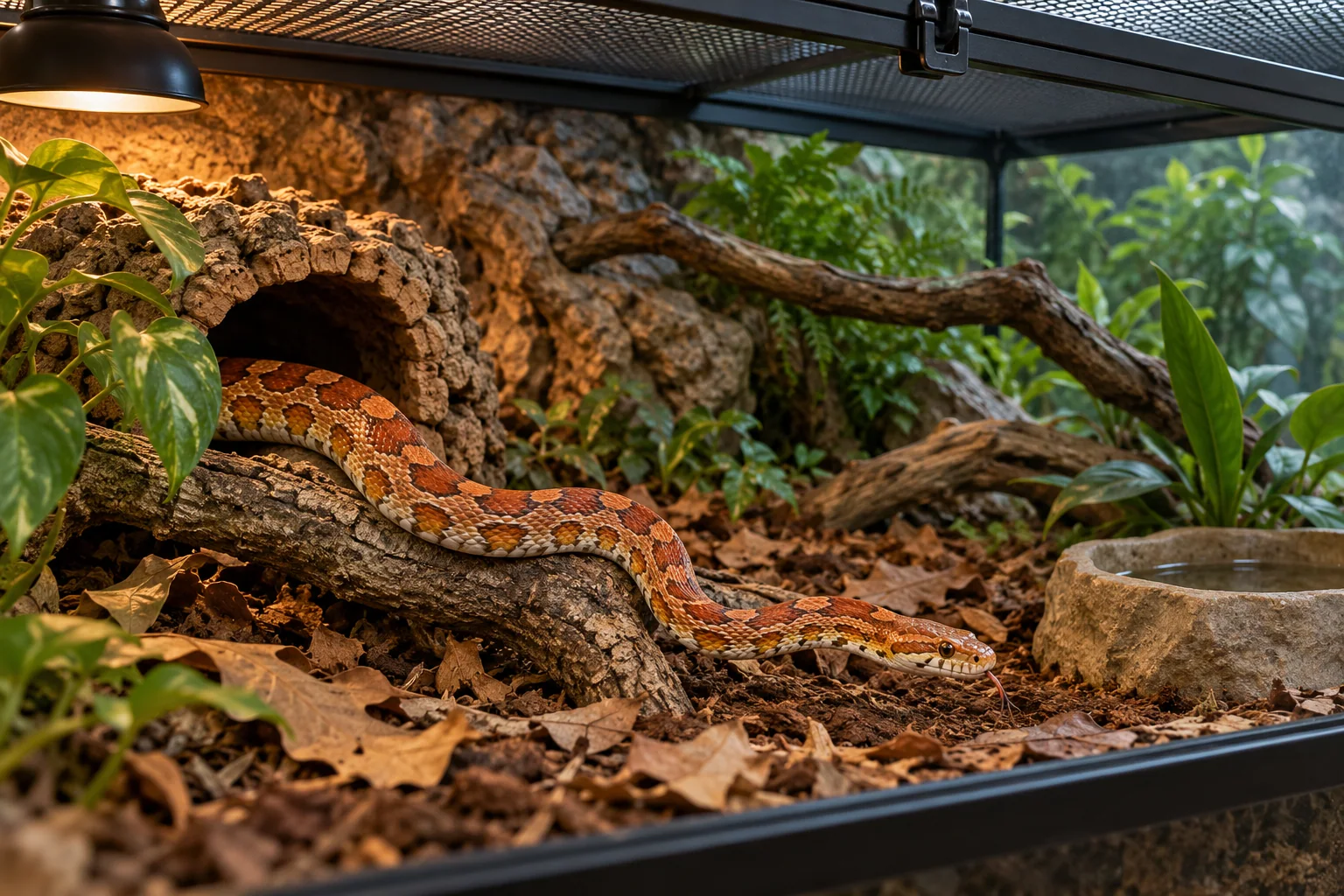
Corn Snake Escape-Proof Lid Checklist
Simple enclosure checks for a curious snake that explores every gap.
Read Guide →
Blue-Tongue Skink Feeding Area Guide
Set up an easy-to-clean feeding area for a blue-tongue skink.
Read Guide →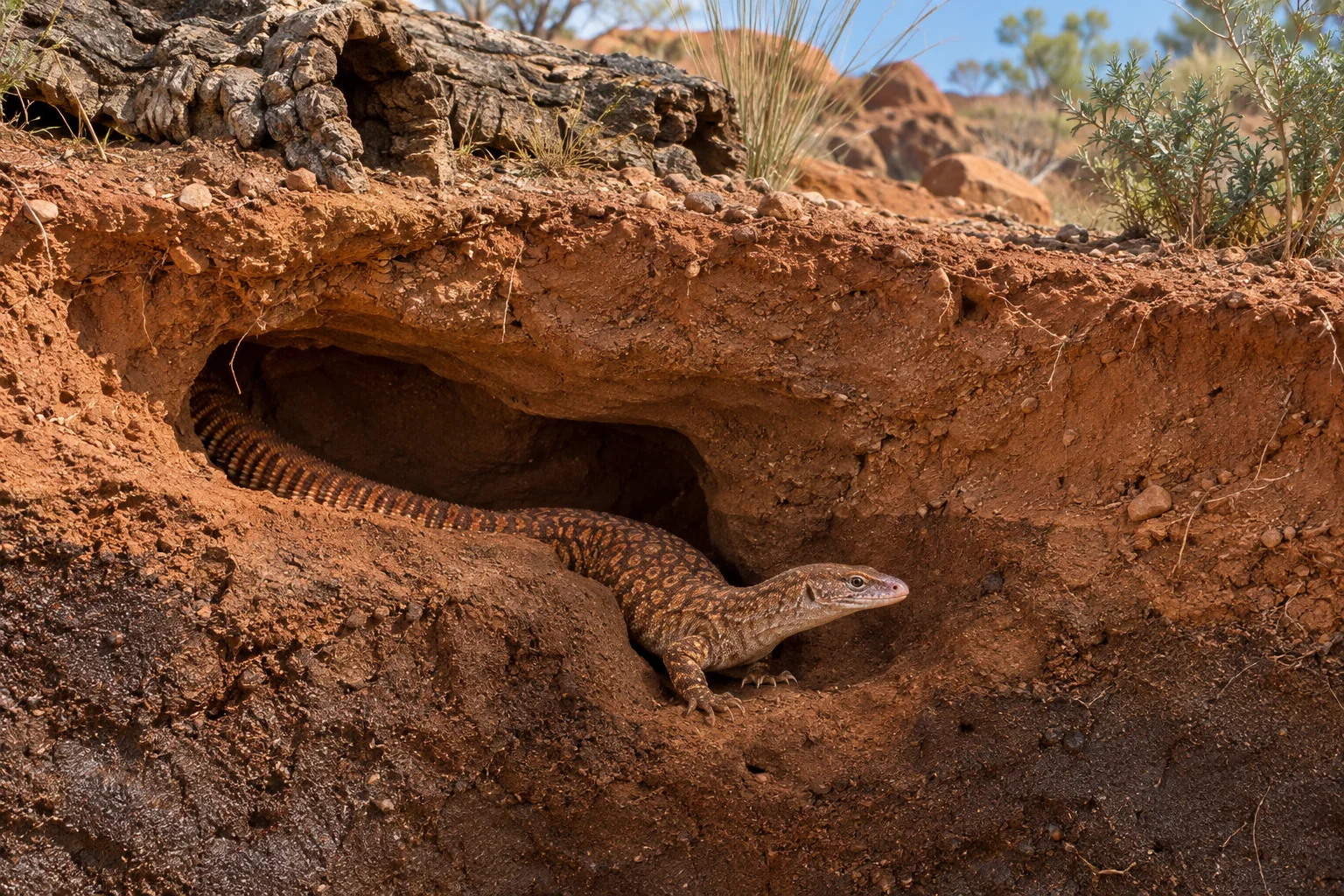
Ackie Monitor Digging Zone Guide
Build a stable burrowing area for an active ackie monitor.
Read Guide →
Mourning Gecko Hatchling Escape-Proofing Guide
Keep tiny mourning geckos inside while maintaining safe airflow.
Read Guide →New Isopod Care Sheets

Powder Orange Isopod Care Sheet
A quick starter plan for the active orange Porcellionides cleanup crew.
Read Guide →
Powder Blue Isopod Care Sheet
A simple moisture-gradient setup for fast-moving Powder Blue isopods.
Read Guide →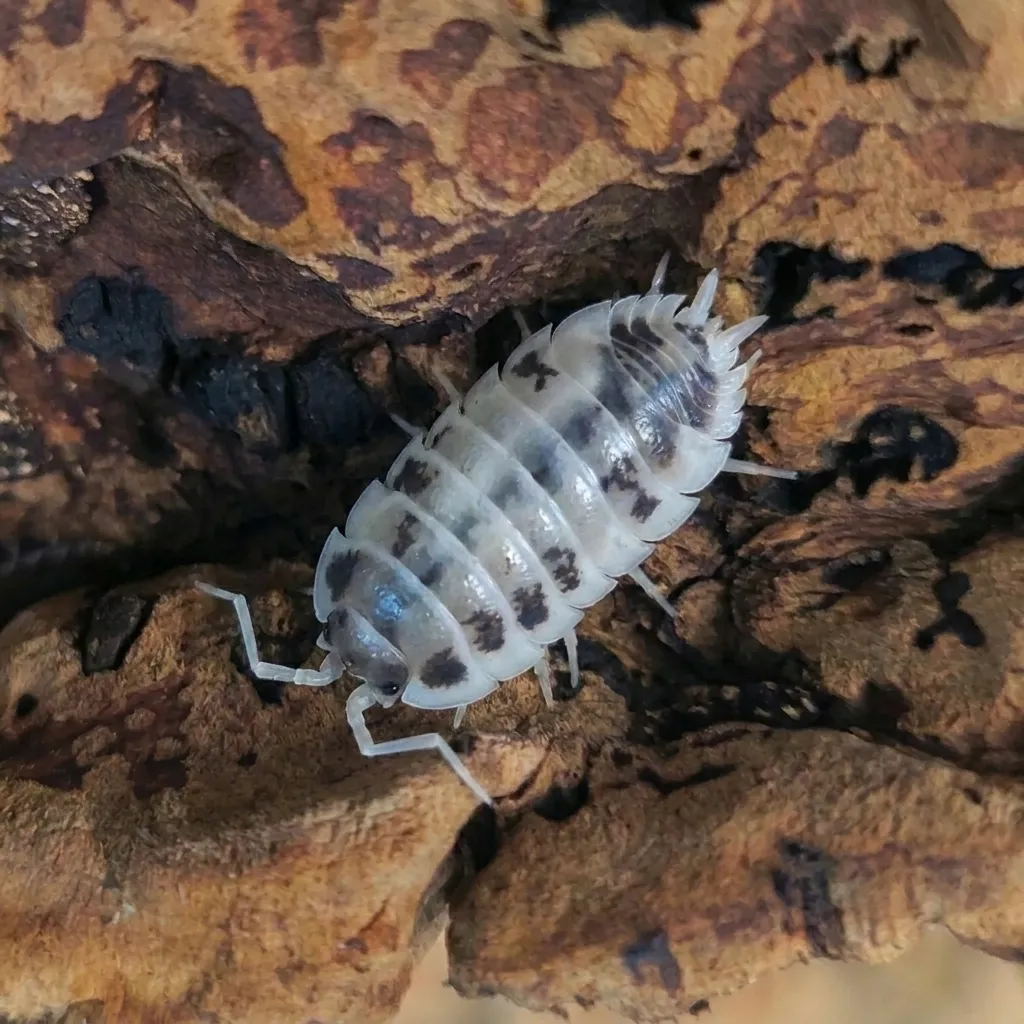
Dairy Cow Isopod Care Sheet
Care for a large, active Porcellio laevis colony without overfeeding it.
Read Guide →
Dwarf White Isopod Care Sheet
A hidden, burrowing cleanup crew for reliably humid setups.
Read Guide →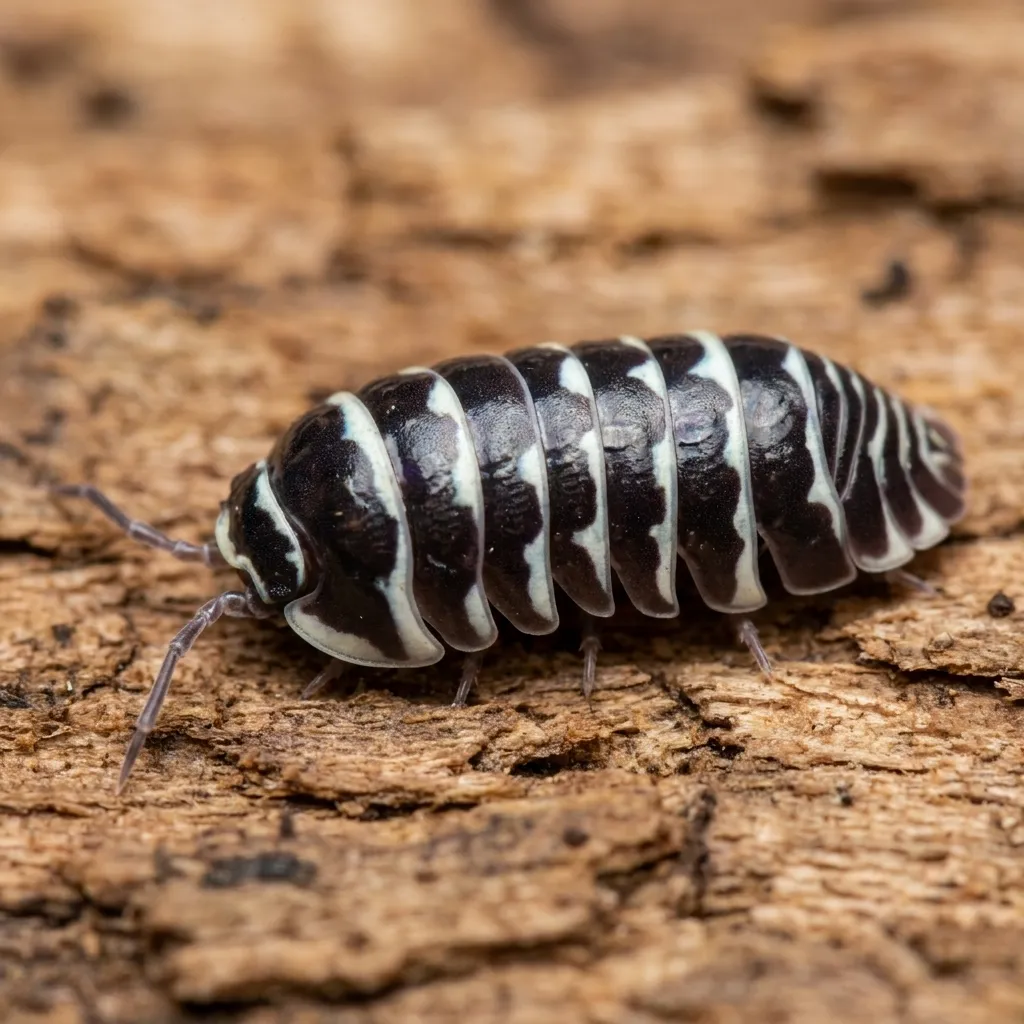
Zebra Isopod Care Sheet
A visible striped Armadillidium colony with a dependable moist retreat.
Read Guide →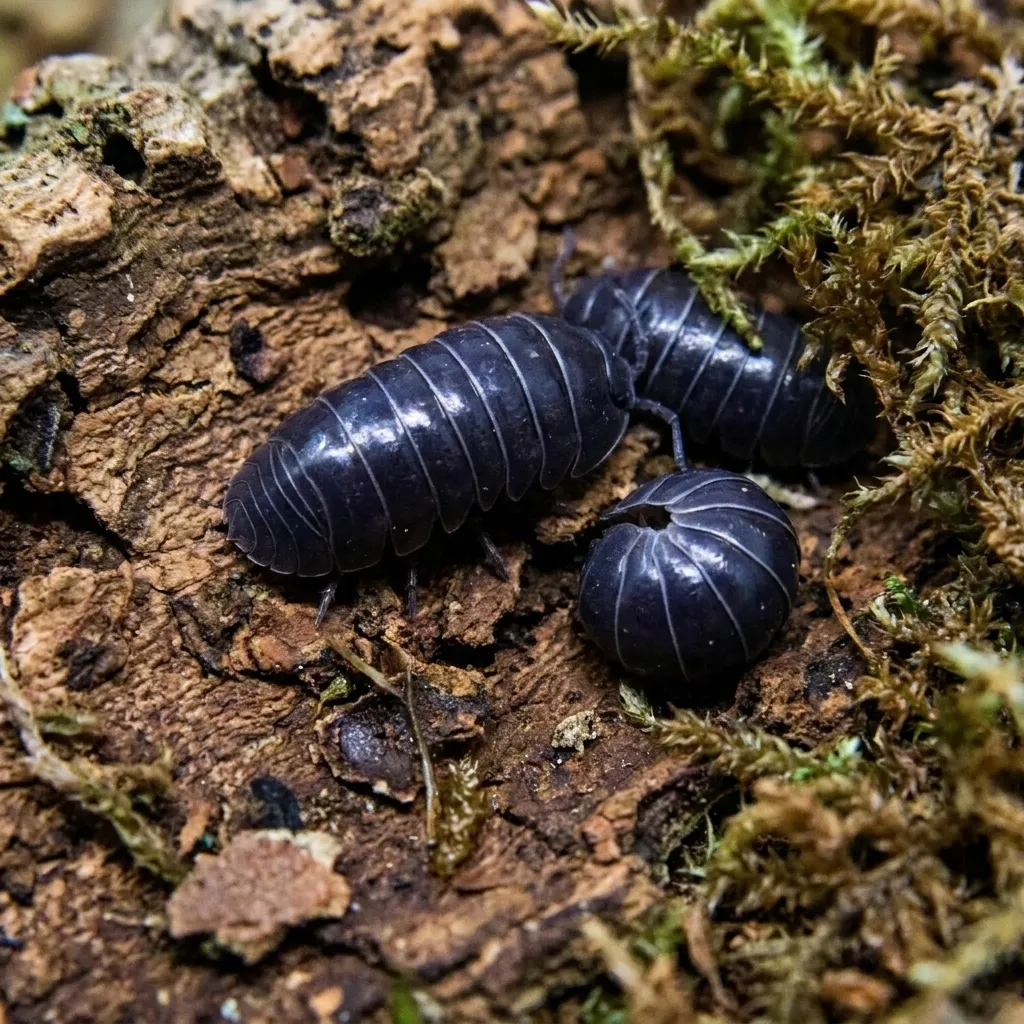
Common Pillbug Care Sheet
A beginner habitat for Armadillidium vulgare, the familiar roly-poly.
Read Guide →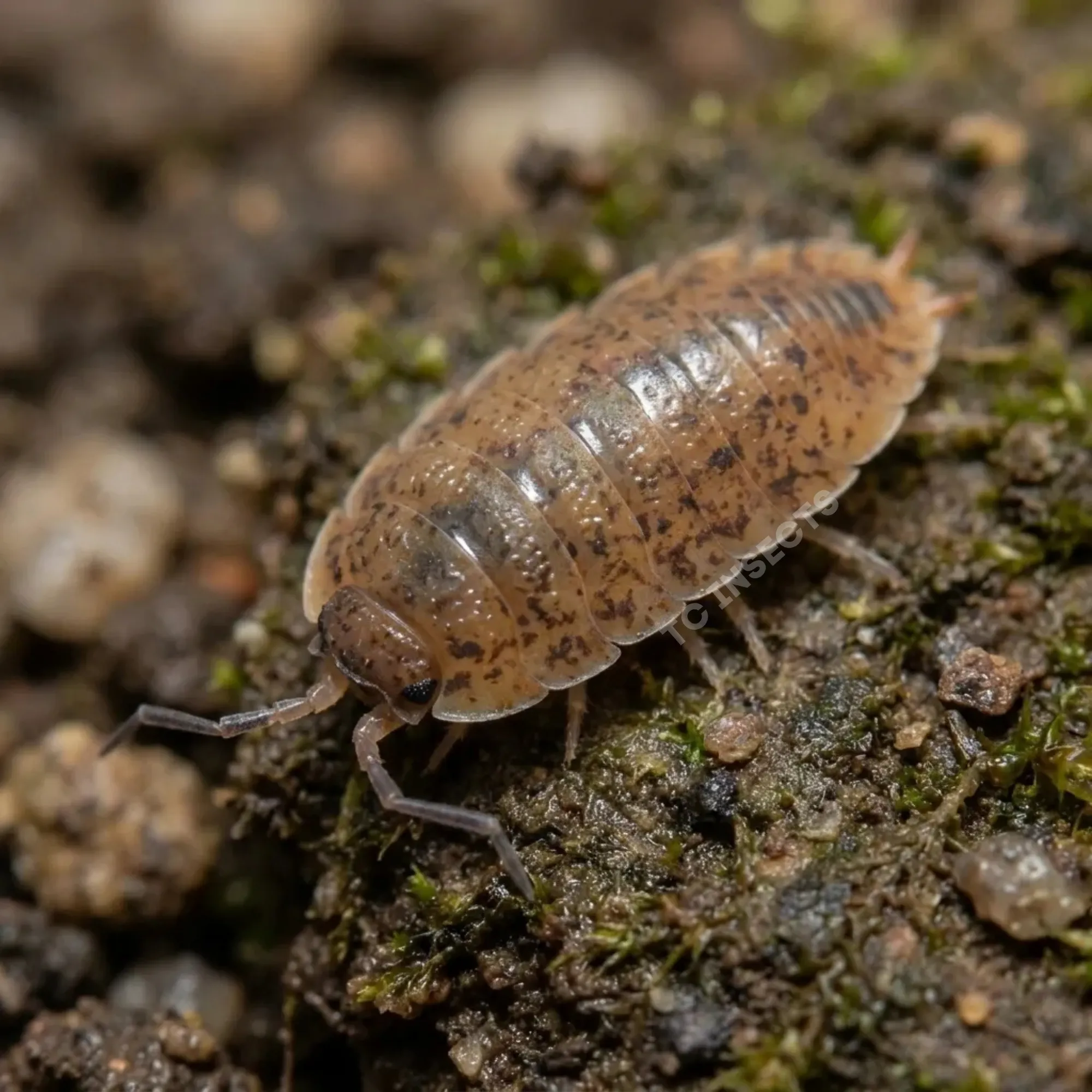
Porcellio scaber Care Sheet
A straightforward setup for the rough woodlouse and its many hobby morphs.
Read Guide →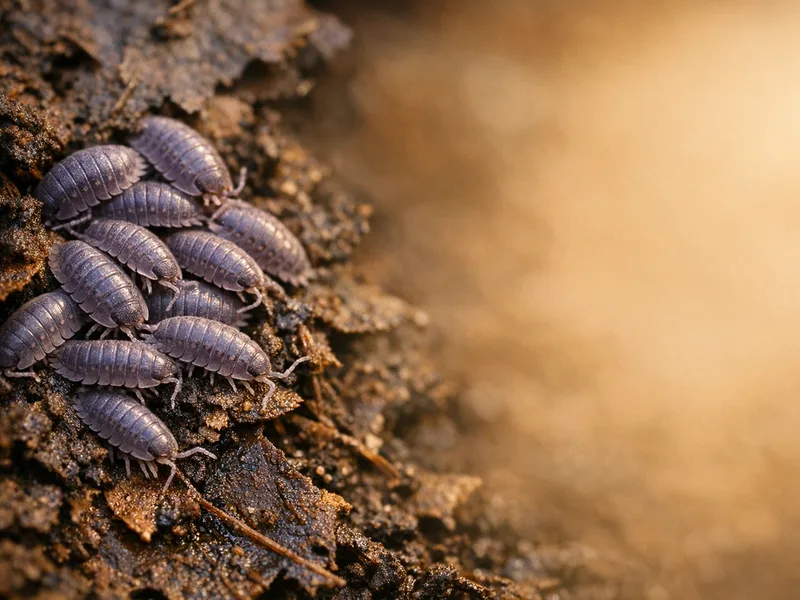
Dwarf Purple Isopod Care Sheet
Care for a tiny, mostly hidden cleanup crew sold as Dwarf Purple.
Read Guide →New Keeper Facts & How-To Guides
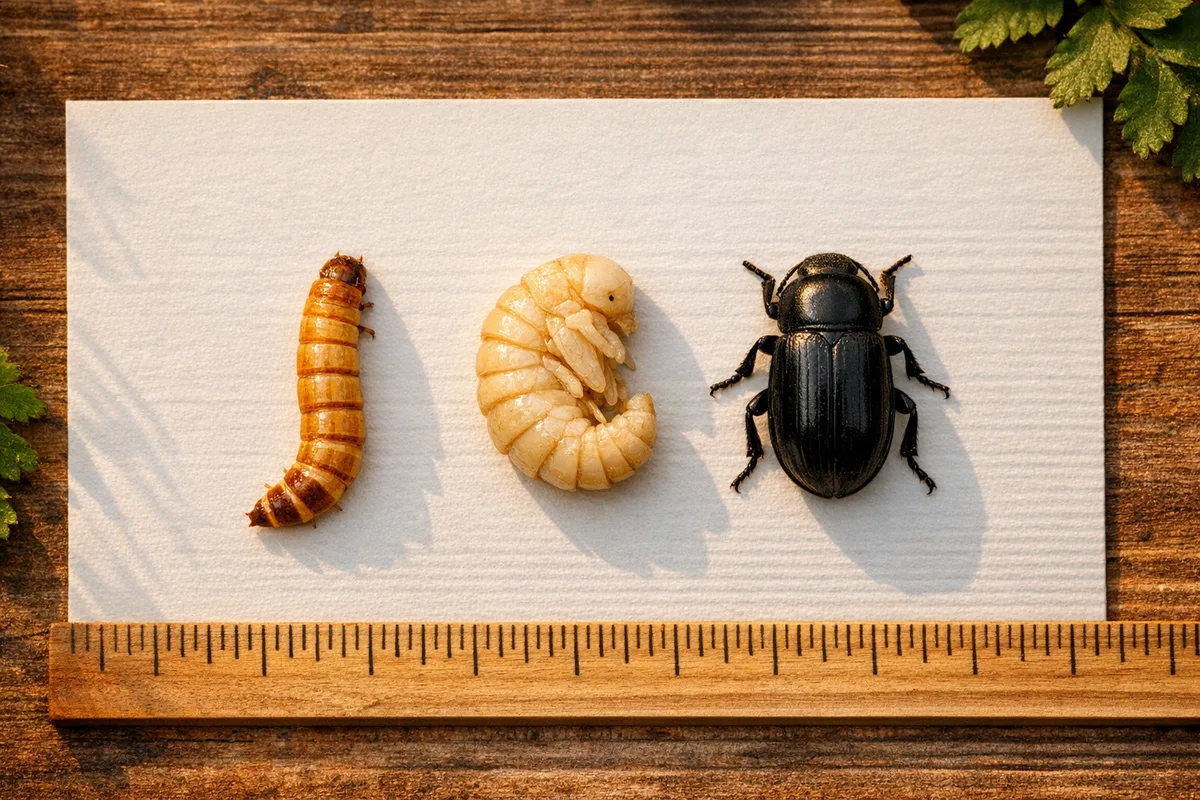
Feeder Insect Life Stages: Larva, Pupa, Adult
A quick visual vocabulary for what is happening inside a feeder colony.
Read Guide →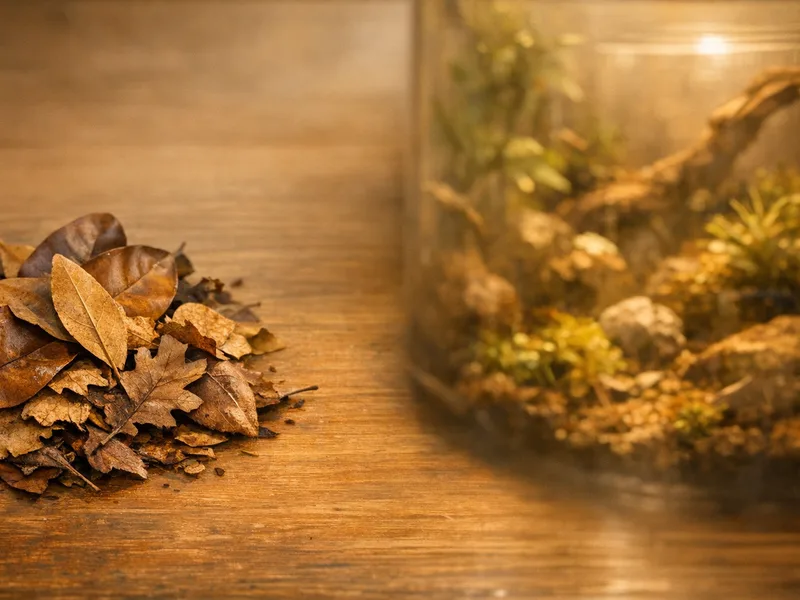
Why Isopods Need Leaf Litter
Leaf litter is food, shelter, and a moisture buffer—not just decoration.
Read Guide →
Gut Loading vs Calcium Dusting: What Each Does
Two different feeding steps that are easy to mix up.
Read Guide →
Why Reptile Enclosures Need a Temperature Gradient
A warm side and a cooler retreat let a reptile choose what it needs.
Read Guide →Feeder Insect Care Sheets
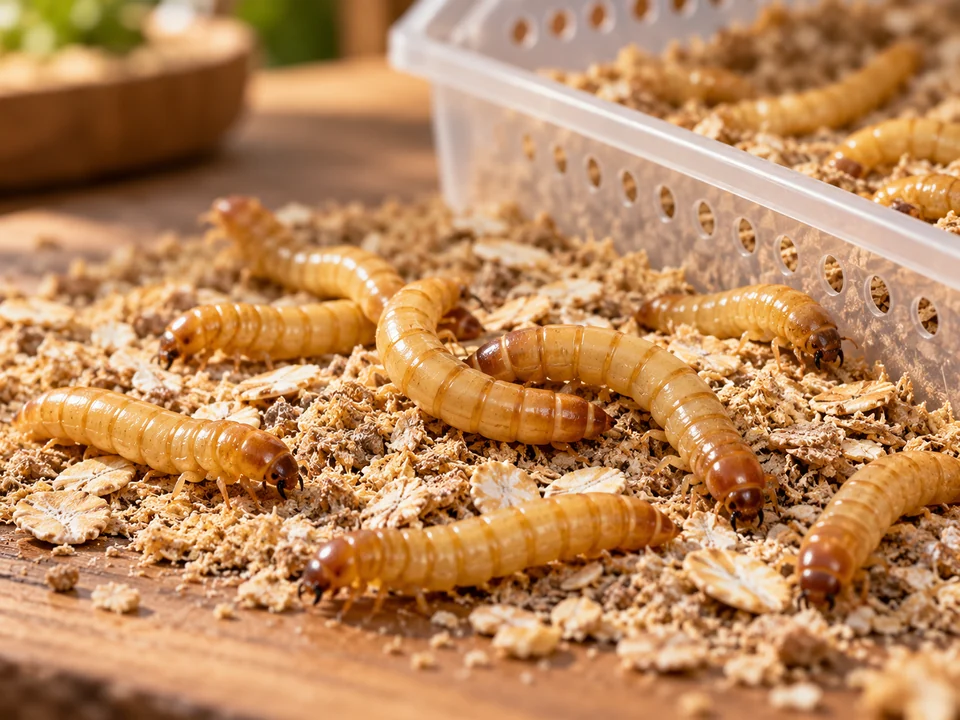
Mealworm Care Sheet
Keep mealworms healthy from the day they arrive to the day you feed them off.
Read Guide →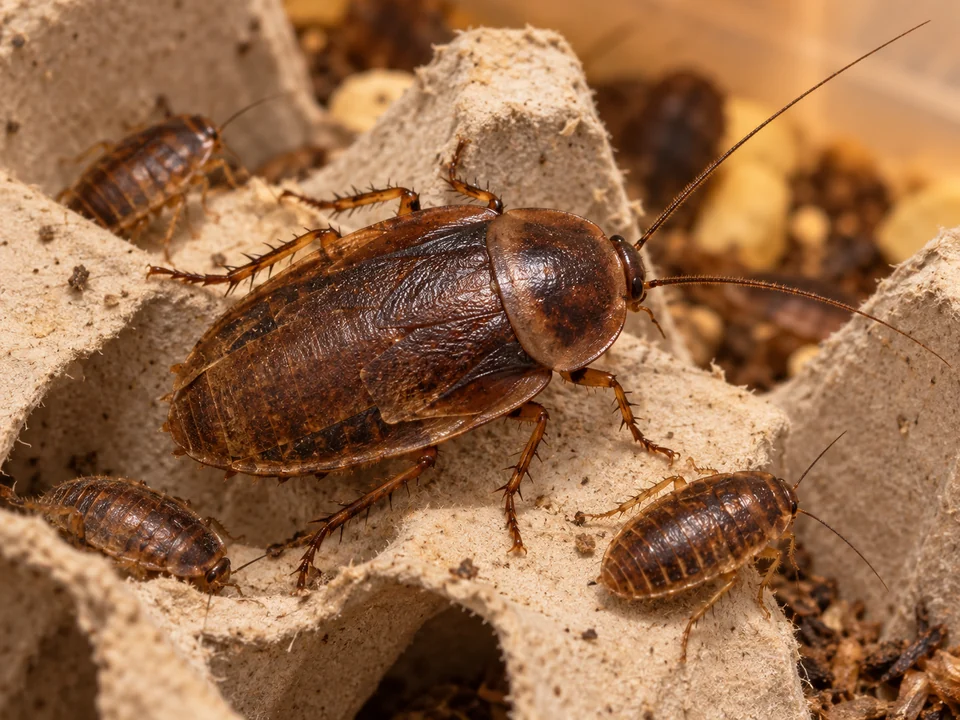
Dubia Roach Care Sheet
Housing, breeding and gut-loading the hobby's most nutritious staple feeder.
Read Guide →
Superworm Care Sheet
Simple housing and feeding so your superworms stay big and lively for weeks.
Read Guide →
Hornworm Care Sheet
Hydrating, high-calcium treats - when to feed them and how to slow their growth.
Read Guide →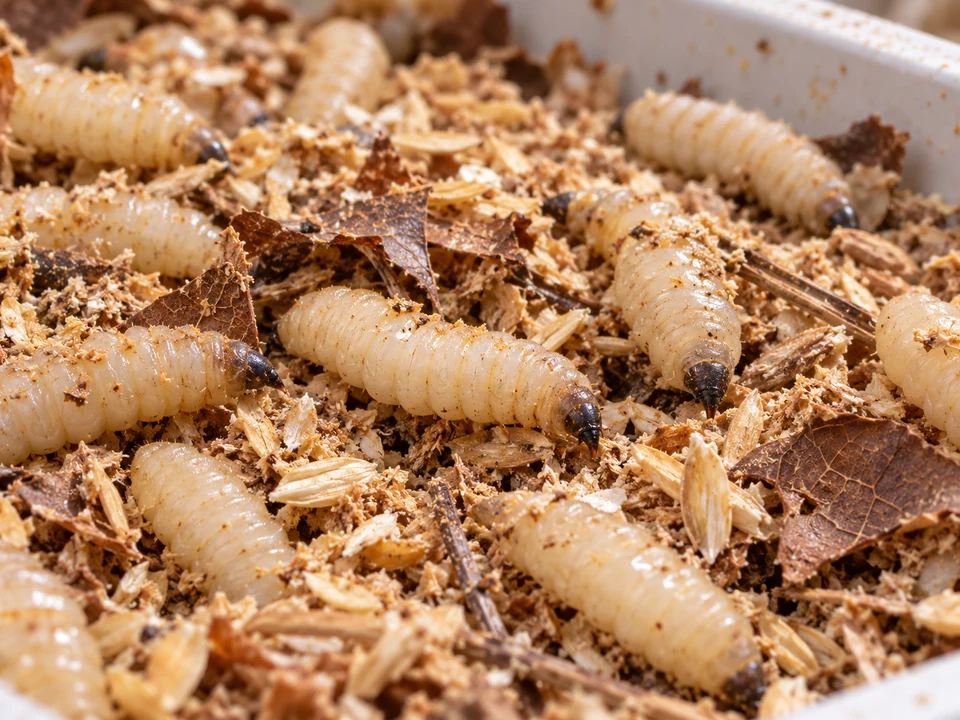
Calcium Worms (BSFL) Care Sheet
The calcium-rich feeder that needs no dusting - storage and feeding tips.
Read Guide →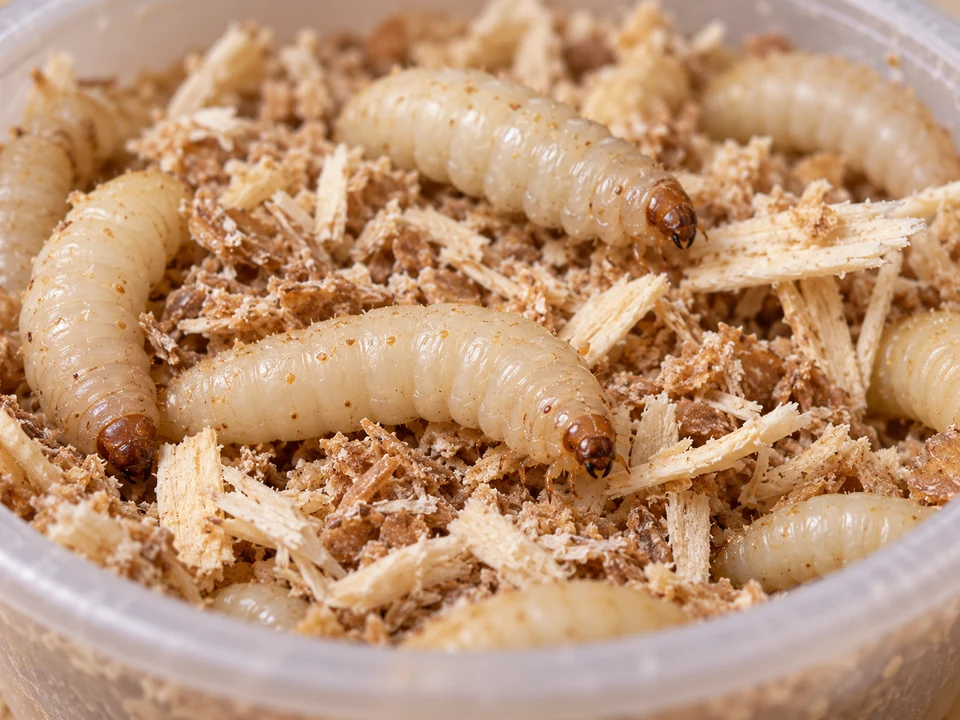
Waxworm Care Sheet
High-fat favorites - how often to offer them without spoiling your animal.
Read Guide →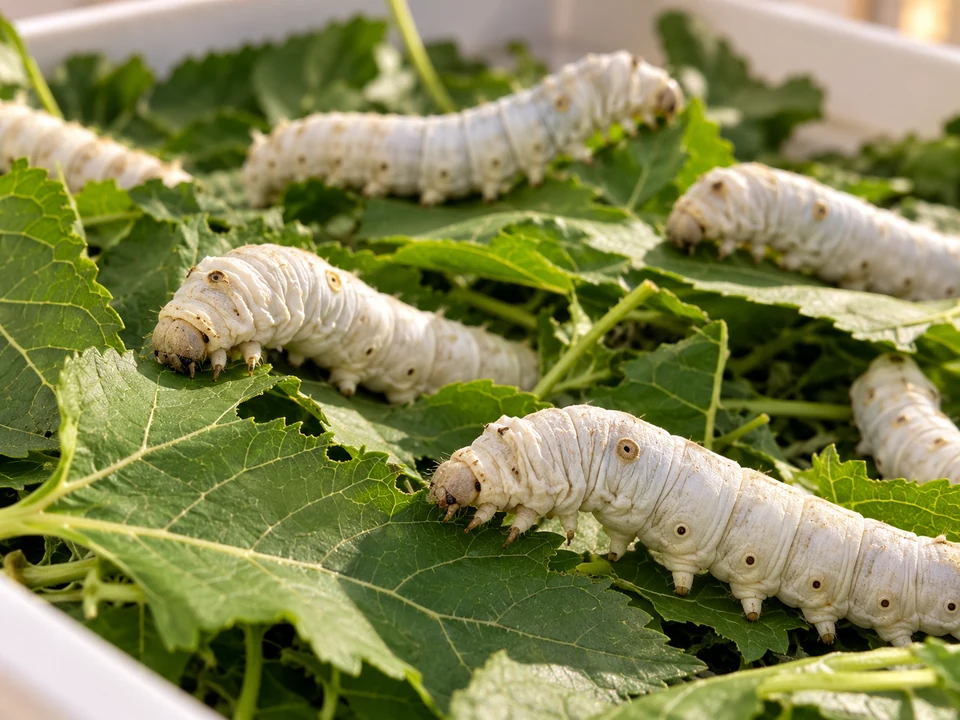
Silkworm Care Sheet
Keep these soft, nutritious feeders thriving with the right food and warmth.
Read Guide →
Red Runner Care Sheet
House and feed these fast, soft-bodied feeders the right way.
Read Guide →
Cricket Care Sheet
Keep crickets alive longer and load them with nutrition before feeding off.
Read Guide →
Fruit Fly Culture Care Sheet
Booming cultures for dart frogs, mantises and baby reptiles - start to harvest.
Read Guide →
Mix Pack Care Sheet
What to do with each feeder in your variety pack on arrival day.
Read Guide →Exotic Invertebrate Care Sheets
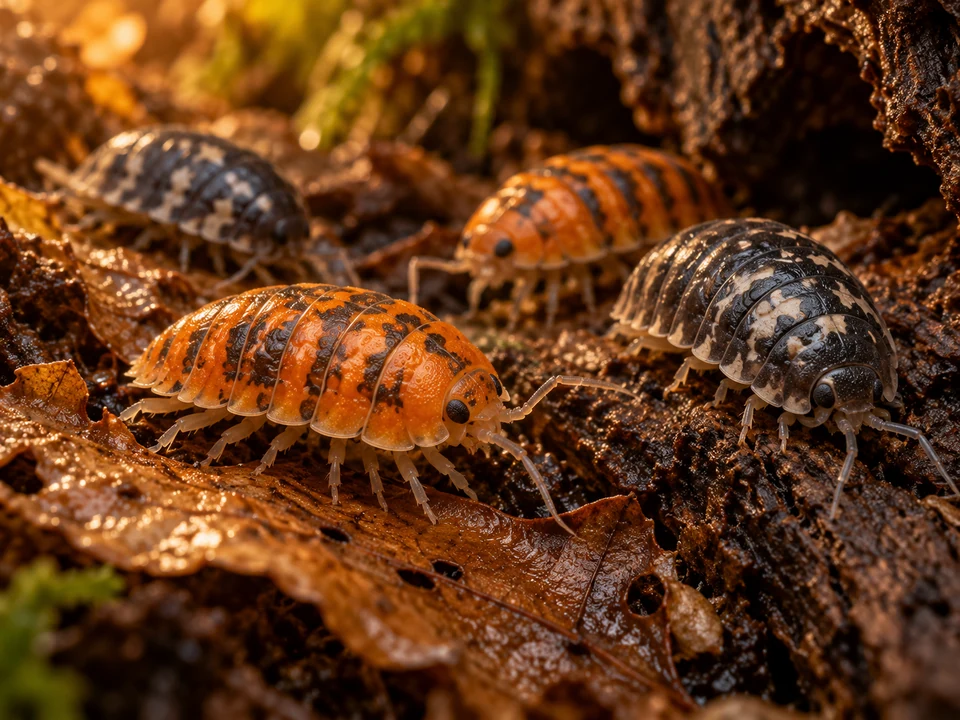
Isopod Care Sheet
Powder vs Dwarf vs Porcellio vs Cubaris - pick the right species for your setup.
Read Guide →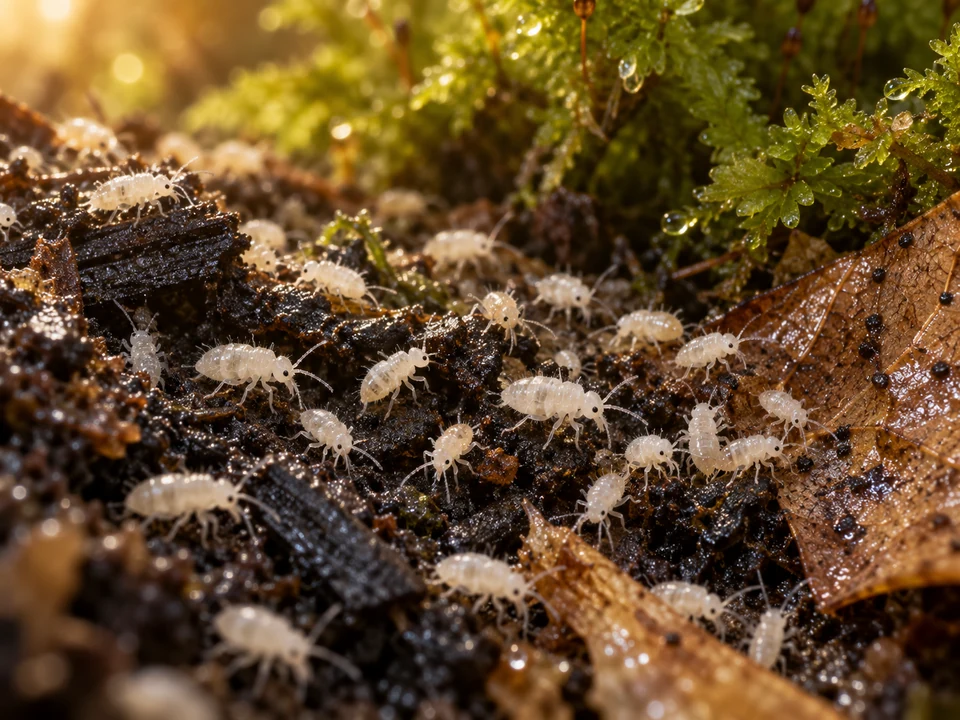
Springtail Care Sheet
Culturing, feeding, seeding enclosures and troubleshooting your springtails.
Read Guide →
Jumping Spider Care Sheet
Enclosure, feeding, and handling basics for a happy jumping spider.
Read Guide →
Millipede Care Sheet
Deep substrate, easy food, and steady moisture for long-lived millipedes.
Read Guide →
Exotic Roach Care Sheet
Housing and feeding for showpiece roach species, from hissers on up.
Read Guide →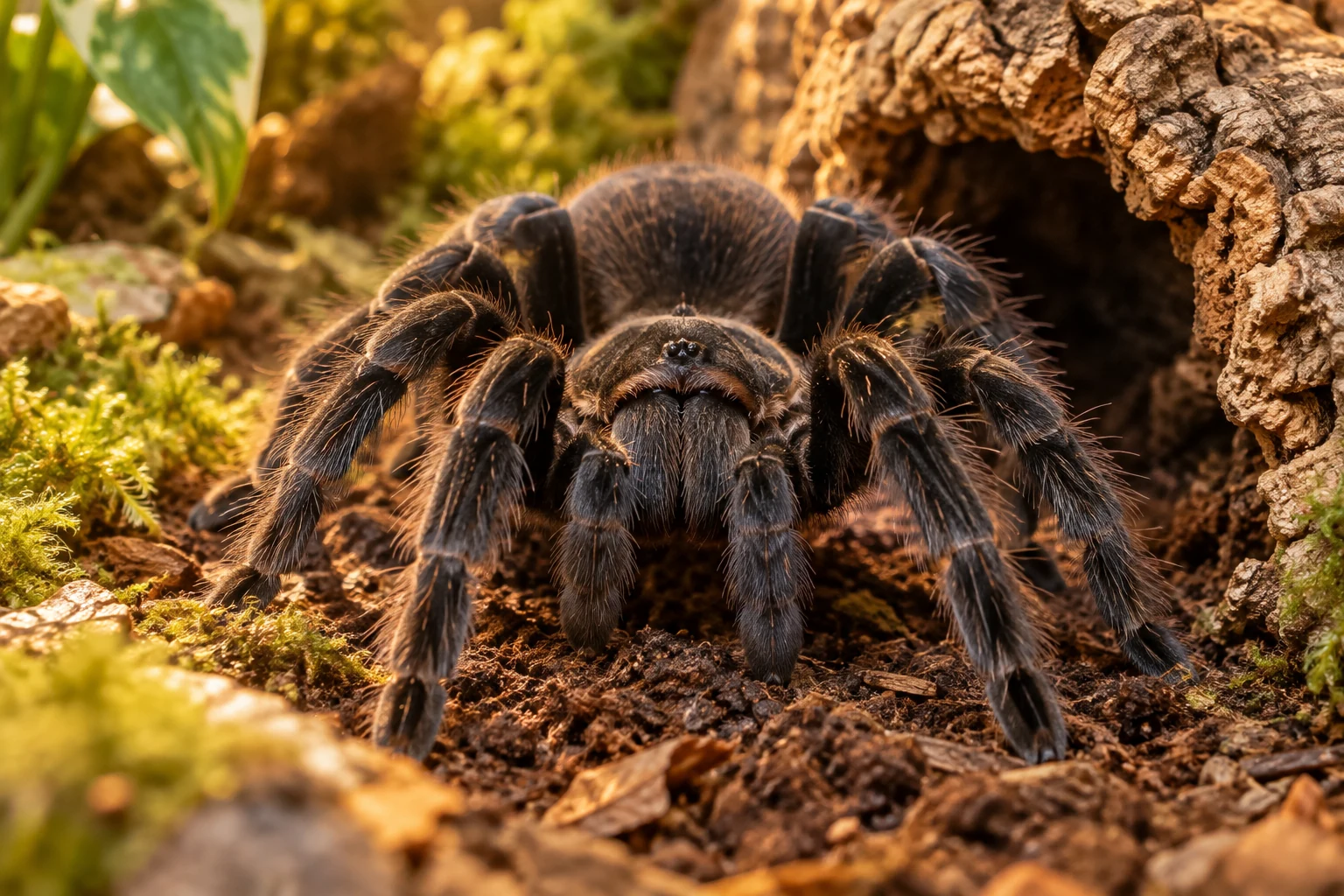
Choosing a Tarantula
Match your experience level to the right first tarantula species.
Read Guide →Amphibian & Reptile Care Sheets
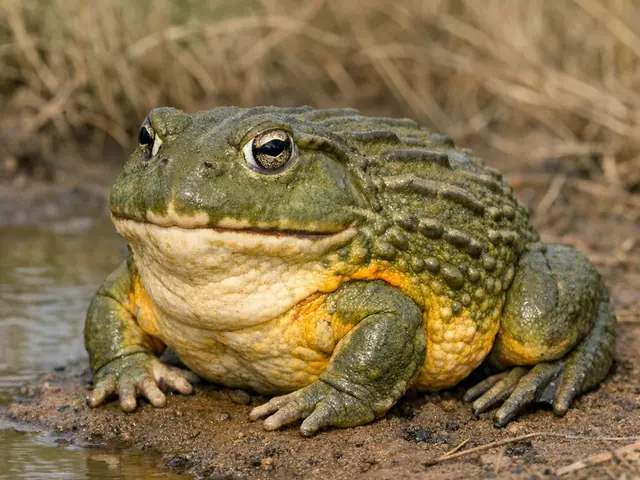
African Bullfrog Care Sheet
The pixie frog, kept properly: enclosure, deep substrate, honest portions, and decades of lifespan.
Read Guide →
Pacman Frog Care Sheet
Setup, temps, substrate depth and a feeding plan that keeps the mouth-with-legs from turning into a ball.
Read Guide →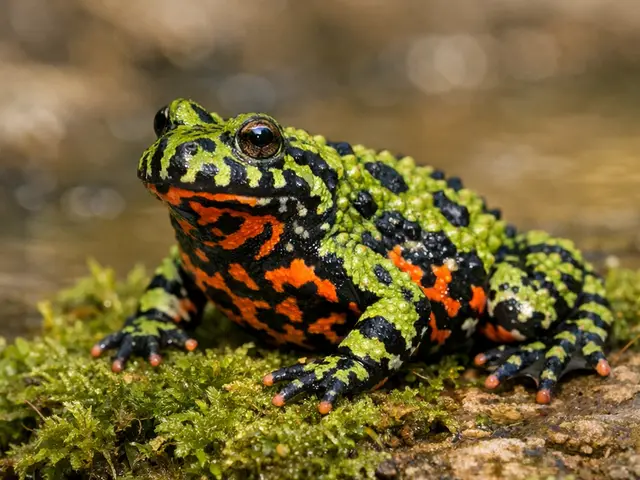
Fire-Bellied Toad Care Sheet
The half-land half-water setup, safe shallow depths, group sizes, and what the orange belly means.
Read Guide →
White's Tree Frog Care Sheet
The beginner frog, 20 year lifespan.
Read Guide →
Gray Tree Frog Care Sheet
The backyard climber, plus the law.
Read Guide →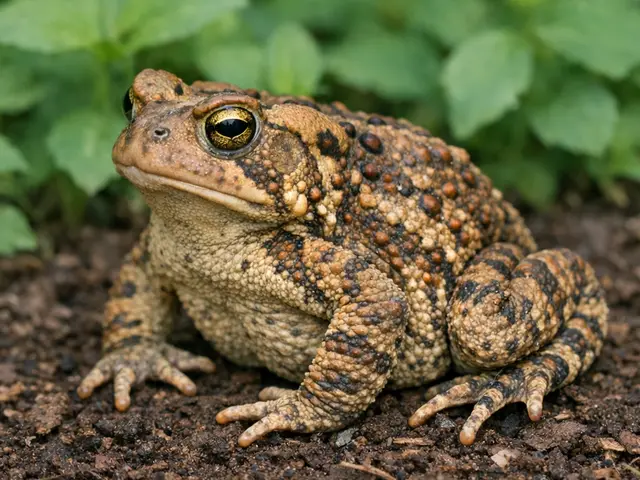
American Toad Care Sheet
The garden classic, kept right.
Read Guide →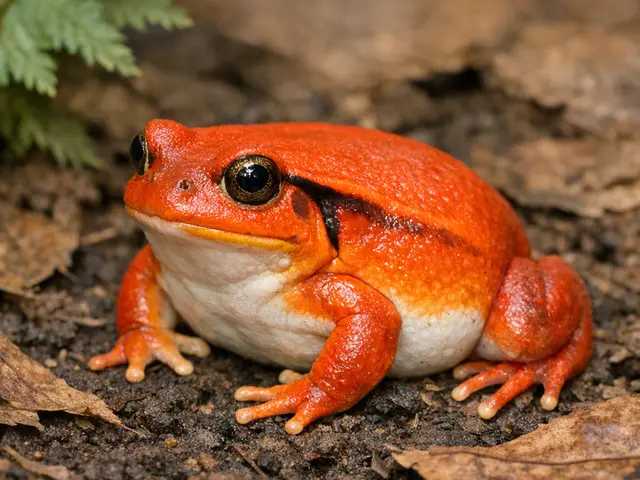
Tomato Frog Care Sheet
Madagascar's red burrower.
Read Guide →
Budgett's Frog Care Sheet
The hippo frog, kept properly.
Read Guide →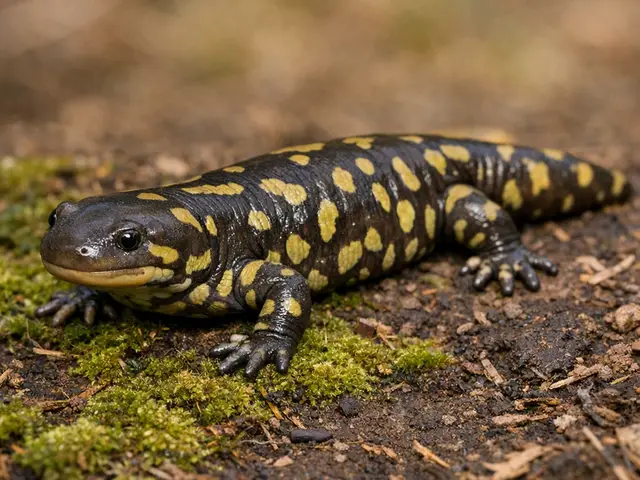
Tiger Salamander Care Sheet
The cool-room burrower, plus the law.
Read Guide →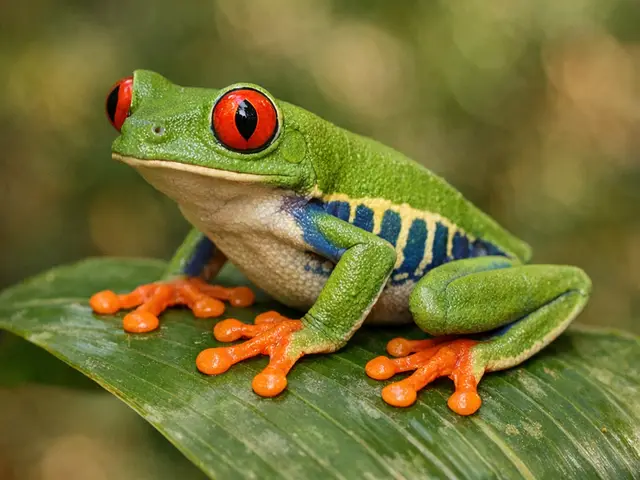
Red-Eyed Tree Frog Care Sheet
The rainforest icon: humidity cycling, small prey and a night drop.
Read Guide →
Green Tree Frog Care Sheet
The southern porch frog, at ordinary room temperature.
Read Guide →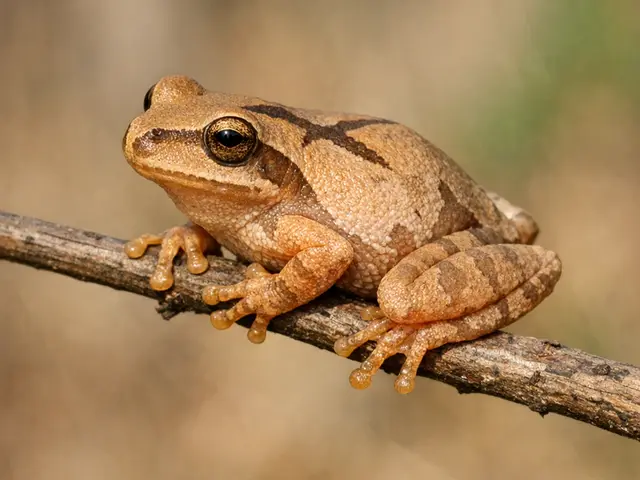
Spring Peeper Care Sheet
A one inch frog, and how to actually feed one.
Read Guide →
Eastern Newt Care Sheet
The red eft is a land stage. Two setups, one animal.
Read Guide →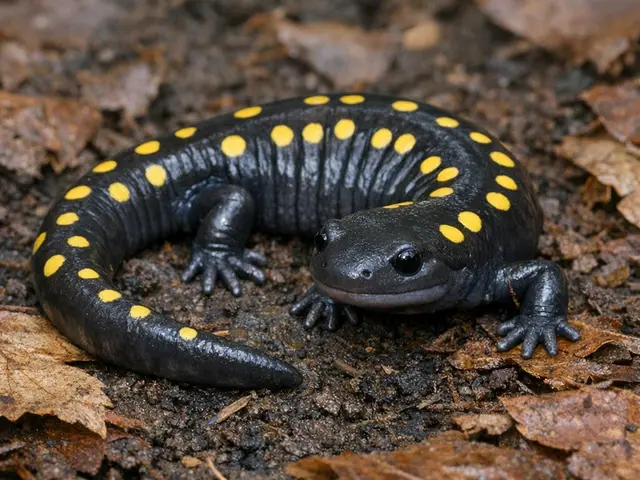
Spotted Salamander Care Sheet
Cool, deep and dark, for an animal that can outlive your car.
Read Guide →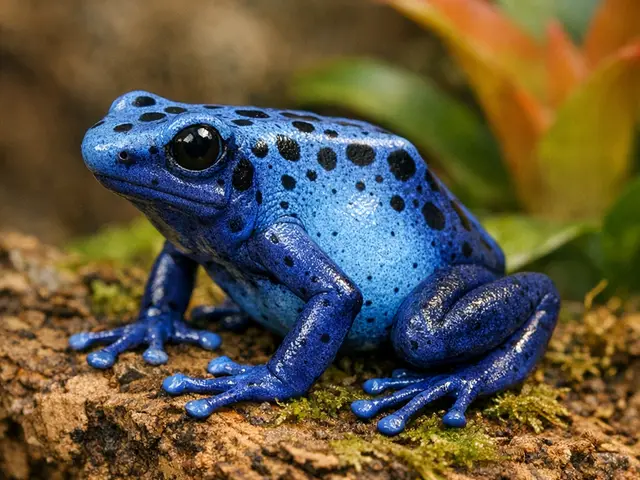
Poison Dart Frog Care Sheet
Three beginner species, the heat danger line, and vitamin A.
Read Guide →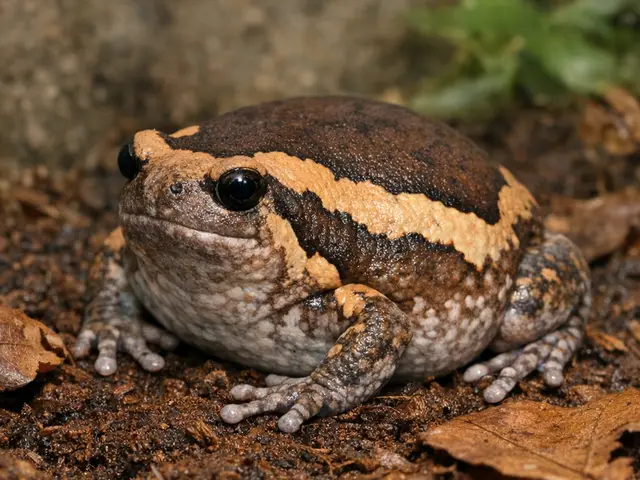
Chubby Frog Care Sheet
The Asian painted frog: a burrower with a small mouth.
Read Guide →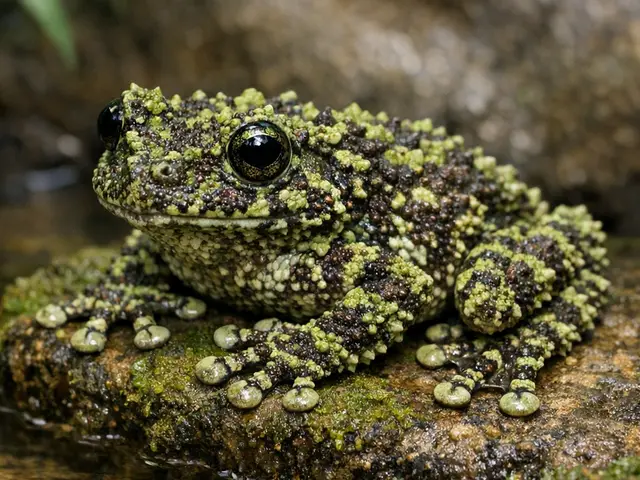
Vietnamese Mossy Frog Care Sheet
A cool-room paludarium frog. Heat is the enemy.
Read Guide →
African Fat-Tailed Gecko Care Sheet
Calm and handleable, with a mandatory humid hide.
Read Guide →
Gargoyle Gecko Care Sheet
Room temperature, prepared diet, and the tail grows back.
Read Guide →Mourning Gecko Care Sheet
An all-female colony that renews itself. Never keep just one.
Read Guide →
Keeper Guides & Deep Dives
Breeding projects, troubleshooting, feeding by species, and the questions keepers ask most.
Feeder Insect Guides
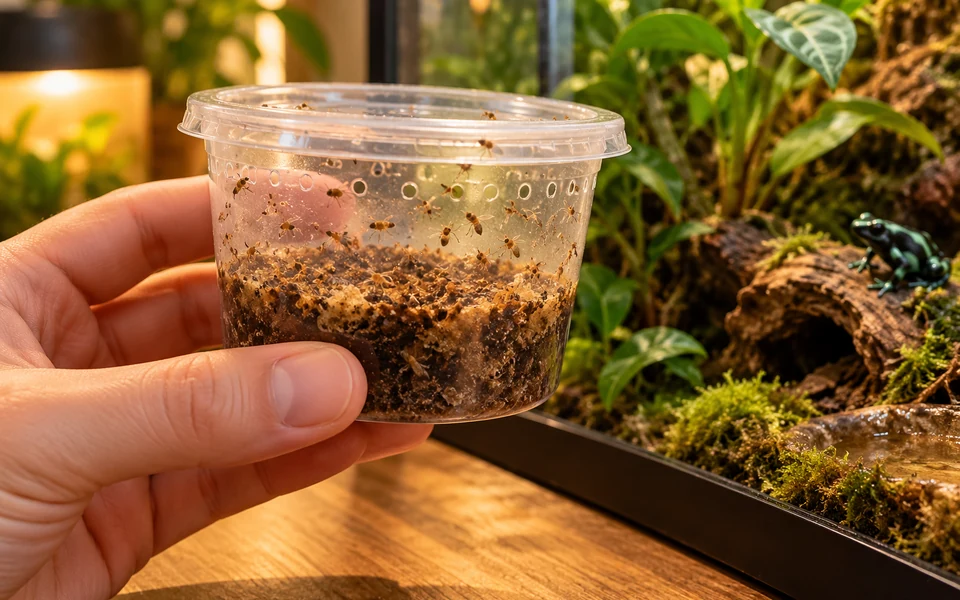
Flightless vs Wingless Fruit Flies: Which to Buy
Wingless can never fly, flightless just can't use its wings. Which feeder fits your pet.
Read Guide →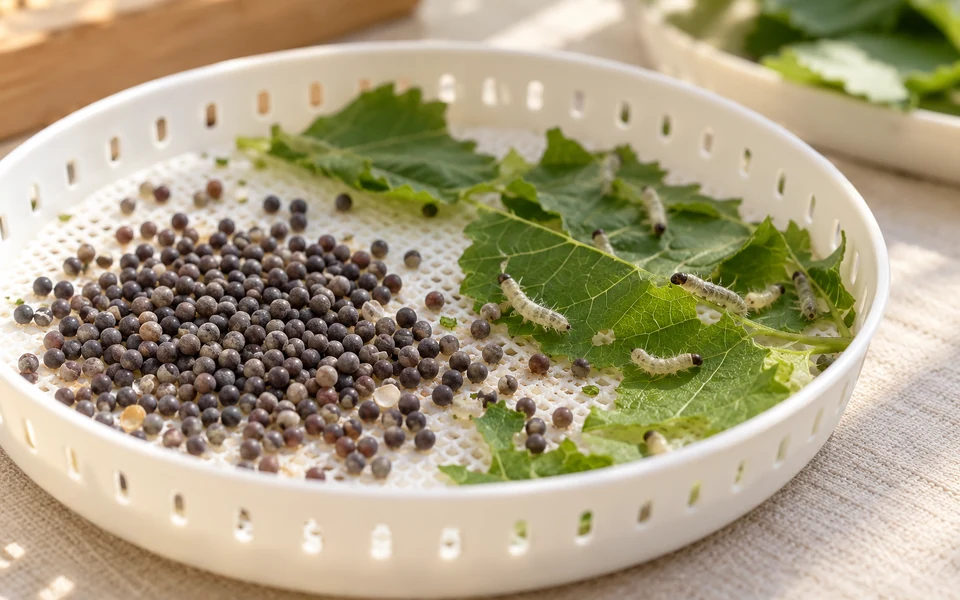
How to Hatch Silkworm Eggs (Temperature, Timing, Day One)
Warmth, timing, and the day-one feeding that decides whether your hatchlings live.
Read Guide →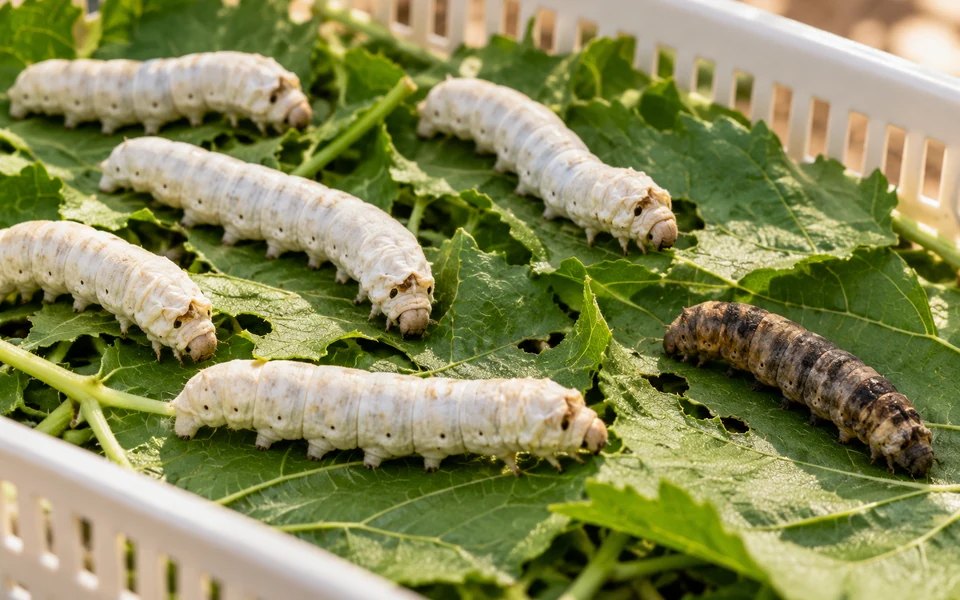
Why Are My Silkworms Turning Black and Dying?
Black worms mean infection. The same-day protocol that saves the rest of the batch.
Read Guide →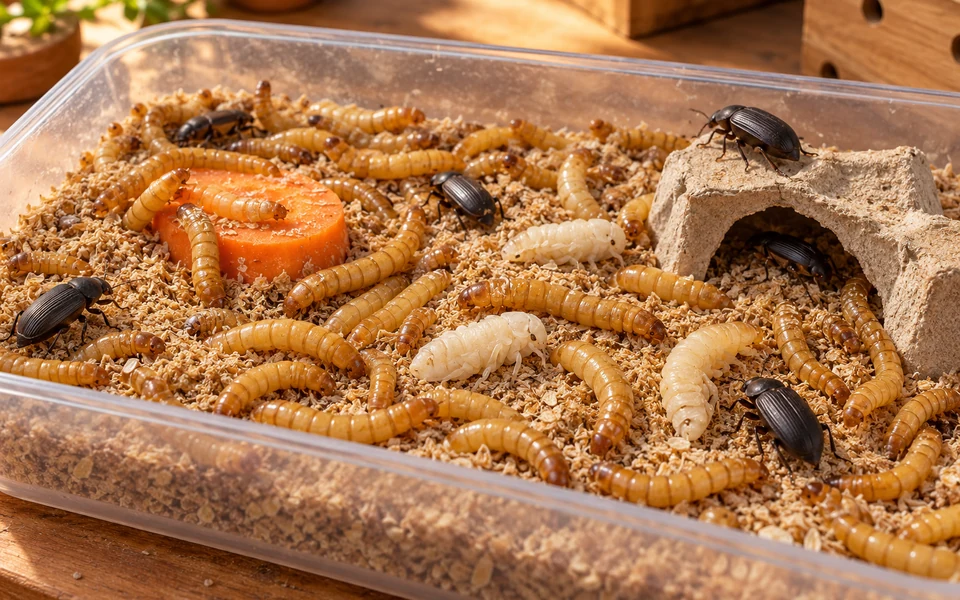
Mealworm Breeding Guide
Turn one starter colony into a steady home supply of feeders.
Read Guide →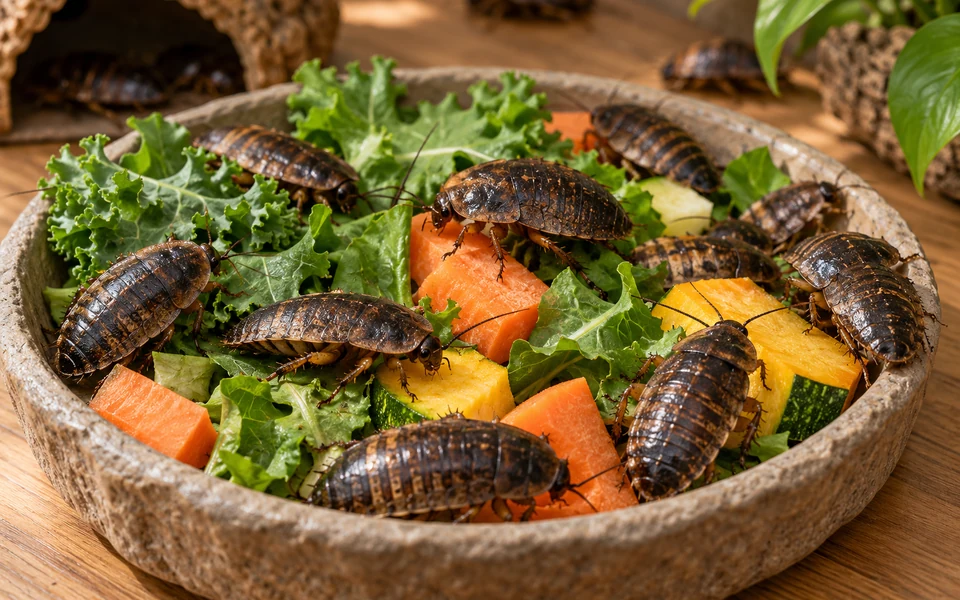
Gut-Loading Guide
Feed your feeders well so your pet gets more nutrition from every bite.
Read Guide →
Calcium & Supplements
When to dust, which powder to pick, and how much your animal needs.
Read Guide →
Bean Beetle Cultures
A nearly hands-off feeder culture that keeps small insect eaters fed.
Read Guide →
Feeder Insect Size Chart: Match the Feeder to Your Pet
The eye-space rule plus real size tiers to match any feeder to your pet.
Read Guide →
Feeder Insect Comparison Chart
Protein, fat, moisture and calcium for every common feeder, sortable in one master chart.
Read Guide →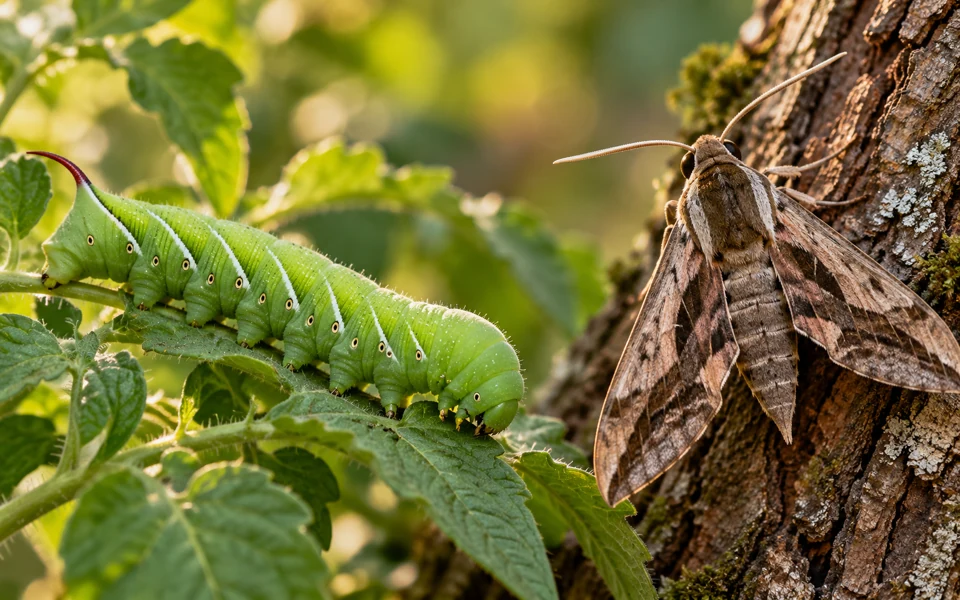
Hornworm Turned Into a Moth? Here Is What to Do
Your hornworm became a moth. Why it happened and what to do next.
Read Guide →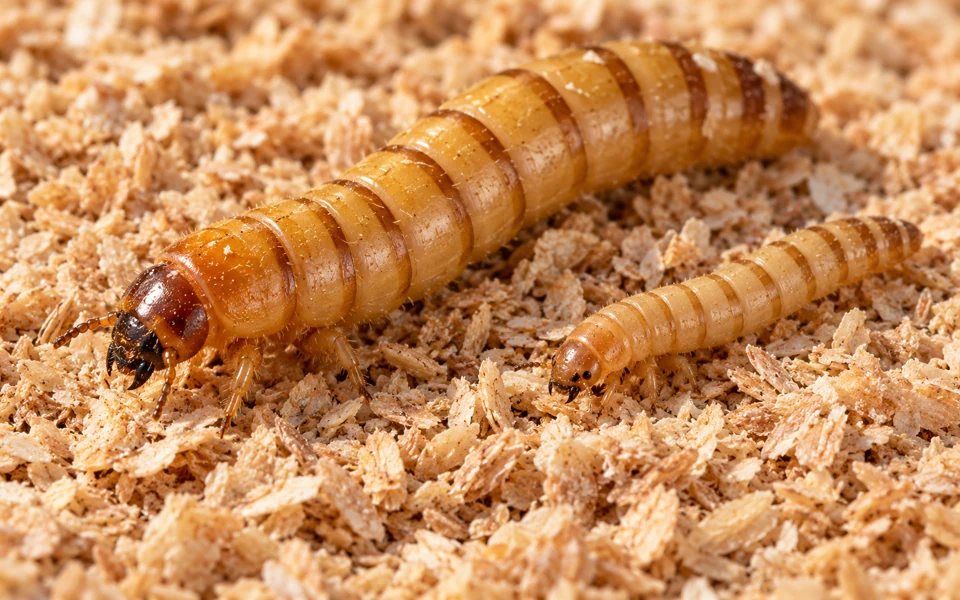
Superworms vs Mealworms: Which Feeder and When
Bigger and richer vs lean and easy: which worm to feed and when.
Read Guide →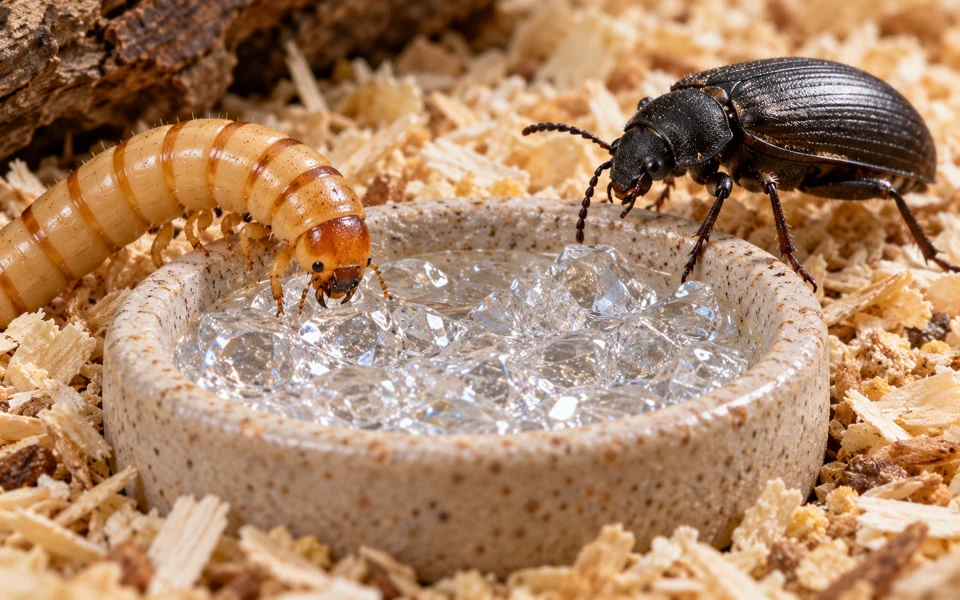
Do Feeder Insects Need Water?
Yes, but never an open dish. Water crystals and moisture-rich veg do it safely.
Read Guide →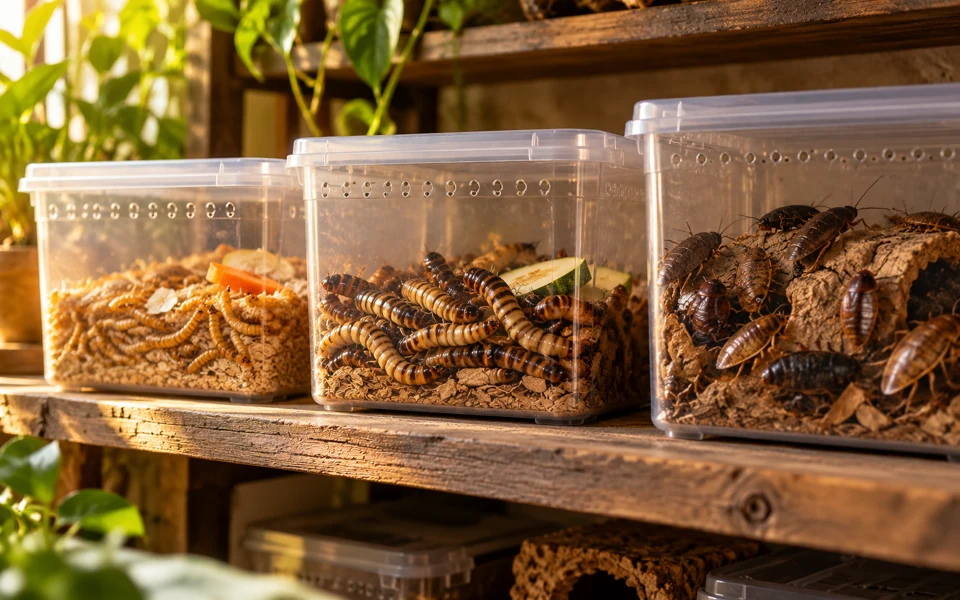
How Long Do Feeder Insects Live in Storage?
Mealworms weeks in the fridge, superworms months at room temp, dubia longest.
Read Guide →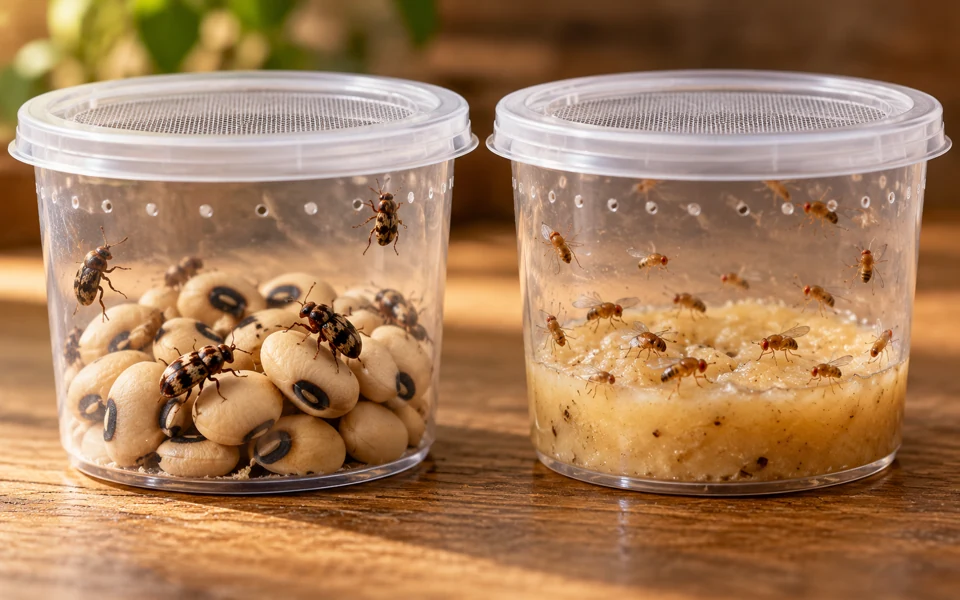
Bean Beetles vs Fruit Flies: Which Feeder Wins?
Bean beetles vs fruit flies: size, upkeep, escape risk, and which predator needs which.
Read Guide →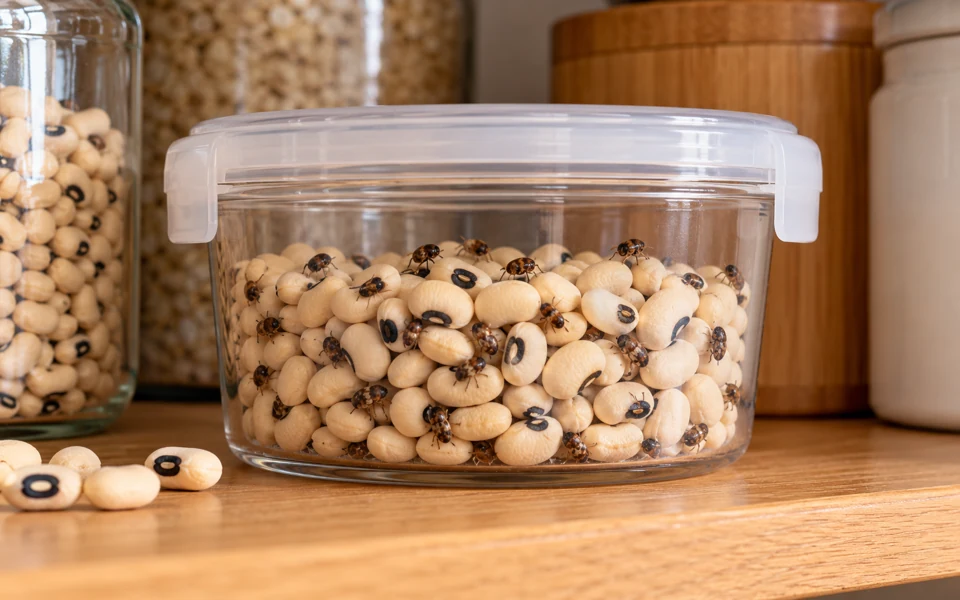
Will Bean Beetles Infest Your Pantry?
Adult bean beetles never eat, so a true infestation is not possible. The one real risk.
Read Guide →
How to Sex Red Runner Roaches: Male vs Female
Slender and winged means male, broader and dark means female. How to sex red runners.
Read Guide →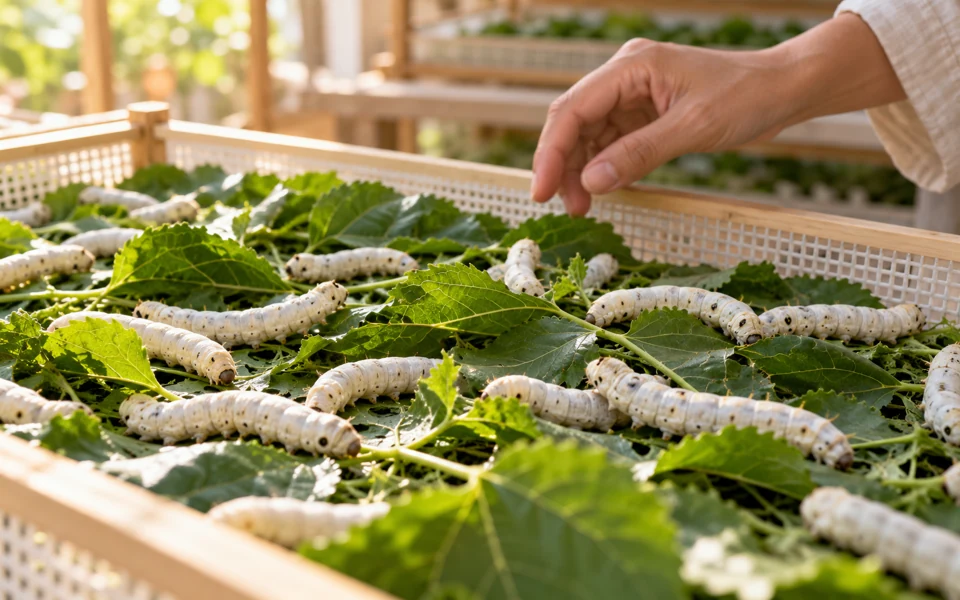
Silkworms Arrived Not Moving? Cold, Molting, or Dead
Cold shock, a pre molt pause, or real loss: how to tell them apart fast.
Read Guide →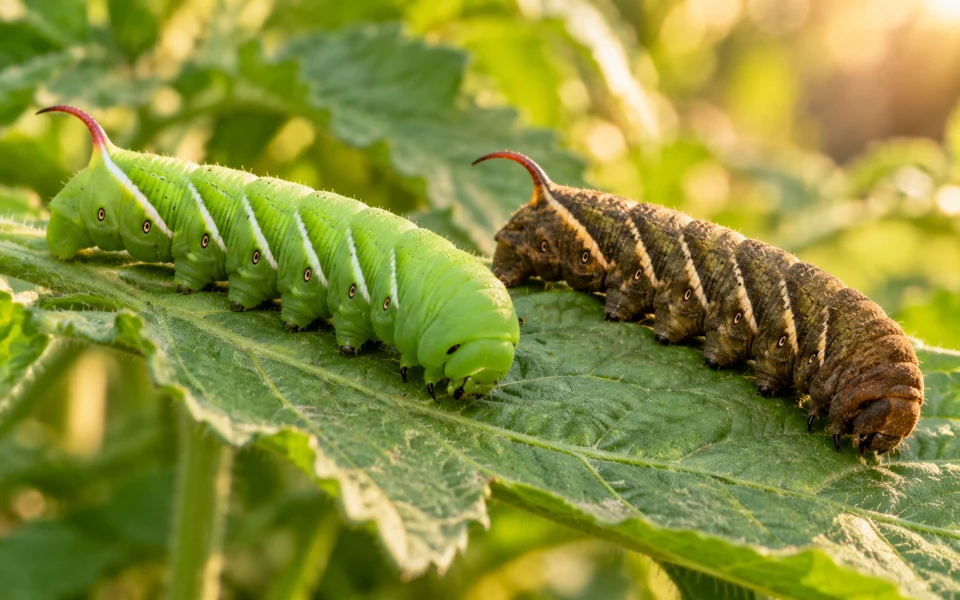
Why Are My Hornworms Turning Black? Normal vs Warning Signs
Normal pre-pupal darkening versus a true black, dying hornworm, and what to do for each.
Read Guide →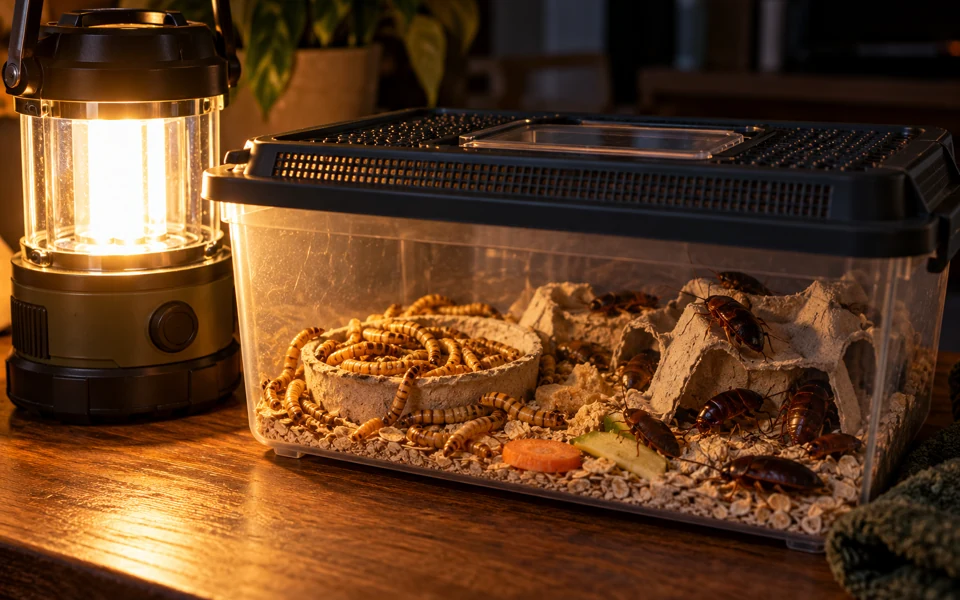
Will Feeder Insects Survive a Power Outage? Heat and Cold Ranked
Which TC feeders shrug off heat and cold, which crash fast, and how to help either way.
Read Guide →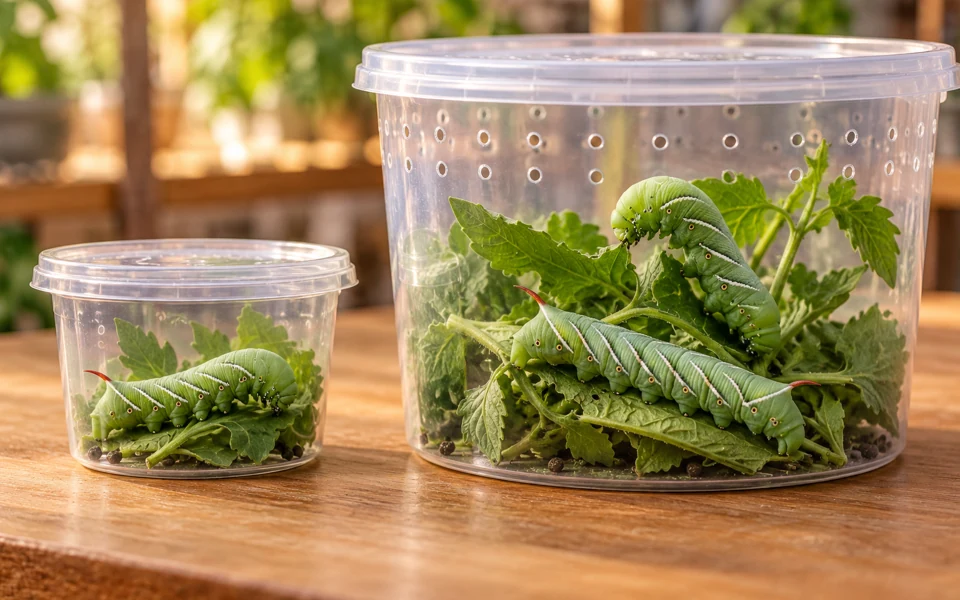
Hornworm Eco-Cup vs Habitat-Cup: Which One Should You Buy?
Eco-Cup or Habitat-Cup: the real difference, current pricing by size, and which to buy.
Read Guide →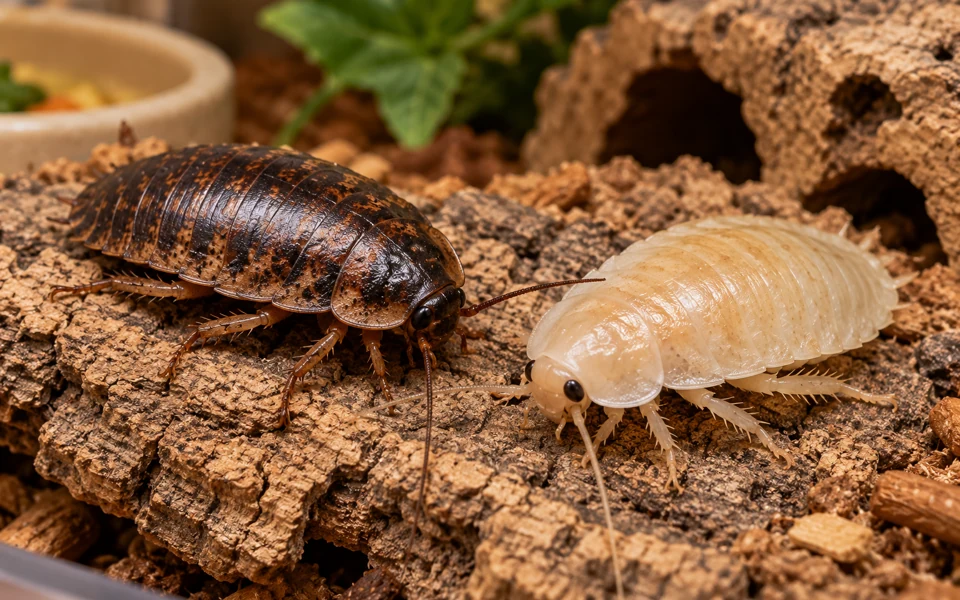
Dubia or Red Runner Roach Molting: Stuck, White, or Dead?
White, stuck, or dead? How to read a dubia or red runner roach mid molt.
Read Guide →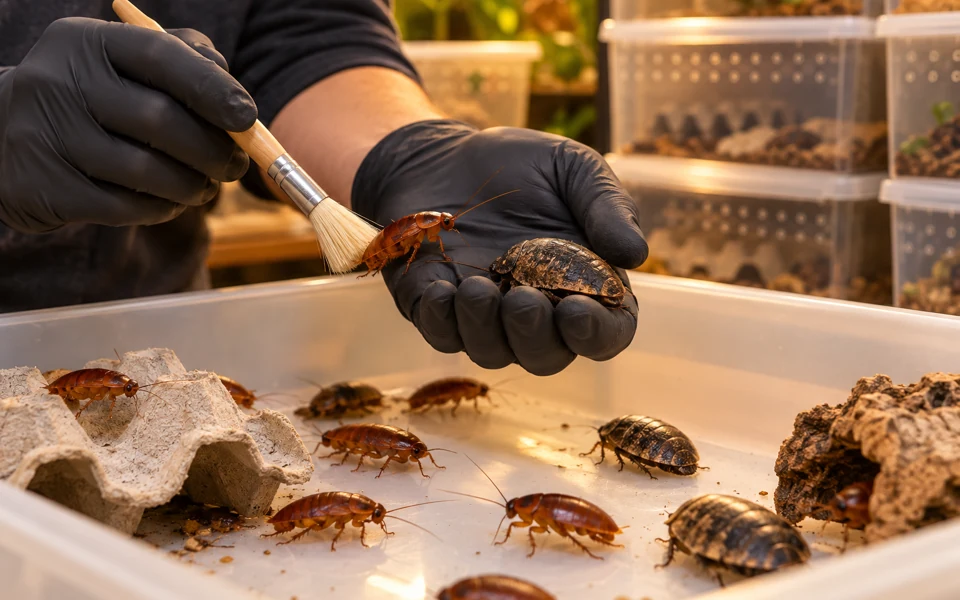
Can You Be Allergic to Feeder Roaches? Safer Handling Tips
The real science on roach allergies, and how to handle feeders with less risk.
Read Guide →
How to Breed Silkworms: From Cocoon to Your Next Batch of Eggs
Sexing moths, mating, egg counts, diapause storage and hatching your next generation.
Read Guide →
Why Are My Red Runner Roaches Dying? Causes and Fixes
The real causes behind a red runner die off, from wet substrate to normal aging.
Read Guide →
Which Roaches Are Legal in Florida? The FDACS Lists
Florida bans Dubia, gates hissers behind permits, and clears discoids. The full list.
Read Guide →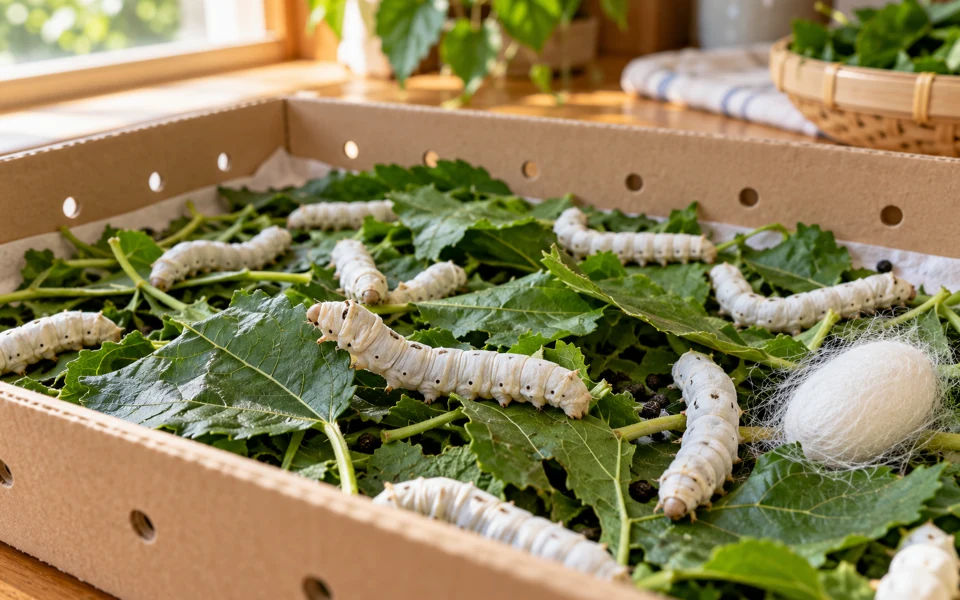
Raise Silkworms at Home: Egg to Silk Moth in About 6 Weeks
The 6-week egg-to-moth timeline, the setup, and the two mistakes that end most batches.
Read Guide →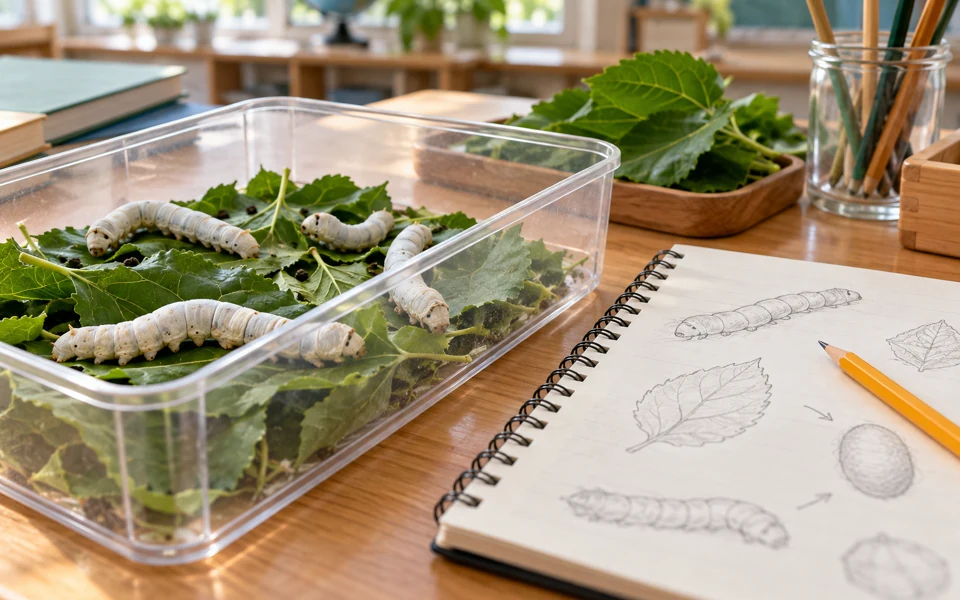
Silkworms in the Classroom: A Teacher's Guide to a 6-Week Unit
How many to order, a 6-week lesson plan, student jobs, weekend care, and the ending.
Read Guide →
Silkworm Science Fair Projects: 7 Experiments That Actually Work
Seven testable silkworm experiments with a control, a measurement, and a fair-day timeline.
Read Guide →
Silk Moth Life Cycle: What Happens After the Cocoon
Pupa, emergence, sexing moths, mating, eggs, and how to store them for the next batch.
Read Guide →
Mealworm Life Cycle Classroom Project: Larva to Beetle in 2 Months
Larva to pupa to beetle in a bin of bran, with student jobs, a timeline and experiments.
Read Guide →
Dermestid Beetles for Skull Cleaning: A Clean European Mount
Prep the skull, size the colony, run it warm and dry, and finish the bone without bleach.
Read Guide →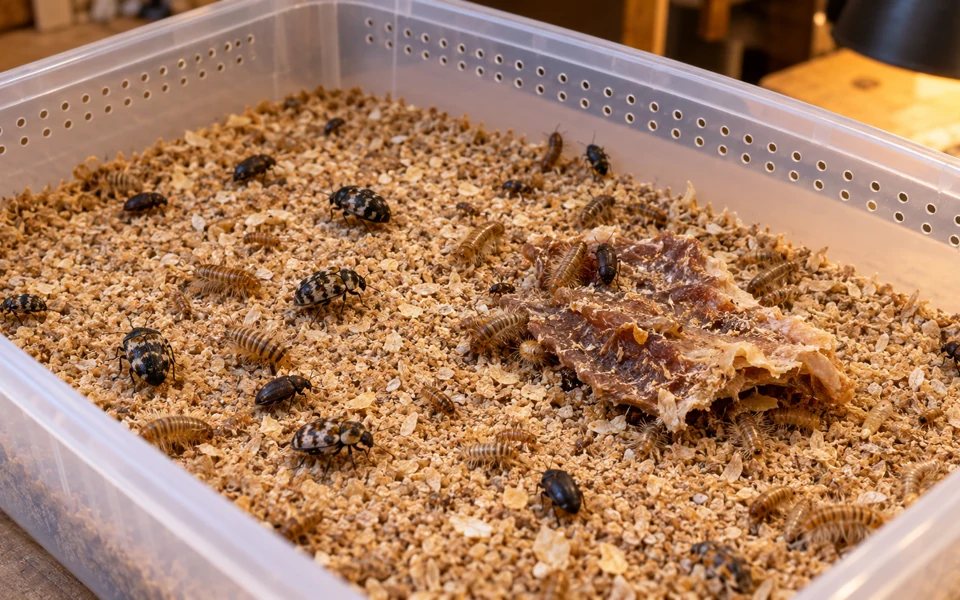
How to Start a Dermestid Beetle Colony From a Starter Culture
Bin, bedding, heat, food, and the life cycle that grows a starter into a skull-cleaning colony.
Read Guide →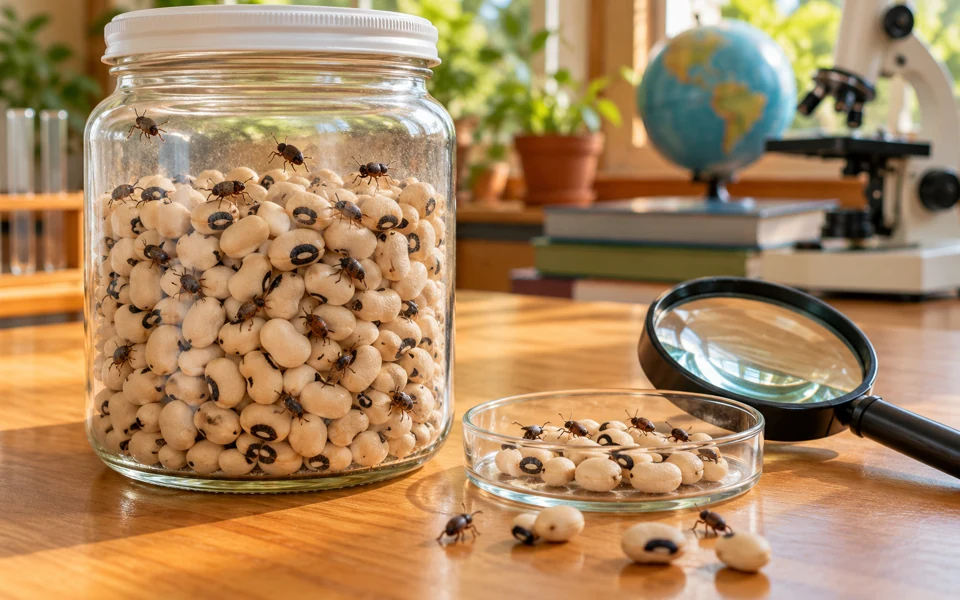
Bean Beetles for Biology Labs: Culturing and 5 Classic Experiments
A 3 to 4 week lab organism in a jar of beans, timed to a semester, with five experiments.
Read Guide →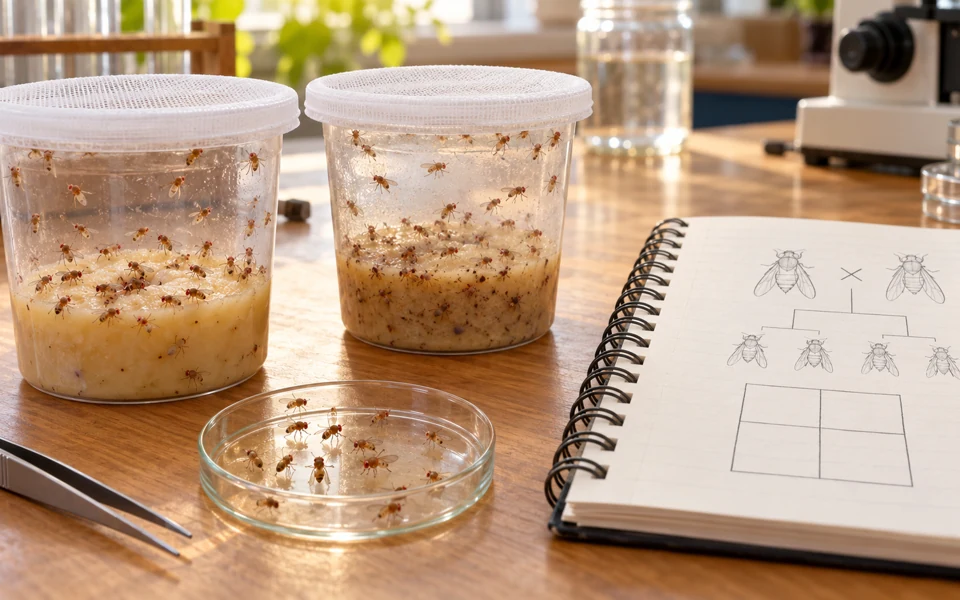
Fruit Fly Cultures for Genetics Labs: Timing Drosophila to a Semester
Generation timing, flightless strains, virgin collection, and a semester schedule for flies.
Read Guide →
TC Insects vs Josh's Frogs for Feeder Insects: An Honest Comparison
Guarantee windows, ship days, cutoffs, shipping and catalog, from both published policies.
Read Guide →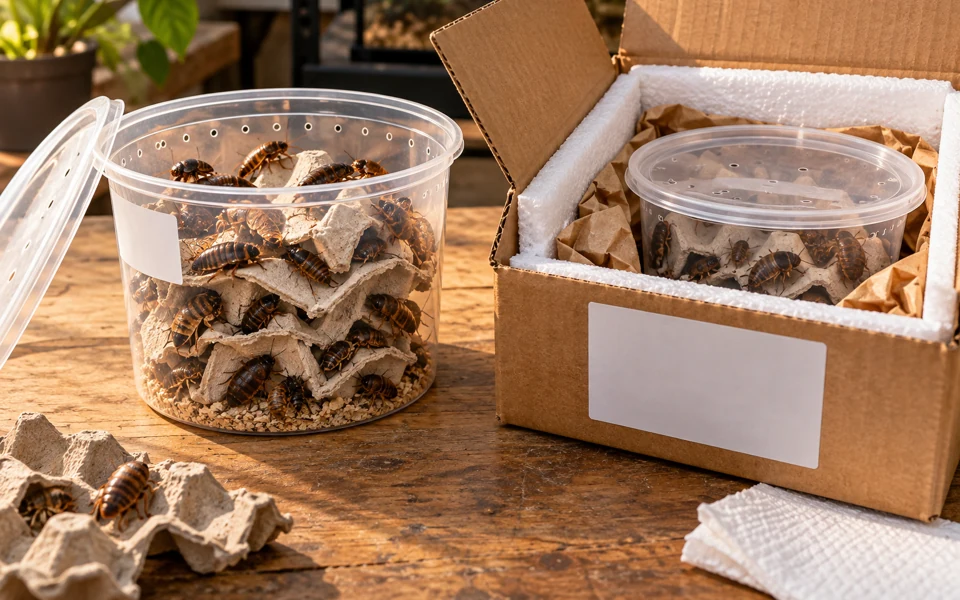
TC Insects vs Dubia.com: Roach Supplier Comparison From Both Policies
Two dubia farms compared on guarantee, ship days, shipping cost, refunds and catalog.
Read Guide →
Pet Store vs Online Feeder Insects: When Each One Is the Better Buy
Cost per insect, freshness, selection and shipping, with one rule for splitting store and online.
Read Guide →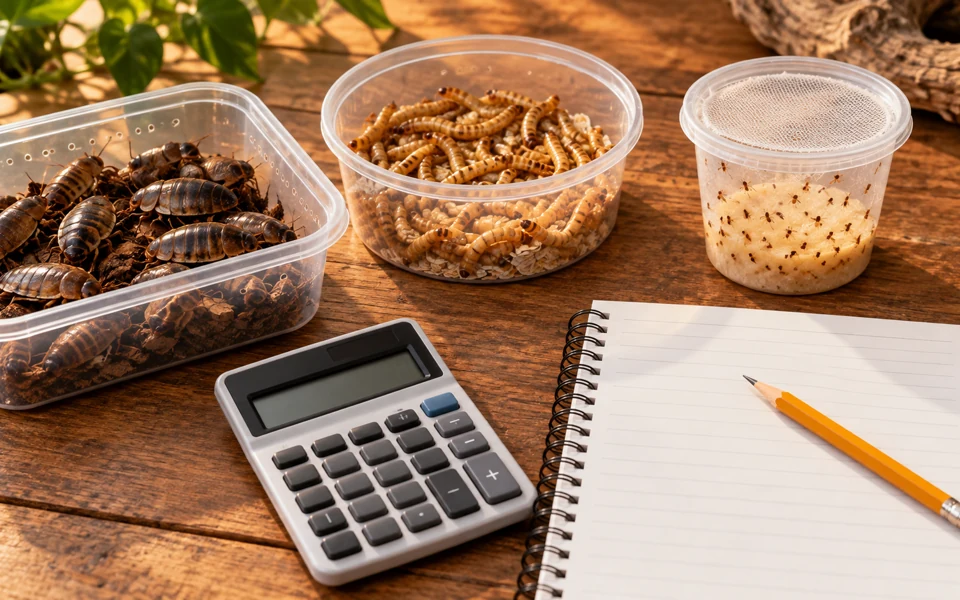
Monthly Feeder Cost Calculator: What It Costs to Feed Your Reptile
Insects per feeding, feedings per week, price per insect, with cup size as the biggest lever.
Read Guide →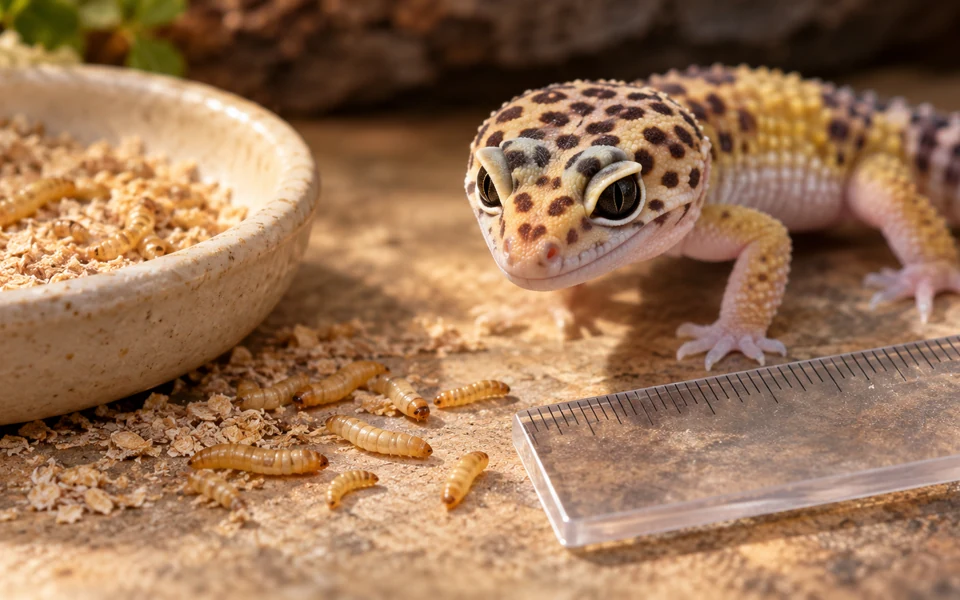
Mini Mealworms: Who Needs the 1/4 Inch Size and How to Keep Them Small
Who needs the 1/4 inch mealworm, how to keep a cup from growing, dusting, and when to move up.
Read Guide →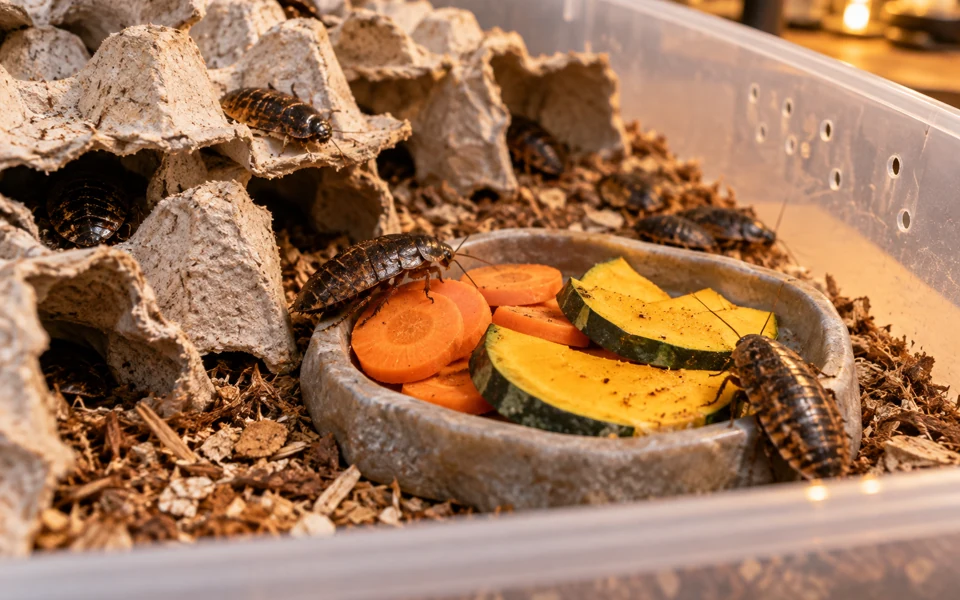
How Much Produce to Feed a Roach Colony Without It Molding
The 24-hour rule, wet-vs-dry timing, and a mold fix chart for roach and worm bins.
Read Guide →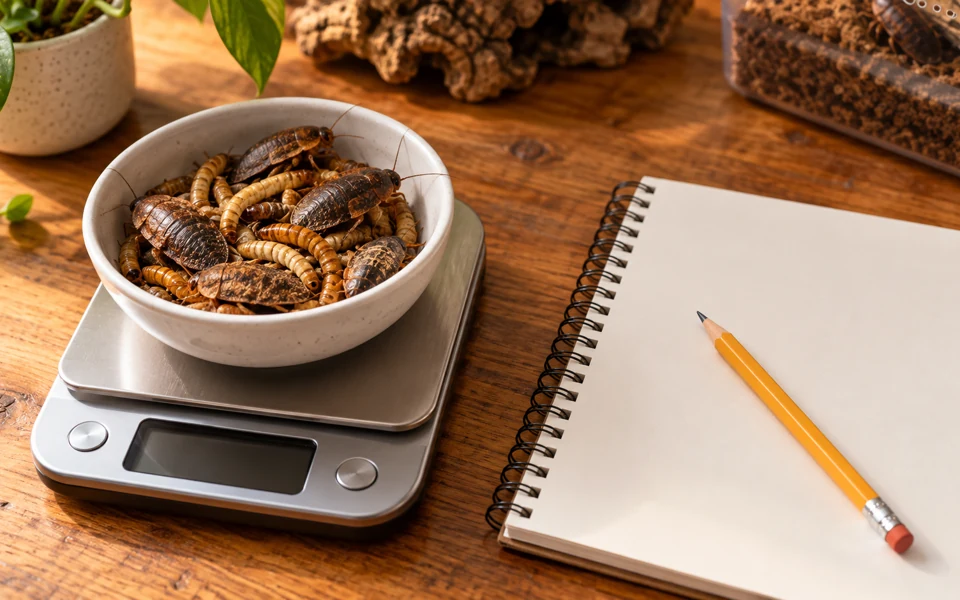
How Many Grams of Feeder Insects to Feed by Body Weight
The gram-based feeding method, a worked example, and the honest limits of the scale.
Read Guide →
How to Stop Red Runner Roaches From Escaping: A Real Bin Build
The real bin build: headroom, lid mesh, and which rim barrier actually holds up.
Read Guide →
How to Tong-Feed a Reptile: Size, Grip and When It Helps
Tong length, tip material and grip technique for feeding a reptile safely.
Read Guide →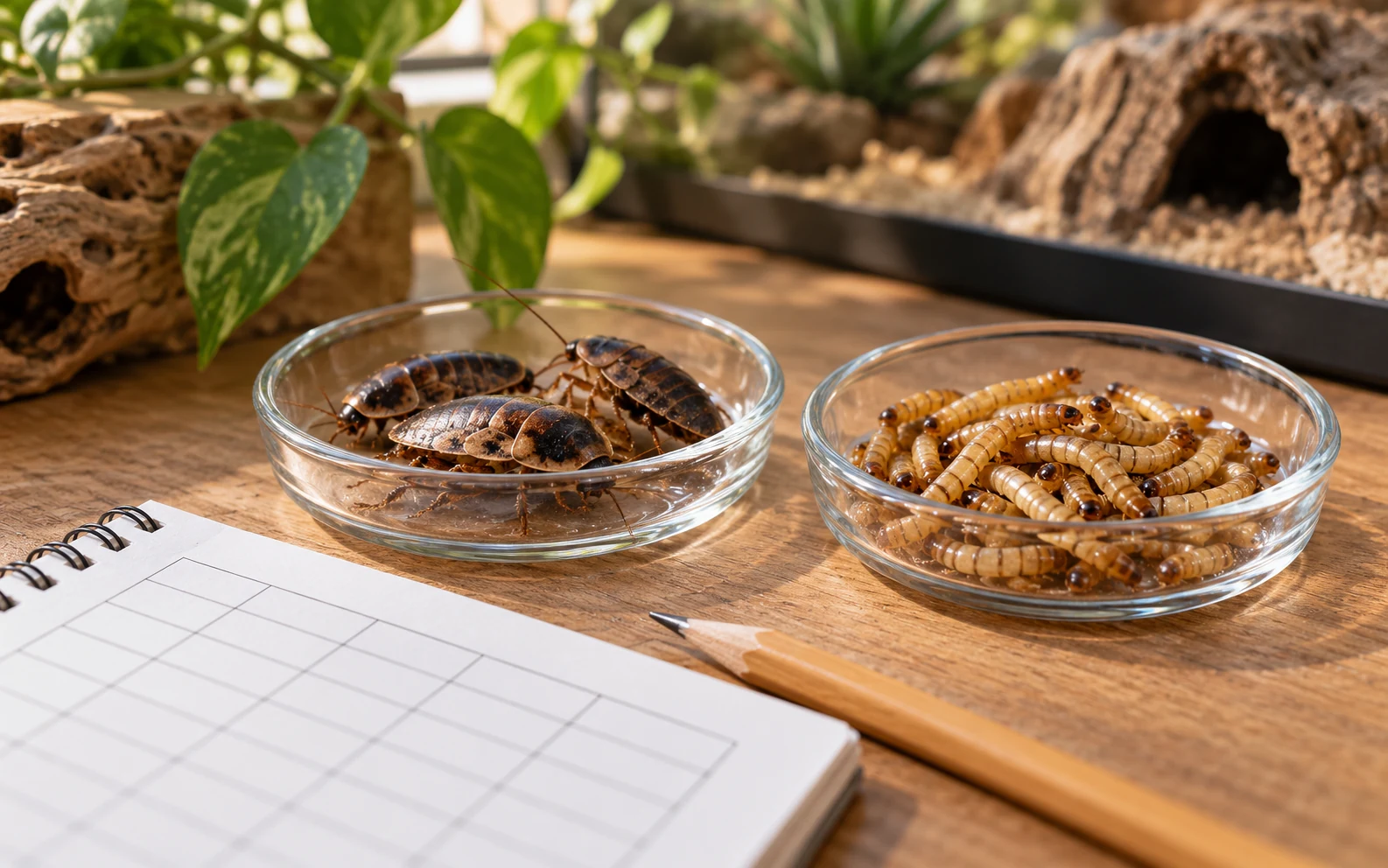
Switching Your Reptile to a New Feeder Insect Without a Hunger Strike
A day-by-day ratio plan for switching feeders without a hunger strike.
Read Guide →
How Often Should You Order Feeder Insects? Bulk vs. Small Orders
Bulk vs small feeder orders, real cost math and a reorder schedule that fits your collection.
Read Guide →
Can Dubia and Red Runner Roaches Live Together?
What really happens when you mix dubia and red runners, and the two-bin setup TC recommends.
Read Guide →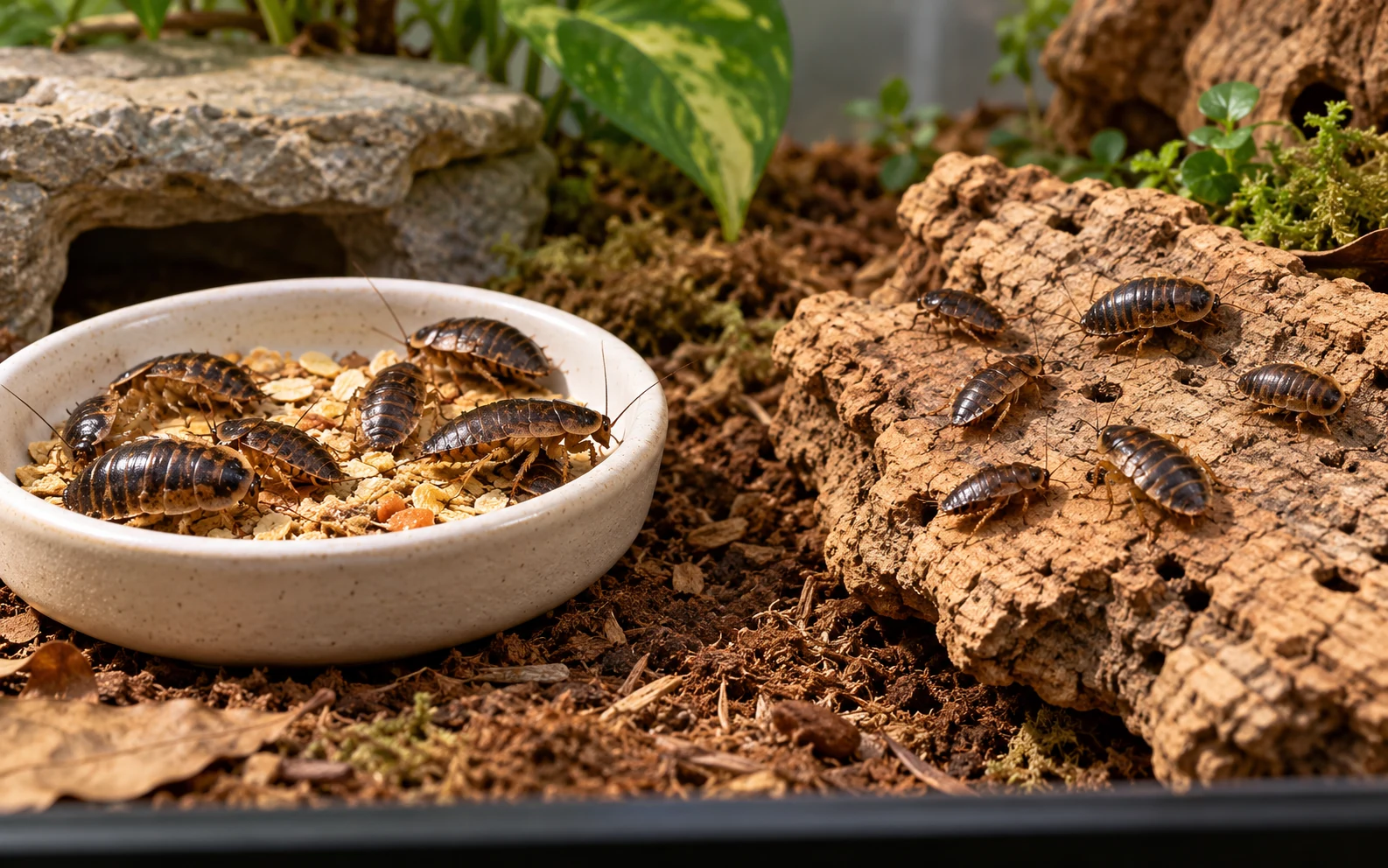
Bowl Feeding vs. Loose Feeding: Which Actually Works?
A real decision framework by animal, plus the failure modes each method has.
Read Guide →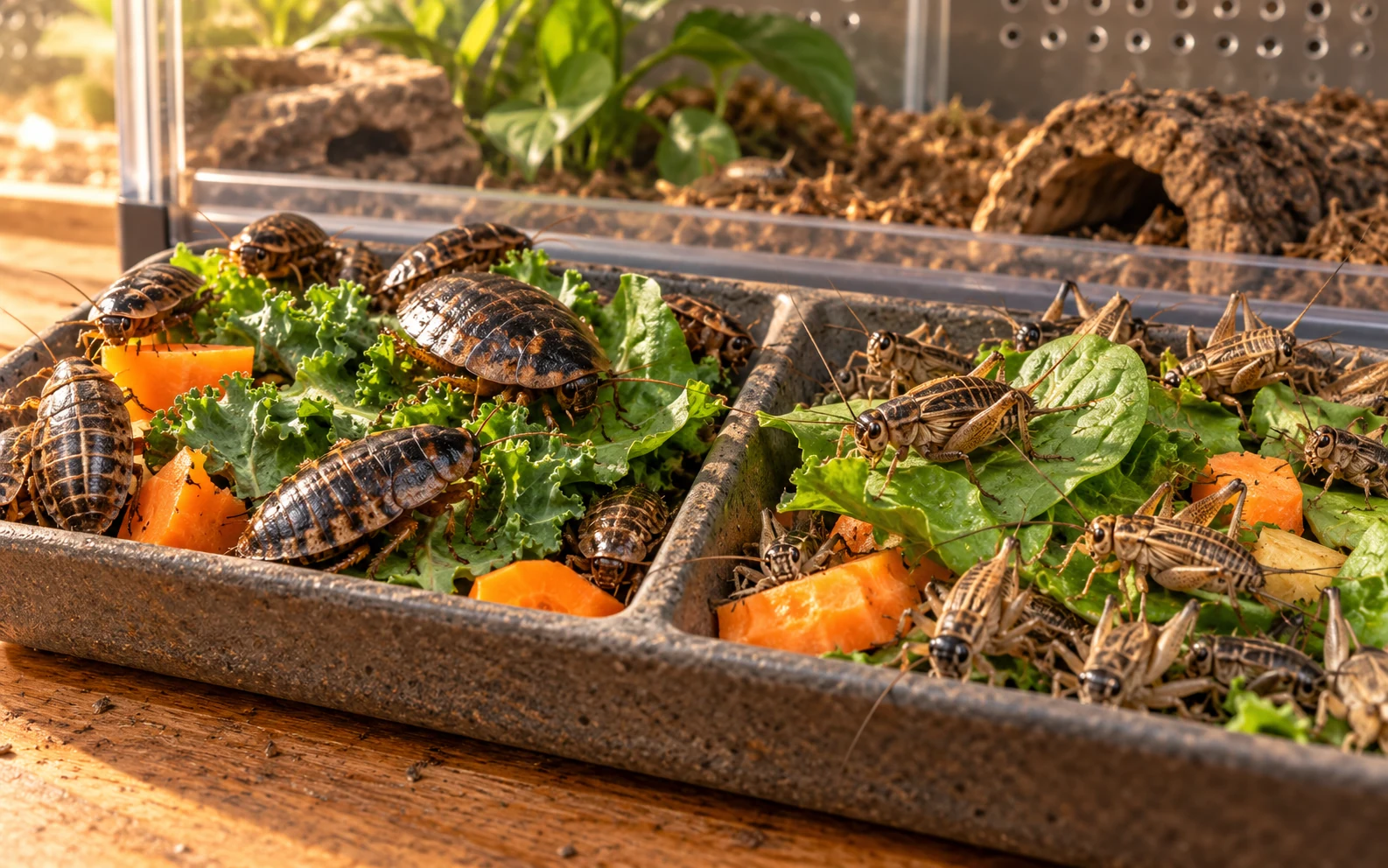
How Long to Gut-Load Before Feeding Out: Crickets, Dubia, Worms
Crickets hold a gut load about a day, dubia up to three. The real timing window per feeder.
Read Guide →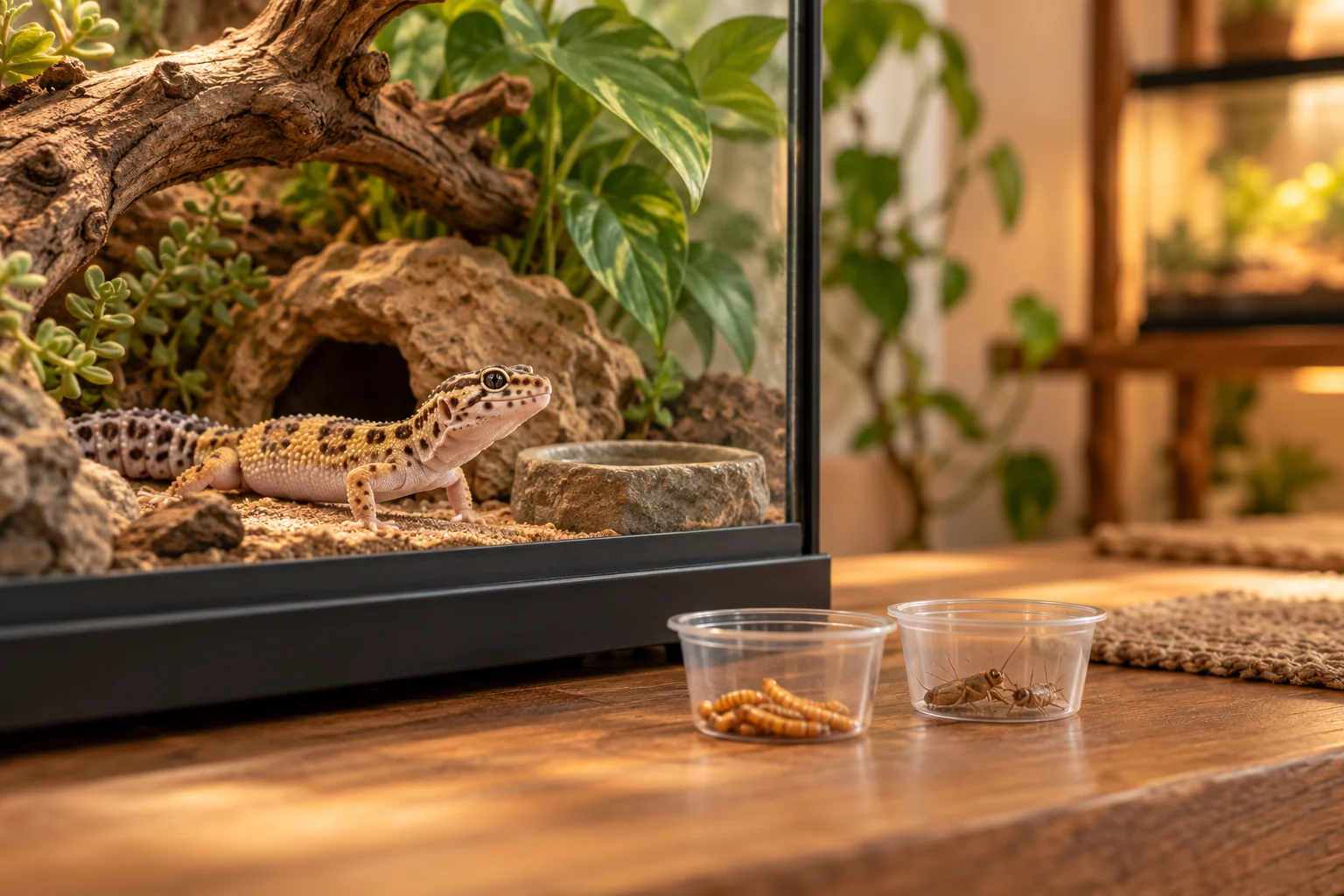
Waxworms vs Mealworms: Treat or Staple, and When to Use Each
25% fat versus a hard chitin shell. Neither one is a complete diet alone.
Read Guide →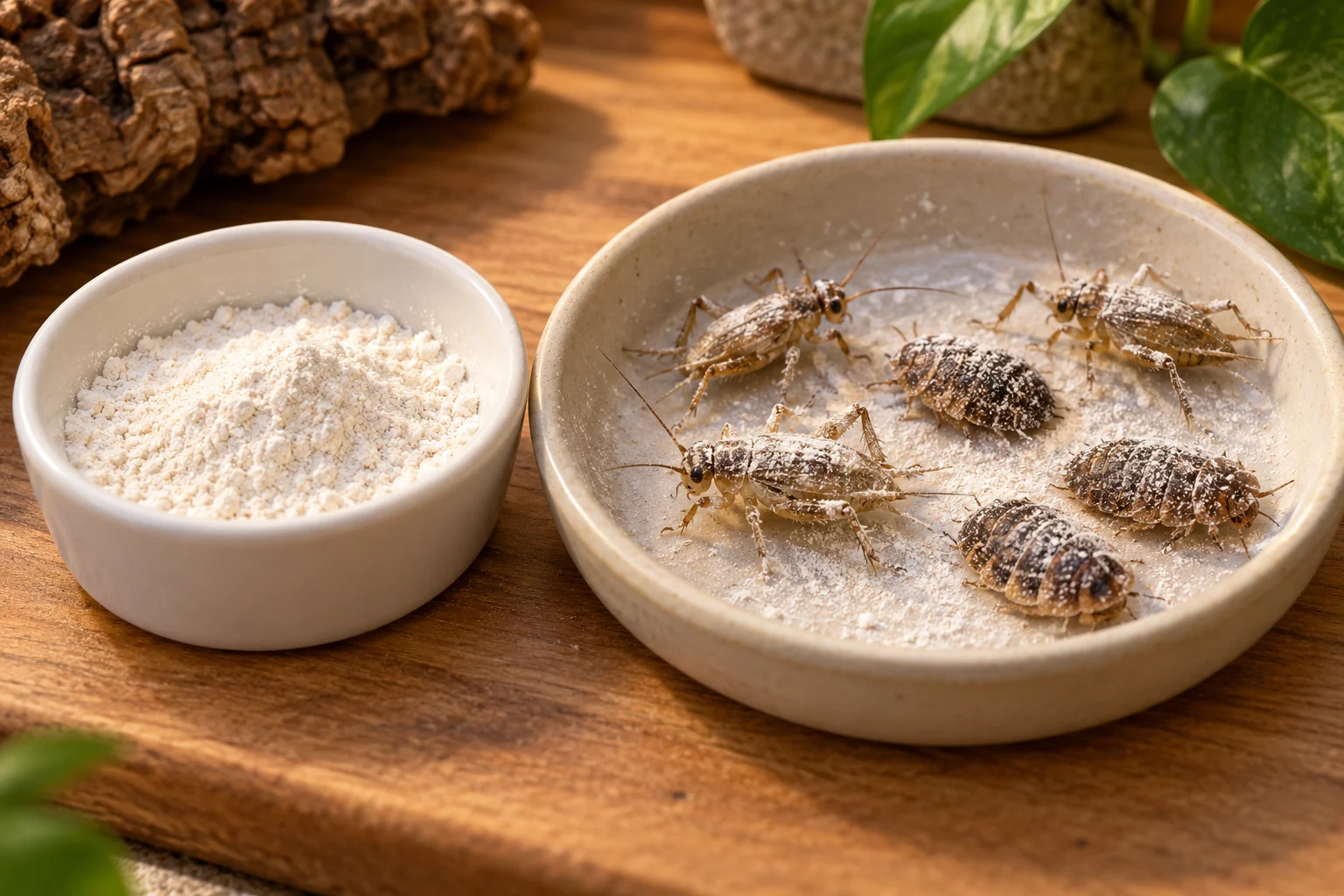
Calcium Dusting Schedule for Feeder Insects by Species
A by-species chart for calcium and multivitamin dusting frequency, not a guess.
Read Guide →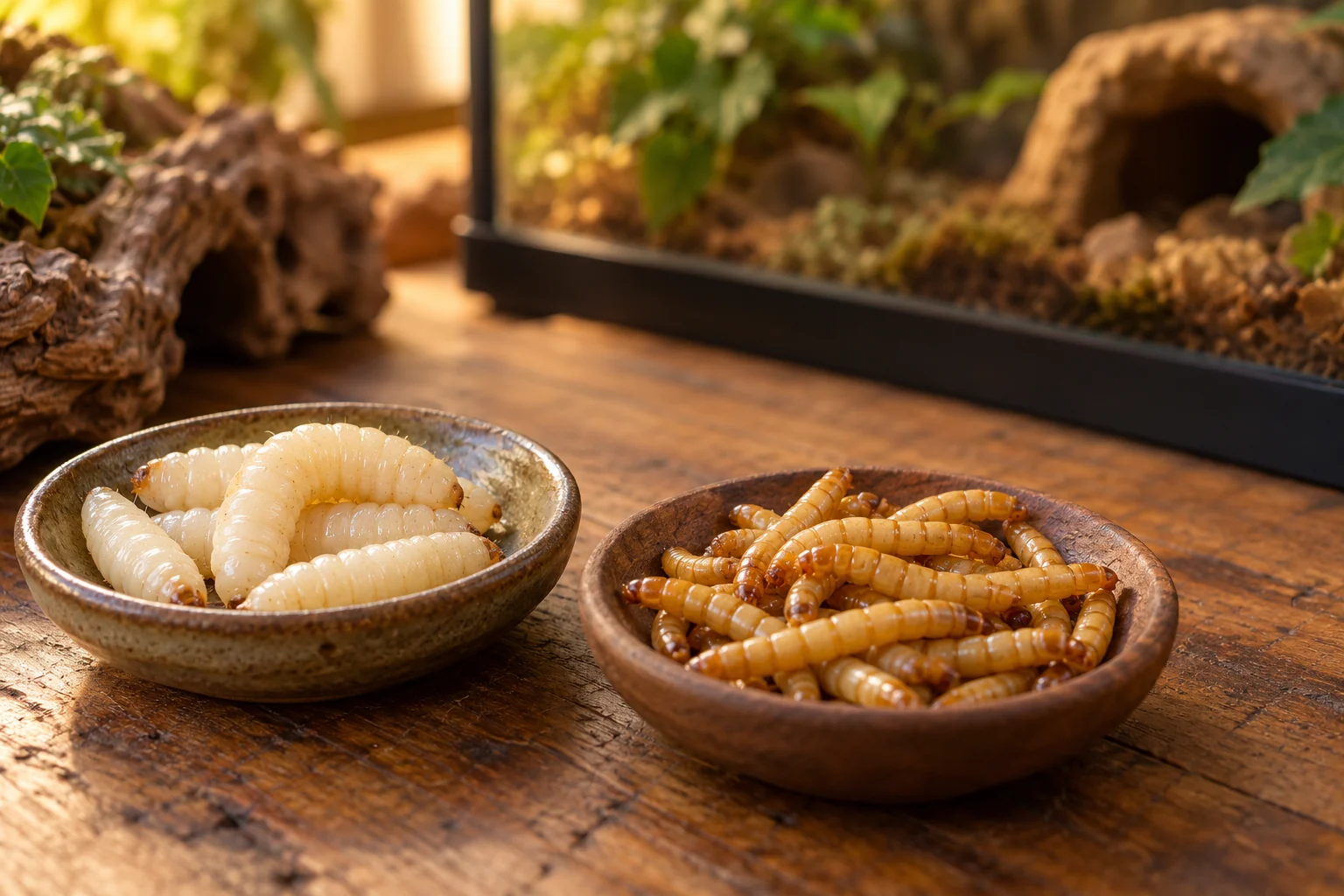
What to Order for a New Reptile's First Week Home
Order feeders to land after your new reptile settles in, not on day one.
Read Guide →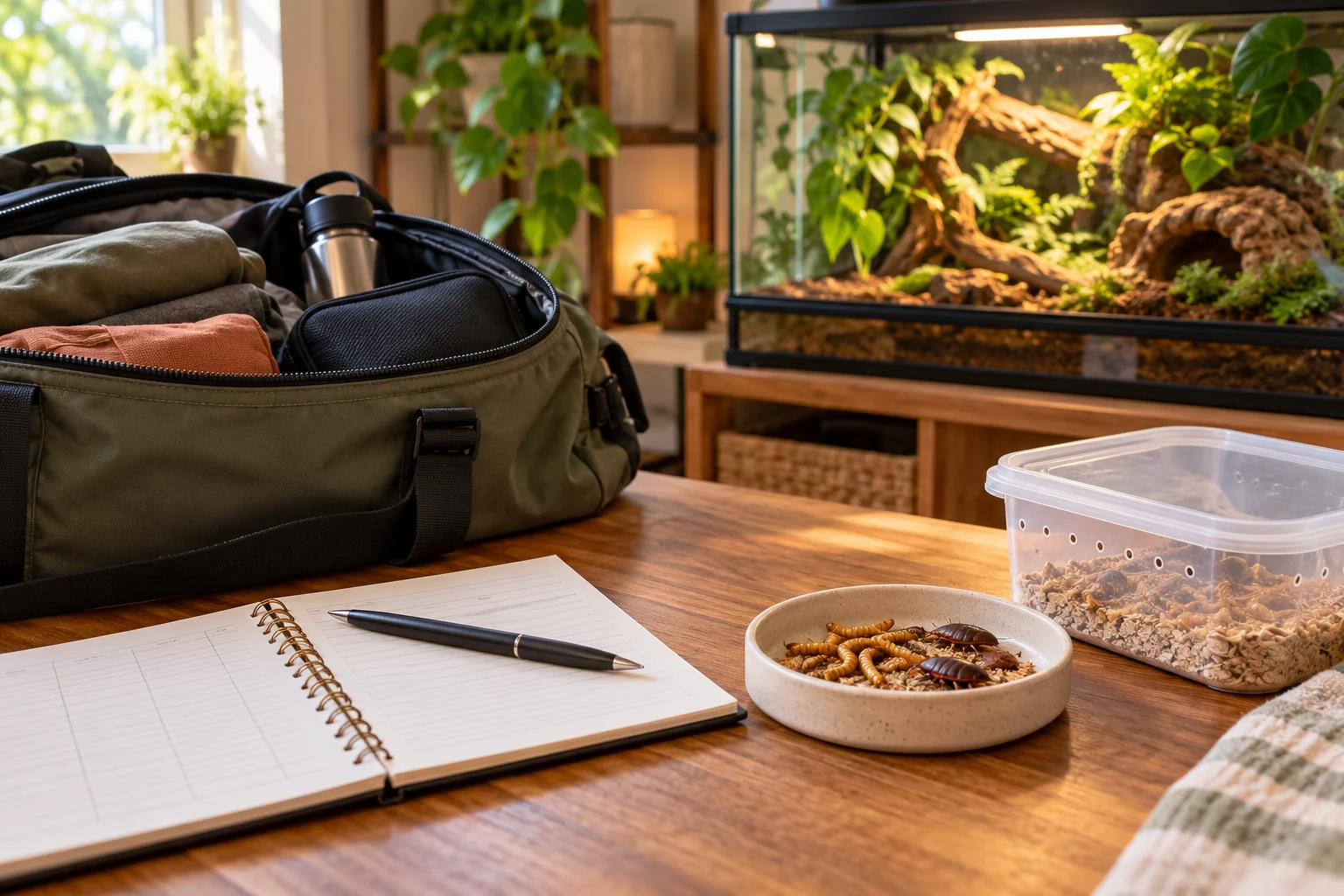
Feeding Your Reptile or Tarantula While You Travel
How long your reptile can skip meals by trip length, plus a real sitter card.
Read Guide →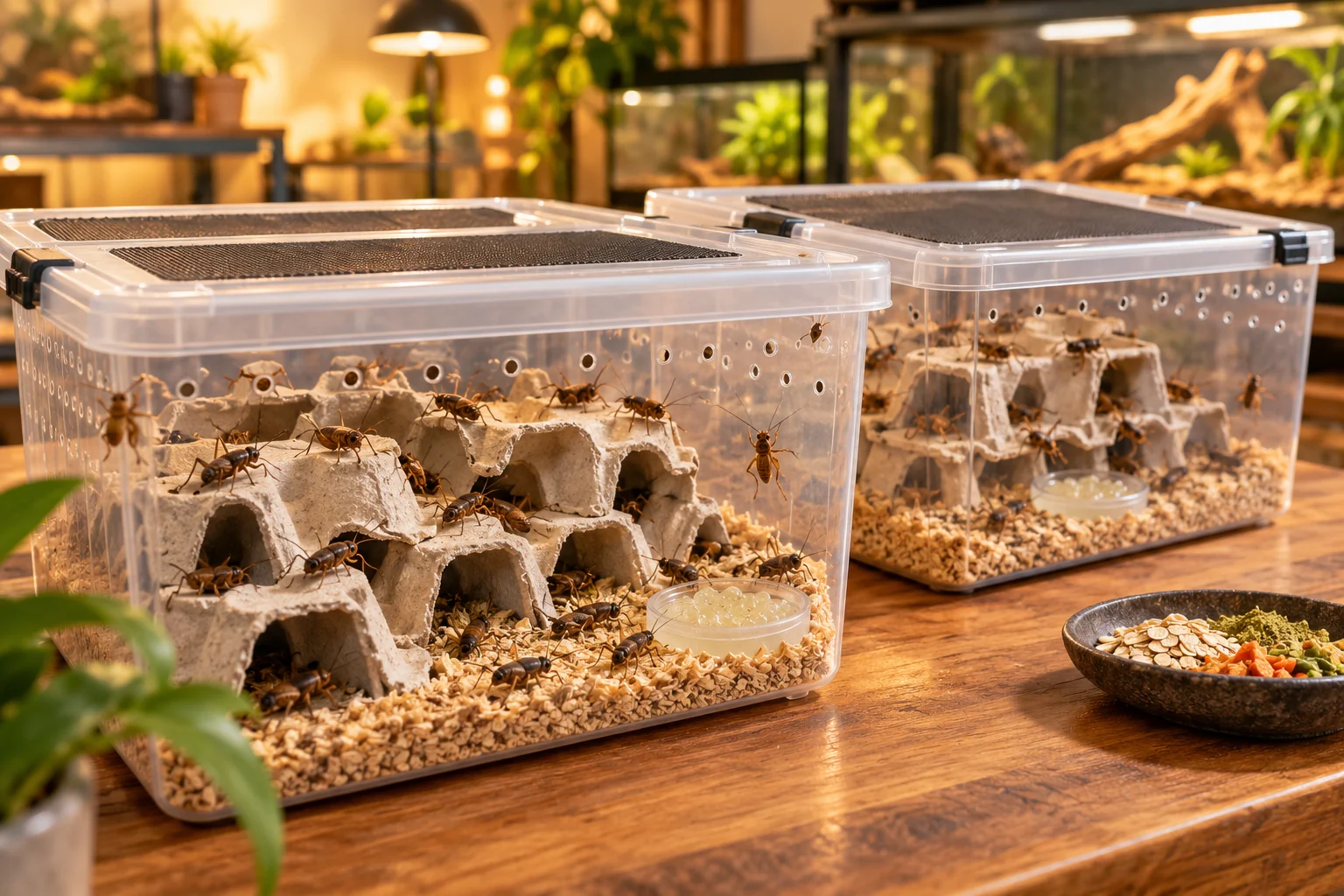
Why Your Cricket Bin Smells (and the Real Fix)
The real causes of cricket bin odor, the fixes that work, and a lower-odor swap.
Read Guide →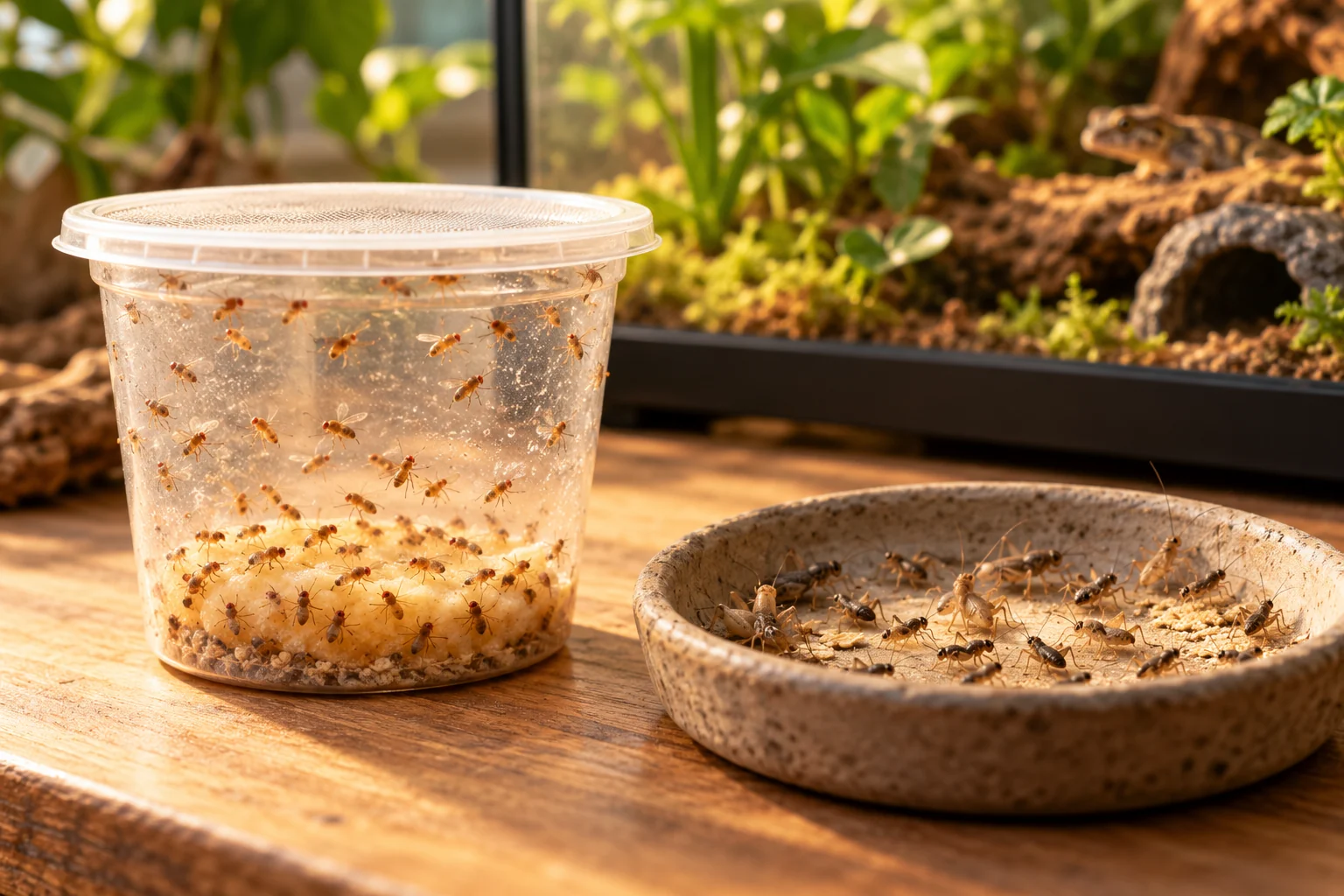
Fruit Flies vs Pinhead Crickets: Which Feeder Wins?
The honest size and effort comparison, then the culture rotation we can actually ship.
Read Guide →
Raising Black Soldier Fly Larvae at Home: Start From a Cup, Not From Flies
Grow larvae from a cup: the warm bin, scraps, the self-harvesting ramp, and why flies are hard.
Read Guide →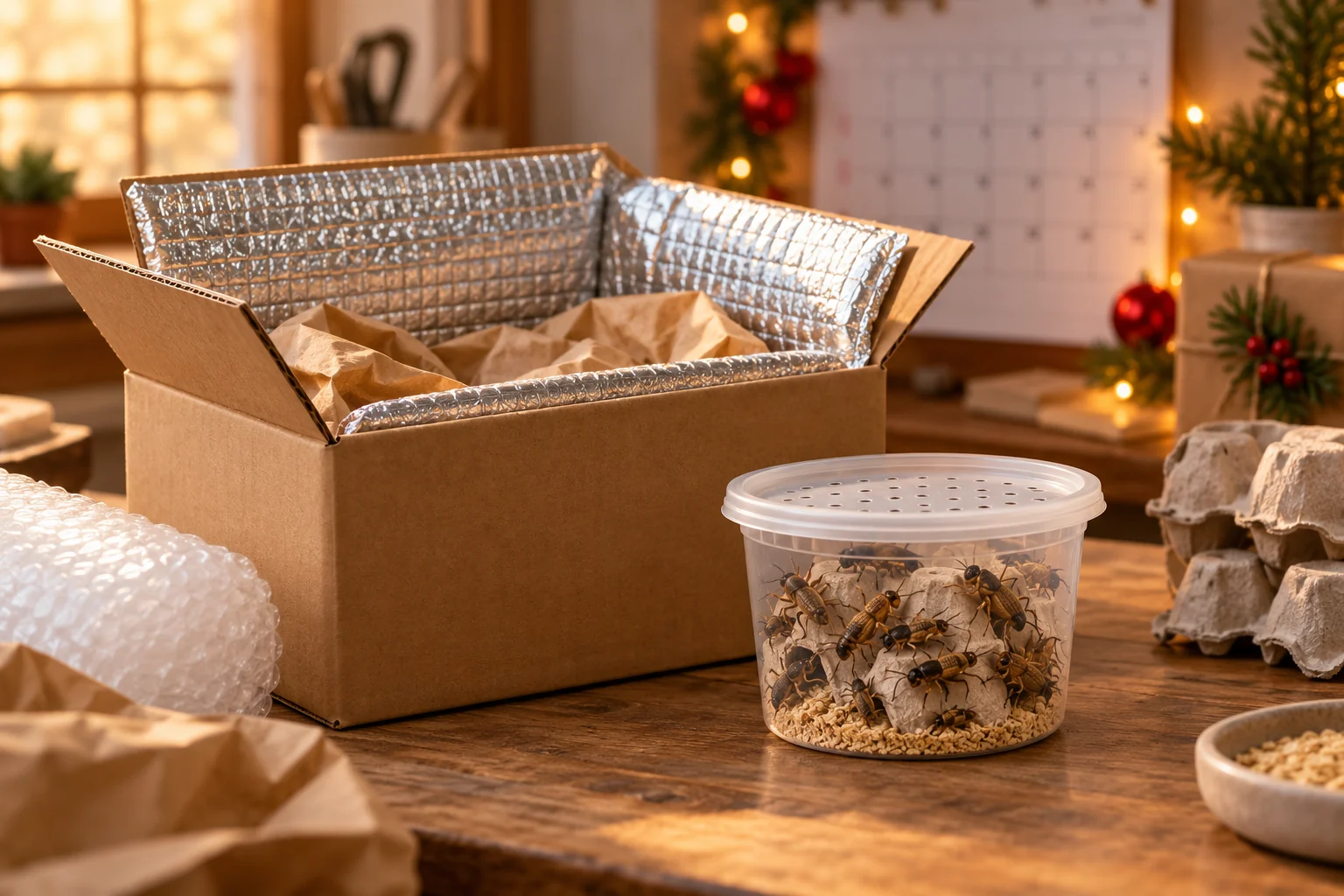
Holiday Shipping Calendar for Live Insects: When to Order Before the Holidays
The Monday-Tuesday holiday rule, late-2026 dates, the two-week buffer, and a held box.
Read Guide →
Keeping Feeder Insects Alive in a Hot House: Summer Storage Without AC
The heat limit for each feeder, what goes in the fridge, the cooler trick, and water crystals.
Read Guide →
Reptile Expo Checklist: What to Order Before You Bring an Animal Home
Order by the Sunday before, four questions for the breeder, and the first-week feeding plan.
Read Guide →
Back-to-School Classroom Insect Kits: Four Units by Grade and Lesson Length
Four live insect units matched to grade and calendar, what to order, and shipping to a school.
Read Guide →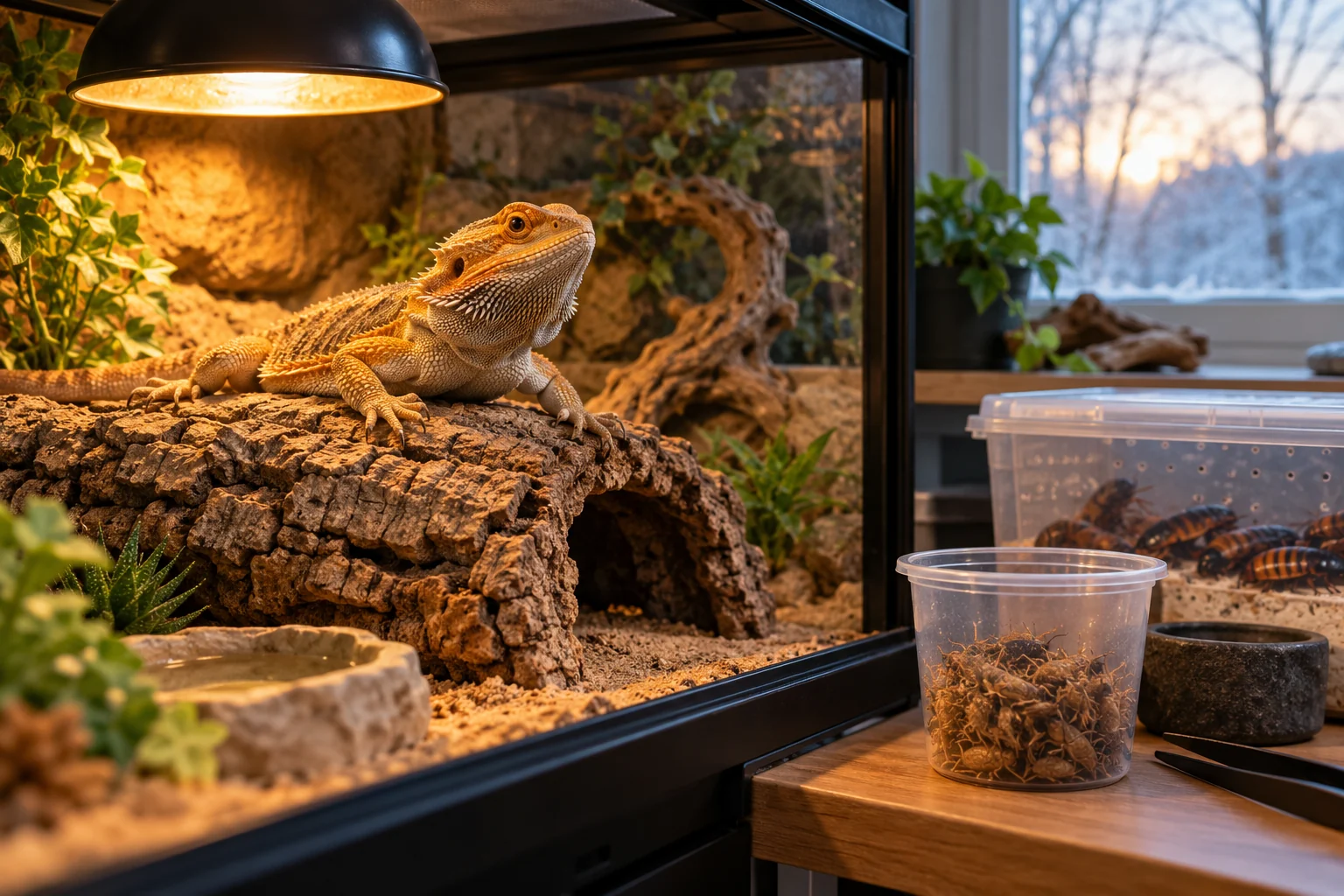
Winter Feeding and Brumation: Sizing Feeder Orders November to February
Which animals slow down, the brumation feeding pattern, cutting a standing order, and spring.
Read Guide →
Spring Breeding Season Feeders: Conditioning Geckos, Chameleons, and Frogs
The 4 to 6 week conditioning ramp, the calcium feeders, dusting in season, and recovery feeding.
Read Guide →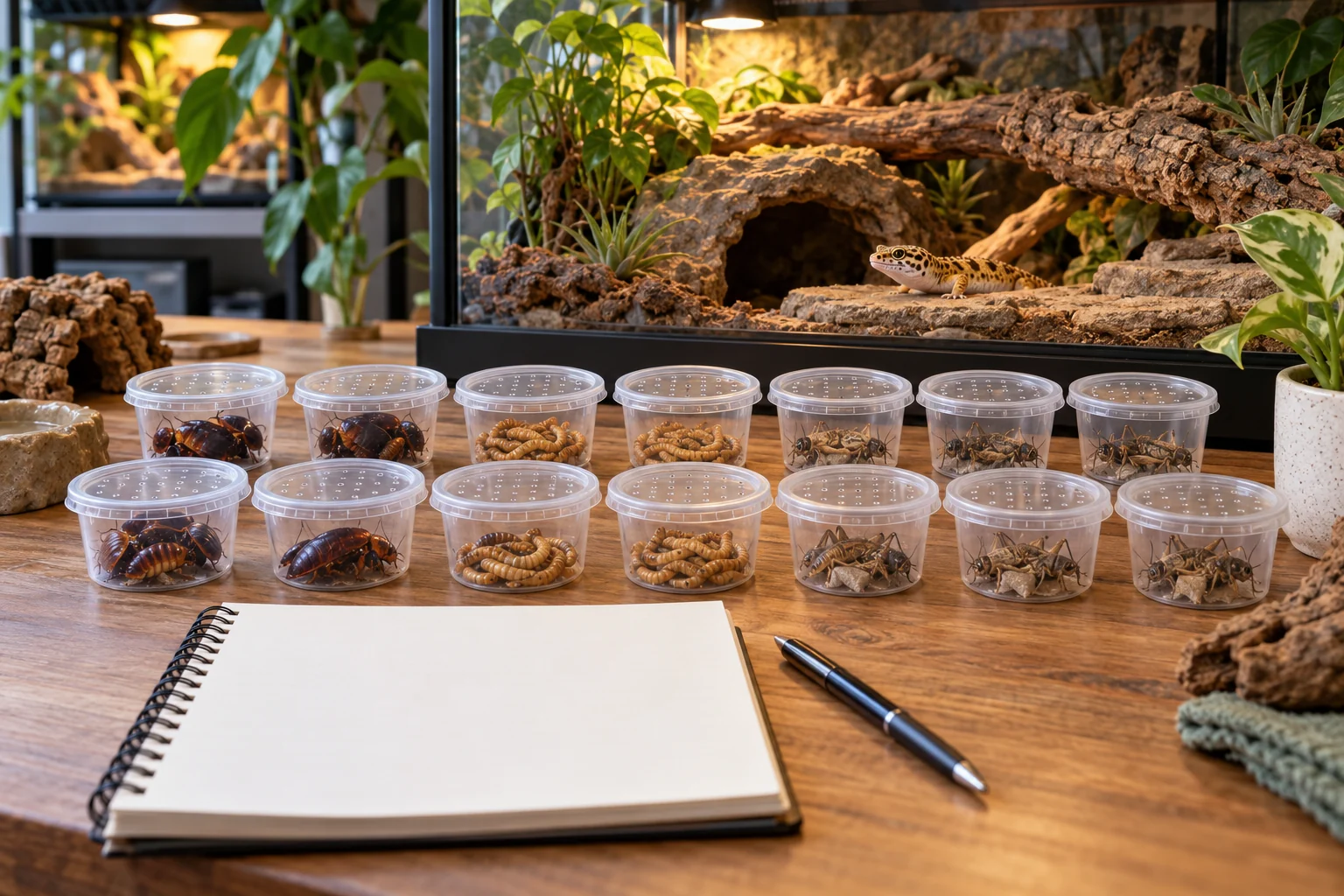
Vacation Feeding Plan: Your Reptile and Its Feeders for Two Weeks Away
Who can skip meals, the 3-day, 1-week and 2-week plans, pre-portioned cups, and the next box.
Read Guide →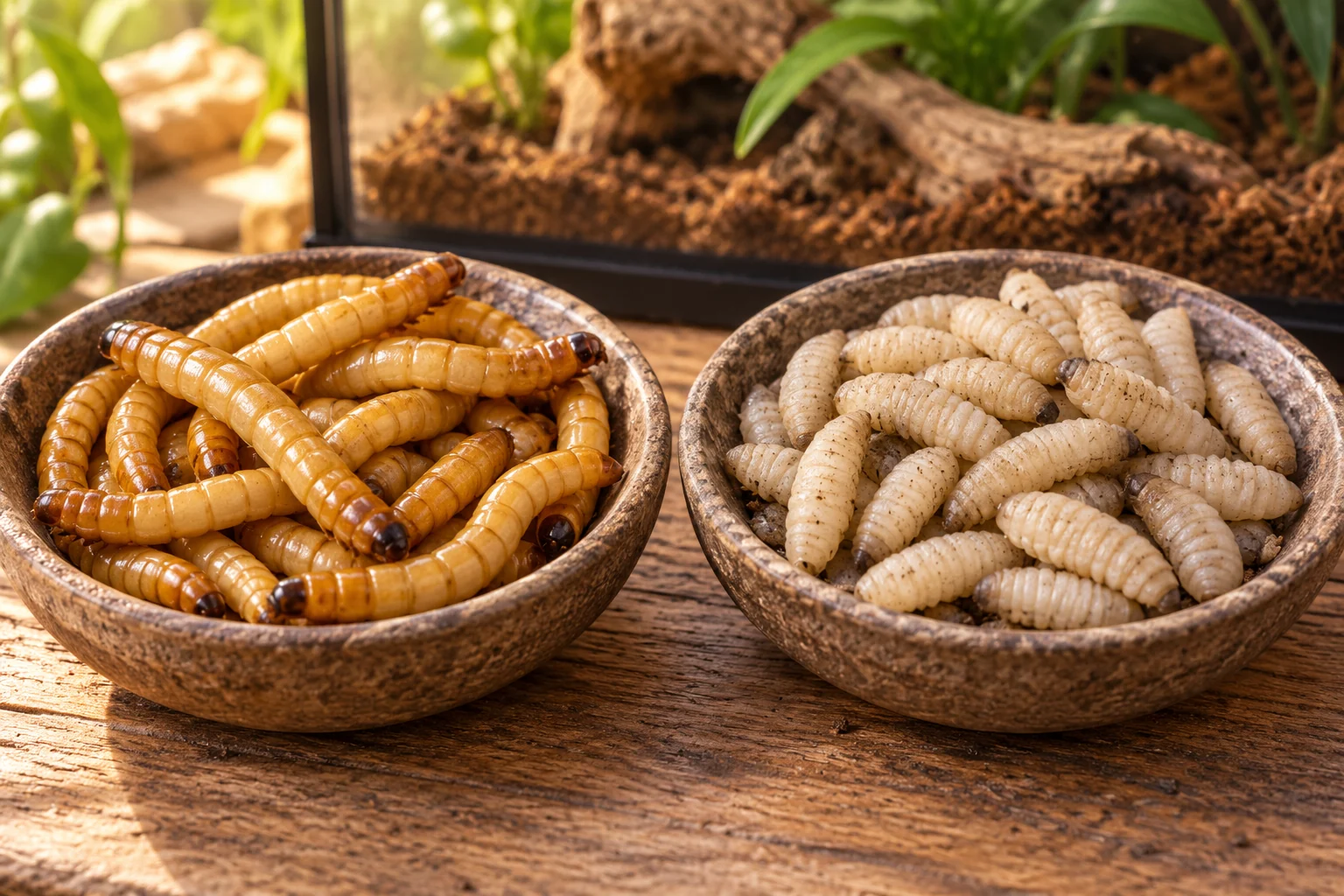
Superworms vs BSFL: Fat vs Calcium, and Which Animal Gets Which
Fat vs calcium, size, biting, storage and cost, with an animal-by-animal answer.
Read Guide →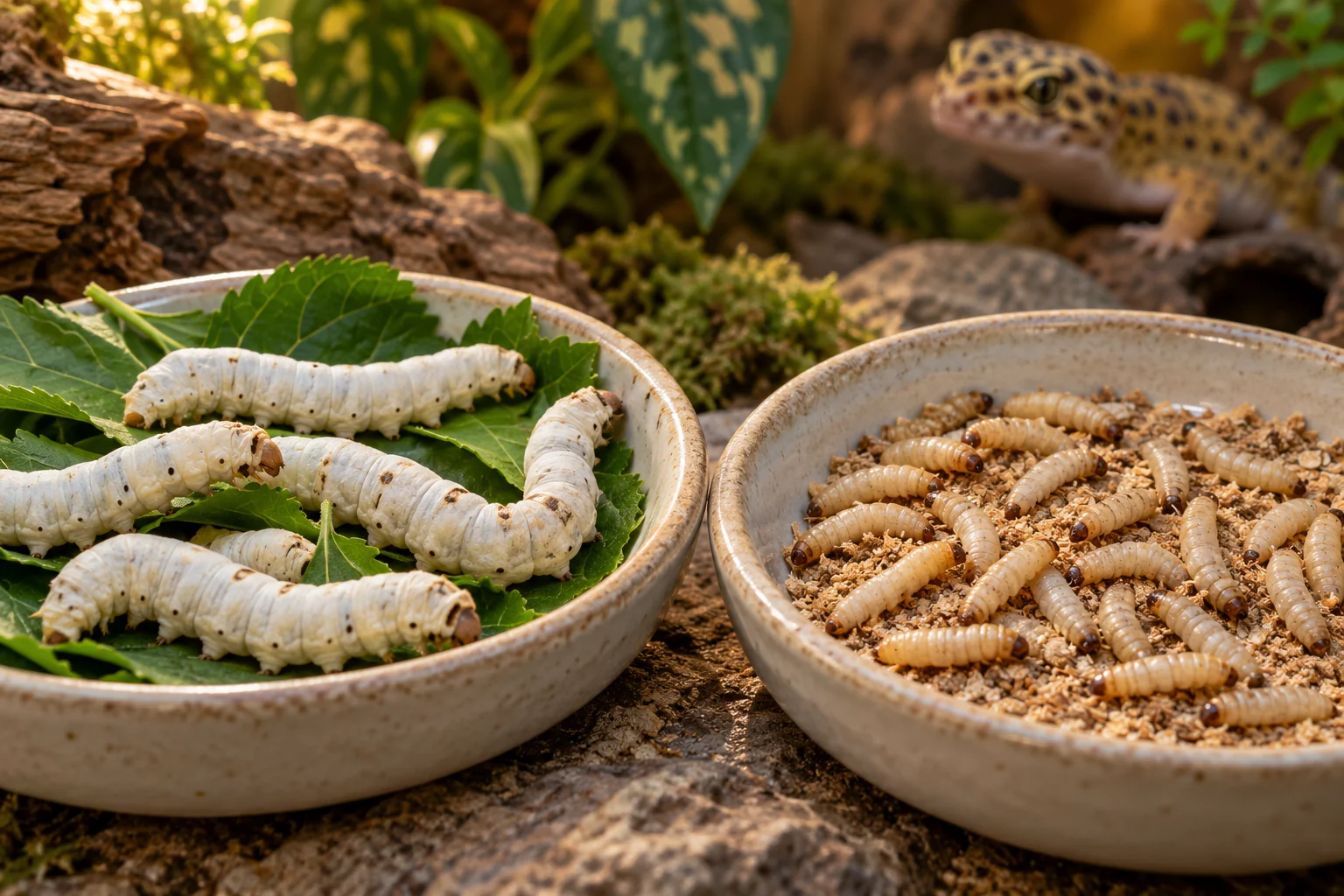
Silkworms vs BSFL: Two Calcium-Friendly Feeders, Two Different Jobs
Calcium vs hydration, size, shelf life and cost, and the situations where each feeder wins.
Read Guide →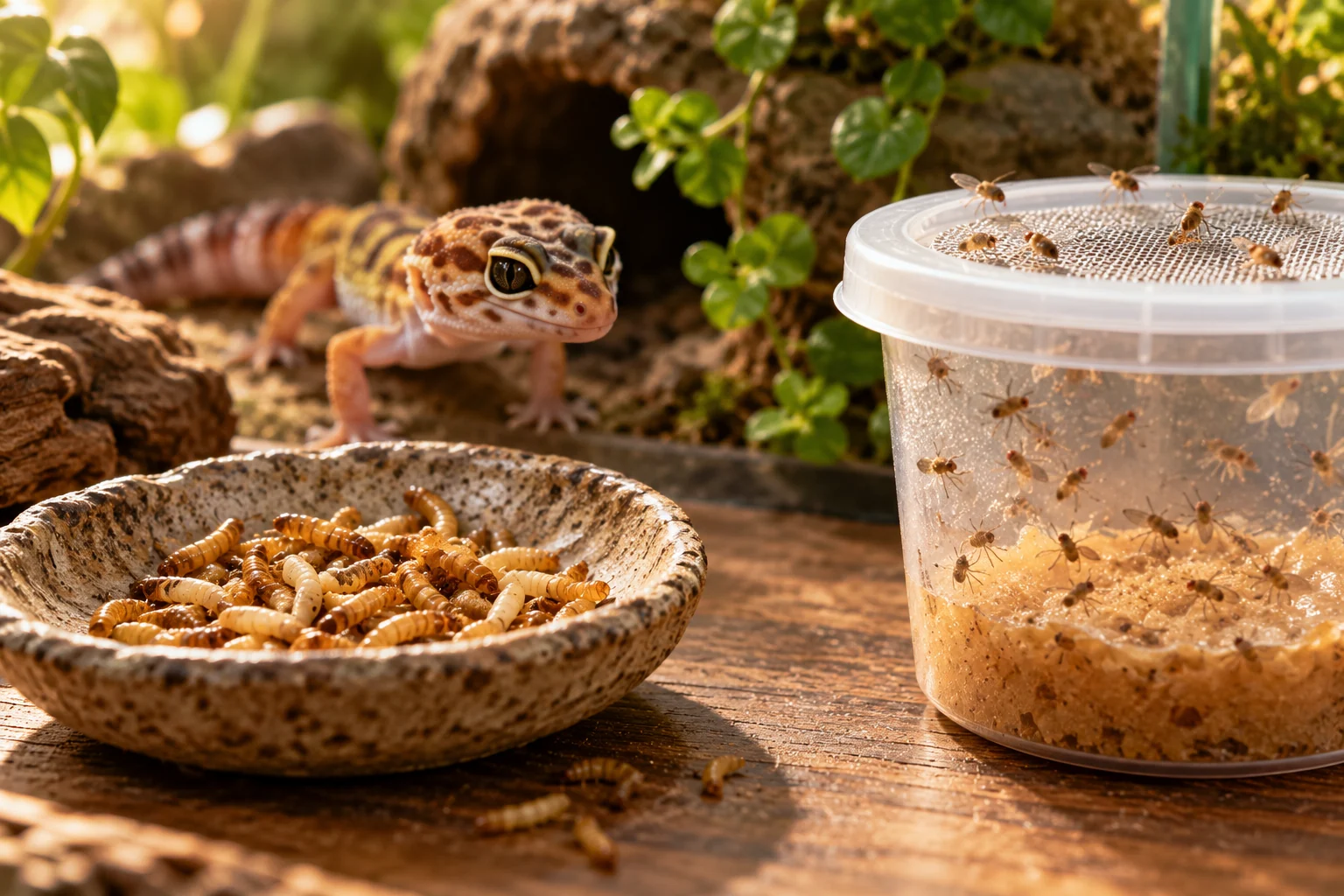
Mini Mealworms vs Fruit Flies for Hatchlings: Which First, When to Switch
Flies first, minis next, the head-width switch point by animal, and a first month.
Read Guide →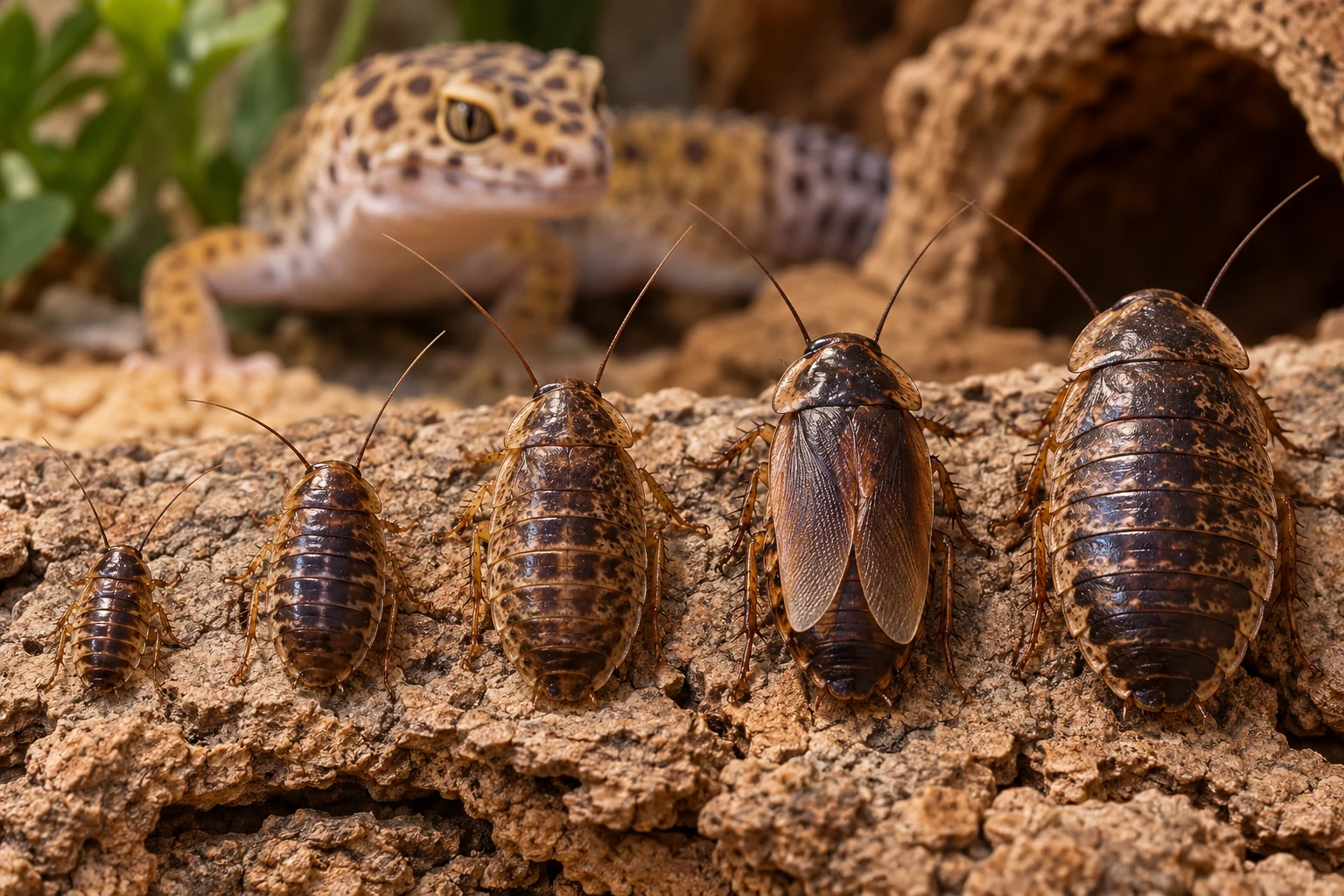
Dubia Roach Sizes Explained: Extra Small to Adult, and Which Animal Gets Which
The five sizes, the head-width rule, which animal gets which, the growth clock, and buying.
Read Guide →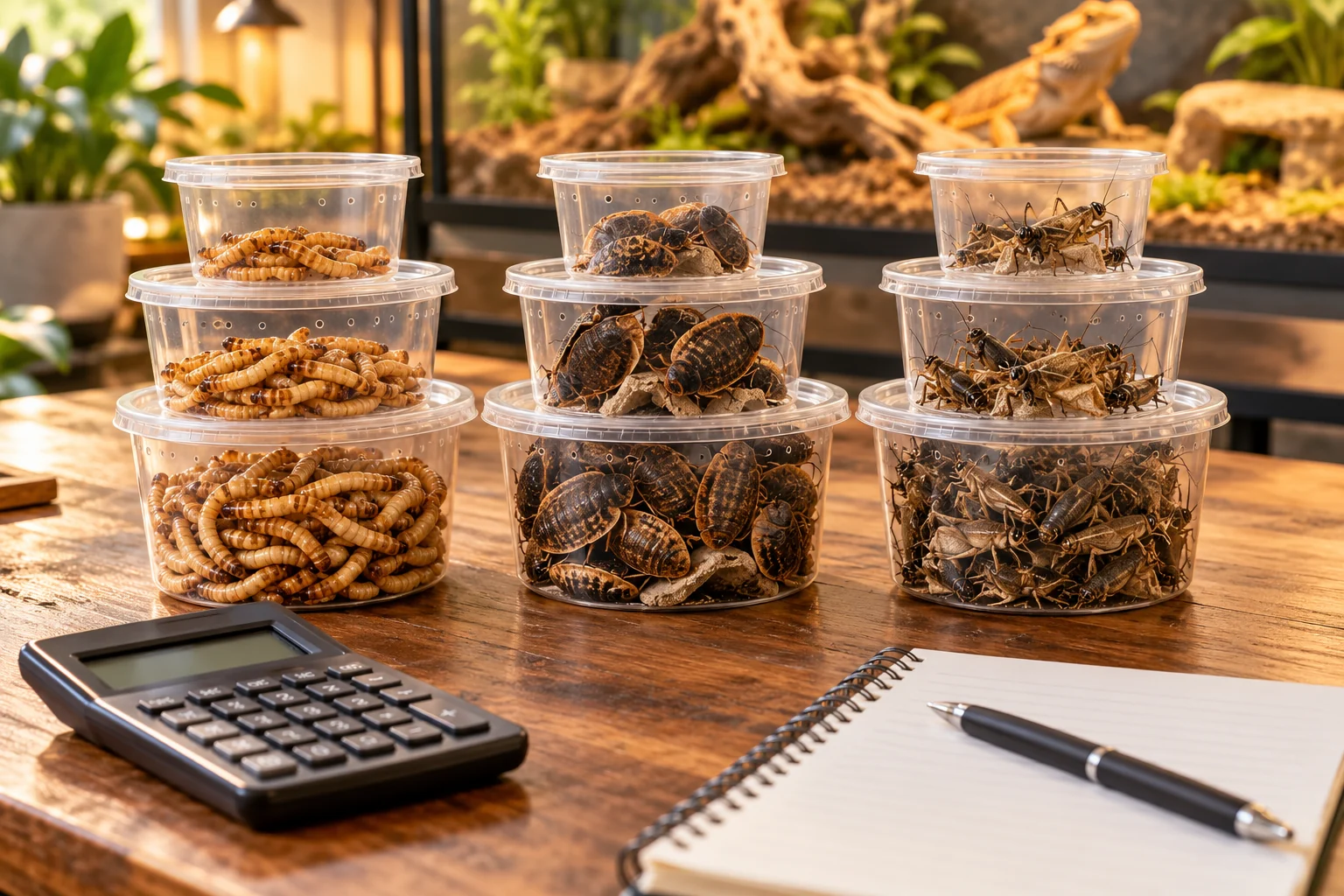
Feeder Insect Price Index: Cost Per Insect at 25, 100, and 1,000
Cost per insect at 25, 100 and 1,000 for every staple, from current prices, and how to read it.
Read Guide →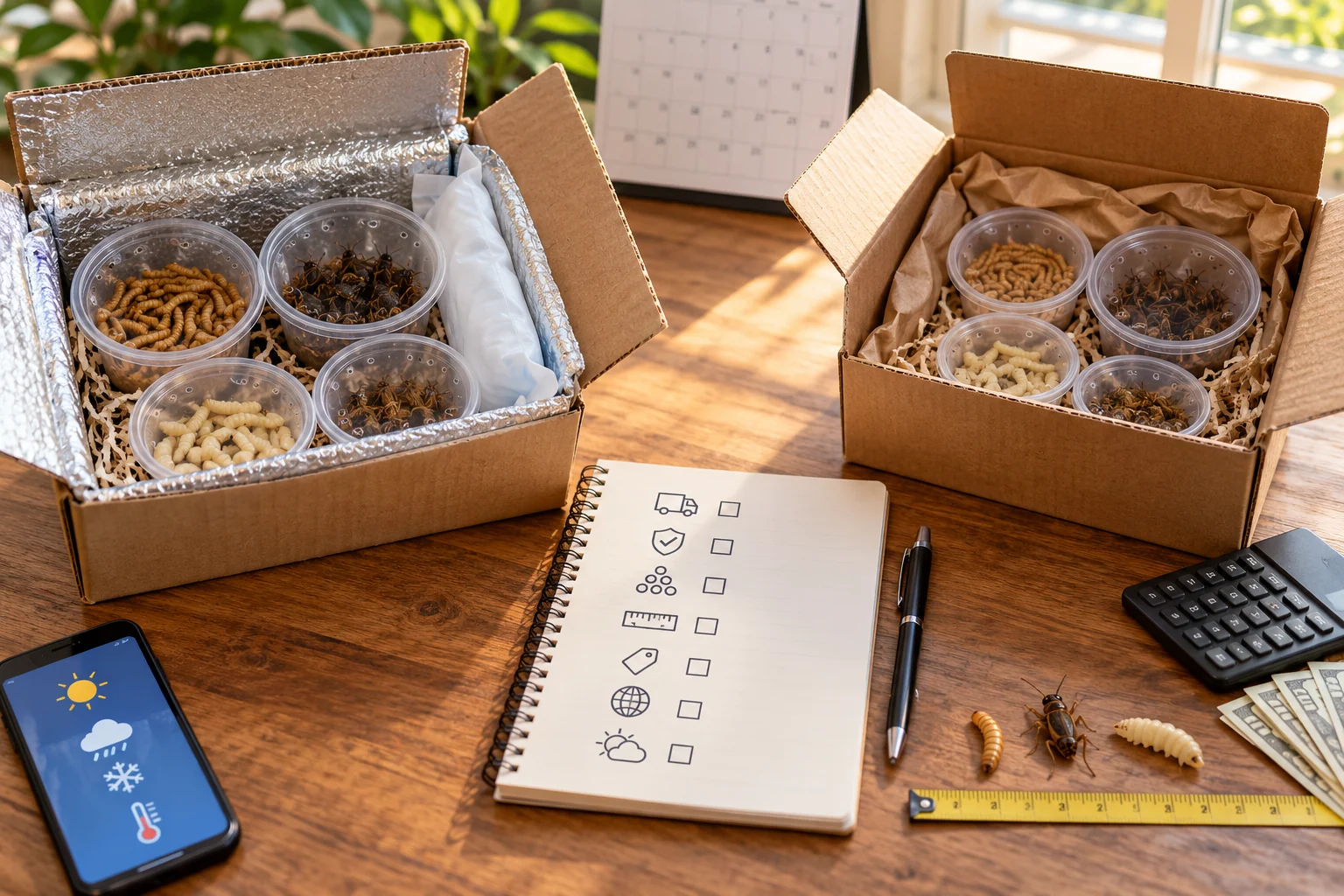
How to Compare Feeder Insect Suppliers: Seven Things to Check Before You Order
Seven checks: ship days, guarantee, counts, sizes, price at your count, source, and weather.
Read Guide →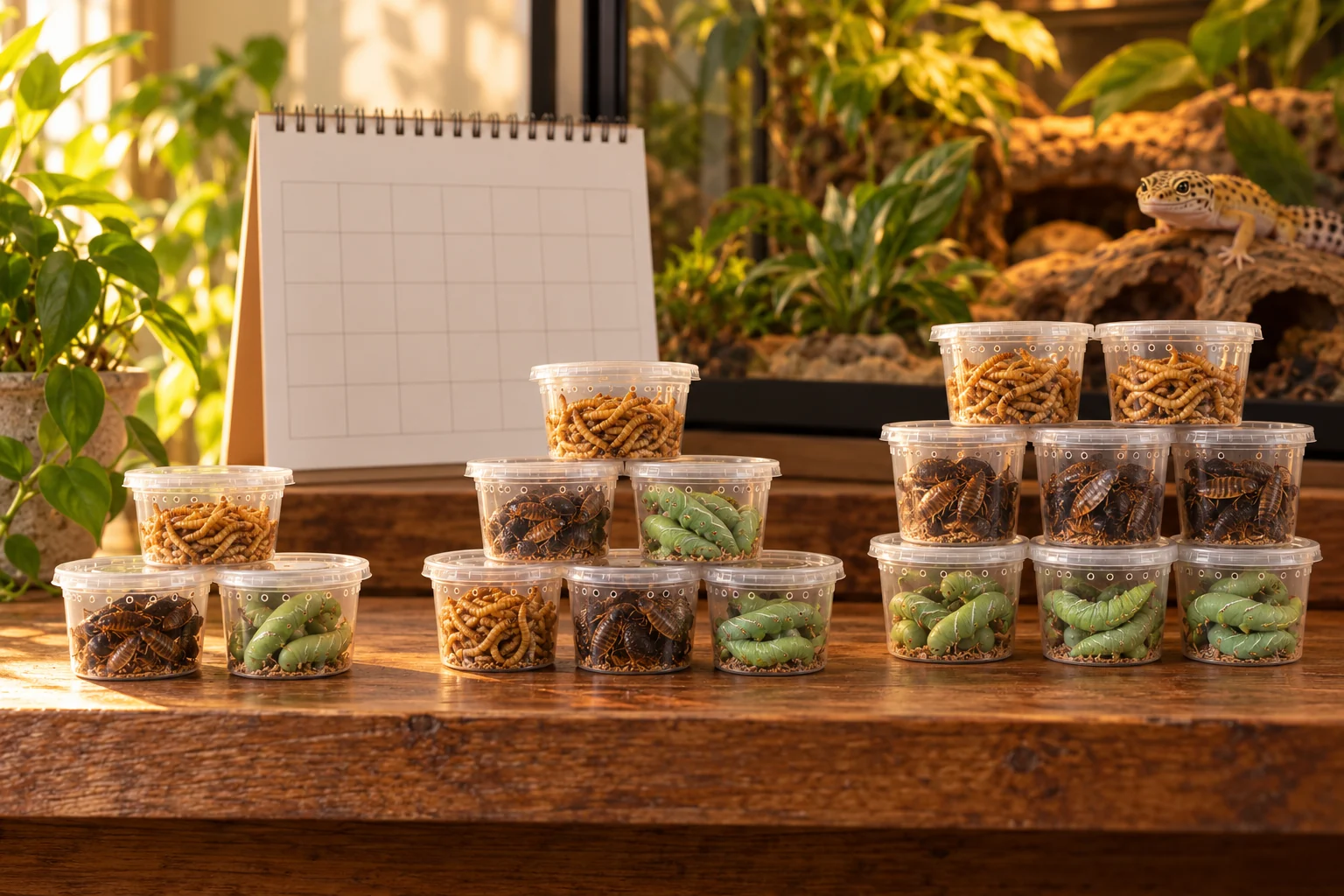
Which Feeders to Subscribe To, and Which to Order as Needed
The three-orders rule, staples that fit a schedule, treats and juveniles that do not, intervals.
Read Guide →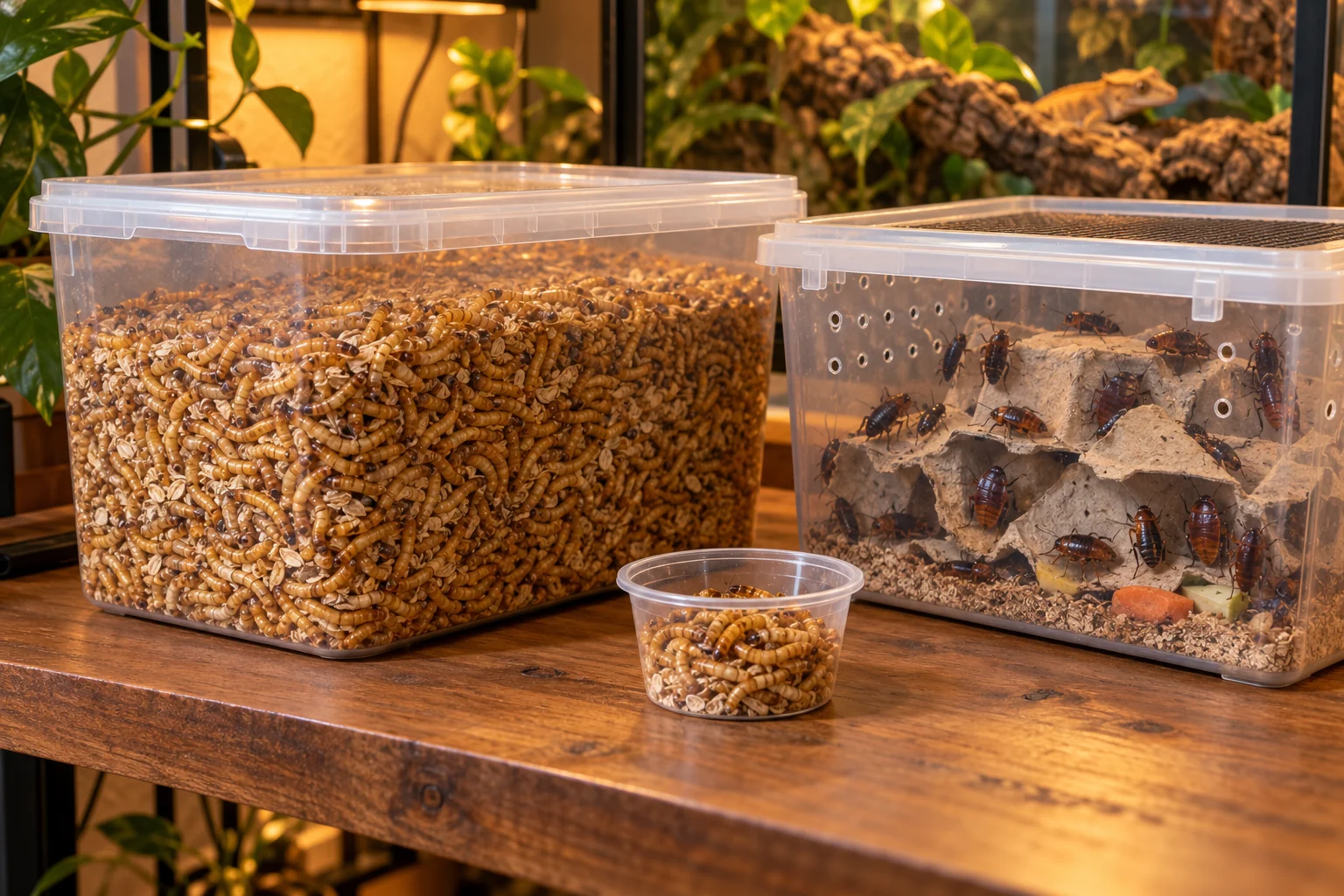
Buying Feeder Insects in Bulk: When 1,000 Saves Money and When It Wastes It
The break-even rule, which feeders keep long enough to buy by the thousand, and the mid-size cup.
Read Guide →
Bearded Dragon Feeders Ranked by Monthly Cost: Adult and Juvenile
Every feeder priced for a month, adult and juvenile, and the rotation priced.
Read Guide →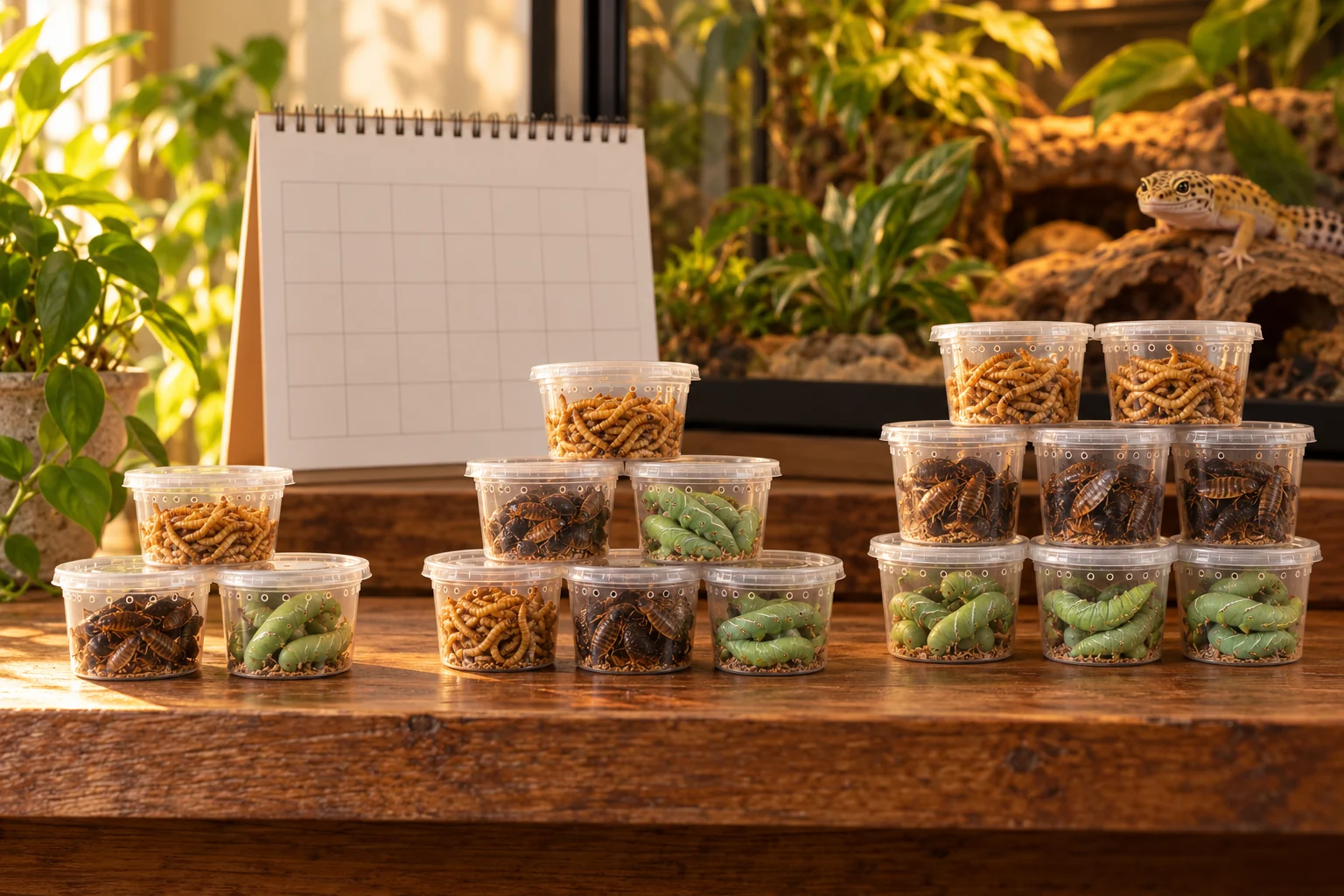
Leopard Gecko Feeders Ranked by Monthly Cost: Adult and Juvenile
Every feeder priced for a month, adult and juvenile, and the ten-dollar rotation.
Read Guide →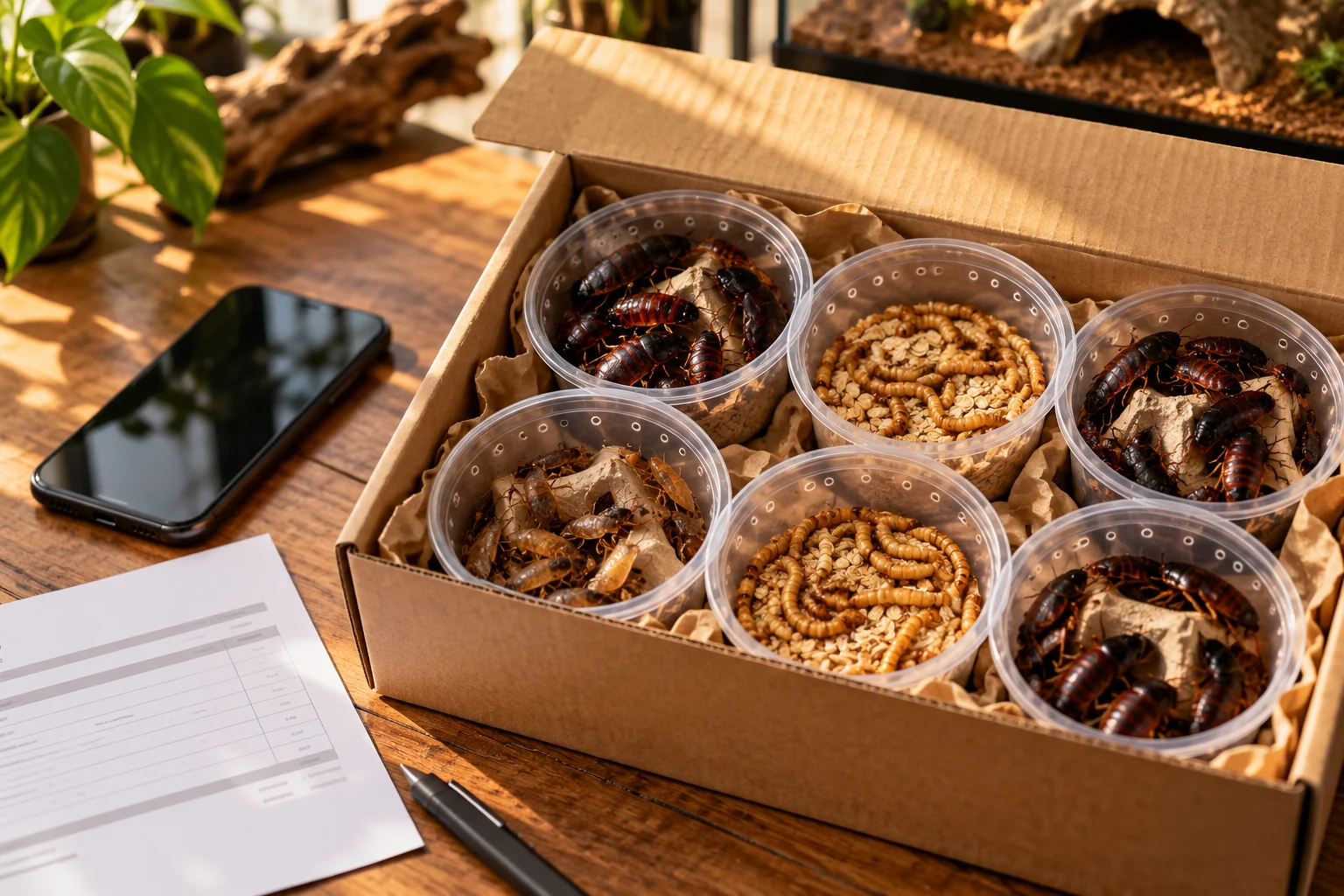
Feeders Arrived Dead? What Happens Next, Step by Step
The one-hour claim in order: the scan, photos in unopened cups, the email, and the remedy.
Read Guide →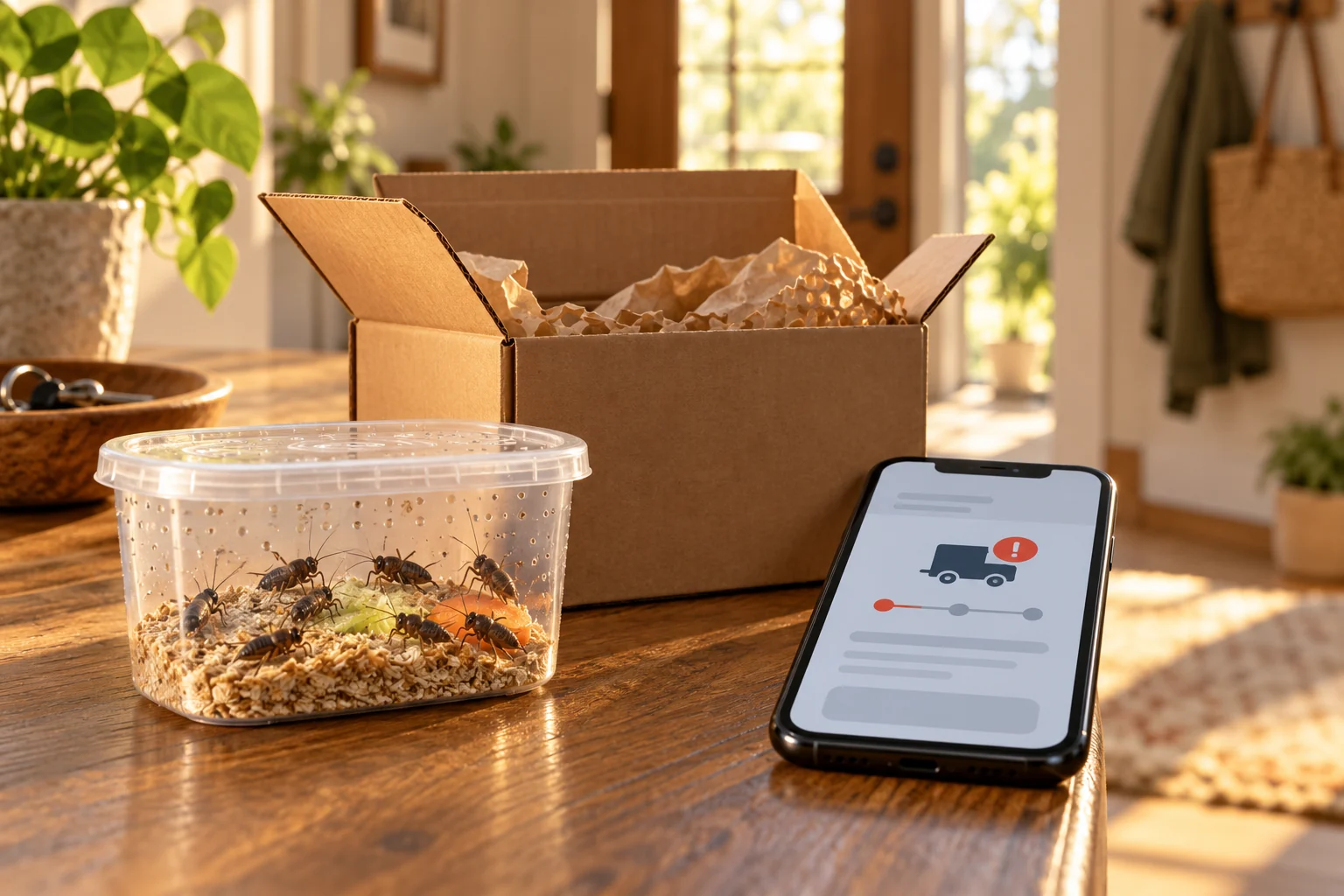
Feeder Shipment Delayed? What to Do While the Box Is Late
What a late day does to each feeder, redirecting to a counter, feeding meanwhile, and arrival.
Read Guide →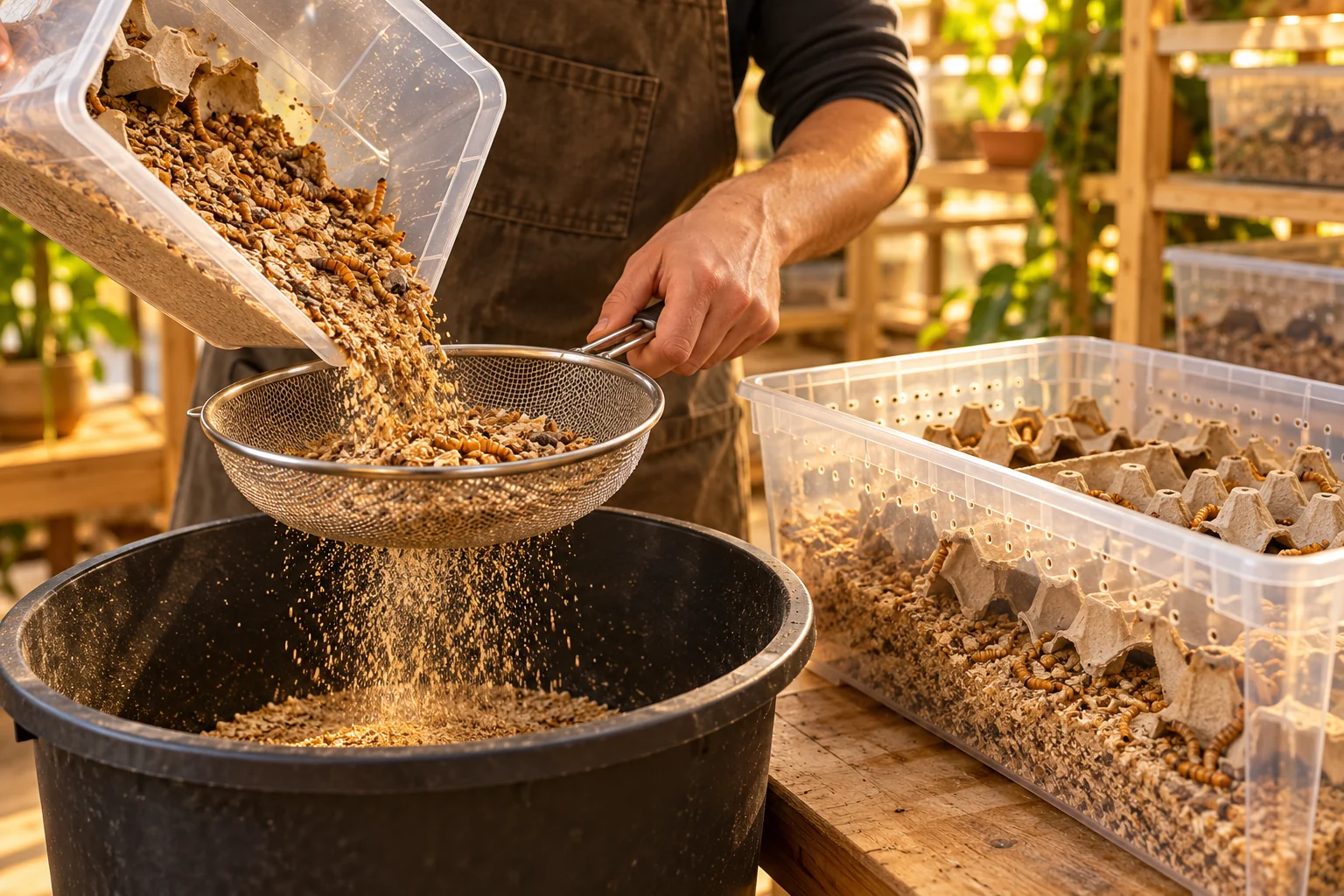
Cleaning Feeder Insect Bins: Frass, Mold, and Mites Without Chemicals
How often to sift each bin, the moisture fixes for mold and mites, and buffalo beetles.
Read Guide →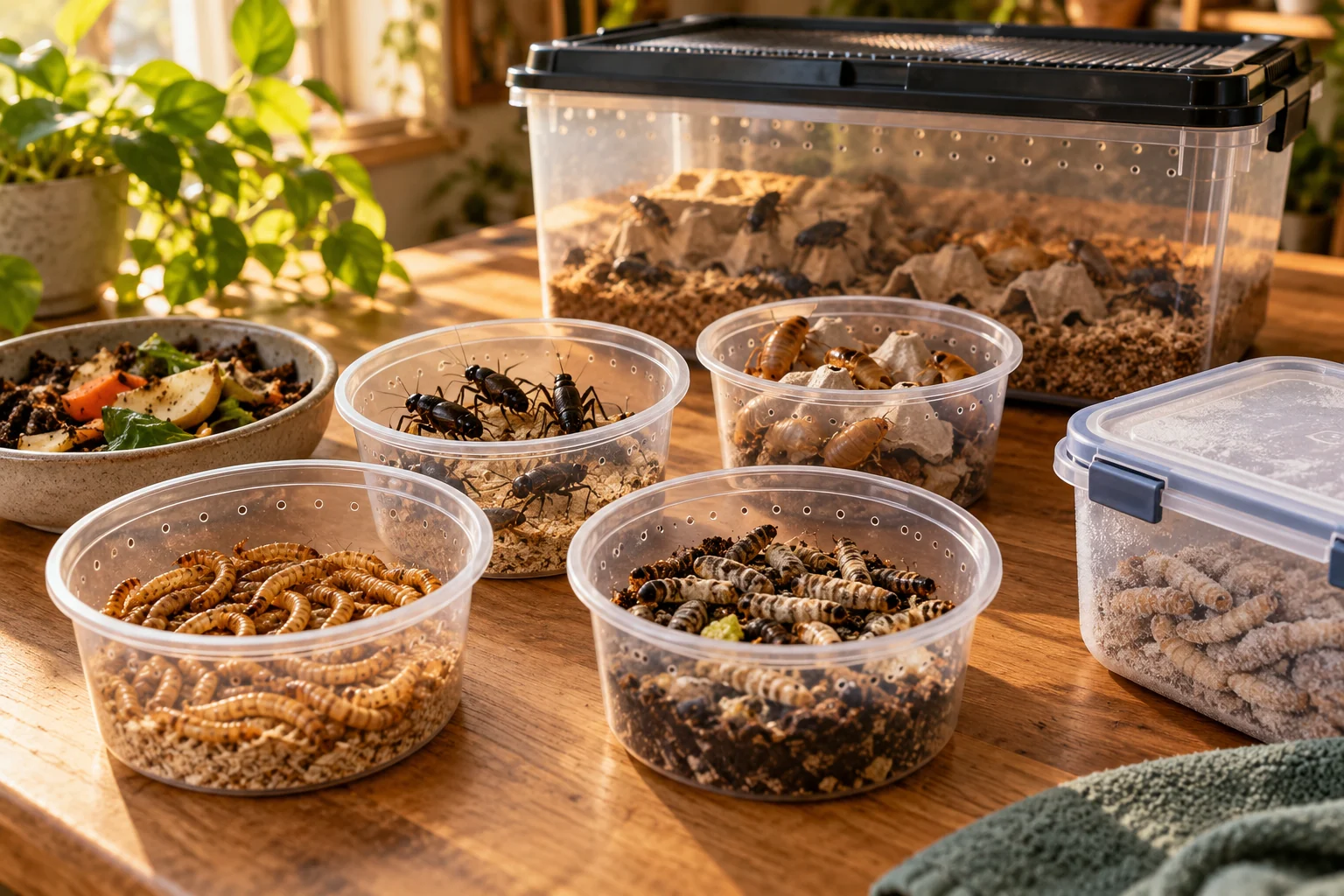
What to Do With Leftover Feeder Insects: Colony, Freezer, Birds, or Compost
The best use for each leftover feeder: colony, fridge, birds, compost, or the freezer.
Read Guide →
Escaped Feeder Insects and Your Cat or Dog: What Is Safe and What to Do
What an escaped feeder means for a cat or dog, the one that bites, and why dubia cannot infest.
Read Guide →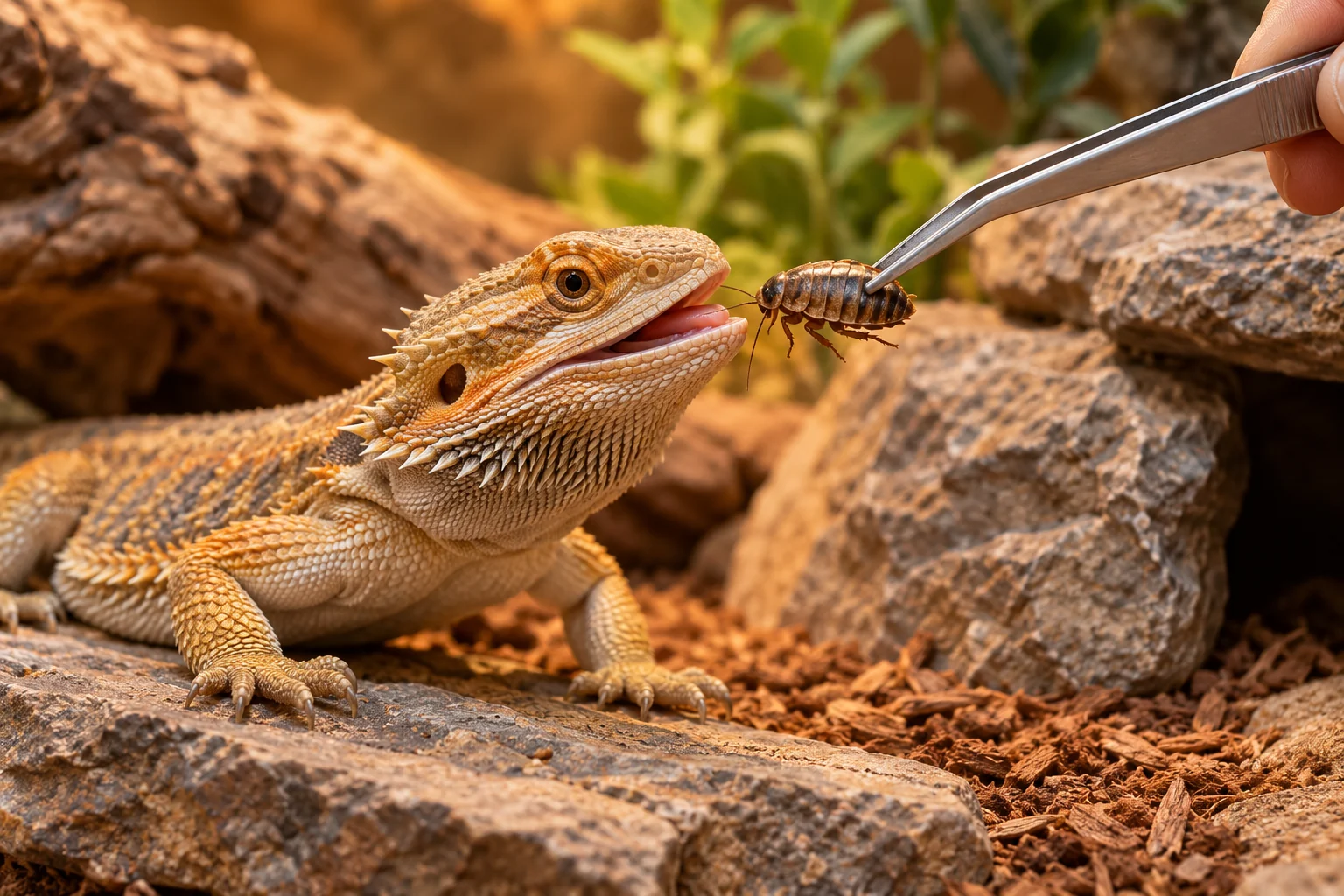
Switching a Reptile From Crickets to Dubia or BSFL: A Two-Week Plan
The two-week plan day by day: the hungry gap, tongs and movement, mixed feeders, then alone.
Read Guide →
Feeder Size Finder: Measure the Head, Get the Insect Size
Enter the width between the eyes and get the longest safe insect and the matching sizes.
Read Guide →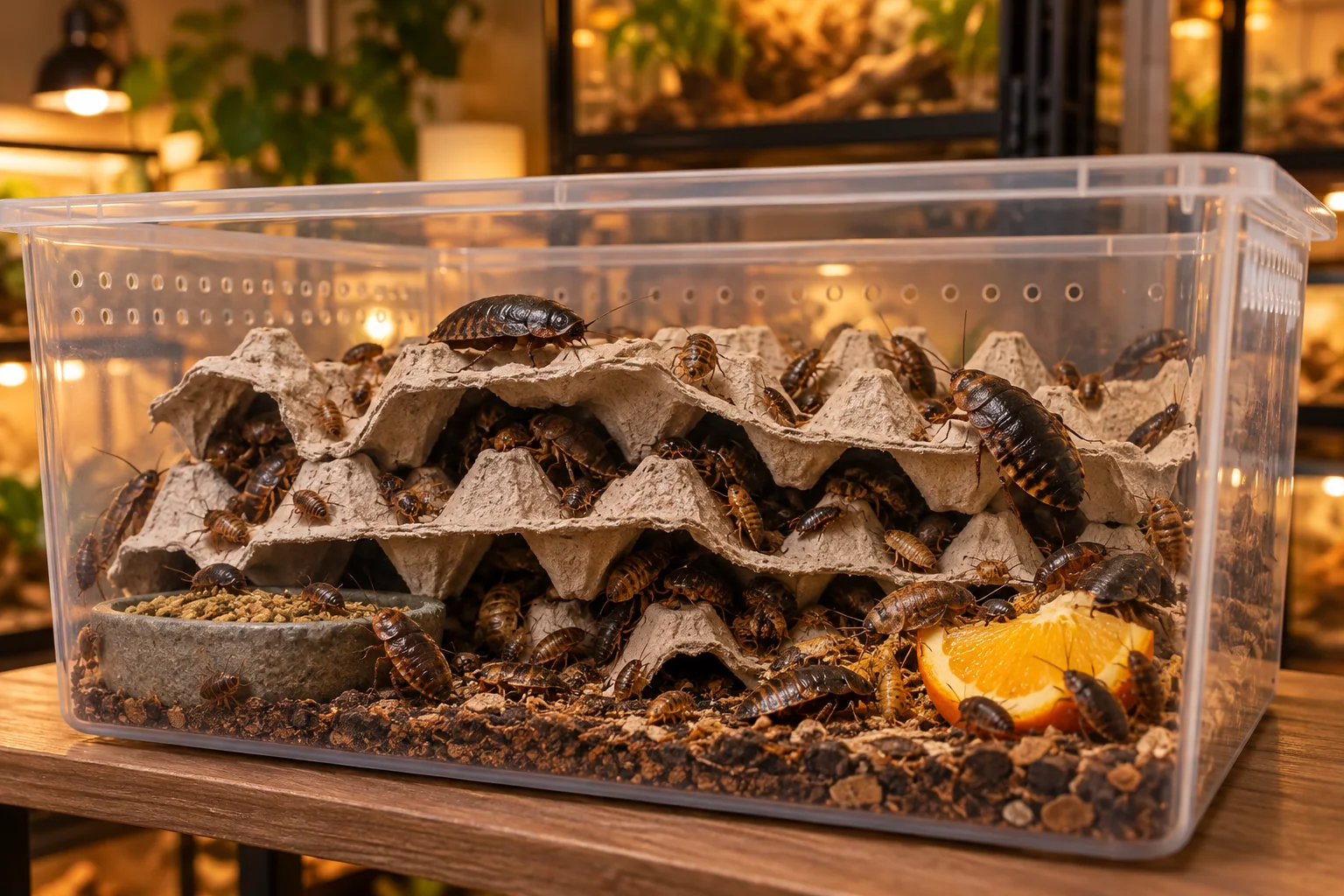
Dubia Colony Yield Calculator: How Many Feeders a Colony Produces a Month
Enter females and temperature, get nymphs per month, months to first harvest, and animals fed.
Read Guide →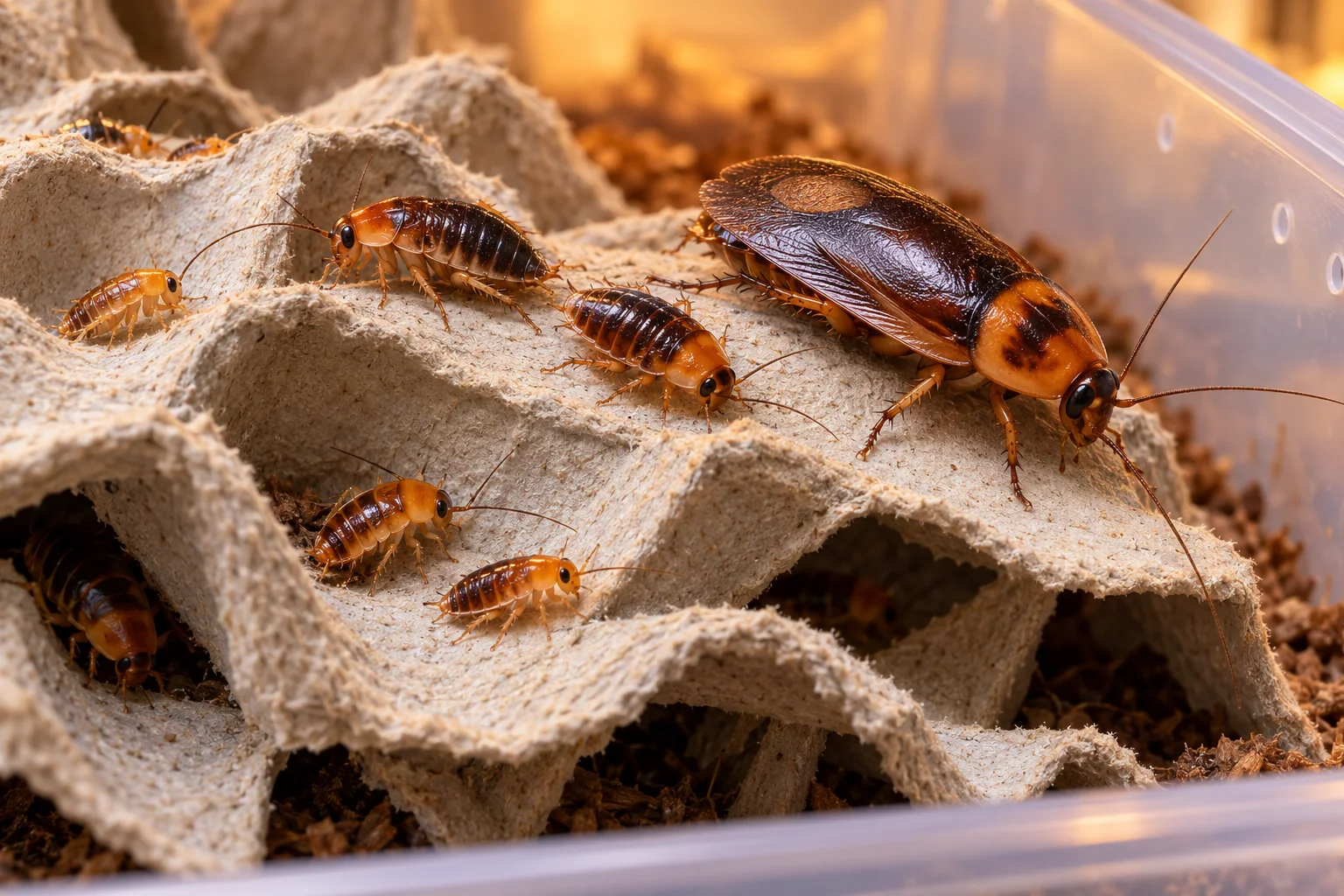
How Fast Do Orange Head Roaches Grow? Nymph to Adult
Sexual maturity in 3 to 4 months, full size by 6 to 8, among the fastest roaches TC sells.
Read Guide →
Waxworms Spinning Cocoons? What It Means and What to Do
Warmth pushes waxworms to cocoon and become moths. Here's what's normal and what to feed.
Read Guide →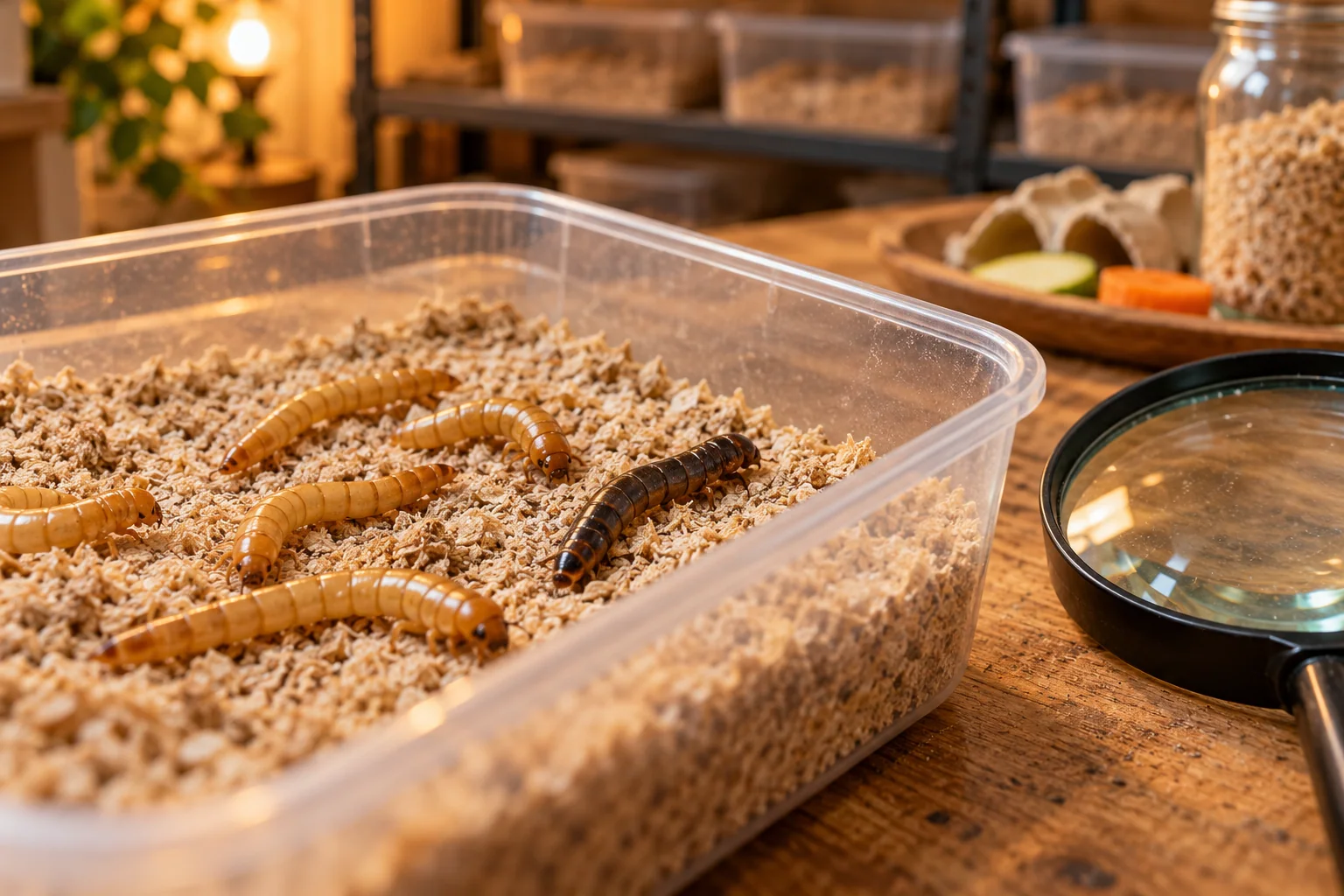
Why Are My Mealworms Turning Black? Dying or Normal
A dark mealworm might be dead, or just a normal pupa or beetle. Here's how to tell.
Read Guide →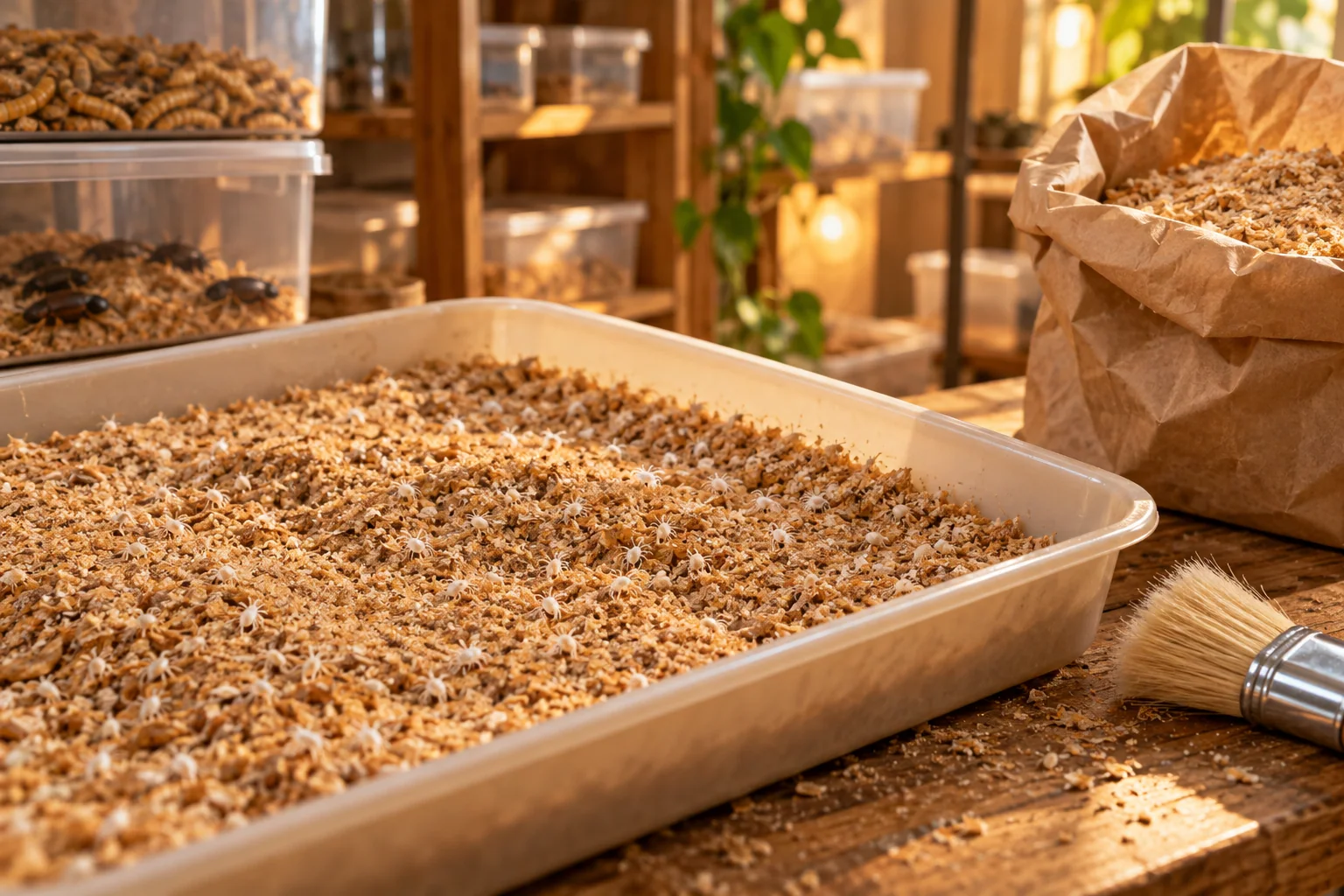
Grain Mites in Mealworm and Superworm Bran: How to Clear Them
Tell grain mites apart from mold and shed skins, then clear a bran bloom for good.
Read Guide →
Why Are My BSFL Crawling Out of the Container? (And How to Stop It)
Tell normal wandering from a real escape, and the fixes that actually keep larvae contained.
Read Guide →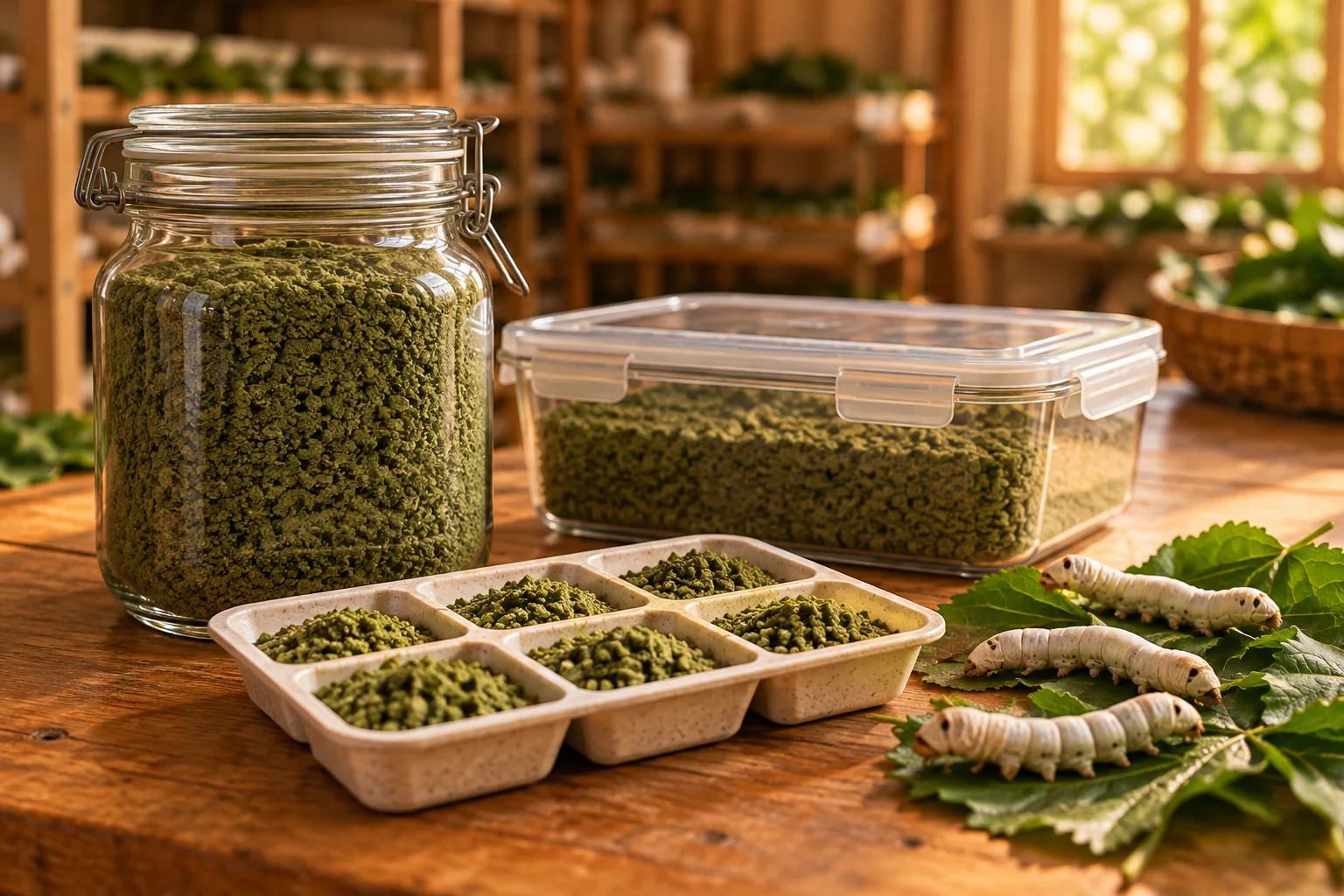
Do You Need to Mix Silkworm Chow? Storage and Shelf Life
No mixing required: how to store, portion, and spot spoiled silkworm chow.
Read Guide →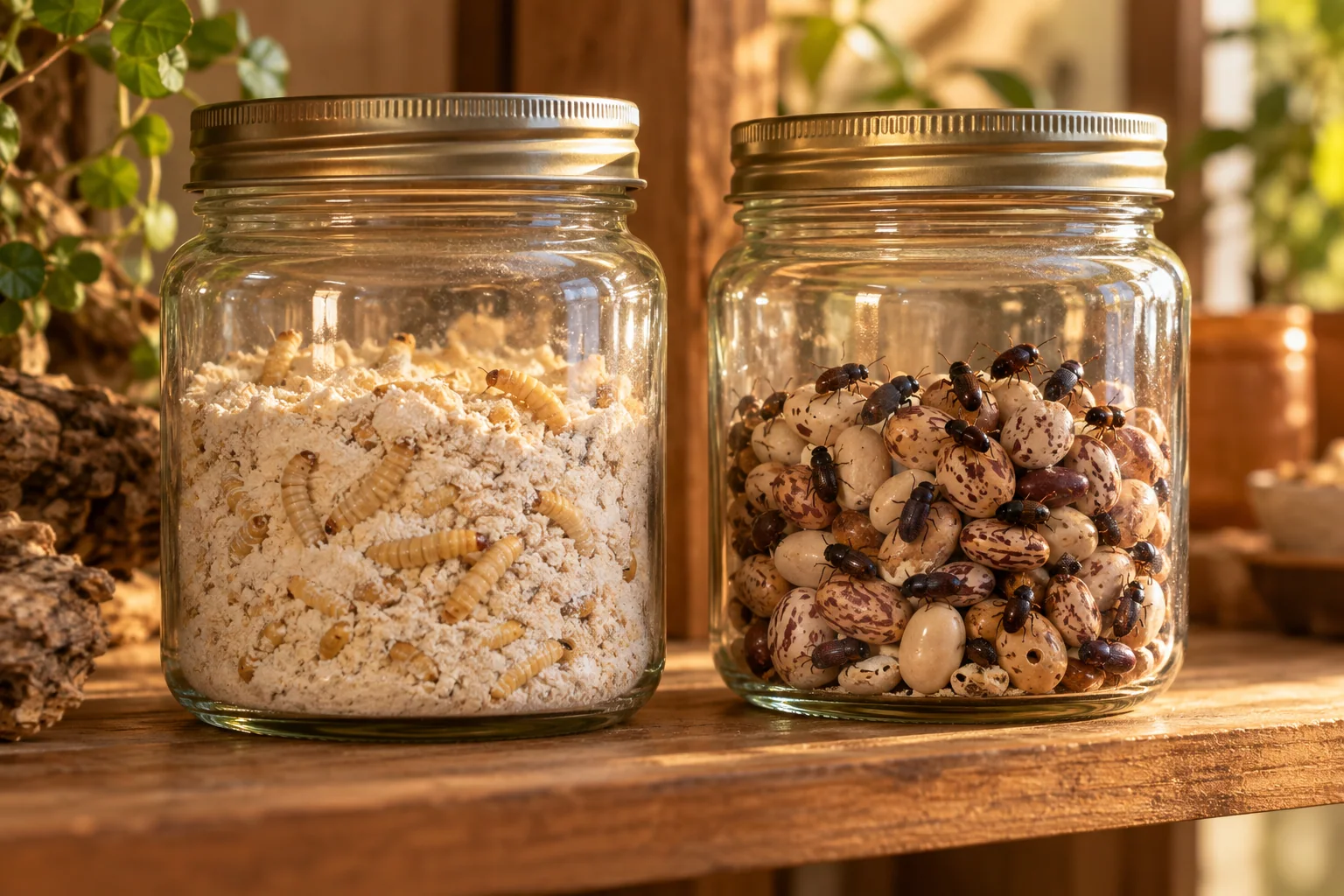
Rice Flour Beetles vs Bean Beetles: Which Culture Lasts?
Larvae vs adults, weeks vs months: the honest comparison of two backup micro feeders.
Read Guide →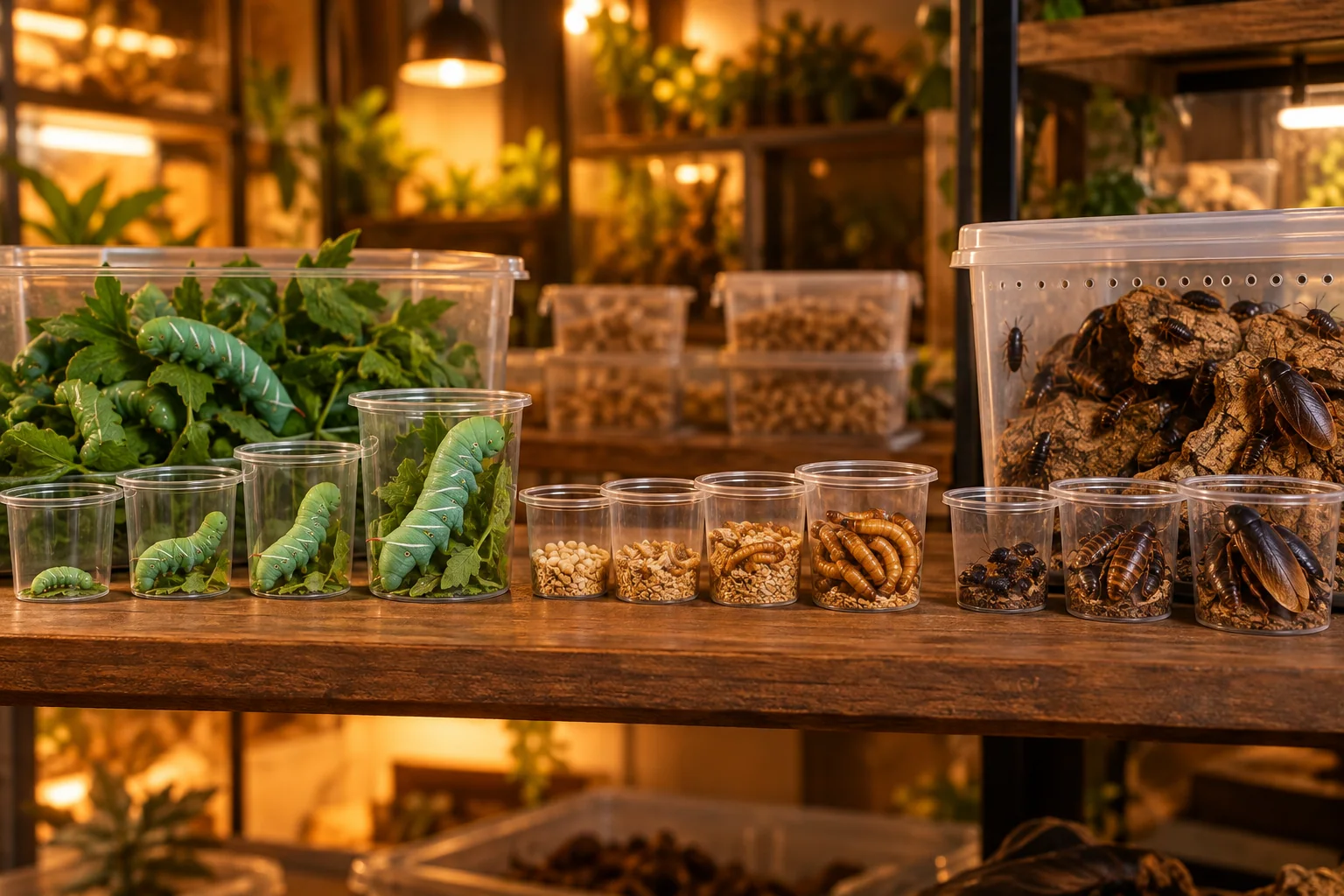
How Fast Do Feeder Insects Grow? A Timeline by Species
Hornworms in a week, dubia in months: a species-by-species feeder growth timeline.
Read Guide →
Dubia Nymph Size by Age: A Growth Chart for Feeders and Breeders
See how big a dubia roach is at each age, from a rice grain hatchling to a full adult.
Read Guide →Exotic Invertebrate Guides
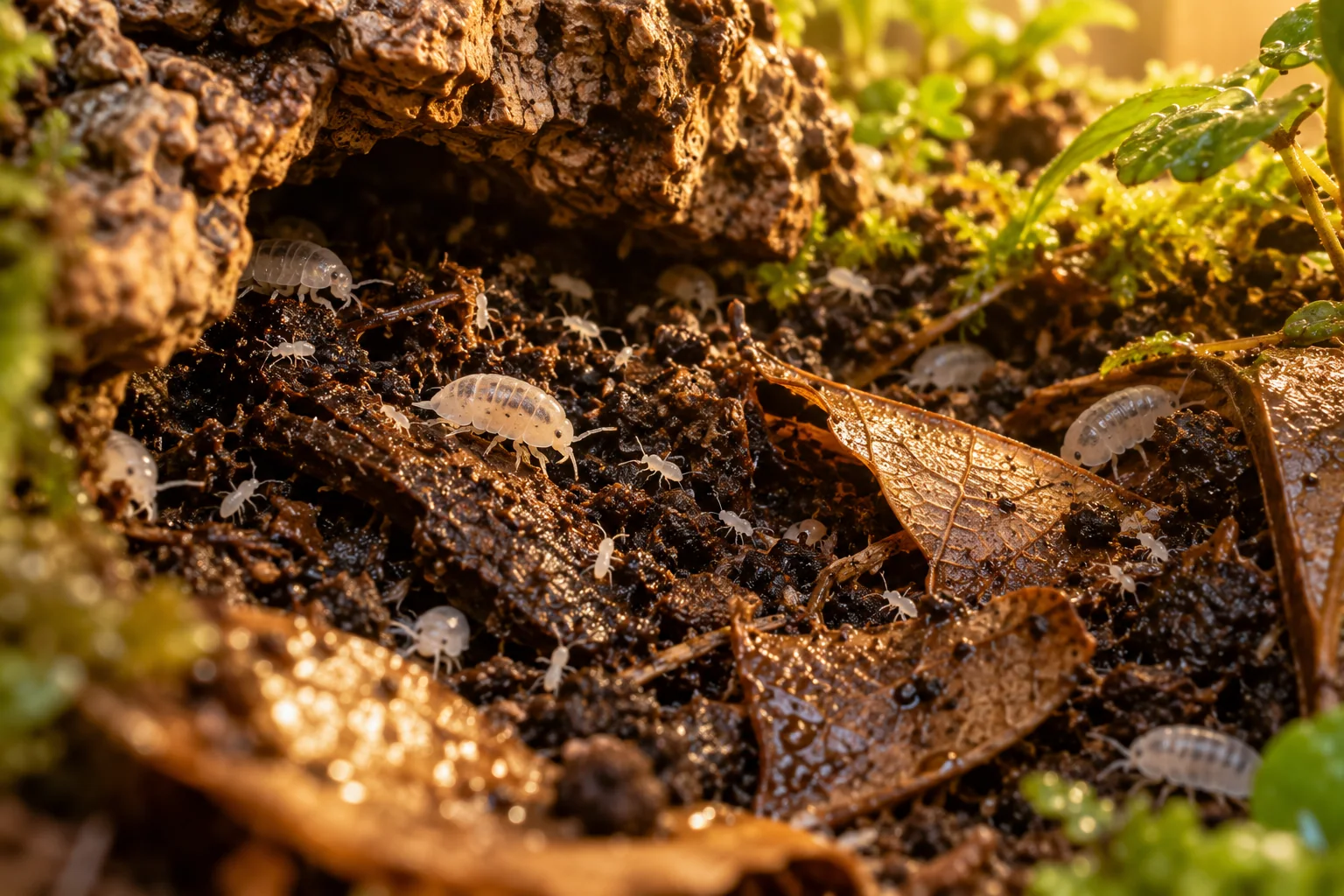
Can Isopods and Springtails Live Together?
Yes, and they are a team: isopods clear big debris, springtails graze the mold. How to keep both.
Read Guide →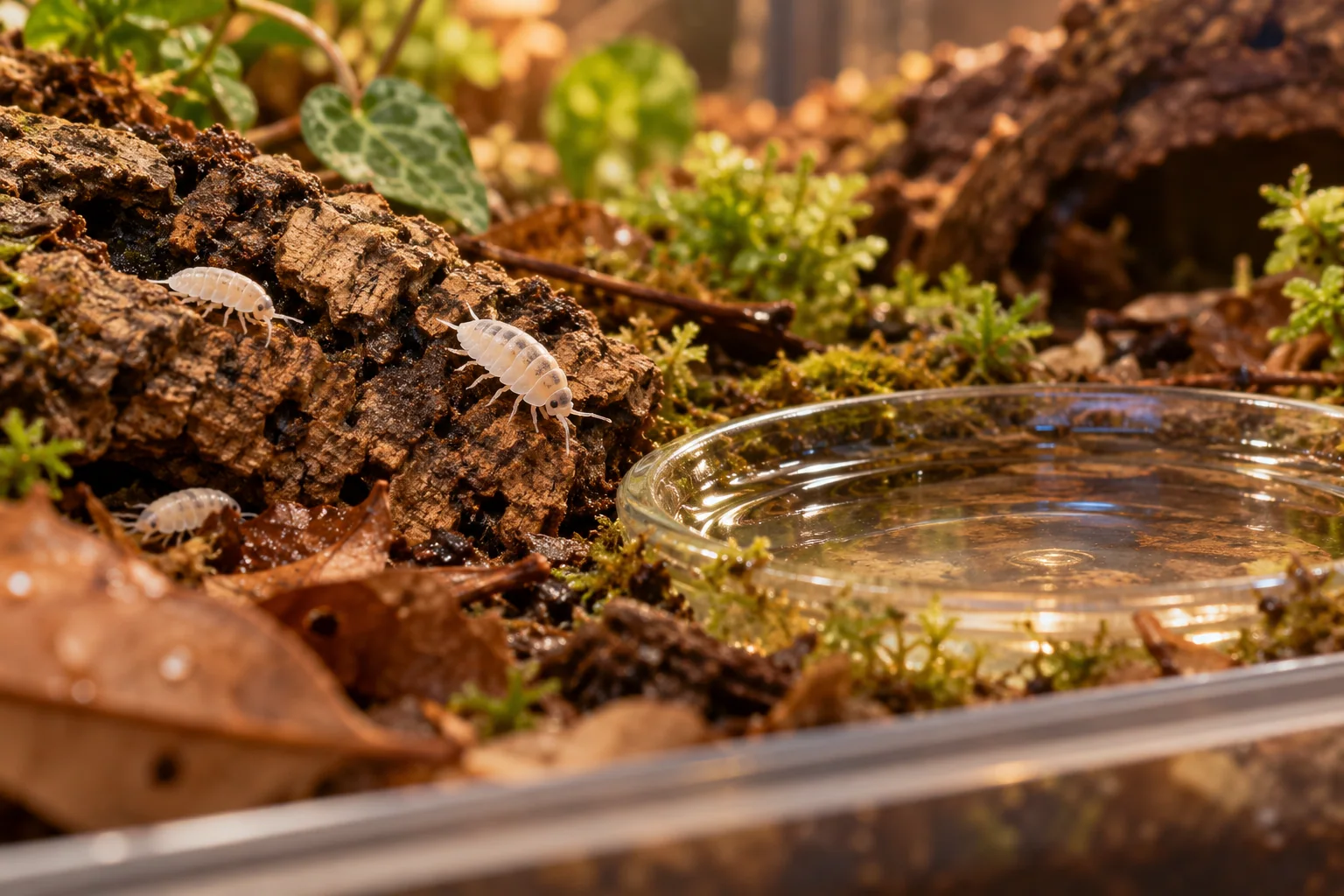
Can Isopods Drown?
Yes, isopods can drown. They breathe humid air, not water. How to prevent it.
Read Guide →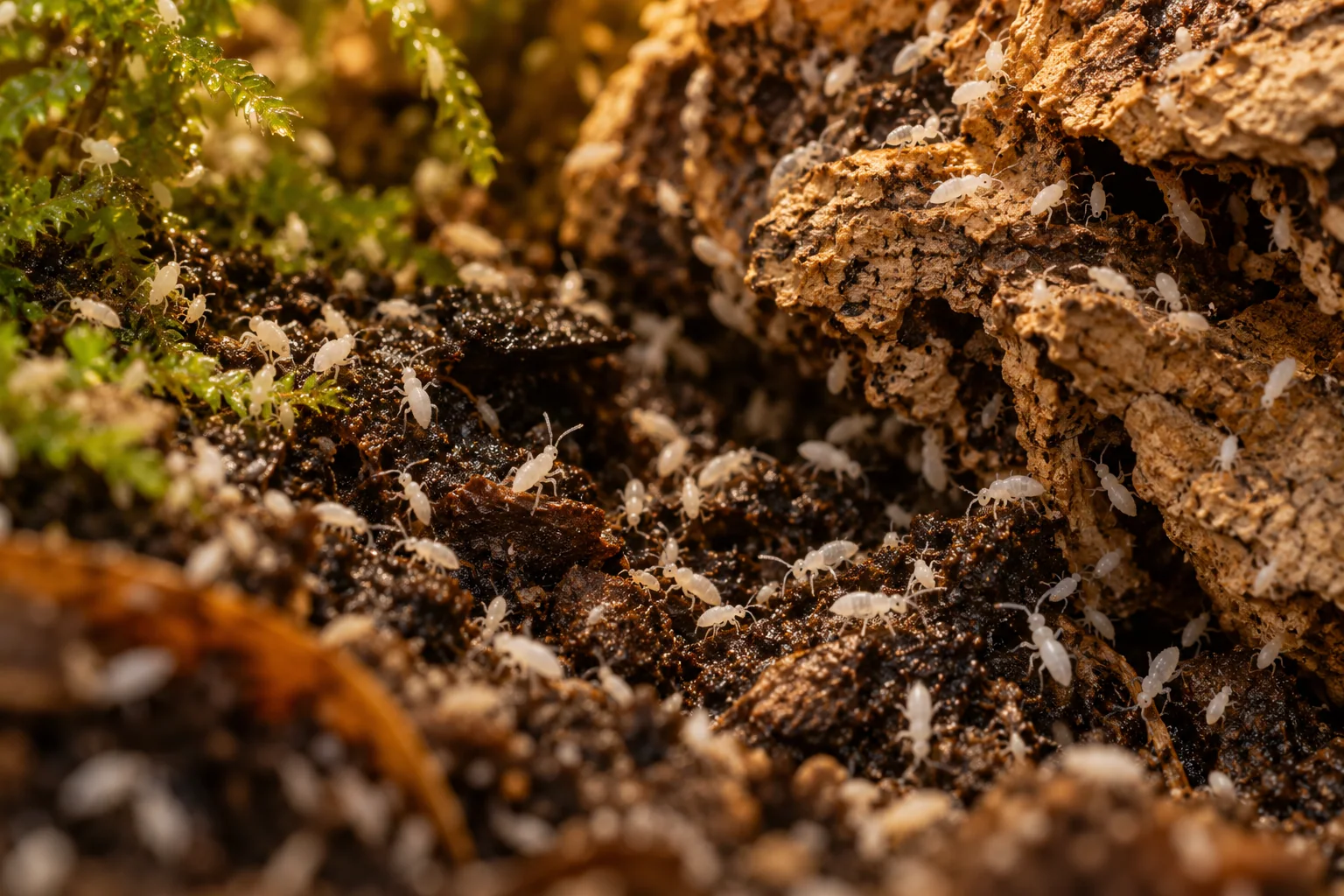
Can You Have Too Many Springtails?
In a vivarium, no limit. In a closed culture, overfeeding is the real crash risk.
Read Guide →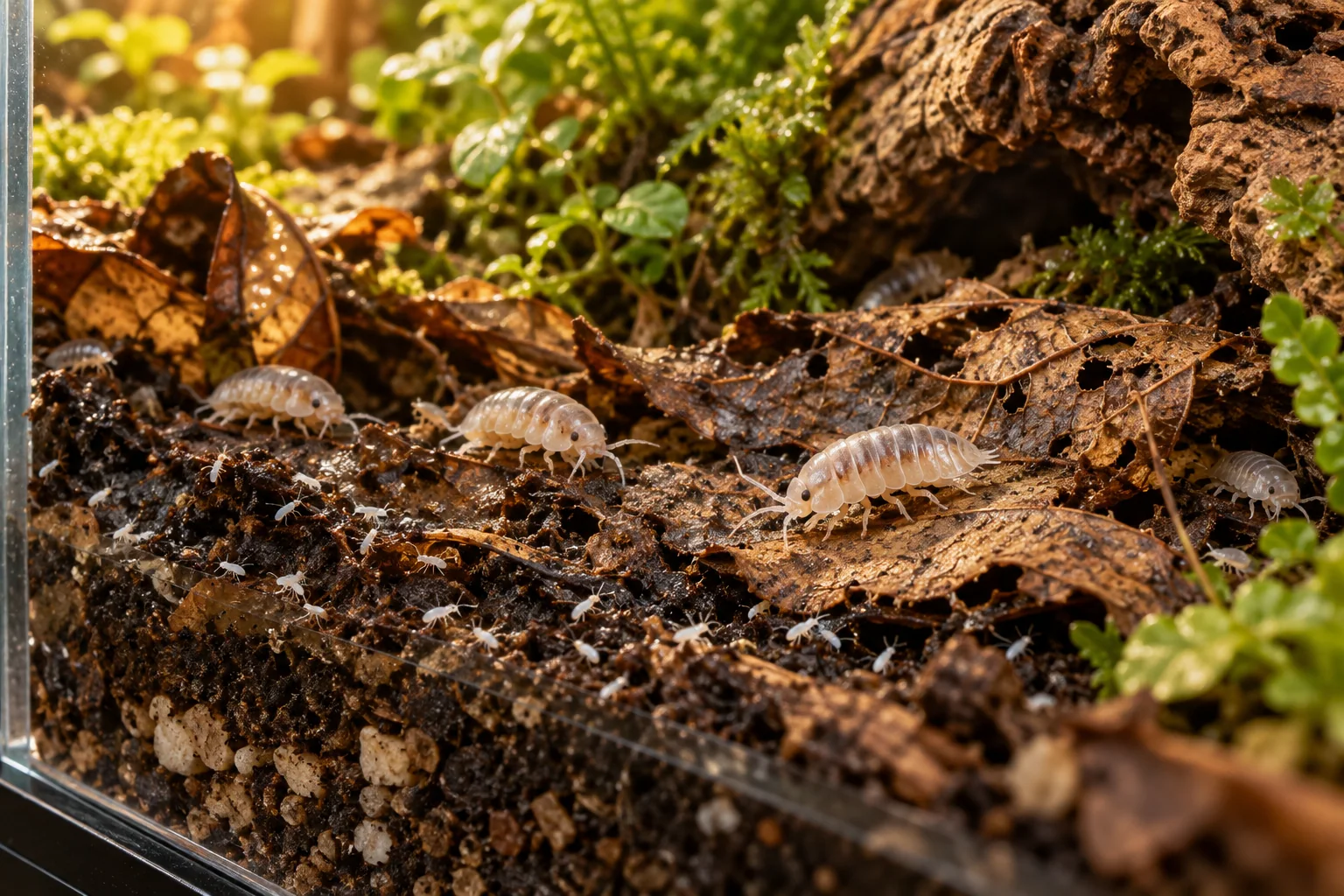
Do I Need Springtails, Isopods, or Both?
Springtails clear mold and fine waste, isopods clear the bulk. Most setups need both.
Read Guide →
Do Isopods Eat Each Other?
Isopods rarely eat healthy colony mates. Real cannibalism usually means they're hungry.
Read Guide →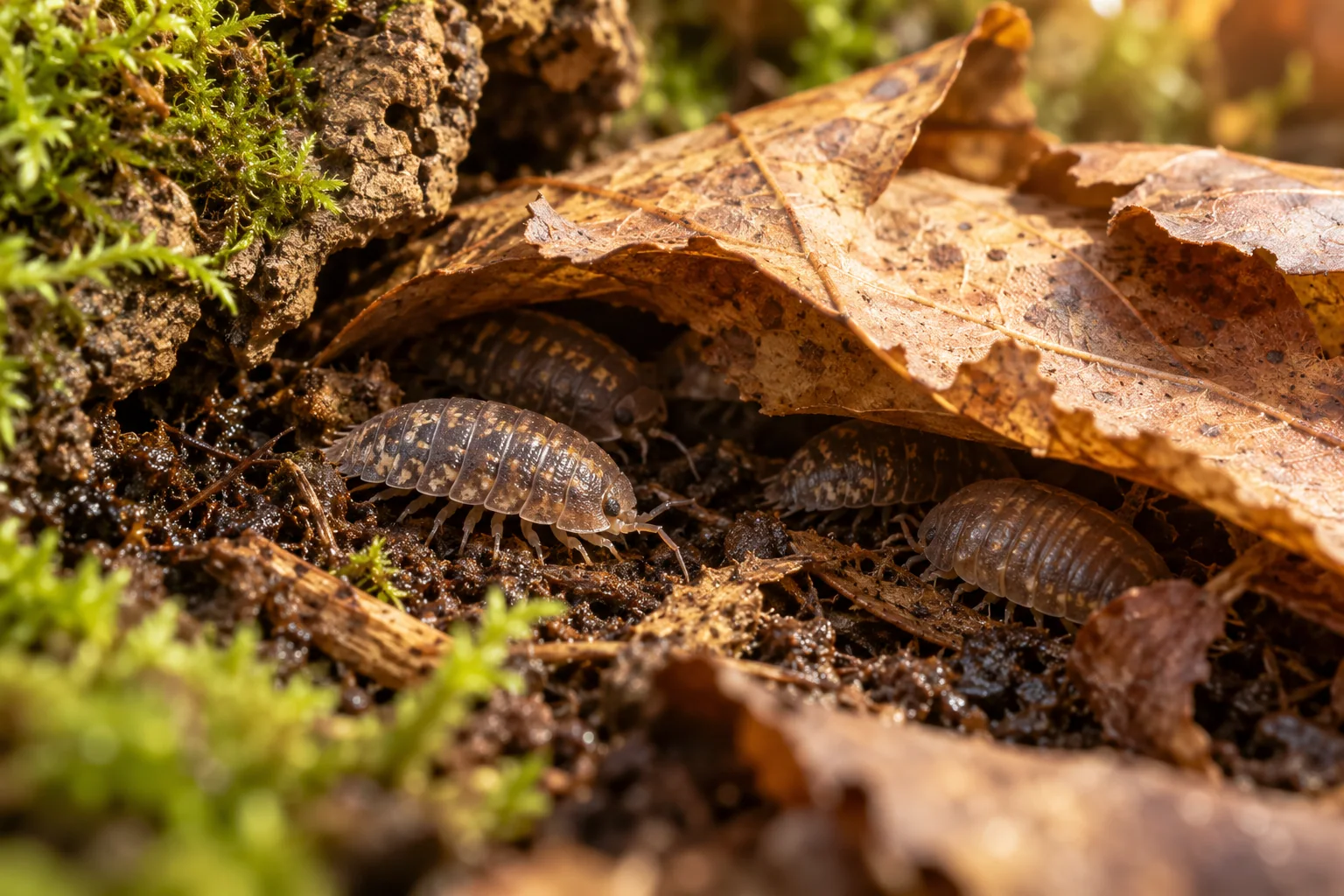
Do Isopods Hibernate in Winter?
No true hibernation. Isopods just slow down and breed less in winter, then bounce back.
Read Guide →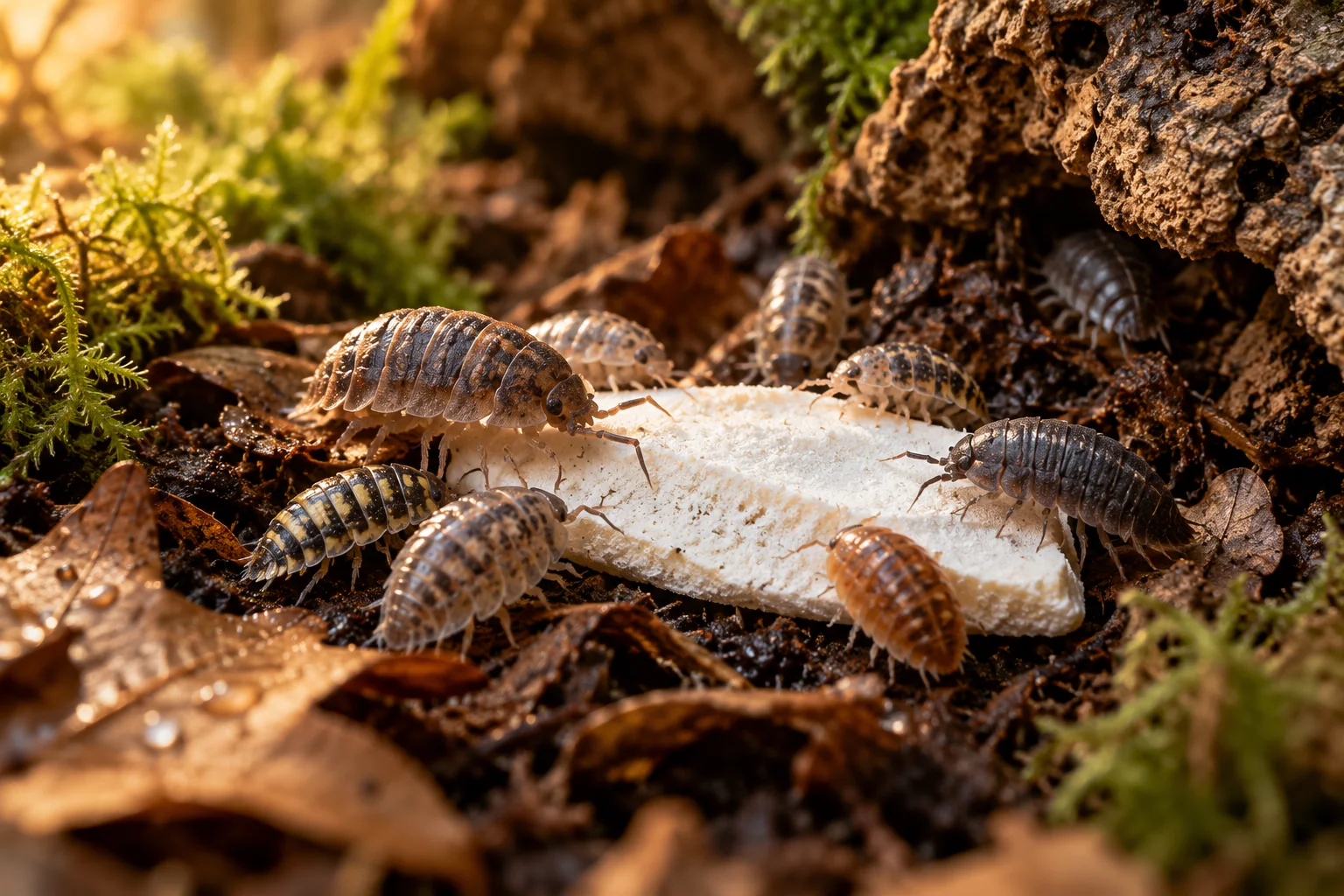
Do Isopods Need Calcium?
Yes, isopods need constant calcium to rebuild their shell every molt. Sources and how.
Read Guide →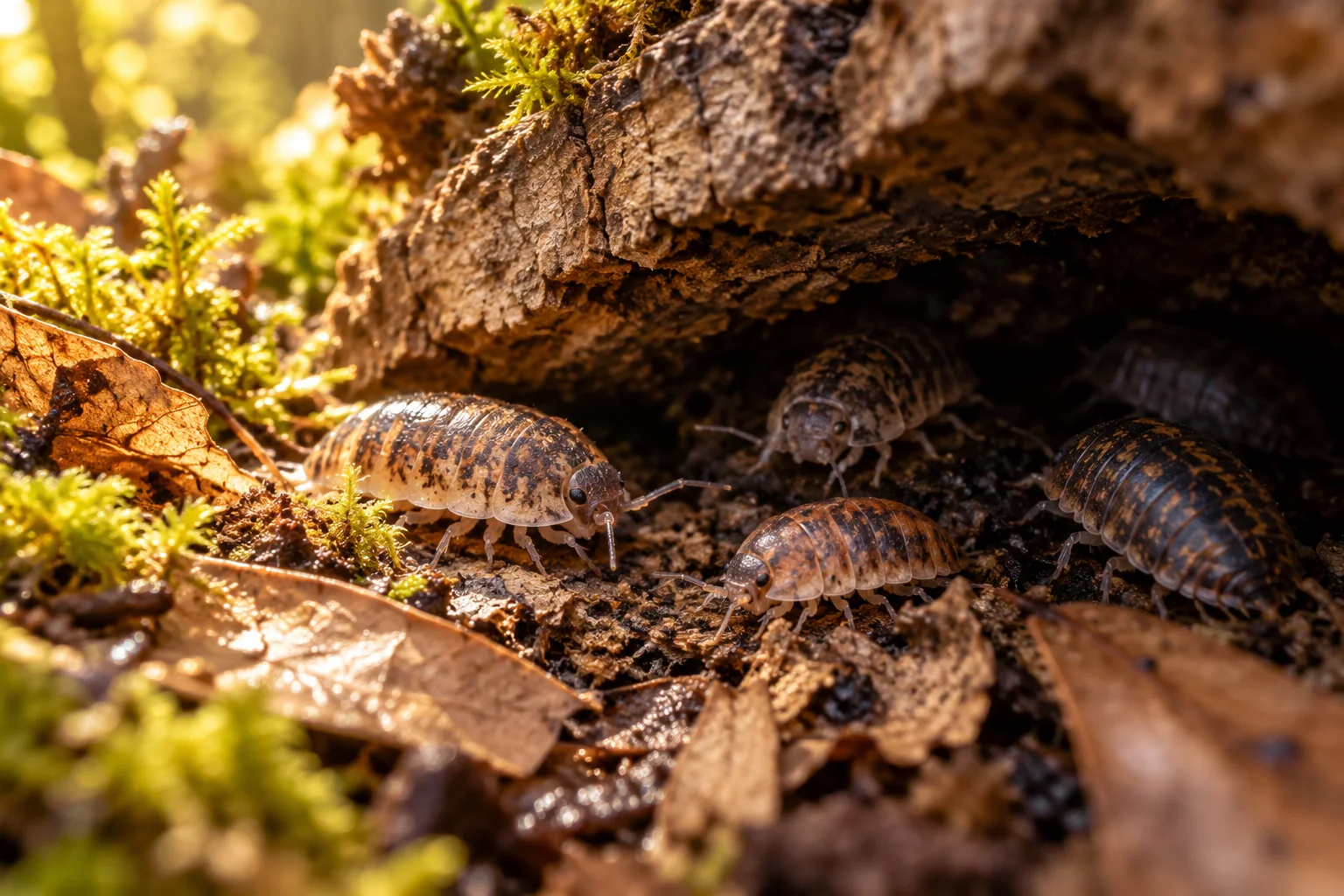
Do Isopods Need Light or Darkness?
No, isopods do not need UVB, just dark hides, humidity, and a normal day-night cycle.
Read Guide →
Do Isopods Smell Bad?
No, isopods don't smell. A sour or ammonia smell means wet substrate, not the animals.
Read Guide →
Do Springtails Need to Be Fed?
In a viv they mostly feed themselves. In a culture, a tiny yeast pinch every few days.
Read Guide →
Giant Isopod vs Pet Isopod: Can You Keep One?
You can't keep the deep-sea giant isopod, but its tiny land cousins make great pets.
Read Guide →
How Fast Do Springtails Reproduce?
A small culture can explode into the thousands in a few weeks under the right conditions.
Read Guide →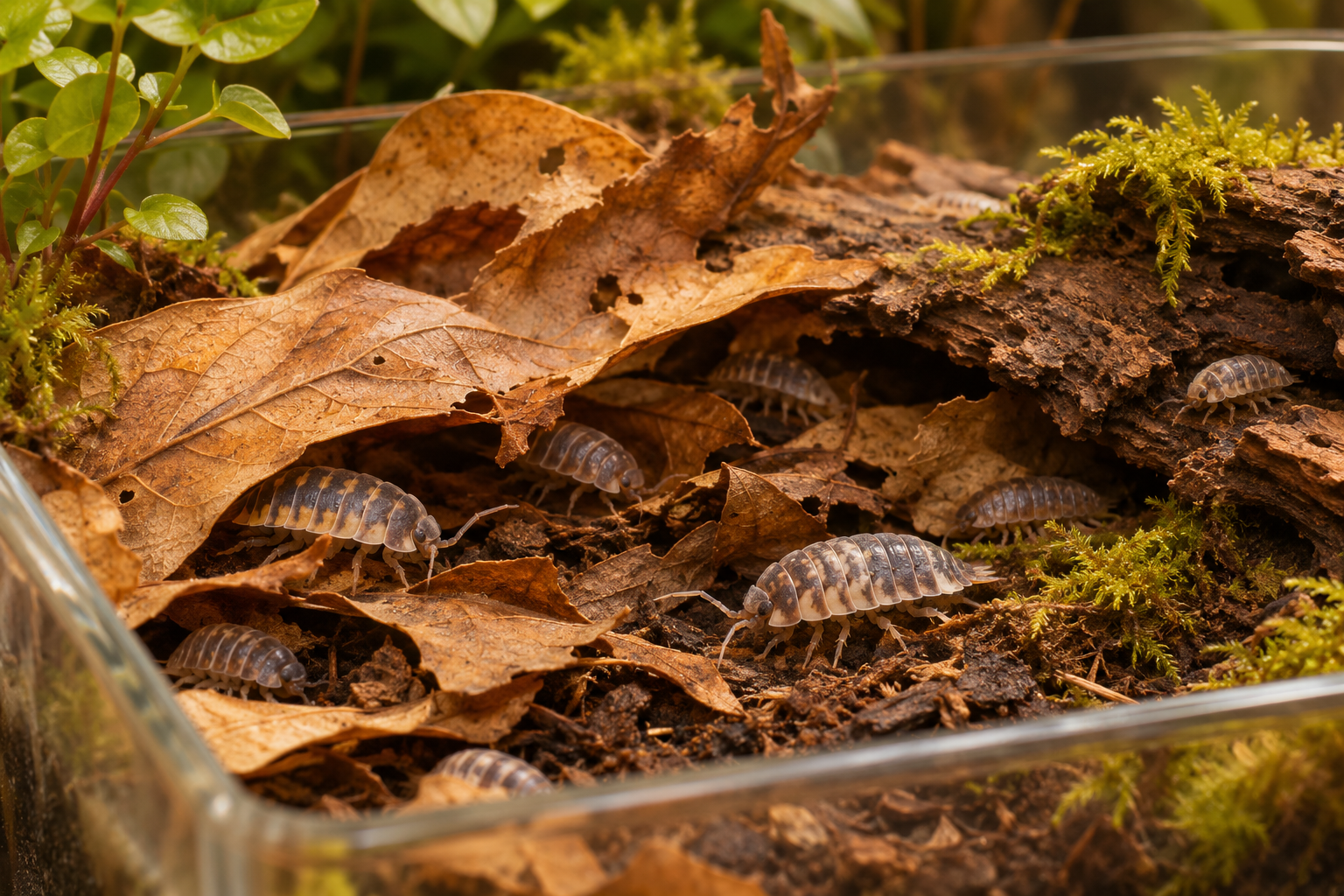
How Long Can Isopods Go Without Food?
A healthy colony goes 2 to 3 weeks without feeding. Here is what actually matters.
Read Guide →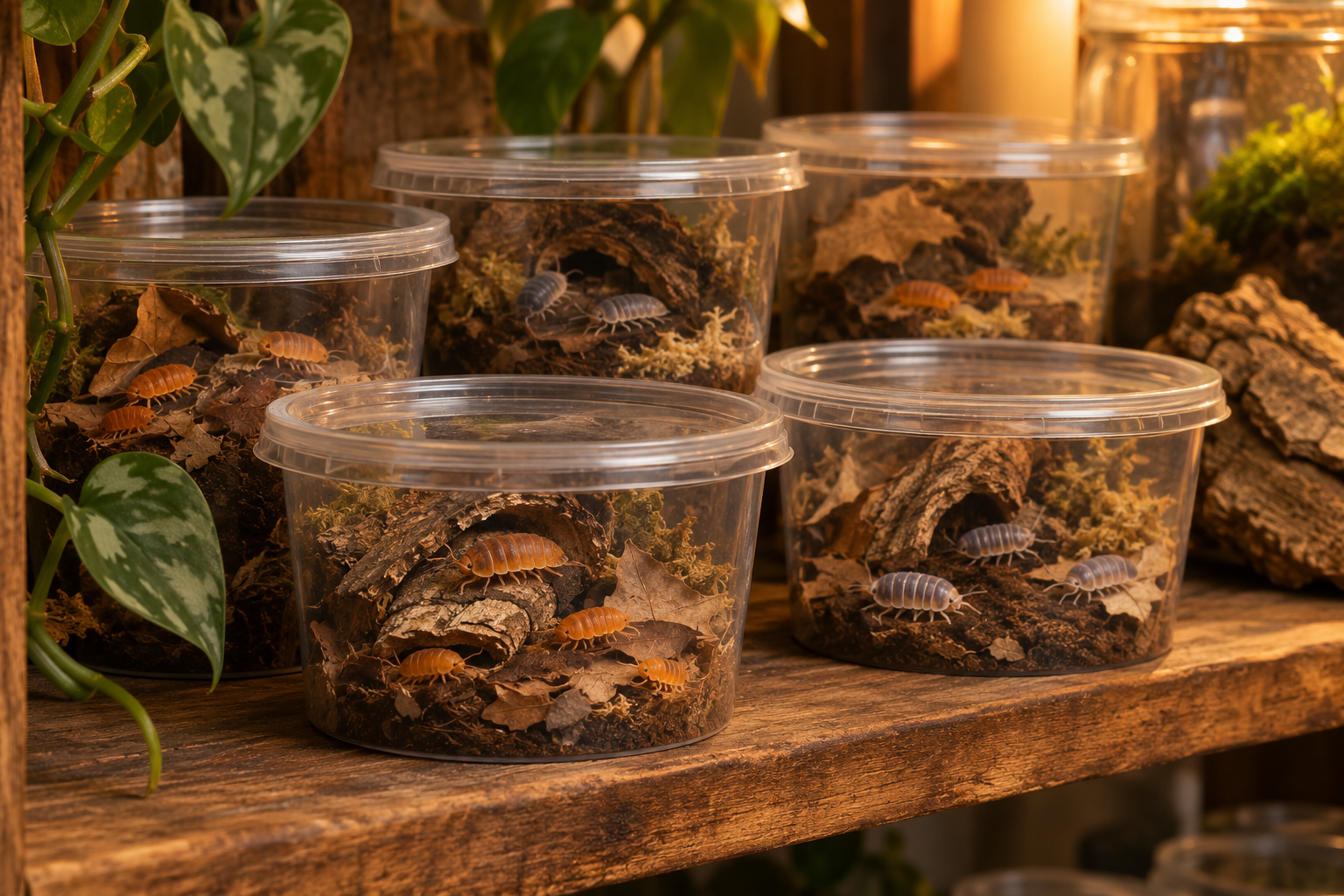
How Much Do Isopods Cost? Price by Tier
Isopod prices by tier, from starter cleanup crew to rare designer morphs.
Read Guide →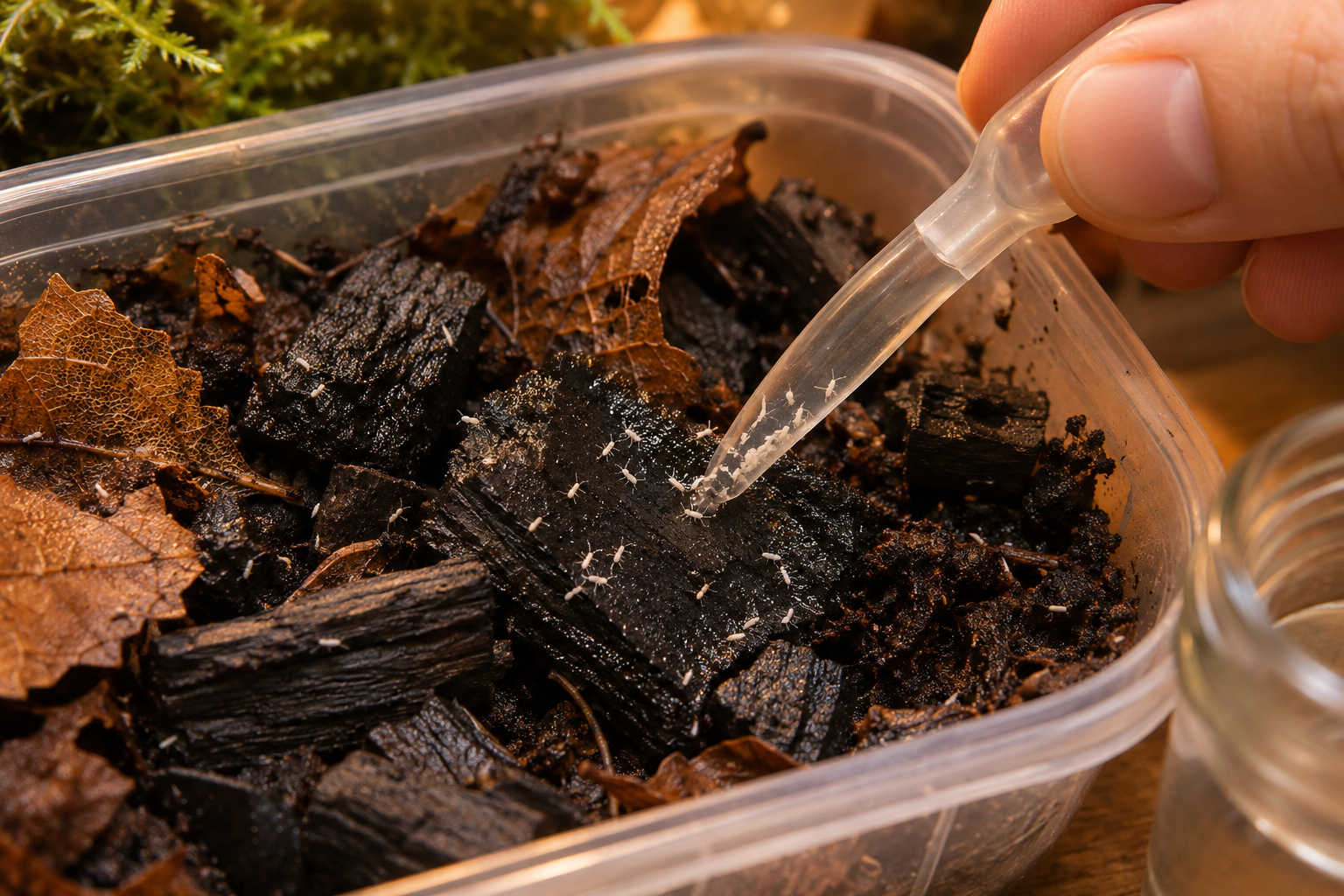
How to Harvest Springtails
Flood-and-pour, scoop, or lure with food: three ways to harvest springtails fast.
Read Guide →
How to Split a Springtail Culture
Pull a quarter to a third into a fresh container every 2 to 3 weeks. Full split guide.
Read Guide →
Isopod Genus Comparison: Which One Should You Keep?
Compare isopod genera by size, moisture, speed, and defense to pick the right one.
Read Guide →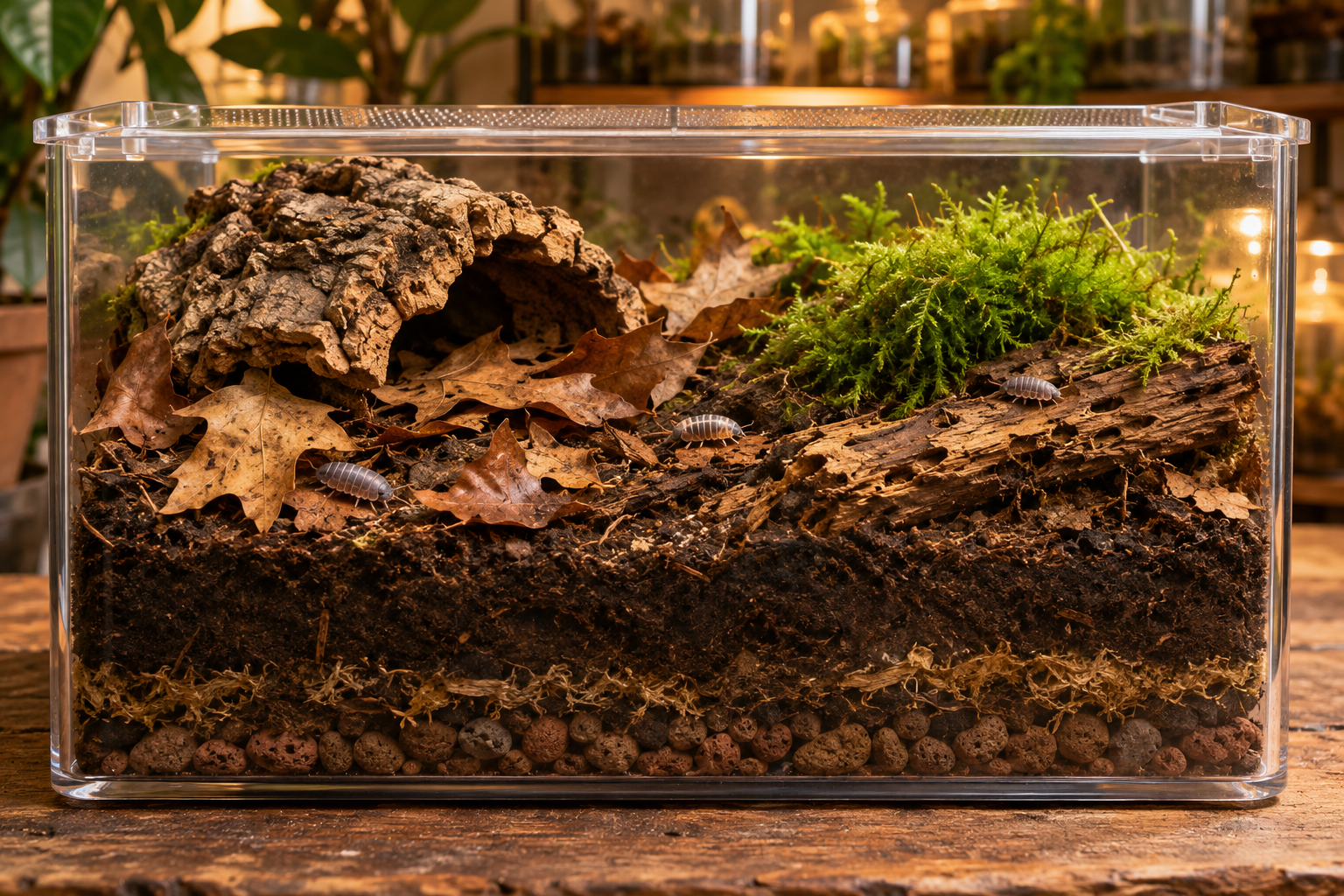
The Best Isopod Substrate Recipe (Layer by Layer)
The exact layered substrate recipe we use, plus tropical and arid variants.
Read Guide →
Isopods vs Pillbugs vs Roly-Polies vs Sowbugs
Pillbug, sowbug, roly-poly, and woodlouse are all names for isopods. Here is the one real difference.
Read Guide →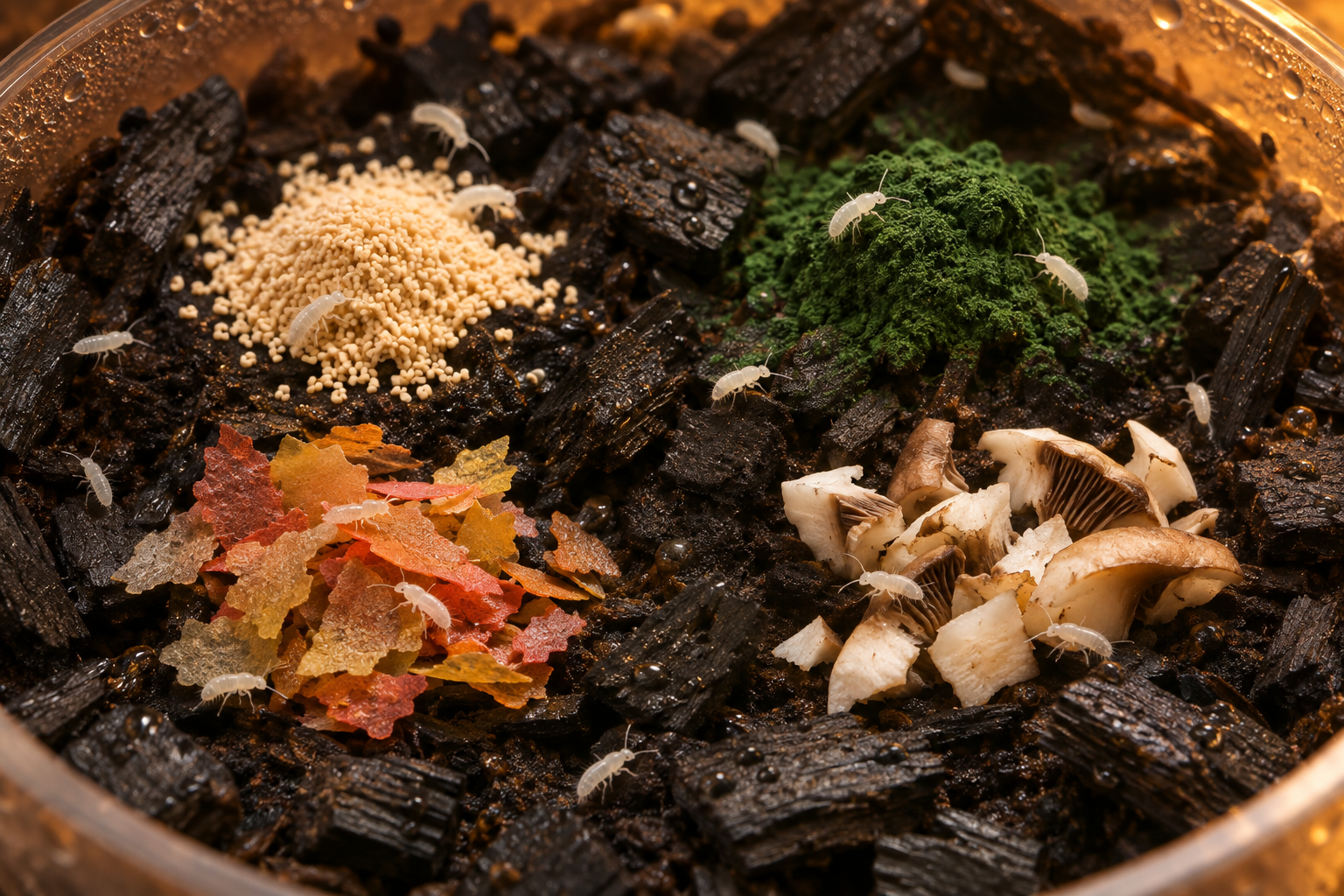
Springtail Food Comparison Chart
Yeast is the go-to food; spirulina, fish flake, and mushroom work too, with trade-offs.
Read Guide →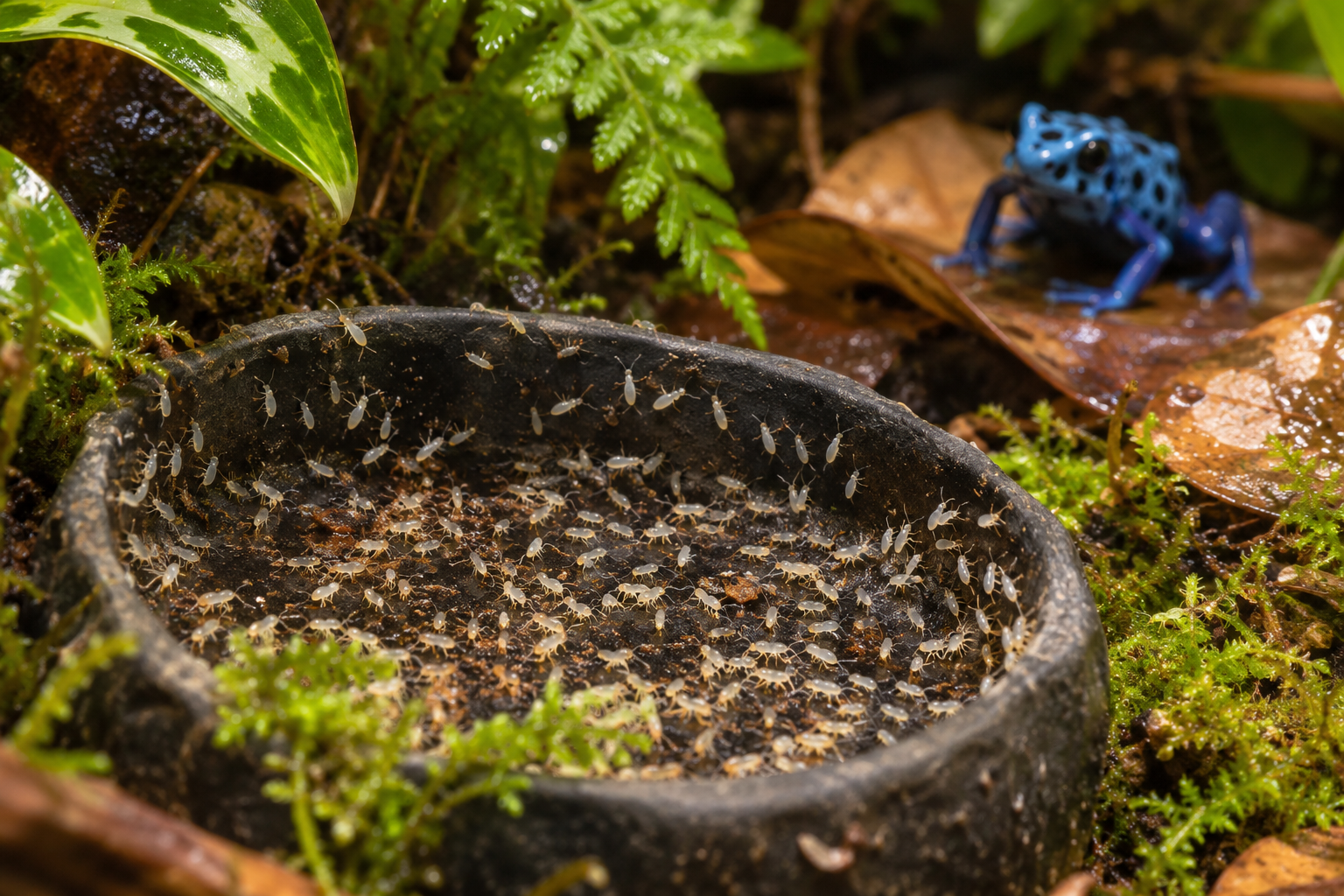
Springtails for Dart Frogs: A Stocking Guide
There is no per-frog number. Build a booming in-viv springtail colony plus a backup.
Read Guide →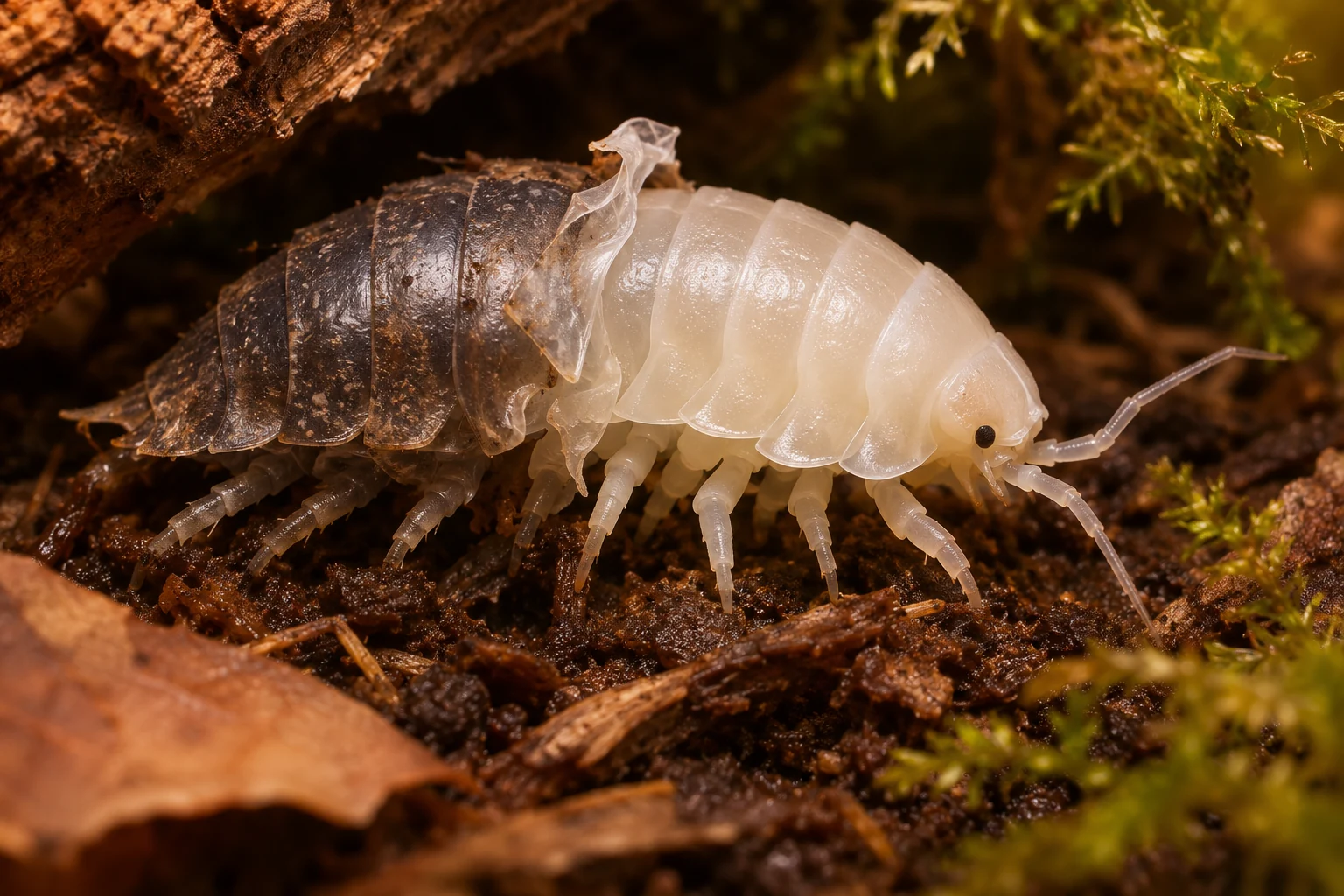
Why Is My Isopod Half White?
Half-white isopod? Normal mid-molt, not dying. Here's the timeline and when to worry.
Read Guide →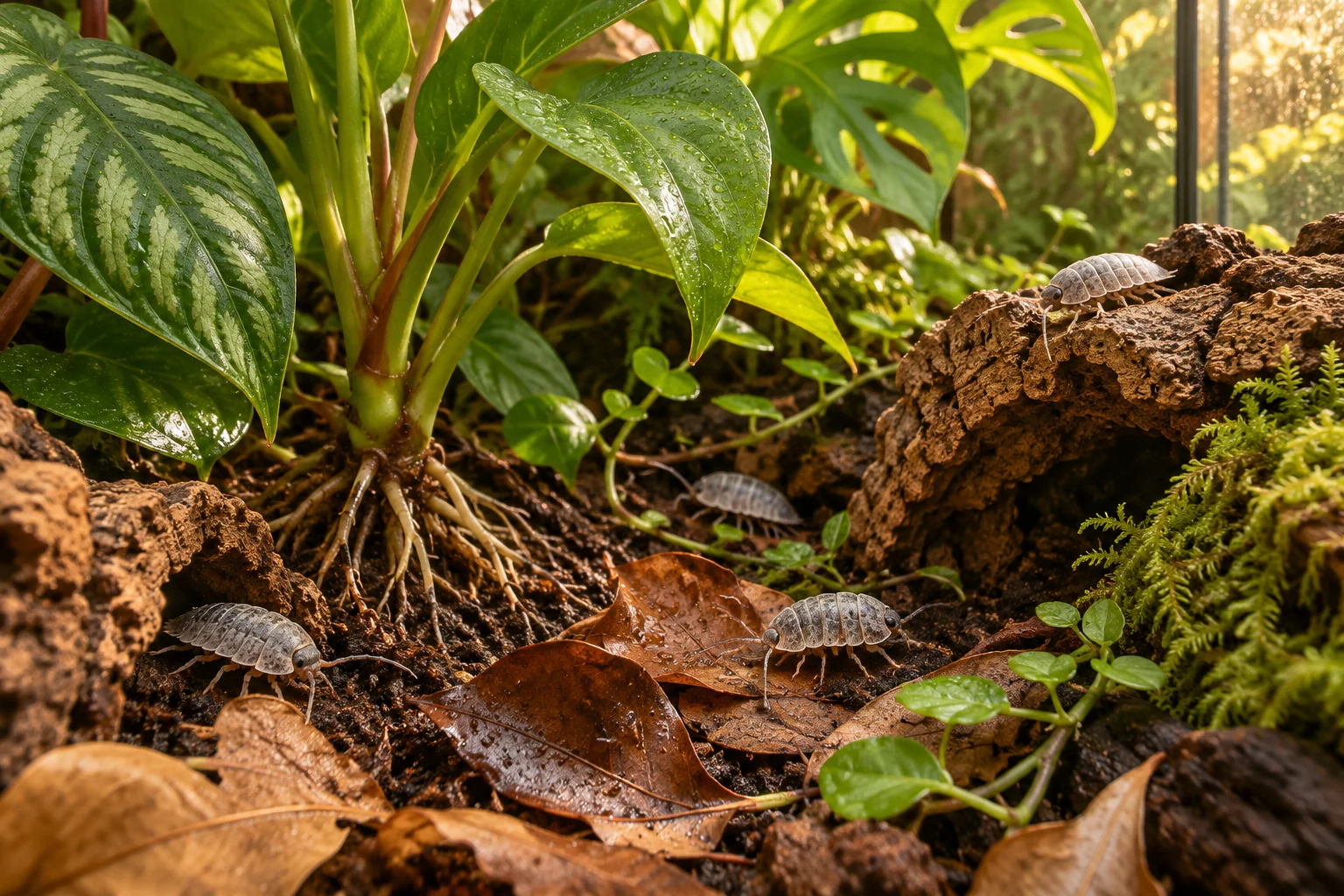
Will Isopods Eat My Terrarium Plants?
Isopods target decay, not living plants, but a hungry colony can nibble soft new growth.
Read Guide →
Isopods and Springtails for Houseplant Fungus Gnats
Springtail dosage per pot size plus a week-by-week timeline for fungus gnat control.
Read Guide →
Isopods for the Classroom: A Teacher's Guide
The low-maintenance classroom pet setup, plus what students can actually observe.
Read Guide →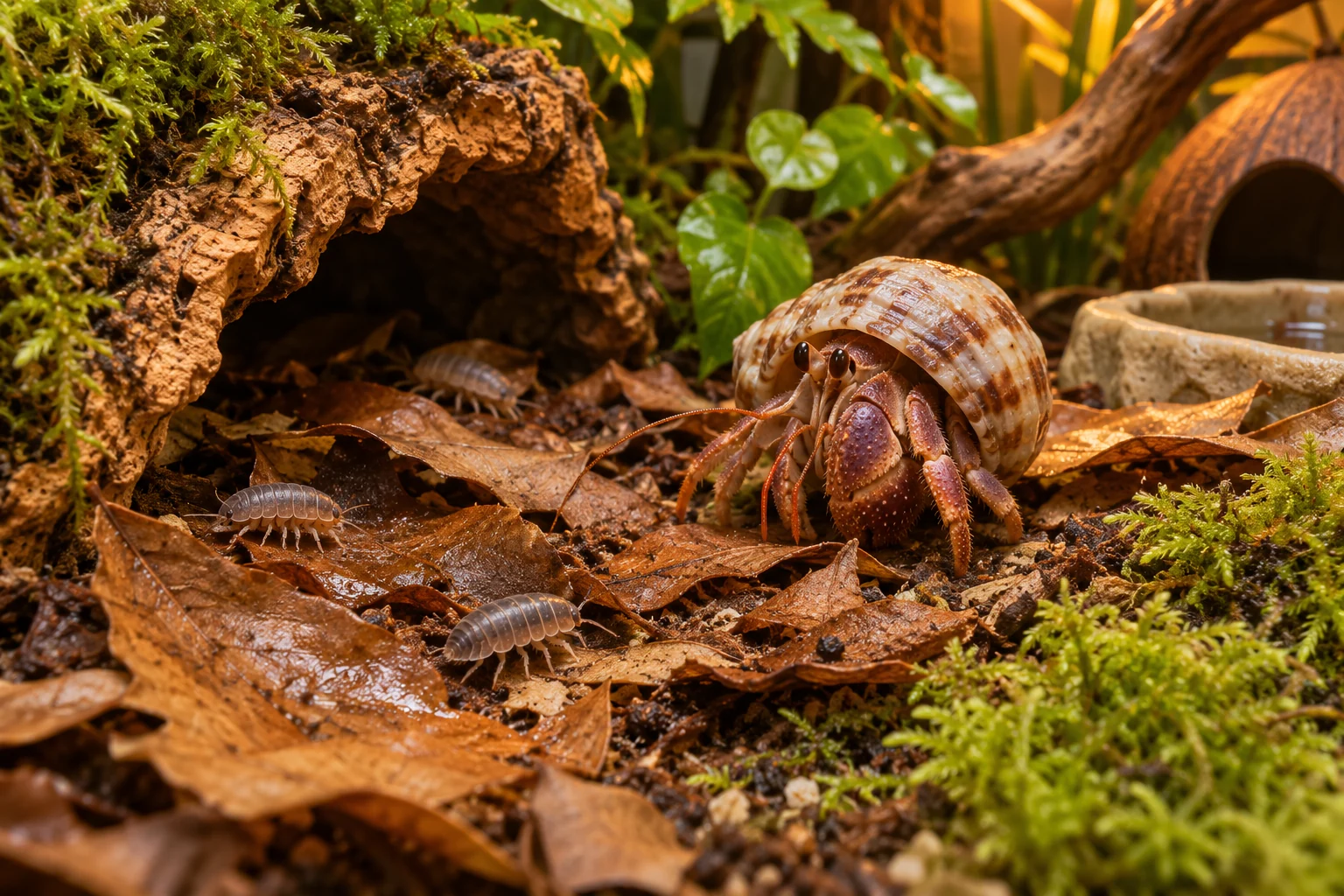
Isopods for a Hermit Crab Tank: Which Species Work
Which isopod species suit a crabitat, and the honest molting-safety answer.
Read Guide →
Isopods for an Ant Formicarium: Outworld Only
The outworld-only rule for ant keepers, plus the honest risk of a strong colony.
Read Guide →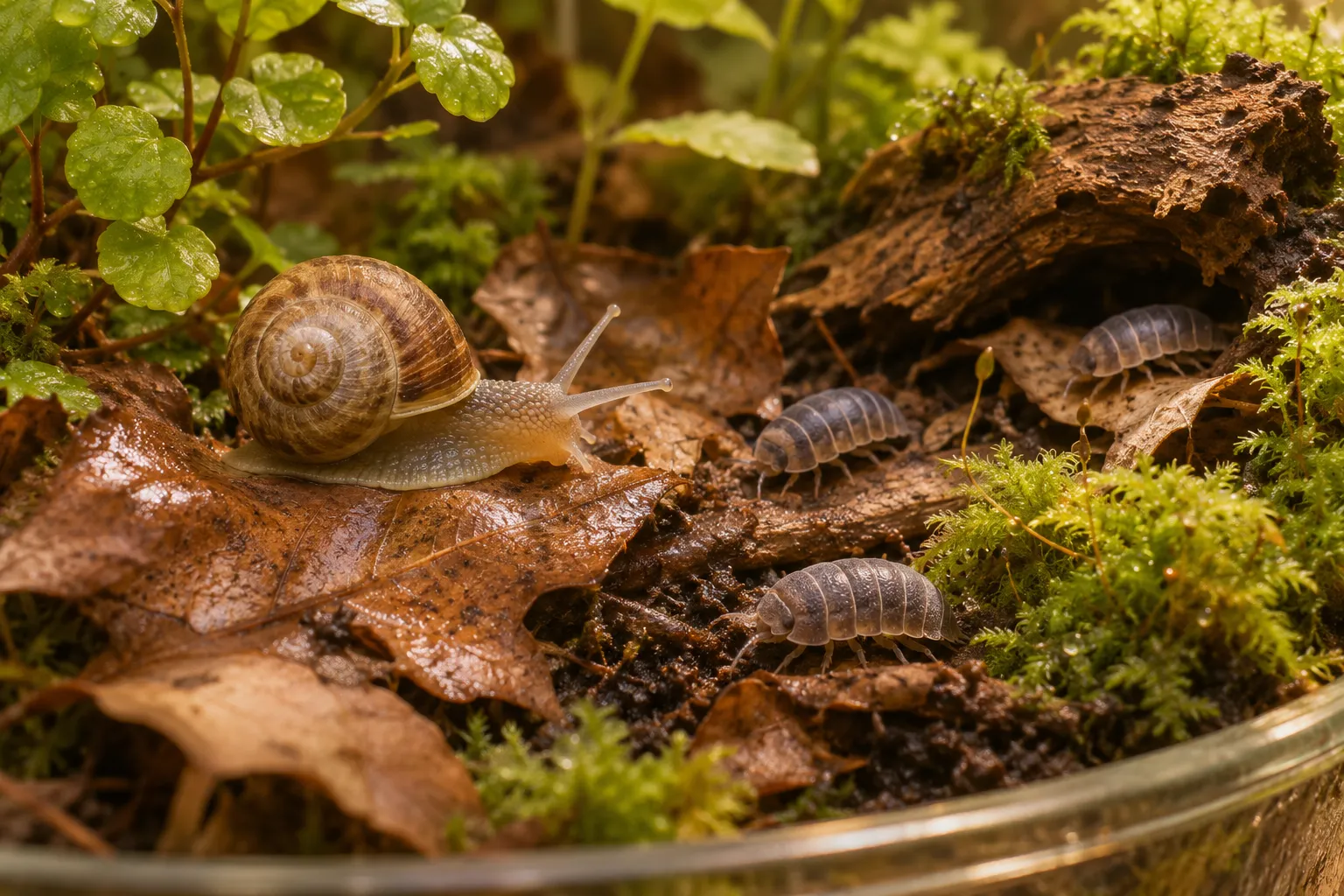
Isopods for a Pet Snail Enclosure: What Actually Works
Isopods and pet snails pair up well, if you solve the calcium math first.
Read Guide →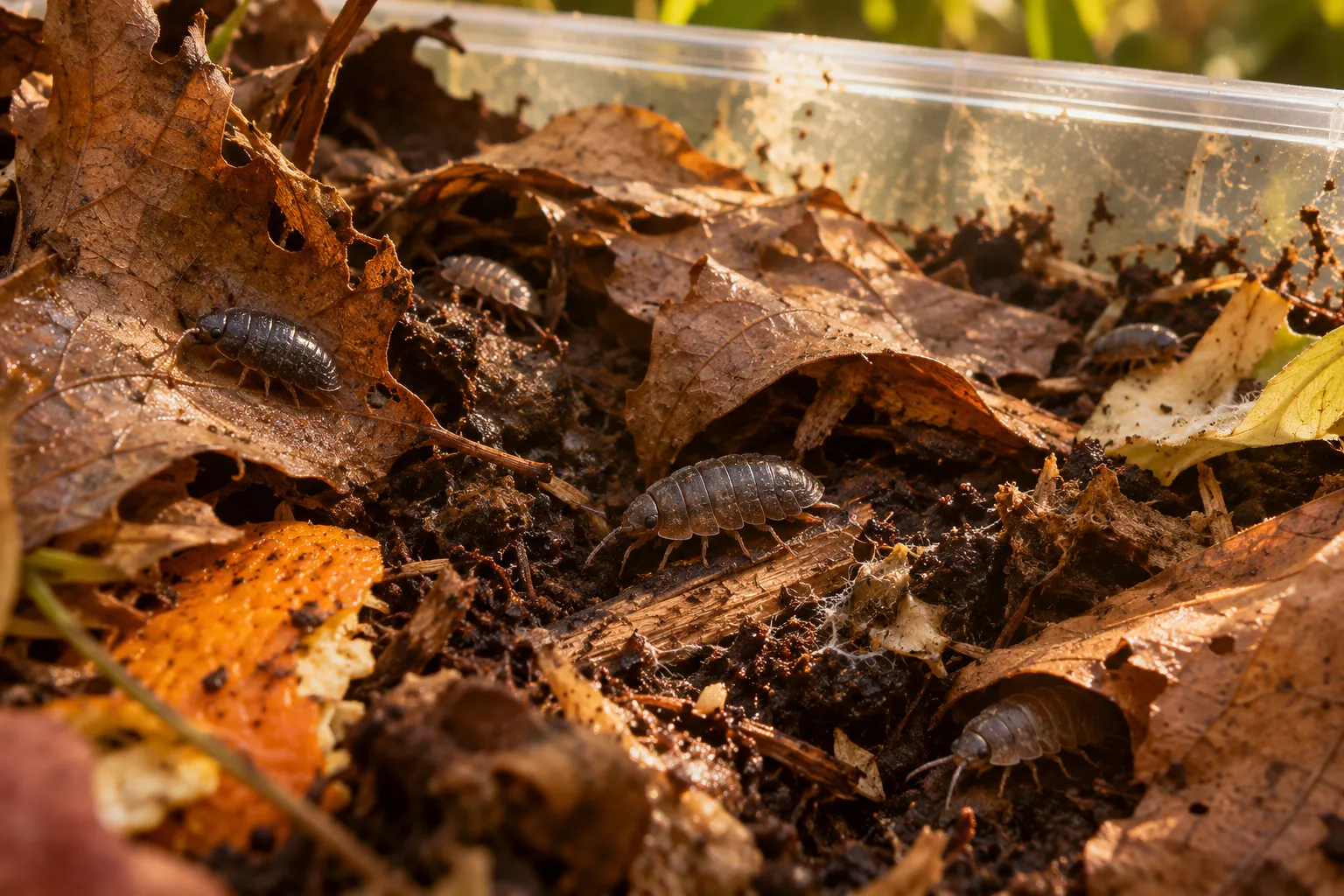
Do Isopods Help or Hurt a Compost or Worm Bin?
Isopods speed up a compost or worm bin instead of competing with the worms.
Read Guide →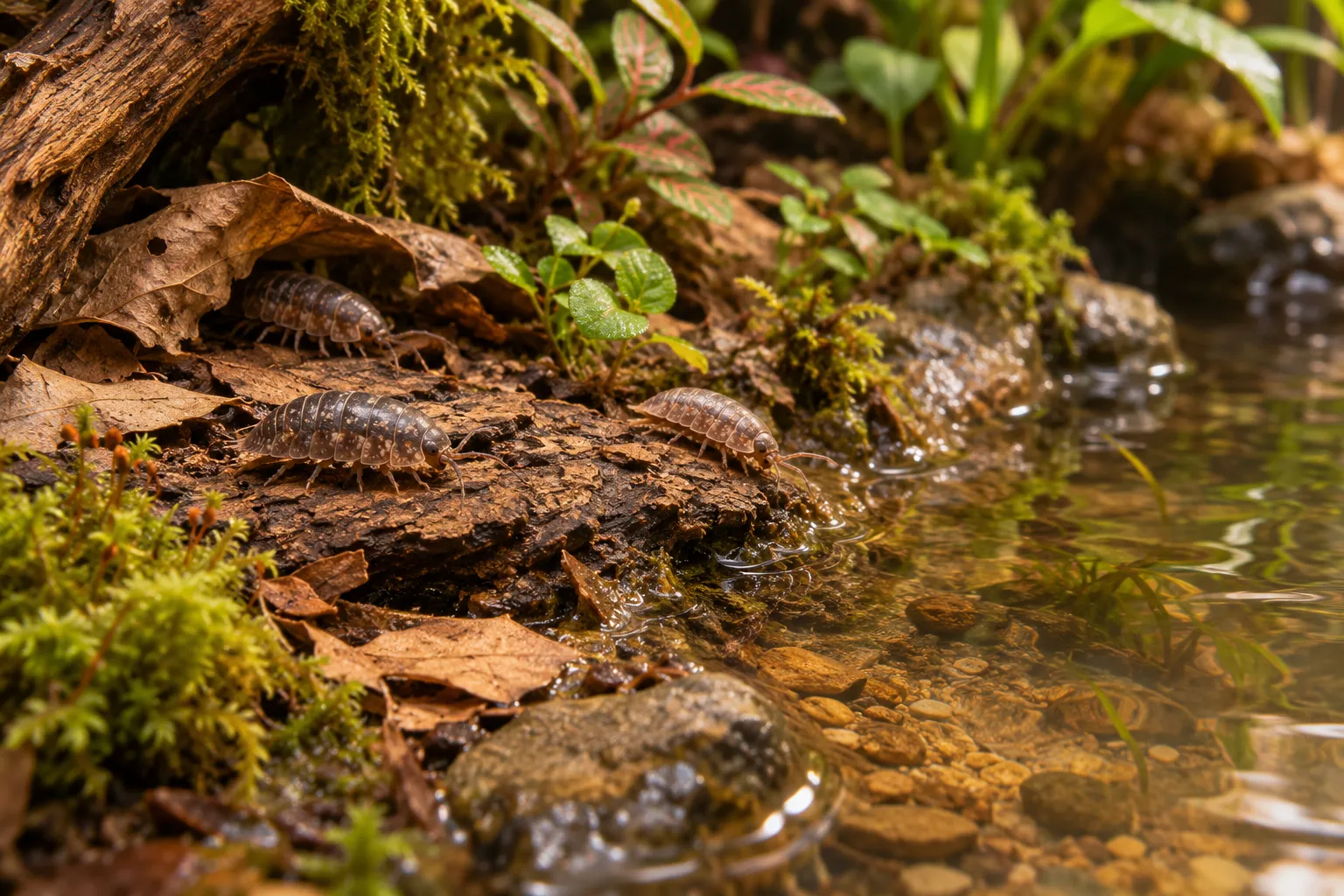
Isopods for a Paludarium: Where They Actually Belong
Keep isopods on the land side. Humidity tolerant picks and a safe shoreline.
Read Guide →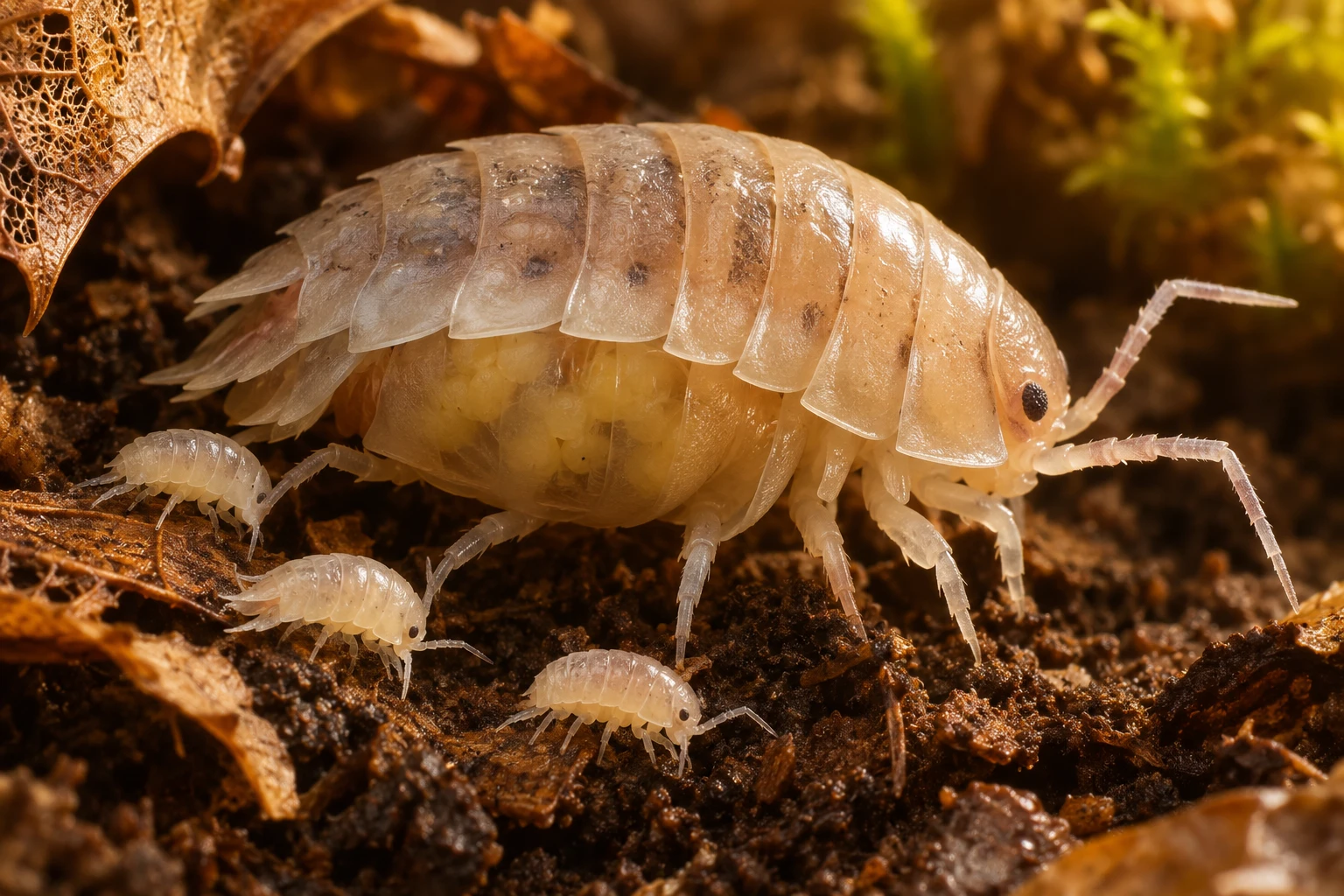
What Are Isopod Mancae, and What Is a Gravid Female?
Spot a gravid female and her mancae, the two signs a colony is breeding.
Read Guide →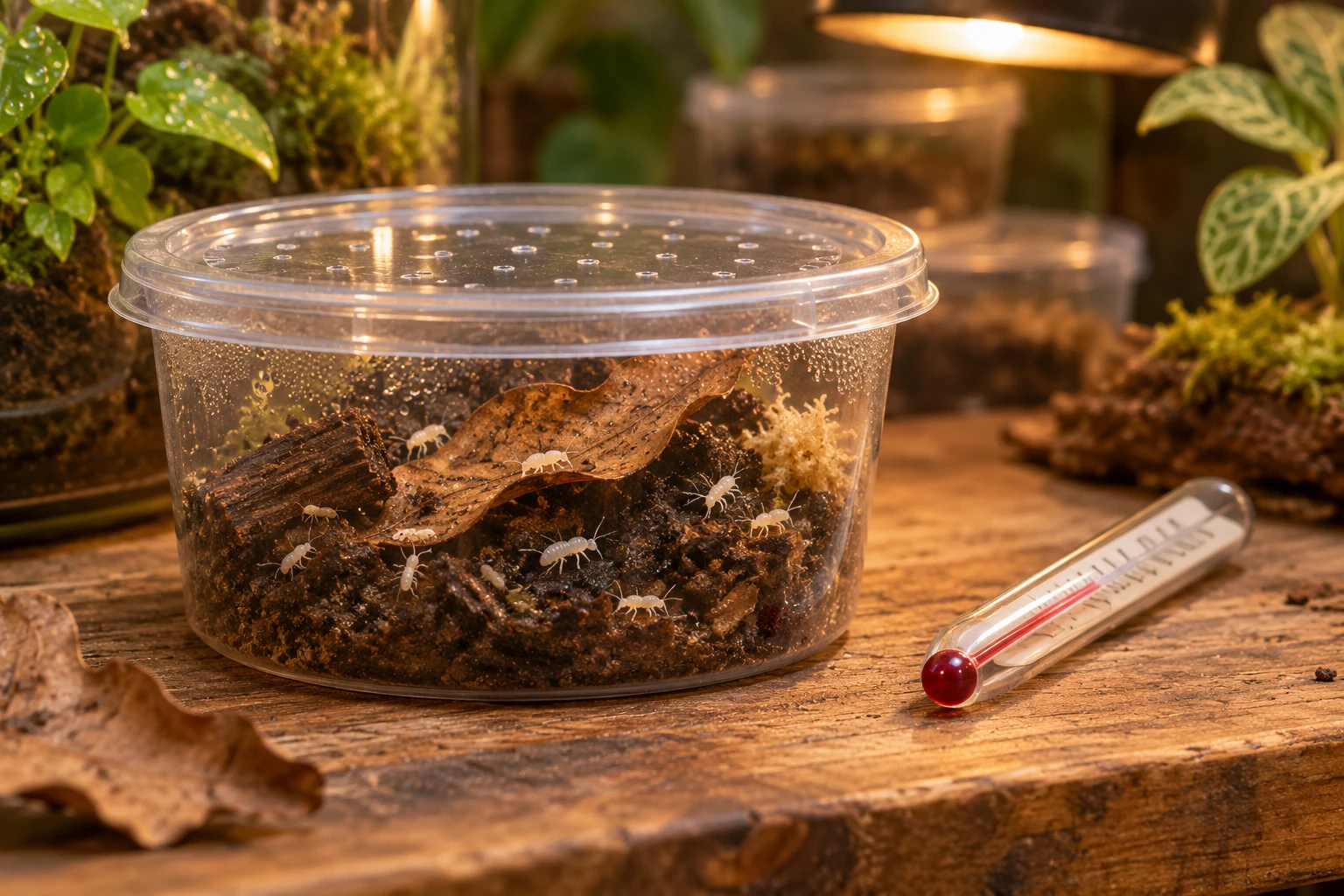
Springtail Temperature Guide by Species
Real F ranges for springtail cultures, what heat crashes fast, why cold recovers.
Read Guide →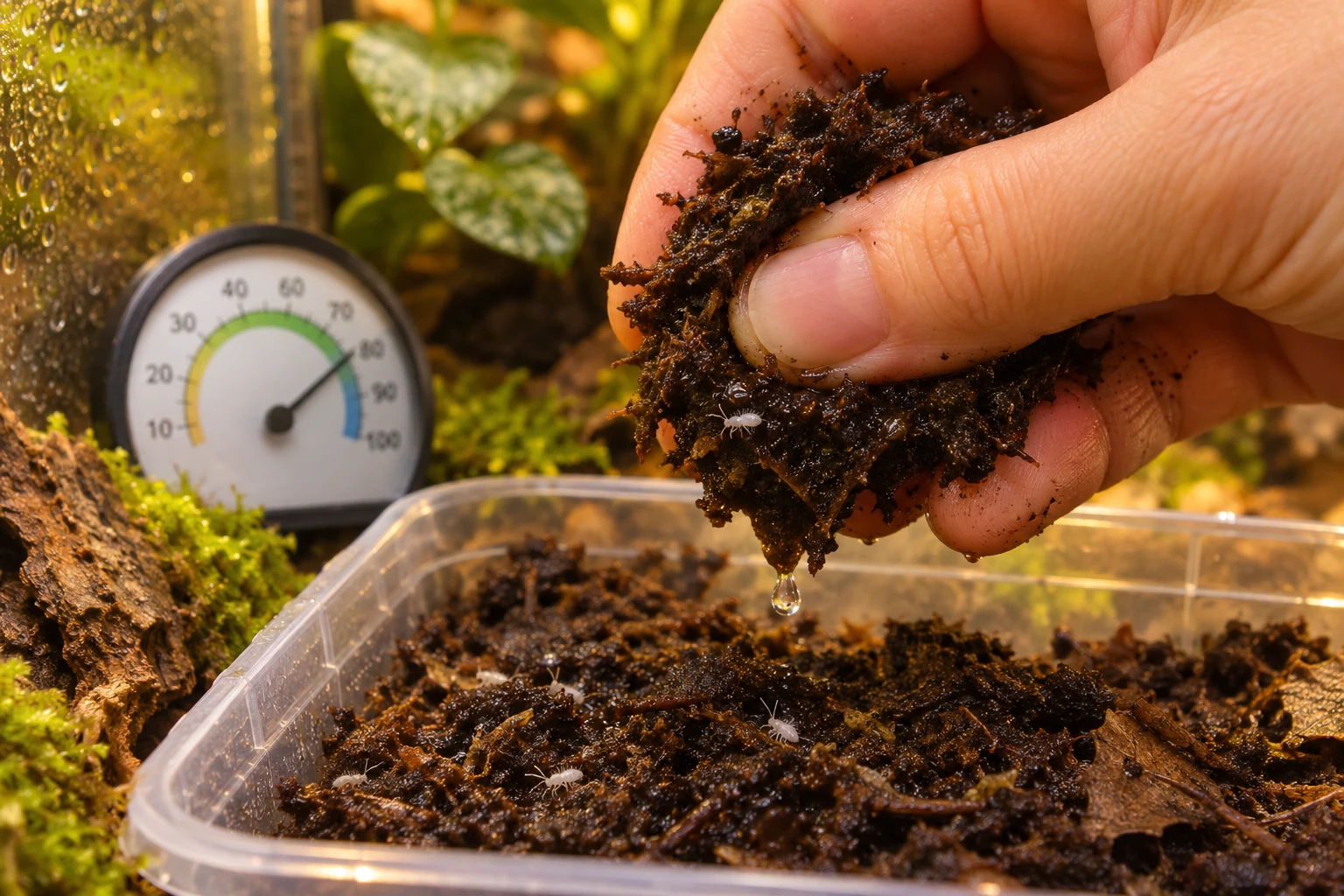
Springtail Humidity Percentage and Hygrometer Guide
The real humidity target for springtails, plus why the squeeze test beats a hygrometer.
Read Guide →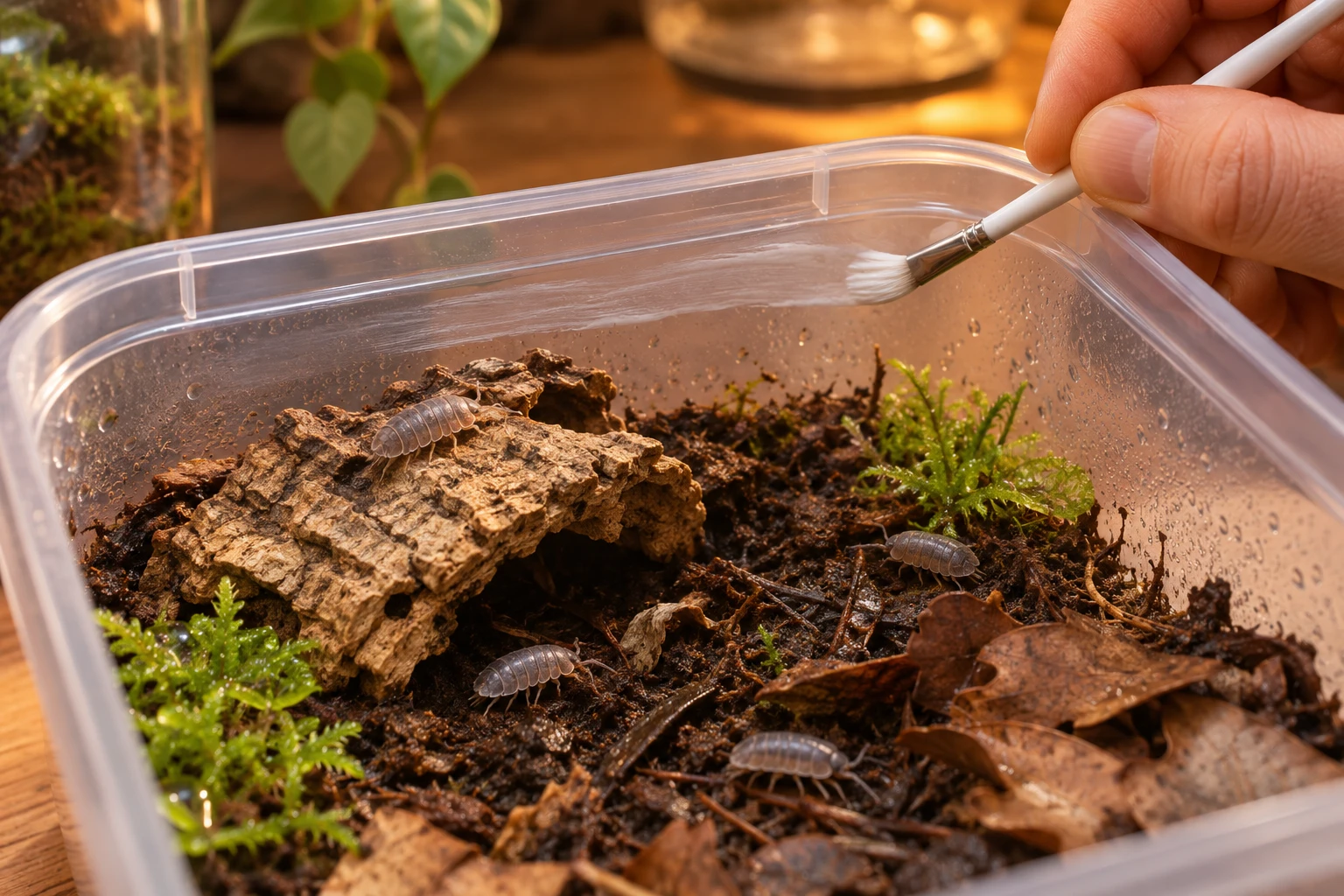
Isopod and Springtail Escape Barrier Comparison
Five escape barrier methods compared on cost, durability, and whether you need one at all.
Read Guide →
Why Springtail Scientific Names Keep Changing
Why springtail names keep splitting, real examples, and why it does not change your care.
Read Guide →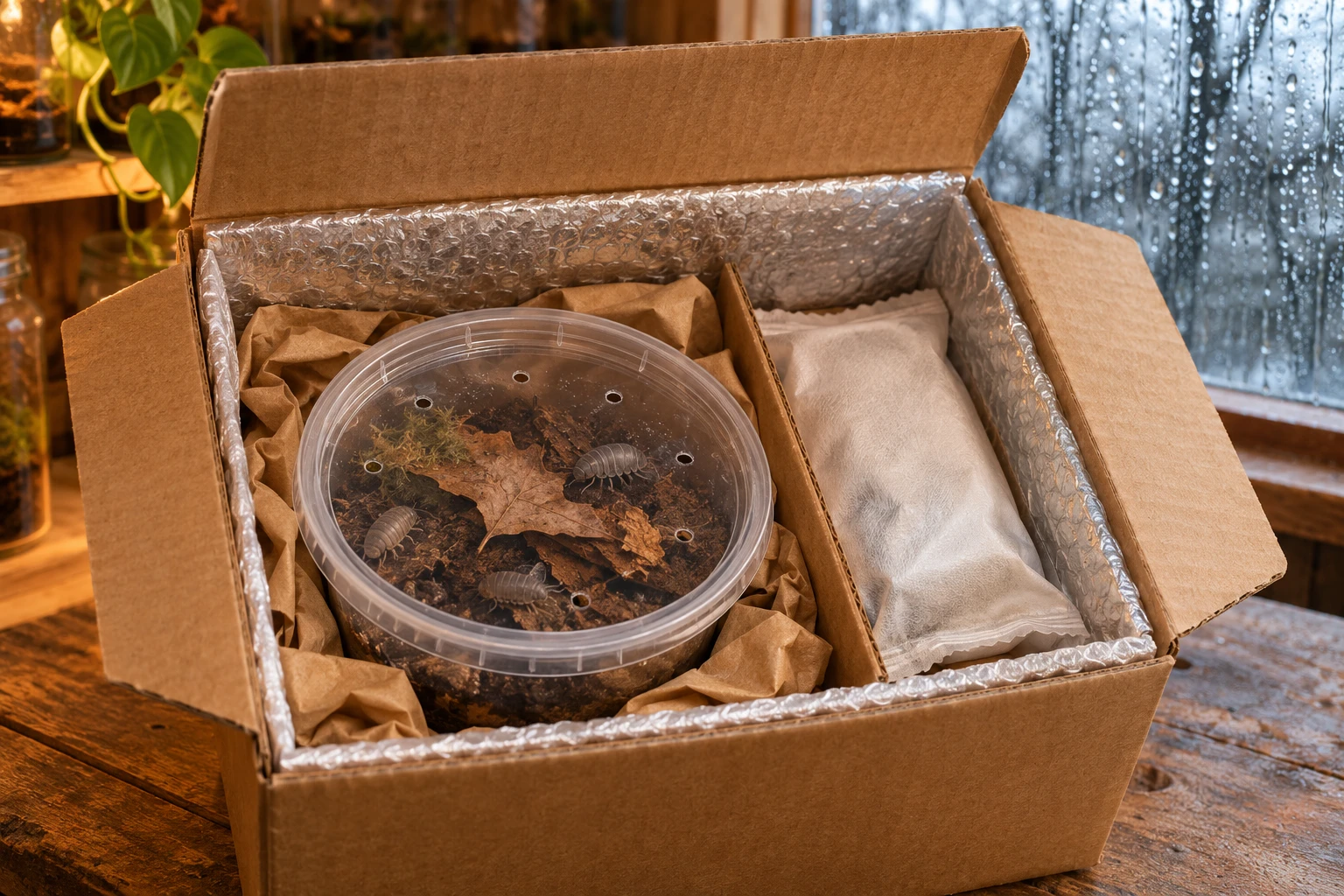
Will Isopods Survive Shipping in Extreme Weather?
What actually threatens a shipment, what we do about it, and how to unbox isopods safely.
Read Guide →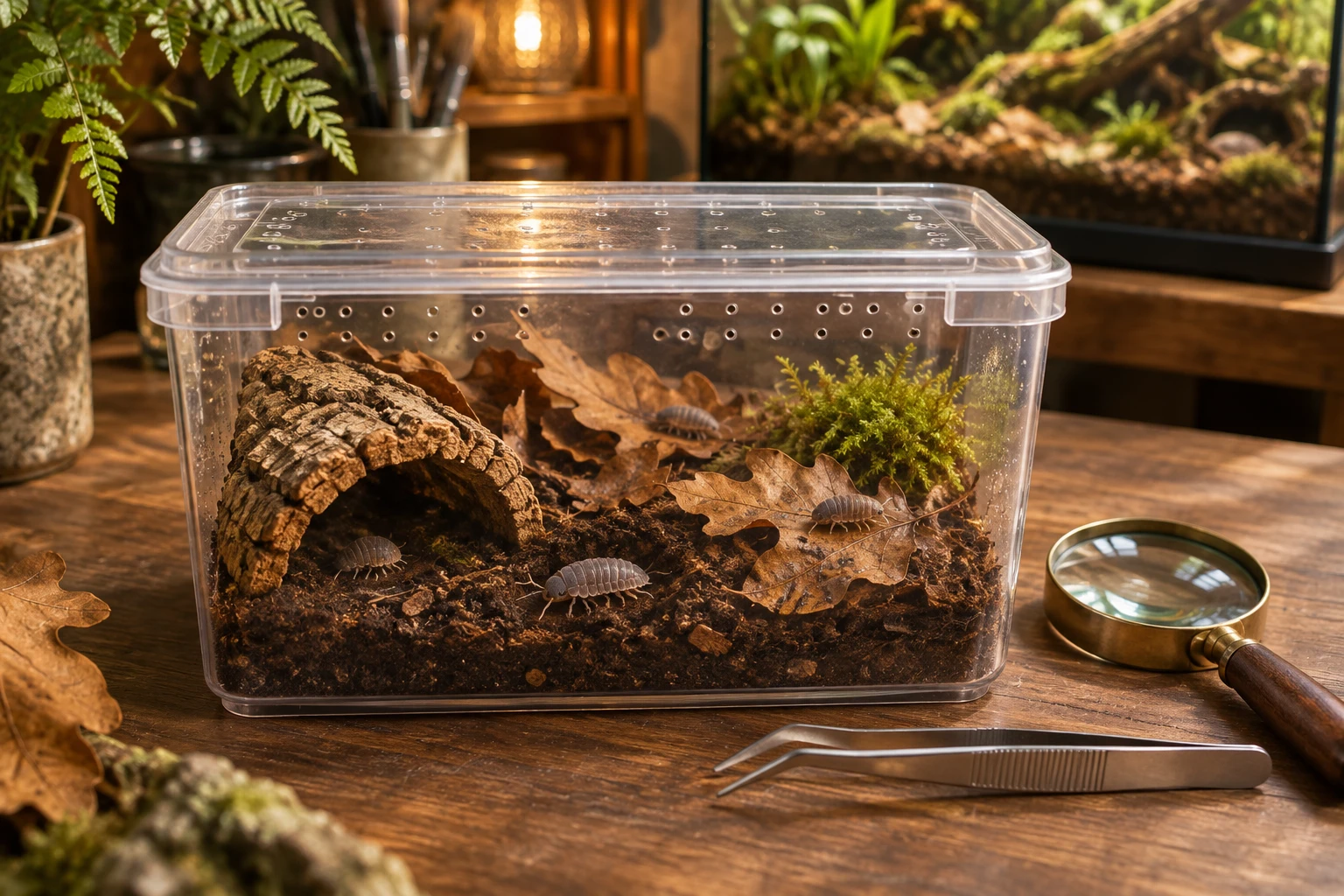
Should You Quarantine New Isopods Before Adding Them?
A 3 to 4 week quarantine protocol that catches mites before they reach your colony.
Read Guide →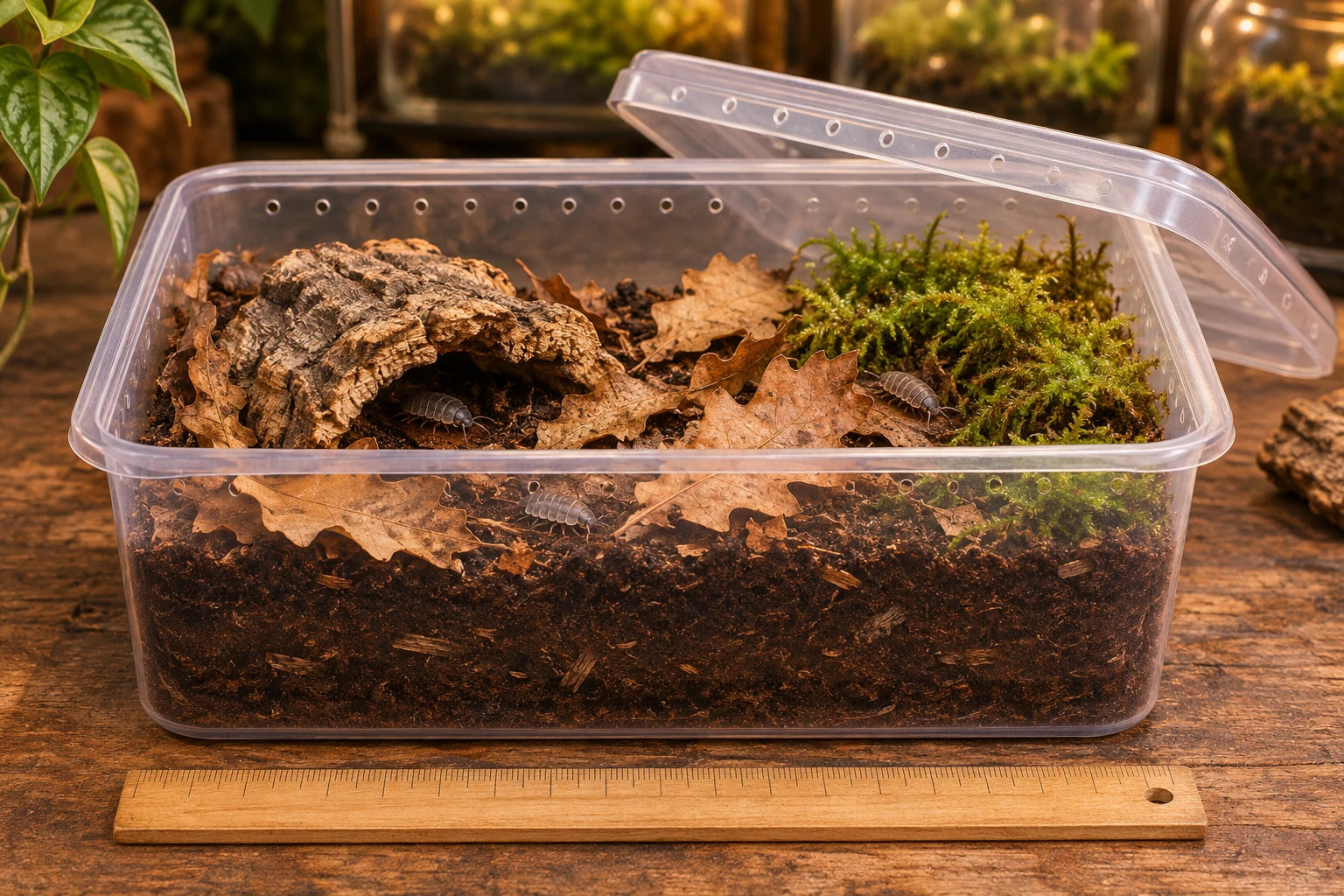
What Size Container Do Isopods Need to Start a Colony?
The right starter bin size and dimensions for an isopod colony, not how many to buy.
Read Guide →
Glass vs Plastic: The Best Isopod Enclosure Material
Plastic breeds better, glass displays better. The humidity difference that decides it.
Read Guide →
How Much Ventilation Do Isopods Need?
The practical cross ventilation rule, plus the two failure modes: stagnant and dried out.
Read Guide →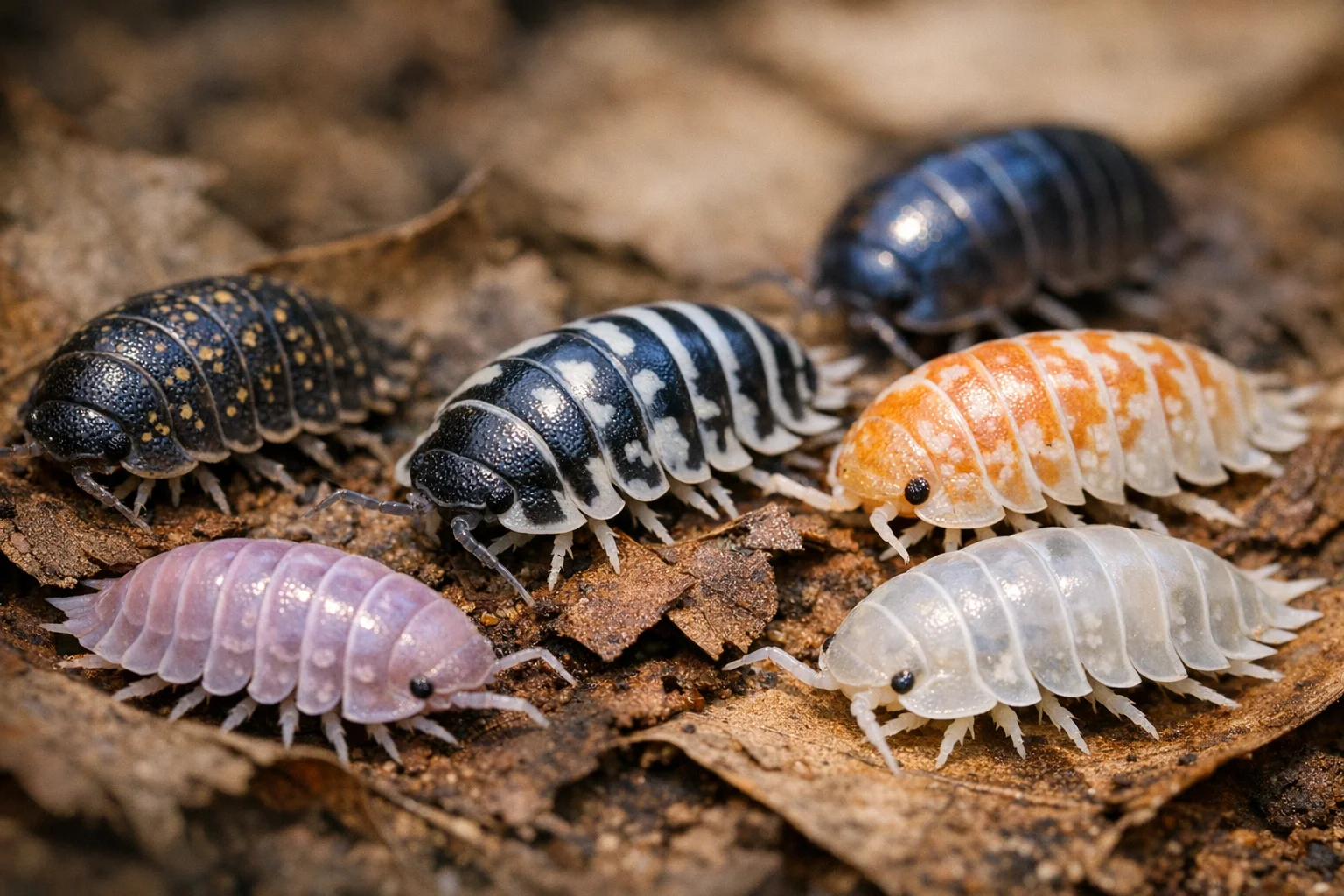
Isopod Morph Abbreviations Explained: WT, HY, HO, T+
WT, HY, HO, T+, T-: what every isopod morph abbreviation actually means.
Read Guide →
Will an Isopod's Leg Grow Back? Yes, Here's How
Yes, isopods regrow a lost leg gradually over several molts if the colony stays healthy.
Read Guide →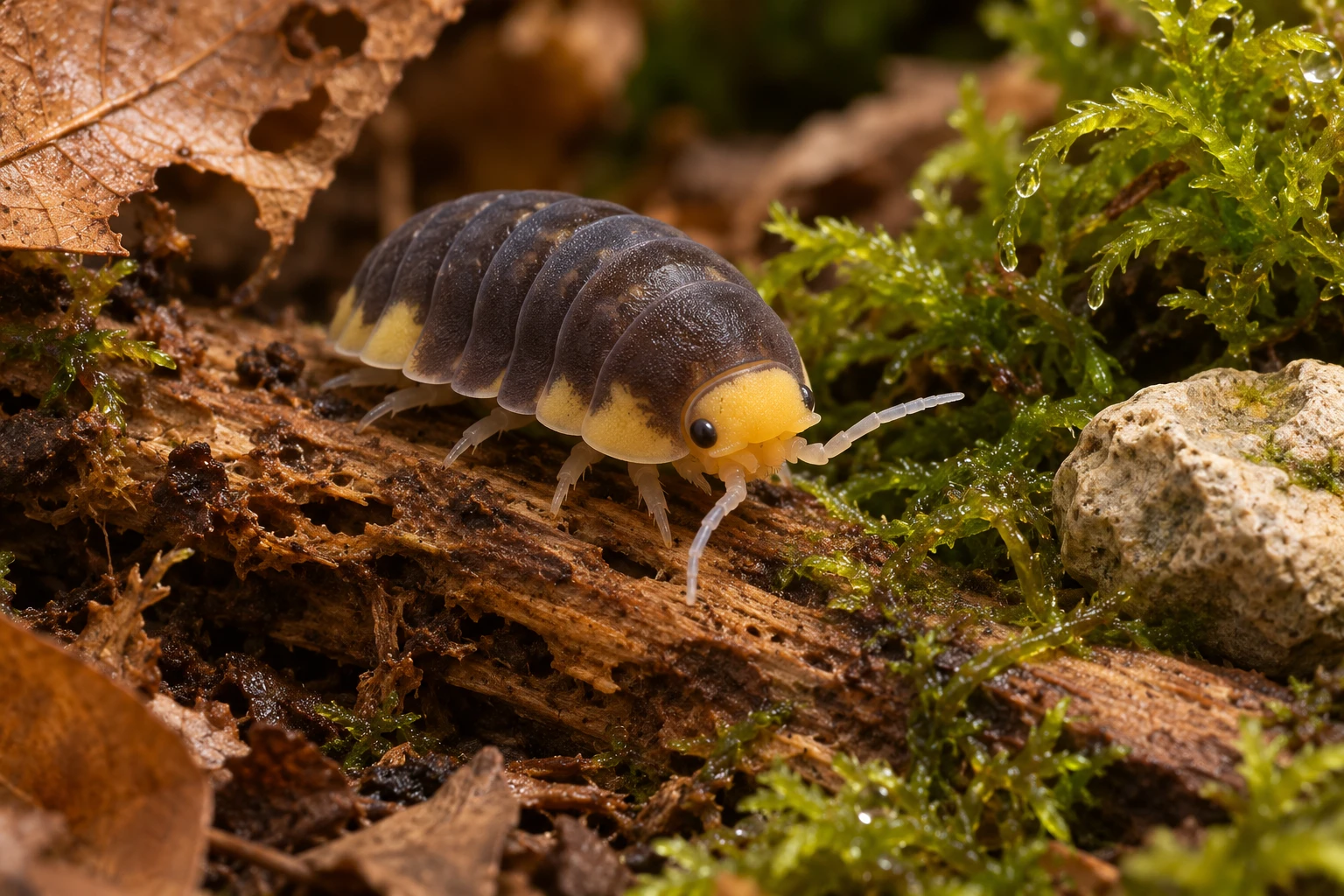
Cubaris Humidity and Substrate: Getting It Right
Cubaris die from wet, stagnant bins more than dry ones. Setup rules plus a symptom chart.
Read Guide →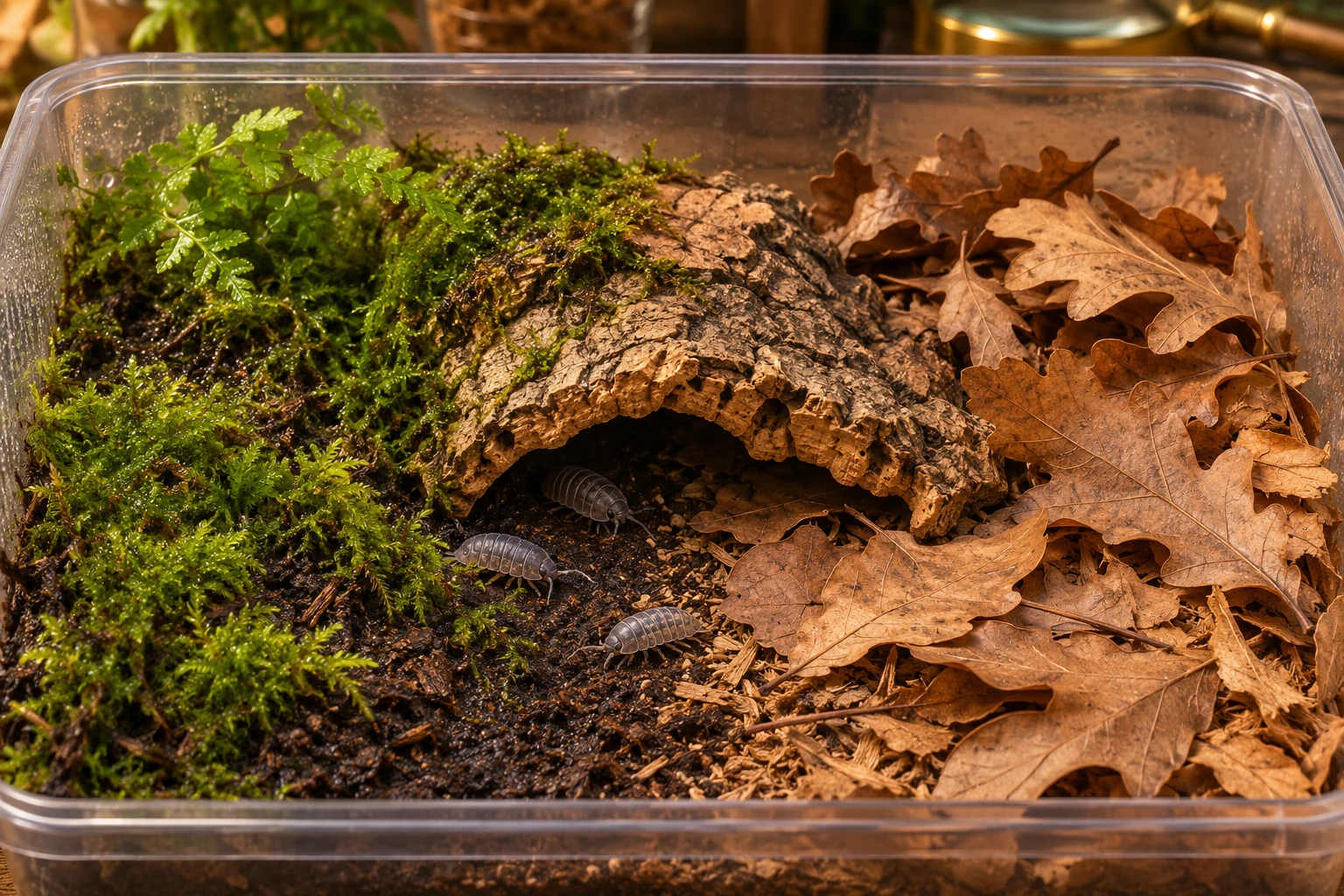
Isopod Humidity by Species: Build a Gradient, Not a Number
Skip the humidity percentage. Build a damp end and a dry end, then read the bin.
Read Guide →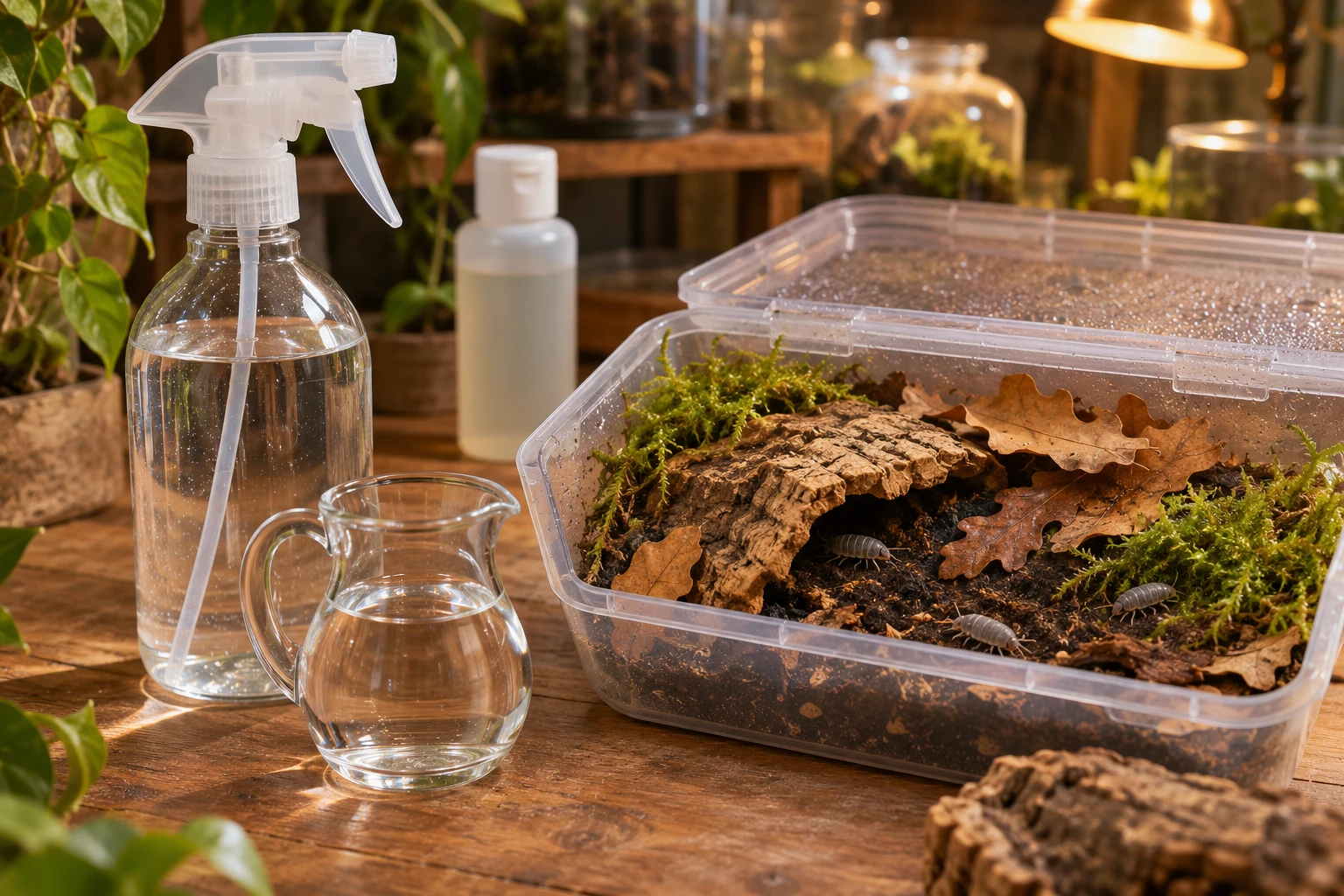
Is Tap Water Safe for Isopods and Springtails?
Chlorine, chloramine and your bioactive bin: what actually matters, and what does not.
Read Guide →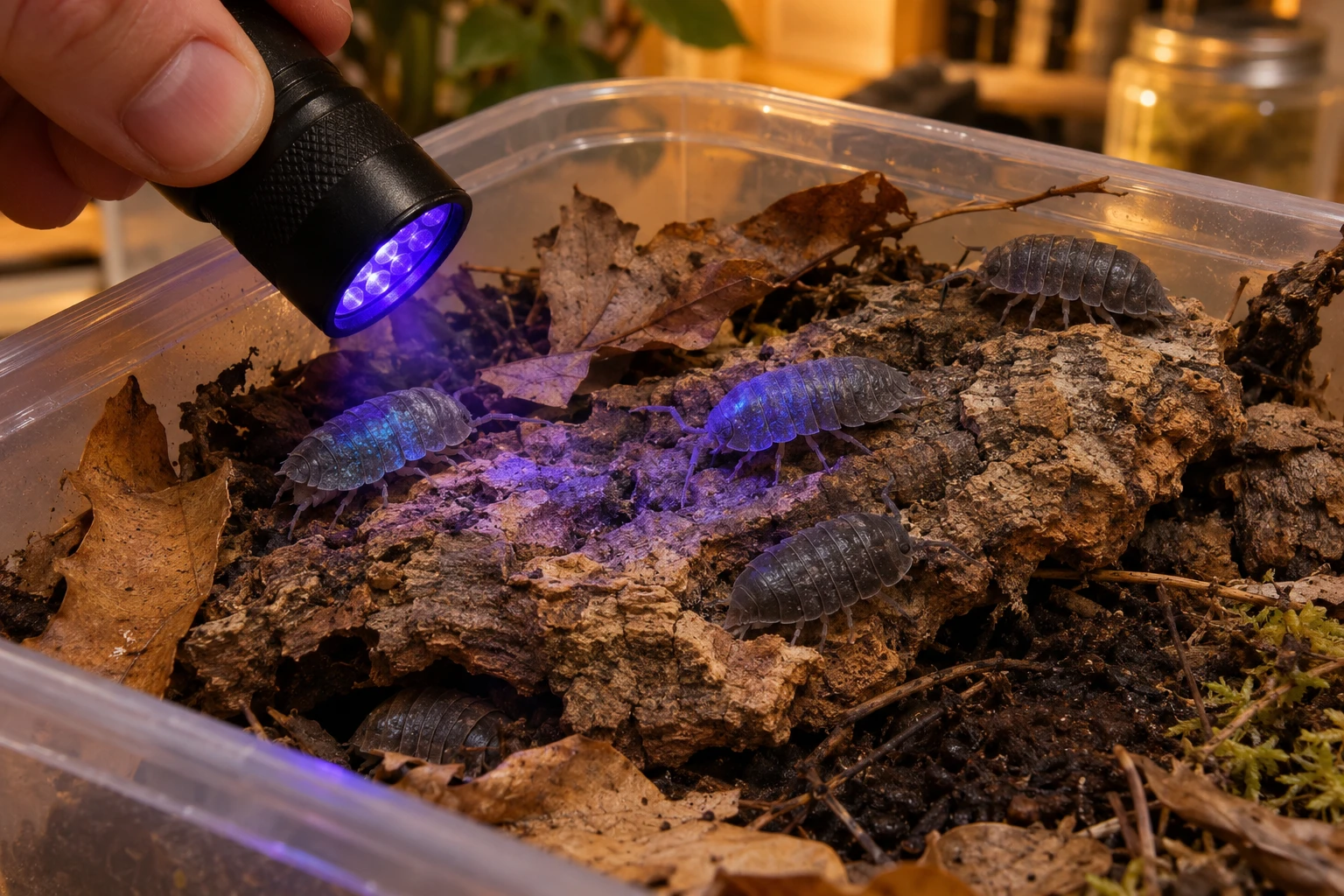
Which Isopods Glow Under UV Blacklight?
Some isopods do fluoresce under 365nm UV, but the glow is faint and varies by species.
Read Guide →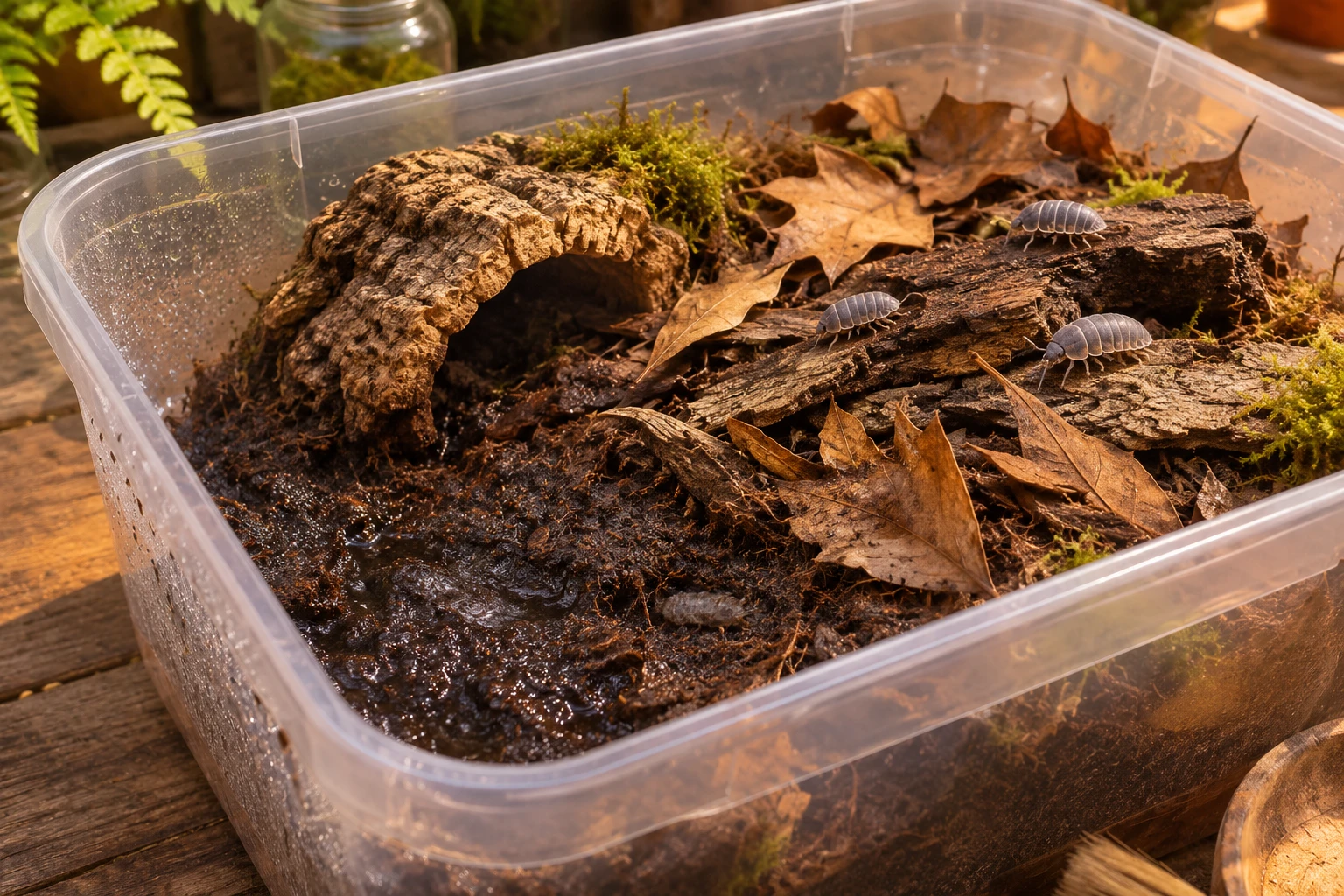
Why Did My Isopod Turn to Mush?
Mushy isopod? It already died and is decomposing. Usually a too-wet bin.
Read Guide →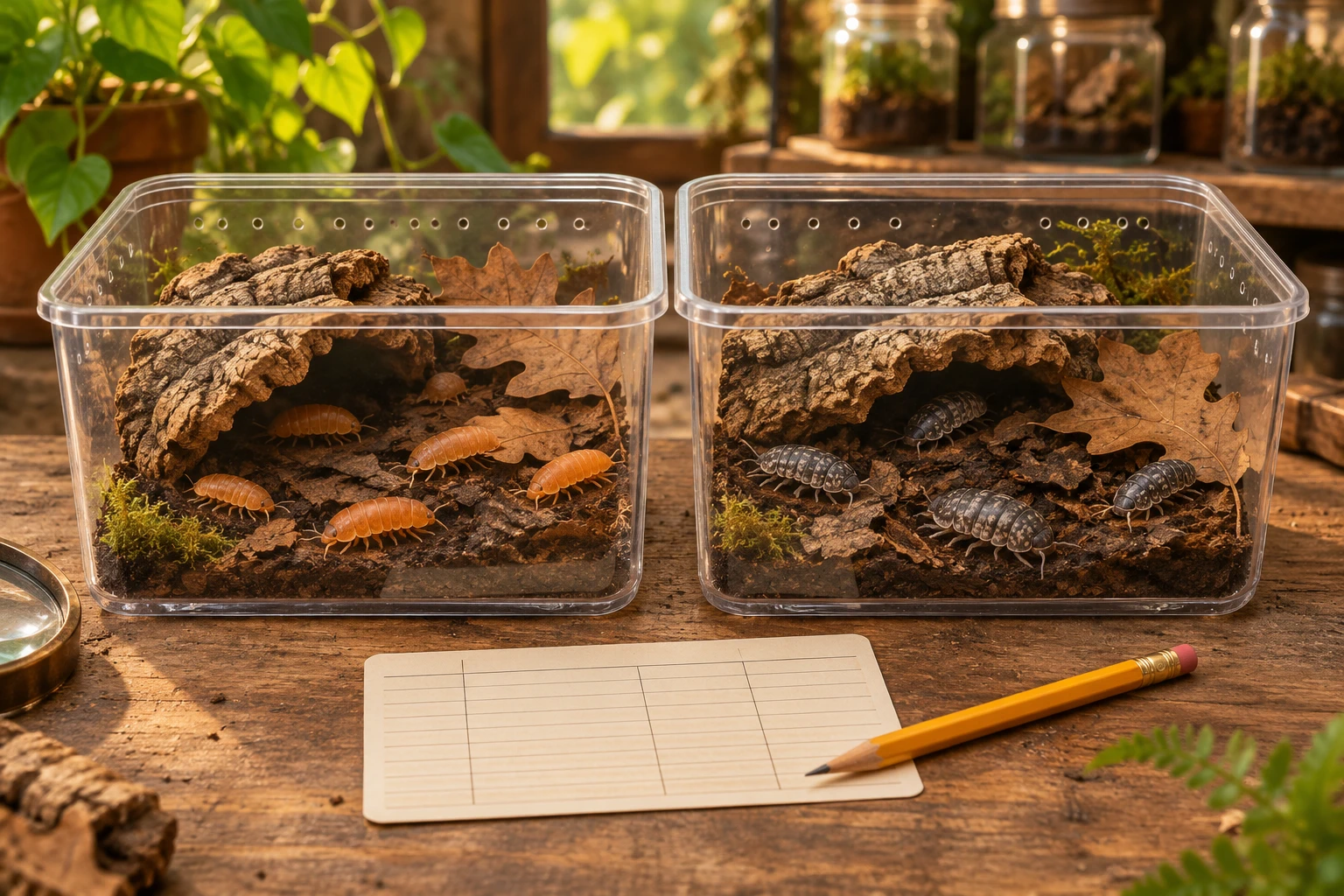
Isopod Inbreeding: Do You Need New Bloodlines?
Why isopods tolerate inbreeding, and when a new bloodline is actually worth adding.
Read Guide →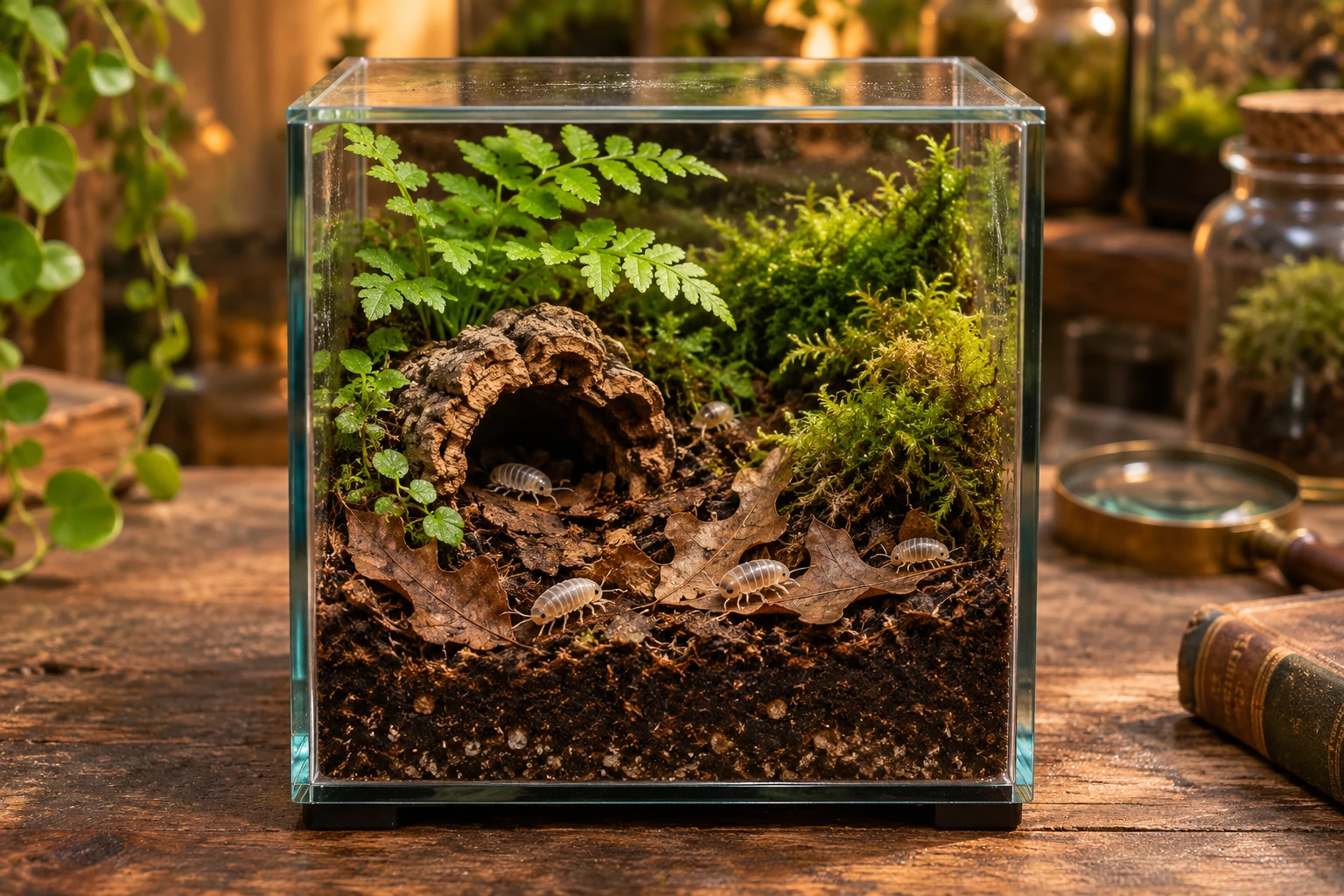
Best Isopods for a Nano Vivarium (Under 5 Gallons)
The smallest species win in a tiny tank. Picks, seed counts and honest limits.
Read Guide →
Disinfecting Isopod Tools Between Colonies
Separate tools where you can, a 70% alcohol wipe and full dry-off where you cannot.
Read Guide →
Will Isopods Survive a Summer Power Outage?
Why a damp bin rides out a Texas outage, and the two things that actually kill isopods.
Read Guide →
Springtail Culture Medium: Clay vs Charcoal vs Soil
Charcoal harvests easiest, soil is toughest, clay needs the least attention.
Read Guide →
Springtail Culture Guide
Start and grow a springtail culture that feeds your tank for months.
Read Guide →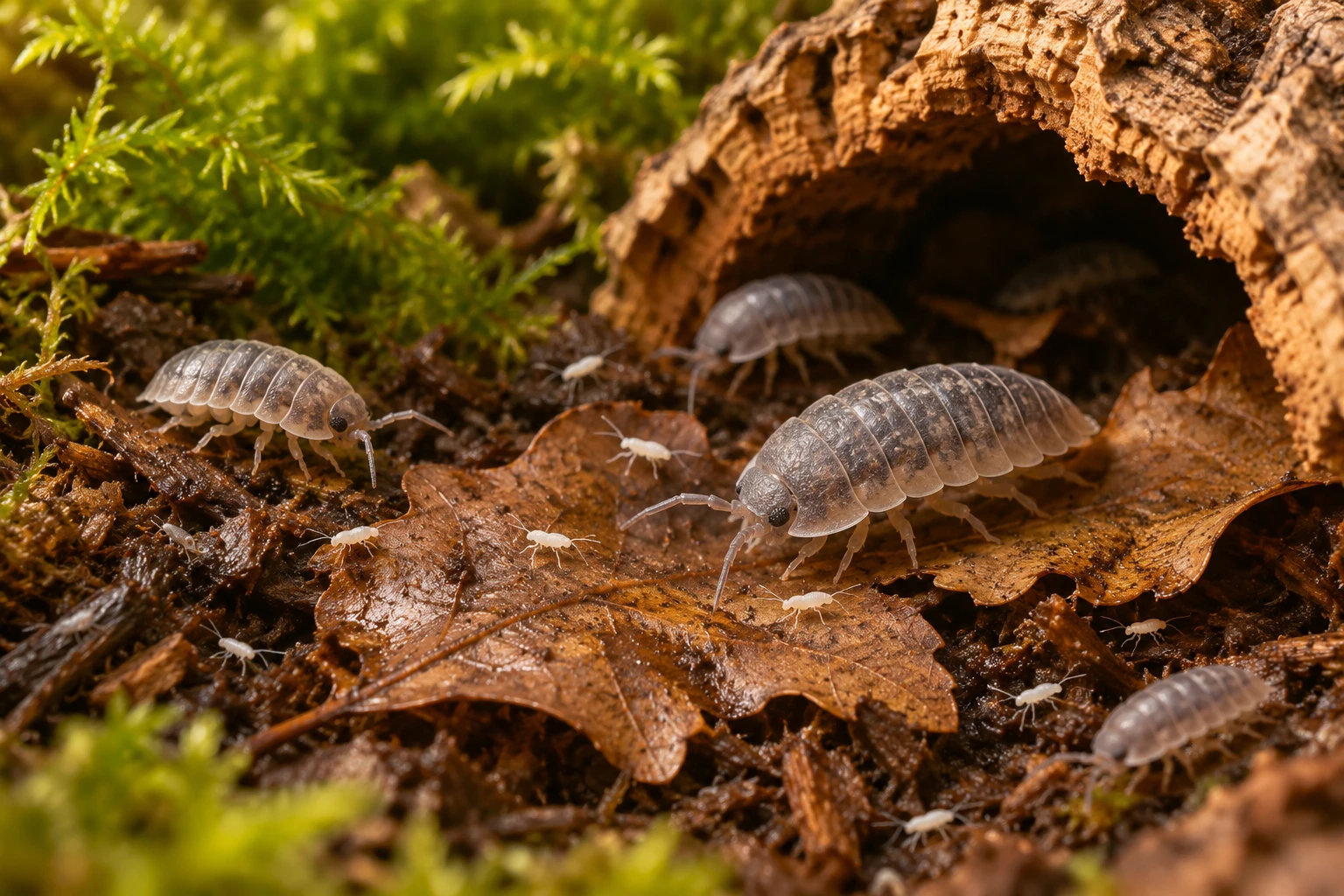
Cleanup Crew Calculator
How isopods and springtails work together to keep a bioactive enclosure healthy.
Read Guide →
Springtail Culture Basics
The basics of keeping springtails alive and working in any setup.
Read Guide →
New vs Old World Tarantulas
The key differences that decide which tarantula group fits you.
Read Guide →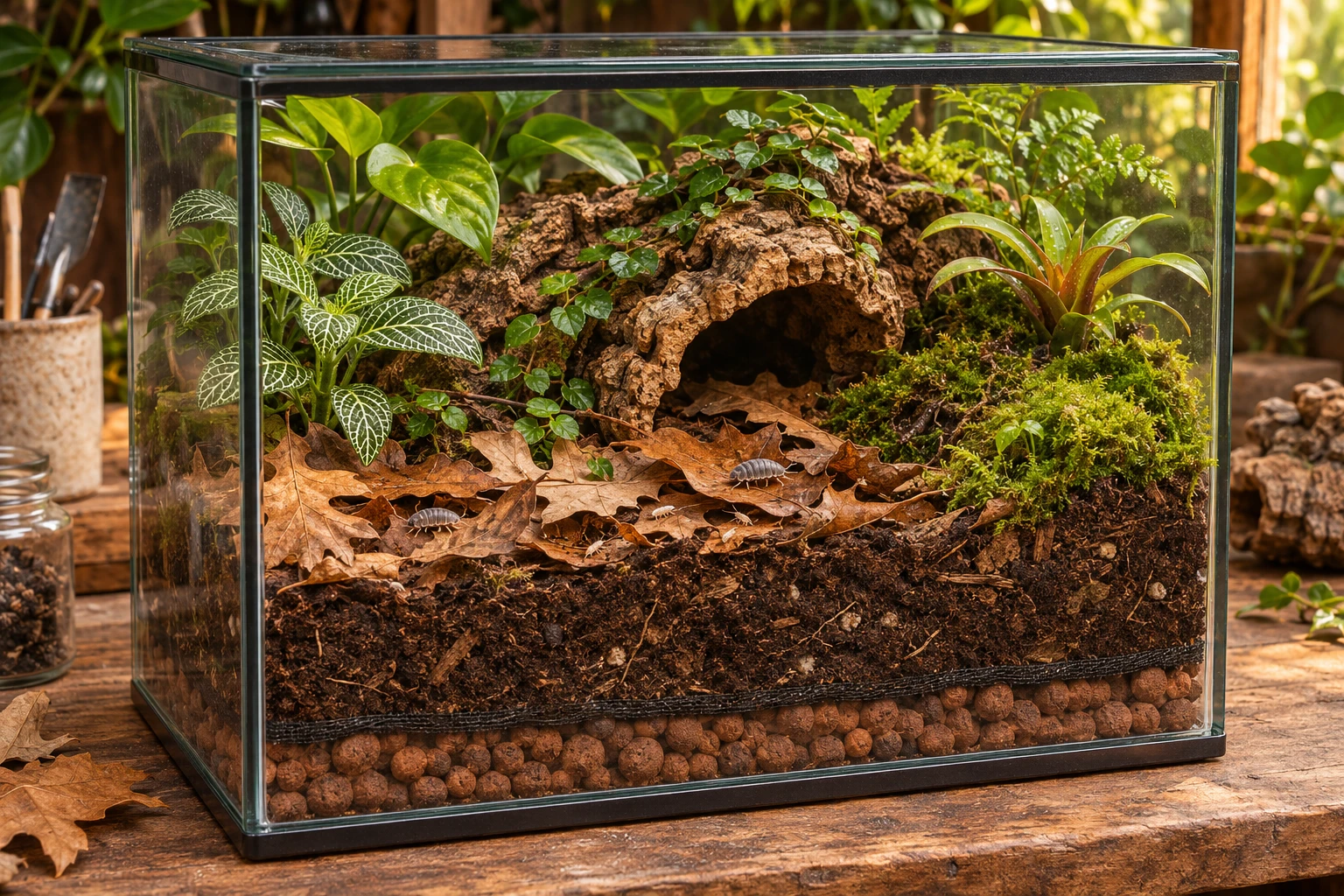
How to Set Up a Bioactive Terrarium, Step by Step
The correct build order for a bioactive terrarium, layer by layer.
Read Guide →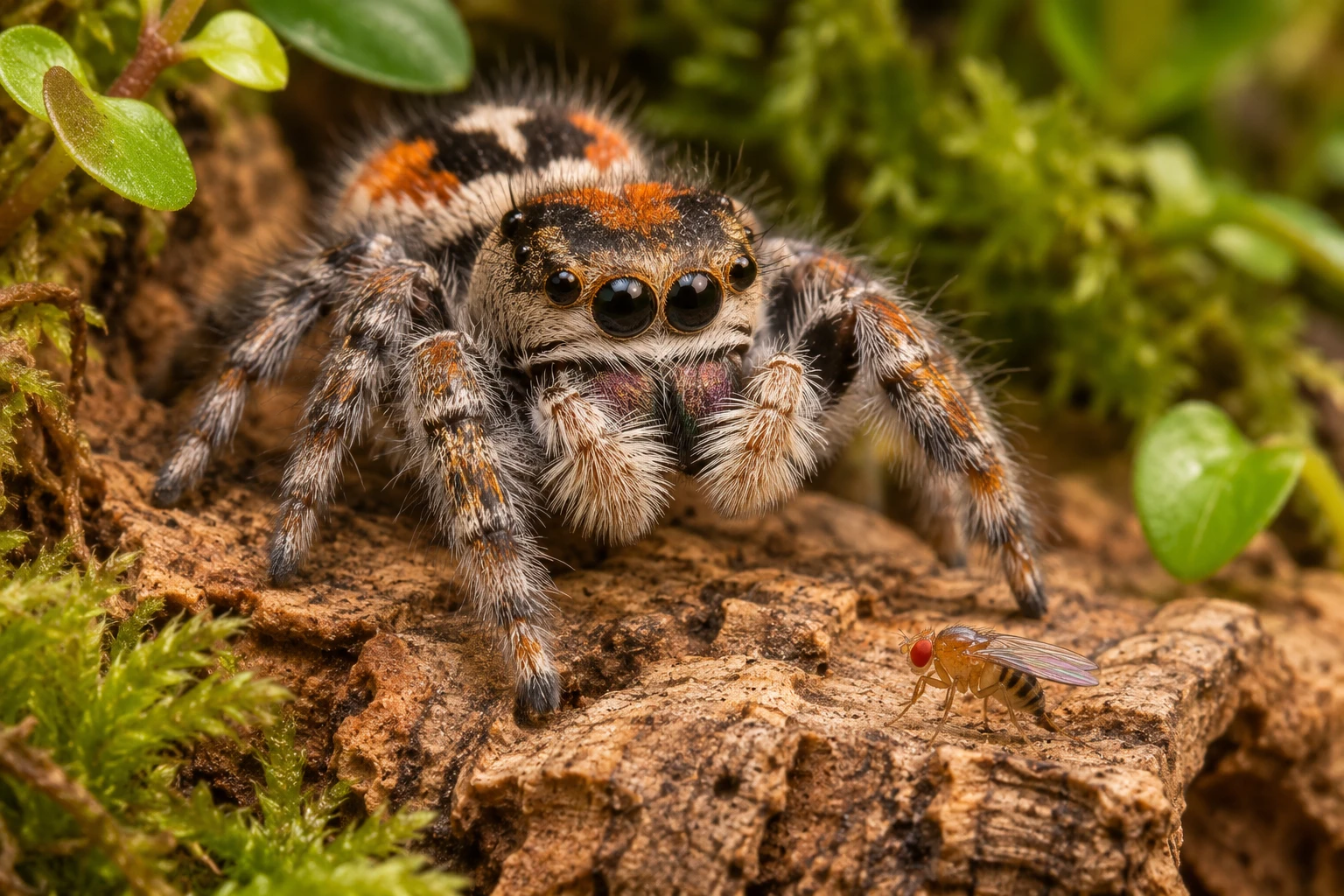
What Do Jumping Spiders Eat? Feeding by Size
Fruit flies for slings and juveniles, a small mealworm for large adults. Feed by size.
Read Guide →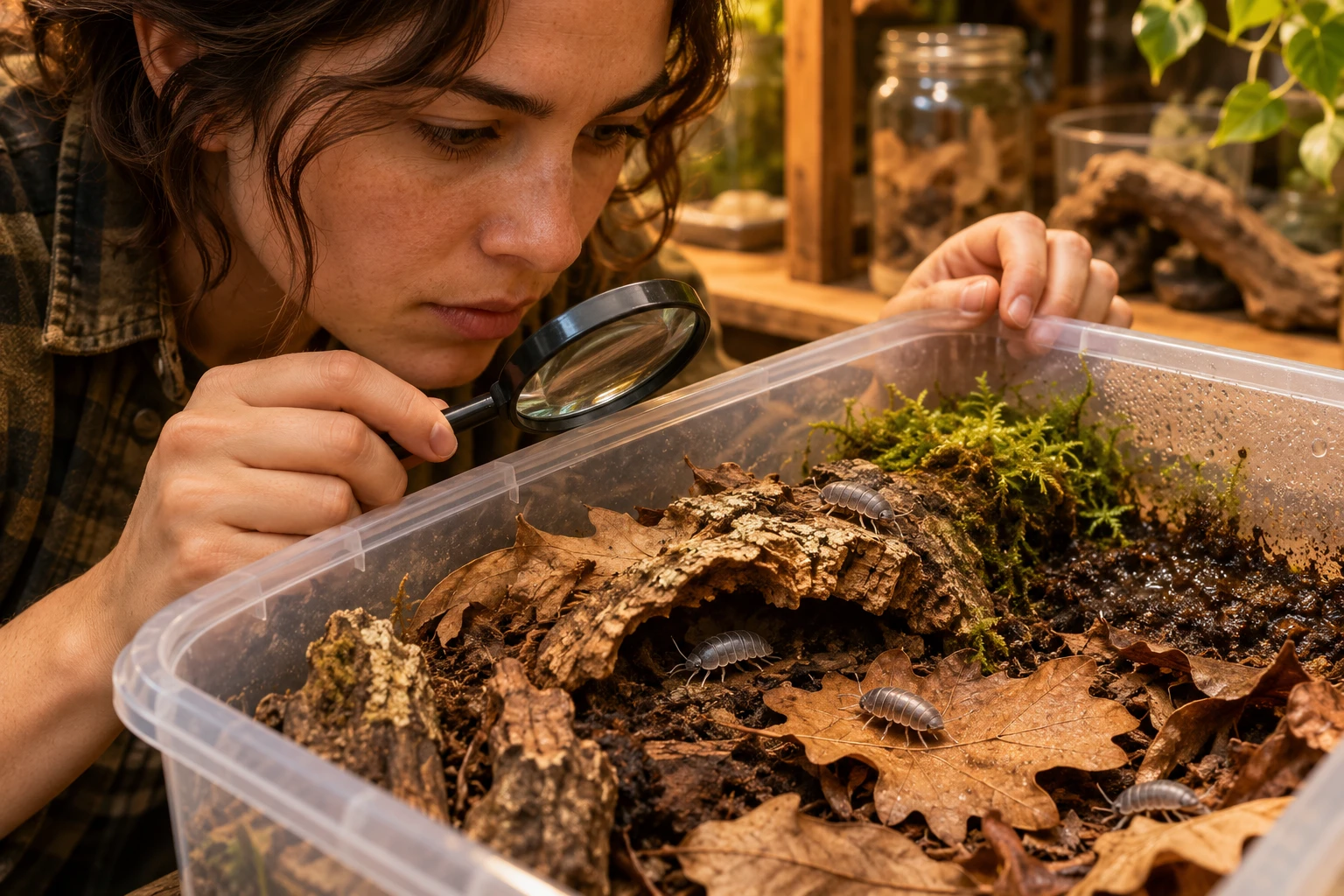
Why Are My Isopods Dying? The 5 Causes and Fixes
The 5 real killers behind an isopod die-off, and the fast fix for each.
Read Guide →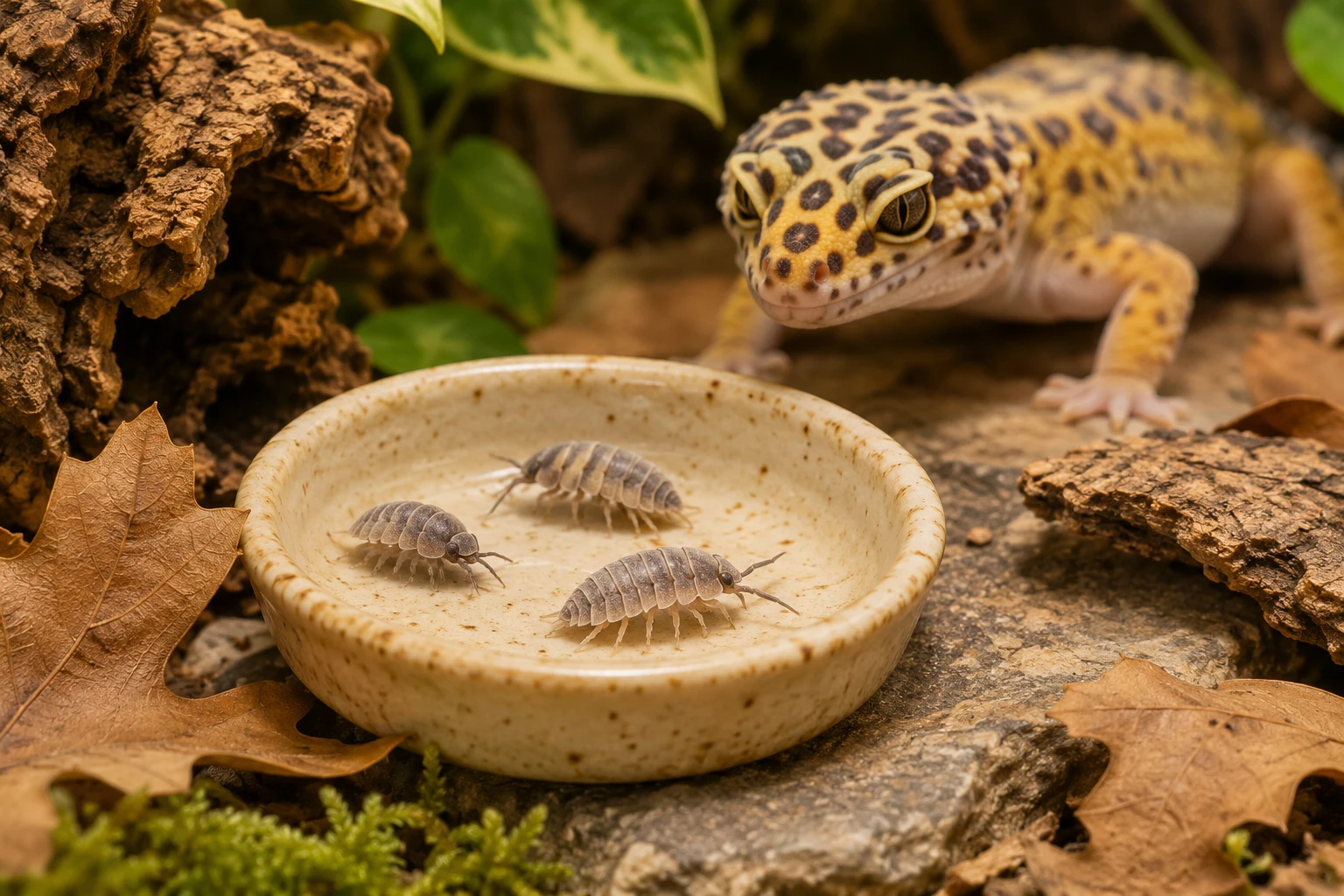
Can You Feed Isopods to Reptiles?
Isopods are a lean, calcium-rich supplemental feeder. Which species to feed and which to skip.
Read Guide →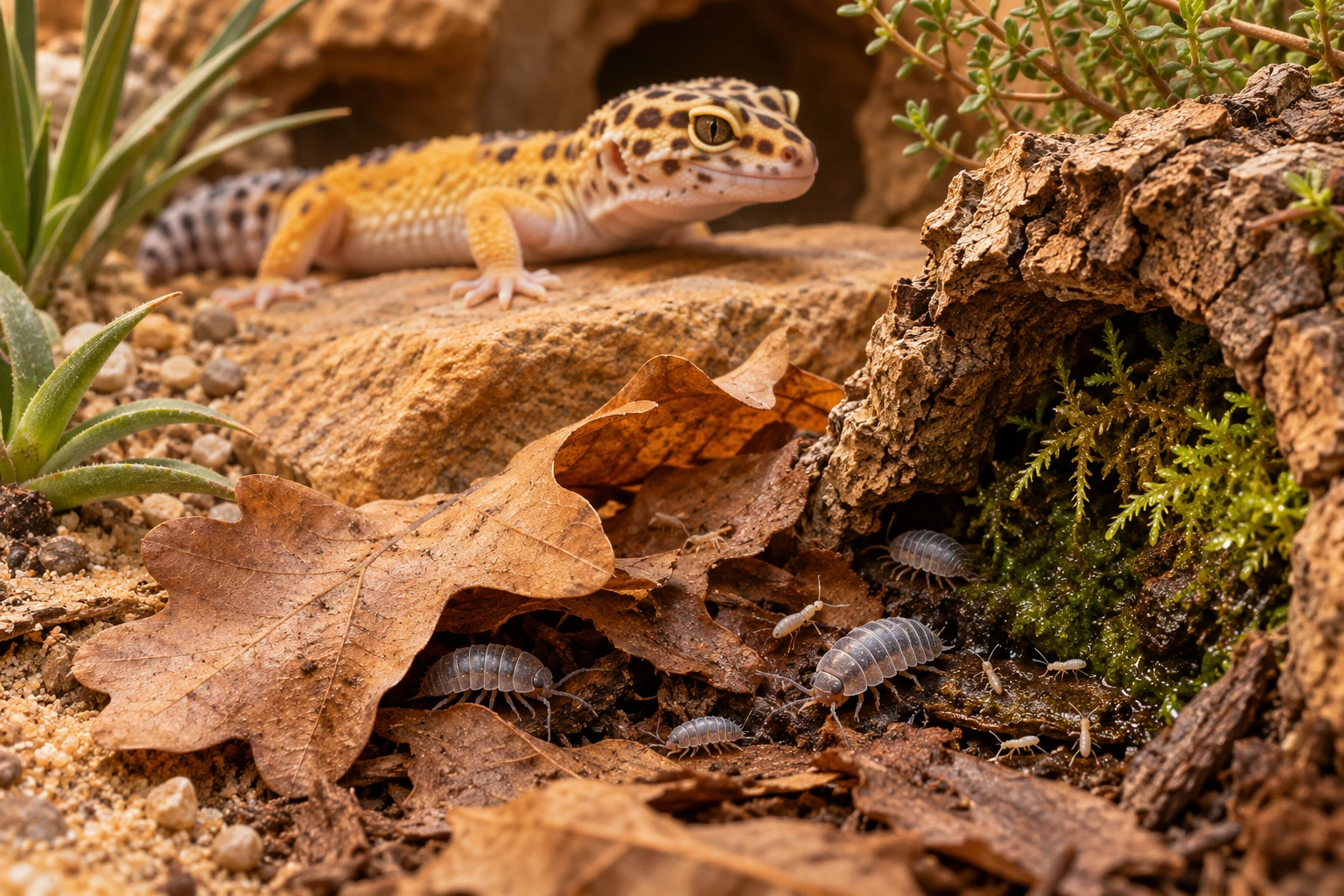
The Best Cleanup Crew for a Leopard Gecko
Powder isopods plus springtails, not Dairy Cows: the arid cleanup crew a leo actually needs.
Read Guide →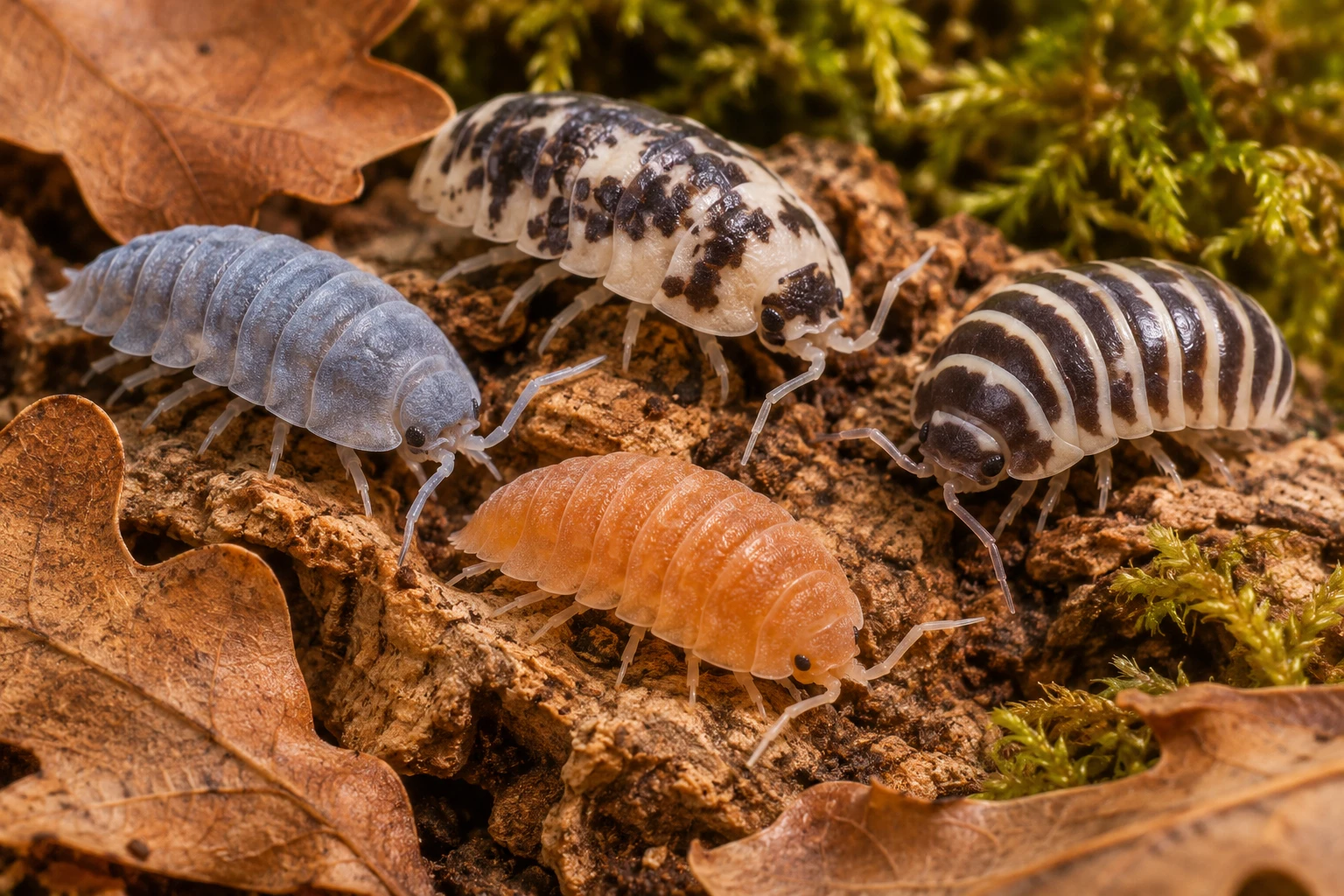
Best Beginner Isopods (and the Cubaris Name Game)
The forgiving beginner isopods to start with, plus why most "Cubaris" aren't really Cubaris.
Read Guide →
Mold and Mites in Your Feeder Bins? Springtails and Isopods Can Help
Springtails outcompete grain mites and isopods eat frass. Seed a janitor crew into feeder bins.
Read Guide →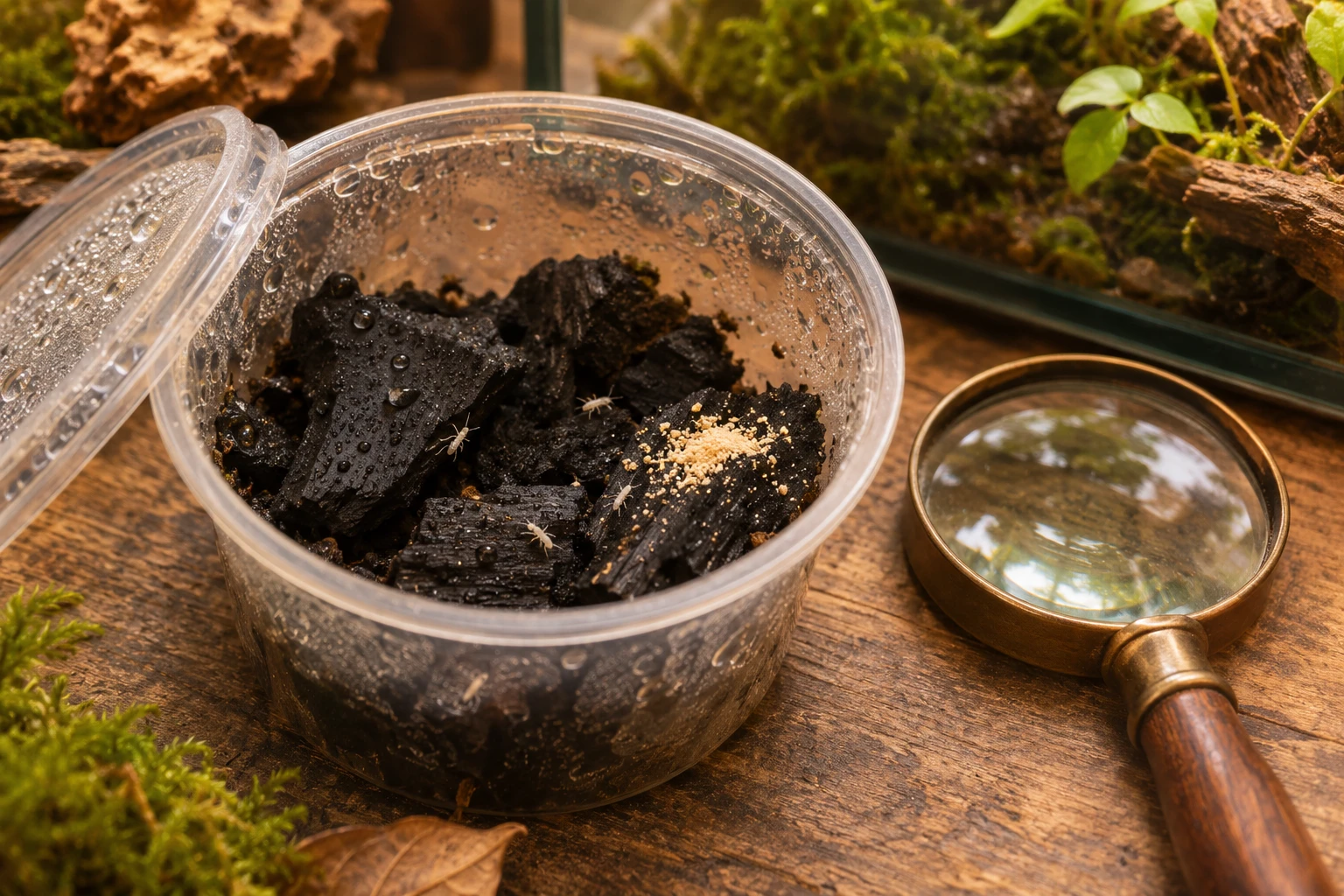
Why Your Springtail Culture Isn't Booming
Five real reasons a springtail culture stalls: air, mites, overfeeding, temp, and harvesting too early.
Read Guide →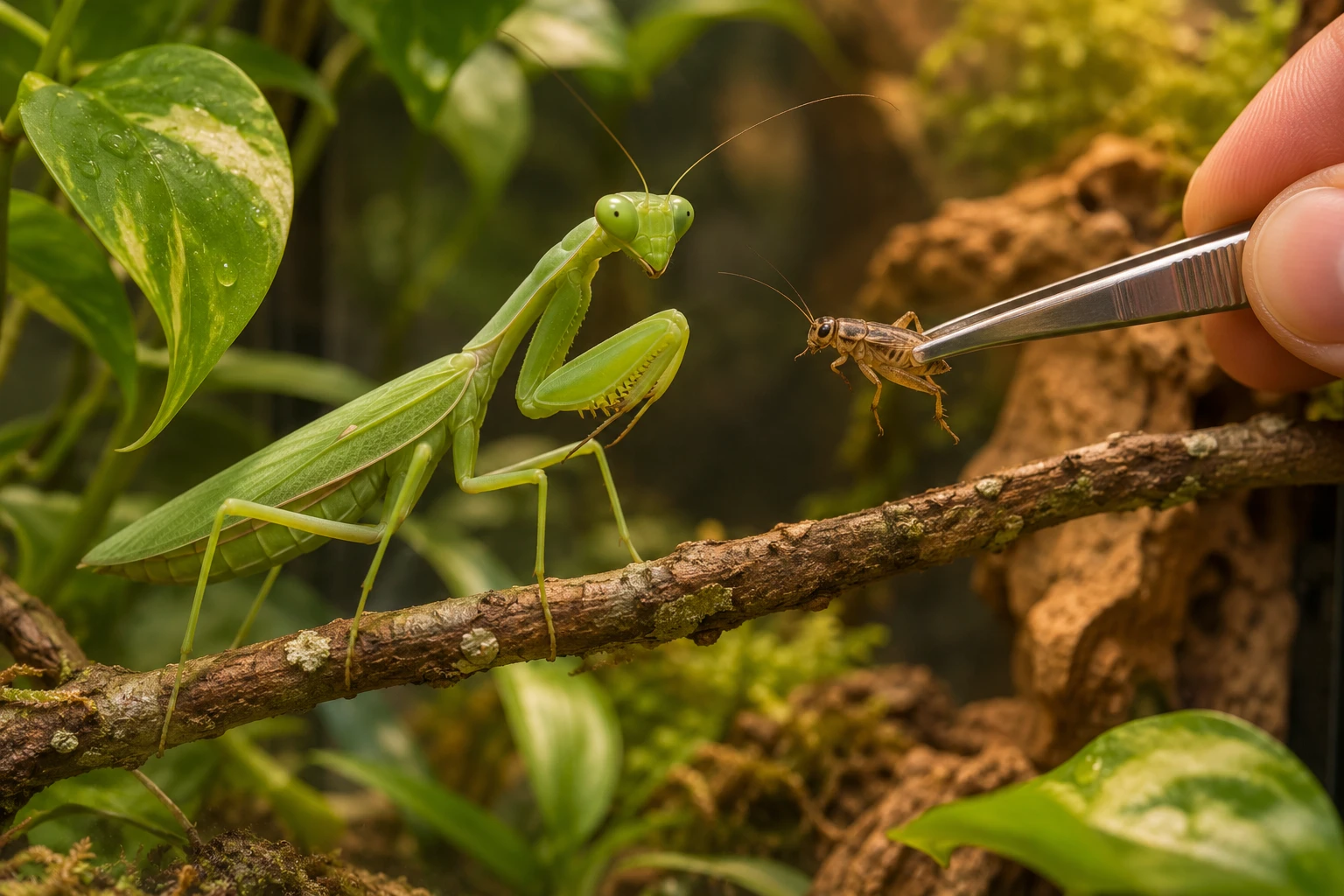
What to Feed a Praying Mantis, Nymph to Adult
Melanogaster flies for nymphs, larger prey as they grow. Feed every 2 to 3 days.
Read Guide →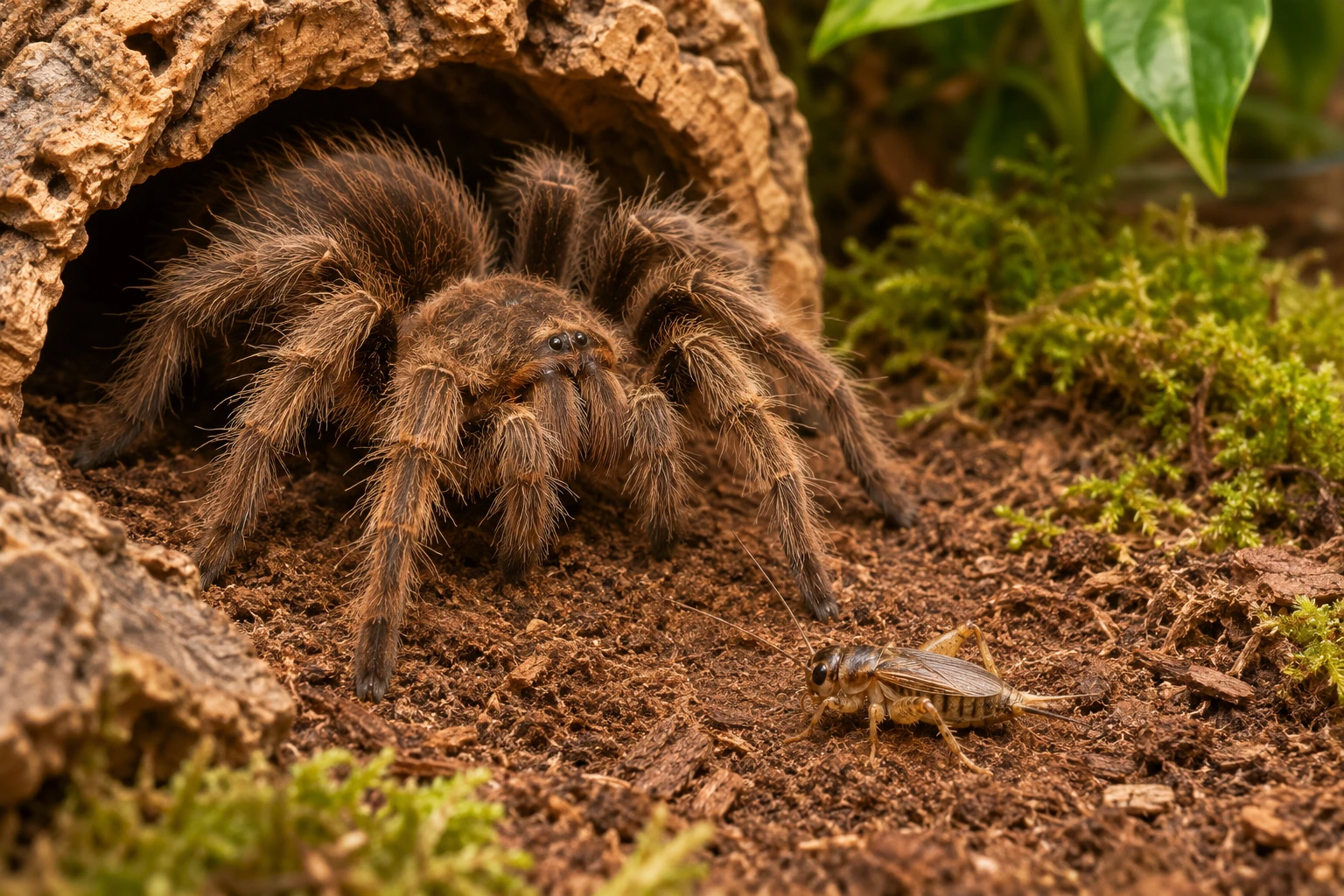
What to Feed a Pet Tarantula, Sling to Adult
Slings 2 to 3x a week, adults about once. Prey half to same size as the spider.
Read Guide →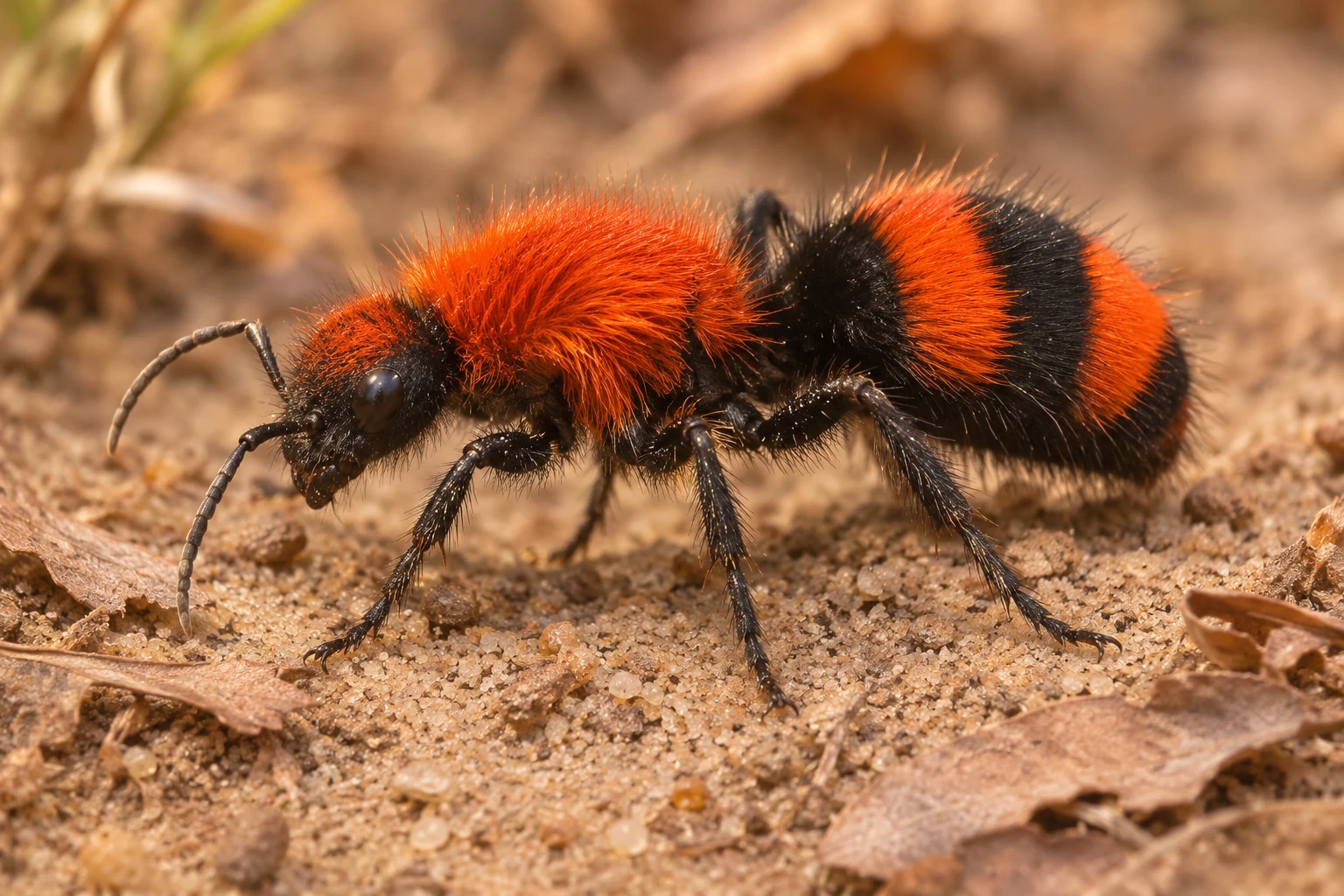
Velvet Ants: The Cow Killer Explained
The cow killer, explained: a wingless wasp, not an ant, and why it can't be a pet.
Read Guide →
Springtail Species Reference
Real temperature figures for every species we sell, labeled by evidence. No made-up numbers.
Open the Reference →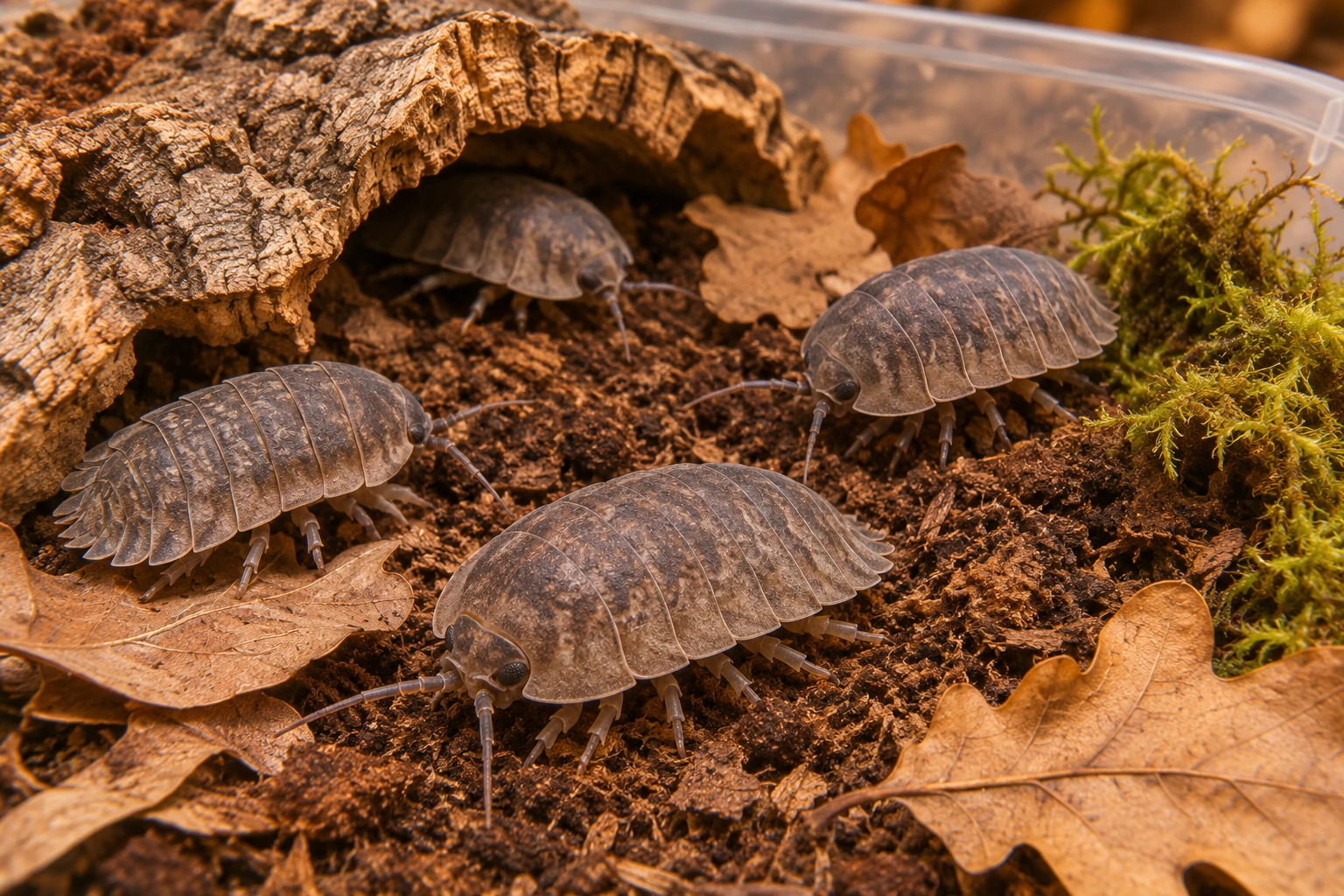
Giant Canyon Isopod Care: Size, Humidity and Lifespan
A drier-loving, deep-burrowing Porcellio with a longer lifespan than most hobby isopods.
Read Guide →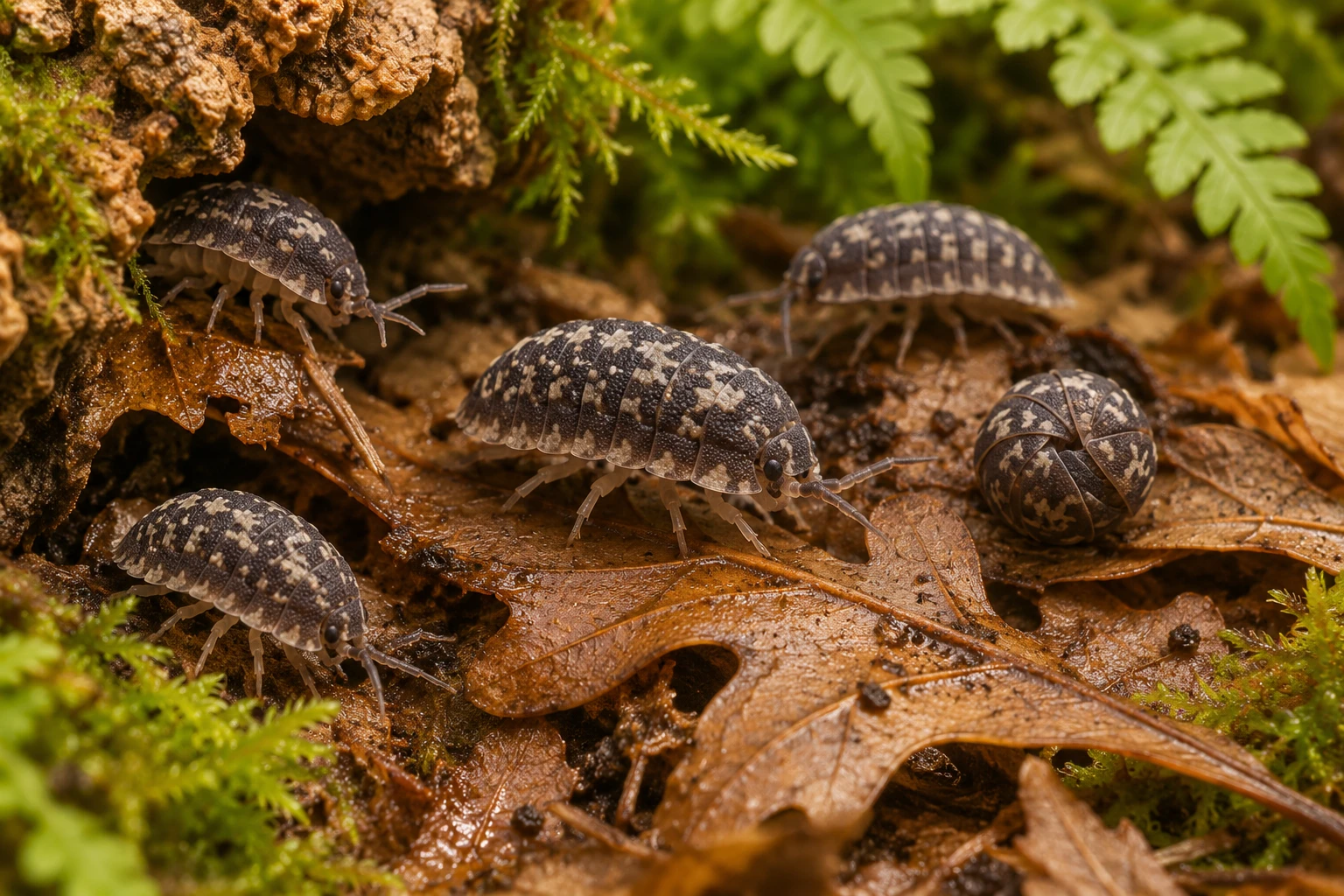
Venezillo parvus Care: The Dalmatian Isopod Guide
A small tropical roller that breeds slower than Dwarf White and needs steady humidity.
Read Guide →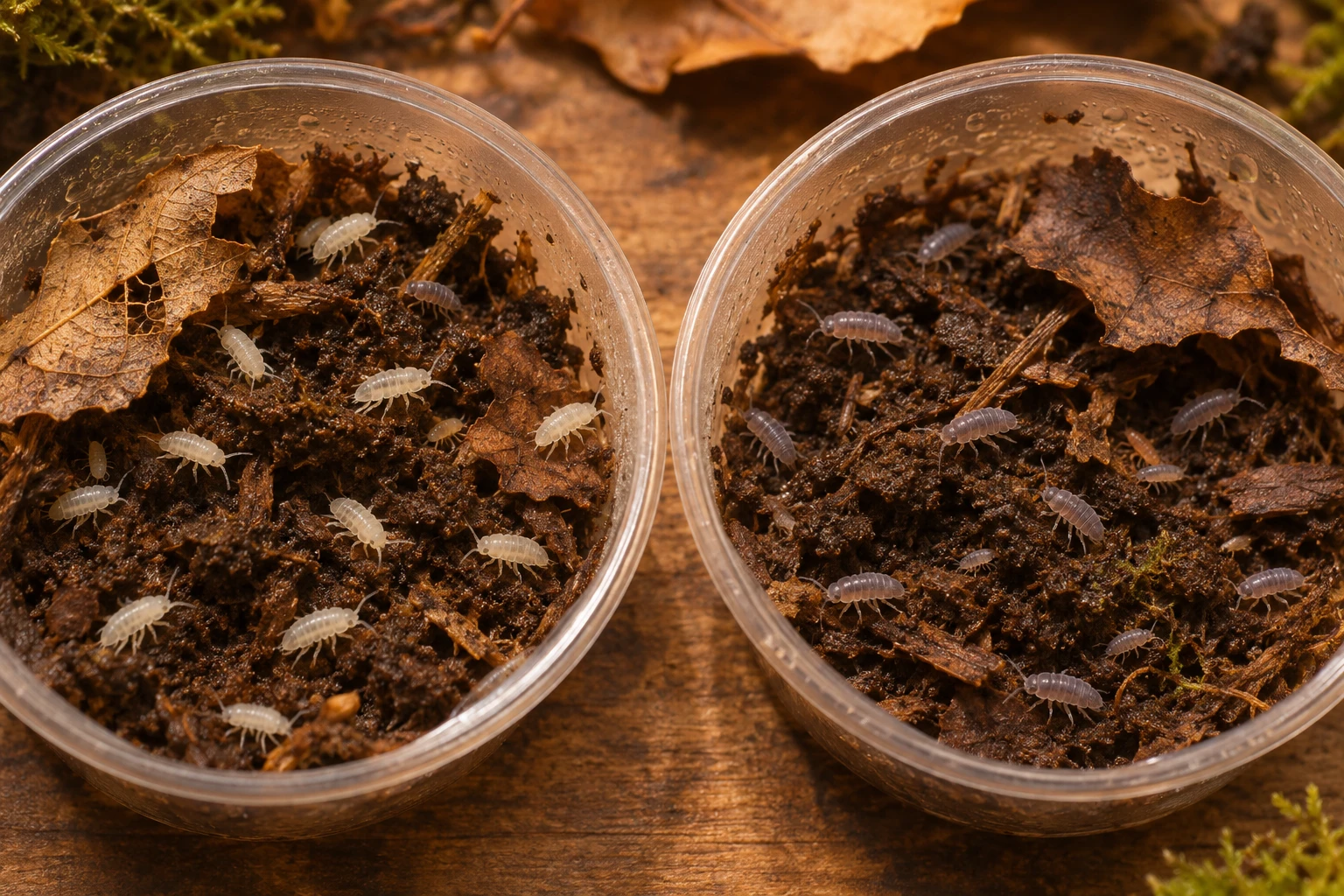
Dwarf White vs Dwarf Purple Isopods: Which Should You Get?
Two tiny, all-female isopods that look alike but live differently in the bin.
Read Guide →
Land Shrimp Care: A Terrestrial Amphipod, Not a True Isopod
Land shrimp are amphipods, not isopods. ID, setup, and care for this jumping crew.
Read Guide →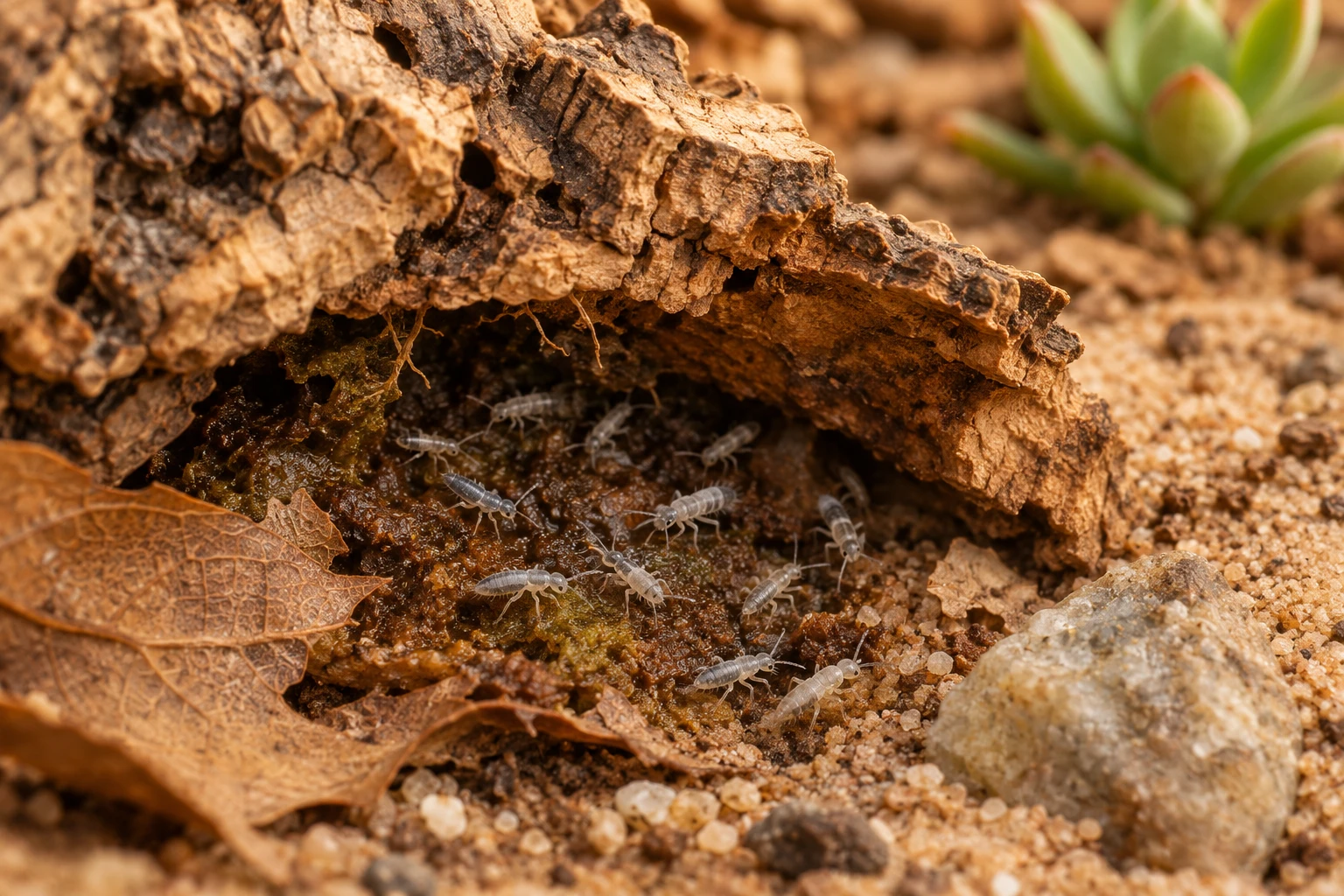
Arid Springtails: The 3 Species That Handle Dry Setups Best
No hobby springtail is desert-proof. The 3 species that actually handle dry setups.
Read Guide →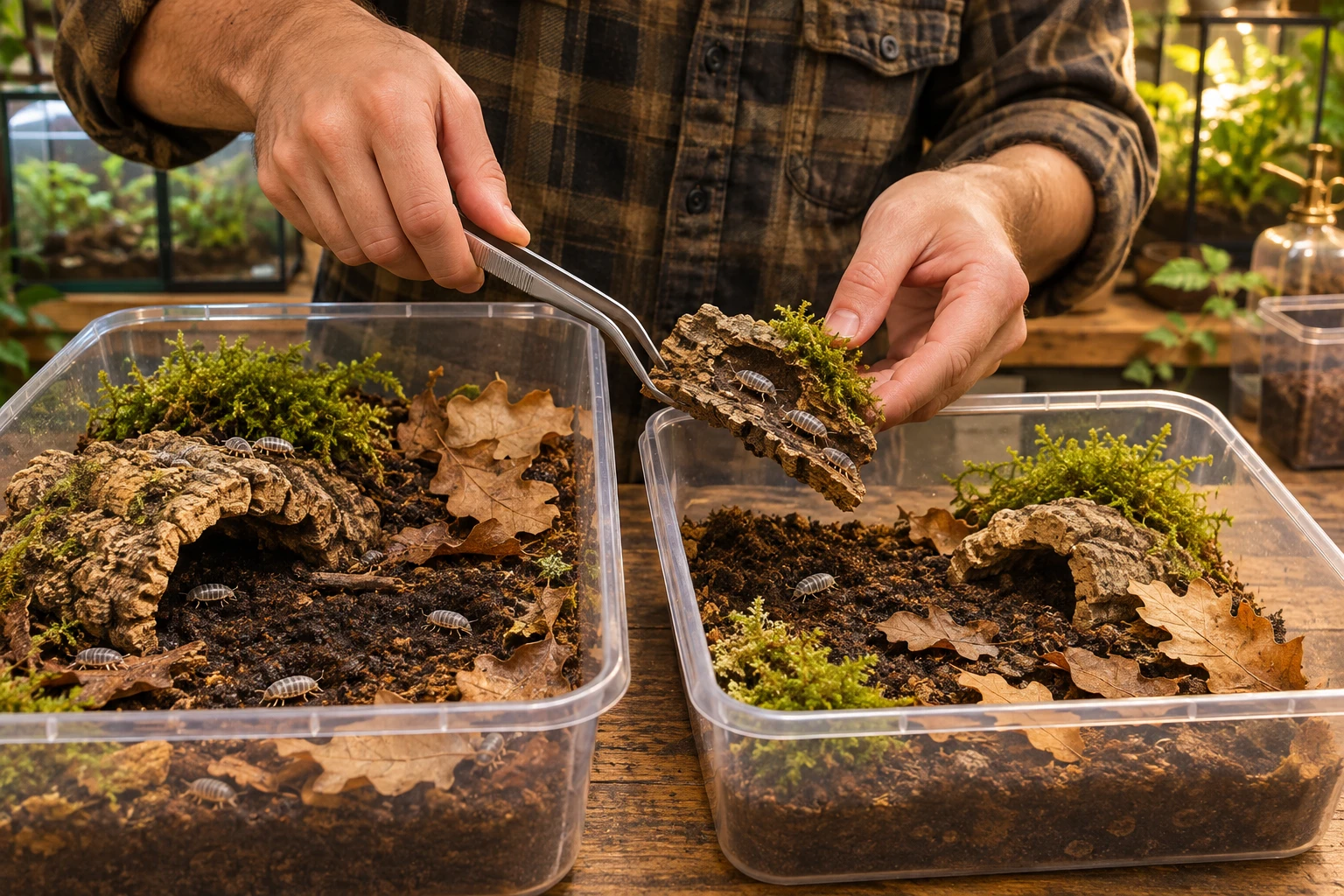
When and How to Split an Isopod Colony
The real step-by-step for turning one healthy isopod colony into two.
Read Guide →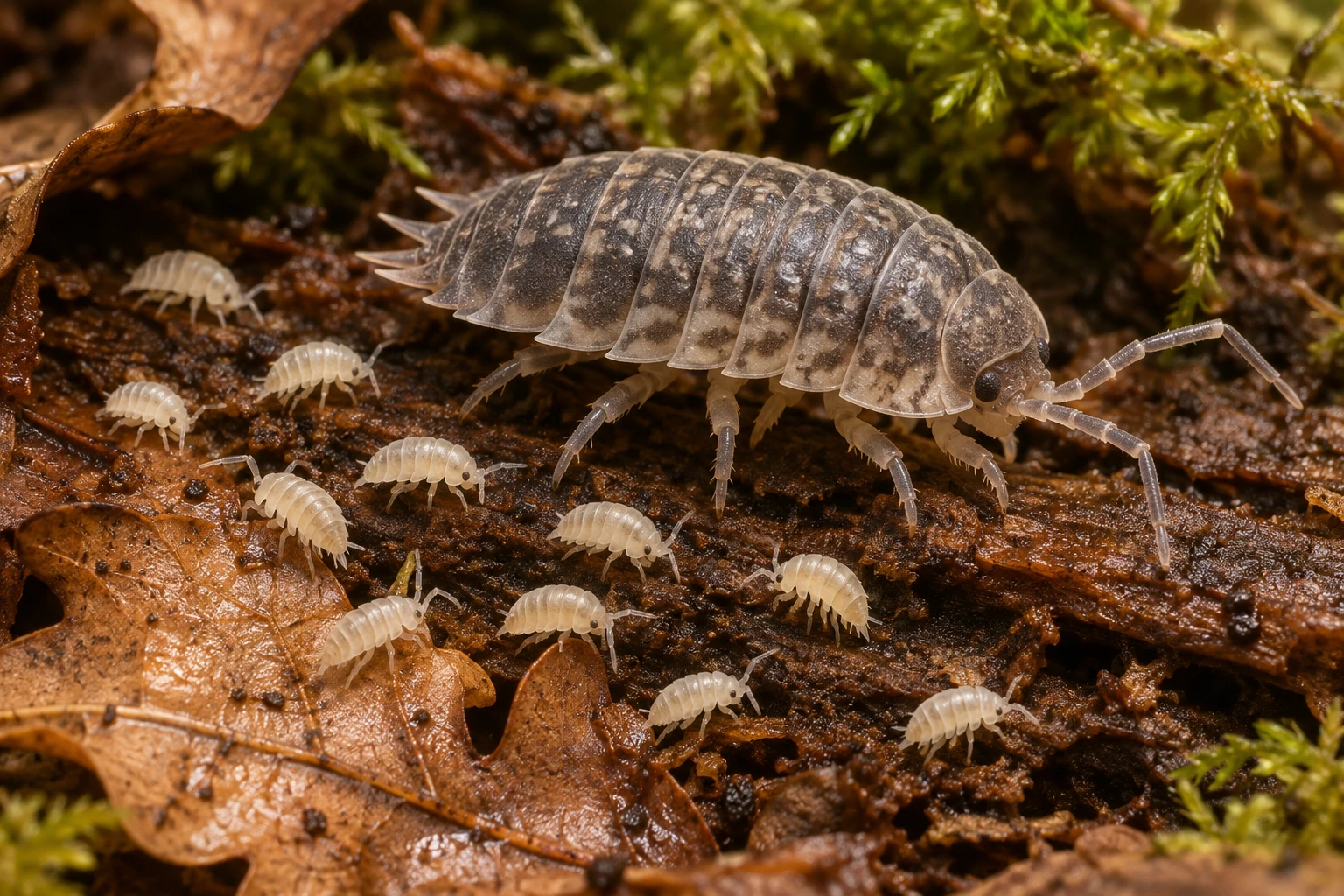
How Many Babies Do Isopods Have? Brood Size by Genus
Real brood-size numbers by genus, hedged and sourced, not just guesses.
Read Guide →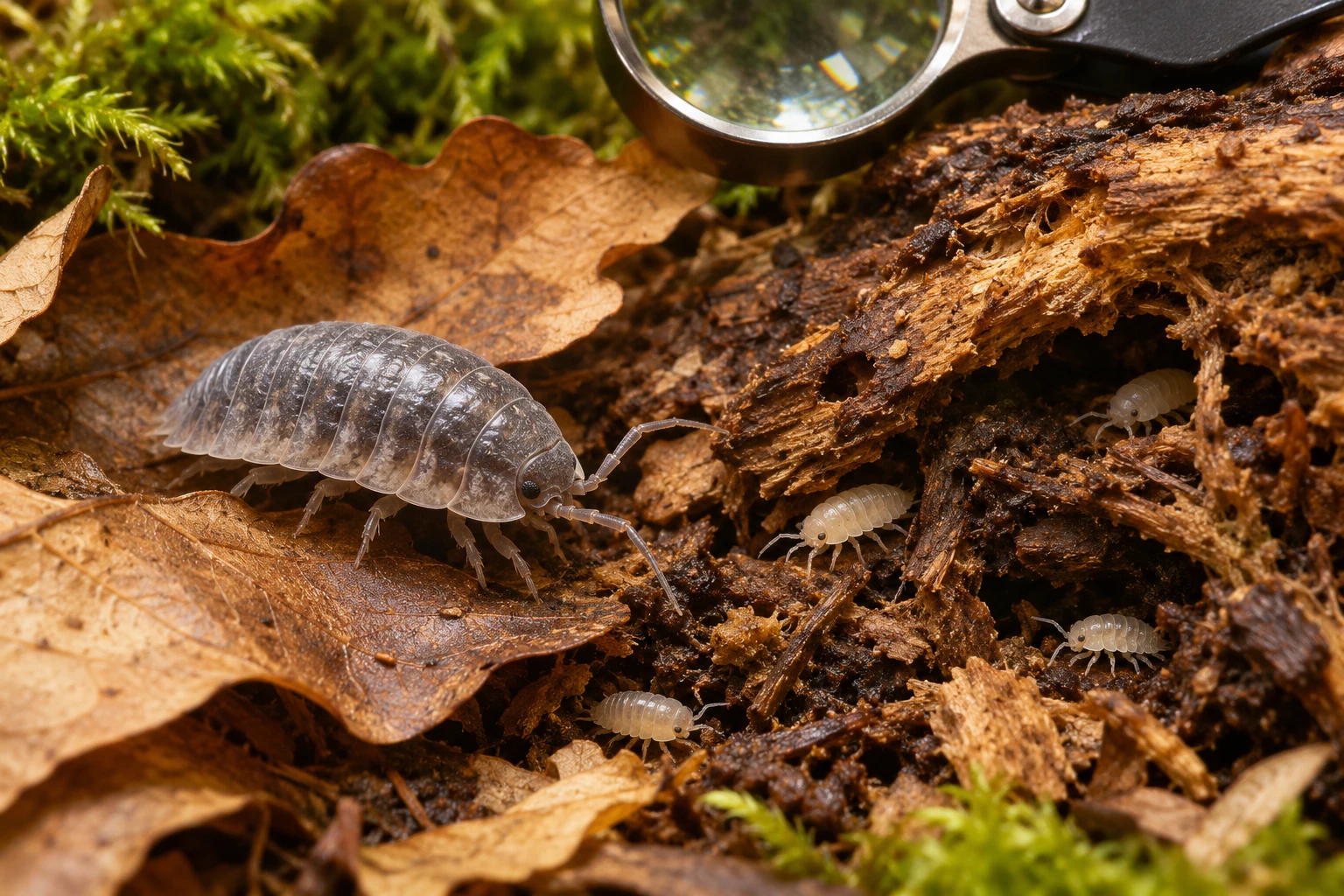
Why Do My Isopod Babies Keep Disappearing?
Mancae appear, but the colony never grows. The real, ranked list of causes.
Read Guide →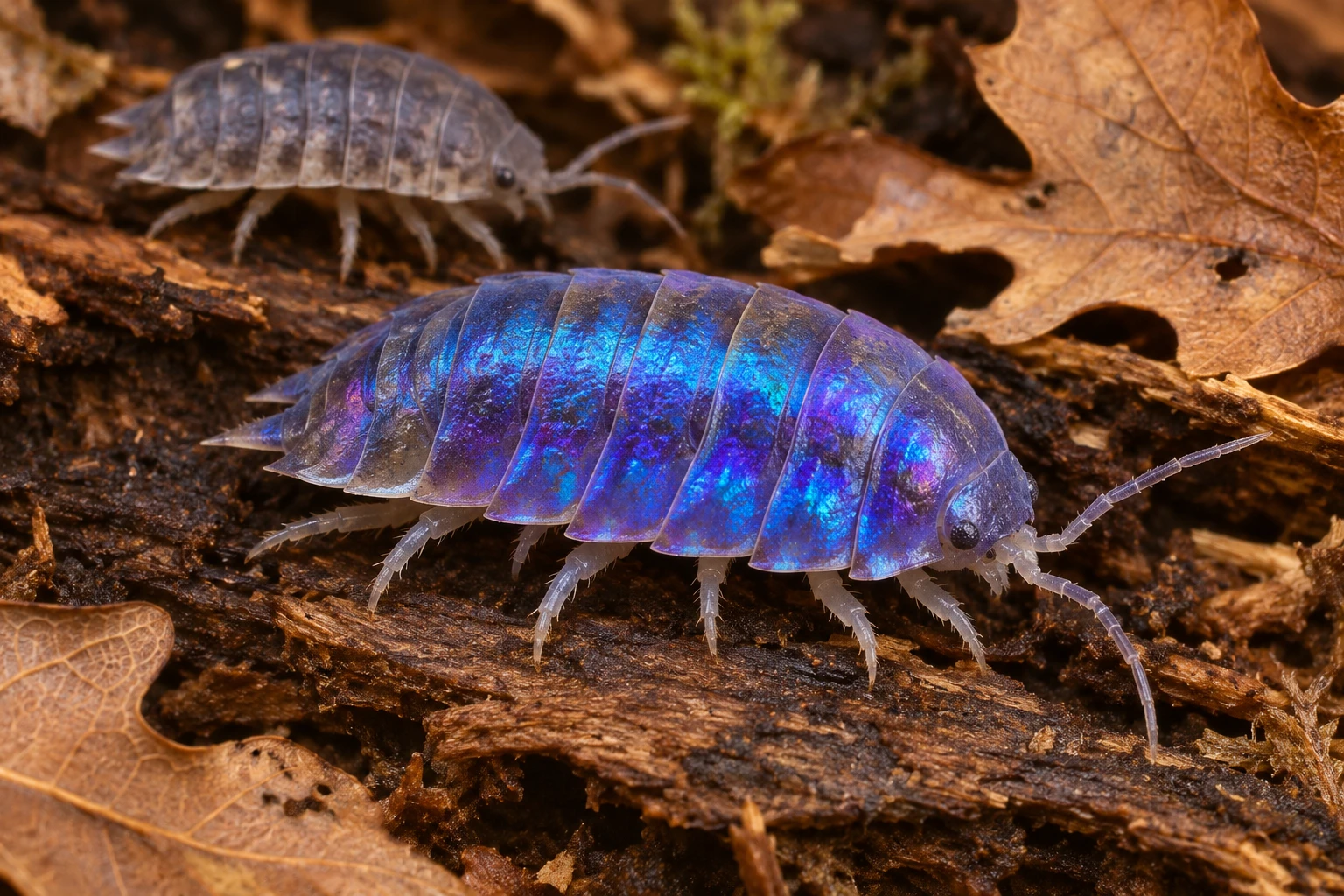
Why Is My Isopod Turning Blue? Isopod Iridovirus Has No Cure
A new blue or purple shimmer can mean iridovirus. How to tell it from a normal blue morph.
Read Guide →
Are Store-Bought Plants Safe for Isopods? The Pesticide Risk to Know
Store-bought plants can carry pesticides toxic to isopods for months. Here's the fix.
Read Guide →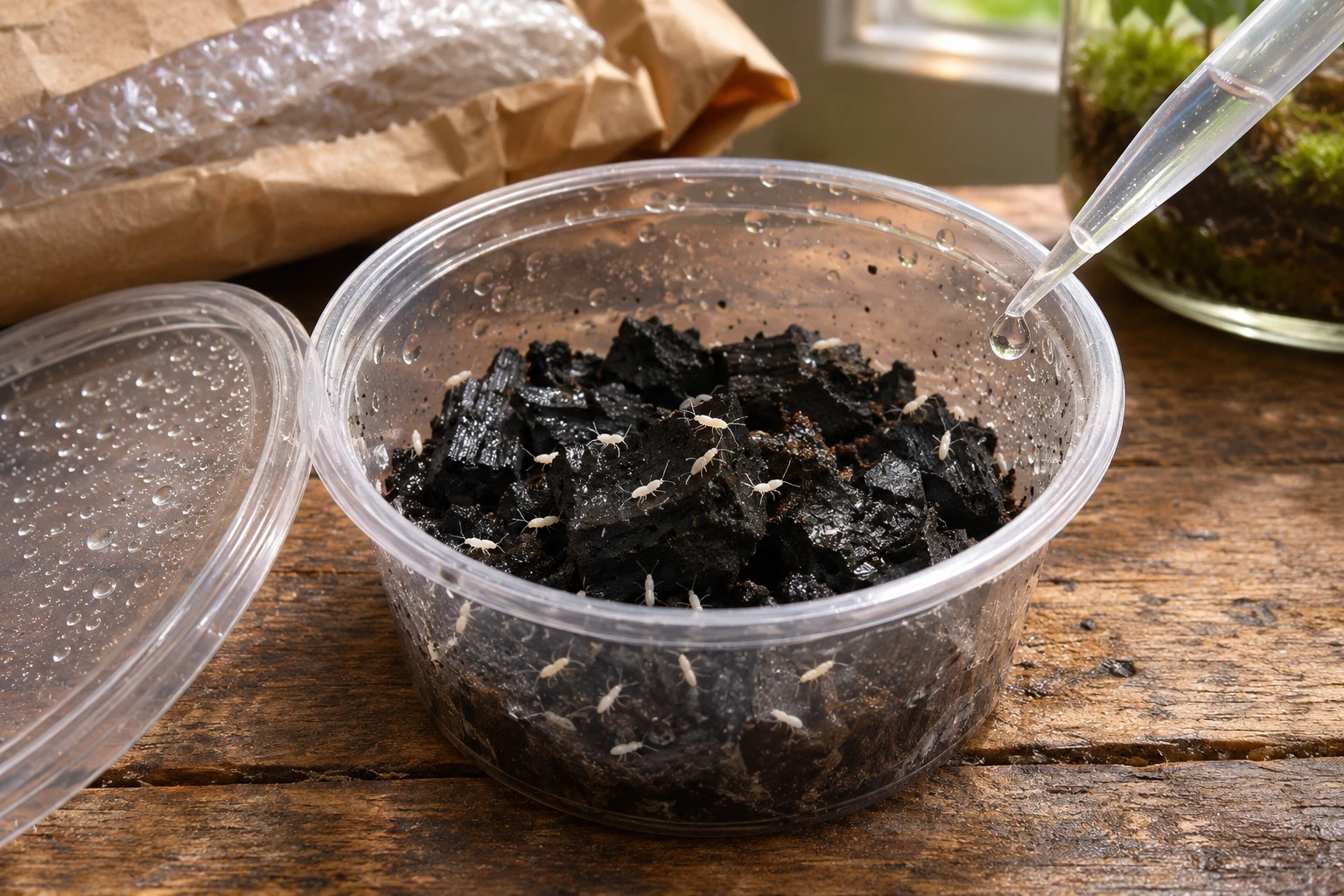
Your Springtails Just Arrived: What to Do First
Why a motionless shipment usually is not dead, and the exact steps to bring it back.
Read Guide →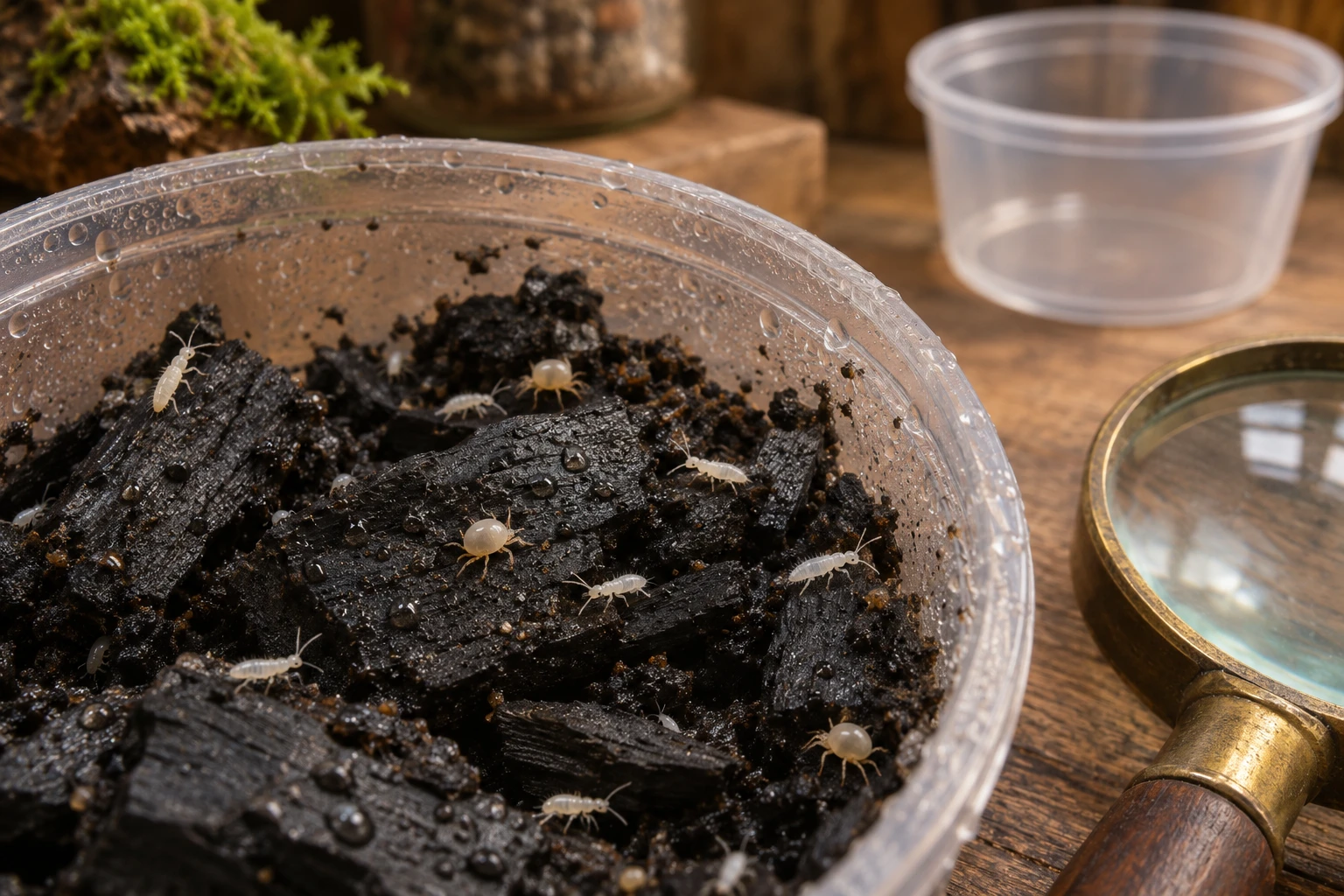
Mites in Your Springtail Culture: How to Get Rid of Them
Tell mites from baby springtails fast, then clear a bloom for good.
Read Guide →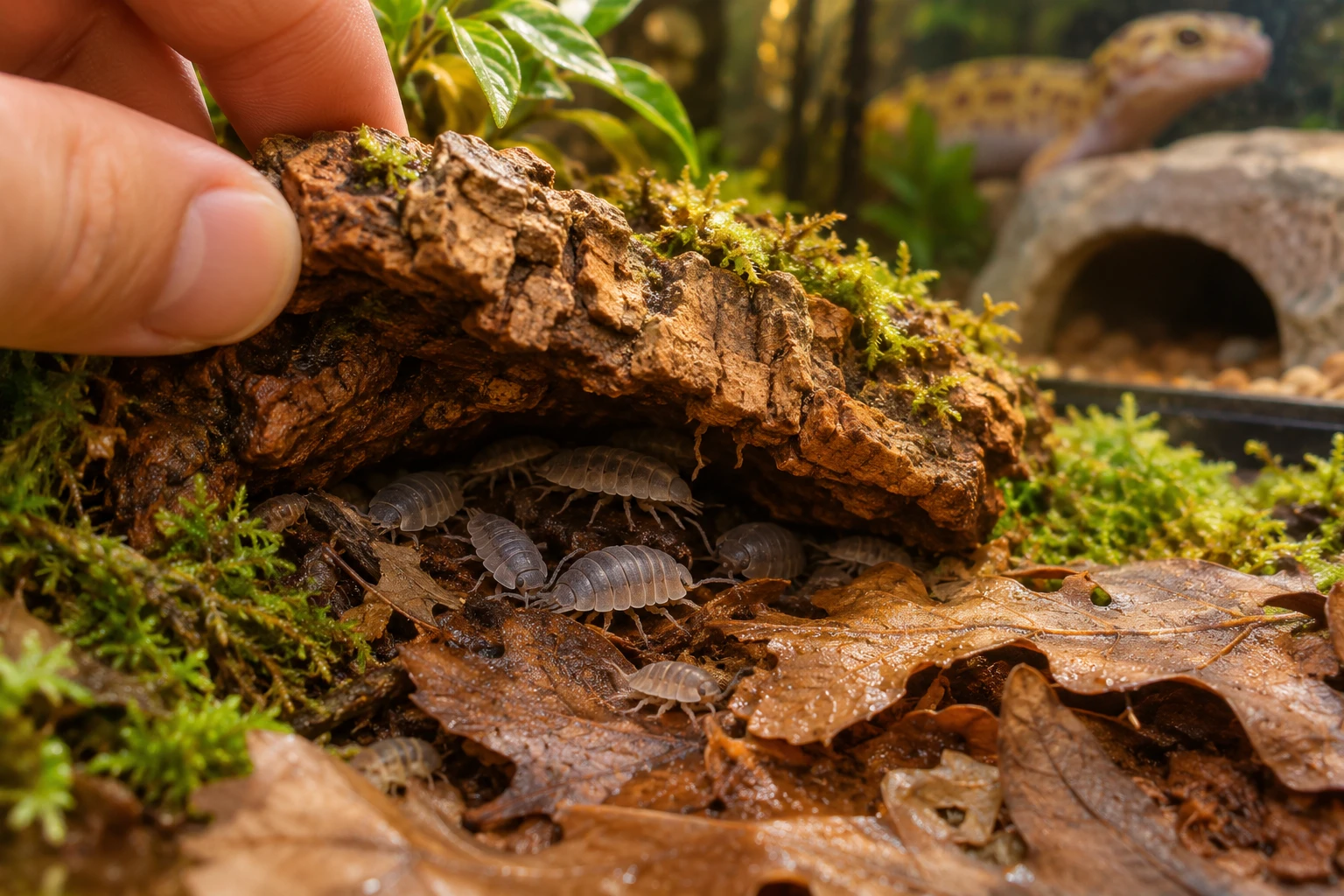
Cleanup Crew Disappeared? Why Isopods Vanish After a New Pet
Your crew probably is not dead. How to tell hiding from real loss, and restock safely.
Read Guide →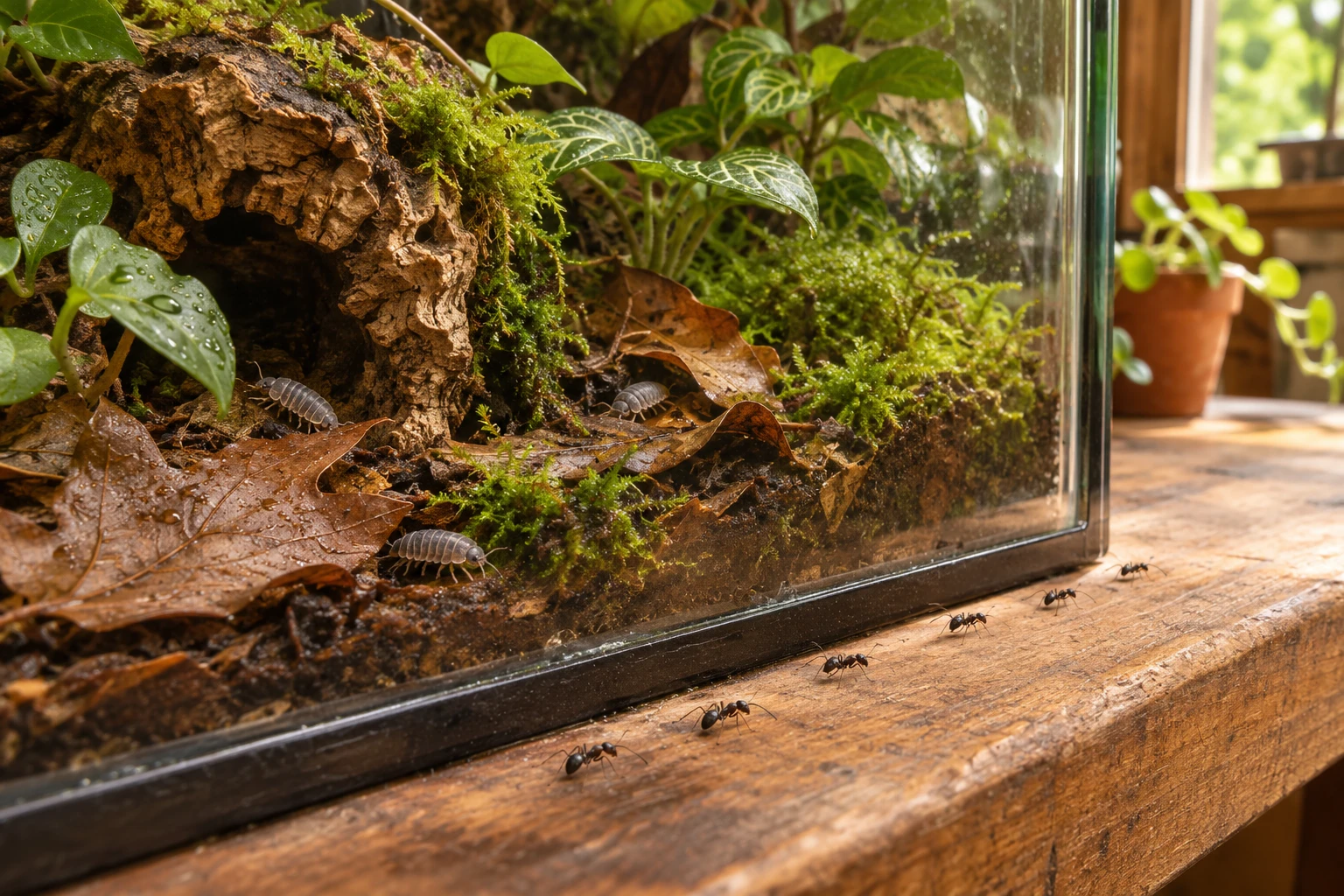
Ants in Your Bioactive Terrarium? How to Get Them Out for Good
Ants in a bioactive tank will hunt your isopods and springtails. Here's the fix.
Read Guide →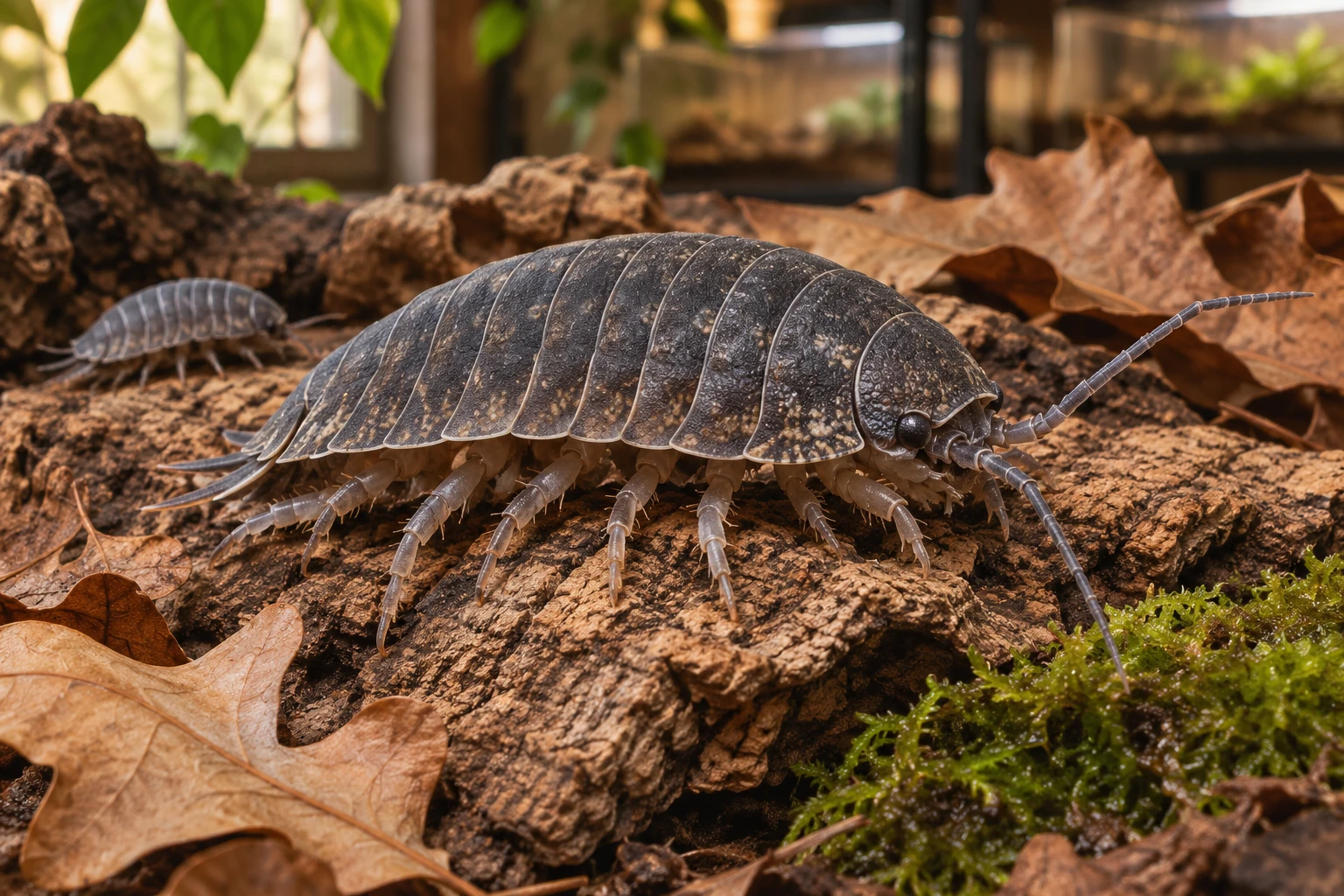
Titan Isopod Care Guide: Size, Humidity and Temperament
One of the biggest isopods in the hobby, and one of the most territor[Truncated]