Cold, molting, or gone?
A silkworm (Bombyx mori) that arrives stiff and motionless is very often cold, not dead, and it usually starts moving again within an hour or two of warming gently at room temperature. A worm that is simply due for a molt looks similarly still and can hold that pose for closer to a day. If yours looks dark, soft, or smells off rather than just quiet, photograph the unopened cups or bags and email customer.service@tcinsects.com within 1 hour of the delivery scan to protect your Live Arrival Guarantee. Here is how to tell cold, molting, and real loss apart before you decide anything.
What stillness can mean
Cold, not dead
A cold-shocked silkworm looks stiff, pale, and curled, and often will not respond to a gentle touch when you open the box. Silkworms slow down hard below about 60°F; a cool truck or cold porch can cause this without actually harming them.
Set the container at normal room temperature away from a heater, sunny window, or direct heat. Give it one or two hours. Never use a heat lamp or space heater; a fast temperature swing stresses a weakened worm.
The pre-molt pause
A silkworm about to molt settles in one spot, raises its front end, stops eating, and may remain still for close to a full day. It looks dull rather than glossy and should not be handled.
Condition—not stillness—is the key. A molting worm stays pale cream, firm, and odorless. If it looks normal apart from being quiet, leave it alone and check again in several hours.
Signs of real loss
A silkworm that died in shipping turns dark or discolored, may look slightly see-through, and becomes soft or deflated instead of firm. A sour or rotten odor is one of the clearest signs; a healthy, cold, or molting worm never smells that way.
If you see these signs in the first hour, stop warming and document the shipment. This differs from the slower bacterial decline in our guide to silkworms turning black over time, which usually develops over days.
When to contact us
Give a cold-shocked worm a couple of hours of gentle warming, and a suspected molt closer to a full day. Watch even recovered worms for the next few days because a rough trip can leave them vulnerable. If there is zero response after the waiting period, or dark, soft, sour signs appear, treat it as a loss.
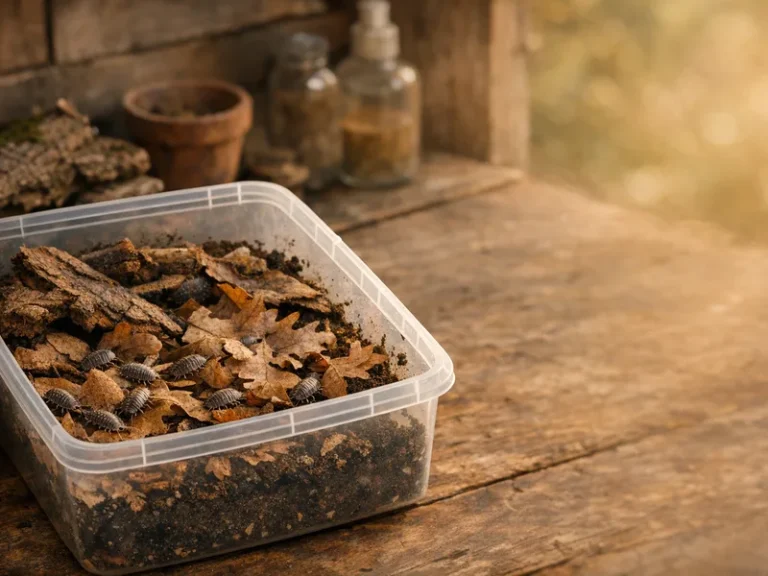
Isopods and springtails follow a similar rule after a rough trip: look stressed first, dead second, and give them real time before deciding.
What to do right now
Document first
Photograph unopened cups or bags exactly as they arrived. Email customer.service@tcinsects.com within 1 hour of the delivery scan—or the same day for Hold for Pickup—before doing anything else with a worm that looks genuinely dead.
Warm gradually
Keep the container at normal room temperature. Skip heat lamps, heaters, sunny windows, and other direct heat sources.
Do not mist
Silkworms get all their moisture from food rather than drinking. Misting adds condensation to an already stressed shipment.
Check the chow
The chow block should be firm, pale, and not wet or crumbly. Dry, intact chow means the food held up well in transit.
Once they warm, move them into a clean container with fresh chow and a paper-towel liner. Keep them at 72–85°F away from drafts. If choosing between fresh mulberry leaves and prepared chow, see our chow-versus-leaves guide.
Cold, molting, or dead?
Warming gently and waiting costs nothing. A pesticide, heat lamp, or mist bottle can each make things worse.
The Fresh Start Silkworm Kit
A restock, ready-to-use chow, and a proper habitat cup for once the first hour check is done.
Frequently Asked Questions
How can I tell if my silkworm is dead or just cold?
Check color, firmness, and smell rather than just stillness. A cold worm is pale and stiff but stays intact and odorless, and it usually starts moving again within an hour or two of gentle warming. A dead worm turns dark or discolored, feels soft or deflated, and often smells sour, none of which improve with warmth.
Is it normal for silkworms to stop moving before they molt?
Yes. A silkworm getting ready to molt settles in one place and goes still with its front end raised, often for close to a full day. It stays pale and firm and never smells off, which is what separates a molt from a worm that is actually in trouble.
Should I use a heat lamp to warm up cold silkworms?
No. Warm a chilled shipment gradually at normal room temperature instead, away from any heater, sunny window, or direct heat source. A fast temperature jump from a heat lamp stresses an already cold, weakened worm more than the cold itself did, so patience works better than speed here.
Should I mist my silkworms if they look dry after shipping?
No. Silkworms get all their moisture from their chow or leaves and do not drink water, so misting only adds condensation to an already stressed container. If the chow itself looks dry, replace it with a fresh block instead of adding water directly to the worms.
How long should I wait before deciding my silkworms died in shipping?
Give a cold, stiff worm an hour or two of gentle warming, and give one you suspect is mid-molt closer to a full day. If there is still zero response after that, or you see dark, soft, or sour signs, treat it as a genuine loss.
What do I do if my silkworms arrived dead?
Photograph the unopened cups or bags exactly as they arrived and email customer.service@tcinsects.com within 1 hour of the delivery scan, or the same day for a Hold for Pickup order. Covered losses are replaced or credited under our Live Arrival Guarantee once that documentation is in.
Continue with confidence
Have a care question? Ask our community.
Join Reptile Keepers USA, our free Facebook group for reptile, amphibian and invert keepers. Share your setups, get care help and swap feeder tips.
Join the free group