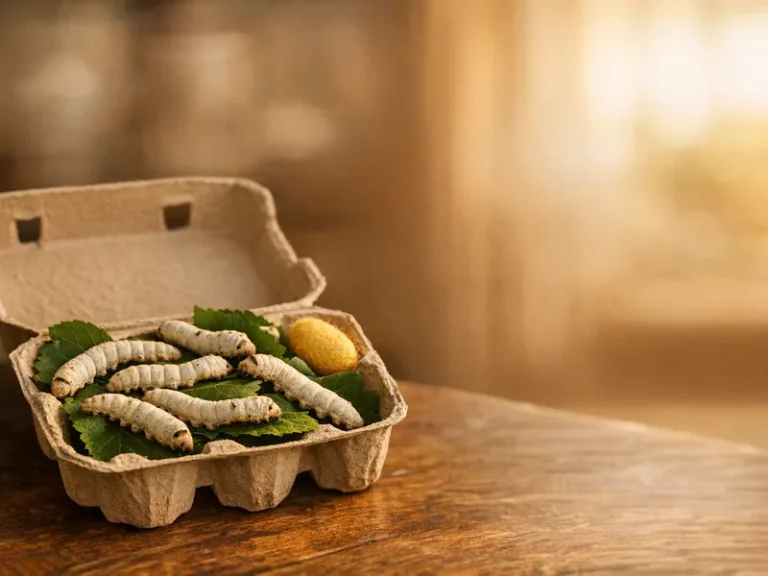
Do Calcium Worms (BSFL) Turn Into Flies? What to Expect

Yes, black soldier fly larvae (Hermetia illucens), sold here as Calcium Worms, will eventually turn into adult flies if you keep them warm long enough, working through several instars over roughly two to four weeks before darkening and pupating. That is a normal, harmless part of the life cycle, not a sign anything went wrong, and an adult black soldier fly cannot bite, sting, or start an infestation in your home. If you would rather keep your larvae as larvae, cooler storage around 50 to 60 degrees Fahrenheit holds them dormant for weeks with no feeding required. Below is the full life cycle timeline, how to slow it down on purpose, and why this is one worry you can safely cross off your list before your next feeder rotation order.
At room temperature, before larvae darken and seek a dry spot
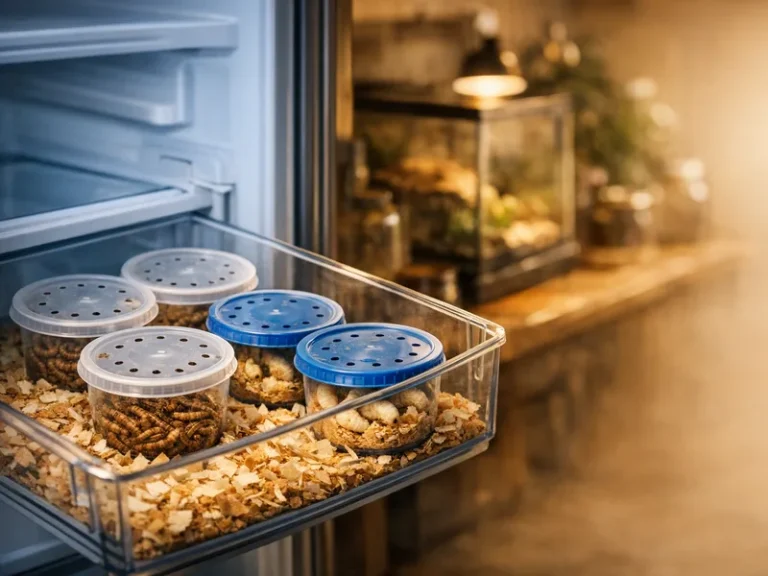
Cool storage holds larvae dormant for weeks without feeding
Do not bite, sting, or infest a home if a few reach that stage
The short answer: yes, eventually
Black soldier fly larvae are exactly what the name says, the larval stage of a fly, so kept warm and fed they will complete their life cycle just like any other insect. That is not spoilage or something going wrong with your order, it is a healthy, living feeder doing what a healthy, living feeder does.
The reason this worries first-time buyers is a mix-up with house flies, which are a real nuisance and disease concern. Black soldier flies are a completely different, non-pest species, and understanding the actual life cycle below should put the worry to rest for good.
The four-stage life cycle, in order
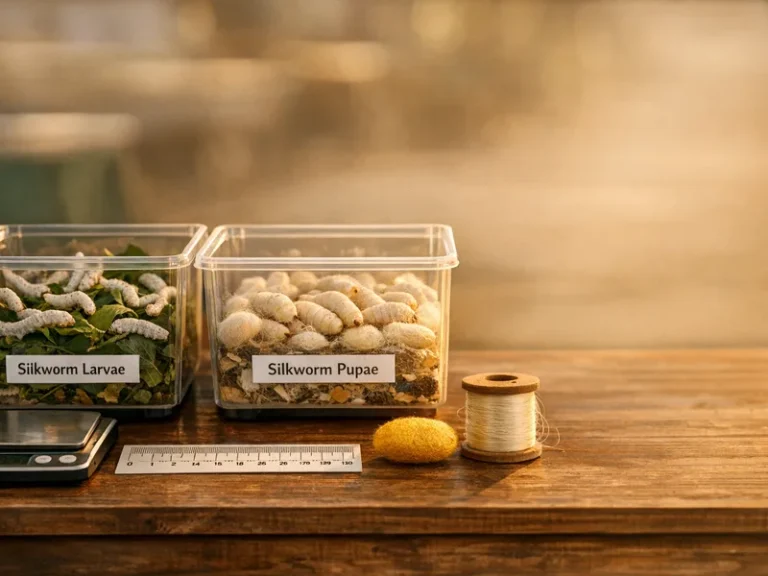
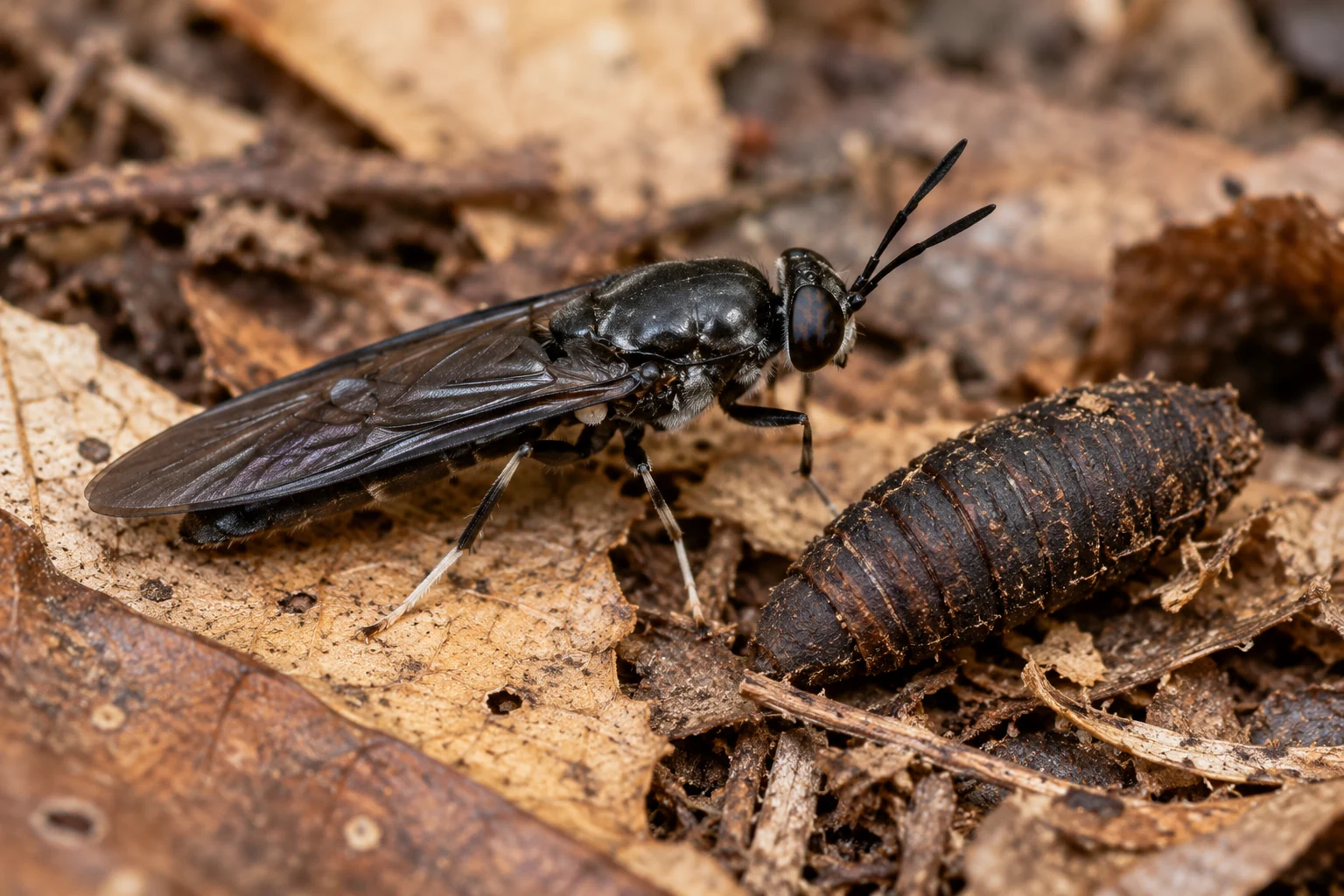
Like most insects, black soldier flies move through four stages: egg, larva, pupa, and adult. The larval stage is the one we sell and the one you feed out, and it itself passes through several instars, or growth phases, as the larva molts and grows. At room temperature, that larval growth generally takes somewhere in the range of two to four weeks.
As a larva finishes growing, it darkens in color and stops actively feeding, then seeks out a dry, sheltered spot to pupate. The pupal stage itself generally takes roughly another couple of weeks before an adult fly emerges, so the full journey from a fresh larva to a flying adult is measured in weeks, not days.

How to slow it down: cool storage
If you would rather hold larvae as larvae for longer, cool storage is the tool. Keeping them around 50 to 60 degrees Fahrenheit, right in the ventilated cup they arrive in, holds them dormant and slows the clock toward pupation, often keeping them usable for weeks, close to a month, with no feeding required in the meantime.
Warmth does the opposite and speeds larvae toward pupating, so if you are buying in bulk to use gradually rather than all at once, cooler storage buys you the longest usable window. We cover general feeder storage life more broadly in our feeder storage guide.
Why the adult fly stage is a non-issue
Adult black soldier flies are harmless. They do not bite, they do not sting, and unlike a house fly they do not even really eat as adults, so an escapee or a few larvae that got ahead of you and pupated on their own are not a home-infestation risk the way a fruit fly or a house fly would be.
Some keepers who also raise chickens or feed wild birds actually let a handful reach the fly stage on purpose, since the flies themselves make an easy, welcome treat. For feeding a reptile or amphibian, though, you generally want to use larvae well before this stage, since the larval form is what carries the nutrition your animal is after.
Calcium worms and dusting: the one thing to get right
The nickname Calcium Worms exists for a real reason: black soldier fly larvae are naturally rich in calcium, which is genuinely unusual among feeder insects, most of which run calcium-poor. That means most feedings do not need a calcium dust at all, a rare exception in the feeder world we break down further in our feeder nutrition chart.
The exact amount of calcium varies with how the larvae themselves were raised, so we still recommend a light calcium dust for fast-growing juveniles and gravid females rather than skipping it outright for those groups, since their needs run higher than an average adult's. Our calcium dusting guide covers the how and how often for the rest of a rotation.
Bottom line for a first-time buyer
Yes, calcium worms will eventually become adult black soldier flies if you keep them warm long enough, and no, that is not a problem, a mistake, or a pest risk either way. Cool storage slows the clock if you want more time, and the adult stage itself is genuinely harmless if a few get there.
If you are building out a full feeder rotation rather than a single order, our staple versus treat guide shows where calcium worms fit alongside dubia, red runners, and the rest of the lineup, and our shipping guide covers how we get live orders like this one to your door safely.
Buy Calcium Worms by Size
Small, medium and large BSFL, the naturally calcium-rich feeder from the life cycle above, plus the calcium dust for growing juveniles.
Frequently Asked Questions
Written by the TC INSECTS breeding team · Porter, Texas · Live Arrival Guarantee on every order
Have a care question? Ask our community.
Join Reptile Keepers USA, our free Facebook group for reptile, amphibian and invert keepers. Share your setups, get care help and swap feeder tips.
Join the free group