Mites in Your Springtail Culture

Leftover food and excess moisture feed a mite bloom the same way they crash a culture
Cut feeding for a few days before trying anything more aggressive
Some keepers use cold to knock mites back, with real risk to the springtails too
Identify the bloom, then reset the culture
Mites crawling across a springtail culture almost always come down to the same two things: too much leftover food and too much standing moisture, and the fix starts today, not with a pesticide. This is about the standalone culture cup or tub you are breeding springtails in, not a display terrarium. Below is how to tell mites from baby springtails at a glance, why a bloom starts, and the exact ladder of fixes, from gentle to last resort, that clears one out for good.
A cleaner start for your springtails
The original guide below covers identification, the fix ladder, clean media, and preventing another bloom.
Mites or baby springtails? Tell them apart in one look
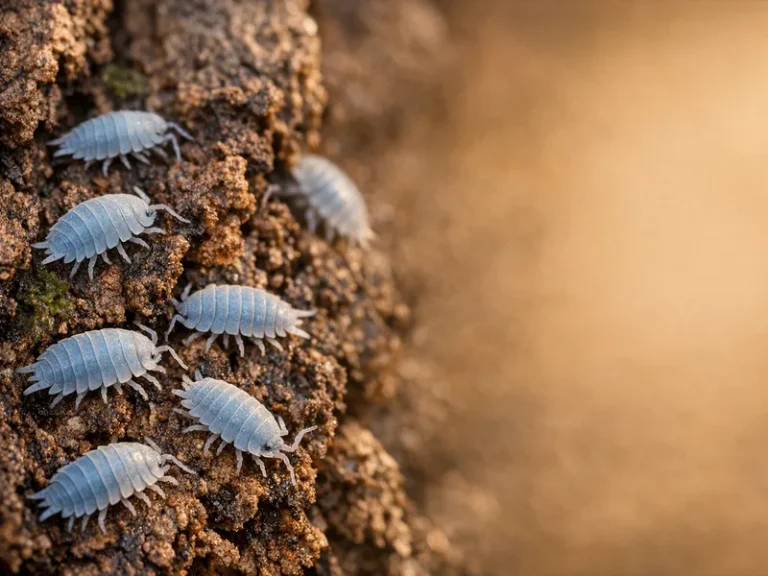
The fast, reliable tell is movement: springtails, even newly hatched ones, snap into a quick hop off a forked tail called a furcula, while mites just scurry in a fast, dusty looking cloud with no hop at all. Round, pearly white clusters that never move are springtail eggs, a good sign, not a problem. Our terrarium identification guide covers this same test in more detail if you are looking at a display tank instead of a culture cup.
Why mites show up in a springtail culture in the first place
A mite bloom is a moisture and food problem, not bad luck or a contaminated batch. Grain and mold mites (Acarus siro and close relatives) feed on the same decaying organic matter and fungus that springtails do, and a culture running rich with uneaten food and standing water gives them everything they need to multiply fast. A culture fed on schedule with a light sprinkle of brewer's or baker's yeast every 2 to 4 days, skipping a feeding whenever the last one is still visible, rarely blooms in the first place.
New or overly generous cultures are the most common source. A fresh batch of media loaded with extra food to help it along invites both mold and mites before the springtail population has grown large enough to graze it back down, which is the opposite of what a new culture needs.
The fix ladder: start gentle, escalate only if you need to
Work down this list rather than jumping straight to the most aggressive option. Start by removing any visible leftover food and stopping feeding entirely for a few days, since starving the mites out is the least disruptive fix and it works more often than keepers expect. At the same time, ease the surface back slightly drier than usual, just enough to slow the mites without drying out the springtails themselves, which still need real humidity to survive.
If the bloom is still heavy after a few days of fasting, set a small bait pile, a pinch of yeast or a scrap of food on a jar lid or piece of card, and lift it out once mites cluster on it. Repeat every day or two and the numbers drop fast, even before you touch the main culture.
Flood and pour: rescue the springtails, leave the mites behind
This works specifically for a charcoal culture. Flood the container with water well above the top of the charcoal, and the springtails will rise and float on the surface, held up by their own water repellent skin, while most of the mites clinging to the submerged charcoal stay under and do not follow them up. Skim or gently pour the floating springtails into a clean container with fresh charcoal, and leave the old, contaminated media behind entirely rather than trying to salvage it. Fresh charcoal and a clean starter cup are cheap insurance, and our culturing supplies page carries both.
Running a soil or coco fiber culture instead? You cannot flood it the same way, so scoop only the cleanest looking top layer of substrate, the part with the most visible springtail activity and the fewest mites, into a fresh container rather than moving the whole thing over.
The fridge or freezer trick, and the real trade off
Some keepers chill the whole culture, container and all, in the refrigerator for roughly an hour until the mites turn sluggish, then give it a very brief dip in the freezer, well under a minute, before returning it to room temperature. The cold slows and kills a portion of the mites faster than starving them out alone.
Be honest with yourself about the trade off before trying this: springtails are not immune to cold either, a freezer stint that runs too long costs you part of the culture along with the mites, and results are inconsistent since some mites shrug off the same chill that stuns a springtail. Treat it as a last resort after the gentler steps above, not a first move, and never reach for a pesticide or bug spray instead, since that risks the springtails far more than the mites ever did.
Keeping mites from coming back
Prevention here is mostly about not recreating the exact conditions that started the bloom. Feed a light sprinkle of yeast every 2 to 4 days and skip it entirely if the last feeding is still visible, keep the media moist without standing water, and give the container a little airflow so humidity does not sit stagnant at the surface. A well run culture rarely sees mites again once these habits are in place.
Running a second, backup culture is cheap insurance against any single bin having a bad month, mites or otherwise, and it means one struggling container never puts your whole supply at risk. Our guide on why a springtail culture stops booming covers the other common ways a culture stalls, since mites are only one of several causes worth ruling out.
When starting completely over is the right call
Sometimes the honest answer is that a heavily infested culture is not worth saving. If mites keep rebounding within days of every attempt, or the media itself looks dark, packed, and exhausted rather than simply overrun, retire it and start clean rather than fighting the same battle for weeks. A fresh culture in clean media, built the way our springtail culturing guide lays out, gets you back to a healthy population faster than nursing a lost cause along.
For an isopod bin dealing with a similar mite bloom, the fix looks different because you can lean on the isopods themselves plus a springtail population to compete the mites out, which is not an option when the springtails are the ones infested. Our guide to grain mites in an isopod culture walks through that version step by step.
Keep reading: Cleaning Feeder Insect Bins: Frass, Mold, and Mites Without Chemicals
Keep reading: Grain Mites in Mealworm and Superworm Bran: How to Clear Them
Mite or Springtail? Culture Triage
The Culture Reset Kit
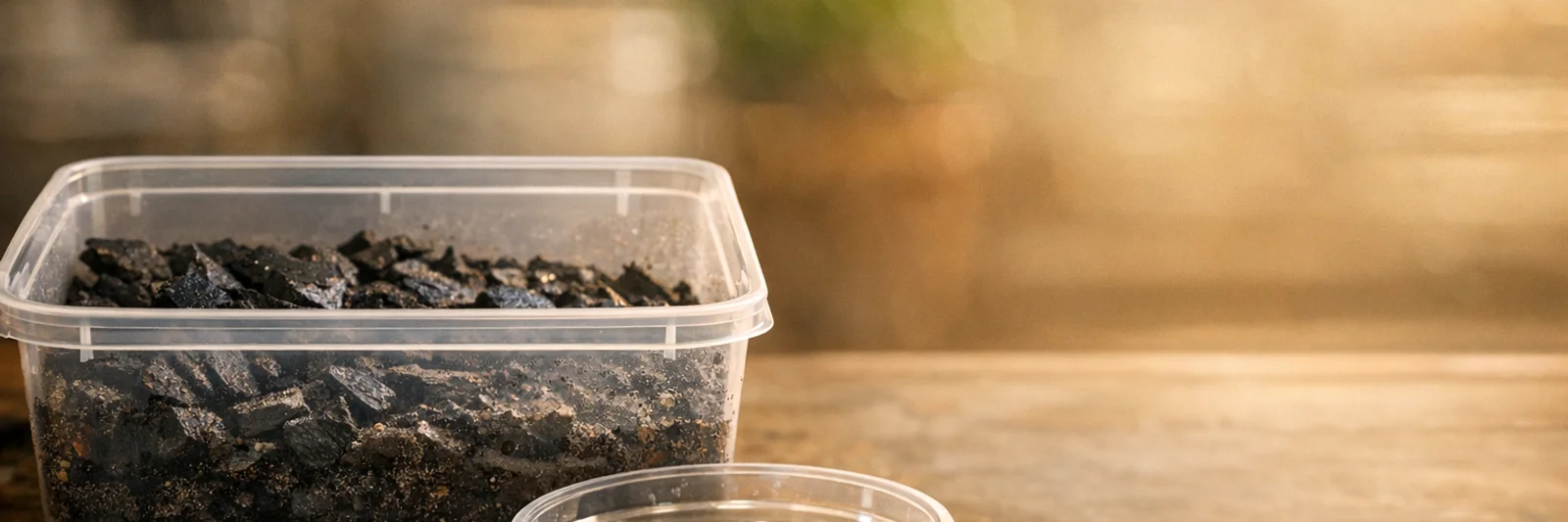
Clean media and a fresh culture to rebuild once you flood, pour, and leave the mites behind.
Frequently asked questions
Are mites harmful to the springtails in my culture?
Not directly. Grain and mold mites do not bite, parasitize, or hunt springtails, so they are not a physical threat to the animals themselves. The real damage is competition: a heavy mite population eats the same food and can crowd out a young or already struggling springtail culture over time.
What is the difference between mites and baby springtails?
Movement is the fastest tell. Baby springtails hop in a quick, springy motion using a forked tail called a furcula, the same as adults, while mites scurry in a fast, restless, dust like cloud with no hop at all. Mites are also rounder and smaller, with none of the segmented body shape a springtail has.
Will adding more springtails get rid of mites on its own?
Not when the springtails are already the ones infested. A strong springtail population can outcompete mites for food in an isopod bin, but inside their own culture the mites are already living in the same space, so cutting food and moisture, then rescuing the healthiest springtails into clean media, works better than waiting it out.
Can I use a pesticide to get rid of mites in a springtail culture?
No. Any pesticide or bug spray strong enough to kill mites is just as likely to kill the springtails living in the same small container. Every fix that actually works here relies on cutting food and moisture, physically removing mites, or moving to clean media instead.
Does refrigerating a springtail culture get rid of mites?
It can knock a bloom back. Some keepers chill a culture for about an hour until the mites slow down, sometimes followed by a very brief freezer dip. Treat it as a last resort rather than a first step, since springtails can be harmed by the same cold that slows the mites.
How do I stop mites from coming back in a springtail culture?
Keep feeding light: a sprinkle of yeast every 2 to 4 days, skipped entirely if the last feeding is still visible. Maintain moisture without standing water, give the container a little airflow, and keep a second culture running as backup so one bad month never threatens your whole supply.
Keep learning
Have a care question? Ask our community.
Join Reptile Keepers USA, our free Facebook group for reptile, amphibian and invert keepers. Share your setups, get care help and swap feeder tips.
Join the free group