Arid Springtails
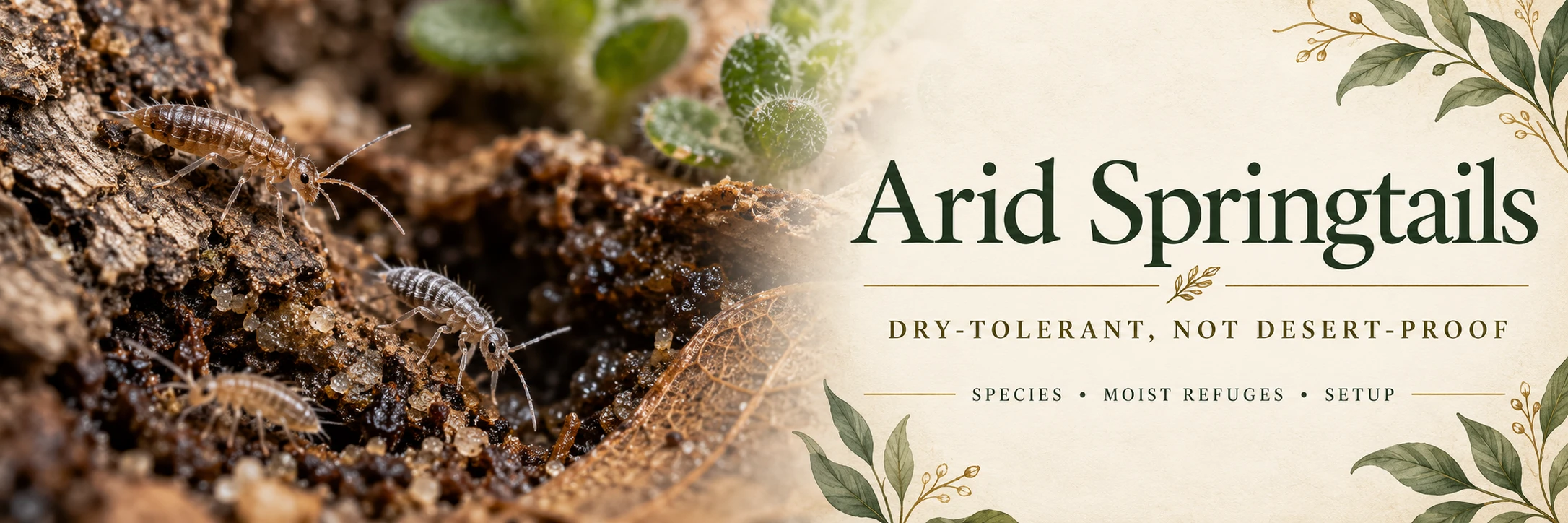
Wild xerophilic springtails exist; none are in the pet trade
Handles roughly 40 to 70 percent surface humidity with one damp pocket
Actually wants 85 to 100 percent humidity; temperate means cool-tolerant, not dry
Dry-tolerant springtails still need a damp refuge
No springtail sold in the hobby is a true desert animal, but three species handle arid and semi-arid enclosures noticeably better than the common Temperate White (Folsomia candida): Wood Runner (Entomobrya sp.), Silver (Seira dowlingi), and Bylas Ant (Pseudosinella violenta). All three tolerate a mostly dry, well-ventilated surface, roughly 40 to 80 percent humidity depending on the species, as long as one pocket of substrate stays permanently damp for drinking, molting, and egg laying. Real desert-adapted springtails do exist in the wild, in places like the Namib Desert, but none are in the pet trade, so arid-tolerant here means dry-side tolerant, not desert-proof.
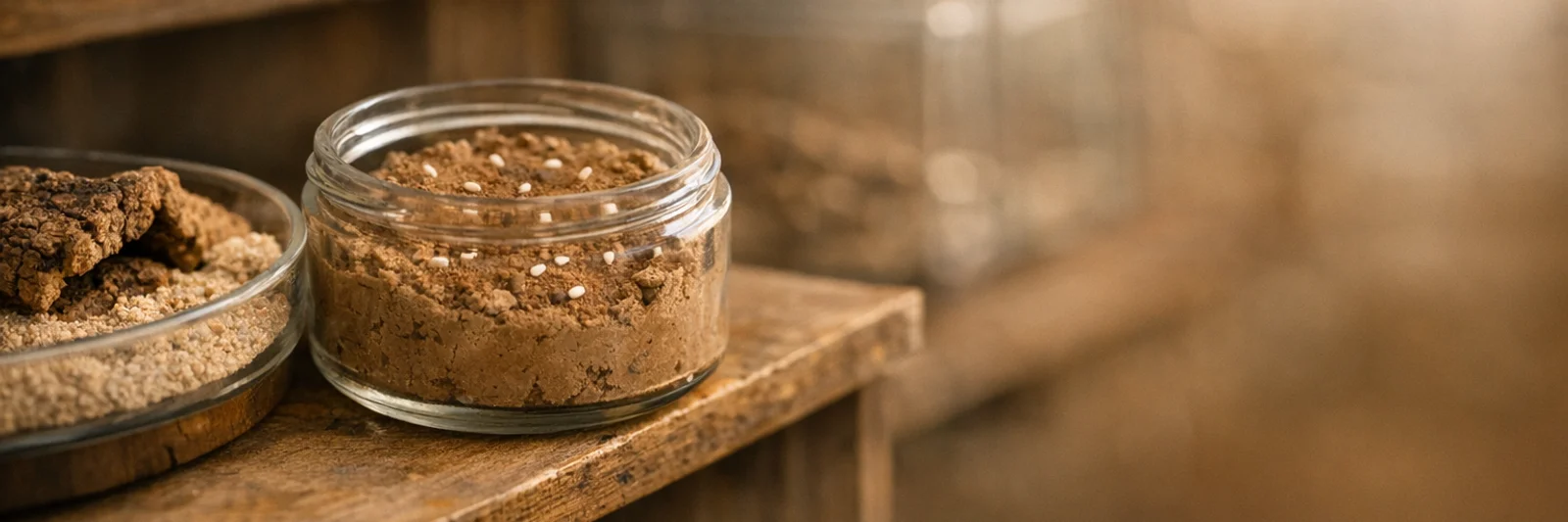
A dry surface with one reliable moist retreat
Wood Runner, Silver, and Bylas Ant tolerate drier surfaces, but each still needs a permanently damp pocket for drinking, molting, and breeding.
No Springtail Sold in the Hobby Is a True Desert Species
Real desert-adapted springtails exist. Researchers have found them living between sand grains in the Namib Desert and other arid regions, some able to control water loss so tightly they survive conditions that would kill an ordinary springtail within hours. None of that research has produced a springtail you can actually buy. Every springtail sold in the hobby, including the driest-tolerant picks below, still breathes through its skin and still needs a source of liquid water somewhere in its enclosure.
So when a species gets called arid-tolerant in this hobby, the honest translation is dry-side tolerant, not desert-proof. These springtails handle a drier, better-ventilated surface than a standard tropical species and can patrol open, dry-looking substrate without dying, but every one of them still needs a permanently damp refuge to retreat to, drink from, and lay eggs in. Skip that refuge and even the toughest species on this page will crash. See our full springtail species reference for the complete temperature and humidity picture, species by species.
What Makes a Springtail Dry-Tolerant in the First Place
The springtails that lean drier in this hobby share two traits: they are surface runners rather than soil dwellers, built to move across open ground instead of staying buried in saturated substrate, and they tolerate a wider swing in surface humidity before it slows them down. That is a real difference, not just marketing, but it is a difference of degree. A dry-tolerant species tolerates roughly 40 to 80 percent humidity at the surface, depending on the species. A standard humid springtail wants 85 percent or higher at all times and can crash within days if the surface dries.
None of that means these species want a bone-dry enclosure. They still need a place that stays wet, just a smaller one, and they still lose moisture through an exoskeleton with no waterproof coating, the same vulnerability every springtail has. Think of arid tolerance as a wider comfort range around a still-required wet core, not an exemption from needing one.
Three Dry-Leaning Species Worth Stocking
These are the three springtails TC sells that consistently outperform a standard tropical or Temperate White culture in a drier setup, from biggest to smallest.
Wood Runner (Entomobrya sp.)
Wood Runner, also sold as Arid Springtail, is the biggest of the three at 3 to 5 mm, running 68 to 82 F with a sweet spot around 72 to 78 F. Keep the surface mostly dry and well ventilated, roughly 50 to 70 percent ambient humidity, with a single permanently damp corner under cork or hardwood bark. It bolts under cover the moment it is disturbed, so judge the culture by lifting bark rather than watching the open surface.
Silver (Seira dowlingi)
Silver springtails are 1.5 to 2.5 mm and run 64 to 85 F, sweet spot 72 to 80 F, wanting a flexible 50 to 80 percent humidity at substrate level, a damp core under a drier, ventilated surface. This pantropical surface runner patrols dry decor other springtails avoid and is one of the more visible species in the hobby, but it still needs that moist retreat to molt and lay eggs.
Bylas Ant (Pseudosinella violenta)
Bylas Ant is the smallest and driest-tolerant of the three at 1 to 2 mm, comfortable at roughly 40 to 70 percent surface humidity as long as one clay or soil pocket stays permanently damp for drinking and egg laying, at 65 to 85 F with a 72 to 80 F sweet spot. It darts across open ground fast enough to get mistaken for an actual ant. No formal rearing study has been published on this species, so treat its numbers as strong breeder consensus rather than lab-verified fact.
Why Temperate White Is Not the Arid Answer
Temperate White (Folsomia candida), the common white springtail most starter cultures ship as, is the default for a reason: it is hardy, fast-breeding, and forgiving at ordinary room temperature. But temperate in its name describes temperature tolerance, not moisture tolerance. It still wants 85 to 100 percent humidity at substrate level and crashes fast once the surface dries out, so it is not the springtail to reach for in a genuinely arid or semi-arid build.
That naming mix-up trips up a lot of keepers stocking their first drier reptile enclosure. If your setup runs warm and humid, Temperate White is still a fine, easy choice. If it runs dry with only a small damp corner, one of the three species above is the better match, and Temperate White is worth swapping out or supplementing rather than relying on alone.
Building the One Damp Refuge Every Arid Setup Still Needs
Every dry-leaning species above still lives or dies by a single, reliably damp pocket. The simplest version is a small cup or shallow dish of damp clay or substrate sunk into the drier main substrate, refreshed before it fully dries rather than kept dripping wet. A pinch of moist sphagnum moss tucked under a piece of bark works just as well and gives the crew somewhere dark to shelter at the same time.
Check that refuge, not the open surface, when judging whether the culture is still active, since these species spend most of their visible time on dry ground but retreat to the damp pocket to actually breed. If you are unsure how many cultures to start with for your enclosure size, our guide to stocking springtail cultures walks through the numbers.
Matching a Species to Your Setup
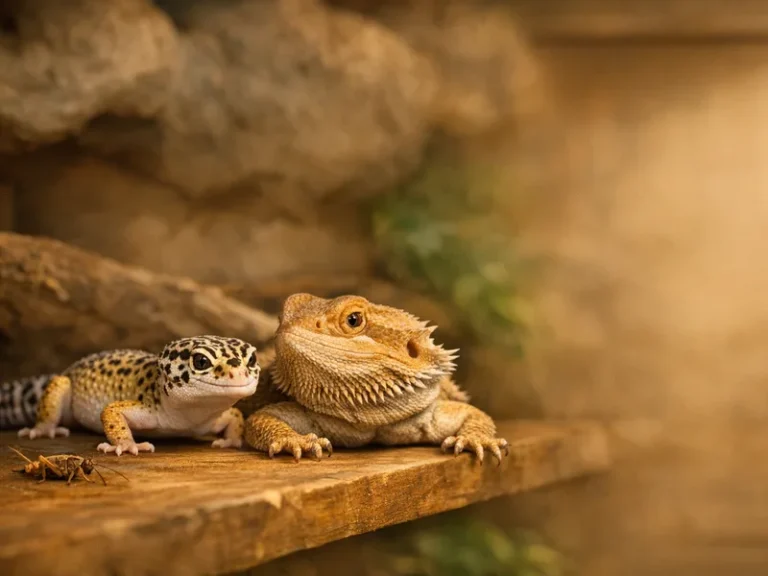
For a genuinely arid reptile enclosure, a bearded dragon or leopard gecko tank running mostly dry with one humid hide, Bylas Ant is the most dry-tolerant pick and pairs naturally with the isopods on our semi-arid and dry-tolerant isopods page. For a semi-arid bioactive build that still gets misted regularly, Wood Runner or Silver both work, and Silver is the more visible of the two if you want a springtail you can actually watch.
If your enclosure runs warm and consistently humid instead, do not reach for any of these three. Temperate or Tropical White springtails will out-breed a dry-tolerant species in that environment and are the better default there. Matching the species to the humidity you actually run, not the one that sounds toughest, is what keeps a culture alive.
Keep reading: Silver Springtail Care: The Seira dowlingi Culture Guide
The Dry-Tolerant Springtail Kit
Wood Runner, Silver, and Bylas Ant springtails plus a damp clay medium for the one refuge every arid setup still needs.
Frequently asked questions
Are any springtails truly desert species?
No. Real desert-adapted springtails exist in the wild, studied in places like the Namib Desert, but none of them are sold in the hobby. Every springtail available to keepers, including the driest-tolerant picks, still needs a permanently damp refuge somewhere in the enclosure and will die without one.
Which springtail handles the driest enclosure?
Bylas Ant (Pseudosinella violenta) is the most dry-tolerant springtail TC sells, comfortable around 40 to 70 percent surface humidity as long as one clay or soil pocket stays permanently damp. It runs 65 to 85 F and darts across open ground fast enough to be mistaken for an actual ant.
Is Temperate White springtail good for a dry terrarium?
Not really. Despite the name, Temperate White (Folsomia candida) needs 85 to 100 percent humidity at substrate level and crashes quickly once the surface dries out. Temperate describes its temperature tolerance, not moisture tolerance, so a genuinely dry or semi-arid enclosure needs one of the more dry-leaning species instead.
Do arid-tolerant springtails still need moisture?
Yes, every one of them. Arid-tolerant just means a species tolerates a drier, better-ventilated surface than a standard tropical springtail, not that it can live without water. Build one permanently damp pocket, a buried clay cup or moist sphagnum under bark, and check that spot rather than the dry surface.
Can I mix a dry-tolerant springtail with isopods?
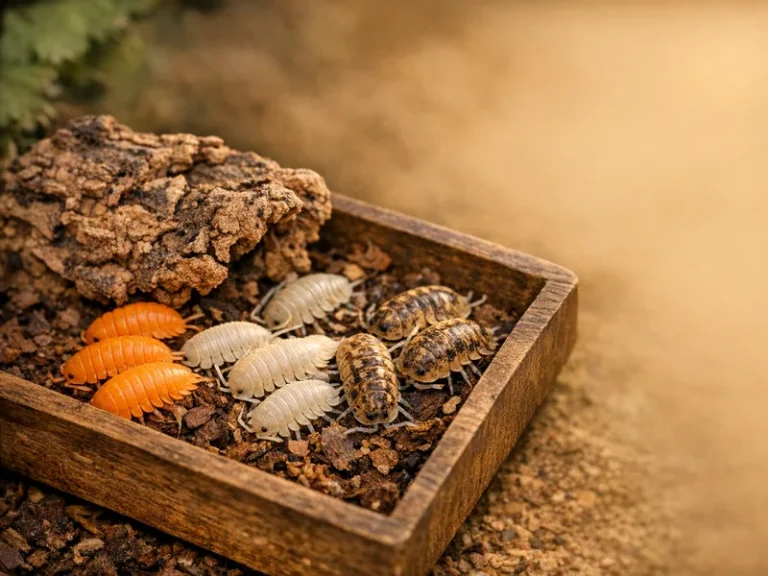
Yes, and it is a natural pairing. Wood Runner, Silver, and Bylas Ant springtails all suit the same drier substrate as hardy Powder Orange or Powder Blue isopods, since both groups want a mostly dry surface with one damp refuge, not a saturated bin.
How do I know if a dry-side springtail culture is still alive?
Check the damp refuge, not the open surface. These species spend most of their visible time on dry ground and retreat to the one damp pocket to breed, so an empty-looking dry surface is normal. Lift the bark or peek into the clay cup before assuming the culture has crashed.
Keep learning
Have a care question? Ask our community.
Join Reptile Keepers USA, our free Facebook group for reptile, amphibian and invert keepers. Share your setups, get care help and swap feeder tips.
Join the free group