

Animal Hub
The Complete Bearded Dragon Hub: Care, Feeding and Health Guide
Updated September 2026 · By the TC INSECTS keeper team
Bearded dragons (Pogona vitticeps) are the most interactive lizard in our library and the most equipment-hungry, so this page gathers every guide you need from the first setup to brumation. Start with the care sheet for the basking, UVB and enclosure numbers that decide whether a dragon thrives, then use the feeding guides to build a rotation and flip the insect-to-greens ratio correctly as your dragon grows. The health section separates normal brumation and display behavior from the real emergencies, so you know exactly when a sign means call a vet today.
Adult size18 to 24 inches
Lifespan10 to 15 years
DifficultyIntermediate
Basking surfaceAround 95 to 105 F for adults
Cool end75 to 85 F
Humidity30 to 40 percent
UVBRequired
Dietomnivore
Start Here
New to bearded dragons? Read these in order.
1Still deciding? Compare it with a leopard gecko firstA bearded dragon needs real space, UVB and daily interaction; compare before buying.2Read the full care sheetSets the 48x24x24 minimum, basking heat and UVB numbers before the dragon arrives.3Feed by age, not by habitThe insect-to-greens ratio flips hard between a juvenile and an adult.4Build a weekly feeder rotationDubia and BSFL carry most days; treats stay capped to manage fat.5Set up a cleanup crewPowder and Dwarf White isopods plus springtails suit a semi-arid beardie tank.
Feeding
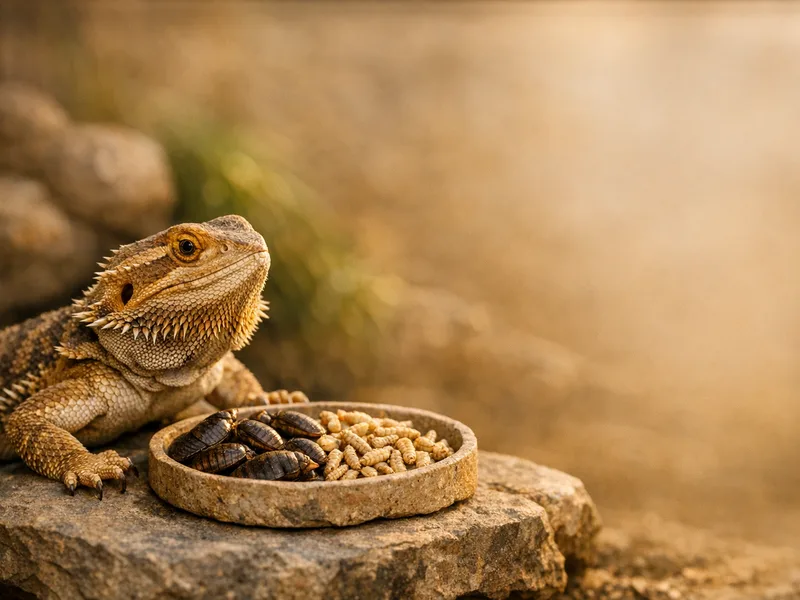 A Weekly Feeder RotationDubia and BSFL carry most days; superworms and hornworms capped as treats.Read the guide →
 What to Feed by AgeThe insect-to-greens ratio flips hard from juvenile to adult, plus feeder sizing.Read the guide →
 Do Crickets Bite at Night?Yes, if leftovers sit overnight. The real risk and the simple fix.Read the guide →
 Best Feeders for Baby DragonsSmall crickets, dubia nymphs, BSFL and silkworms, sized for the first months.Read the guide →
 How Many Crickets to Feed by AgeCounts and frequency from babies through adults, sized to the eye-gap rule.Read the guide →
 Best Feeder Insects, RankedDubia, crickets, BSFL, hornworms and superworms compared on nutrition.Read the guide →
 Portion Size by Body WeightHow many grams of insects to feed based on your dragon's actual weight.Read the guide →
 How to Tong-Feed a ReptileSafer than a bare hand for treats like hornworms and superworms.Read the guide →
 Bowl Feeding vs Loose FeedingWhich method keeps crickets from hiding in substrate or biting overnight.Read the guide →
 Calcium Dusting Schedule by SpeciesThe dusting frequency a bearded dragon's insect portion actually needs.Read the guide →
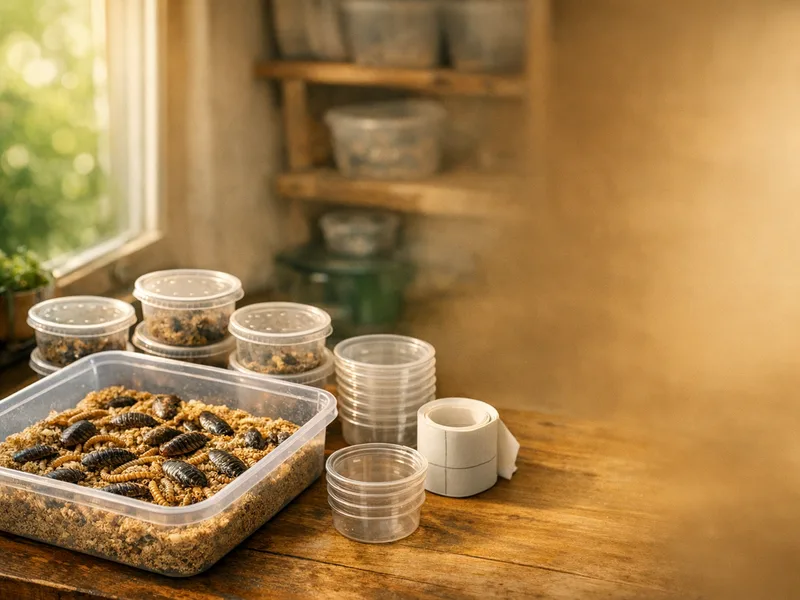 How Often to Order Feeder InsectsBulk versus small orders, sized to a dragon's daily insect habit.Read the guide →
 Insects You Should Never FeedWild-caught and other insects that are not safe to offer a dragon.Read the guide →
 Feeding Your Dragon While You TravelCovering greens and insects for a weekend away or a longer trip.Read the guide →
Health and troubleshooting
 Impaction Signs: The Severity LadderFrom a few days without stool to a same-day emergency, told apart.Read the guide →
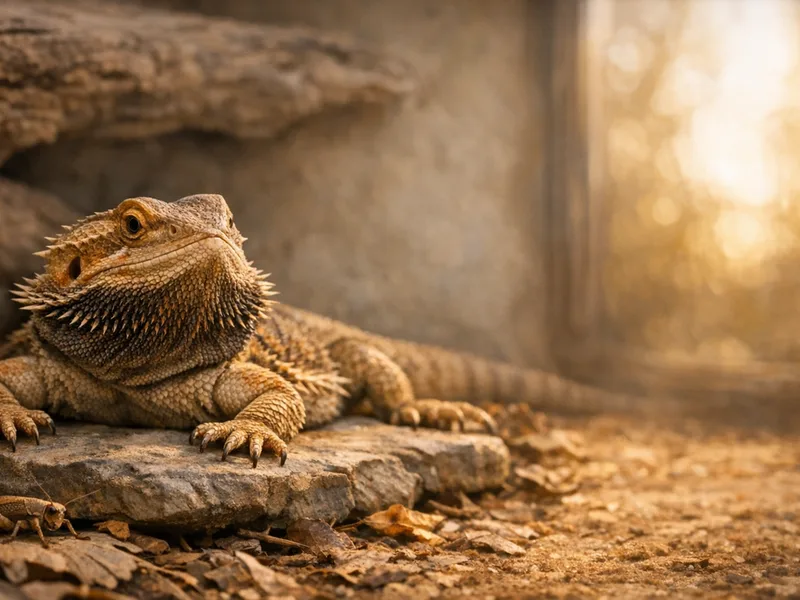 Brumation or Sick? The ChecklistWeight and behavior tell them apart; over 10 percent loss means a vet.Read the guide →
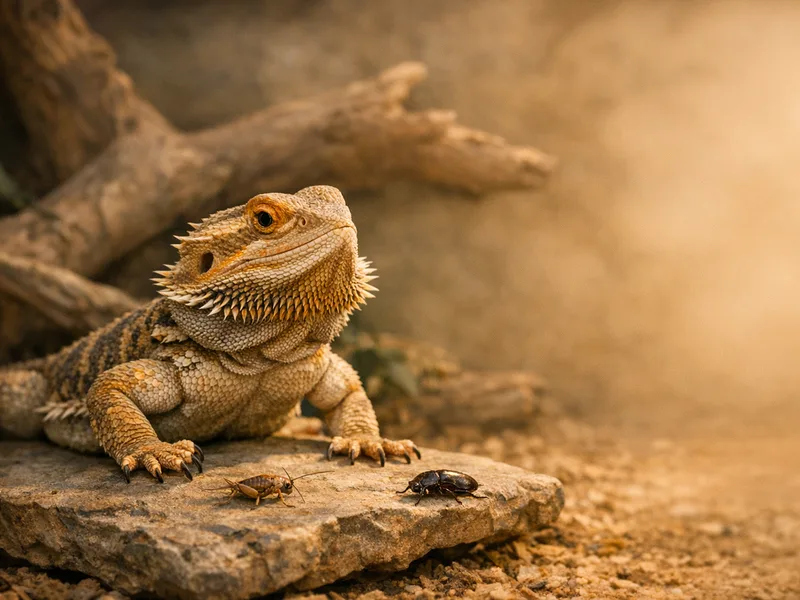 Stress Signs: Black Beard, Glass SurfingWhich displays are normal, which mean real stress, fixed in order.Read the guide →
 Preventing Impaction From Feeder InsectsFeeder size and substrate choices that lower a dragon's impaction risk.Read the guide →
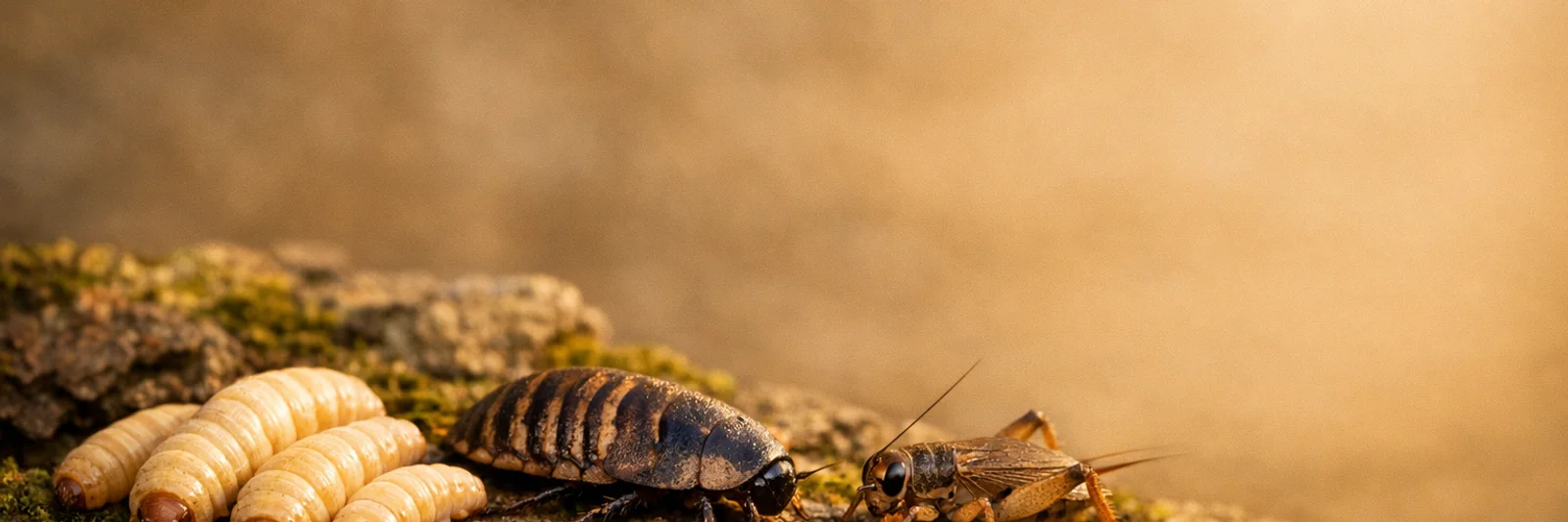 Feeder Insects and Reptile ObesityHow an insect-heavy diet carried too long into adulthood packs on fat.Read the guide →
Bioactive and cleanup crew
 The Best Cleanup Crew for a Bearded DragonPowder and Dwarf White isopods plus springtails, sized for a semi-arid tank.Read the guide →
 Best Plants for a Bioactive TerrariumPlant picks tough enough for a basking dragon's semi-arid enclosure.Read the guide →
 Set Up a Bioactive Terrarium, Step by StepThe build order for a substrate and crew that survive a hot basking tank.Read the guide →
 How Long Before Bioactive Is ReadyWhy the crew needs weeks to establish before the dragon moves in.Read the guide →
Buying, laws and sourcing
Build Your Kit
The Bearded Dragon Feeder Kit
◆
The feeders we would stock for a bearded dragon. Untick anything you already have.
Your kit: 0 items · $0.00
Live Arrival Guarantee ◆ Bred On Our Texas Farm
