
ANIMAL HUBMonitor Lizard HubAckie & Savannah care
Animal Hub
Monitor Lizard Hub: Ackie and Savannah Care, Feeding and Setup
Updated September 2026 · By the TC INSECTS keeper team
Ackie and savannah monitors are the two monitor lizards most often sold as beginner picks, and neither one really is; this page gathers everything you need to choose between them and keep one well. Start by comparing the two species head to head, then read the full care sheet for the one you choose, and use the sections below to build a feeder rotation that keeps a hyperactive ackie engaged or a food-driven savannah lean instead of overweight.
Adult sizeAckie about 2 ft; savannah 2 to 4 ft
LifespanAckie 15 to 20+ years; savannah 8 to 15
DifficultyAckie intermediate; savannah advanced
Adult enclosureAckie 5 x 2.5 x 4 ft; savannah 8 x 4 x 4 ft
Basking surfaceAckie 130 to 170 F; savannah 120 F+
UVBRequired, both species
Adult feedingAckie 2 to 3 times a week; savannah 1 to 3
Start Here
New to monitor lizards? Read these in order.
1Pick your monitor: ackie or savannahEnclosure size, temperament and monthly feed cost, compared before you buy.2Read the Ackie Monitor care sheetEvery number: the 5x2.5x4 foot enclosure, burrow depth, basking heat and UVB.3Read the Savannah Monitor care sheetEvery number: the 8x4x4 foot enclosure, basking heat, UVB and the obesity risk.4Build a feeder rotation, not one stapleDubia and BSFL rotated weekly, dusted on a schedule tied to your UVB setup.
Care and setup
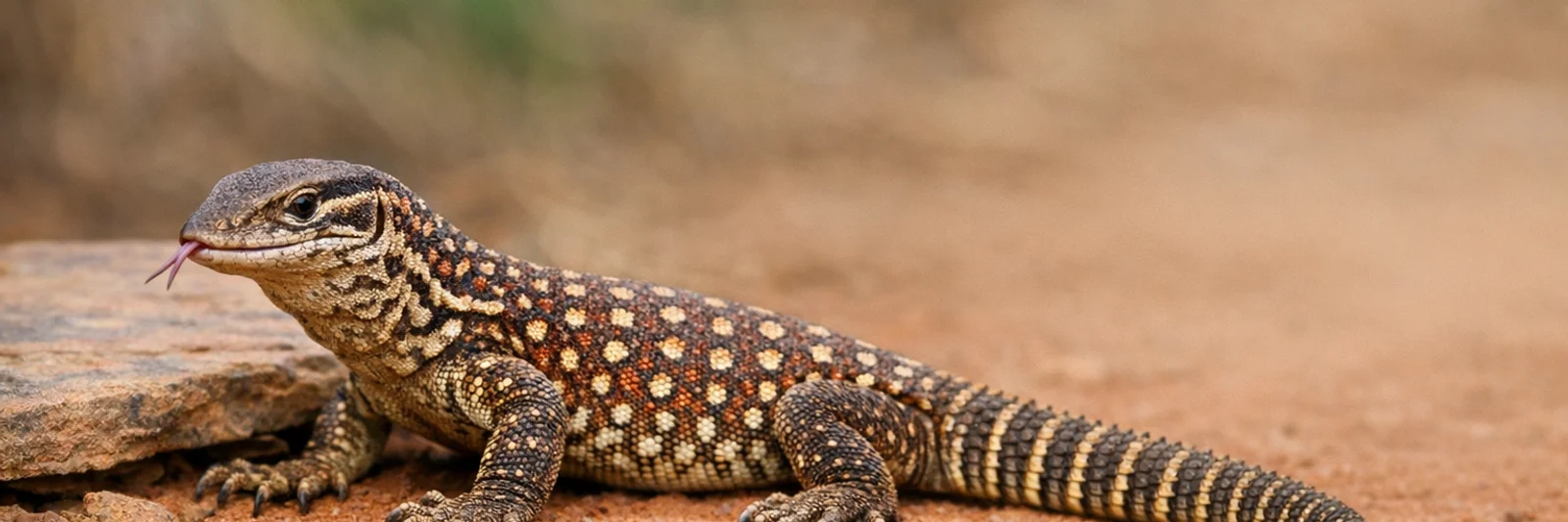 Ackie Monitor Care SheetThe 5x2.5x4 foot enclosure, 12 to 24 inch burrowing soil, the basking debate and UVB.Read the guide →
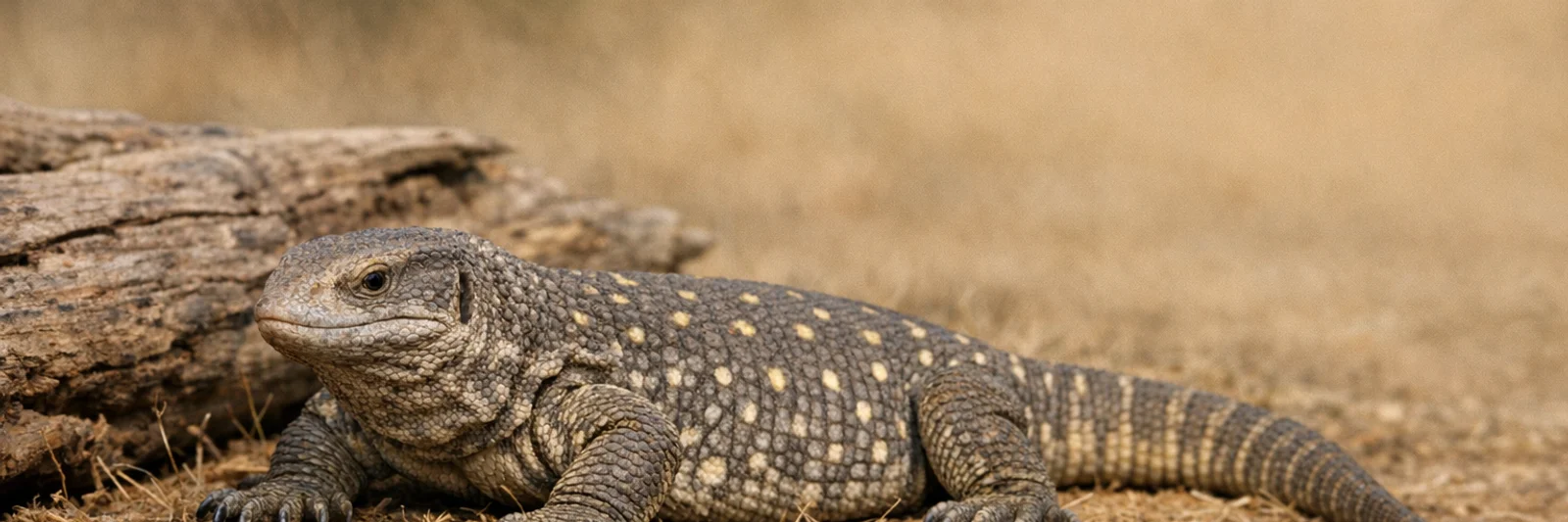 Savannah Monitor Care SheetHonest enclosure sizes, deep substrate, basking heat, UVB and the obesity risk.Read the guide →
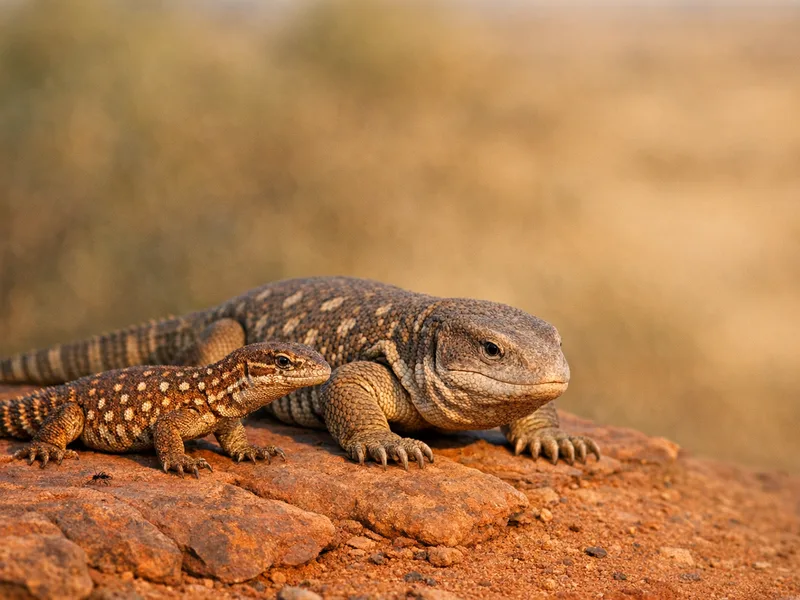 Ackie Monitor vs Savannah Monitor: The Honest PickSize, enclosure, temperament, lifespan and the real monthly feed bill, compared.Read the guide →
 Monitor Lizard and Tegu Feeders and Bioactive SetupDubia and superworms plus a bioactive combo sized for a large monitor enclosure.Read the guide →
Feeding
 Ackie Monitor Diet: Building a Feeder RotationDubia and BSFL as the core rotation, with a dusting schedule tied to your UVB setup.Read the guide →
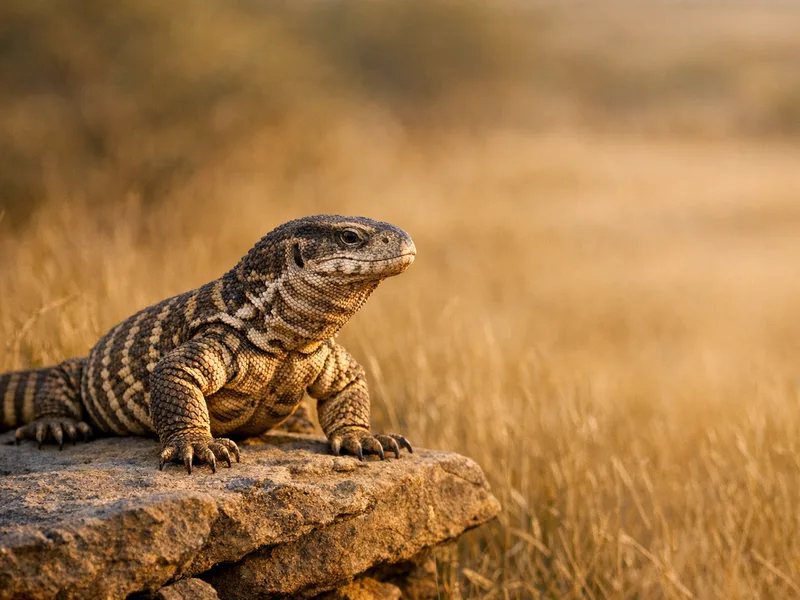 What to Feed a Savannah Monitor (and How Much)A true insectivore's diet built around dubia, with portion control as the real fix.Read the guide →
 Best Feeder Insects for Ackie Monitors, RankedDubia, crickets, red runners and BSFL ranked for these voracious dwarf monitors.Read the guide →
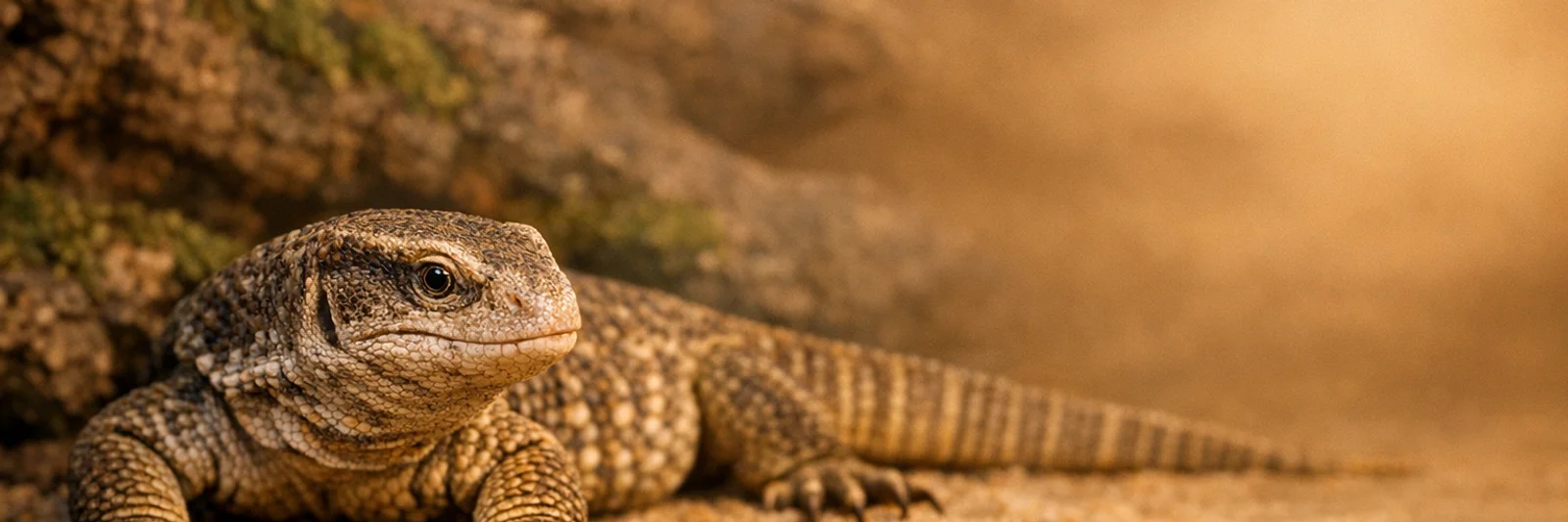 Best Feeder Insects for Savannah Monitors, RankedLean staples that prevent obesity, with superworms kept to an occasional treat.Read the guide →
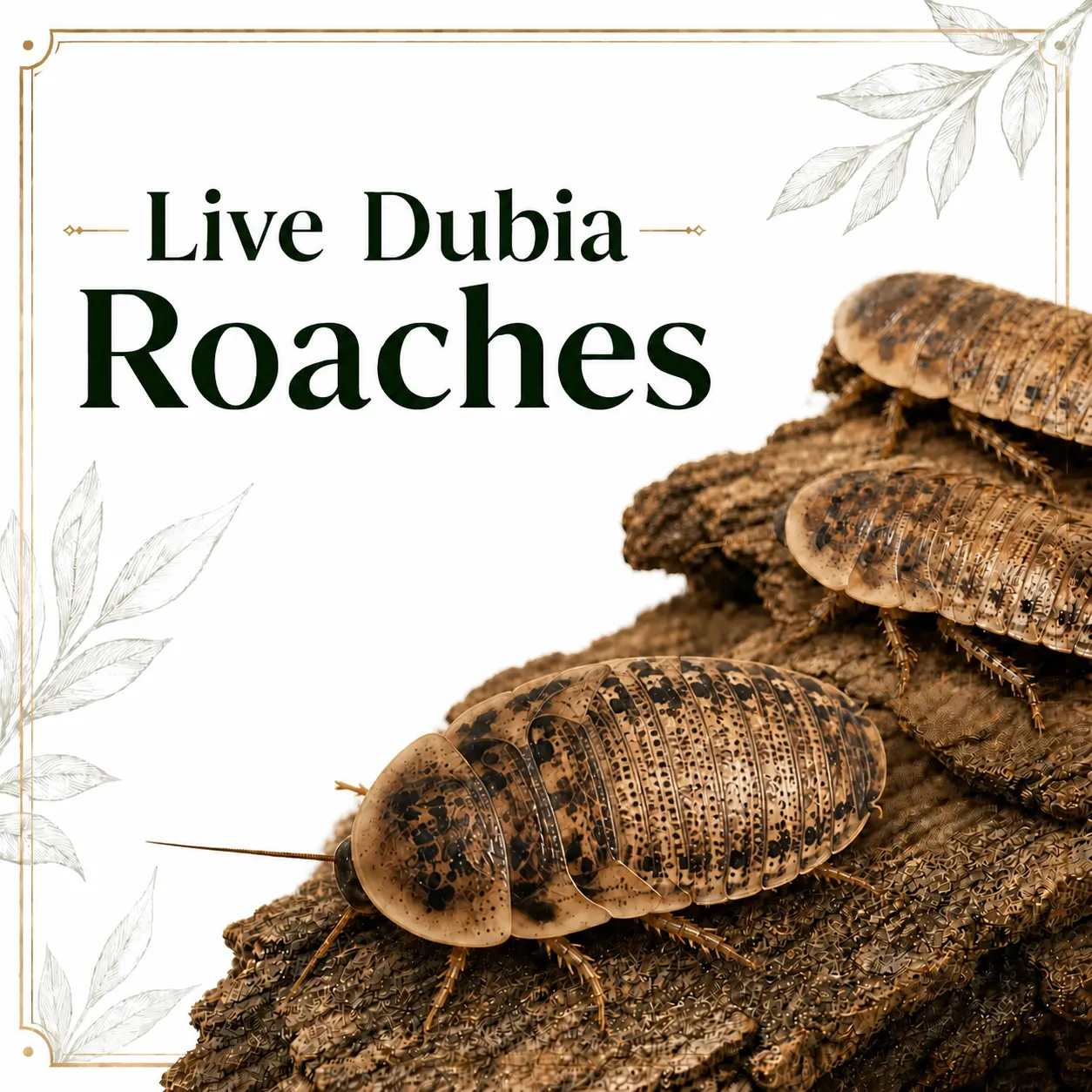 Dubia Roach Care SheetKeeping the everyday staple alive between feedings for a hungry monitor.Read the guide →
 Red Runner Roach Care GuideHousing a fast roach that fires up an ackie's hunting drive.Read the guide →
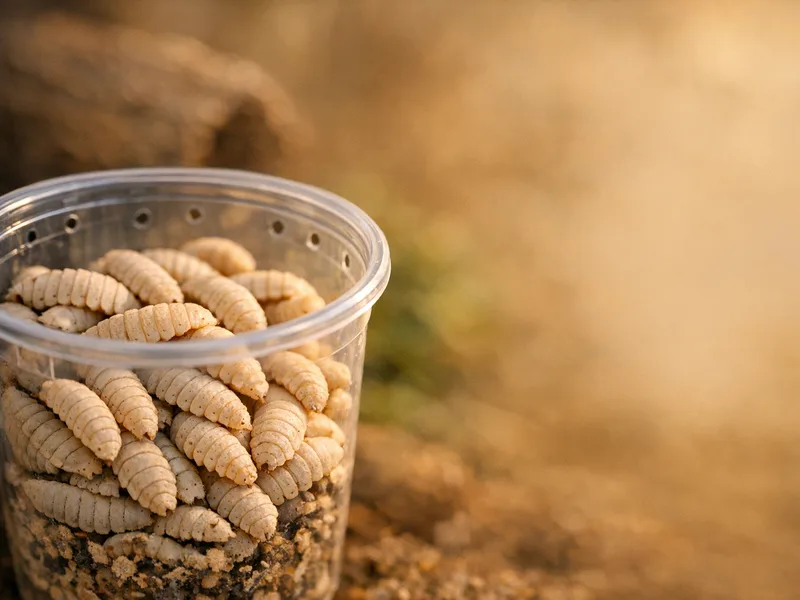
 Black Soldier Fly Larvae Care SheetStoring BSFL, the calcium-forward feeder that needs little dusting.Read the guide →
 Calcium Dusting Schedule by SpeciesHow dusting frequency should track your monitor's own UVB setup.Read the guide →
 Portion Size by Body WeightSizing feedings to weight, the real fix for an overweight monitor.Read the guide →
 How to Tong-Feed a ReptileA safer way to offer food to a monitor with a strong feeding response.Read the guide →
 Feeding Your Monitor While You TravelCovering a large, active feeder's meals for a weekend or longer trip.Read the guide →
Health and troubleshooting
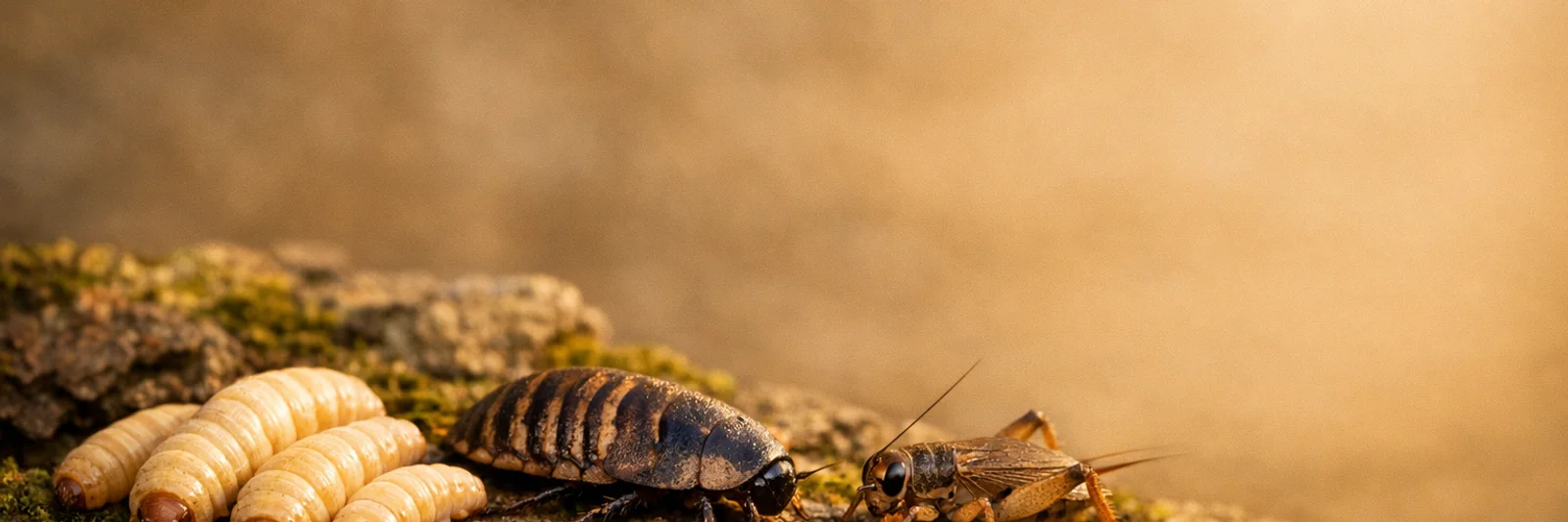
Bioactive and cleanup crew
 Set Up a Bioactive Terrarium, Step by StepThe build order for a deep, diggable substrate sized to a big enclosure.Read the guide →
 Best Plants for a Bioactive TerrariumSturdy plant picks that survive a large, active monitor's digging.Read the guide →
 Cleanup Crew CalculatorWork out how many isopods and springtails a 5x2.5x4 or 8x4x4 foot tank needs.Read the guide →
Buying, laws and sourcing
Build Your Kit
The Monitor Lizard Feeder Kit
◆
The feeders we would stock for a monitor lizard. Untick anything you already have.
Your kit: 0 items · $0.00
Live Arrival Guarantee ◆ Bred On Our Texas Farm
