

Animal Hub
Praying Mantis Hub: Care, Feeding and Molting by Every Stage
Updated September 2026 · By the TC INSECTS keeper team
Raising a praying mantis is mostly about molts and prey size, and this page collects every guide we have on both, whether you hatched a garden-center Chinese mantis egg case or bought an exotic species. Start with the full care sheet covering all six commonly kept species, then use the sections below to size the enclosure so every molt finishes safely, build a feeding plan from a tiny nymph to a full grown adult, and tell a normal molting hang apart from a genuine emergency.
Adult size1.5 to 4 inches
Lifespan6 to 12 months
DifficultyBeginner
HabitatArboreal
Enclosure height3 to 4 times body length tall
DietInsectivore
Adult feedingEvery 2 to 3 days
Start Here
New to praying mantiss? Read these in order.
1Read the full praying mantis care sheetA comparison of six species, molting height, humidity and a feeding table.2Build the enclosure tall enough to molt safelyHeight and something to grip prevent almost every stuck-molt emergency.3Start nymphs on the right size fruit flyMelanogaster for hatchlings, then hydei and bigger prey as it grows.4Pick feeders that are safe to strike and eatSmall dubia and crickets work well; skip BSFL and other tough-shelled prey.
Care and setup
Praying Mantis Care SheetSix species compared, enclosure height for safe molts, humidity, egg cases and the law.Read the guide → Orchid Mantis Care SheetFull husbandry for the flower mimic: humidity, ventilation, feeding by instar and the molt that decides it.Read the guide →
 Praying Mantis Stuck in Molt: What to DoA normal hang can last 24 hours or more; how to tell it apart from a genuine emergency.Read the guide →
Feeding
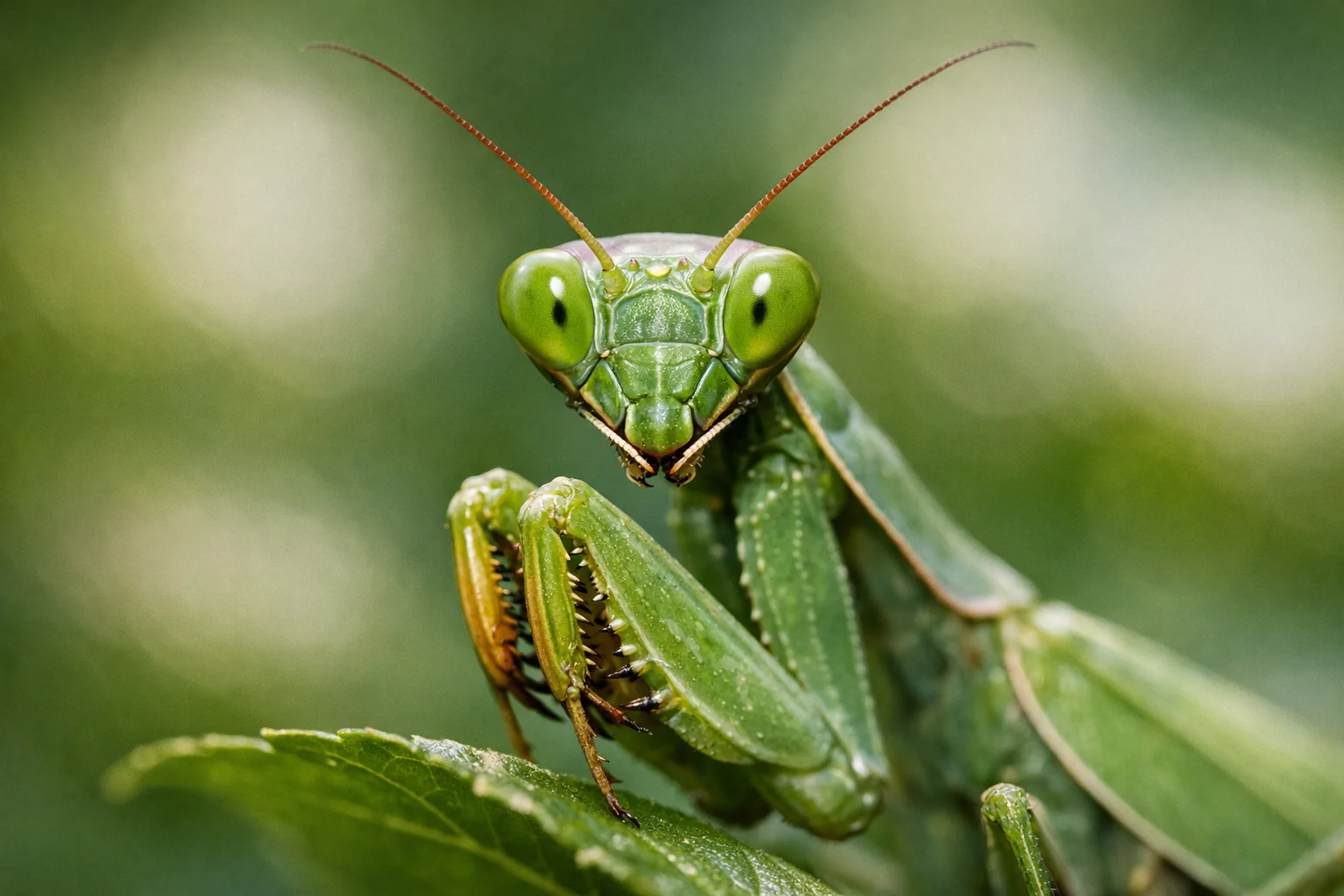 What to Feed a Praying Mantis, Nymph to AdultFlightless melanogaster for hatchlings, larger prey as it grows, every 2 to 3 days.Read the guide →
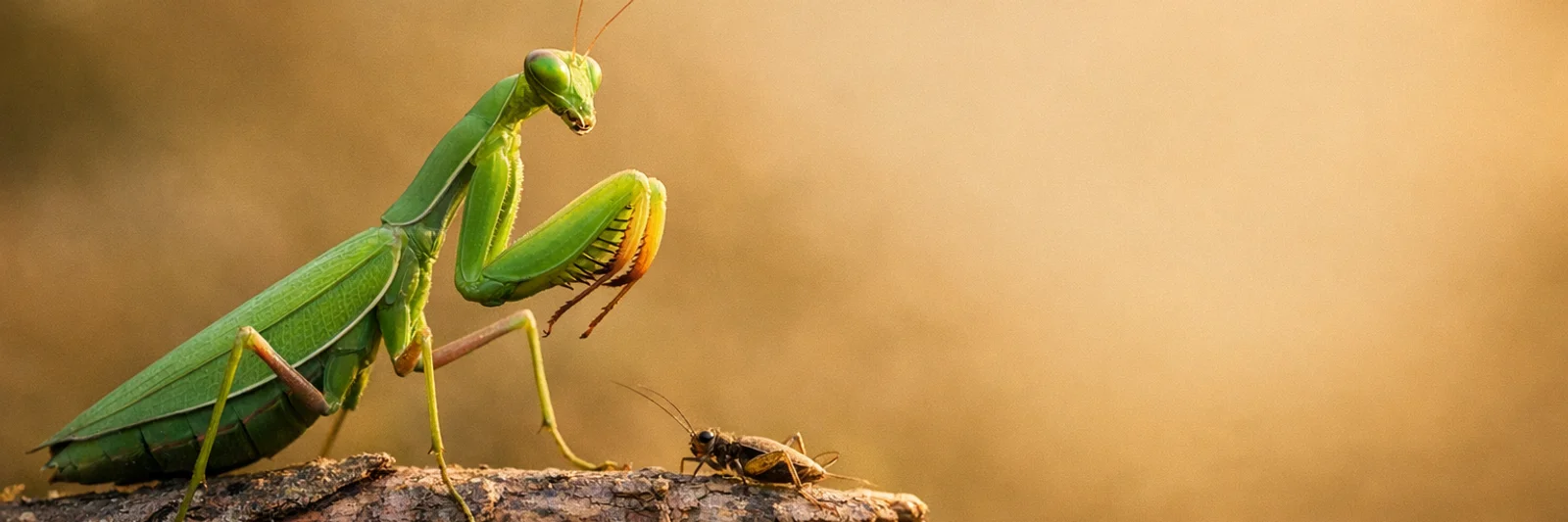 Best Feeder Insects for a Praying Mantis, RankedSmall dubia and crickets ranked as the safest staples; what to avoid entirely.Read the guide →
 Feeder Insects for Praying MantisA stage-by-stage feeding rundown from wingless fruit flies to adult-sized dubia.Read the guide →
 Fruit Fly Culture Care GuideKeeping and harvesting the culture that feeds a mantis nymph.Read the guide →
 Keep a Fruit Fly Culture Producing LongerMite-free tricks to stretch a culture between orders for growing nymphs.Read the guide →
 Flightless vs Wingless Fruit FliesWhy a flightless fly stays put in the enclosure for a nymph to strike.Read the guide →
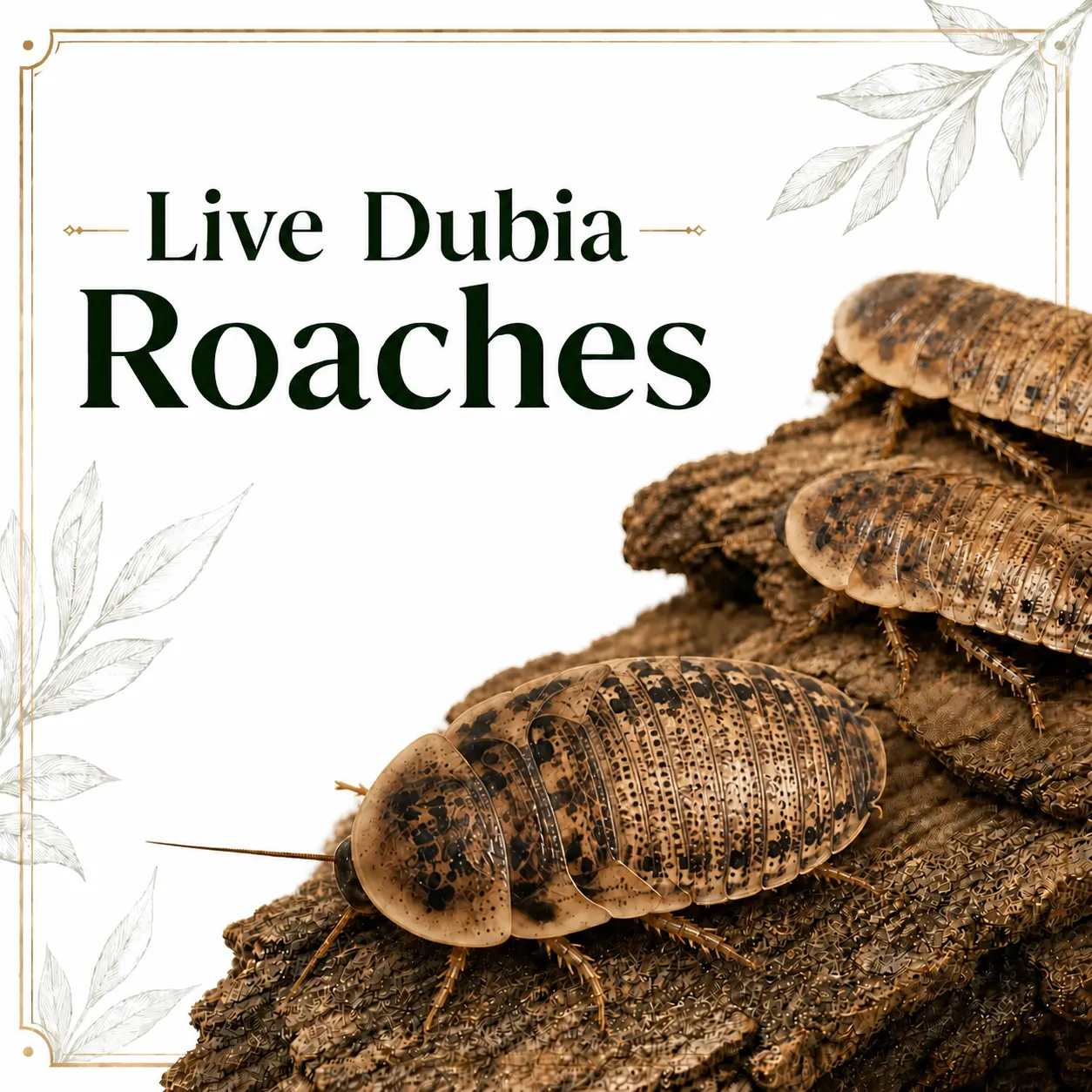 Dubia Roach Care SheetKeeping small dubia nymphs on hand for later instars and adults.Read the guide →
Buying, laws and sourcing
 How to Choose a Reputable Invertebrate SellerA buyer's checklist for sourcing a healthy ootheca or nymph.Read the guide →
 Captive Bred vs Wild CaughtWhy captive bred stock matters more for an exotic mantis species.Read the guide →
 Best Pet Invertebrates for BeginnersWhere a mantis ranks among other low-maintenance invertebrate pets.Read the guide →
Build Your Kit
The Praying Mantis Feeder Kit
◆
The feeders we would stock for a praying mantis. Untick anything you already have.
Your kit: 0 items · $0.00
Live Arrival Guarantee ◆ Bred On Our Texas Farm
