Captive-Bred vs Wild-Caught
Yes, it genuinely matters, but not in the simple good-versus-bad way most posts frame it. Captive-bred animals carry a lighter parasite load, settle into feeding faster, and survive their first year at meaningfully better odds than the average wild-caught import. Wild-caught is not automatically a red flag either: some species are only available that way, and a captive-bred label is not a guarantee of health on its own. Here are the four things that actually differ, the labels sellers use, and the questions that should end the conversation before you buy.
Wild origin raises the odds of parasites, it is not a guarantee either way
One published home-keeper survey found roughly 1 in 25 dying in year one
Captive-bred, captive-hatched, farmed and long-term-captive are not the same
Does captive-bred vs wild-caught actually matter?
Yes, for four checkable reasons: parasite load and the quarantine work it creates, how readily the animal accepts food and handling, its odds of surviving the first year, and the effect on the wild population it came from. None of that means every wild-caught animal is doomed or every captive-bred one is automatically healthy. Some species, particularly certain tarantulas and a handful of amphibians, are simply not bred in captivity in meaningful numbers yet, so wild-caught is the only real option if you want that species at all.
Parasite load and the quarantine burden
A wild-caught animal has spent its whole life exposed to parasites its captive-bred counterpart never meets: intermediate-host worms picked up from wild prey, protozoa passed through a crowded collection point, mites riding in from the original habitat. A captive-bred animal, hatched and raised on a known diet in a controlled setting, starts that count much closer to zero.
This is not a one-time inconvenience, it is ongoing work. A wild-caught reptile or amphibian deserves a longer quarantine, and often a fecal exam from an exotics vet, before it goes anywhere near an existing collection. Our quarantine guide for a wild-caught reptile or amphibian walks through exactly how long and what to watch for.
Feeding response and the stress of a new environment
A captive-bred animal has usually eaten from a bowl or tongs since it hatched, so a new keeper's setup does not look or smell like anything unusual. A wild-caught animal has never seen a tank, a heat source, or a human hand, and the stress of capture, transport and a totally foreign enclosure can shut down its appetite for days or weeks.
That combination, an unfamiliar environment plus a body already fighting parasites, is exactly why wild-caught animals hit that first rough patch harder than captive-bred ones, and why an experienced keeper, not a first-time owner, is the better fit for a wild-caught animal in most cases. The same origin logic applies to what you feed it: our guide to whether wild-caught insects are safe to feed a reptile covers the parallel question on the feeder side.
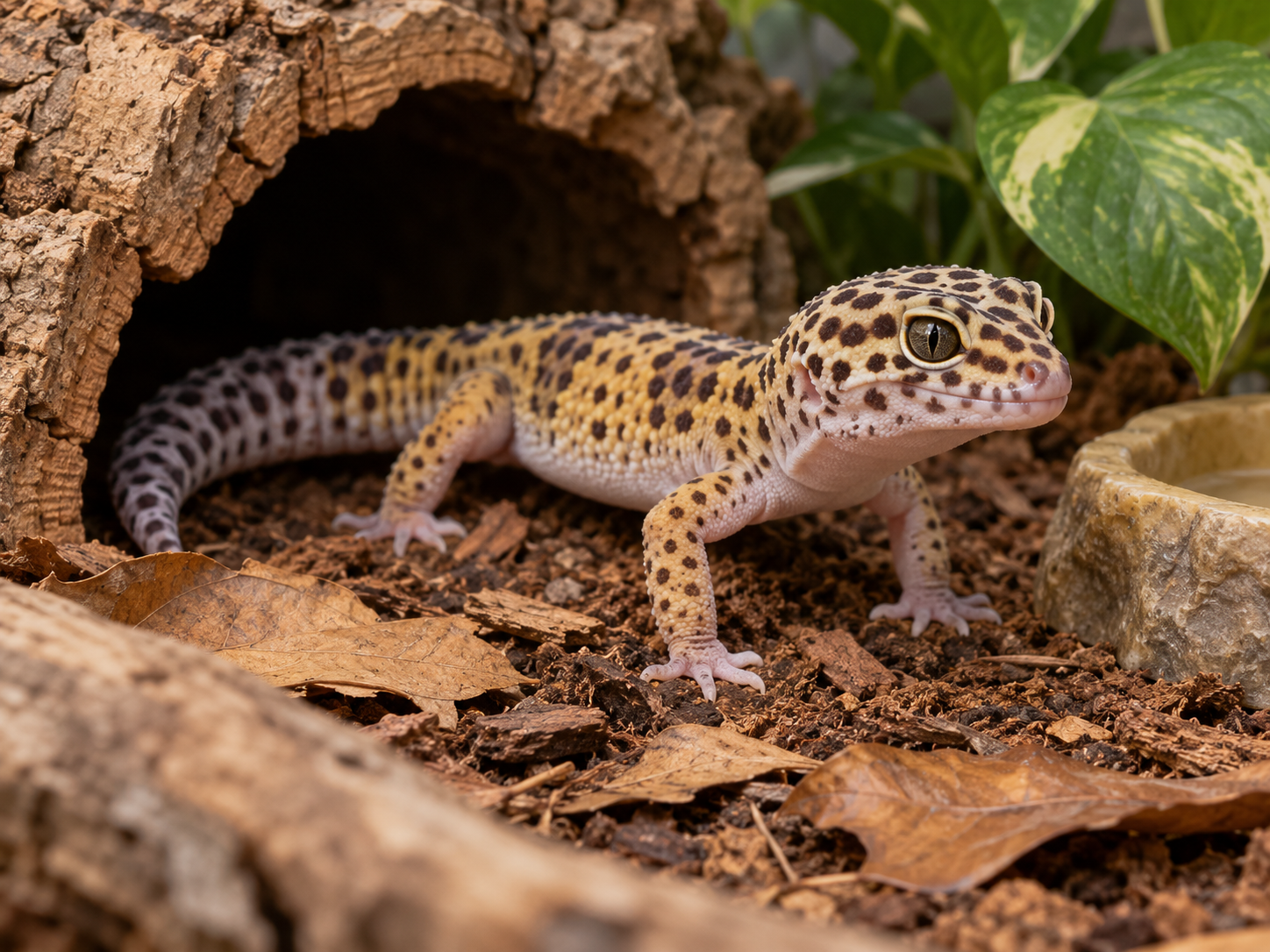

First-year survival: what the data actually shows
One peer-reviewed survey of home-kept reptiles found an overall first-year mortality rate around 3.6 percent across snakes, lizards and chelonians, ranging from under 2 percent in boas and pythons up to over 28 percent in chameleons, a group notoriously sensitive to stress and husbandry mistakes regardless of origin. The same research found captive-bred animals trending toward lower mortality than wild or farmed-origin animals, though the gap was not large enough in that sample to call it settled science.
The honest summary: origin is one real factor among several, and species-specific husbandry difficulty often matters just as much as where the animal came from. Do not treat any single percentage as a guarantee for your specific animal.
The population question: what leaving the wild costs
Every wild-caught animal removed from its habitat is one fewer breeding adult in that population, and for a slow-reproducing species or a small range, that adds up faster than casual buyers assume. This is where captive breeding, captive farming, and ranching programs genuinely earn their reputation, since they take pressure off wild populations while still supplying the hobby.
To be fair, wild collection is not automatically destructive either. Some long-running, well-managed collection programs are considered sustainable for common, wide-ranging species, and a portion of that income can support the habitat the animal came from. The honest position is that the impact depends heavily on the specific species and program, not on the label alone.
The labels, and the questions that end the conversation
Captive-bred means both parents were kept in captivity and the animal was born or hatched there, the strongest label. Captive-hatched usually means eggs came from a wild-caught female and were incubated in captivity, so the animal itself never lived wild but its genetics did not start in a breeding program. Captive-farmed or ranched describes wild eggs or young raised to size under a controlled program. Long-term captive describes an adult that was originally wild-caught but has lived in captivity for years, a common, more honest label in the tarantula trade.
For any species that crosses an international border, ask whether it needed a CITES permit and request to see proof of legal origin, which a legitimate importer keeps on file as a matter of course. Our reputable-seller checklist covers the rest of what a straight answer should sound like, and our full care sheet library is the next stop once you have settled on an animal. The same known-origin logic applies the moment you start feeding it, so shop captive-bred dubia roaches for a staple with the same clean history as the pet you just chose.
The Known-Origin Feeder Kit
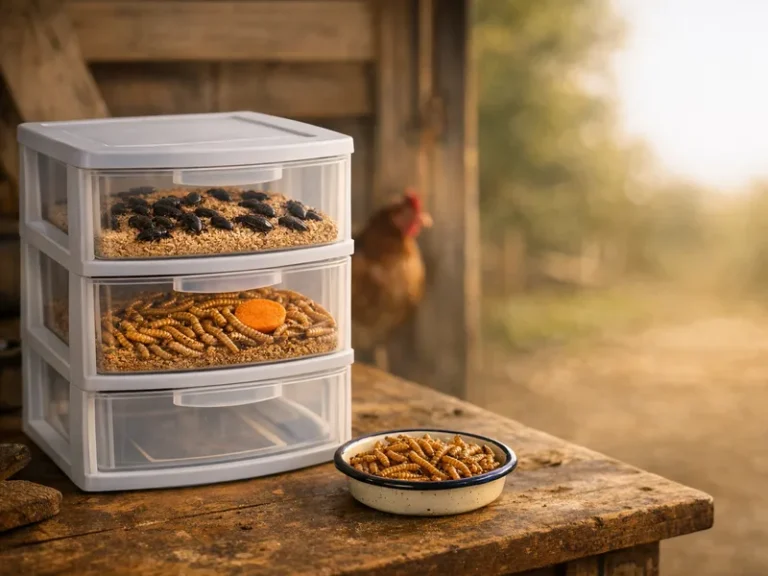
Captive-bred feeders make the same case as a captive-bred pet: known health, no wild parasite load, no guesswork.
Written by the TC INSECTS breeding team · Porter, Texas · Live Arrival Guarantee on every order
Have a care question? Ask our community.
Join Reptile Keepers USA, our free Facebook group for reptile, amphibian and invert keepers. Share your setups, get care help and swap feeder tips.
Join the free group