Are Giant African Millipedes Legal to Own?

Domestic stock and captive-bred offspring are fully legal to keep and sell
USDA treats the species as a plant pest, so new stock needs a federal permit
About two to three times the 4 to 5 inch American Giant Millipede TC ships
Ownership and imports are different questions.
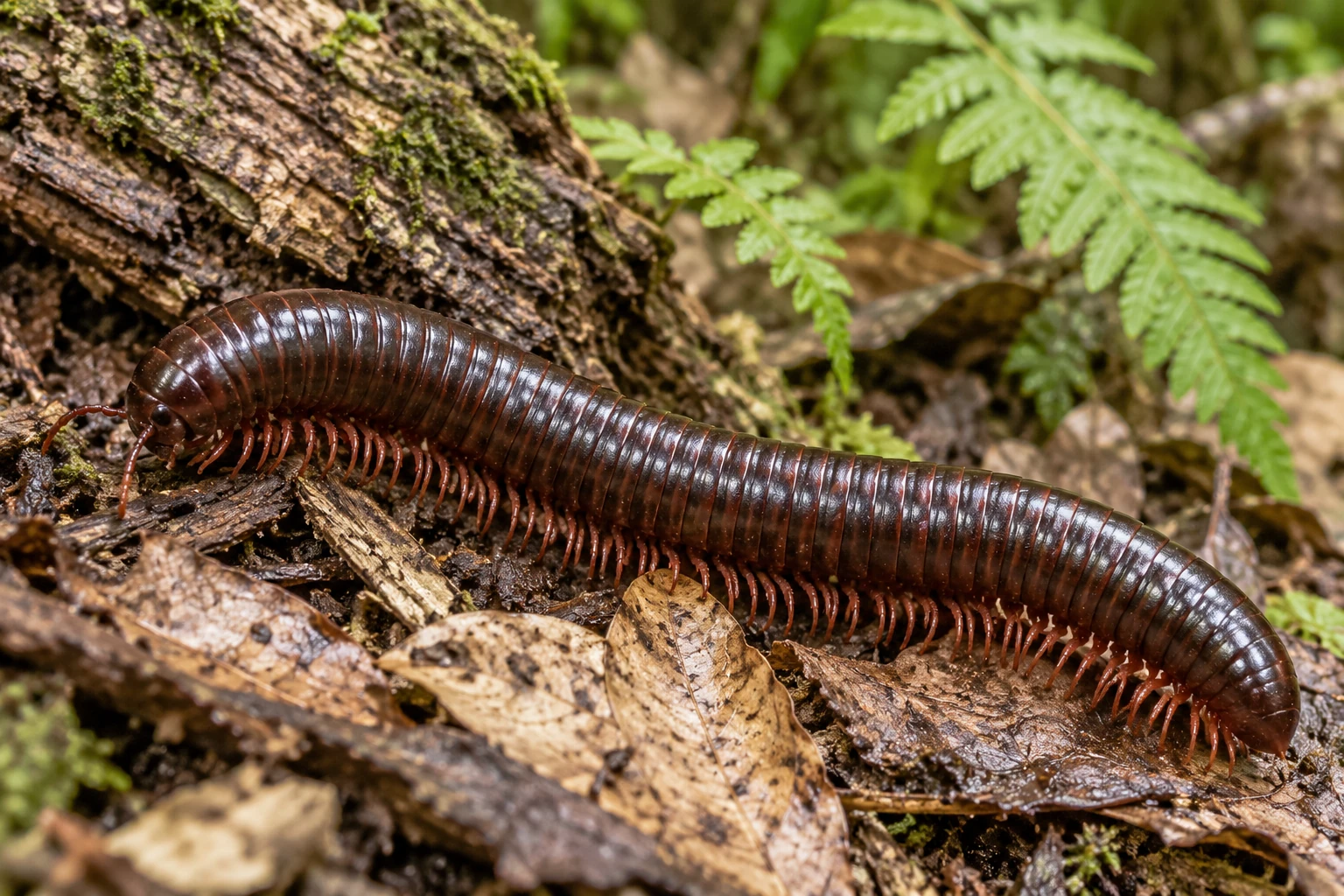
Yes. A giant African millipede (Archispirostreptus gigas) already living in the US, or bred here from parents that were, is legal to own, breed and sell. What is not allowed is a fresh import from Africa: USDA regulates the species as a plant pest, so bringing in new stock needs a federal permit that is rarely granted outside institutions. That single distinction, existing animal versus new import, is the part most size-comparison articles skip. Here is what a plant pest designation actually means, why the restriction exists, and how to buy responsibly if the bigger species is genuinely your goal.
Read the rules before choosing your millipede.
The original guide below explains the distinction between existing domestic stock, new imports, federal permitting and state rules. Its information is preserved in full.
Is it legal to own a giant African millipede right now?
Yes. If a giant African millipede was already living in the United States, or it hatched here from parents that were, you can legally own it, breed it and sell the offspring. What is not allowed is bringing a brand new one in from Africa. Every giant African millipede in the US hobby today traces back to animals imported before the current restrictions tightened, which is exactly why the species is harder to find and pricier than a native millipede.
What does a plant pest designation actually mean?
Plant pest is an agricultural regulatory category, not a verdict on how dangerous an animal is. USDA's Animal and Plant Health Inspection Service, APHIS, uses it for any organism, insect, mite, snail or otherwise, that could plausibly damage crops or spread if it got loose outdoors. A regulated plant pest needs a PPQ 526 permit to be imported, moved across state lines, or released, unless it appears on a specific list of organisms already approved for interstate movement.
Millipedes fall inside that framework because they are plant-feeding detritivores, the exact profile the rule was built around, even though a giant African millipede kept in a closed terrarium poses essentially no realistic crop risk. The designation is about the category the animal belongs to on paper, not a comment on the pet itself.
Why is a brand new import basically off the table?
The honest, unglamorous answer is biosecurity, not the millipede itself. Keepers commonly trace the restriction to concerns about hitchhiking mites and other organisms that can ride along on wild-collected shipments, the same worry behind a lot of agricultural import rules, though we could not find an agency page that spells out that exact history in plain language, so treat it as the working explanation rather than a confirmed one.
What is documented is the mechanism: a fresh import needs that same federal plant pest permit, and in practice it goes almost exclusively to institutions, research collections and the rare specialist breeder, not to someone who wants a single animal shipped in from overseas. A handful of domestic breeders have gone through the process to move existing US stock across state lines, which is real but far from simple.
Do individual states add their own rules on top?
Yes, and this is the part general size-comparison articles skip entirely. Florida's own current guidelines for importing arthropods and invertebrates place every non-native millipede, the whole group, not just this one species, in a conditional category, meaning a keeper has to apply, describe how the animal will be contained, and often keep to non-reproducing or single-sex stock.
Other states run their own approved-invertebrate lists with their own gaps. None of this is a TC rule or preference, it is each state's own department of agriculture, and the list changes, so check your state's current rule before you buy or transport one across a state line rather than trusting a size chart or an old forum post.
How to buy a giant African millipede responsibly
If the larger species is genuinely the goal, buy from a specialist domestic breeder who can tell you plainly where their line came from and whether any permitting applies to your purchase or your state, not a listing that goes quiet the moment you ask. Our checklist for choosing a reputable invertebrate seller covers the same red flags that apply here: a price that looks too good to be true, vague sourcing, and no real answer about origin.
Expect a smaller pool of sellers, a higher price than a native species, and a wait, all signs of a legitimately constrained supply rather than a scam. Ask directly whether the animal is captive-bred from established US stock, since a seller who cannot answer that plainly is a bigger red flag than the price.
The easier, fully legal alternative TC actually ships
For almost every keeper, the better move is the American Giant Millipede, a native species that ships across the lower 48 states with none of the permitting friction above. It tops out around 4 to 5 inches rather than 8 to 15, but it is still a genuinely large, calm, easy-to-house invertebrate.
Our own millipede care guide and handling guide cover everything else you need, since day-to-day care barely differs between the two species. Shop millipedes to see what is actually in stock and ready to ship this week.
The American Giant Millipede Kit
The millipede TC can actually ship today, no import or interstate permit involved, plus what it needs to thrive.
Frequently asked questions
Is it illegal to import a giant African millipede?
Yes, in practice. Bringing a new giant African millipede into the US from Africa falls under USDA's plant pest permit system, and that permit is granted almost exclusively to institutions and specialist research or breeding programs. Every animal already living in the US hobby, and anything bred from it, is a separate legal question and is fine to own, so the restriction is really about new imports, not existing pets.
Can you legally buy a giant African millipede in the US?
Yes. Domestically bred giant African millipedes and their offspring can be bought, sold and kept legally. The catch is supply: since new imports are effectively off the table, every animal for sale traces back to older breeding lines, which is why the species costs more and shows up less often than a native millipede like TC's American Giant Millipede.
Do I need a permit to own a pet giant African millipede?
Not for ordinary ownership of an animal already in the country. The permit question applies to importing a new one or, in some cases, moving existing stock across state lines, a federal permit most individual keepers never touch directly. Some states layer their own invertebrate rules on top, so check your own state's department of agriculture before you transport one.
What is a USDA plant pest permit?
It is a federal permit required to import, move across state lines, or release an organism USDA classifies as a plant pest, a category built for anything that could plausibly damage crops or spread outdoors, from insects and mites to certain millipedes and snails. It says nothing about how safe an animal is to keep as a pet in a terrarium.
Are giant African millipedes dangerous or venomous?
No. They have no venom and cannot bite hard enough to hurt a person; the only real caution is a defensive secretion some individuals release when startled, which can stain skin and irritate eyes. The restriction on this species is about agricultural biosecurity, not personal safety, so a legitimately sourced animal is just as safe to handle as any other giant millipede.
Does TC Insects sell giant African millipedes?
No, and that is by design. We raise and ship the American Giant Millipede, a native species with none of the import or interstate permitting issues above, so every order goes out with a clean history. If the bigger African species is what you are after, a specialist domestic breeder who can document their line is the responsible route.
Keep reading: buying captive bred stock.
Keep learning
Have a care question? Ask our community.
Join Reptile Keepers USA, our free Facebook group for reptile, amphibian and invert keepers. Share your setups, get care help and swap feeder tips.
Join the free group