White's Tree Frog Obesity
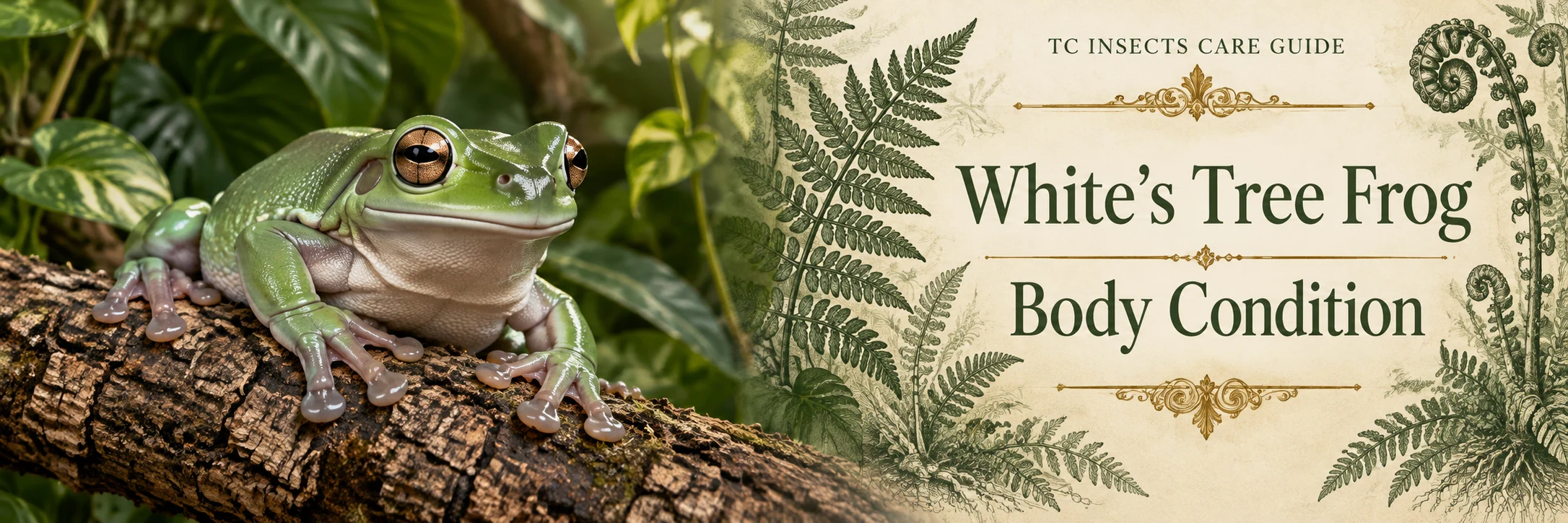
The ridge of skin above a White's tree frog's eardrum should sit flat against the head. When it starts to puff, sag, or fold completely over the eye, the frog is overweight, and in this famously food-motivated species that happens more often than keepers expect. A healthy adult also keeps a visible waist from above and a distinct neck line where the head meets the body, and an obese frog loses both, reading instead as one continuous rounded shape. None of this is really about a missing nutrient, it is a portion and frequency problem with a genuine fix. Here is the full staged visual test and the corrective schedule for a frog that already needs to slim down.
Distinct neck line and a visible waist from above too
Like a small beret; start the correction plan now
Cut portions first, recheck every 3 to 4 weeks, not daily
What does an overweight White's tree frog actually look like?
Most keepers know the classic sign: a ridge of skin above each eardrum that puffs up and eventually folds over the eye like a small beret. That fold is real and worth checking, but it is not the only useful test, and by the time it fully folds over, the frog is already solidly obese rather than just starting to gain. Catching the problem earlier means looking at the whole animal, not just that one ridge.
View your frog from directly above. A healthy adult keeps a subtle taper from shoulders to hips, almost an oval, with legs that still read as separate limbs. An overweight frog looks more like a uniform ball with no taper at all, and the legs start to look short and squeezed against a body that has outgrown them. Check the neck too: a healthy frog's head reads as a distinct segment from its body, with a visible line where one ends and the other begins. Fat smooths that line away first, well before the eye ridges fully fold, which makes it a genuinely earlier warning sign than the classic beret test alone.

The corrective plan for a frog that is already overweight
Fix portion size before you touch frequency. If your frog is used to 4 or 5 insects at each feeding, drop to 2 or 3 of the same appropriately sized feeders on the same schedule for several weeks before changing anything else. This is a gentler, more controllable first move than suddenly stretching the number of days between meals, and it is usually enough on its own for a frog caught at the early, puffy-ridge stage. Recheck the ridge and the from-above silhouette every 3 to 4 weeks, not daily, since a slow-metabolism amphibian this size changes shape gradually and checking too often just leads to impatience.
If the ridges are already fully folded, add a second lever: cut out the fattiest feeders entirely during the correction window rather than just offering fewer of them, and lean on the leanest options for every meal instead. Expect this to take months, not weeks, for a genuinely obese adult. That patience is the honest trade-off of a slow amphibian metabolism, and it is a better outcome than a crash diet that stresses an animal already carrying extra weight.
Which feeders make it worse, and which ones help
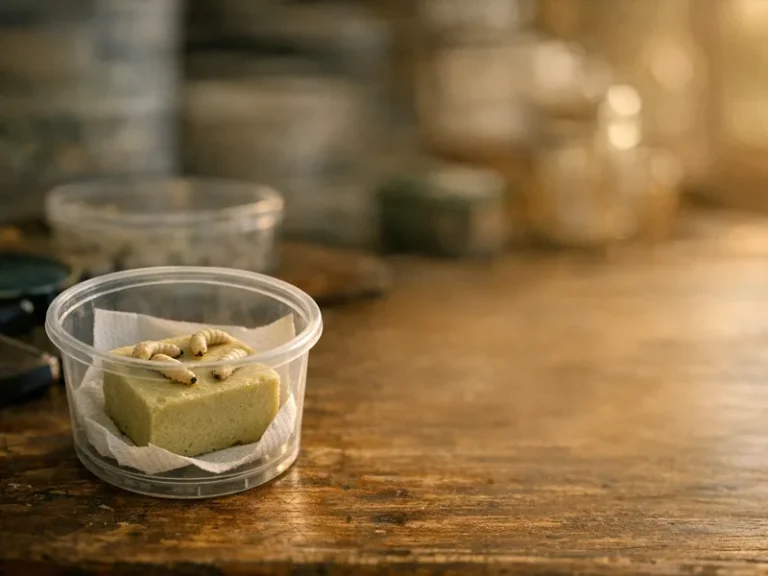
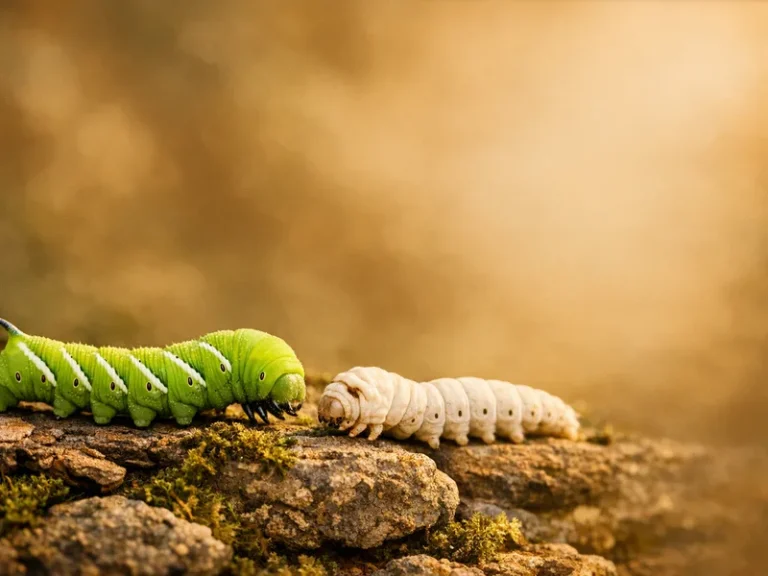
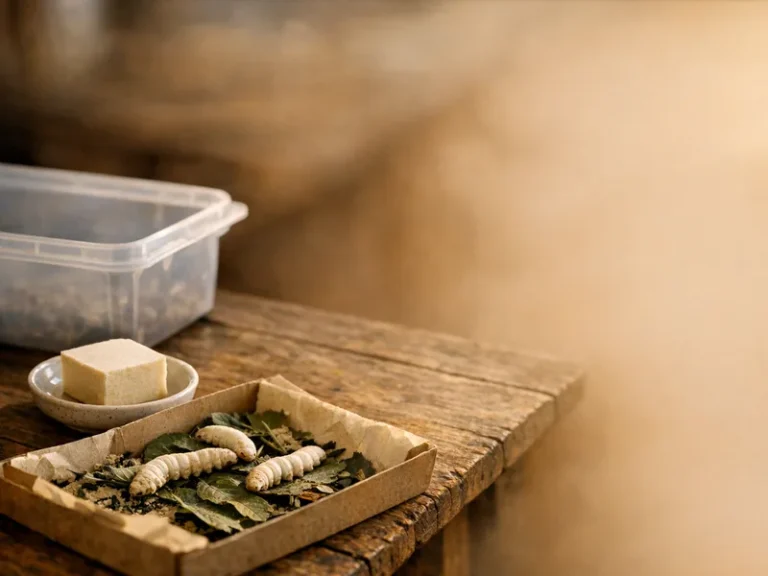
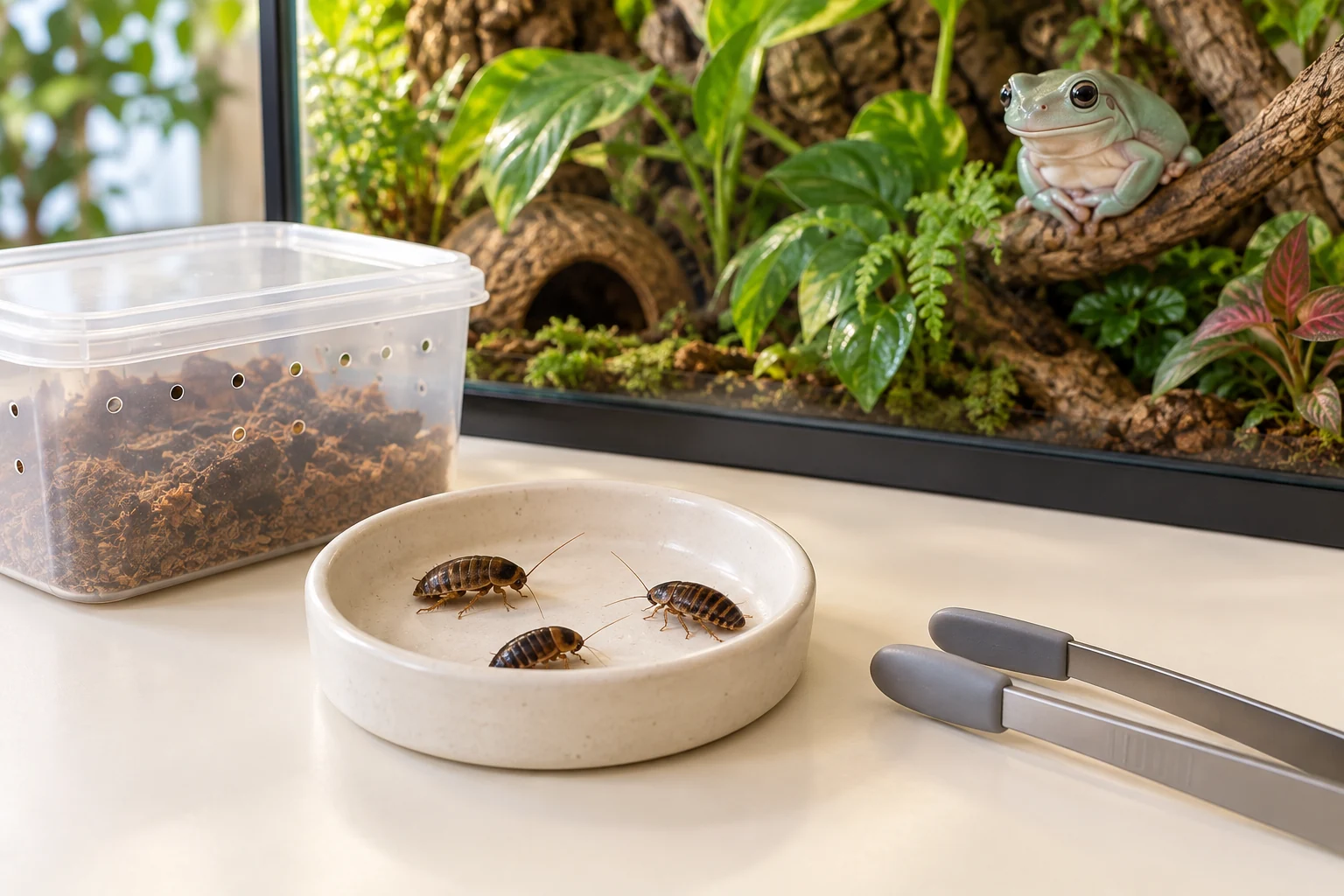
The fat content of the feeder matters as much as the portion size once you are actively correcting weight. Superworms run notably high in fat, enough that they belong in the treat category even for a lean frog, let alone one that is already overweight. Hornworms and black soldier fly larvae sit at the other end, low in fat and useful as the backbone of a correction diet without starving the frog of food entirely. Dubia roaches land in the middle, a reasonable everyday staple once weight is back under control, but not the feeder to lean on hardest during an active correction.
Our full feeder comparison and nutrition breakdown has the complete numbers if you want to see exactly how each option stacks up side by side. During correction specifically, treat black soldier fly larvae as your default feeder rather than an occasional add-in, and save dubia for after the ridges have gone flat again.
Why obesity is more than a cosmetic problem
This is not just about how a frog looks. Keepers and exotic-pet references consistently link long-term obesity in this species to a strained liver and added stress on the heart, alongside a shorter lifespan than a lean, well-managed frog should have. That said, none of that is something you can diagnose by looking at your frog, and this guide is husbandry advice, not medical advice. A frog whose ridges stay folded after a couple of real months of portion correction, or one that seems lethargic or off beyond just being overweight, is worth a call to an experienced exotics vet.
Getting the schedule right so you never need the correction plan
White's tree frogs beg readily whether they need food or not, and that is the actual root cause behind most cases, not a mysterious metabolism. Measure out the portion before you start, resist feeding again just because your frog is at the glass looking interested, and stick to the maintenance schedule on our full care sheet and feeding guide rather than adjusting by appetite alone.
One real exception: none of this correction logic applies to a growing juvenile. Juveniles are supposed to eat often and look plump while they build a body, and cutting their portions to adult correction levels only slows healthy growth. This guide is for adults that have already finished growing and are carrying visible extra weight.
How Overweight, Exactly?
The Lean Feeding Reset Kit
Lower-fat staples for correcting an overweight adult without cutting out nutrition.
Written by the TC INSECTS breeding team · Porter, Texas · Live Arrival Guarantee on every order
Have a care question? Ask our community.
Join Reptile Keepers USA, our free Facebook group for reptile, amphibian and invert keepers. Share your setups, get care help and swap feeder tips.
Join the free group