What to Feed a White's Tree Frog

Feed an adult White's tree frog (Litoria caerulea) 3 to 5 appropriately sized insects every 2 to 3 days, with medium dubia roaches as the everyday staple. Dubia carry roughly double the calcium of crickets, more protein, and less fat, which matters for a species with a well earned reputation for packing on weight in captivity. Juveniles are a different animal entirely and eat close to daily to fuel fast growth. Round the diet out with hornworms once or twice a week for hydration and small mealworms now and then, but keep reading before you reach for the mealworm tub, since overfeeding is the single most common mistake keepers make with this species.
3 to 5 insects per feeding; juveniles eat closer to daily
Roughly double the calcium of crickets, more protein, less fat
White's tree frogs overeat readily in captivity
Feed by age: daily for juveniles, every 2 to 3 days for adults
A White's tree frog's feeding schedule tracks its growth curve closely. Juveniles are eating machines that need food close to daily to fuel rapid growth, while adults slow down considerably and do well on 3 to 5 appropriately sized insects every 2 to 3 days. That slowdown is normal, not a warning sign, it simply reflects a heavy bodied, mostly stationary adult frog that burns far less energy than a growing juvenile.
This is a different rhythm from other commonly kept frogs. Our Pacman frog feeding guide covers a similarly ambush-style feeder, but White's tree frogs are arboreal climbers rather than ground dwelling ambush predators, so the two should not be fed on the exact same calendar. Size every insect no wider than the frog's mouth, and when in doubt, offer one smaller insect rather than pushing the size limit.
Why medium dubia roaches are the right staple
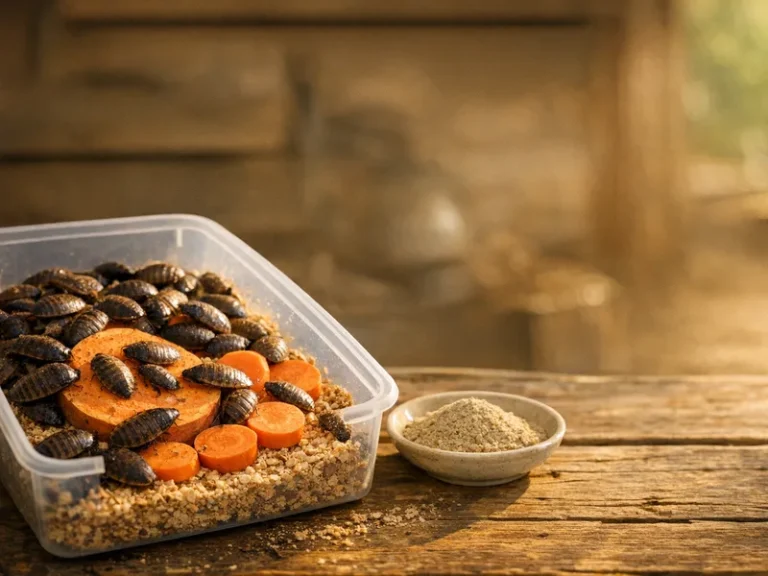
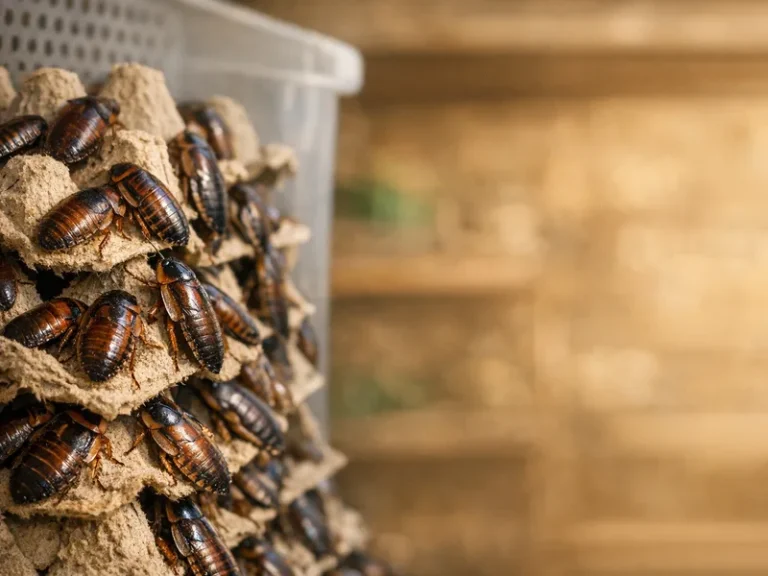
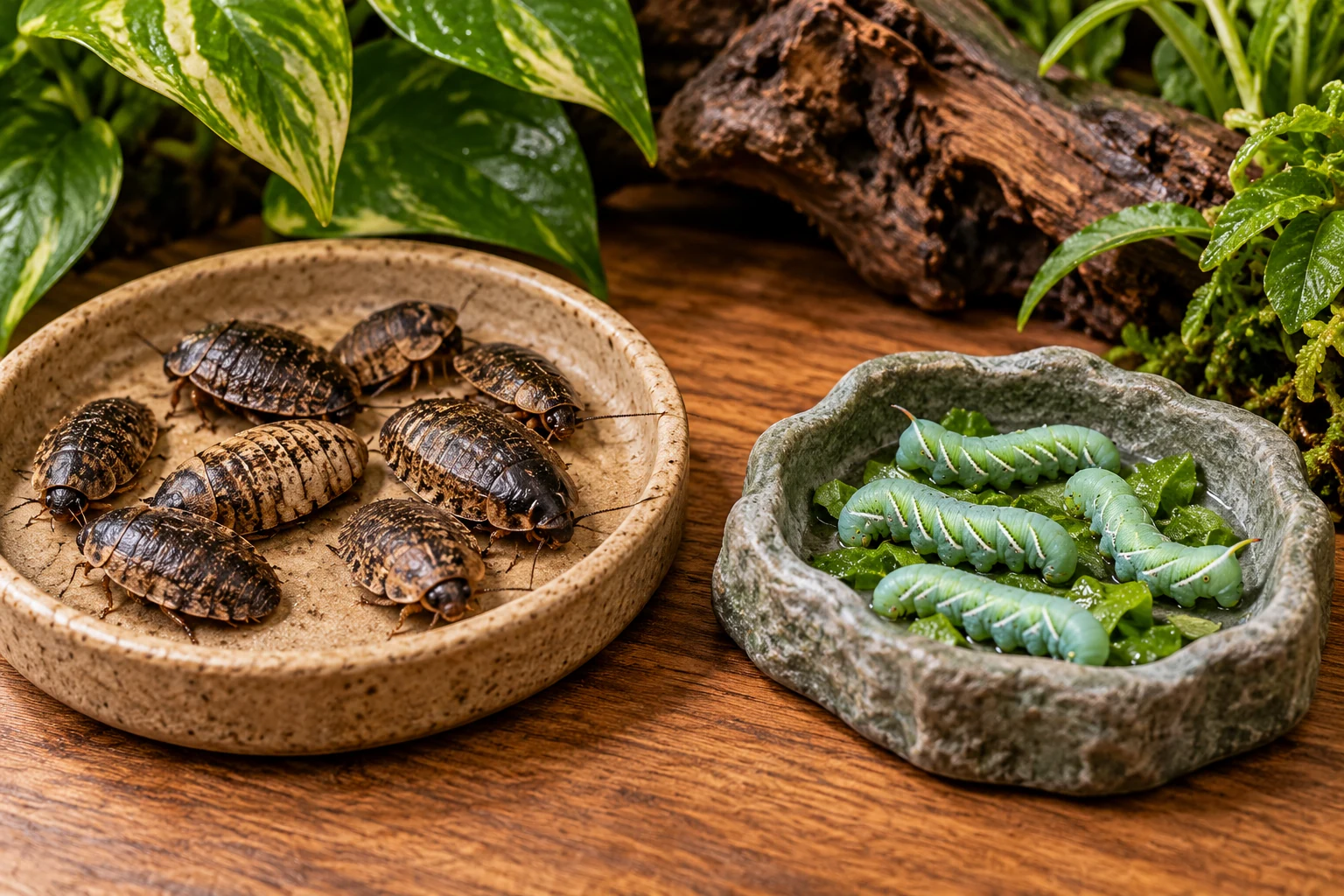
Dubia roaches (Blaptica dubia) are called out specifically for White's tree frogs because they carry roughly double the calcium of crickets, along with more protein and less fat. For a species that is notoriously prone to obesity, a staple that delivers more usable nutrition per bite without piling on fat is a real advantage, not a marketing detail. Medium dubia, about 3/4 inch, fit most adult White's tree frogs well, while juveniles and smaller frogs do better on small dubia instead.
One regional note worth knowing up front: dubia roaches are a restricted species in Florida, so TC does not ship live dubia there. Florida keepers should lean on hornworms, mealworms, or black soldier fly larvae as the everyday staple instead. Our Florida feeder guide covers the full legal lineup if that applies to you.

Hornworms: the hydration treat, not the everyday meal
Hornworms (Manduca sexta) run around 85 percent water, which makes them an excellent hydration boost for a frog that absorbs a good deal of moisture through its skin rather than only drinking from a dish. Offer them once or twice a week, not as a daily staple, since they run lower in protein than dubia and grow quickly enough that a cup needs using within a week or two.
Keep hornworms at a cool room temperature, never in the refrigerator, since cold kills them outright. Our full hornworms versus silkworms comparison goes deeper on storage and timing if you want to rotate in silkworms as a second soft-bodied option.
Mealworms: fine occasionally, not a staple
Small mealworms (Tenebrio molitor) make a reasonable occasional extra for a White's tree frog, but they should not carry the diet. They run higher in fat and lower in calcium than dubia, and their firmer exoskeleton is more work to digest in quantity. Treat them the way you would treat any rich treat: now and then, not every feeding.
If your frog seems to prefer mealworms and turns its nose up at dubia, resist the urge to switch staples entirely. A slow-moving dubia roach is easy for a stationary ambush feeder like a White's tree frog to catch, so a little persistence with tongs or a shallow dish usually wins out over time.
The real risk: obesity, not a missing nutrient
White's tree frogs have a well earned reputation among keepers for turning into round, heavy bodied adults when overfed, sometimes developing visible fat pads around the eyes and limbs. This is a feeding problem, not a sign the diet is missing something, and it is the single most common issue keepers run into with this species.
If your frog looks noticeably overweight, ease off both the frequency and the size of feedings rather than changing what you feed. This is husbandry guidance, not a medical diagnosis, so if you are ever genuinely worried about your frog's weight or health, an experienced exotics vet is the right call, not a guess.
Dusting and a simple weekly rhythm
Dust feeders with a quality calcium powder on a regular basis, since White's tree frogs kept without much UVB exposure can develop calcium problems over time without steady dietary calcium. Our calcium and supplement guide covers how often to dust and when to add D3 to the routine.
A simple weekly rhythm for an adult looks like this: dusted medium dubia every 2 to 3 days as the backbone, one hornworm feeding for hydration, and small mealworms as an occasional extra rather than a fixture. Juveniles follow the same feeder lineup, just closer to daily and sized down.
Stock the Staple Behind the Schedule Above
Medium dubia for adults, small for juveniles, plus the hydration treat and calcium dust from the answers above.
Frequently Asked Questions
Written by the TC INSECTS breeding team · Porter, Texas · Live Arrival Guarantee on every order
Have a care question? Ask our community.
Join Reptile Keepers USA, our free Facebook group for reptile, amphibian and invert keepers. Share your setups, get care help and swap feeder tips.
Join the free group