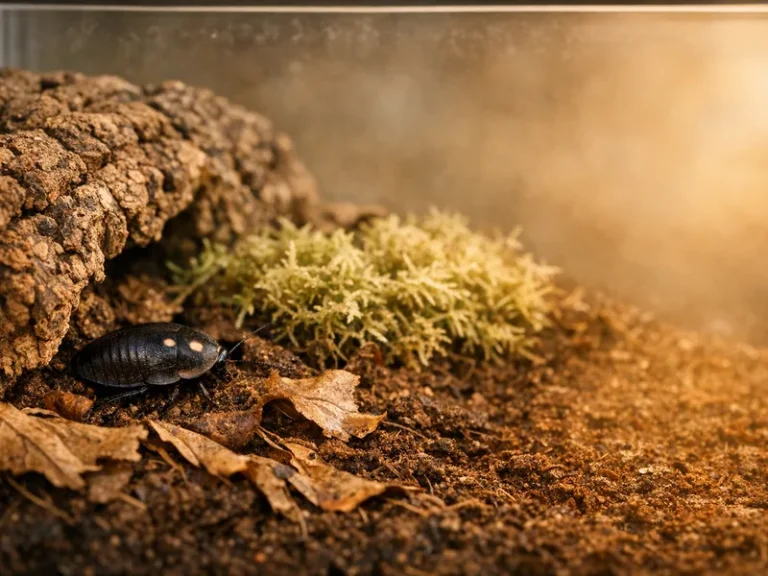
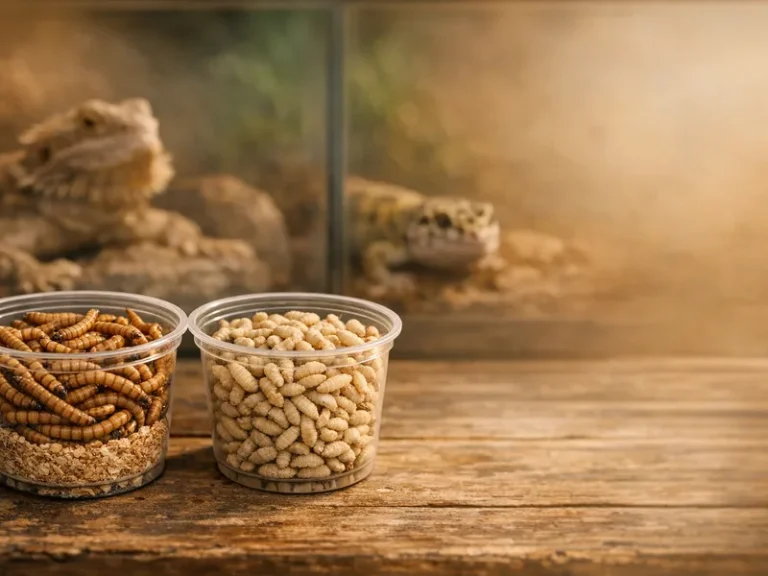
Why Do My Feeder Insects Keep Dying?
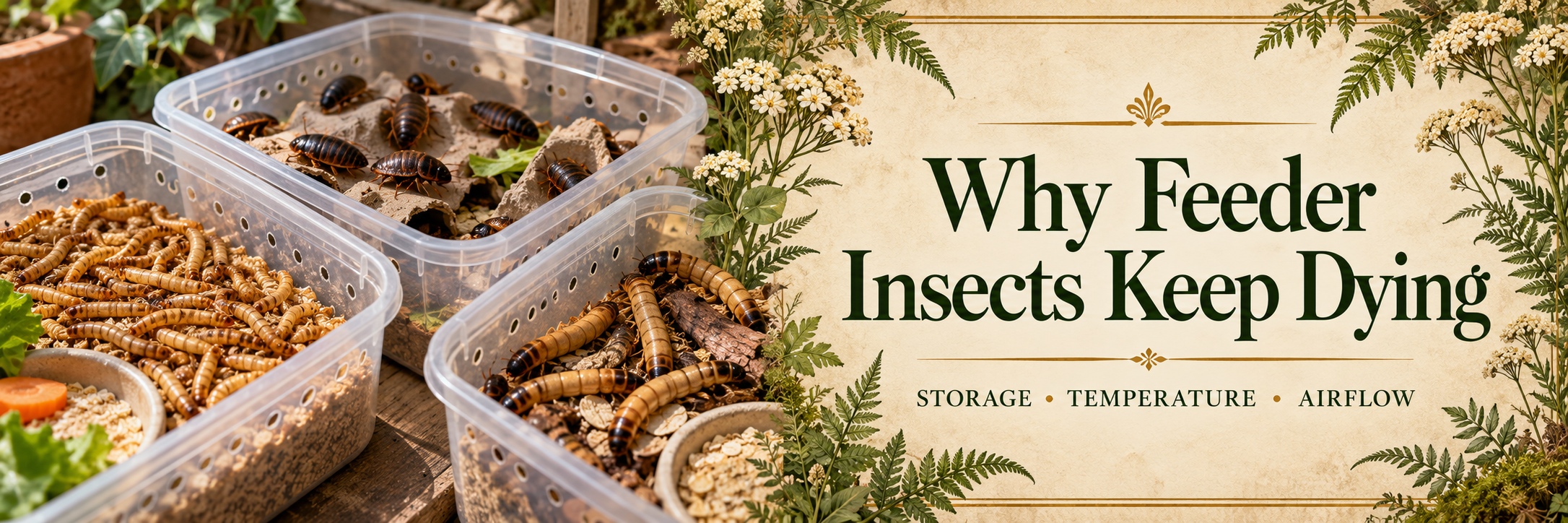
Ninety percent of the time, the answer is temperature. The fridge that keeps mealworms alive for weeks is exactly what kills dubia, superworms, and hornworms, and the opposite mistake, letting any feeder bake in a hot garage or a sunny windowsill, cooks the whole batch just as fast. Beyond temperature, the next most common killers are no ventilation, moisture and condensation in the container, no food or gut-load, and cramming too many animals into too small a bin. Below is a species-by-species keep-alive cheat sheet, paired with our full storage lifespan guide, so you can stop guessing and start matching the storage to the bug.
Fridge kills dubia, superworms, hornworms; heat cooks everything
The one common feeder that actually tolerates cold storage
Condensation, an empty gut, and an overfull bin all shorten life
The real answer: it is almost always temperature
If a batch of feeders dies off faster than it should, temperature is the first thing to check, because it causes more losses than every other factor on this page combined. The trap is that the fix for one species is often fatal for another: mealworms want a cold fridge, while dubia, superworms, and hornworms need to stay at room temperature or warmer, and putting the wrong one in the wrong spot can wipe out an entire order in a day or two.
The good news is that once you know which feeder wants what, this stops being a mystery. The rest of this guide is a species-by-species breakdown, plus the other four habits, ventilation, moisture control, feeding, and avoiding overcrowding, that round out the full picture.
The one exception: mealworms actually like the fridge
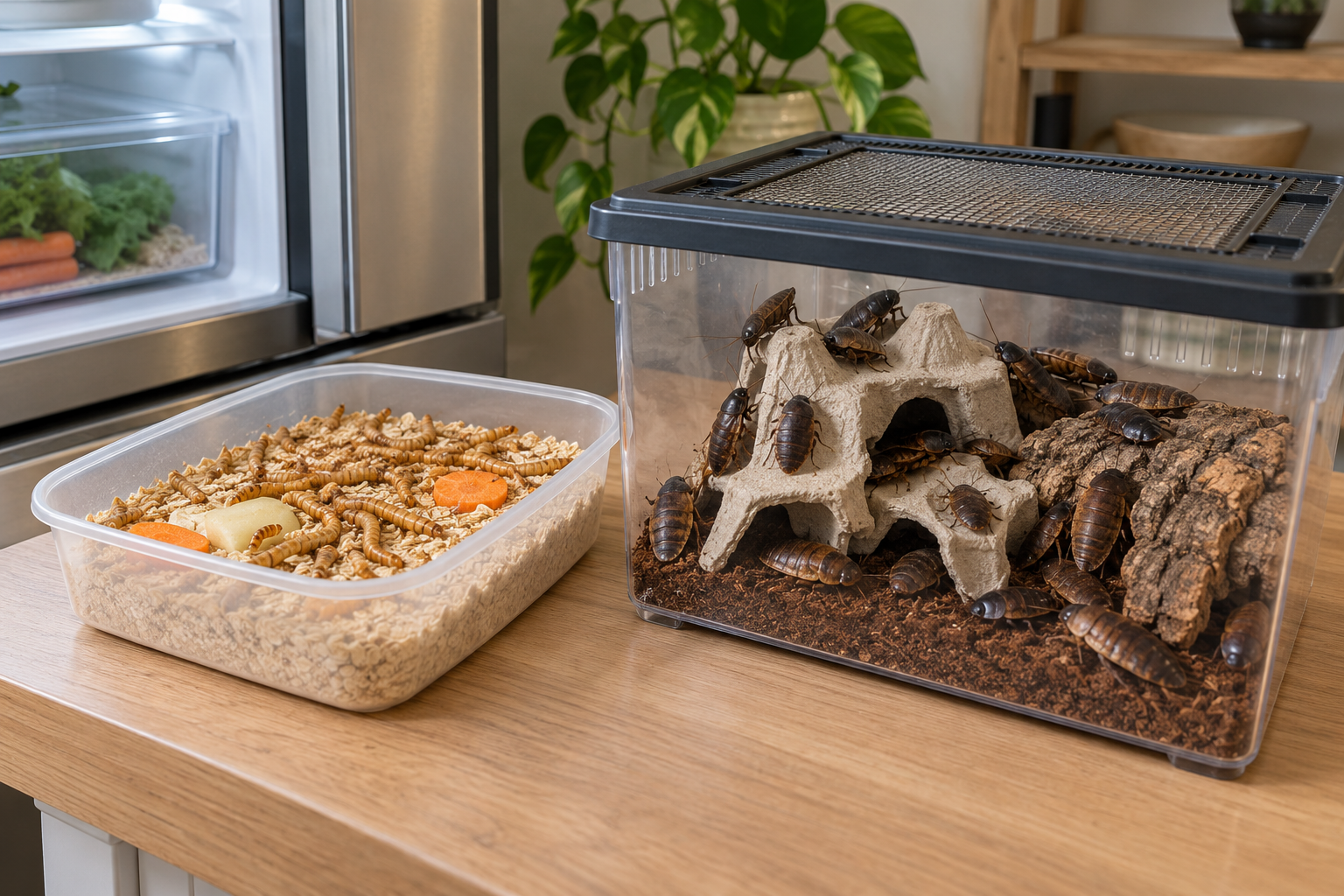
Mealworms are the outlier on this whole page. Held at about 45 to 50 degrees F, they drop into a harmless cold dormancy and can keep for weeks with almost no attention, which is exactly why they are the low-maintenance staple keepers fall back on. Warm them back to room temperature for a day every so often so they can eat and stay firm, then return them to the fridge.
That fridge trick works for mealworms specifically because they are a temperate species built to slow down in the cold. It does not transfer to any other feeder on this list, which is the single most common mistake keepers make once they learn the mealworm trick and assume it applies universally.
The feeders the fridge actually works against
Dubia roaches, superworms, and hornworms are warm-climate species with no cold dormancy built in, so a home refrigerator does not pause them the way it pauses a mealworm, it works against them. Superworms are the most extreme case and can be killed by fridge temperatures within a day or two, so keep them at 70 to 80 degrees F and never below 60. Hornworms should stay cool at 55 to 65 degrees F but never chilled harder than that, since standard fridge temperatures will kill them too. Dubia are hardier than either, but they are still a warm-climate roach that wants steady room temperature to warmth, not a cold fridge. Silkworms follow the same never-refrigerate rule at 72 to 85 degrees F.
Black soldier fly larvae split the difference in a way that trips people up: they actually prefer a genuinely cool spot, around 50 to 60 degrees F, which holds them for weeks. The mistake is assuming that means the refrigerator. A standard fridge usually runs colder than that sweet spot, so a cool room, garage shelf, or closet beats the crisper drawer for BSFL specifically.
Ventilation and moisture: the quiet killers
A sealed, airless container is a slow death sentence for almost any feeder, and it is an easy mistake to make with a container that looks closed for good reason, to stop escapees. Every feeder ships and stores in a vented cup or bin for a reason: they need airflow, and a lid with no ventilation traps humidity and waste gases that suffocate a batch over a day or two.
Moisture cuts the same direction from a different angle. Condensation inside a cup, a soggy substrate, or spoiled produce left too long all invite mold and bacteria that can take down an entire container, and this is exactly why hornworms and silkworms are kept dry rather than misted. If you see beaded moisture on the inside of a lid, open it up and let the container air out before it becomes a real problem.
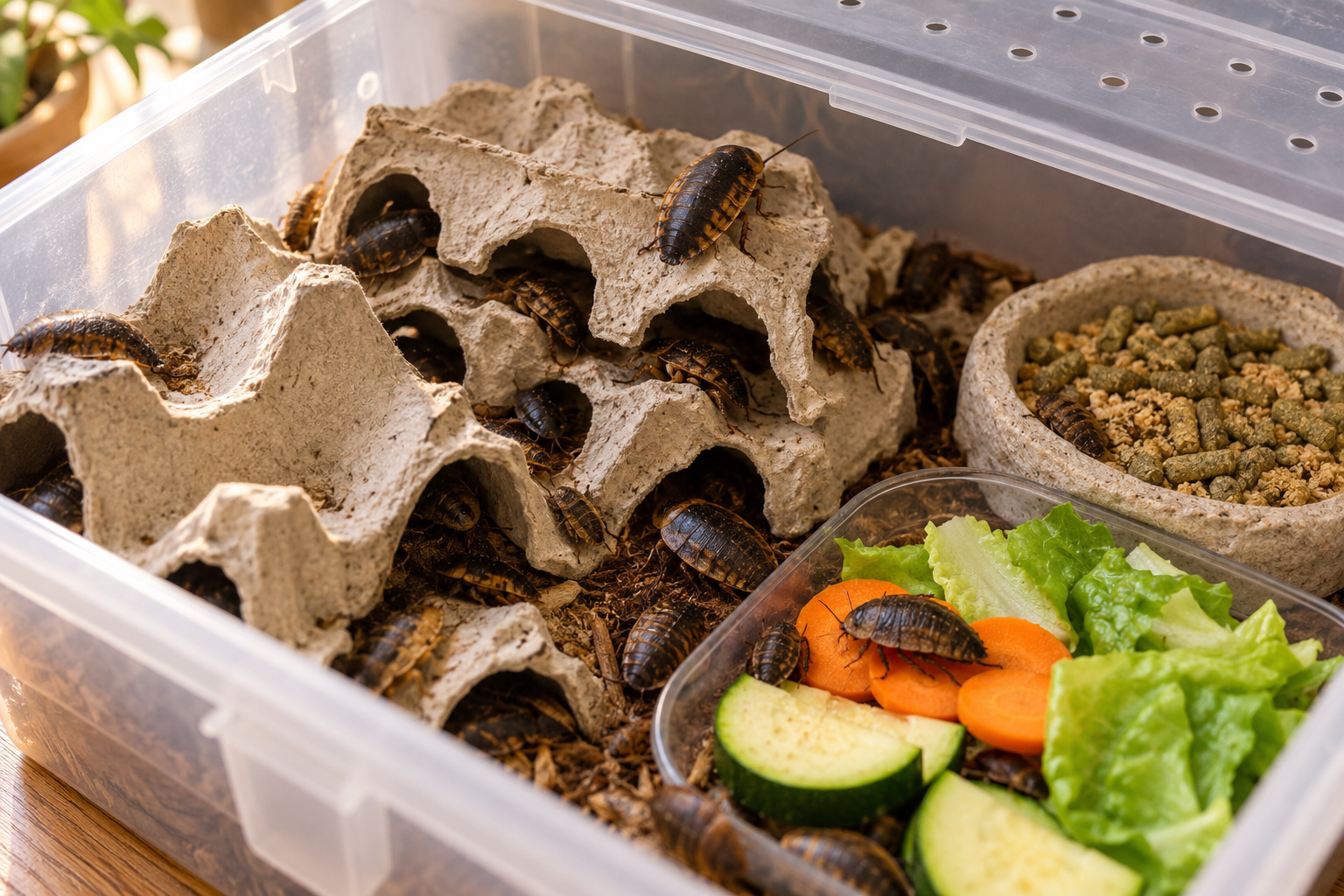
No food, no gut-load: a slow starve nobody notices
A feeder with nothing to eat does not die immediately, which is part of what makes this cause so easy to miss. Dubia, roaches, and worms all need an actual food source, a quality dry feed plus fresh produce, not just bedding to sit in, and a colony running on empty slowly weakens before it collapses. Gut-load and colony feeds like Supreme Feed Dubia or Monster Worm Feed solve this in the same step that makes your feeders more nutritious for your pet.
Silkworms are the strict version of this rule: they eat only mulberry leaves or prepared silkworm chow, nothing else, so running out of chow is not a minor lapse, it is the whole food supply gone. Black soldier fly larvae are the interesting exception, since they need no feeding at all for short-term holding, so if you are managing several feeders at once, they are the one you can set and forget.
Overcrowding: too many animals, not enough bin
A container packed past its comfortable capacity stresses every feeder in it: less food and space per animal, faster waste buildup, and more competition, all of which shorten a batch's healthy life even when the temperature and moisture are otherwise right. If a bin looks like it is standing room only, it probably needs to be split or upsized rather than fed and watered harder.
Match your storage against the temperatures above, and treat any early die-off as a housing or moisture problem before assuming the batch was simply bad. If hydration is part of the picture, our guide to watering feeders safely covers the moisture side in full.
Restock With Feeders That Are Built to Last
Every staple below ships fresh from our farm. Store them right and they will outlast the guesswork.
Frequently Asked Questions
Written by the TC INSECTS breeding team · Porter, Texas · Live Arrival Guarantee on every order
Have a care question? Ask our community.
Join Reptile Keepers USA, our free Facebook group for reptile, amphibian and invert keepers. Share your setups, get care help and swap feeder tips.
Join the free group