How to Choose a Reputable Invertebrate Seller
Choosing a reputable invertebrate seller comes down to five checkable things: honest pricing, a live arrival guarantee, real species disclosure, proper live shipping, and a real business behind the listing. A price that looks too good to be true for a live animal usually is, often a sign of a drop-shipper or poorly sourced stock rather than a genuine farm or breeder. A trustworthy seller names the actual species, discloses realistic care requirements instead of a copy-pasted generic sheet, ships live animals quickly in proper packaging, and operates from a real, findable business rather than an anonymous marketplace account. None of this takes insider knowledge, just knowing what to check before you place an order for a jumping spider, a tarantula, or any other live invertebrate.
Often a drop-shipper or poorly sourced animal
A reputable seller stands behind live shipping
Actual scientific name, findable US business
Red flag: a price that is too good to be true
Live animals cost money to raise or source responsibly, and shipping a living creature safely is not free either. When you see a species priced dramatically below every other listing you can find, that gap has to come from somewhere, usually thinner margins on animal welfare, poorly sourced stock, or a reseller who is not actually raising or handling the animal themselves before it reaches you.
This does not mean the cheapest listing is automatically a scam, and a genuine farm can run a real sale. It means a price that looks out of line with the rest of the market is worth a second look at everything else on this list before you check out, not a reason to skip straight to your cart.
Non-negotiable: a live arrival guarantee
A live arrival guarantee is the clearest, simplest signal a seller is confident in their own packing and shipping process. It means that if an animal arrives dead or in genuinely poor condition through no fault of your own care, the seller stands behind it with a replacement or refund rather than treating shipping losses as your problem the moment the box leaves their hands.
Read what the guarantee actually covers and how quickly you need to report an issue, since the details vary seller to seller. No guarantee at all, or one buried in fine print designed to never actually apply, is a real warning sign for any live-animal purchase, invertebrate or otherwise.
Real species disclosure, not a copy-pasted care sheet
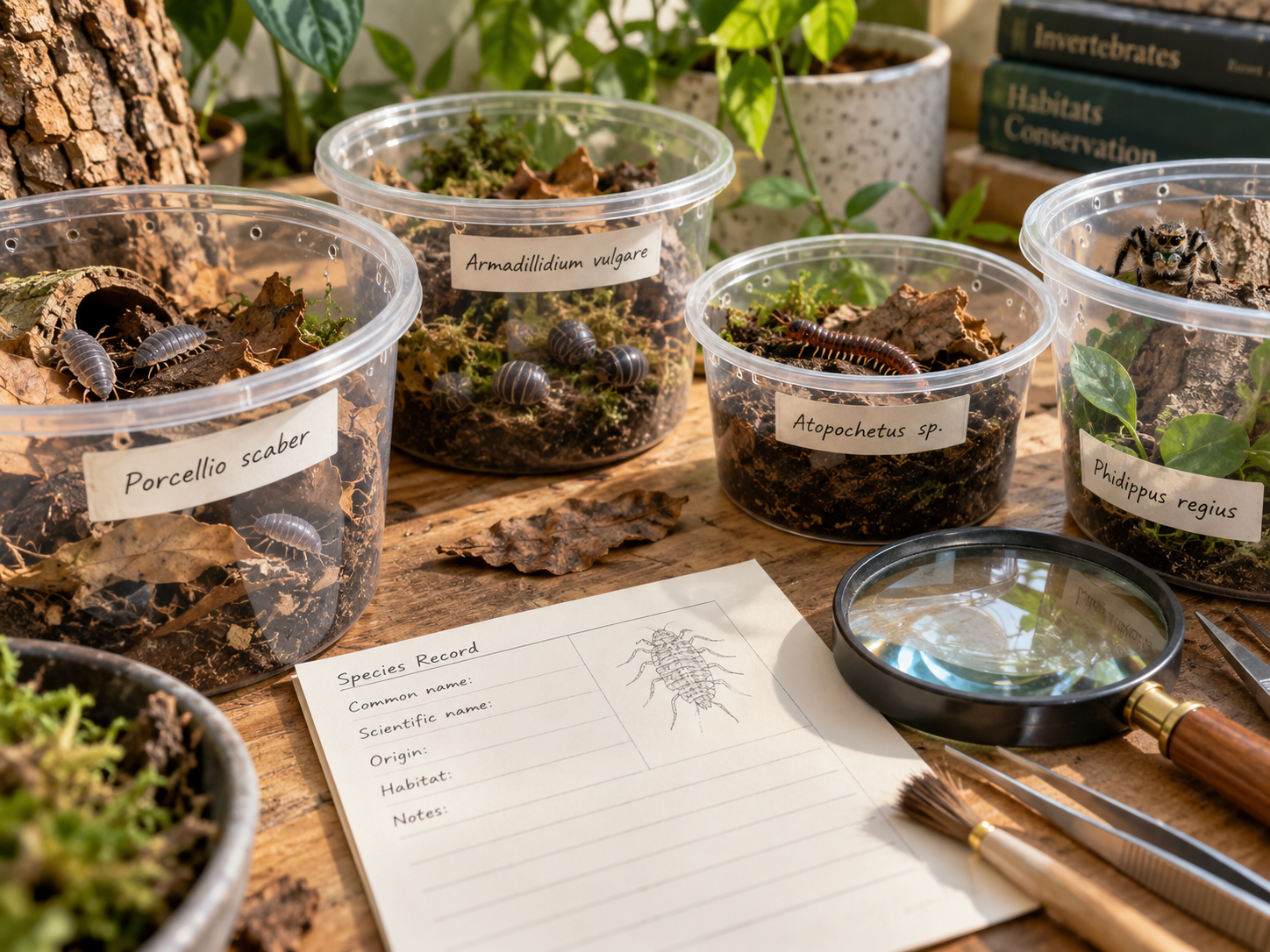
A reputable seller tells you what you are actually buying, the real scientific name, not just a marketing nickname, and care information specific to that species rather than a generic paragraph that could apply to almost anything. If a listing cannot tell you the actual species you are ordering, or the linked care advice reads like it was written for a completely different animal, that is a real gap in how much the seller actually knows about what they are selling.
This matters most for animals with real husbandry differences hiding behind a similar common name, exactly the kind of confusion our own Giant African versus American Giant Millipede comparison exists to clear up. A seller who gets the species-level details right in their own listing is a good early sign for everything else.
How it actually ships matters
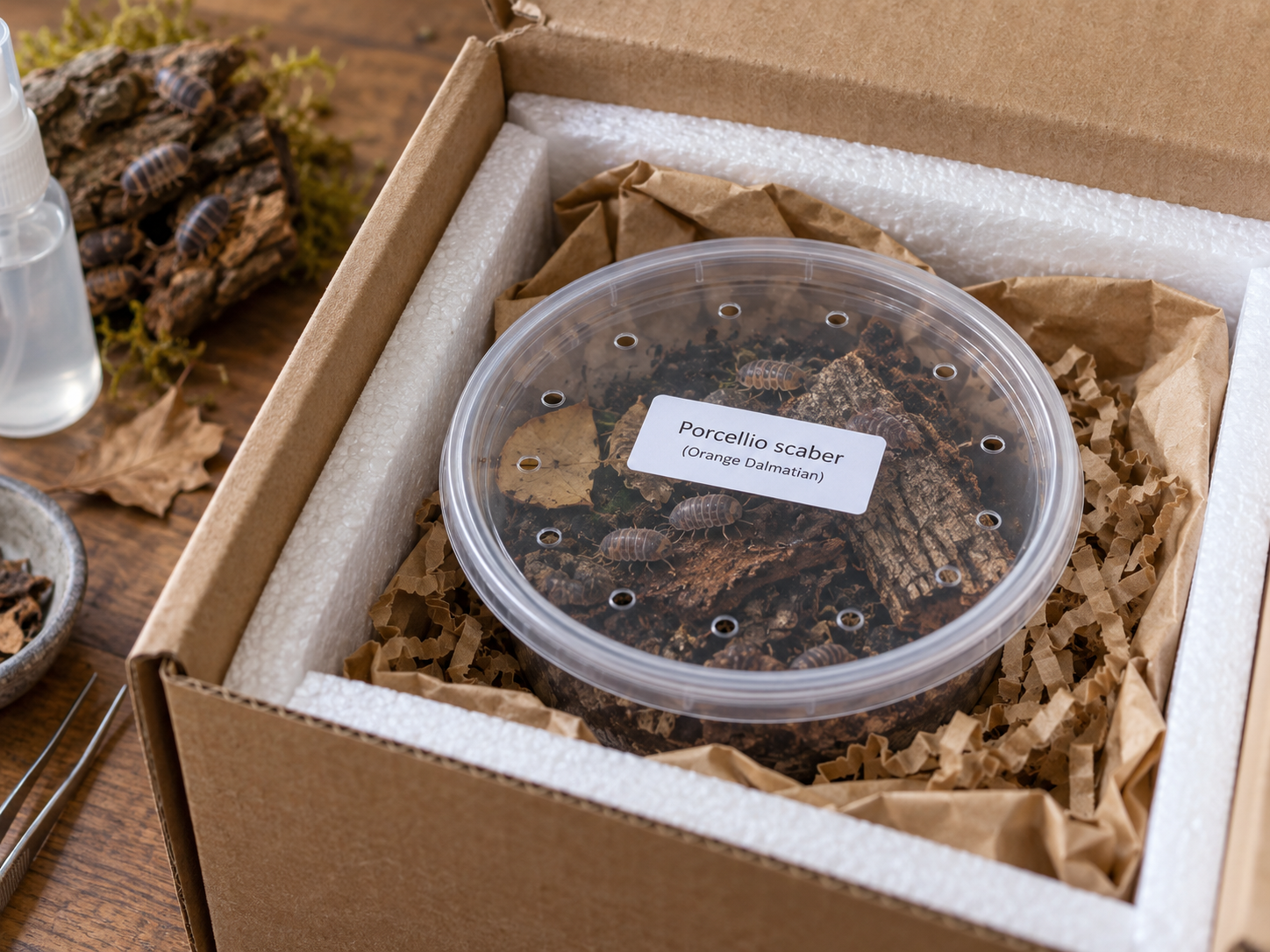
Live invertebrates need to travel fast and arrive in a stable, protected package, not sit in transit for days in packaging built for anything but a living animal. Look for fast, live-animal-appropriate shipping as standard, proper insulation and packing material suited to the season and the species, and clear communication about when your order actually leaves so you can be home to receive it.
A seller who is vague about shipping speed, or who ships a live animal with no real protection, is telling you something about how much thought goes into the rest of their operation too. Fast, careful shipping is not a premium add-on for a live animal, it is the baseline.
Is there a real business behind the listing?
Marketplaces and resale sites make it easy for anyone to list an animal they do not actually raise, keep, or understand, sourced from wherever is cheapest that week and shipped out under someone else's brand. A real farm or breeder, by contrast, can usually point to an actual operation, a track record, and a way to reach a real person if something goes wrong with your order.
You do not need to fly out and inspect a facility yourself. A findable, real business rather than a brand-new storefront with no history, and reviews that reference actual animals and actual shipping experiences, are reasonable things to check in a few minutes before you buy.
Applying the checklist before you buy
Run through all five checks together rather than any single one in isolation, since a seller can pass one and still fail the rest. Fair pricing, a real guarantee, honest species information, careful shipping, and a real business behind it all is what a genuinely reputable seller looks like, whether you are buying a jumping spider, a tarantula, an isopod colony, or a millipede.
One honest caveat: this checklist is general buyer education, not a claim that captive-bred origin is guaranteed for every invertebrate species on the market. Some animals in this hobby, including certain millipedes, are legitimately and legally wild-collected as a normal, industry-wide practice, so ask directly about an animal's origin if that specifically matters to you, rather than assuming any seller's silence means one answer or the other.
What a Trustworthy Listing Actually Looks Like
Real species names, clear pricing, and live arrival guarantees on animals TC actually ships.
Frequently Asked Questions
Written by the TC INSECTS breeding team · Porter, Texas · Live Arrival Guarantee on every order
Have a care question? Ask our community.
Join Reptile Keepers USA, our free Facebook group for reptile, amphibian and invert keepers. Share your setups, get care help and swap feeder tips.
Join the free group