How to Harvest Springtails

Charcoal cultures flood and pour, substrate cultures get scooped by hand
Room temperature is ideal for harvesting, no supplemental heat needed
A healthy culture explodes into the thousands, so light harvesting barely dents it
Harvest lightly and keep the culture growing
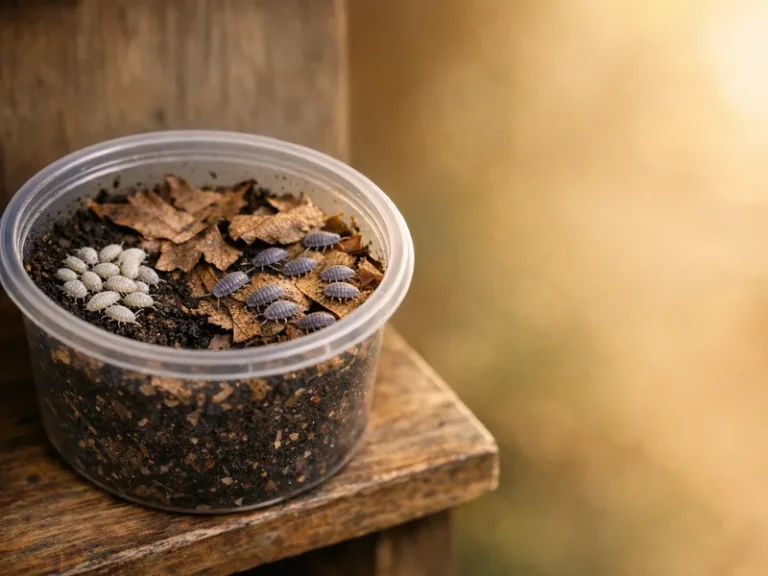
The two easiest ways to harvest springtails are the flood-and-pour method, where you add dechlorinated water to a charcoal culture so the springtails float and you pour them straight into your enclosure, and simply scooping seeded substrate from a soil culture. A food lure, a pinch of yeast on a leaf or piece of veggie, concentrates them first so you get more per harvest. Both methods take about five minutes and barely disturb the parent culture when you do it right.

Match the method to your culture
Charcoal and substrate cultures call for different harvesting methods. Transfer a small portion and leave the parent culture established.
Method one: flood and pour from a charcoal culture
This is the fastest way to harvest springtails and it is the reason most keepers set up a charcoal culture in the first place. Pour a little dechlorinated water into the container, just enough to cover the charcoal, and give it a gentle swirl. Springtails cannot swim, so they pop up and cluster on the surface of the water within a minute or two.
Once they are floating, tilt the container and pour that water, springtails and all, straight into your enclosure or a cup. Top the charcoal back up to its normal shallow water line when you are done so the parent culture stays humid. Our springtail culture guide covers how to build the charcoal setup from scratch if you do not have one running yet.
Method two: scoop straight from a substrate culture
If your culture lives in moist coco fiber or bioactive soil instead of charcoal, you skip the flooding step entirely. Just take a spoon and scoop out a pinch of the seeded substrate wherever the springtails look thickest, usually right under the surface or along the damp side of the container.
This method is gentler and moves a little living soil along with the springtails, which is handy when you are seeding a brand new bioactive enclosure and want some of that established microfauna along for the ride. Check our live springtail care guide for how to keep a substrate culture healthy between harvests.
Method three: concentrate them first with a food lure
Whichever base you are running, a food lure makes any harvest bigger. Drop a very light sprinkle of baker's or brewer's yeast on a small piece of leaf or veggie and set it in the culture. Springtails (order Collembola) will swarm the biofilm that grows on it within a day, packing far more of them into one small spot than you would catch scooping blind.
From there just fold the lure into your flood-and-pour water, or lift the whole leaf and shake it into your target container. It is a simple trick, but it is the difference between a handful of springtails and a genuinely useful harvest.
How much to harvest without crashing the culture
The safe rule is to take a portion, not the whole culture. Harvest lightly and regularly rather than stripping it all out at once, and top the parent back up with a little fresh charcoal or substrate every so often so it always has room to keep growing.
A well-fed, humid culture rebuilds fast, often exploding back into the thousands within a few weeks of a harvest. If your culture seems to be struggling to bounce back, ease off the frequency and check that it is not drying out, which is the number one way a springtail culture actually dies.
Seeding an enclosure vs feeding springtails off to animals
If you are seeding a new bioactive enclosure, pour or scoop the harvest directly onto the substrate about 3 to 5 weeks before you plan to add any animal, so the springtails have time to establish and start grazing mold before the enclosure gets busy. Run your enclosure size through our cleanup crew calculator if you want a number to aim for.
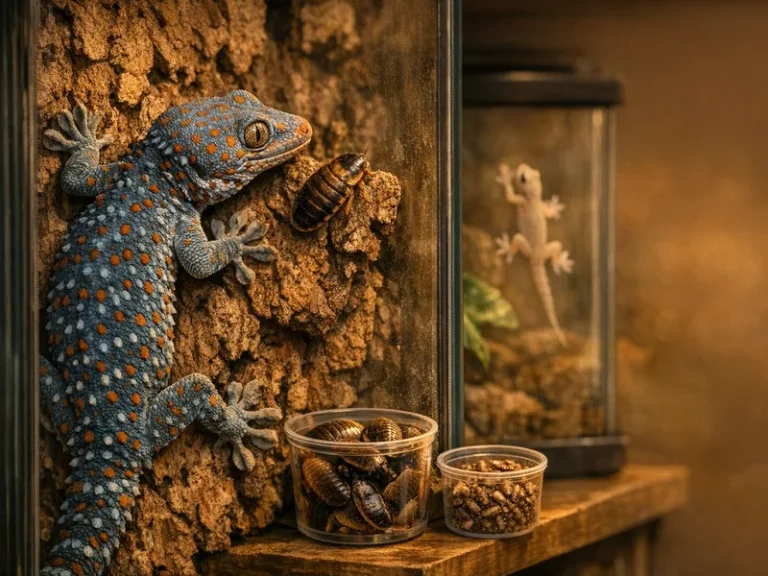
If you are harvesting to feed off to dart frogs or other small insectivores, flood and pour into a shallow cup instead and offer them right away, since springtails move fast once out of the culture. Either way, keep a fresh culture of live springtails on hand so you are never caught without a harvest ready.
Keep reading: Can You Mix Different Springtail Species Together?
Keep reading: Florida Orange vs Asian Orange Springtails: Same Species, Two Names
The Springtail Harvest Kit
A productive culture plus the media to keep harvesting from it.
Frequently asked questions
What is the easiest way to harvest springtails?
The flood-and-pour method is the fastest for a charcoal culture: add a little dechlorinated water, let the springtails float to the surface, then pour the water straight into your enclosure. For a substrate culture, simply scoop a pinch of seeded soil instead.
How do I harvest springtails without hurting the culture?
Take a portion, not the whole culture, and harvest lightly and regularly rather than stripping it out all at once. Top the parent back up with a little fresh charcoal or substrate after a harvest so it keeps rebuilding its numbers.
Can I use a food lure to make harvesting easier?
Yes. Drop a light sprinkle of yeast on a leaf or piece of veggie and set it in the culture. Springtails will gather on the biofilm that grows on it within a day, so you can scoop or flood a much bigger concentration in one pass.
How often can I harvest a springtail culture?
A healthy, well-fed culture can be harvested regularly, often every week or two, since it explodes back into the thousands within a few weeks. If growth seems slow after a harvest, ease up on frequency and check that the culture is not drying out.
Do I need special water to flood a charcoal culture?
Use dechlorinated water for the flood-and-pour method, the same kind you would use for the culture's normal humidity. Straight tap water can carry chlorine or chloramine that stresses the springtails, so treat it first or let it sit out before use.
How do I harvest springtails to feed dart frogs or other animals?
Flood and pour a charcoal culture into a shallow cup, or scoop seeded substrate, then offer the springtails right away since they move quickly once out of the culture. Keep a dedicated culture going just for feeding so you are not pulling from the one seeding your display enclosure.
Keep learning
Have a care question? Ask our community.
Join Reptile Keepers USA, our free Facebook group for reptile, amphibian and invert keepers. Share your setups, get care help and swap feeder tips.
Join the free group