Florida Orange vs Asian Orange Springtails
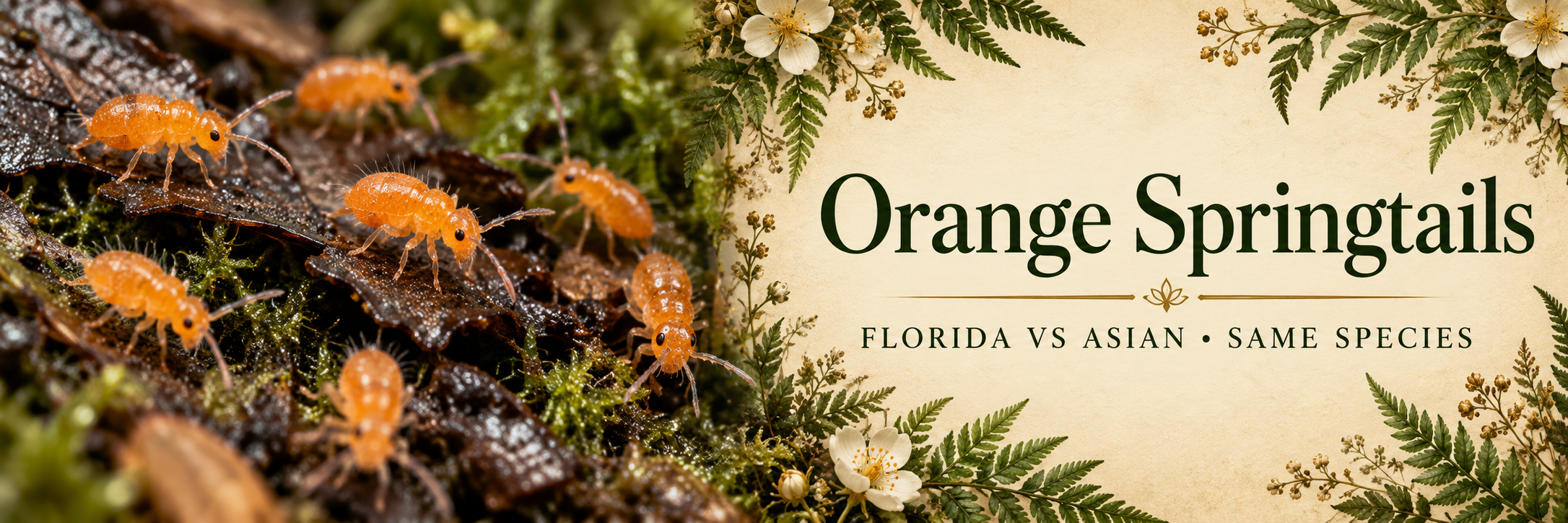
Florida Orange and Asian Orange springtails, sold as two separate TC products, are both Yuukianura aphoruroides, the same scientific species collected and labeled under two trade names rather than two different animals. Both product pages confirm the identical binomial, and both hedge honestly that the exact collection locality should not be overclaimed. Care is essentially identical between them: warm room temperature, consistent moisture, and a soft, protein-rich food, since this species' piercing mouthparts cannot chew coarse flake the way a white springtail can. Here is what the name split actually means, and whether it is worth running both.
Same binomial on both the Florida and Asian listings
Piercing-sucking mouthparts built for fungal hyphae, not chewing
Both TC listings agree on this size for either line
Are Florida Orange and Asian Orange Springtails Really the Same Species?
Yes. Both TC product pages list the identical scientific name, Yuukianura aphoruroides, a springtail in the family Neanuridae. The Florida and Asian labels describe two separate collection lines sold as their own products, not two different animals, the same kind of thing that happens with an isopod trade name that describes a look while the scientific name underneath stays constant.
Both listings are also careful not to overclaim the locality behind each name. TC's Florida Orange page says culture origins can vary in the hobby and care should focus on practical needs rather than a precise locality claim, and the Asian Orange page says the same thing in its own words. That is an honest hedge, the same kind covered in our guide to changing springtail names, and it matches how several other sellers list this exact species simply as orange springtails without picking a region at all.

Why Does This Species Need Different Food Than a White Springtail?
The short answer is mouthparts. Yuukianura aphoruroides sits in Neanuridae, a springtail family built with piercing and sucking mouthparts rather than the chewing jaws most cultured springtails use. Published springtail morphology describes Neanuridae as lacking the grinding molar surface other families rely on, feeding instead by piercing fungal hyphae and soft organic matter and sucking out the contents.
In practice, a coarse yeast flake that a temperate or tropical white springtail chews through easily is a poor match for this species. Offer a soft, protein-rich food, a powdered yeast or a fine fish-flake dust, on a substrate that never dries even briefly, and expect a quieter first month while the culture settles in. That slower start is a mouthpart limitation, not a sign of a weak culture.
What Temperature and Humidity Do Orange Springtails Need?
TC's two listings run close but not identical: Florida Orange is rated 70 to 85°F, and Asian Orange 68 to 80°F, both with a practical target in the low to mid 70s. Florida Orange's own listing runs a touch warmer at the top end than our full springtail reference hub suggests for this species, so treat the mid-80s as a short spike to tolerate rather than a target, and aim for the low to mid 70s day to day either way.
Humidity should stay moderate to high, consistently damp without turning swampy, on coco, charcoal, clay, or a bioactive substrate. This is a brighter, easier to see springtail than a standard white culture, which makes it simple to confirm the surface is staying evenly damp rather than drying out in patches, a real advantage over judging a pale species against pale substrate.
Do You Need Both Florida Orange and Asian Orange, or Just One?
For nearly every keeper, one culture is enough. Since both products are the same species with the same care, buying both mainly gets you two separate cups of the identical animal rather than two different tools for two different jobs, unlike pairing a warm tropical species with a cooler temperate one.
The one real reason to run both is redundancy: two separate cultures from two separate collection lines lowers the odds that a single bad batch, a missed feeding, or a shipping mishap wipes out your only orange springtail population at once. If you just want a colorful, visible cleanup crew species, pick whichever product is in stock and skip the second purchase.
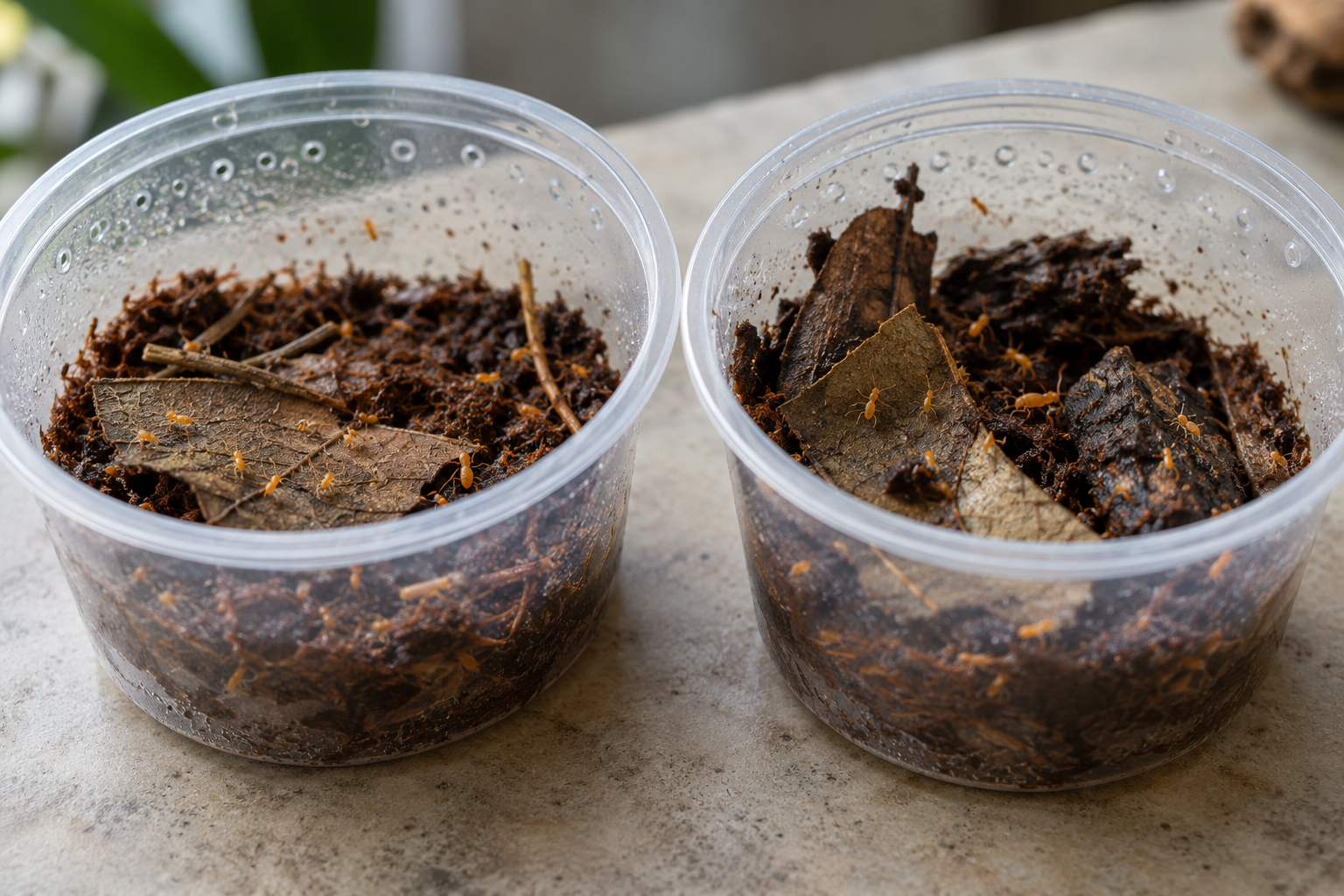
How Do Orange Springtails Compare to White Springtails for Visibility and Speed?
Visibility is the clear win for orange. A bright orange to red-orange body reads instantly against dark coco, bark, or leaf litter, where a stark white culture blends into pale substrate. That makes orange a popular pick for a display bin or any setup where a keeper wants to actually watch the culture working rather than just trust it is there, the same logic covered in our full species comparison.
Speed favors white. TC's own listings rate orange springtails as reproducing well once established, but the piercing mouthparts and pickier food needs mean a new culture takes longer to hit its stride than a fast, chewing species like temperate or tropical white. Start an orange culture earlier than you think you need it, and lean on a white species instead if you need a population fast.
The Orange Springtail Kit
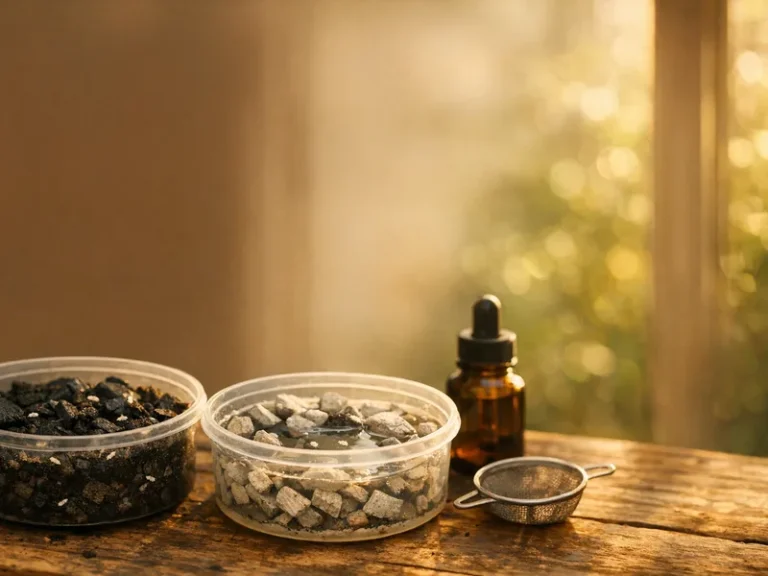
Both same-species lines side by side, plus the clay and feed to keep either one producing.
Frequently Asked Questions
Written by the TC INSECTS breeding team · Porter, Texas · Live Arrival Guarantee on every order
Have a care question? Ask our community.
Join Reptile Keepers USA, our free Facebook group for reptile, amphibian and invert keepers. Share your setups, get care help and swap feeder tips.
Join the free group