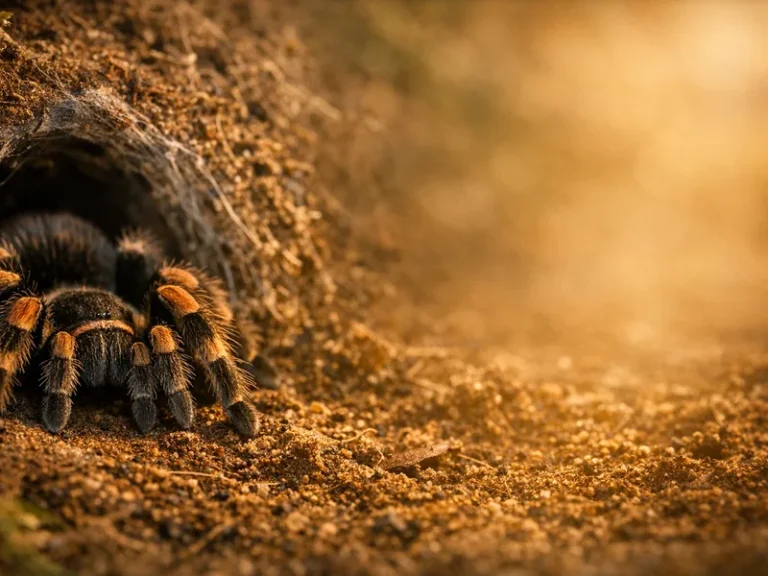
A rotation feeder alongside your staples, not the main diet
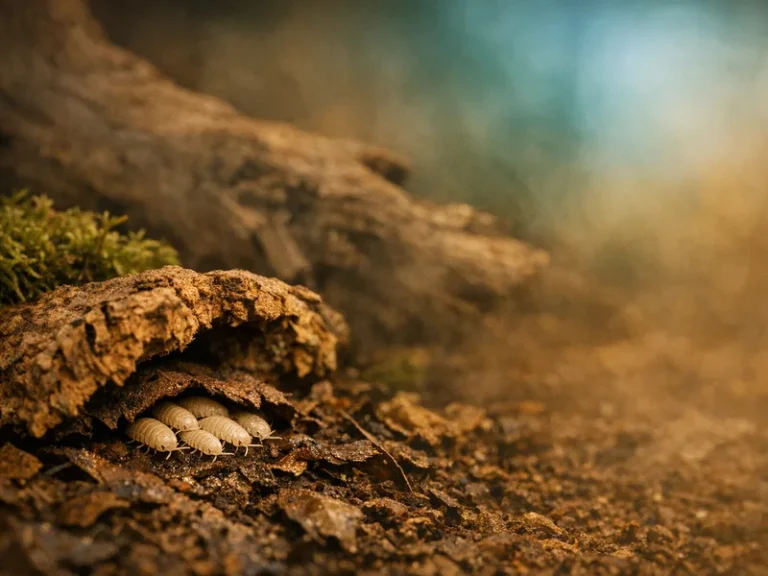
Soft-bodied, small, easy for most reptiles to eat
Isopods carry calcium in their calcified shells, unlike most soft feeders
Can You Feed Isopods to Reptiles?
Yes, you can feed isopods to reptiles, and most keepers do not realize what a good supplemental feeder they are. Isopods are lean protein, carry a lot of calcium in their shells, and give an animal something to hunt, which is enrichment you do not get from a bowl of worms. The catch is that they are a supplement, not a staple, and species choice matters: soft-bodied dwarf and powder isopods are the safe picks, while big hard-shelled species are better left as cleanup crew.
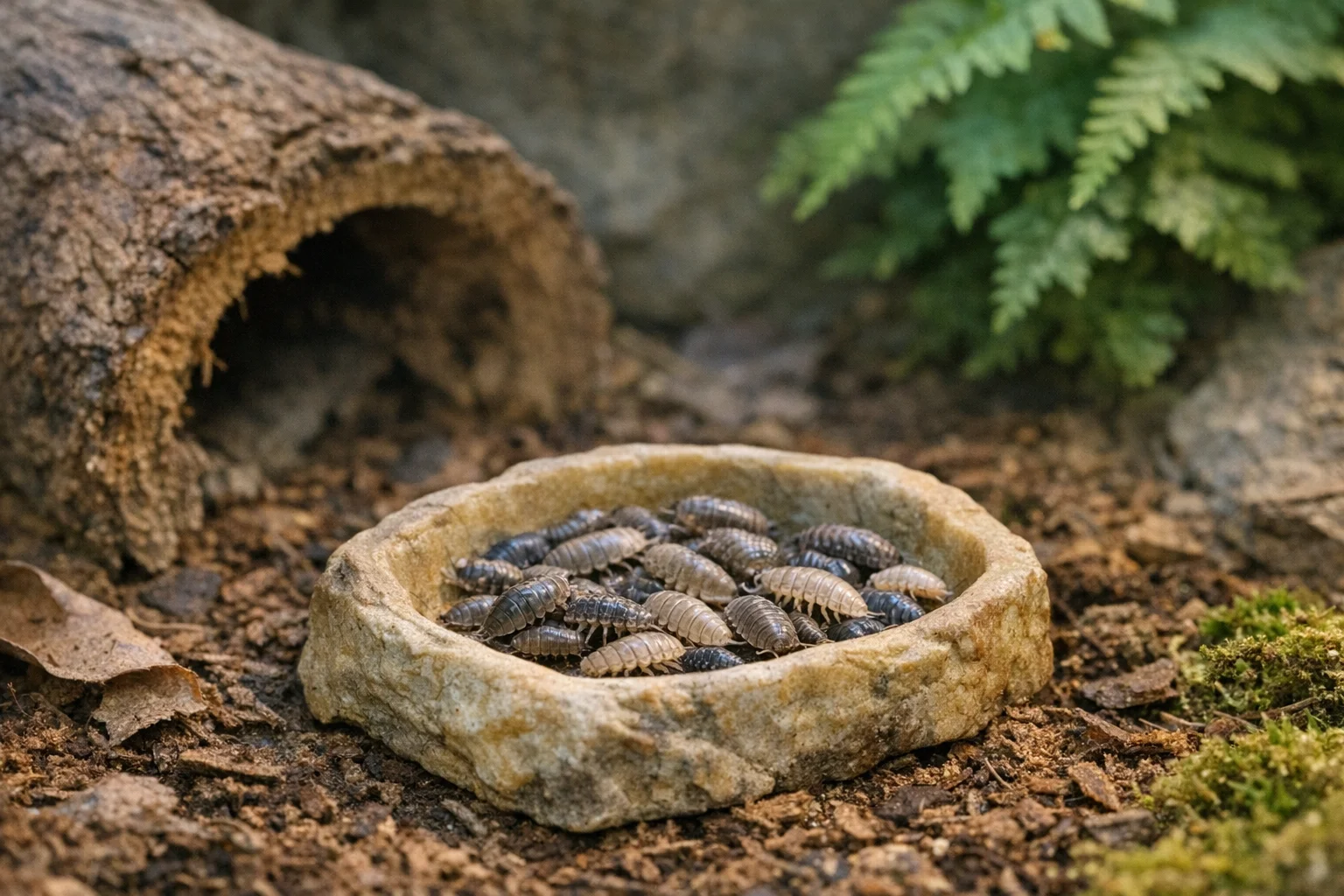
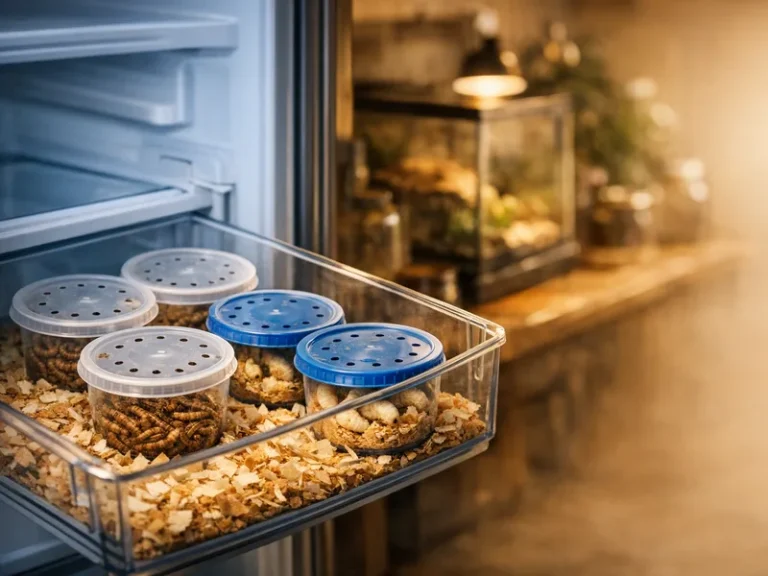
Use isopods as one option in a varied feeding rotation
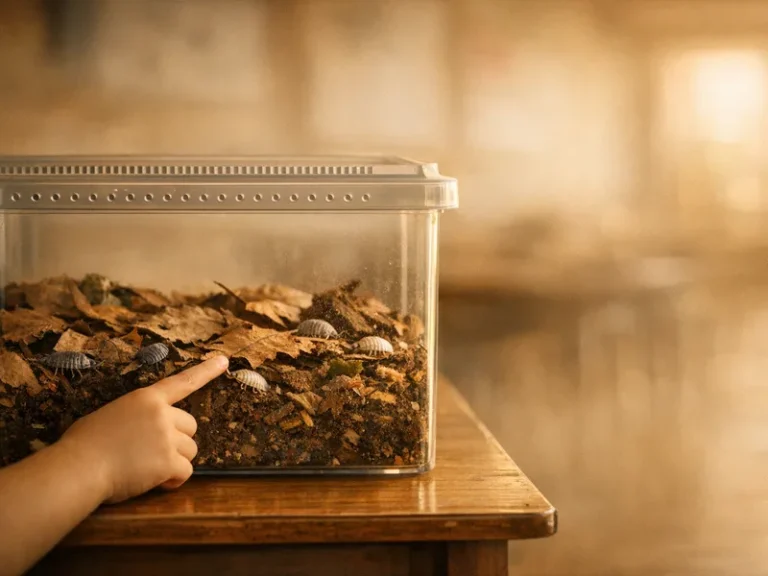
Keep feeder and cleanup-crew colonies separate, choose small soft-bodied species and prepare them before feeding.
Why isopods are a good supplemental feeder
Isopods bring three things to a feeding rotation. They are a lean, digestible protein, they are naturally calcium-rich because their shells are calcified, and they move in a way that triggers a real hunting response. That last part is enrichment, and for an animal that mostly gets handed pre-killed or slow feeders, watching for and chasing an isopod is good for it. On our farm we breed isopods as cleanup crew first, but keepers who raise dart frogs, small geckos, and other insectivores have fed them off for years.
The honest limit is that isopods are a supplement, not a staple. They are small, so they are not an efficient way to fill a hungry bearded dragon, and their nutrition is not a complete diet on its own. Think of them the way you would a treat with benefits: a handful worked into the rotation a couple of times a week, not the whole meal. If you want the full picture on balancing a feeder rotation, our gut-loading and nutrition guide covers how to make every feeder count.
Which isopods are safe to feed (and which are not)
Go soft-bodied and small. Dwarf White isopods (Trichorhina tomentosa) are tiny, soft, and about 3 to 4 mm, which makes them an easy, low-risk feeder for small mouths like dart frogs, juvenile geckos, and mantids. Powder Orange and Powder Blue (Porcellionides pruinosus) are the next step up: still small, still relatively soft, and they breed fast enough that you can grow a feeder supply. You can find both on our Powder isopods page and in our isopod and springtail combos.
Skip the big, hard-shelled species as a feeder. A large adult Armadillidium or a full-grown Porcellio has a tough, heavily armored shell that can be a choking or impaction risk for a smaller reptile, and it is simply harder to digest. If you want to feed a bigger species, offer only the youngest, softest juveniles and match the feeder to the size of the animal eating it. When in doubt, feed something soft-bodied and keep the armored adults working as cleanup crew where they belong.
The Dairy Cow warning for small geckos
There is one species that gets recommended as feeder stock that we would steer small-gecko keepers away from: the Dairy Cow isopod (Porcellio laevis). Dairy Cows are large, fast, and hungry, and that big appetite is protein-driven. In a low-protein bin they have been known to nip and pester soft or slow-moving animals, which means they are not a good pick to loose in an enclosure with a tiny or fragile gecko as a cleanup crew.
This does not mean they are dangerous as an occasional fed-off treat for a larger, robust reptile that will simply eat them. It means do not seed a small arid gecko's enclosure with Dairy Cows and walk away, and do not treat them as a hands-off cleanup pick for delicate animals. For a small gecko you want the calmer, smaller Powder species instead. Our isopod care guide breaks down the temperament and size of each beginner species.
Gut-load them like any other feeder
An isopod is only as nutritious as what is in its gut, exactly like a worm or a roach. Because they are calcium-rich in the shell, many keepers find isopods do not always need calcium dusting the way a soft feeder does, but that is not a reason to skip prepping them. Feed your feeder isopods a nutritious diet for 24 to 48 hours before you offer them so that good nutrition is inside the animal when your reptile eats it.
The practical routine: keep a small feeding colony of dwarf whites or powders, feed them leaf litter plus a little calcium-rich green and a pinch of protein, and scoop out what you need at feeding time. We stock calcium supplements and gut-load for exactly this. Do not re-teach yourself the whole process from scratch, our gut-loading guide walks through timing, the roughly 2:1 calcium-to-phosphorus target, and what to feed.
When not to bother feeding isopods
Isopods are not the right feeder for every animal. If you keep a large reptile that needs volume at each meal, isopods are too small to be worth the effort, and you are better served by a staple feeder in that rotation. They also should not replace a varied diet: an insectivore fed only isopods is missing out.
The best use is as one rotating option among several: a source of enrichment and lean, calcium-rich protein a couple of times a week for small to medium insectivores. Keep your cleanup-crew colony and your feeder colony mentally separate, feed off the soft species, and let the armored adults keep doing janitor duty in your bioactive setups.
Frequently asked questions
Are isopods actually nutritious for reptiles?
Yes. Isopods are a lean, digestible protein and they are naturally calcium-rich because their shells are calcified, which is unusual among feeders. They are best used as a supplemental feeder in a varied rotation rather than as a complete diet on their own.
Which isopods are safest to feed?
Soft-bodied, small species. Dwarf White isopods (Trichorhina tomentosa) and Powder Orange or Powder Blue (Porcellionides pruinosus) are soft and small enough for most small to medium insectivores. Avoid large hard-shelled adults, which can be a choking or impaction risk and are harder to digest.
Can I feed Dairy Cow isopods to my leopard gecko?
An occasional Dairy Cow (Porcellio laevis) fed off to a robust adult reptile is fine, but do not use them as a hands-off cleanup crew in a small or fragile gecko's enclosure. They are large and protein-driven and have been known to nip slow or soft-bodied animals. Use the smaller, calmer Powder species instead.
Do I need to gut-load isopods before feeding?
Treat them like any feeder and feed them a nutritious diet for 24 to 48 hours first so good nutrition is inside them when your reptile eats. Because their shells are calcium-rich, they often do not need the calcium dusting a soft feeder needs, but prepping them still matters.
Can isopods be the main feeder for my reptile?
No. Isopods are small and their nutrition is not complete on its own, so they work as a supplement and enrichment feeder a couple of times a week alongside your staples, not as the whole diet.
Will feeding my isopods hurt my bioactive cleanup crew?
Keep a separate small feeding colony rather than harvesting heavily from the crew that maintains your enclosure. A dwarf white or powder colony breeds fast enough to give you both a working cleanup crew and a supply of feeders if you do not overharvest.
Ready to Stock Up?

Have a care question? Ask our community.
Join Reptile Keepers USA, our free Facebook group for reptile, amphibian and invert keepers. Share your setups, get care help and swap feeder tips.
Join the free group