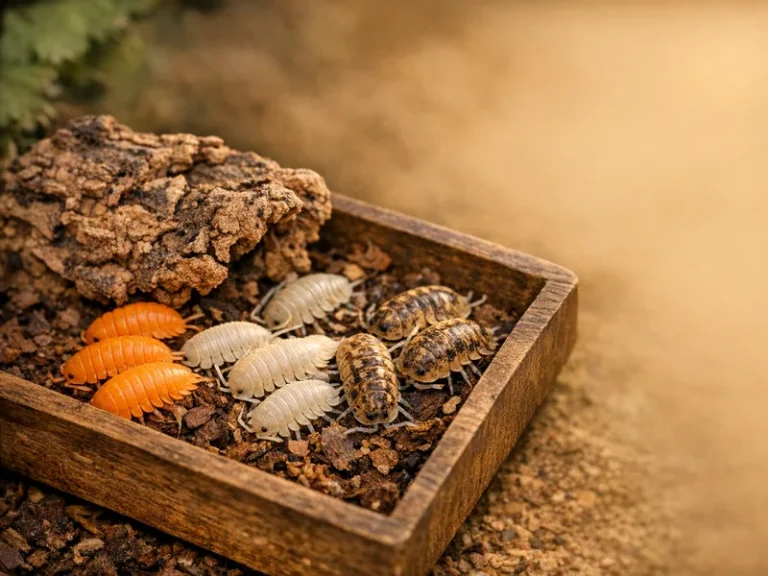
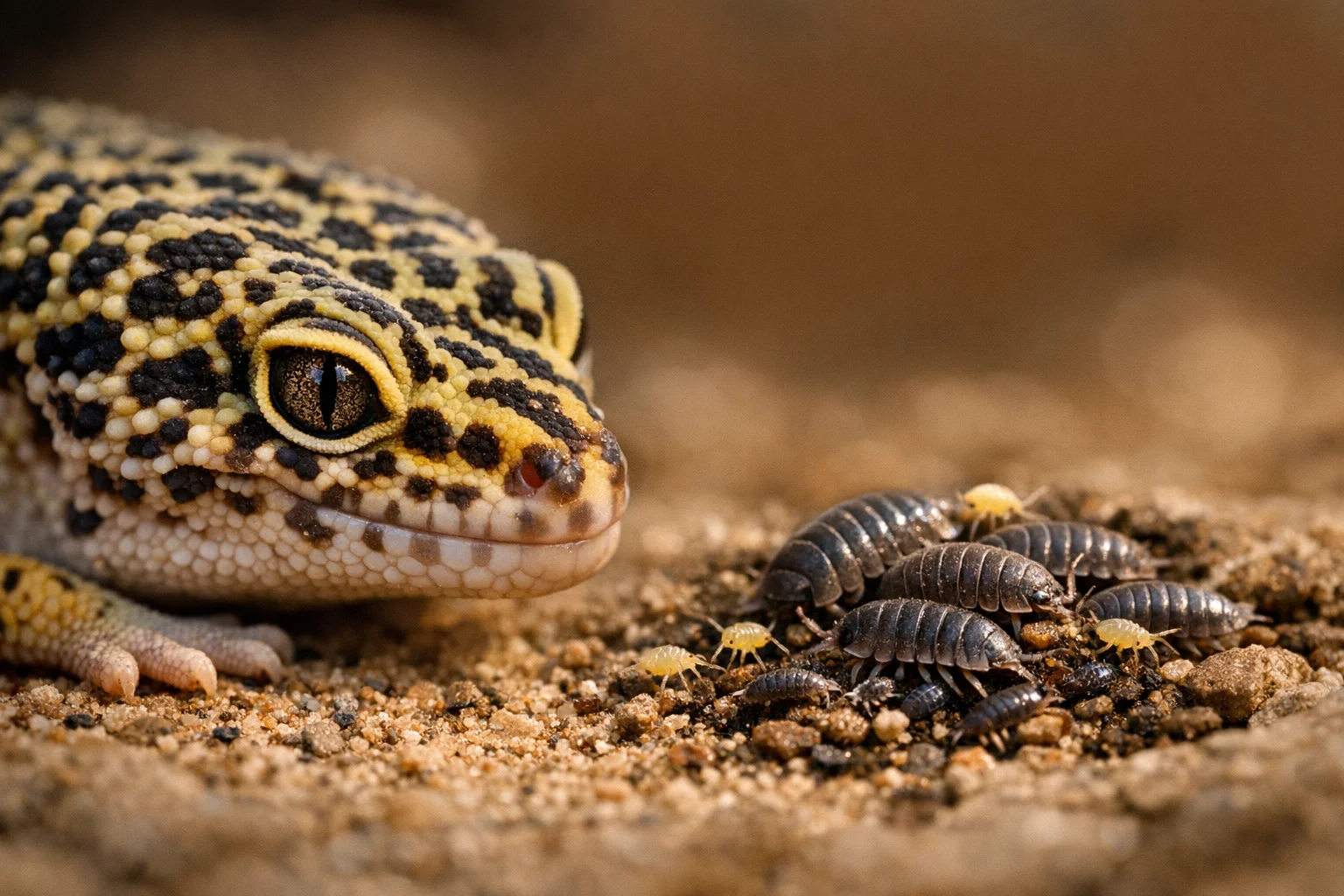
Porcellionides pruinosus: small, fast, arid-tolerant
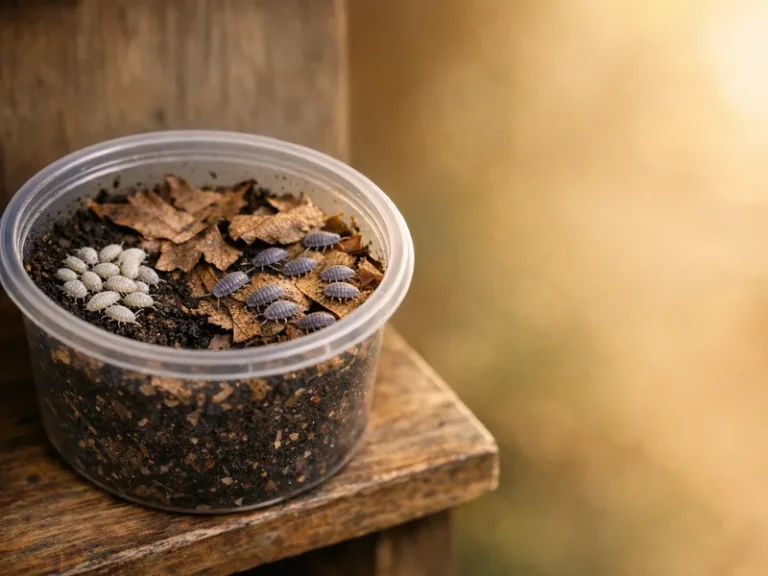
They handle the fine mold isopods leave behind
Seed the crew before the gecko moves in so it is booming
The Best Cleanup Crew for a Leopard Gecko
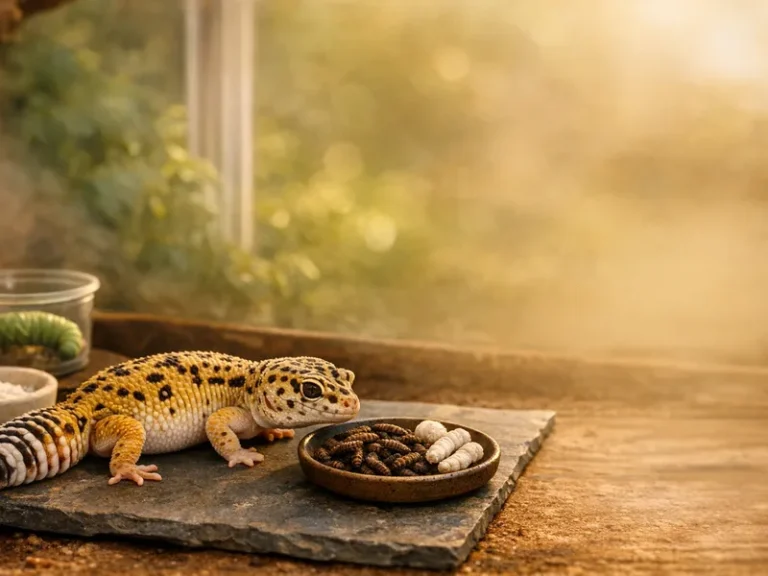
The best cleanup crew for a leopard gecko is Powder Blue or Powder Orange isopods (Porcellionides pruinosus) paired with springtails, because they are the small, fast, arid-tolerant crew that fits a leo's dry setup. Skip the generic "just add any isopods" advice: leopard geckos are small arid insectivores, so you want a species that thrives on a mostly dry substrate with one damp corner, and you want to avoid the big Dairy Cow that can pester a small gecko. Establish the crew a few weeks before your gecko moves in and it will handle waste and mold on its own.
Match the cleanup crew to an arid enclosure
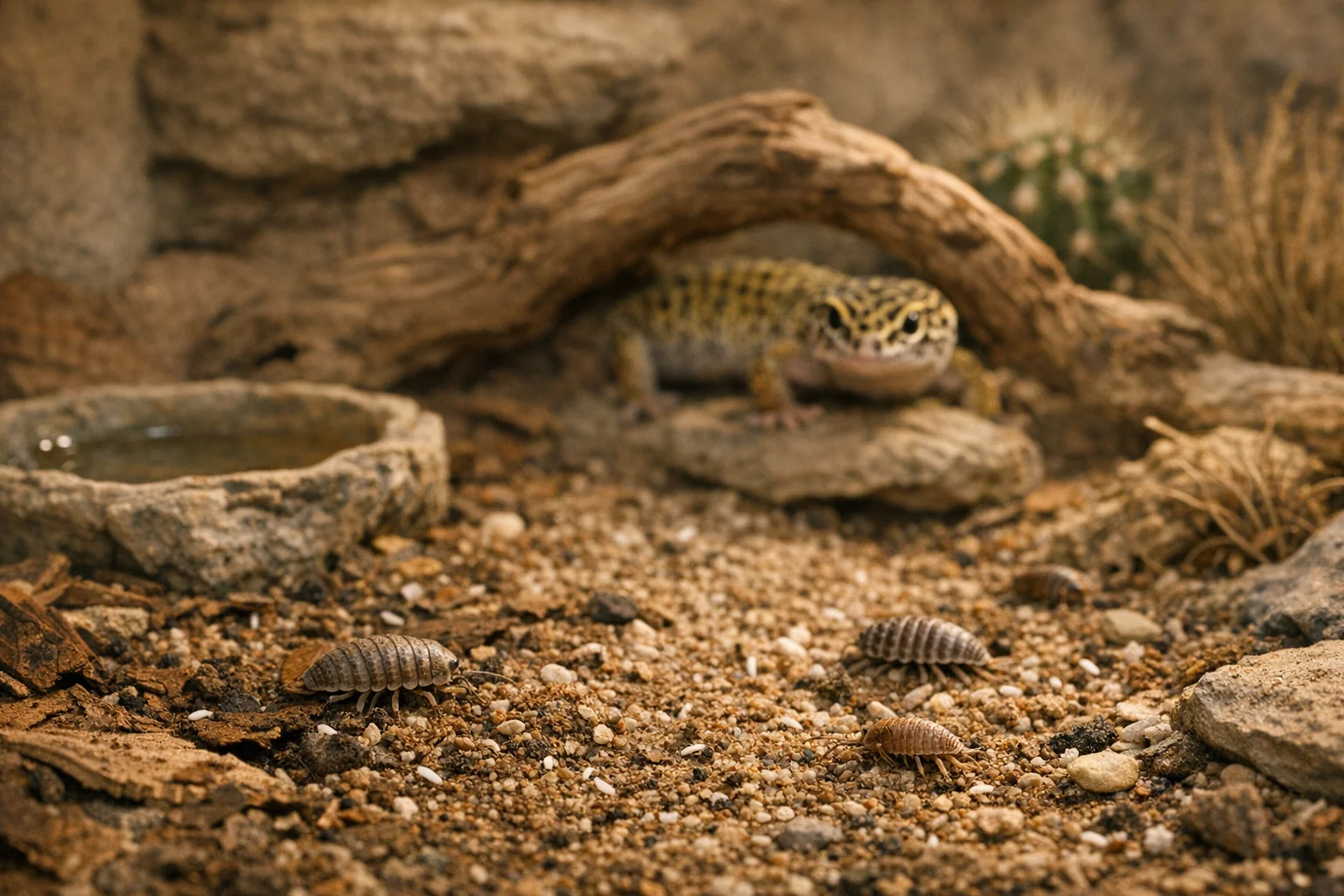
Pair Powder isopods with springtails, maintain a sheltered damp zone and establish the colony before your gecko moves in.
Why generic isopod advice fails a leopard gecko
Most cleanup crew advice says "add isopods and springtails" and stops there. That is fine for a humid dart frog vivarium, but a leopard gecko lives in a warm, dry, arid setup, and a lot of popular isopod species want a moist tropical enclosure to thrive. Drop a moisture-loving species into a leo tank and it either dies off or crowds into the one damp corner and never does its job.
The fix is to match the crew to the animal. A leo's enclosure is mostly dry substrate with a single humid hide or damp corner, so you want an isopod that tolerates arid conditions and a springtail culture that lives in that one moist zone. Get the species right and the crew is self-sustaining, get it wrong and you are just replacing dead bugs.
The right isopod: Powder Blue or Powder Orange
For a leopard gecko, reach for Powder Blue or Powder Orange isopods (Porcellionides pruinosus). They are small, they are fast movers, and they handle a drier substrate better than most beginner species, which is exactly what a leo setup provides. They breed quickly, so a starter colony builds into a working crew, and they are small enough that they stay out of the gecko's way and out of trouble. You can get them on our Powder isopods page.
The species to avoid here is the Dairy Cow (Porcellio laevis). Dairy Cows are large and protein-hungry, and in a low-protein enclosure that big appetite can turn into nipping or pestering a small or fragile animal. In a giant humid bioactive setup with a big robust reptile they are a fine cleanup species, but for a small arid gecko they are the wrong pick. Our isopod care guide lays out the size and temperament of each option so you can see why.
Always pair isopods with springtails
Isopods and springtails are partners, not a redundant purchase. Isopods break down the shed skin, waste, and leaf litter, but they leave a fine layer of mold and fungus that they do not touch. Springtails graze exactly that layer, which is what keeps the damp corner of a leo tank from going moldy. Run isopods alone and you will eventually see mold in the humid hide, run both and the system stays balanced.
For a leopard gecko, seed a springtail culture into the moist corner and the humid hide, where they will live and reproduce, and let the arid isopods roam the drier substrate. Our springtail cultures are sold as living, reproducing colonies, and our bioactive combos pair an isopod colony with a springtail culture matched to your climate so you get both halves in one order.
Build the arid gradient, then seed early
A leopard gecko cleanup crew works because the enclosure is set up right, not the other way around. Keep the enclosure mostly dry with a moisture-holding substrate underneath, add a layer of leaf litter for the isopods to eat and hide in, and keep one corner or the humid hide damp so the crew has water. That arid gradient with one wet zone is what lets an arid isopod and a moisture-loving springtail live in the same tank.
The single most important timing tip: establish the crew 4 to 8 weeks before your gecko moves in. A brand-new colony of 15 to 20 isopods is not going to keep up with a gecko's waste on day one. Seed it early, let it eat leaf litter and build numbers, and by the time your gecko arrives you have a booming crew that actually keeps the enclosure clean. Not sure how many to buy for your tank size? Our cleanup crew calculator gives you a number for your enclosure.
When a cleanup crew is not enough
Be honest about what a cleanup crew does and does not do. It processes waste, sheds, uneaten feeders, and mold, and it keeps a bioactive substrate alive. It does not replace spot-cleaning entirely, and it will not keep up if the enclosure is overloaded or too dry for the crew to survive. If your leo's substrate stays bone dry everywhere, the crew has nowhere to live and will die off.
It is also not a fix for a setup problem. If you are fighting persistent mold, the answer is usually more airflow and less standing moisture, not more bugs. Get the arid gradient and ventilation right first, seed the crew early, and it will do its job quietly for the life of the enclosure.
Frequently asked questions
What is the best cleanup crew for a leopard gecko?
Powder Blue or Powder Orange isopods (Porcellionides pruinosus) paired with springtails. They are small, fast, and tolerate the dry substrate of a leo setup, while the springtails handle the fine mold in the humid corner. Avoid large, moisture-loving species and the protein-hungry Dairy Cow.
Can I use Dairy Cow isopods in a leopard gecko tank?
It is not the pick we would make. Dairy Cows (Porcellio laevis) are large and protein-driven and have been known to nip or pester small, fragile animals in a low-protein enclosure. For a small arid gecko, the smaller, calmer Powder species is a safer, better-fitting choice.
Do I need springtails if I already have isopods?
Yes, they do different jobs. Isopods break down waste, sheds, and leaf litter but leave a fine layer of mold and fungus. Springtails graze that layer, which is what keeps the damp corner of a leo enclosure from molding. Run both for a balanced crew.
How long before my gecko moves in should I add the cleanup crew?
Establish the crew 4 to 8 weeks early. A fresh starter colony cannot keep up with a gecko's waste on day one, so seed it early, let it eat leaf litter and build numbers, and it will be a working, booming crew by the time your gecko arrives.
Will a cleanup crew hurt my leopard gecko?
The small arid species we recommend will not. They stay in the substrate, eat waste and mold, and are too small to bother a gecko. The one to avoid is the large Dairy Cow, which can pester small animals. A gecko may also eat a stray isopod, which is harmless.
How many isopods and springtails do I need for a leopard gecko tank?
It depends on enclosure size. A standard starter colony of 15 to 20 isopods plus one springtail culture seeds most leo tanks, but our cleanup crew calculator gives you a specific number for your enclosure dimensions.
Ready to Stock Up?
Have a care question? Ask our community.
Join Reptile Keepers USA, our free Facebook group for reptile, amphibian and invert keepers. Share your setups, get care help and swap feeder tips.
Join the free group