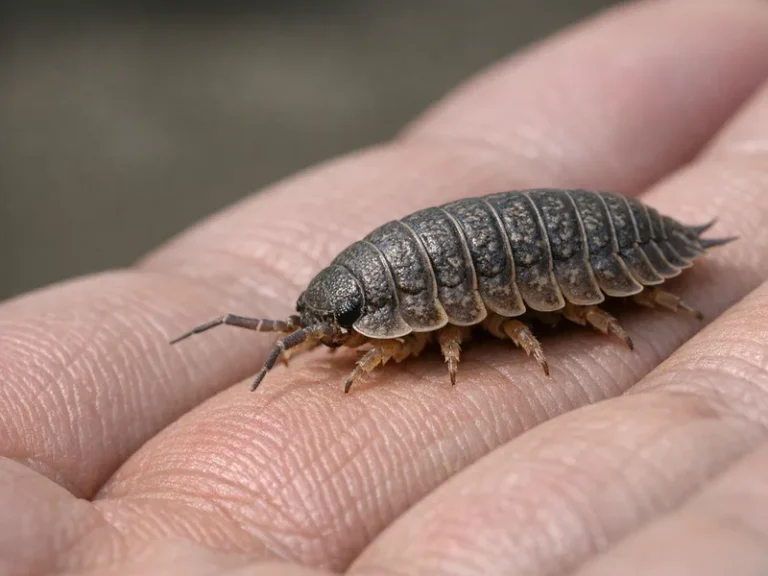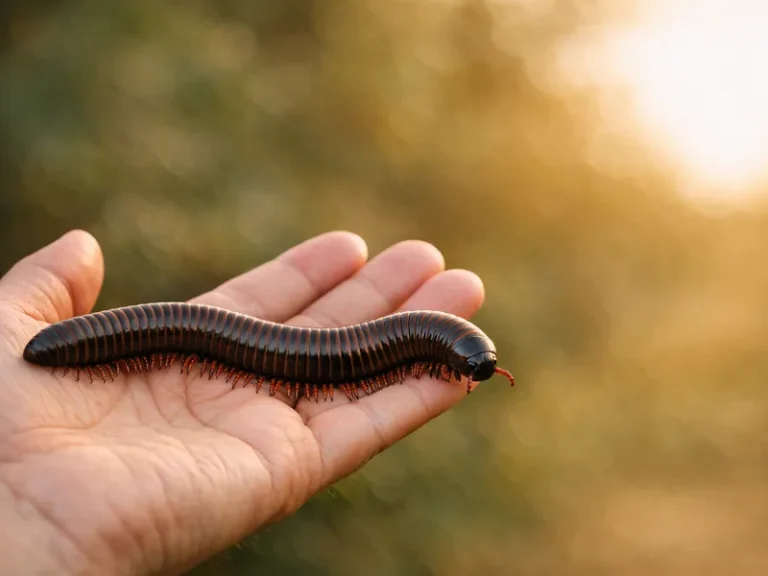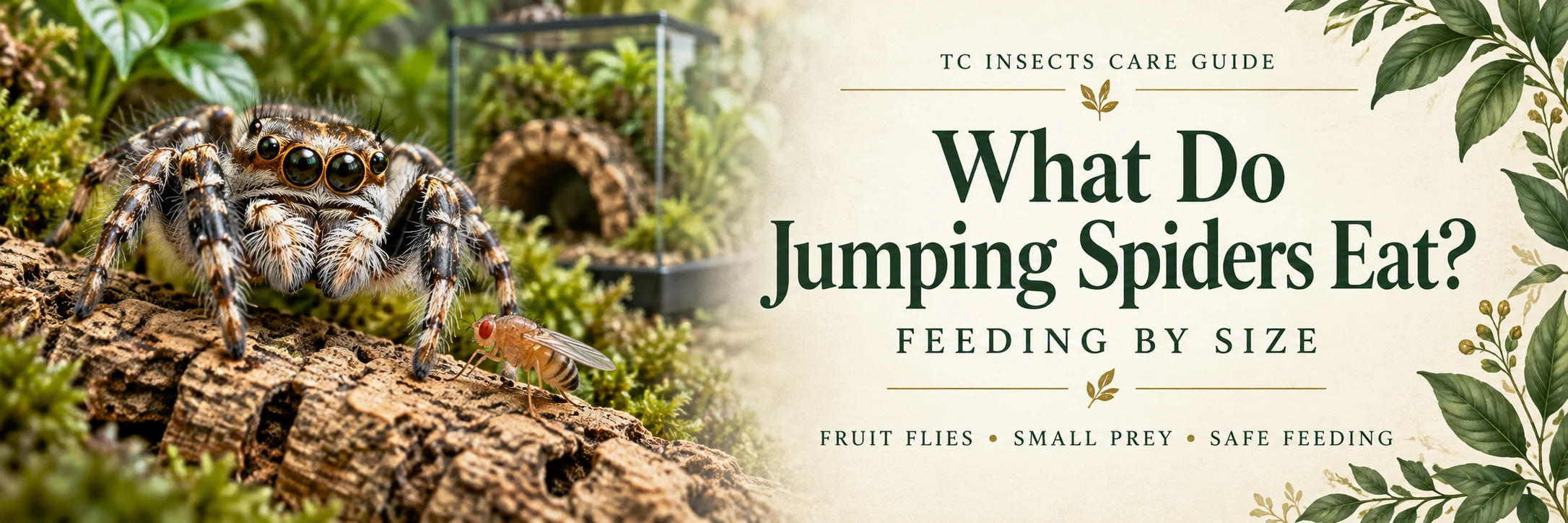
melanogaster, then hydei as they grow
a bigger, softer occasional meal
remove what it ignores
What Do Jumping Spiders Eat? Feeding by Size
Jumping spiders eat live, correctly sized insects, and the right prey is set by the spider's size: flightless fruit flies for slings and small juveniles, working up to an occasional small mealworm for a large adult. Feed one prey item every two to three days, remove anything uneaten, and never feed a spider that is about to molt. House one spider per enclosure, always.
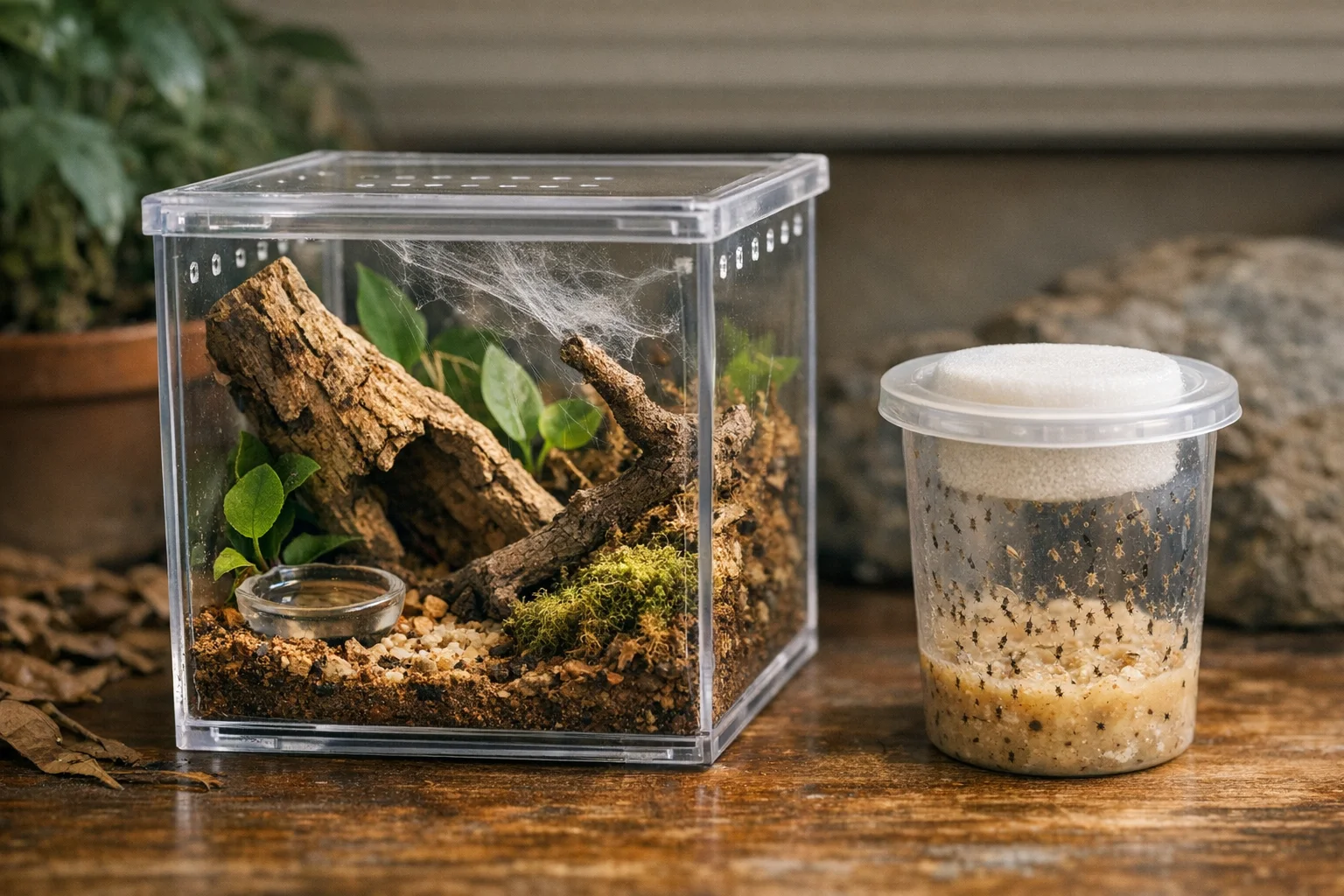
Match the feeder to your spider’s size
Flightless fruit flies suit slings and juveniles. Offer appropriately sized prey, remove uneaten feeders and leave molting spiders undisturbed.
Feed by Size: A Simple Chart
The single rule that keeps a jumper fed safely is to match prey to the spider's size. A rough size-to-prey guide: a tiny sling or spiderling takes flightless melanogaster fruit flies, a growing juvenile moves up to the larger hydei fruit fly, and a large adult, especially a female, can take a small soft feeder like a mealworm now and then. As a rule of thumb, offer prey no bigger than the spider's own body.
Getting size right matters more than variety at this scale. Too large a prey item can stress or even injure a small spider, while a correctly sized feeder gets eaten cleanly and keeps the enclosure tidy.
Flightless Fruit Flies for Slings and Juveniles
Flightless fruit flies are the everyday staple for slings and small adults. They are the right bite size, they cannot fly off, and a single producing culture keeps making feeders for weeks, so you always have food on hand for a spider that only eats a fly or two at a time.
Start the smallest slings on melanogaster, the smaller strain, and step up to the larger hydei fly as the spider grows. A producing culture is far more practical than buying prey one at a time for an animal this small.
A Small Mealworm for Larger Adults
As a jumper grows, a large adult female in particular can handle a bigger, softer meal such as a small mealworm now and then, as our jumping spider care guide notes. It makes a hearty change of pace from flies.
Be honest about size and only offer a feeder the spider can comfortably subdue. If a mealworm is not eaten fairly quickly, take it out, because a mealworm left loose can nibble at a resting or molting spider.
The Feeding Routine
Offer one prey item every two to three days, only as much as the spider will take. Jumping spiders eat less than people expect, and a well fed adult is fine on this pace. Remove anything the spider ignores so the enclosure stays clean and no loose feeder stresses your pet.
House one spider per enclosure, always. Jumpers are true hunters and will treat a tankmate as prey, so cohabbing is not an option. Keep them at normal room temperature, around 70 to 80 degrees F, with a light misting a couple of times a week for a droplet to drink.
Never Feed Around a Molt
Before a molt a jumping spider stops eating and seals itself into a thick silk retreat. This is normal and not a sign of illness, so do not disturb a spider that has webbed itself up, and do not leave live prey in the enclosure with it.
After the molt the new exoskeleton is soft, so give the spider a day or two to harden before you offer food again. The molting section of our jumping spider care guide walks through what to expect. If you keep one of your own, our jumping spiders ship alongside the flightless fruit flies they eat.
Frequently asked questions
What do jumping spiders eat?
Live, correctly sized insects. Flightless fruit flies are the everyday staple for most jumpers, and a large adult can take a small soft feeder such as a mealworm now and then. Match the prey to the spider's size and skip anything larger than its body.
What do I feed a jumping spiderling?
Flightless melanogaster fruit flies are the ideal first food. They are the right bite size and easy to keep as a producing culture, so you always have feeders on hand. Offer one every two to three days and remove anything it ignores.
How often should I feed my jumping spider?
Offer one prey item every two to three days, only as much as the spider will take, and pull anything left uneaten so the enclosure stays clean. Jumpers eat less than most people expect, so do not overfeed.
Can jumping spiders eat mealworms?
A large adult, especially a female, can take a small mealworm as an occasional meal. Be honest about size and only offer a feeder the spider can subdue, and remove a mealworm that is not eaten promptly so it cannot nibble a resting spider.
Should I feed my spider while it is molting?
No. A spider preparing to molt refuses food and seals into a silk retreat, so leave it undisturbed and remove any live prey. After the molt, wait a day or two for the new exoskeleton to harden before offering food again.
Can I keep two jumping spiders together?
No. Jumping spiders are true hunters and will treat a tankmate as prey, so they must be housed one spider per enclosure. Cohabbing almost always ends with one spider eating the other.
Ready to Stock Up?
Have a care question? Ask our community.
Join Reptile Keepers USA, our free Facebook group for reptile, amphibian and invert keepers. Share your setups, get care help and swap feeder tips.
Join the free group