Do Isopods Help or Hurt a Compost or Worm Bin?
Cardboard, dead leaves and woody stems that worms cannot process well on their own
Isopods are not predators and do not compete for the soft scraps worms eat
Hardy, fast breeding, and a compost bin has no live pet to worry about them nibbling
Small shredders for a healthy bin
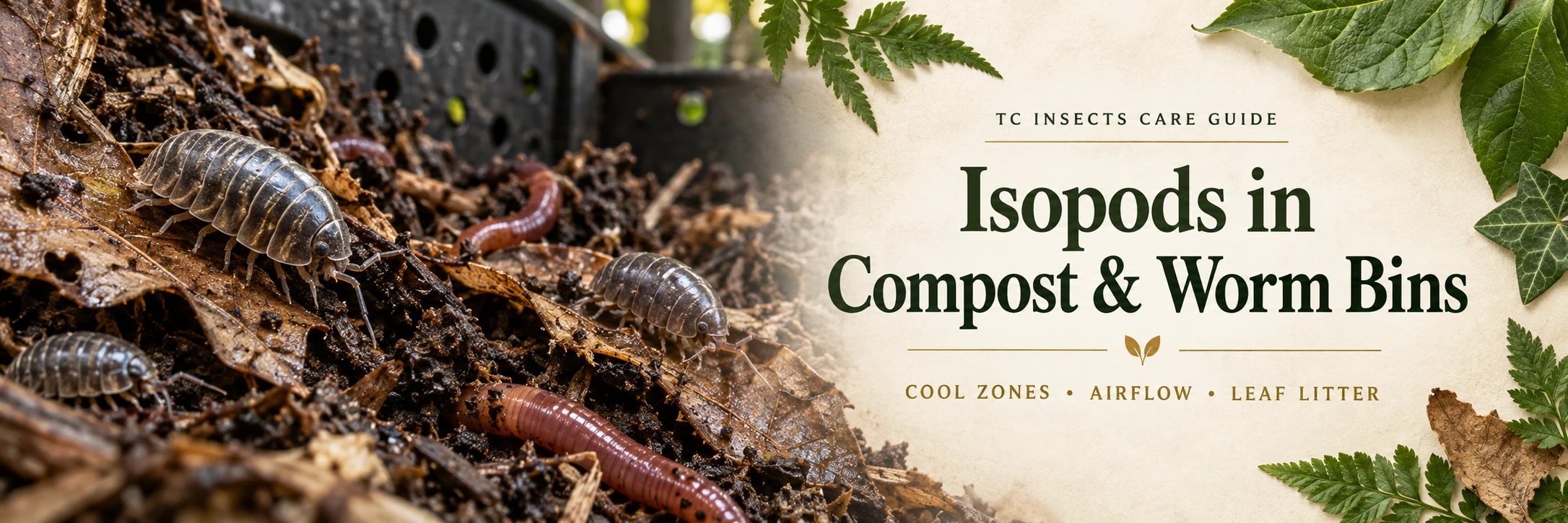
Isopods help a compost or worm bin rather than hurt it, because they shred tough material like cardboard, dead leaves, and woody stems that worms struggle to break down, and they do not eat worms or compete with them for the soft food scraps worms prefer. Add a crew to a struggling bin and you are speeding up the whole process, not creating a new problem.

Let isopods work the cool, airy edges
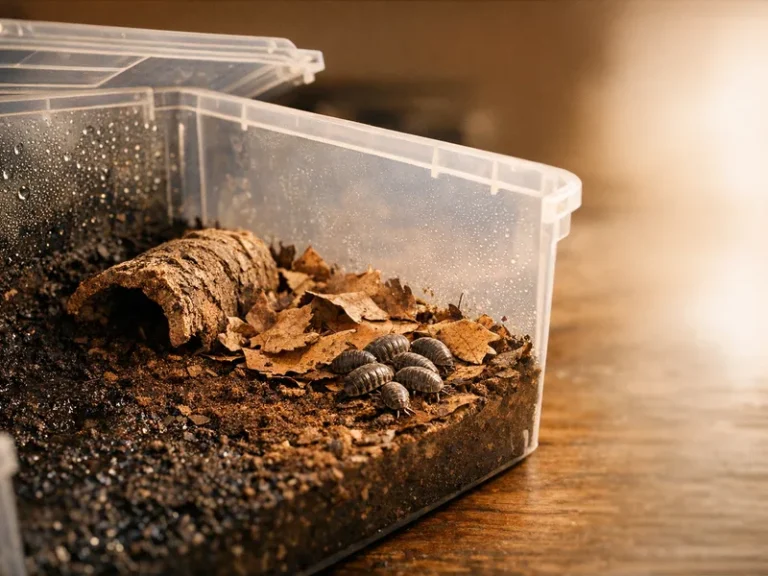
Isopods shred tough carbon in the cool zones of a compost or worm bin. Keep bedding damp, aerated, and out of the hot core.
What isopods actually do in a bin
Isopods are detritivores, so a compost or worm bin is exactly the kind of environment they are built for. They graze on tough, carbon heavy material like shredded cardboard, dry leaves, and small woody stems, breaking that material down into smaller pieces along with any fungus growing on it.
That pre-processing matters because it is the slow part of composting. Worms are built to work through soft, already broken down material fast, but they are not well suited to chew through a stiff piece of cardboard or bark on their own. Isopods fill that gap, working the tougher inputs down into something the rest of the bin can finish off.
Do isopods harm the worms?
No. Isopods and worms occupy different niches in the same bin rather than competing for the same job. Worms are built to process soft, wet organic matter, while isopods lean toward the drier, tougher material worms tend to avoid, so the two generally work side by side without conflict.
Isopods are not predators and have no reason to bother a worm. If you see fewer worms in a bin after adding isopods, the more likely explanation is a moisture or food balance issue in the bin itself, not the isopods causing harm directly.
Which species suit a compost or worm bin
Hardy, fast breeding species do best here. Powder Orange, Porcellionides pruinosus, is a strong pick, small, quick to establish, and tolerant of a drier bin than most other isopods. See our Powder Orange and Blue page for the full lineup.
Dairy Cow, Porcellio laevis, is a good fit too, and this is one of the few places we recommend it without hesitation. A compost or worm bin has no live pet inside it, which is exactly where a big, protein driven Porcellio belongs, unlike a bioactive tank housing a snail, gecko, or frog. Our Porcellio page covers Dairy Cow and the rest of that group.
Getting the moisture right
Isopods want drier pockets than worms typically like, so a bin that stays uniformly soggy end to end does not suit either animal well. Build in a moisture gradient, damper where the worms concentrate and a drier zone elsewhere, and both groups get what they need in the same container.
A bin that is one even swamp from corner to corner tends to push isopods toward the edges or out of the substrate entirely, looking for a drier spot that is not there. If you see your isopods clustering at the lid or walls instead of working through the material, that is usually a sign the whole bin needs to dry out a bit.
The honest limits
Isopods will not fix a bin that has gone anaerobic. If the material is compacted, waterlogged, and starting to smell sour instead of earthy, that is a ventilation and moisture problem that needs solving first, not something a cleanup crew can eat its way out of.
Cold weather slows them down too. An outdoor bin sitting in freezing temperatures will see isopod activity drop off along with the rest of the bin's biology, so do not expect much processing help from the crew until things warm back up. For more on setting up a bin they will actually thrive in, our isopod care guide for beginners and best leaf litter for isopods post cover the basics, and our isopod and springtail combos page has ready to add crews if you want to start bigger.
Keep reading: Grain Mites in Mealworm and Superworm Bran: How to Clear Them
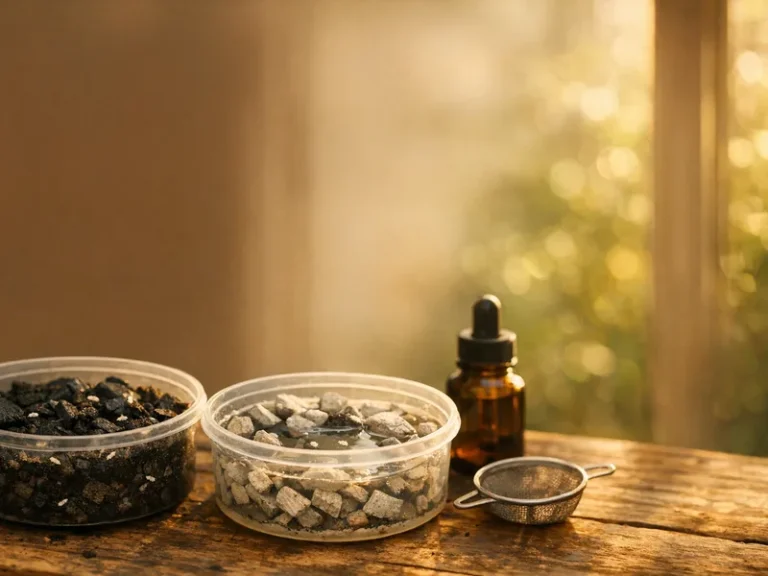
The Compost Booster Kit
Hardy isopods and the tough material they shred, ready for your bin.
Frequently asked questions
Do isopods help or hurt a compost bin?
They help. Isopods shred tough carbon material like cardboard and dry leaves that worms struggle to break down, and they do not eat worms or compete with them for food.
Will isopods eat my worms?
No. Isopods are detritivores, not predators, and have no reason to bother worms. The two animals work different jobs in the same bin without conflict.
What isopods are best for a compost or worm bin?
Powder Orange is a strong, fast breeding pick, and Dairy Cow works well too since a compost bin has no live pet inside it for a big, protein driven Porcellio to bother.
Can isopods live in a worm bin without extra care?
Mostly yes, but keep an eye on moisture. Isopods want drier pockets than worms prefer, so a bin that is soggy end to end does not suit either animal well.
Will isopods fix a smelly, anaerobic compost bin?
No. A sour smelling, waterlogged bin needs a ventilation and moisture fix first. Isopods speed up a healthy bin, they do not repair a badly broken one.
Do isopods slow down in a cold outdoor bin?
Yes. Isopod activity drops off in freezing temperatures along with the rest of the bin's biology, so expect less processing help from the crew until it warms back up.
Keep learning
Have a care question? Ask our community.
Join Reptile Keepers USA, our free Facebook group for reptile, amphibian and invert keepers. Share your setups, get care help and swap feeder tips.
Join the free group