
Animal Hub
The Complete Crested Gecko Hub: Care, Feeding and Health Guide
Updated September 2026 · By the TC INSECTS keeper team
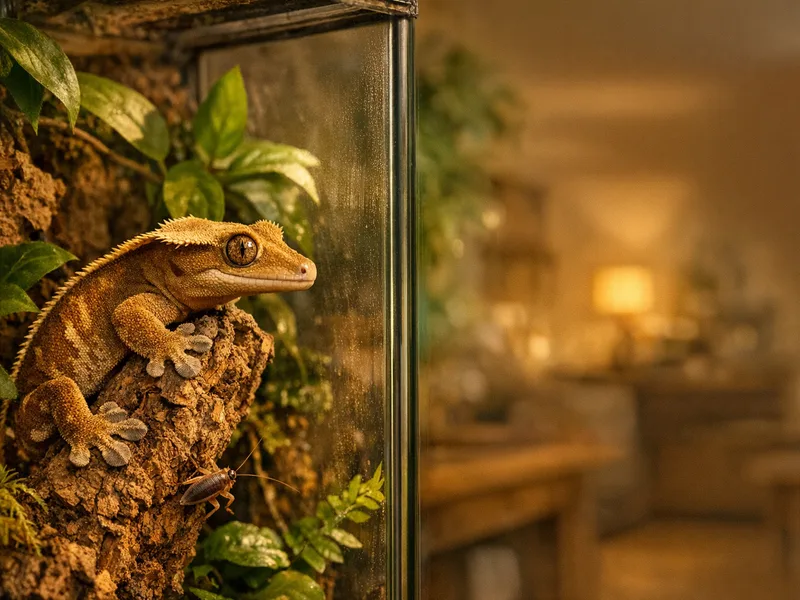
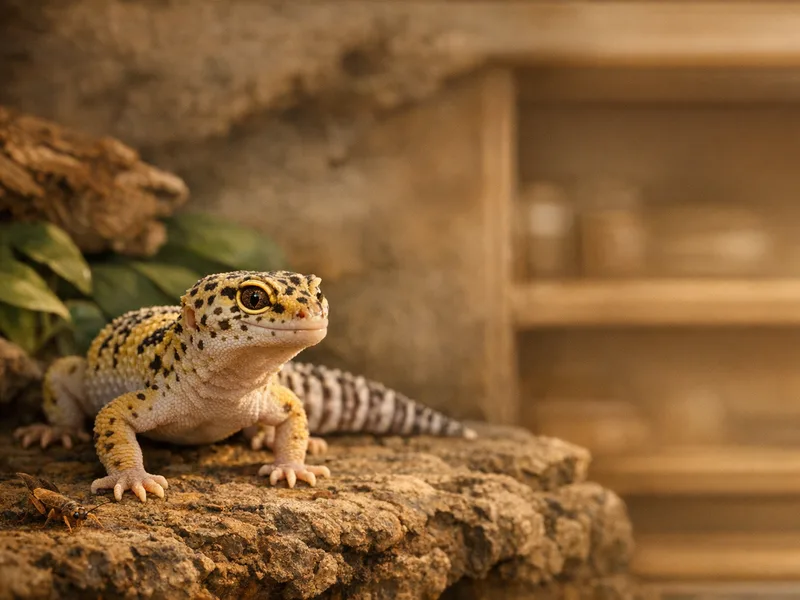
The crested gecko (Correlophus ciliatus) is a room-temperature, no-UVB beginner reptile that lives happily on a powdered diet, and every guide we have on keeping one well is gathered here. Start with the care sheet for the exact temperature ceiling and humidity cycle, then decide how much live food actually helps, build a small bioactive cleanup crew, and know the three shed danger spots before they become a problem. A head-to-head comparison is here too, for anyone still choosing between a crested gecko and a leopard gecko.
Adult sizeAbout 8 inches total
Lifespan15 to 20 years
DifficultyBeginner
Activitynocturnal
Habitatarboreal
Day temperature72 to 78 F
Humidity60 to 80 percent, cycling
UVBNot needed
Start Here
New to crested geckos? Read these in order.
1Still deciding? Compare it with a leopard geckoHeat, diet cost, space and handling compared side by side for two beginner geckos.2Read the full care sheetSets the 72 to 78°F range, the 82°F heat ceiling and the humidity cycle before move-in.3Decide how much live food to feedThe powdered diet covers nutrition alone; live insects are optional enrichment.4Build a small cleanup crewSeed Powder isopods, Dwarf Whites and springtails 4 to 6 weeks before move-in.5Know the shed danger spotsToes, eye caps and the tail tip each fail differently; act within 24 to 48 hours.
Feeding
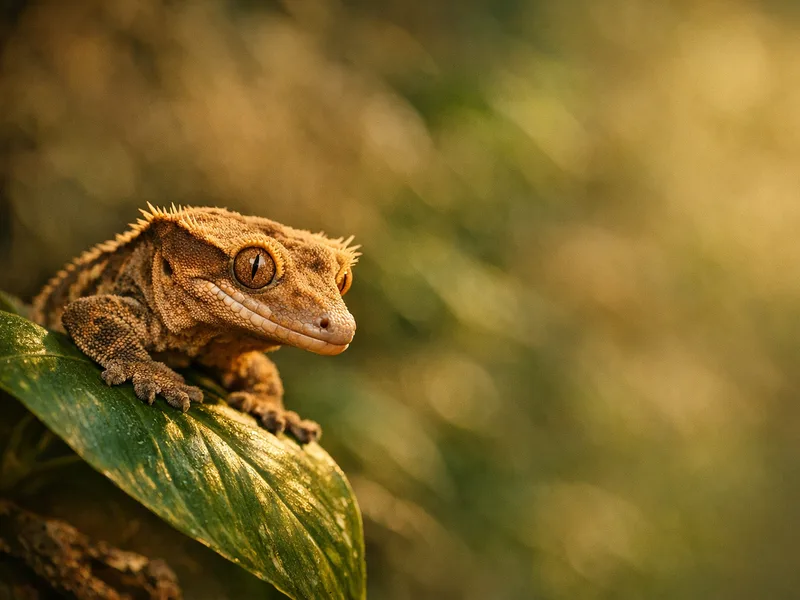 Do Cresties Need Live Insects at All?A complete powdered diet is nutritionally sufficient; what live insects actually add.Read the guide →
 Shop Feeders and Bioactive CombosLive dubia for enrichment plus a ready cleanup crew combo, shipped overnight.Read the guide →
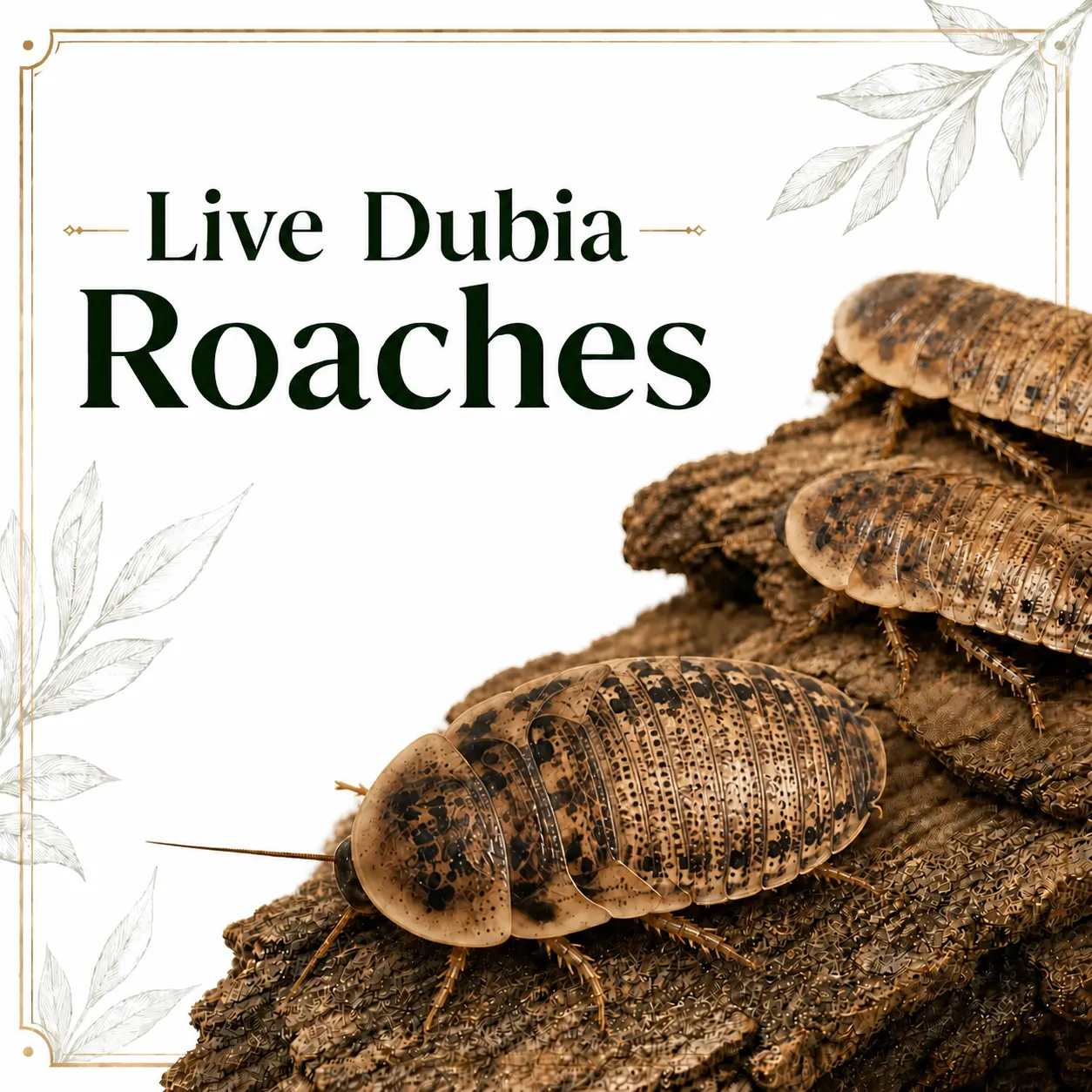 Dubia Roach Care SheetHow to keep dubia roaches alive and healthy between occasional feedings.Read the guide →
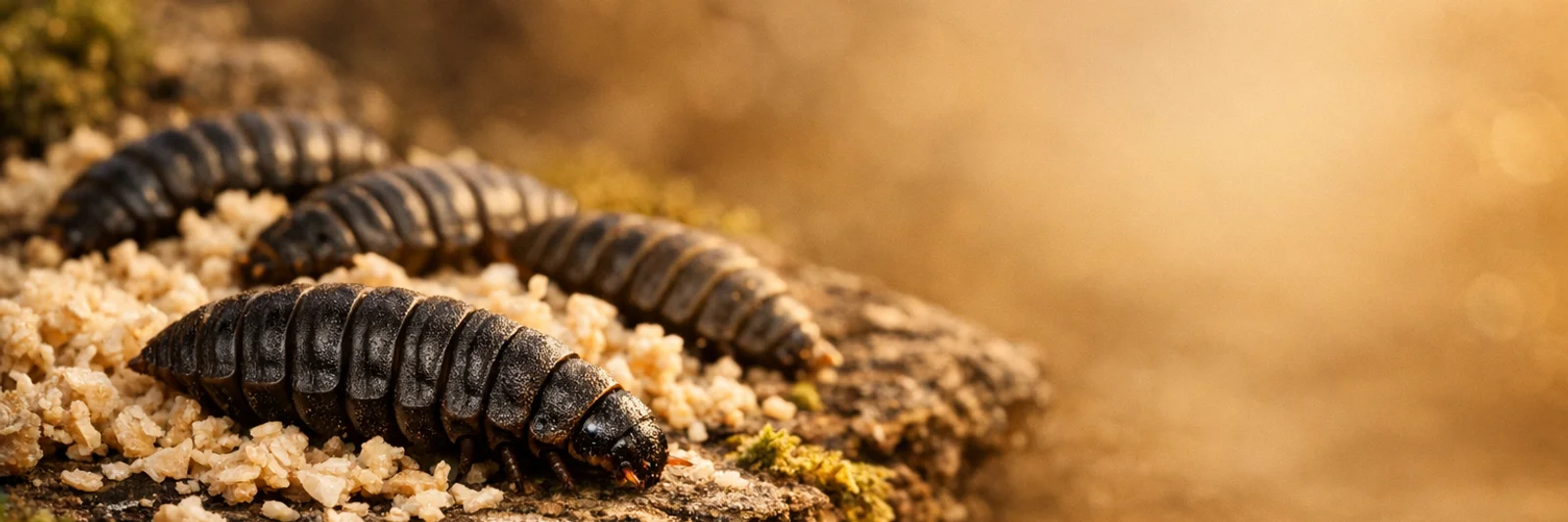 Black Soldier Fly Larvae Care SheetStoring and offering BSFL, the cleanest live top-up for an adult crestie.Read the guide →
 How to Care for MealwormsKeeping mealworms fresh for the occasional larger adult's feeding.Read the guide →
 Portion Size by Body WeightHow to size a rare insect feeding to a small gecko's actual weight.Read the guide →
 How Often to Order Feeder InsectsWhy a crestie's light feeding schedule means small, infrequent orders.Read the guide →
 Calcium Dusting Schedule by SpeciesAny live insect offered still needs a light dusting before feeding.Read the guide →
 Feeding Your Gecko While You TravelWhy a crestie's powdered diet makes travel feeding easy to cover.Read the guide →
Bioactive and cleanup crew
 The Best Cleanup Crew, Sized SmallPowder isopods and Dwarf Whites plus springtails, ratios for an 18x18x24.Read the guide →
 Best Isopods, Ranked HonestlyBuild a humid, planted bioactive and learn why springtails pair with it.Read the guide →
 Set Up a Bioactive Terrarium, Step by StepThe build order for a planted, humid enclosure before the crew goes in.Read the guide →
 Best Plants for a Bioactive TerrariumLive plants that hold up in a humid, climbing crested gecko enclosure.Read the guide →
 How Long Before Bioactive Is ReadyWhy the crew and plants need weeks to establish before move-in day.Read the guide →
Health and troubleshooting

Choosing and comparing
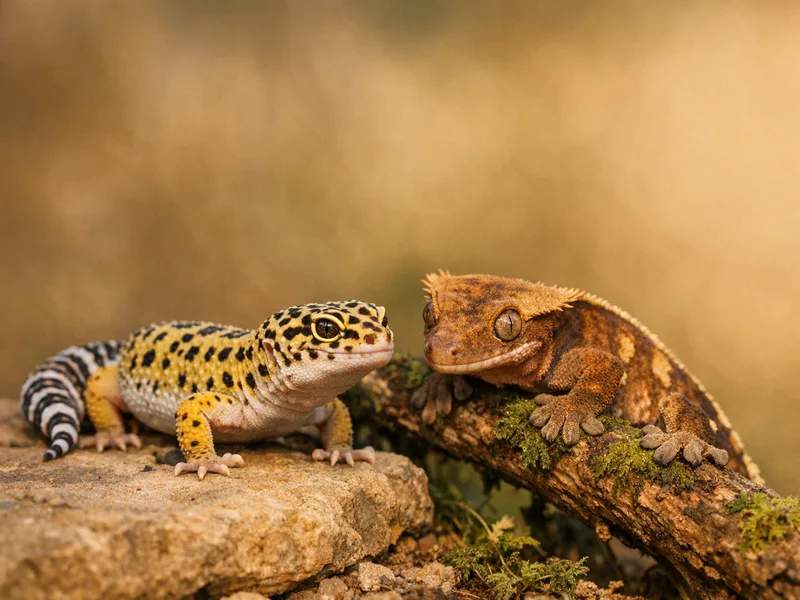
Buying, laws and sourcing
Build Your Kit
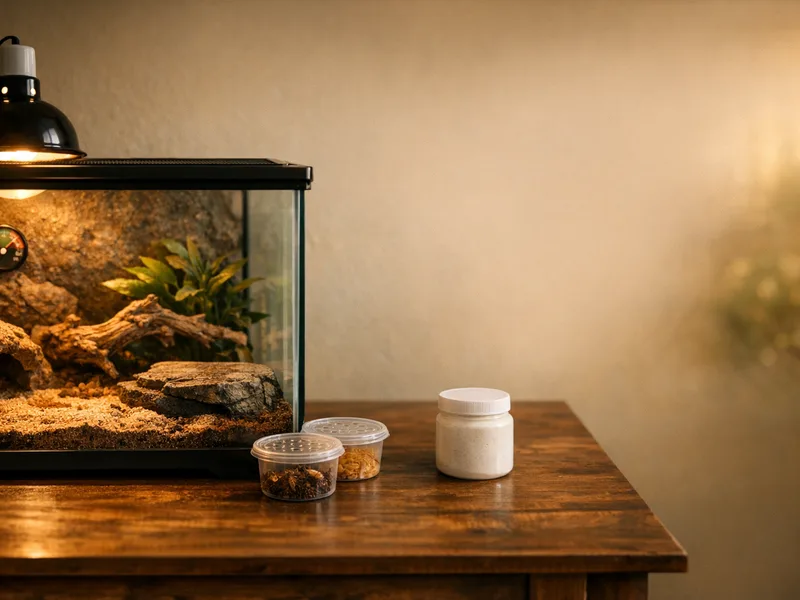
The Crested Gecko Feeder Kit
◆
The feeders we would stock for a crested gecko. Untick anything you already have.
Your kit: 0 items · $0.00
Live Arrival Guarantee ◆ Bred On Our Texas Farm
