Do Isopods Smell Bad?

The animals themselves do not produce a noticeable smell
An earthy smell is normal and means the bioactive cycle is working
Sour or ammonia smell comes from waterlogged or overfed substrate, not the isopods
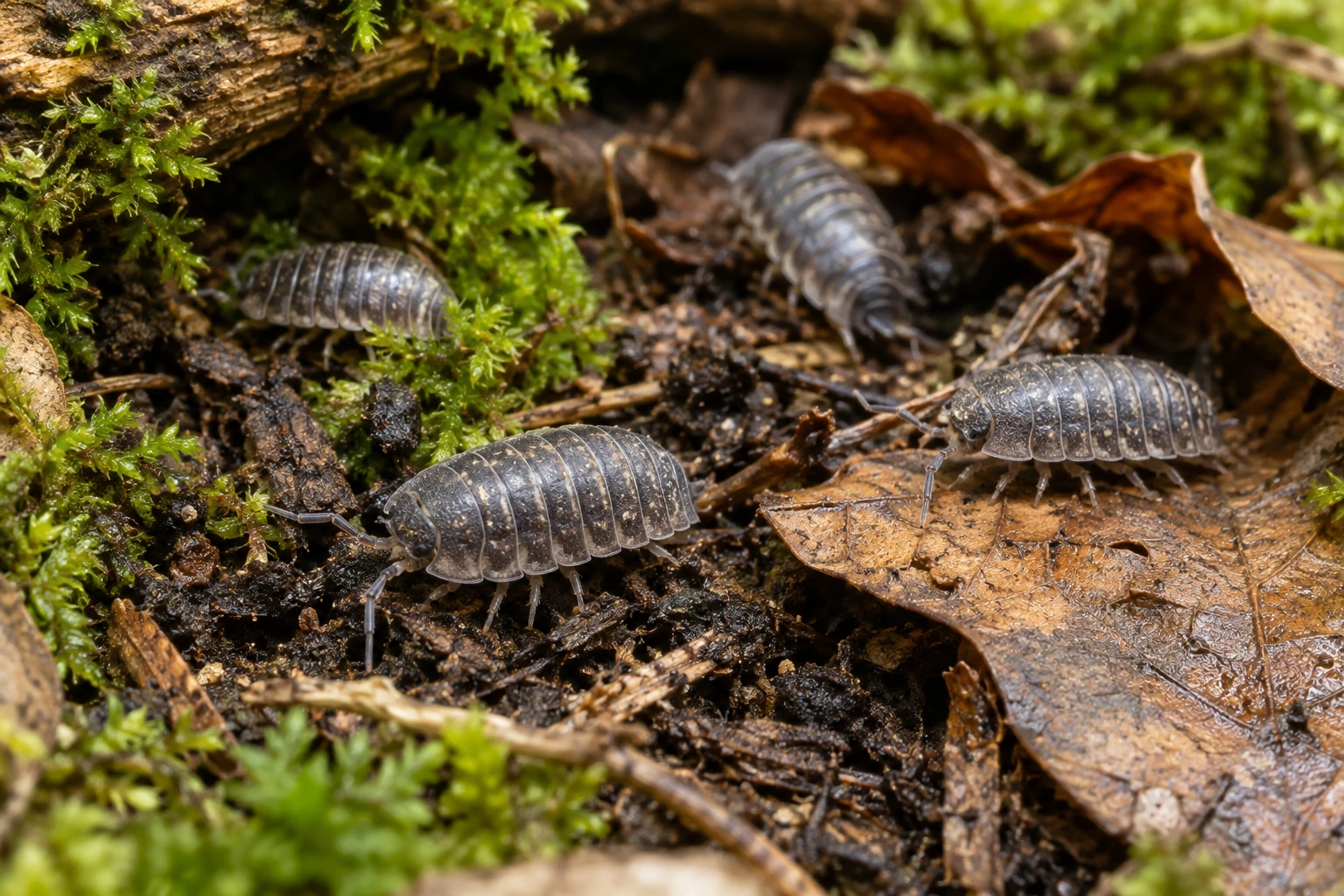
A healthy colony smells like forest soil
No, isopods themselves produce no noticeable odor, and a healthy colony actually reduces smell by breaking down waste before it has a chance to rot. A well-run bin smells like damp forest soil. Any sour or ammonia smell you notice means the substrate has gone anaerobic from too much moisture, not that the isopods themselves stink.
Balance airflow, food, and moisture
An earthy habitat is normal; a sour smell is a reason to check the substrate and feeding.
What a healthy bin actually smells like
Walk up to a well-run isopod bin and you should get a mild, earthy smell, close to damp forest soil, fresh potting mix, or a walk in the woods after rain. That is the smell of decomposition happening the way it is supposed to, with plenty of oxygen and a colony of isopods steadily working through leaf litter and waste.
That smell is subtle. You generally have to get close to the bin to notice it at all, and it should never reach across a room. If a bin is putting off a strong smell of any kind, something in the setup needs attention, it is not just what isopods smell like.
What causes a bad smell
Almost every bad-smelling isopod bin comes down to the same root problem: substrate that has gone anaerobic. That usually means it is waterlogged or compacted so air cannot reach the lower layers, which lets the wrong kind of bacteria take over and produce that sour or ammonia-like smell instead of a clean earthy one.
Overfeeding is the other common culprit, especially too much protein like fish flake or dried shrimp left sitting uneaten. Excess protein rots fast and smells strong well before an isopod colony can catch up to it. Poor ventilation and a buildup of dead plant matter or dead animals can add to the problem too.
How to fix a smelly bin
Start with airflow. Add or open up cross-ventilation so the bin can actually breathe, since trapped, stagnant air is a big part of what lets substrate go anaerobic in the first place. Then let the substrate dry back toward a proper moisture gradient, damp on one side and drier on the rest, rather than staying evenly soaked.
Pull out any excess protein or visibly moldy food, and top up with fresh leaf litter, which gives the colony more clean material to process. Adding a springtail culture helps too, since springtails graze the surface mold and fine waste that isopods are too big to reach. Our live springtails pair well with an isopod bin for exactly this reason.
Isopods compare well to other feeders
One more honest point worth making: isopods are about as low-odor as captive animals get. They do not produce waste the way many common feeder insects do, and a healthy isopod bin stays far cleaner-smelling than a bin of most other feeders you might compare it to.
That does not mean an isopod bin is maintenance-free, it just means smell is a signal something specific is off, usually moisture or overfeeding, rather than a normal cost of keeping them. If you are just getting started, our isopod care guide for beginners covers the setup basics that keep a bin smelling right from day one.
When to worry
A brief, mild earthy smell after adding fresh leaf litter or a light misting is completely normal and fades on its own. A smell that gets stronger over days, or that hits you with sourness or ammonia as soon as you lift the lid, means it is time to act rather than wait it out.
If you have fixed ventilation and moisture and the smell is still not improving, dig through the substrate for a buildup of dead food or a dead animal you may have missed, and consider a partial substrate change in the worst-affected section. If you are also seeing die-off alongside the smell, our post on why isopods are dying covers the other warning signs to check.
Keep reading: Do Bioactive Terrariums Need Cleaning: What the Crew Can't Do and What Does Isopod Poop Look Like?
Keep reading: Bioactive Tank Smells Like Ammonia? Sour, Rotten Egg or Bigger Problem
The Fresh Bin Kit
Springtails, fresh litter, and clean substrate to keep a bin smelling like forest floor.
Frequently asked questions
Do isopods smell bad?
No. Isopods themselves produce no noticeable odor and actually help reduce smell by breaking down waste. A healthy bin smells mildly earthy, like damp forest soil, not strong or unpleasant.
Why does my isopod bin smell bad?
A bad smell almost always means the substrate has gone anaerobic from being waterlogged, compacted, or overfed, especially with excess protein. Poor ventilation and buildup of dead matter can add to it too.
What does a healthy isopod bin smell like?
A healthy bin smells mild and earthy, similar to damp forest soil or fresh potting mix. You typically have to get close to the bin to notice it at all.
How do I get rid of a smell in my isopod bin?
Add cross-ventilation, let the substrate dry back to a proper moisture gradient, remove excess uneaten protein or moldy food, and add fresh leaf litter. Adding a springtail culture also helps clean up surface waste.
Do isopods smell worse than other feeder insects?
No, the opposite. Isopods produce far less odor than many other feeder insects since they process waste rather than add to it, which is part of why a well-run isopod bin stays close to odor-free.
Can overfeeding cause a bad smell in a bioactive bin?
Yes. Uneaten protein and produce rot quickly and turn sour well before a colony can process it. Feed lightly and remove any uneaten food after a day or two to keep the bin smelling clean.
Keep learning
Have a care question? Ask our community.
Join Reptile Keepers USA, our free Facebook group for reptile, amphibian and invert keepers. Share your setups, get care help and swap feeder tips.
Join the free group