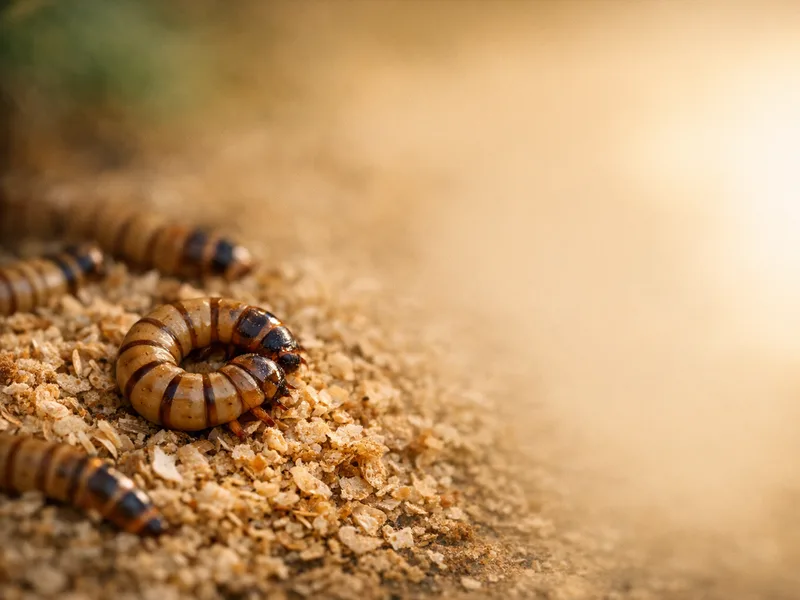
Superworm Beetle Care Sheet
Why it matters
Superworms do not reliably pupate while crowded with other larvae, so a breeding colony involves more than leaving a tub of worms alone. Once adults emerge, beetles need their own clean, ventilated space and a way to reproduce. This guide covers that adult stage, not the larval feeder cup that most customers buy.
Setup
House emerged beetles in a ventilated bin with dry bran or another suitable grain-based bedding and hiding surfaces.
Transfer fully hardened adults from isolation cups to a beetle bin. Give them hiding surface, a dry grain-based bedding, and a small removable dish for moisture food. Label the bin with its start date. When larvae appear, move them to a grow-out container so adults and larvae can be managed separately.
Everyday routine
Offer small portions of vegetable for moisture and replace them before they spoil. Keep beetles separate from isolated pupae and newly emerged adults.
What to check and common mistakes
Adult beetles are breeding stock, not the same feeder as a superworm larva. Watch for damp bedding, mold, and crowding as the colony grows.
If bedding smells sour or clumps, remove wet food and replace affected material. If no larvae appear, review the full breeding guide for isolation, adult numbers, and time; do not respond by soaking the bin.
A beetle-stage breeding routine
Adult superworm beetles are colony breeders, not simply oversized feeder worms. Give them a separate ventilated container with dry bedding, food, and a removable moisture source. Provide hiding material so the beetles can spread out. Move adults to a fresh laying bin on a regular schedule; the earlier bin can then be watched for tiny larvae without adults continually disturbing the same space.
Keep notes on the date each breeding bin was started and when larvae first appear. That record helps distinguish a slow colony from one that has stopped producing. Remove moldy food and dead beetles promptly, but avoid over-cleaning a bin that contains nearly invisible hatchlings. The larval stage and beetle stage need different handling, so do not treat one mixed tub as a predictable source of feeders.
Keep learning
Use the related guide for full species or product details. Check current store availability before ordering.
Have a care question? Ask our community.
Join Reptile Keepers USA, our free Facebook group for reptile, amphibian and invert keepers. Share your setups, get care help and swap feeder tips.
Join the free group