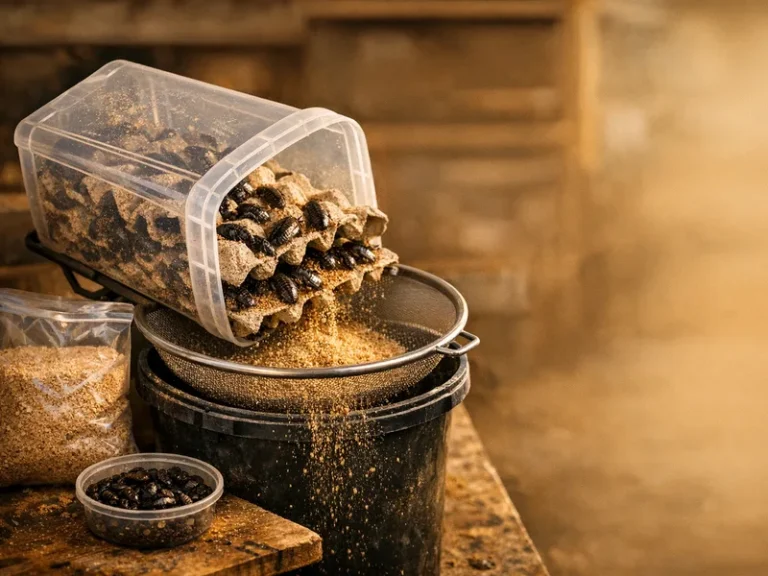
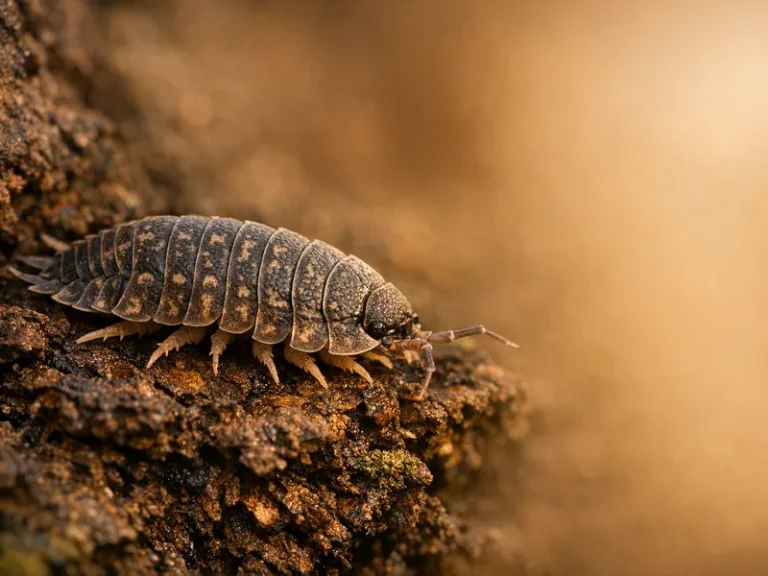
Yes, you can be allergic to feeder roaches, and it is more than a hobby myth. Cockroach allergens are one of the most studied triggers in allergy medicine, and in 2021 doctors published the first confirmed case of an allergy to Blaptica dubia, the common dubia roach, in a home breeder. This is a handling and housing issue, not a reason to quit the hobby. Better ventilation, gloves for direct handling, and buying feeders in batches you will use soon instead of running a huge indoor colony all cut your exposure. Here is what actually causes a roach allergy and the changes that help most.
Published case report of a Blaptica dubia allergy in a home breeder
Cockroach allergens are well documented in droppings, saliva, and shed skin
Good ventilation is the top step for anyone handling roaches directly
Can You Actually Be Allergic to a Feeder Roach?
Yes. Cockroach allergens are among the most researched triggers in allergy and asthma medicine, and decades of research on pest species like German and American cockroaches show that proteins in their droppings, saliva, egg cases, and shed skins can sensitize the people around them. Feeder roaches kept in the pet trade, such as dubia and red runners (Blatta lateralis), are the same basic animal, so there is no reason to expect them to be allergen free just because they are bred for reptiles instead of found in a kitchen.
For years that risk was mostly theoretical for feeder roach keepers specifically, since almost all of the research was done on wild infestations, not home colonies. That changed in 2021, when doctors published the first confirmed case of a dubia roach allergy in a medical journal, giving keepers a real, documented example instead of just a general worry borrowed from pest control research.
The 2021 Dubia Roach Case, Explained
The patient was a woman who had been breeding dubia roaches at home for several years to sell to pet shops. She developed progressively worse wheezing, coughing, shortness of breath, and nasal congestion around her colony, along with a raised, itchy rash where a roach had crawled across her skin. Allergy testing confirmed a genuine sensitization, not just irritation.
One detail matters for prevention. Her skin testing came back positive specifically to proteins from the roaches' internal organs, not to their cast skins or droppings. That points to direct contact with crushed or handled roaches as a real exposure route, on top of the airborne dust that droppings and shed skin are already known to cause in general cockroach allergy research. Gloves, in other words, are not just about dirt. They are a real allergen barrier too.
What This Means If You Keep Dubia or Red Runners
This is still one documented case, not a sign that every roach keeper will react. Most people handle feeder colonies for years without a problem. But cockroach allergens are cumulative. Repeated exposure over months or years is how sensitization tends to build, in a home colony as much as in a run down apartment, so the risk is worth managing early rather than after symptoms start. Watch for wheezing, a persistent cough, nasal congestion, or a skin rash that shows up specifically around feeding or cleaning time.
Red runners have not appeared in a published allergy case yet, but they are the same class of animal, cockroaches, with the same kinds of frass, shed skins, and body proteins, so the same precautions below apply to a red runner colony just as much as a dubia one. See our red runner versus dubia comparison for the other husbandry differences between the two. If you already have breathing or skin symptoms you think are connected to your roach room, that is worth a conversation with a doctor rather than something to guess about on your own.
Lower Your Exposure: What Actually Helps
Ventilation is the single biggest lever. Insect handling guidance from university safety programs consistently points to good airflow, and ideally a dedicated, well vented space, as the top way to keep allergenic dust from building up around a colony. A roach bin or room that traps stale, humid air concentrates frass and shed skin particles right where you breathe, so cross ventilation matters as much for you as it does for keeping the colony itself healthy.
Gloves matter for direct contact, and a simple dust mask helps with airborne particles, especially when you are scooping frass, sifting old egg crate, or cleaning out a bin, the tasks that stir the most dust into the air. Keep the colony out of your bedroom or another room you spend hours in with the door closed, since constant low level exposure while you sleep is worse than a short daily cleaning session. Wash your hands after handling roaches the same way you would after any live animal or soil.
Buy What You Need Instead of Running a Giant Colony
The single easiest change for a casual keeper is this: order feeder roaches sized to what you will use in the next few weeks, instead of maintaining a large breeding colony indoors year round. Fewer roaches means less frass, fewer shed skins, and less handling overall, which is exactly the exposure this guide is about reducing. You can shop live dubia roaches or order red runners again the next time you need more.
If you do want to breed your own, a dry feed cuts down on one more source of mess. Rotting produce left in a bin breeds mold and odor on top of the frass and shed skin you are already managing, so a dry gutload with only small, quickly removed amounts of fresh vegetable keeps a colony cleaner overall. Our guide on storing dubia roaches long term covers bin setup in more depth, and if smell rather than allergy is your main concern, see do dubia roaches smell.
Keep reading: Cuban Burrowing Roach Care: The Pet Roach That Guards Its Young
The Low Exposure Feeder Kit
Order dubia and red runners sized for one feeding cycle, not a big colony to maintain indoors.
Frequently Asked Questions
Written by the TC INSECTS breeding team · Porter, Texas · Live Arrival Guarantee on every order
Have a care question? Ask our community.
Join Reptile Keepers USA, our free Facebook group for reptile, amphibian and invert keepers. Share your setups, get care help and swap feeder tips.
Join the free group