Red Runner Roaches vs Dubia

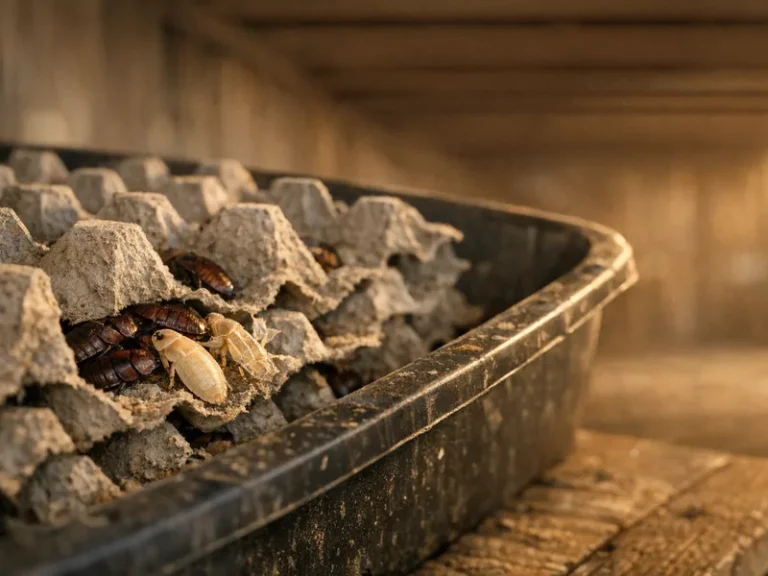
Dubia roaches (Blaptica dubia) are the calmer pick: slow, unable to climb smooth surfaces, and a big meaty staple that is hard to beat for easy containment. Red runners (Blatta lateralis) are the faster, higher-protein pick: quick, able to climb glass and plastic, and often better at triggering a feeding response from a picky or highly active hunter. Neither feeder is objectively better, the right one depends on your pet's temperament and how much escape-proofing you are willing to do, and TC Insects stocks both, so this is a genuine either-or, not a sales pitch for one over the other. Below is the honest containment trade-off, the nutrition difference, and which pet fits which roach, plus our full breakdown of BSFL vs mealworms if roaches are not your only feeder question today.
Red runners can climb smooth surfaces and squeeze through small gaps
Faster, more erratic movement often triggers a stronger feeding response
Calm and contained (dubia) vs fast and active (red runners)
The honest answer: it depends on containment and temperament
If you want the lowest-maintenance staple feeder, dubia roaches are the easier choice, full stop. They cannot climb smooth glass or plastic, they move slowly, and a dubia bin left with a slightly loose lid is far less likely to become an escape story than the same lid on a red runner bin. That single trait, the inability to climb, is why so many keepers default to dubia as a first roach.
Red runners earn their spot for a different reason: speed and reaction. They are quick, genuinely athletic roaches that can climb glass, plastic, and even some textured surfaces, and that same energy is exactly what triggers a strong feeding response from an active hunter that ignores a slow-moving dubia. If your pet is a picky, high-drive hunter and your enclosure is escape-proof, red runners are worth the extra care.
Containment: the trade-off you cannot ignore
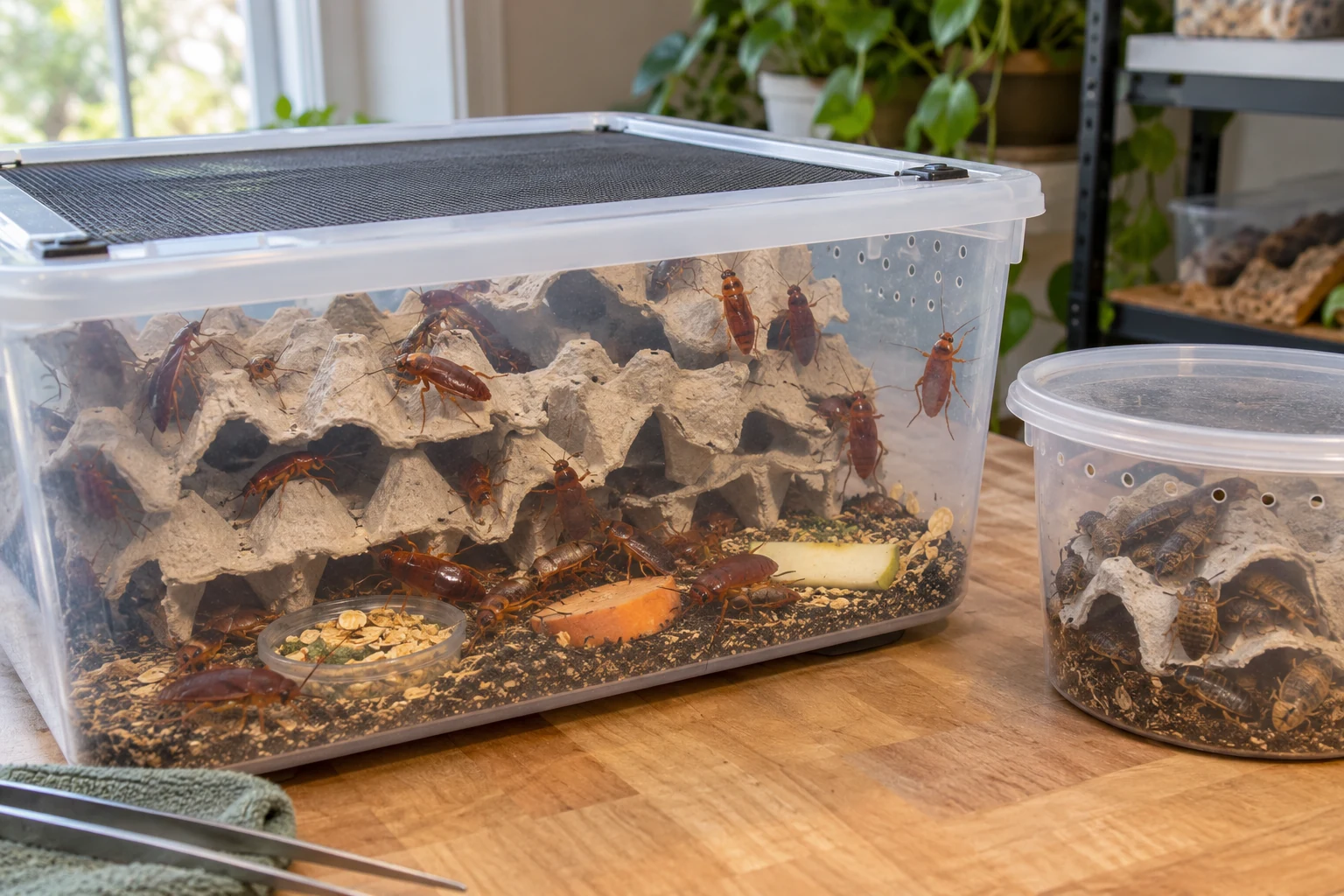
This is the part we will not sugarcoat. Dubia are about as escape-proof as a feeder roach gets, they cannot climb smooth vertical surfaces, so a secure lid on a smooth-walled bin is genuinely enough. Red runners are a different commitment: they can climb glass and many plastics, squeeze through surprisingly small gaps, and a red runner colony that gets loose in a house can be a real nuisance, not just an inconvenience.
None of that means red runners are a bad choice, plenty of keepers run them without incident, but it does mean you need a bin with a snug or locking lid, ideally with a climb-proof barrier such as diatomaceous earth or a thin layer of petroleum jelly near the rim, and a habit of checking the seal every time you feed. Worried about odor in either bin? Our dubia odor guide covers the simple ventilation and cleaning routine that keeps a colony scent-free, and the same principles apply to red runners.

Nutrition and feeding response
Both roaches are solid, meaty staples, but they are not nutritionally identical. Red runners are commonly reported as leaner and higher in protein than dubia, and their faster, more erratic movement does a better job of triggering a feeding response in reptiles and inverts that are wired to chase, including some picky monitors, tegus, and larger active lizards. Dubia are still an excellent protein source, just a calmer, meatier feeder rather than a lean, fast one.
The practical difference shows up most with picky eaters. A gecko or snake that turns its nose up at a dubia ambling across the substrate will often snap at a red runner within seconds, purely because of the movement. If feeding response has been your actual problem, not nutrition, switching feeders can matter more than switching supplements.
Size and handling
Dubia are sold across a wide size run, from pinhead-small nymphs to jumbo retired breeders, which makes size-matching to almost any reptile straightforward. Red runners run smaller overall and breed fast, so a red runner colony tends to produce a steady stream of appropriately small feeders for geckos, smaller lizards, and other pets that want a smaller prey size most of the time.
Both roaches are easy to gut-load and both hold up well in a simple bin setup with egg crate, a shallow water source, and a protein and produce-based diet. The real handling difference is the lid, not the daily care, which is exactly why containment keeps coming up as the deciding factor in this comparison.
Which pet fits which roach
For most bearded dragons, leopard geckos, crested geckos, and other calm-to-moderate feeders, dubia are the easier, lower-risk staple, and there is rarely a strong reason to switch. For active hunters, picky eaters that ignore slow feeders, or keepers of larger, high-drive lizards and tegus, red runners are worth the extra containment effort for the feeding response alone.
Plenty of experienced keepers simply run both: dubia as the reliable daily staple, red runners in rotation for variety and for picky-eater days. If you keep more than one reptile with different temperaments, that mixed approach often solves the whole debate without forcing a single winner.
Bottom line
Pick dubia if you want the lowest-maintenance, most escape-proof staple roach, especially for a first colony or a calmer pet. Pick red runners if your pet is an active hunter that needs the extra motion to eat well, and you are willing to run a genuinely secure, climb-proof bin.
Either roach is a legitimate long-term staple, this is a real either-or, not a right-answer-wrong-answer situation, and we sell both because keepers genuinely need both. If you are building out a full feeder rotation, our feeder insect mix packs pair roaches with other staples like BSFL and hornworms in one order.
Both Roaches, Ready to Ship
Calm and contained, or fast and athletic: stock the staple that matches your reptile's temperament.
Frequently Asked Questions
Written by the TC INSECTS breeding team · Porter, Texas · Live Arrival Guarantee on every order
Have a care question? Ask our community.
Join Reptile Keepers USA, our free Facebook group for reptile, amphibian and invert keepers. Share your setups, get care help and swap feeder tips.
Join the free group