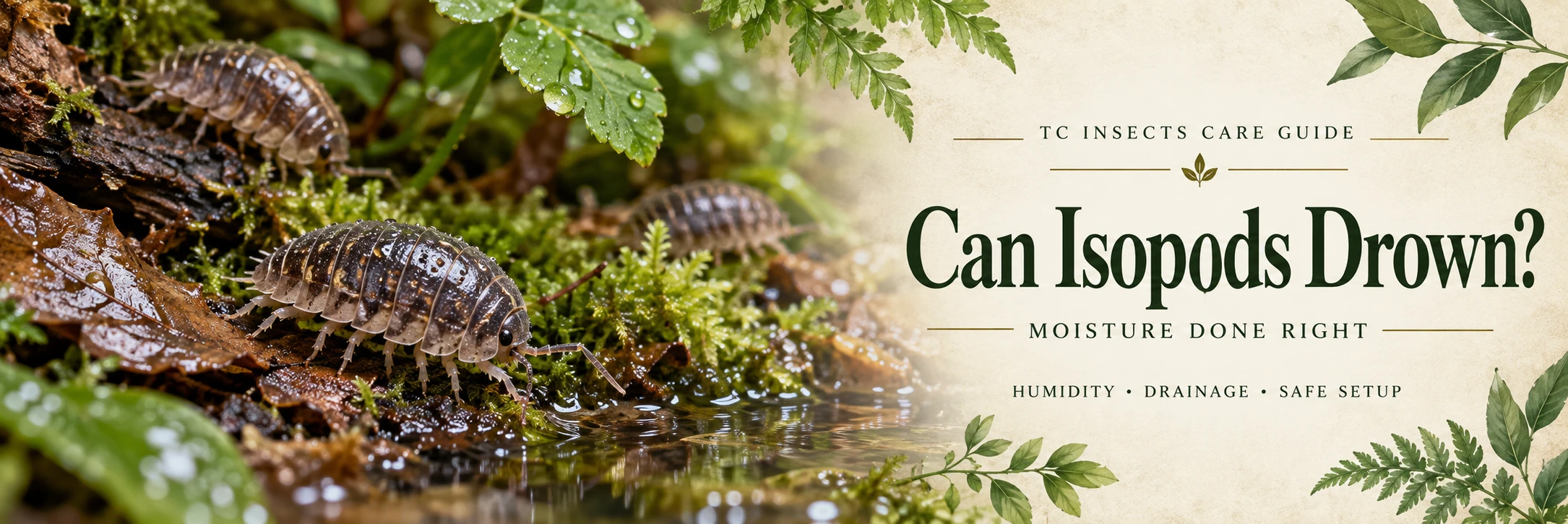
Can Isopods Drown?
Gill-like structures under the body that pull oxygen from humid air, not from water
Waterlogged substrate or a deep, smooth-sided dish can trap and drown an isopod
Damp on one side of the bin, dry on the other, never a full swamp
Humidity helps; standing water does not
Yes, terrestrial isopods can drown. Even though they need humidity to survive, they breathe air through gill-like pleopodal lungs, not through gills built for submersion, so a flooded bin or a deep, smooth-sided water dish is a real and preventable risk, not a myth.
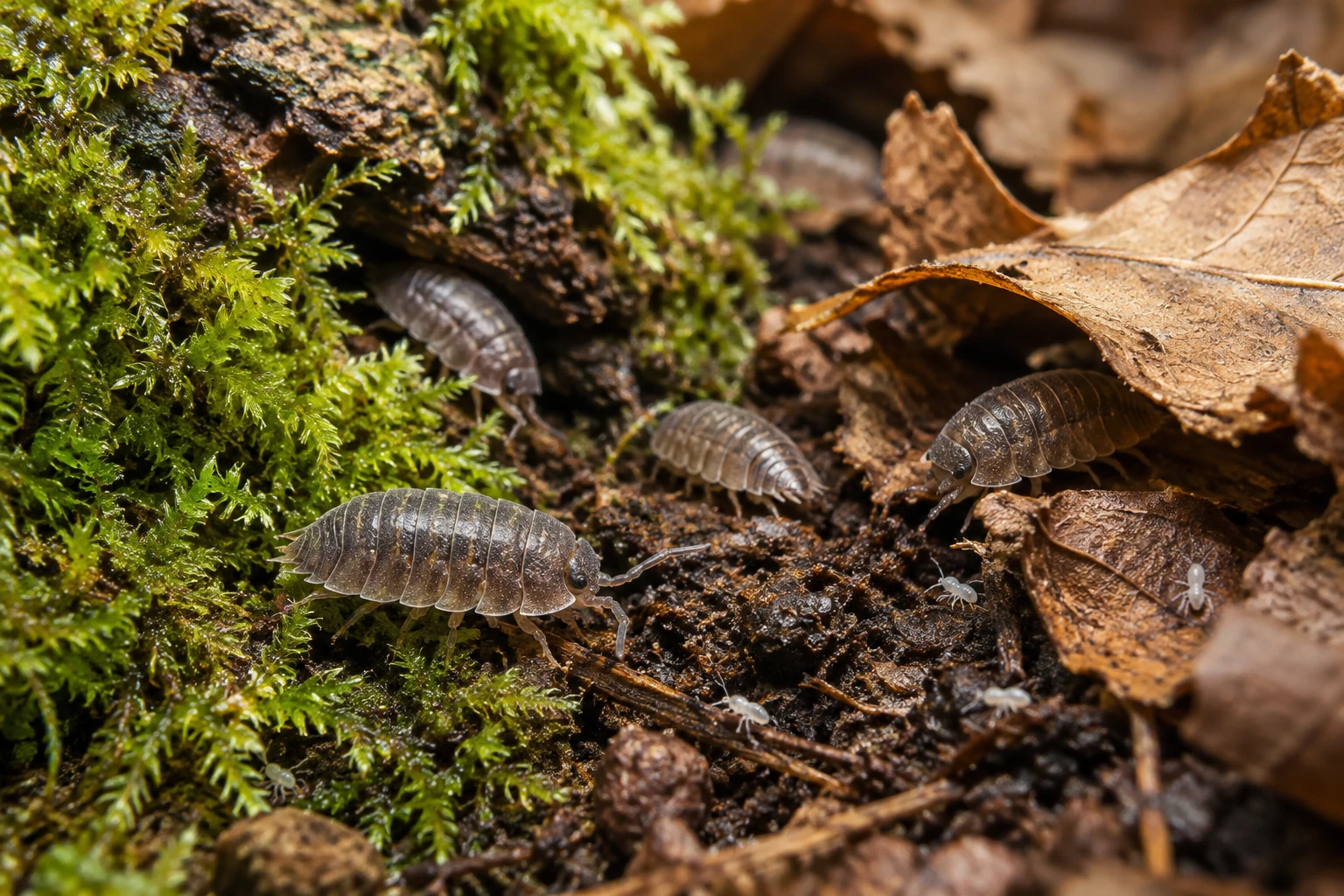
Build a safe moisture gradient
Give isopods humid air, a damp refuge, and a drier area they can move into.
Why an animal that loves humidity can still drown
Isopods are crustaceans that made the move from water to land a long time ago, but their bodies never fully finished the transition. They breathe through modified gill structures called pleopodal lungs, located under the back half of the body, which need to stay moist to work but are built to pull oxygen out of humid air, not out of standing water.
That is the whole contradiction in one sentence: isopods need moisture to breathe at all, but if that moisture becomes actual standing water covering the breathing structures for too long, the animal cannot get oxygen and can drown. Humid is good. Submerged is not.
How it actually happens in a bin
The most common way isopods drown is not a dramatic flood, it is a slow one. Overwatering a bin day after day without letting any of it dry out leads to waterlogged, compacted substrate where isopods can end up trapped in pockets of standing water they cannot climb out of, and a chronically overwet bin is one of the most common reasons isopods die.
The other common cause is a water dish that is too deep or too smooth-sided. A small isopod that falls in has nothing to grip and can tire out and drown in what looks like a harmless little bowl. Neither of these takes much water, just water that is not going anywhere.
How to prevent it
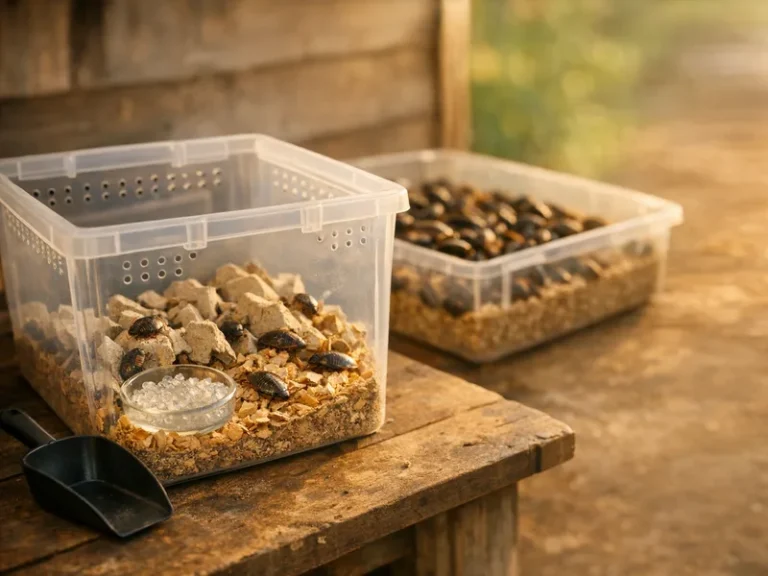
Build a moisture gradient instead of an even soak: keep roughly one third or one side of the bin damp and leave the rest drier, so isopods can move toward or away from moisture as they need to. Never let water pool on top of the substrate or sit in the bottom of the container.
If you do offer a water dish, keep it very shallow and add pebbles, moss, or a bit of leaf litter so anything that falls in has an easy way out. Good ventilation matters too, since a bin that cannot breathe holds moisture longer than it should. Our isopod care guide for beginners walks through building that gradient from the start, and you can find substrate and hide supplies on our insect care products page.
What to do if you find a soaked isopod
If you spot an isopod that got waterlogged, move it out of the wet spot and onto a dry-ish, humid patch of substrate or paper towel right away. Isopods can sometimes recover from a brief soaking if they are pulled out in time, especially if they were only in shallow water for a short while.
There is no guarantee it will bounce back, and a fully submerged isopod left too long will not survive. Treat it as a signal to fix the moisture setup in that bin, not a one-off fluke, since if one isopod got trapped, others in the same wet pocket are at risk too. If drowning shows up alongside other losses in the same bin, our post on why isopods are dying covers the rest of the moisture and ventilation checklist.
Keep reading: How Often Should You Mist Isopods? and Does a Bioactive Terrarium Need a Drainage Layer, or Can You Skip It?
The Safe Moisture Kit
The substrate and litter that hold a proper moisture gradient instead of a swamp.
Frequently asked questions
Can isopods drown?
Yes. Isopods breathe through gill-like pleopodal lungs that need humid air, not submersion. Waterlogged substrate or a deep, smooth-sided water dish can trap and drown them, even though they need humidity to survive.
Do isopods need standing water?
No. Isopods get the moisture they need from damp substrate and humid air, not from a body of water. A moisture gradient with a damp side and a dry side covers their needs without any standing water.
How do isopods breathe?
Through pleopodal lungs, gill-like structures under the back of the body that pull oxygen from humid air. This is why isopods need humidity to breathe well, but do not need or want to be submerged in water.
What happens if my isopod bin is too wet?
A waterlogged bin can trap isopods in standing water, drown them, and also invite mold and mite problems. Let it dry back to a proper moisture gradient with a damp side and a dry side rather than an even soak.
Is it safe to give isopods a water dish?
It can be, but keep it very shallow and add pebbles, moss, or leaf litter so anything that falls in can climb back out. A deep or smooth-sided dish is a drowning risk for small isopods.
Can isopods survive after almost drowning?
Sometimes. If you pull a waterlogged isopod out quickly and move it to a dry-ish humid spot, it can recover, especially after only a brief soak. A fully submerged isopod left too long will not survive.
Keep learning
Have a care question? Ask our community.
Join Reptile Keepers USA, our free Facebook group for reptile, amphibian and invert keepers. Share your setups, get care help and swap feeder tips.
Join the free group