Giant Isopod vs Pet Isopod
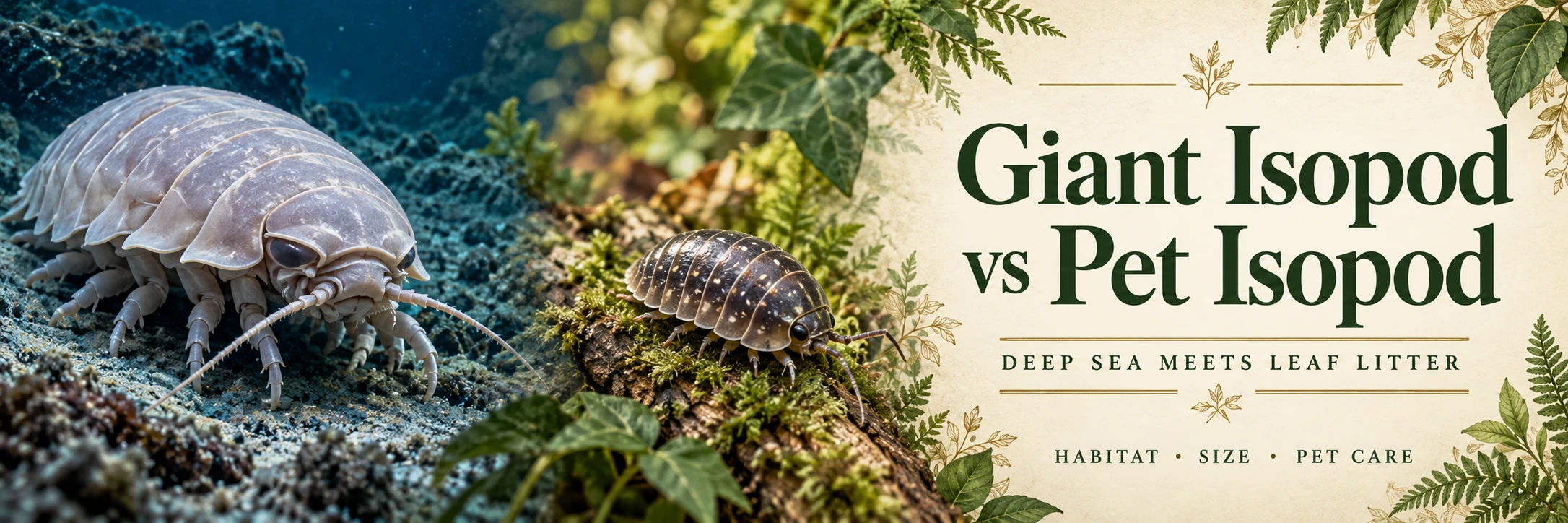
Giant isopods and pet isopods are both isopods, just very different branches
Giant isopods can reach about 20 in / 50 cm; pet isopods stay under about 1 in
Terrestrial isopods you actually can keep, unlike the deep-sea giant
One name, two very different habitats
You cannot keep the famous deep-sea giant isopod as a pet, because it needs cold, dark, high-pressure deep ocean conditions no home aquarium can recreate. Its land-living cousins, the terrestrial isopods, are in the same broad order and make genuinely great, affordable pets, with a starter culture running about $10 to $25. Here is how the giant isopod and your average pet isopod are related, how different they really are, and where to start if the giant one got you curious.
Choose a land-living pet isopod
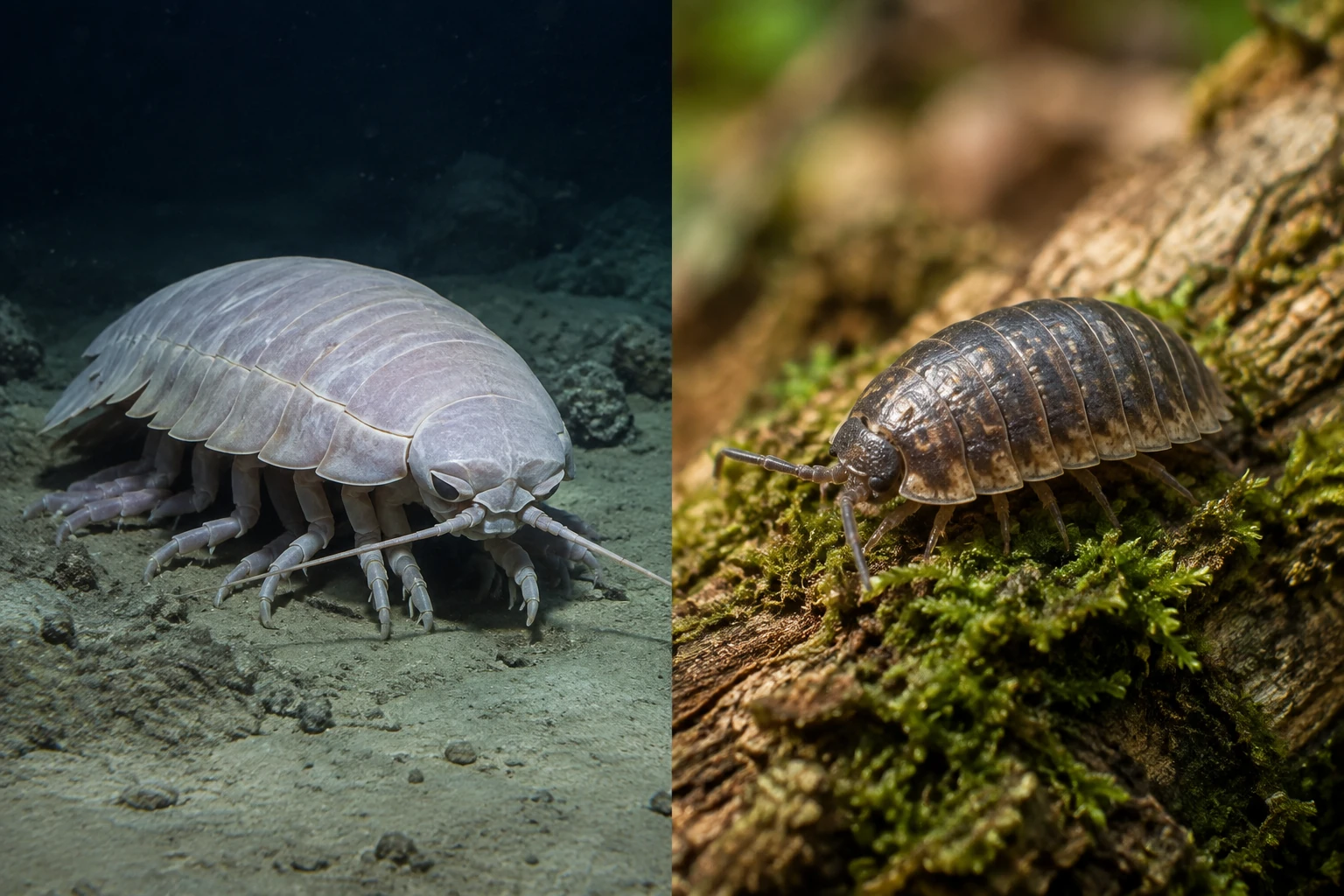
Deep-sea giant isopods and terrestrial pet isopods belong to the same broad group, but their habitats and care are very different.
Why you cannot keep a giant isopod at home
The giant isopod (Bathynomus giganteus) is a deep-sea scavenger that lives on the ocean floor, often 500 feet down or deeper, in cold, pitch-dark, high-pressure water. It is built for that specific environment: the pressure, temperature, and darkness of the deep sea are not something a home aquarium can safely or realistically reproduce.
On top of that, giant isopods simply are not in the pet trade. The handful that end up on public display live in specialized aquarium facilities built to hold deep, cold saltwater systems, not something a hobbyist sets up in a spare room. If you have seen one in a viral video, it almost certainly came from a public aquarium, not someone's home tank.
They share a name, but not much else
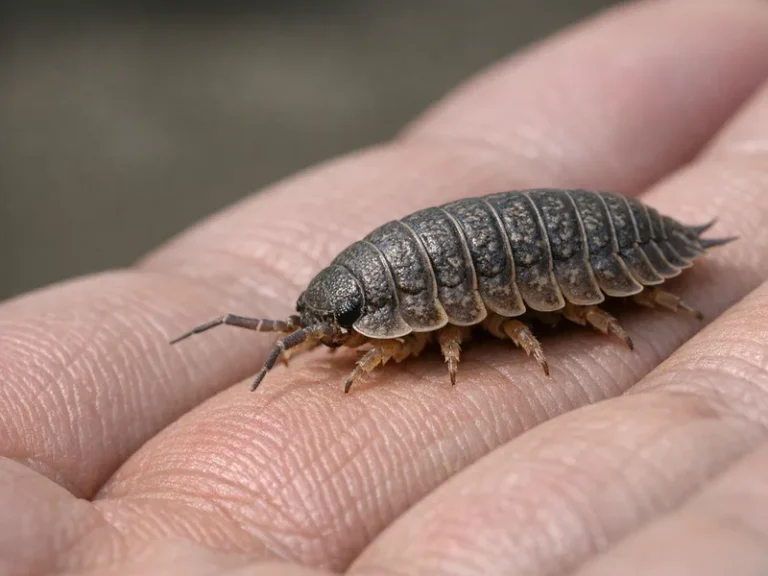
Giant isopods and the isopods you can actually keep are both members of the order Isopoda, the same broad crustacean group, which is why they share the name. But within that order they sit in very different branches with very different lifestyles: giant isopods are deep-sea scavengers, while the isopods in the pet trade are all terrestrial, land-living species adapted to leaf litter and decaying wood, not the ocean floor.
So the relationship is more like second cousins than siblings. Knowing how to care for one does not tell you much about the other, and the giant isopod's care requirements simply do not apply to the small, land-dwelling species you can buy and keep in a bioactive bin.
The size difference is enormous
This is the detail that surprises people most: giant isopods can reach roughly 20 inches (about 50 cm) long, while the common pet isopods most keepers stock, things like Dwarf White, Powder, and Armadillidium, stay under about 1 inch (2.5 cm) as adults. That puts the giant isopod on the order of 30 to 50 times larger than the isopods sold for home enclosures.
That size difference is really a difference in lifestyle. The deep sea rewards a big, slow, energy-efficient scavenger that can go long stretches between meals. A leaf litter bin rewards something small, fast-breeding, and quick to recycle decaying material, which is exactly what the terrestrial species do.
The isopods you actually can keep as pets
The good news is that the land-living side of the isopod family makes some of the easiest, most affordable pets in the hobby. A starter culture of a beginner species runs about $10 to $25, they are quiet, low-odor, and low-maintenance, and they come in colors and patterns that rival anything the deep sea has to offer, from solid Armadillidium morphs to patterned Cubaris.
If the giant isopod is what got you curious about the group, our beginner isopods page and isopod care guide are the real place to start. Want the showiest colors instead? Check our best display isopods guide, or browse everything on the isopods and combos page.
Keep reading: Titan Isopod Care Guide: Size, Humidity and Temperament
The Real Pet Isopod Kit
The land cousin you can actually keep, with everything to set it up.
Frequently asked questions
Can you keep a giant isopod as a pet?
No. The giant isopod (Bathynomus giganteus) is a deep-sea scavenger that needs cold, dark, high-pressure deep ocean conditions no home aquarium can provide, and it is not sold in the pet trade. Public aquariums with specialized deep, cold saltwater systems are the only place you will see one.
Are giant isopods and pet isopods the same species?
No. They are both in the order Isopoda, the same broad crustacean group, but giant isopods are deep-sea scavengers while pet isopods are small, land-living, terrestrial species. They share a name and a broad classification, not a habitat or care routine.
How big is a giant isopod compared to a pet isopod?
Giant isopods can reach roughly 20 inches (about 50 cm), while common pet isopods stay under about 1 inch (2.5 cm) as adults, making the giant isopod on the order of 30 to 50 times larger.
What is a good beginner isopod if I cannot keep a giant one?
Dwarf White (Trichorhina tomentosa) and Powder Orange/Blue are the classic beginner picks, small, fast-breeding, and forgiving of mistakes. Starter cultures typically run about $10 to $25.
Where do giant isopods live in the wild?
Giant isopods live on the deep ocean floor, often 500 feet down or deeper, in cold, dark, high-pressure water where they scavenge dead fish and other debris that sinks from above.
Why are giant isopods not sold as pets?
Because their deep-sea environment, cold temperature, total darkness, and extreme water pressure cannot be safely or realistically recreated in a home aquarium, giant isopods are not part of the pet trade the way small, land-living isopods are.
Keep learning
Have a care question? Ask our community.
Join Reptile Keepers USA, our free Facebook group for reptile, amphibian and invert keepers. Share your setups, get care help and swap feeder tips.
Join the free group