Silkworm Feeding Station Guide
Why it matters
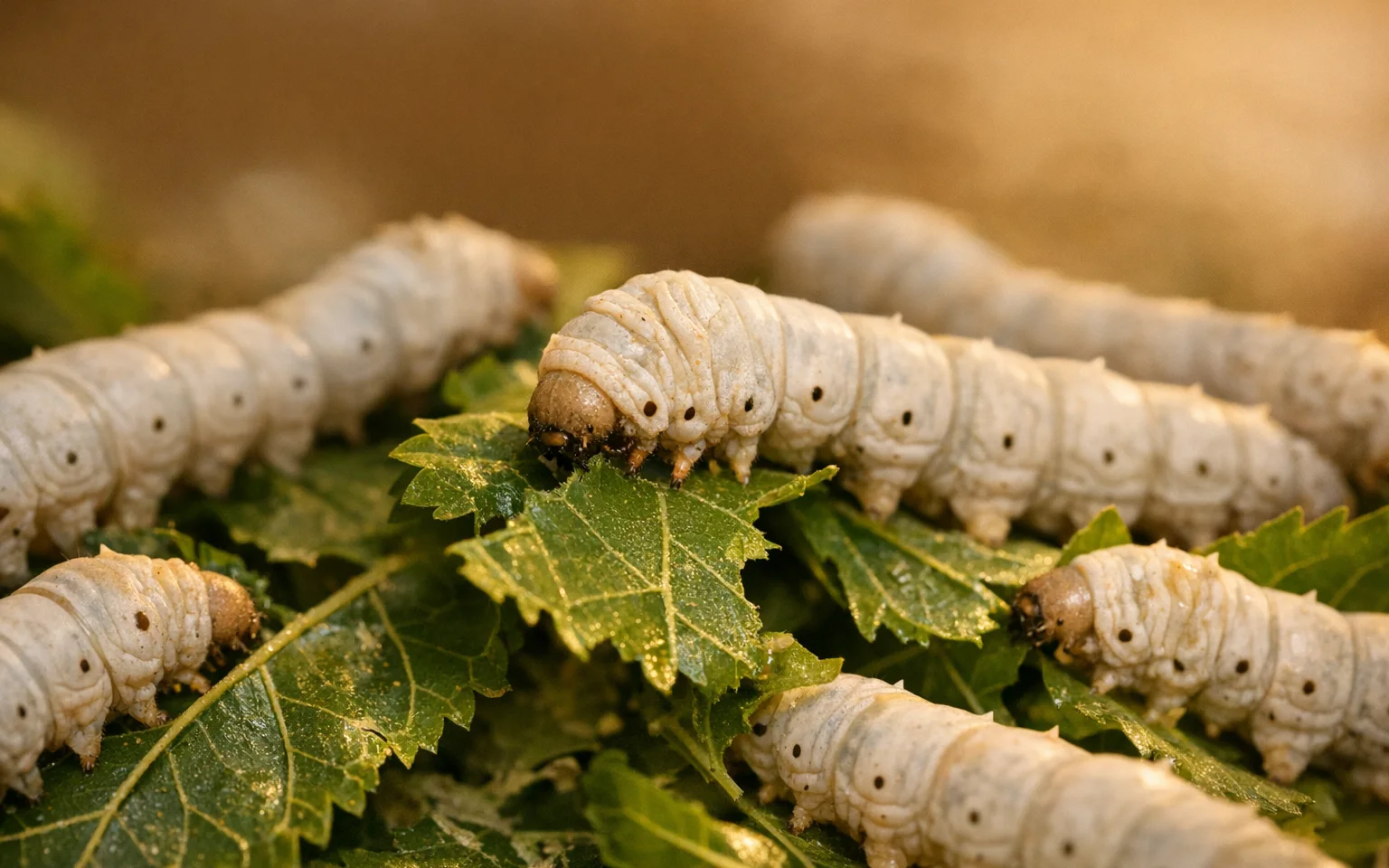
Silkworms have soft bodies and feed continuously when they are active. That makes cleanliness unusually important: old chow, damp frass, and rough handling can damage a batch faster than they would a tougher feeder. A simple feeding station separates fresh food from waste and makes each inspection quick.
Setup
Keep silkworms in a clean, well-ventilated container and use the food supplied or recommended for the strain. Avoid wet leaves or food resting on dirty bedding.
Lay out a shallow, ventilated area with a clean surface for fresh food. Offer only the recommended chow or suitable mulberry food for the strain, and move the worms with the food surface or a soft tool. Keep the station out of direct sun. Remove accumulated frass in small, gentle cleanups rather than a disruptive full reset every day.
Everyday routine
Offer fresh food before the old portion dries out, and lift worms gently by the surface they are on when possible. Remove frass and spoiled food without crushing larvae.
What to check and common mistakes
Silkworms can pause before molting. Do not force a resting worm to eat; check for odor or discoloration before deciding that a worm has died.
A worm resting before a molt may be still and stop eating. Watch the whole batch and compare color, firmness, and odor before deciding it is sick. Isolate obviously blackened or decomposing larvae and clean shared surfaces promptly.
A cleaner feeding-station method
Silkworms are soft-bodied and sensitive to dirty food surfaces. Place their prepared chow on clean paper or a raised tray, not directly on accumulated frass. Move the worms as little as possible, replacing soiled paper rather than repeatedly picking them up. Keep new chow separate from old scraps so the station stays easy to inspect. The food source must be appropriate for silkworms; garden leaves are not interchangeable with prepared silkworm chow.
A small station lets you see who is eating, who is preparing to molt, and whether the chow is drying or spoiling. Work with clean hands or tools, avoid wetting the worms, and keep the enclosure ventilated. If several worms go limp or dark at once, isolate suspect animals and clean the setup rather than continuing to add food over contaminated material. A simple daily change is less disruptive than a major rescue cleaning after a culture declines.
Keep learning
Use the related guide for full species or product details. Check current store availability before ordering.
Have a care question? Ask our community.
Join Reptile Keepers USA, our free Facebook group for reptile, amphibian and invert keepers. Share your setups, get care help and swap feeder tips.
Join the free group