Do Isopods Hibernate in Winter?

No dormant state like reptile brumation, just reduced activity and breeding
Activity and breeding taper off once the room gets colder than about this
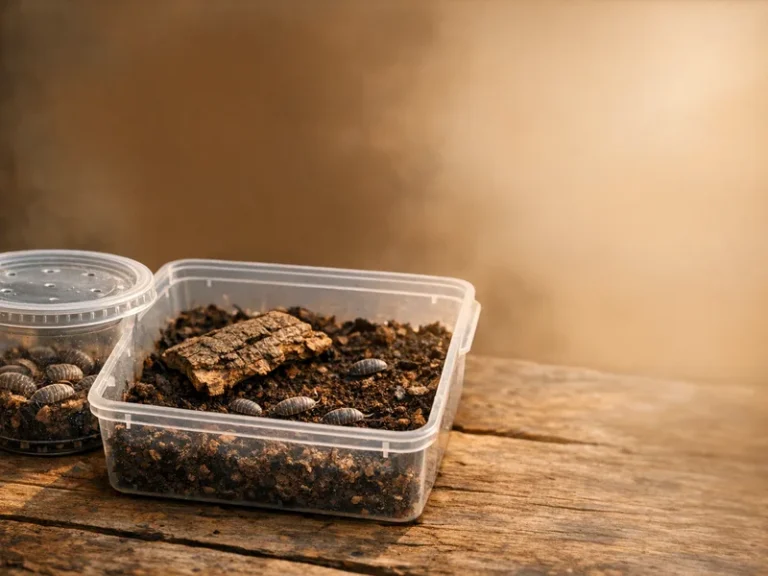
Normal indoor room temperature keeps a colony active through winter
Cold weather slows a colony down
Isopods do not truly hibernate or brumate the way reptiles do. In cold months they simply slow down, breed less, and shelter deeper in the substrate, and a colony kept indoors at normal room temperature stays active all year round. There is no dormant season to plan around the way there is with a cold-blooded pet.
Keep winter care steady
Check room temperature, moisture, and feeding as colony activity changes.
Hibernation vs what isopods actually do
True hibernation or brumation, the kind reptiles go through, is a deliberate dormant state with a drastically slowed metabolism, often triggered by a deep, sustained temperature drop. Isopods do not have that mechanism. There is no switch that shuts a colony down for the season.
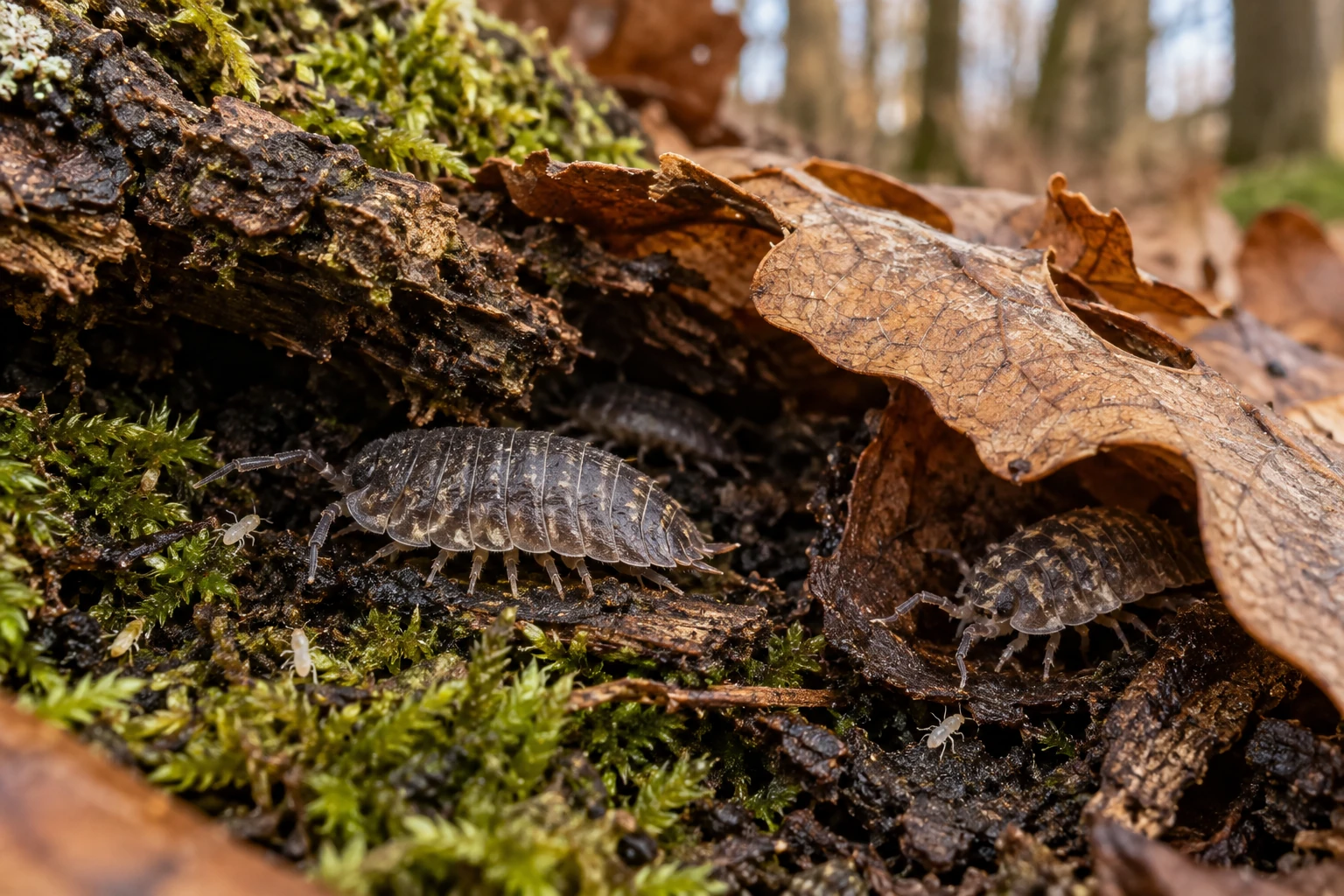
What isopods do instead is a simple behavioral response to cold. They move less, eat less, breed less, and burrow deeper into damp substrate where it stays more insulated and humid. It looks like a slowdown because it is one, just not the same kind of event as a hibernating animal.
What happens as it gets cold
Once a room drops below roughly 60 F, isopod activity and breeding tend to taper off noticeably. This is a normal seasonal response, not a sign the colony is struggling. In the wild, isopods deal with the same seasonal dip every year and bounce back once it warms up.
This mostly matters for colonies kept somewhere unheated, like a garage, shed, or outbuilding, where temperatures can swing well below room temperature. A typical, insulated home rarely gets anywhere near that cold, so most indoor keepers never see a real slowdown at all.
What to do for your indoor colony in winter
For a colony kept in a normal living space, keep it at the same room temperature you use the rest of the year, about 65 to 78 F. Nothing special needs to change for winter, and no extra steps are needed just because the calendar flips to a colder month.
Only add a heat mat if the room itself genuinely stays below about 60 F, and even then keep it on low and on one side of the bin so the isopods can move away from the heat. Never let a bin overheat or dry out chasing warmth. Our guide on whether isopods need a heat mat covers when supplemental heat actually makes sense.
Outdoor cold-hardy species vs indoor colonies
Some wild isopods, the kind found in gardens and cold climates, tolerate real winter conditions and slow way down or shelter deep under leaf litter and mulch outdoors through the cold months. That is a different situation from a captive colony you bought to keep as pets or a cleanup crew.
Do not try to move a purchased colony outdoors to overwinter it, even in a mild climate. Keep captive isopods indoors at a stable room temperature year-round for the most consistent results. Our isopod care guide for beginners covers the full setup basics.
Reassurance: a slow winter colony is not a dying one
A quieter surface, less visible foraging, and a breeding slowdown over the colder months is a normal seasonal pattern, not a sign of a failing colony. On our farm we see this dip every year without it meaning anything is wrong.
If breeding stalls for reasons beyond a mild seasonal dip, like it staying stalled well after the room warms back up, our post on why your isopod colony won't breed walks through the other common causes. For anyone starting a fresh indoor colony, you can browse hardy starter species on our beginner isopods page.
The Winter Colony Kit
Deep substrate and steady food to carry a colony through the cold months.
Frequently asked questions
Do isopods hibernate in winter?
No. Isopods do not truly hibernate or brumate like reptiles do. In cold months they simply slow down, breed less, and shelter deeper in the substrate, and an indoor colony kept at normal room temperature stays active year-round.
Do isopods brumate like reptiles?
No. Brumation is a deliberate dormant state reptiles enter with a drastically slowed metabolism. Isopods do not have that mechanism. Cold weather just triggers reduced activity and breeding, not a dormant season.
What temperature makes isopods slow down?
Isopod activity and breeding tend to taper off once the surrounding temperature drops below roughly 60 F. Above that, and especially in the normal indoor range of about 65 to 78 F, a colony stays active.
Do I need a heat mat for isopods in winter?
Only if the room genuinely stays below about 60 F. Most indoor rooms never get that cold, so most keepers do not need supplemental heat. If you do add a mat, keep it on low and on one side so isopods can move away from it.
Will my isopod colony stop breeding in winter?
It can slow down noticeably if the room gets cold, which is a normal seasonal response, not a health problem. Breeding typically picks back up once conditions warm back into the normal 65 to 78 F range.
Can isopods survive outside in winter?
Some wild, cold-hardy isopod species can shelter under leaf litter and mulch outdoors through winter, but a purchased captive colony should be kept indoors at a stable room temperature year-round rather than moved outside.
Keep learning
Have a care question? Ask our community.
Join Reptile Keepers USA, our free Facebook group for reptile, amphibian and invert keepers. Share your setups, get care help and swap feeder tips.
Join the free group