Philoscia sp. Thai Isopods for Sale
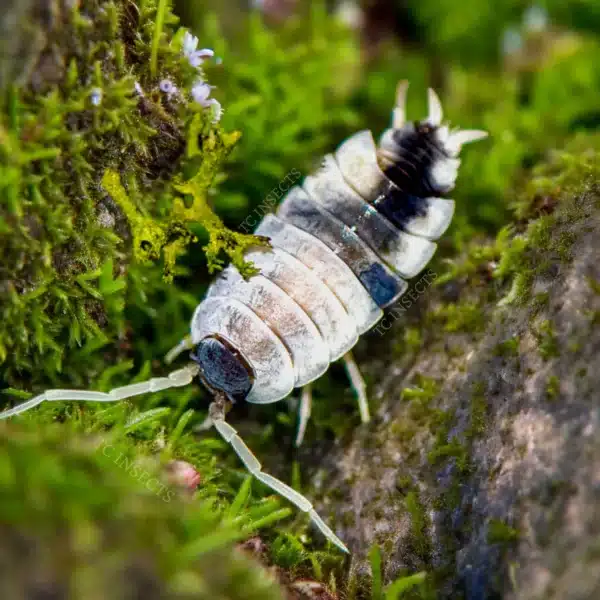
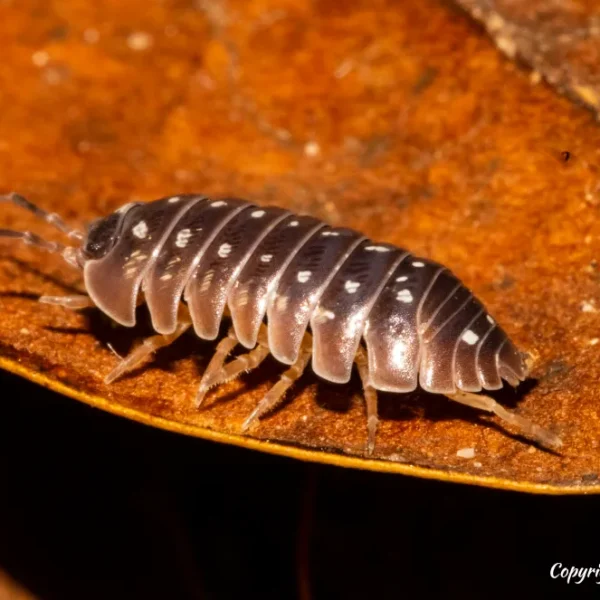
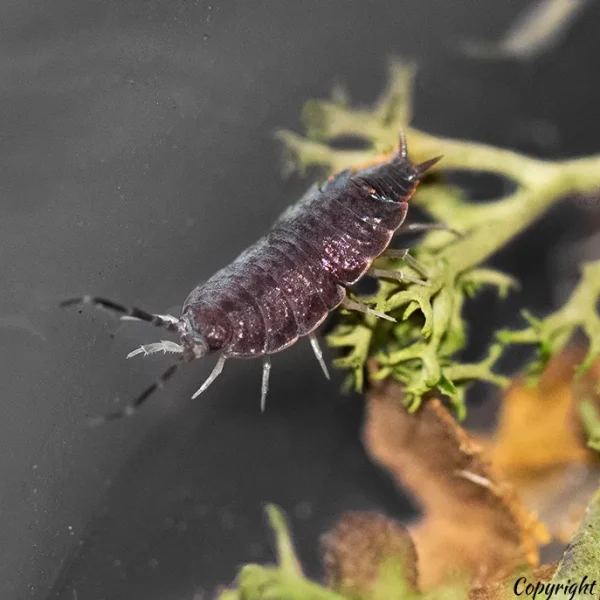
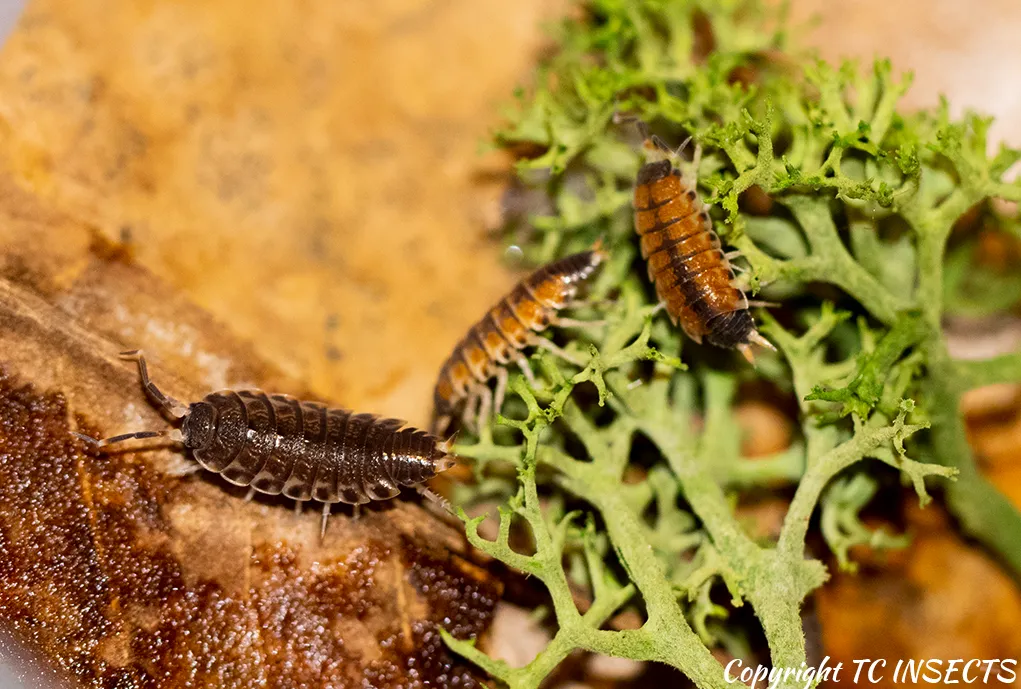
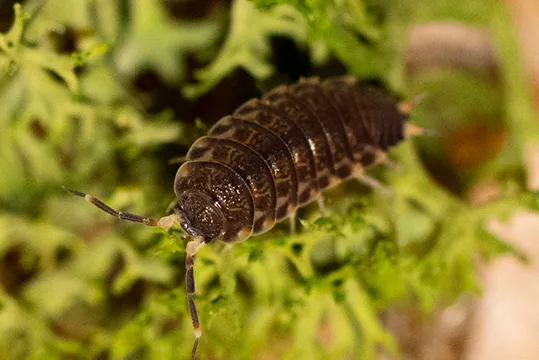
Philoscia sp. “Thai” is the long-running hobby name for a small tropical isopod best known for one trait that is genuinely rare among isopods: pronounced sexual dimorphism in color. Smaller males show bright orange and red, while larger females stay gray with subtle patterning. This listing is a live culture from TC INSECTS, bred continuously from a mother culture started in late 2019. Recent hobby community work has reidentified this species as Agnara madagascariensis, formally placing it in the family Agnaridae rather than the long-used Philoscia placeholder.
Overview
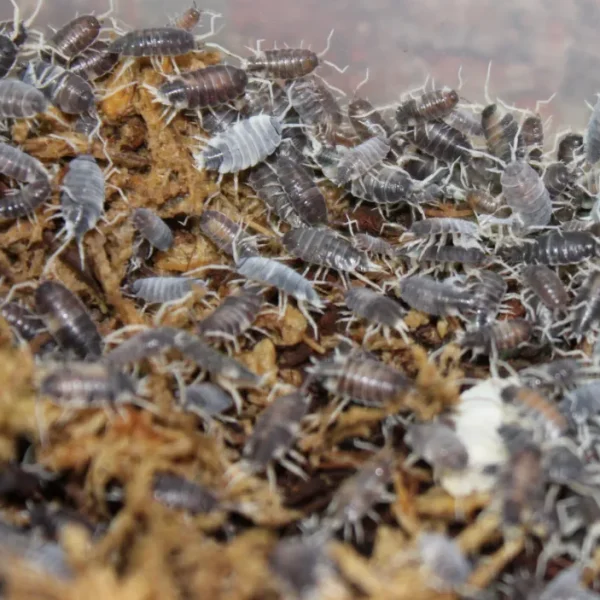
Most isopod species show no visible color difference between males and females. Agnara madagascariensis is one of the exceptions, and that single trait drives most of the buyer interest in this culture. A healthy mixed group reads as a two-tone colony: bright orange-red dots moving among larger gray bodies, which is unusual to see in a small tropical isopod at this price point.
Beyond the dimorphism, this is a functional culture. Reproduction is high once established, the animals work effectively as a cleanup crew in bioactive vivariums, and they tolerate a wider care window than collector-tier display species.
Why Keep Philoscia sp. Thai?
- Visible sexual dimorphism: Orange-red males and gray females in the same culture, which few other isopods offer.
- Active behavior: Often more surface-visible than many small cleanup species, especially during feeding.
- Strong reproductive rate: Establishes quickly compared to collector-tier species.
- Bioactive cleanup utility: Processes leaf litter and organic debris steadily once the culture settles in.
- Documented TC INSECTS line: Bred from a TC INSECTS mother culture started in late 2019, with six-plus years of continuous breeding by the time of this listing.
Honest Note on the Philoscia sp. Thai to Agnara madagascariensis Rename
The hobby has used the placeholder name Philoscia sp. “Thai” for this culture for years. Recent identification work, supported by the broader hobby and academic community, places this species in the genus Agnara and identifies it as Agnara madagascariensis (Budde-Lund, 1885).
The animals have not changed. The scientific placement has. You will see both names used across listings, forums, and older care guides, but the formal identification is now Agnara madagascariensis, family Agnaridae. Label your culture with both names if you want lineage to remain traceable through the rename.
Honest Note on the Orange Male Ratio
The orange-red males are the visual highlight of this species, but a typical starter group will not be half orange. In a mixed culture, you will usually see fewer adult males than adult females at any given time, both because males are smaller and easier to overlook and because the sex ratio in healthy cultures often skews slightly female.
Expect to see at least a few orange males in any pack of 10 or more, with the number growing visibly as juveniles mature in the culture. If you want to maximize visible orange, start with a larger count and give the colony a few months to mature.
Care and Setup
This is one of the more forgiving tropical isopods. The species needs stable warmth, a moisture gradient, leaf litter, and ventilation. There is no specialty microhabitat to recreate.
Temperature
Aim for 70 to 80°F as the everyday range. Normal indoor room temperature works for most keepers. Avoid heat spikes above the mid-80s and avoid cold drafts in winter.
Humidity
Keep one side of the enclosure damp with moss and substrate while letting the other side stay slightly drier. A practical target is consistently damp moss on one side with a drier feeding area on the other. Avoid fully sealed wet setups because stagnant humid air leads to mold and grain mite blooms.
Substrate
Use a coco-fiber-based isopod substrate blended with decomposed hardwood, sphagnum, and a small amount of clay or worm castings. Aim for 1 to 2 inches deep, which is enough for this small species to hide and molt. Deeper is fine but not required.
Food
Leaf litter and decaying hardwood should always be available. Supplement with TC INSECTS Isopod Food, calcium, and small portions of vegetables. This species responds well to insect frass and protein-based foods, but offer protein sparingly because uneaten portions spoil quickly at higher humidity.
Ventilation
Cross-ventilation works best. Two side vents or a vented lid keeps the lower substrate humid while the upper air stays fresh. Strong airflow is the most common difference between a culture that booms and one that stalls.
Bioactive Use
This species works well in bioactive enclosures with appropriate moisture and ventilation. It pairs naturally with Springtails in dart frog vivariums, planted reptile enclosures, and tropical setups. Keep a backup culture in a separate bin so a single vivarium issue does not wipe out the line.
Breeding Notes
Mature females are larger than males and carry developing young in a brood pouch under the body. The orange-red coloration in males is thought to reflect mate selection pressure: females appear to favor brightly colored males, which is why the bright males look so different from the muted juveniles and females.
Reproduction is high once the culture is established, so a starter group typically builds into a working colony within a few months. Provide steady warmth, calcium, leaf litter, and minimal disturbance during the establishment period.
Best For
- Keepers who want a visibly sexually dimorphic isopod culture
- Bioactive terrariums and planted vivariums with tropical conditions
- Reptile enclosures with small geckos, anoles, or other appropriate species
- Amphibian enclosures with stable airflow and moisture
- Mixed cleanup crew setups paired with Springtails
Not Best For
- Buyers wanting a single bold display species like Armadillidium klugii “Pudding”
- Use as a primary feeder isopod (the small size and price point do not fit feeder economics)
- Dry desert-style enclosures with no moist retreat
- Setups with poor ventilation, the species can stall in stagnant humid air
- Keepers expecting a culture that is half visibly orange from day one
Origin and Locality Notes
The species was described by Budde-Lund in 1885 and has been documented from a remarkably wide tropical range, including Madagascar (the type locality, reflected in the species name), Senegal, Guinea Bissau, the Arabian Peninsula, southern China, Taiwan, and more recently the Caribbean coast of Colombia. The hobby line sold as “Thai” originated from Thailand-collected animals, but the species itself is not Thai-endemic. Manage this as a globally widespread tropical species rather than a strict locality animal.
Receiving and Acclimation
Bring the package indoors as soon as it arrives and open it in a calm area away from direct sun, heat, or cold drafts. Inspect the moss, paper, and shipping material carefully because juveniles and small males are easy to miss among loose substrate.
Transfer the cup contents, including all shipping material, into a prepared enclosure with substrate, leaf litter, bark, a moist moss retreat, and calcium. Place the shipping material near the moist side so hidden animals can move out naturally.
Offer only a small portion of food during the first few days, then increase feeding once the colony becomes more active. Avoid digging through the culture during this settling period.
Recommended Add-Ons
- TC INSECTS Premium Isopod Habitat Kit for a simple starter setup well-matched to this species
- TC INSECTS Assorted Hardwood Leaf Litter for food, cover, and the natural grazing layer this culture works
- TC INSECTS Isopod Food to support the strong reproductive rate of an established colony
- TC Calcium Ultra Fine for healthy molts in a fast-cycling culture
- Springtails to pair as a complementary cleanup crew in bioactive vivariums
Frequently Asked Questions
Are Philoscia sp. Thai isopods beginner-friendly?
Generally yes. They tolerate a wider care window than collector display species and reproduce quickly once established. The main pitfalls are dry enclosures and stagnant humid air, both of which the moisture gradient and cross-ventilation setup will solve.
Is Philoscia sp. Thai the same species as Agnara madagascariensis?
Yes. Recent hobby identification work places this culture in the genus Agnara, family Agnaridae, as Agnara madagascariensis (Budde-Lund, 1885). The animals you receive are the same long-standing TC INSECTS line, just under the corrected scientific name.
How many orange males will I get in my pack?
You will see at least a few visible orange-red males in any 10 ct or larger pack, with the count growing as juveniles mature. Adult males are smaller than females, so they can be easy to overlook in a fresh culture. Give the colony a few months and the orange will be more obvious.
How fast will the colony grow?
High once established. Most starter cultures begin producing visible juveniles within a few weeks of stable care, and a working colony usually fills in within two to three months under consistent conditions.
Can these isopods live with reptiles or amphibians?
Yes, in appropriately humid bioactive enclosures. Their small size means light predation does not crash the colony quickly, especially if the starter count is large enough (25 or higher in active vivariums).
How does this species compare to Dwarf Whites or Powder species?
Different role and look. Powder Blue and similar powder species are uniform in color and faster surface-active. This species is sexually dimorphic and behaviorally interesting but works the substrate more than the open surface. The two can coexist in mixed cleanup crews without competing heavily.
Learn More About Agnara madagascariensis
The following references offer useful background for keepers who want to confirm the species identification and understand the broader tropical isopod group it belongs to.
- World Register of Marine Species: Agnara Budde-Lund, 1908. The authoritative genus record showing the family placement (Agnaridae) and the species accepted under this genus, useful for confirming the recent hobby identification update.
- British Myriapod and Isopod Group: Woodlouse and Waterlouse Recording Scheme. Background on the wider terrestrial isopod group from a long-running scientific recording body, helpful for keepers who want to understand how woodlice live, feed, and reproduce.
- Natural History Museum: Giant isopods, curious crustaceans on the ocean floor. A short, plain-language overview from the NHM that puts the woodlouse family in context with their marine relatives.
Philoscia sp. “Thai” Isopod’s Natural Habitat:
Philoscia sp. “Thai” was discovered in Southwest Asia, Thailand.