

Porcellio expansus for Sale
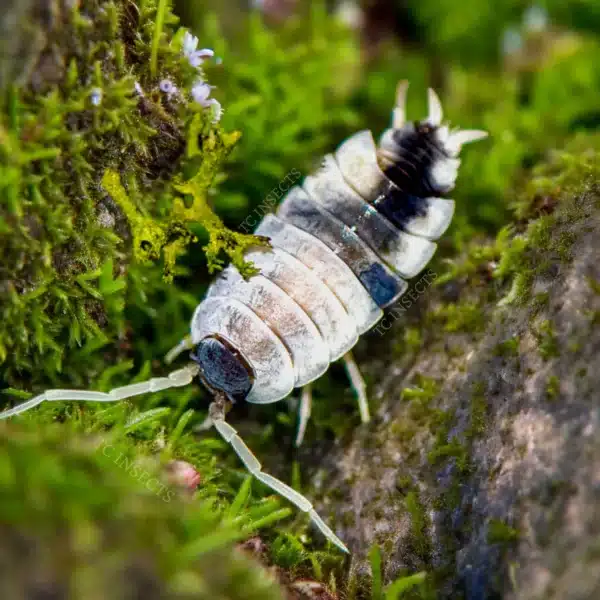
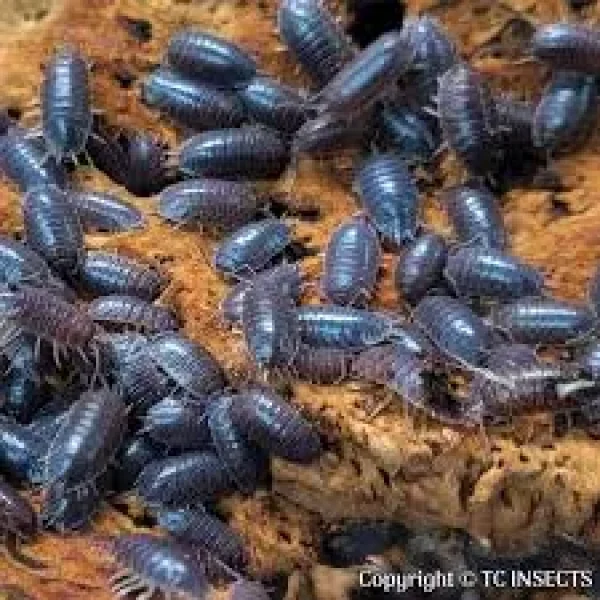
Porcellio expansus is a large Spanish isopod with a bold, armored look and a strong collector following. Hobby sources describe it as a dry-leaning species that needs excellent ventilation, a clear moisture gradient, and more space than a small starter species. Mature males can be territorial, so crowding is one of the first problems to avoid.
Overview
This species is often called the Giant Spanish Isopod, and that common name fits its role well. It is a large, active *Porcellio* that does best in a roomy, airy setup with bark, leaf litter, and one moist section for hydration and molting. It is a better fit for keepers who already understand enclosure gradients than for someone building a small beginner bin.
Hobby notes also suggest that *P. expansus* can be a slower breeder than more common beginner species. That does not make it difficult, but it does mean patience matters. Once settled, the colony can become stable and productive if the enclosure stays dry enough, airy enough, and large enough.
Why Keep Porcellio expansus?
- Large and impressive: This is one of the bigger *Porcellio* species in the hobby. Its size and shape give it strong display value even in a simple habitat.
- Strong collector appeal: The Giant Spanish Isopod label makes it easy to place in a collection of larger Mediterranean species. It also stands apart from smaller, more common cleanup crew types.
- Dry-leaning but not fragile: Hobby sources consistently point to ventilation and a moisture gradient rather than a wet box. That makes it practical for keepers who can maintain a stable setup.
- Useful in roomy bioactive builds: It can work in larger dry bioactive enclosures where leaf litter, bark, and a hydration zone are already part of the design.
- Interesting colony behavior: Sources mention territorial males and a tendency to stay in small groups or alone. That makes the species more interesting to watch than many tiny, hidden cleanup crews.
Honest Note on Space
This is not a species to keep in a tight plastic box or a shallow starter bin. Mature males are territorial, and the colony needs enough floor space to reduce conflict. A larger enclosure also helps keep wet and dry zones separated, which matters for a species that dislikes stagnant humidity.
If the enclosure is too small, the colony can become stressed even when food is available. Give them hides, dead air space, and room to spread out. That simple choice will do more for the colony than frequent misting ever will.
Care and Setup
The basic setup should stay simple and dry-leaning. Use bark slabs, cork, leaf litter, and rotting wood. Keep a moist corner available, but avoid letting the whole enclosure stay wet.
Temperature
A workable range is about 17 to 26°C. Keep the setup stable and avoid sudden swings. Room temperature is usually fine if the enclosure has enough airflow and the moist side is not overheating.
Humidity
Moderate humidity with one moist corner is the safest approach. Several sources describe the species as preferring drier conditions with a hydration area rather than high ambient moisture. Do not keep the whole bin humid.
Substrate
Use a deep substrate with leaf litter, decaying hardwood, and a good amount of cork bark or flat bark. A thicker side near the moist zone can help hold humidity where the colony needs it. Dry leaf litter should always remain available.
Food
Base the diet on decaying plant matter. Offer fruits, vegetables, greens, and protein such as fish flakes, shrimp pellets, or dried shrimp. Hobby sources repeatedly mention protein as an important part of the feeding routine.
Calcium
Calcium should always be available. Use cuttlebone, calcium-rich rock, or another safe source. Large-bodied isopods need steady calcium access to support molts and breeding.
Ventilation
High ventilation is one of the most important parts of the setup. The species does not tolerate stagnant humid air well, and several keepers stress the need for plenty of airflow. Ventilation matters more here than heavy misting.
Bioactive Use
Porcellio expansus can work in larger dry bioactive builds, especially where the keeper wants a big cleanup crew with a strong surface presence. It is a better match for Mediterranean or semi-arid enclosures than for tropical humid tanks. Springtails can still help with mold control around the moist corner.
Breeding Notes
Hobby sources describe breeding as slow to moderate, with some keepers noting seasonal tendencies. That means colony growth may not be steady all year. Stability, space, and food quality matter more than frequent disturbance.
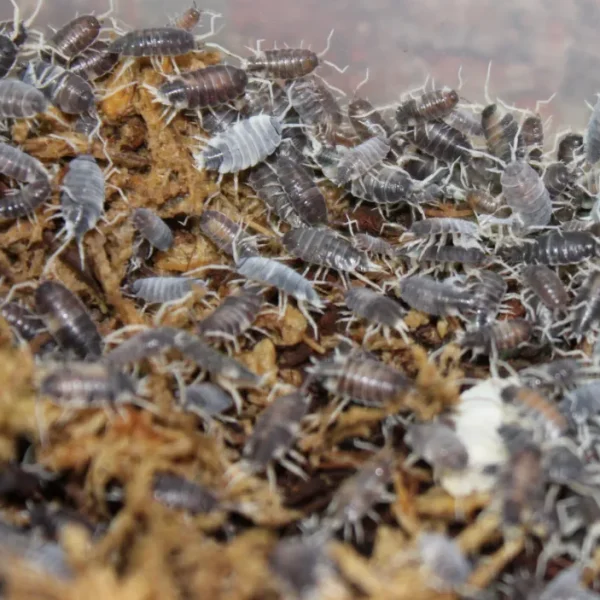
Because males are territorial, breeding often goes smoother in a larger colony space with multiple hides. A cramped setup can slow things down even when the animals are healthy. Patience is part of keeping this species well.
Best For
- Experienced keepers who want a larger, territorial Spanish *Porcellio*
- Collectors building a lineup of giant Mediterranean isopods
- Bioactive hobbyists with roomy, ventilated dry-to-moist enclosures
- Keepers who enjoy a slower-breeding but visually strong colony
Not Best For
- Small bins with limited floor space
- Sealed, humid enclosures with weak airflow
- Beginners looking for the easiest possible isopod
- Keepers who want a fast-breeding colony right away
Origin and Locality Notes
Porcellio expansus is a Spanish species, and one source places it in northeast Spain. Hobby care guides also treat it as a dry, Mediterranean species from arid or semi-arid regions. That origin context matches the enclosure needs seen in captive care: airflow, cover, a dry main area, and a moist refuge.
Receiving and Acclimation
When the colony arrives, place it into a prepared enclosure with the moist side already set up. Add leaf litter, cork bark, and a decent amount of dead space so the animals can settle without crowding. Keep the setup stable during the first week and avoid overwatering while the colony adjusts.
Recommended Add-Ons
- TC INSECTS Assorted Hardwood Leaf Litter — Important for food, cover, and natural substrate structure.
- TC INSECTS Isopod Food — Helps support regular feeding, especially for colonies that take protein well.
- TC Calcium Ultra Fine — Keeps a steady calcium source available for molts and growth.
- TC INSECTS Ultra Isopod Habitat Kit — A ventilated enclosure option that fits a dry-to-moist setup.
- Springtails — Useful for mold control around the moist corner of a bioactive habitat.
Frequently Asked Questions
Is Porcellio expansus beginner-friendly?
It is better treated as intermediate to advanced. The species needs space, airflow, and a stable gradient, so it is less forgiving than easier starter isopods.
How moist should the enclosure be?
Keep one corner moist and the rest dry. The goal is a clear gradient, not a wet enclosure. Several sources stress that stagnant humidity is a problem for this species.
Can it live in a bioactive setup?
Yes, especially in a larger dry-to-moderate bioactive build. It is a strong match for Mediterranean-style enclosures and less suited to humid tropical tanks.
Do the males fight?
Yes, territorial behavior is a known issue. Give the colony room, hides, and enough dead space to reduce stress and conflict.
What do they eat?
Leaf litter, decaying wood, vegetables, fruits, and protein all fit the diet. Protein sources are mentioned often in hobby care notes and should be offered regularly in small amounts.
How fast do they breed?
Breeding is usually described as slow to moderate. Some keepers also note seasonal patterns, so growth may not be perfectly steady through the year.
Learn More About Porcellio
Taxonomy
These references give useful background on the genus, species record, and habitat context for Mediterranean *Porcellio*. They are helpful for keepers who want to understand where *P. expansus* fits in the larger group.
- World Register of Marine Species (WoRMS): Porcellio ornatus H. Milne Edwards, 1840. This confirmed species record is useful as a model for how formal isopod taxonomy is presented. It helps buyers compare a fully documented species entry with hobby trade listings.
Field Records
Field records help show what related species look like in the wild and how they use habitat. That context can be useful when comparing Spanish isopods with a larger species like *P. expansus*.
- iNaturalist: Porcellio ornatus Observations. Photos and locality records can help buyers compare wild isopod body shape and habitat use. Even though it is a different species, the field context is still useful for care planning.
Habitat Context
This final source adds broader ecological context for Spanish isopods. It is useful for understanding why *P. expansus* does best with drainage, bark, and strong airflow.
- British Myriapod and Isopod Group (BMIG): Woodlice Collected from Northwest Spain. A field survey that helps explain the habitat style many Iberian woodlice prefer. It is useful background for drainage, cover, and ventilation decisions.


Reviews
There are no reviews yet.