

Porcellio haasi Bright Isopods for Sale
TC INSECTS ships live captive-bred Porcellio haasi “Bright” as a mixed-size starter group for display cultures, dedicated breeding projects, and larger Spanish Porcellio collections. This is a locale-specific line from the mountainous regions of Spain. Therefore, “Bright” refers to the locality origin, not a selectively bred color trait.
Overview
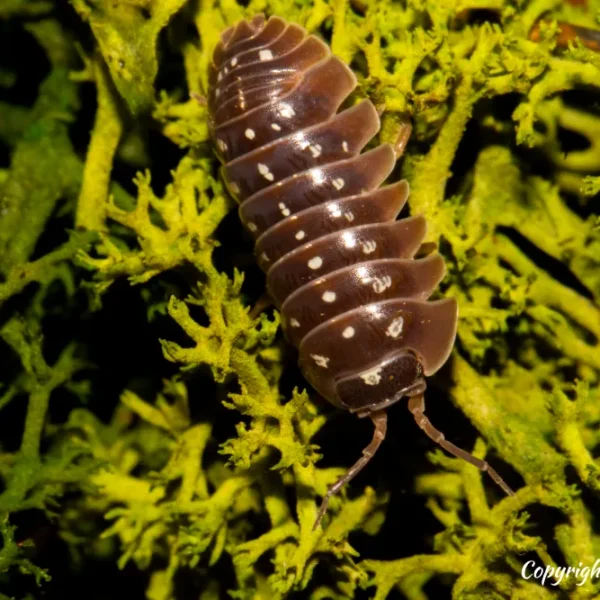
Porcellio haasi is a large Spanish Porcellio native to the mountainous regions of Spain. The “Bright” line comes from a distinct locale in northwestern Spain. It is not the same as the *P. haasi* “High Yellow,” which is a selectively bred color morph with vivid yellow patterning.
Adults reach roughly 1 to 1.25 inches. Mature males show dramatically elongated uropods that extend well beyond the body, which makes sexing straightforward once the colony reaches adulthood. Additionally, males are territorial, so the enclosure needs enough space and multiple hides to reduce conflict.
However, this species is generally reclusive. Unlike Sevilla or Giant Canyon isopods, haasi “Bright” spends much of its time under cork bark, rotting wood, and deep leaf litter. Keepers who want constant surface activity every day should consider a different species. Instead, haasi rewards patience: build the colony steadily, give it space and a very dry gradient, and it becomes a standout display culture over time.
Why Keep Porcellio haasi “Bright”?
- Locale-specific Spanish line. The “Bright” locale is distinct from the High Yellow morph and less commonly available. Therefore, it adds specificity to a larger Porcellio collection.
- Impressive adult size. Additionally, males reach 1 to 1.25 inches with dramatically extended uropods that make them one of the most visually distinctive large Porcellio in the hobby.
- Most dry-leaning of the Spanish lines. Specifically, haasi prefers roughly four-fifths of the enclosure kept dry, which suits some reptile setups and dry bioactive builds better than more moisture-dependent species.
- Long-term culture reward. Furthermore, a well-maintained colony grows steadily and provides a lasting display culture without the colony management demands of fast-breeding species.
- Pairs well with other Spanish Porcellio. As a result, it builds naturally alongside Titan isopods or Sevilla isopods in a dedicated Spanish Porcellio collection.
Honest Note: “Bright” Is a Locale, Not a Color Morph
The “Bright” name refers to a locality from northwestern Spain, not a selectively bred color form. This distinction matters for buyers shopping between P. haasi lines.
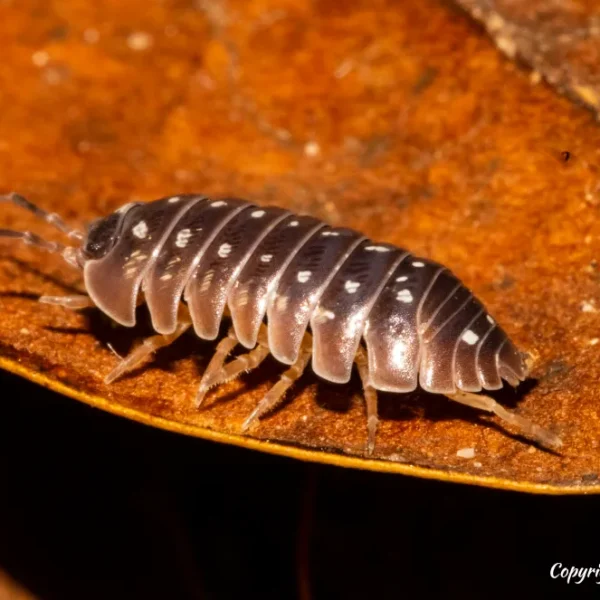
The “High Yellow” is the selectively line-bred morph of Porcellio haasi, known for vivid yellow coloration with black and white markings. The “Bright” locale has a mottled, lighter-patterned body rather than intense yellow. Therefore, if you want the bright yellow tiger-patterned haasi, you are looking for the High Yellow morph specifically, not this line.
TC INSECTS lists this product as Porcellio haasi “Bright” to accurately reflect the locale label used across the hobby trade for this line.
Honest Note: This Species Is Reclusive
Multiple experienced breeders describe Porcellio haasi as “typically on the shy side” and note that you will not see them exploring openly the way Sevilla or Giant Canyon isopods do. They spend most of their time on the undersides of cork bark, under rotting wood slabs, or deep in leaf litter.
However, as the colony grows in numbers and settles into a stable culture, individuals do surface more often, particularly during low light and after you add fresh food. The reward comes from the long game: a large, established culture of impressive adults that appear more regularly once secure.
Therefore, keepers expecting daily visible movement like Sevilla isopods should factor this in before purchasing.
Care and Setup
Setup Framework
Care for Porcellio haasi “Bright” centers on a very dry overall setup with a small moist retreat, strong ventilation, plentiful hides, and enough floor space for territorial males. Below, each section explains what that part of the setup provides for the colony.
Temperature
Hold the culture between 65 and 80°F. Room temperature in most homes works well. Avoid direct sun, heat lamps aimed at the container, and sudden temperature swings. Generally, stable conditions matter more than a precise target.
Humidity
This is the most dry-leaning Spanish Porcellio in the TC INSECTS catalog. Keep roughly four-fifths of the enclosure dry, with cork bark, hardwood bark, and leaf litter for cover. Reserve only a small corner for a moist sphagnum retreat.
Do not spread dampness across the enclosure. The moist corner stays moist. Everything else stays dry. Furthermore, avoid stagnant air over the damp side. Good ventilation across both zones prevents mold buildup.
Substrate
Use a substrate with organic matter built in. Coco fiber, decaying hardwood, and leaf litter mixed together work well. Two to four inches of depth suits most starter cultures. The dry zone should feel dry to the touch, not just “less wet.”
Food
Keep dried hardwood leaves and decaying wood available continuously. These form the base of the diet. On top of that, offer small amounts of vegetables two to three times per week. Carrot, squash, sweet potato, and zucchini all work well.
Additionally, offer a light protein source such as TC INSECTS Isopod Food, fish flakes, freeze-dried shrimp, or dried minnows in small portions. Remove uneaten fresh food within one to two days. Also keep TC Calcium Ultra Fine, cuttlebone, or crushed eggshell available at all times for molting support.
Ventilation
Use a fully ventilated lid and side vents if possible. Strong airflow protects the dry zone from becoming damp and keeps the moist corner from fouling the whole enclosure. Therefore, a larger bin with cross-ventilation outperforms a small sealed container every time for this species.
Space and Hides
Male Porcellio haasi are territorial. Provide multiple cork bark pieces, rotting wood slabs, and bark hides spread across the enclosure so males can claim separate areas. Furthermore, ensure enough floor space for the colony to spread out as it grows. Overcrowding stresses territorial males and slows colony development.
Bioactive Use
Haasi “Bright” suits dry to semi-dry bioactive setups with strong airflow. It does not suit wet vivariums or constantly humid enclosures. For bioactive use, add TC INSECTS Assorted Hardwood Leaf Litter as a base layer before introducing the colony. Pair with Springtails to manage the moist corner and any fine debris.
Breeding Notes
Females carry developing young in a brood pouch called a marsupium and release pale mancae once ready. The colony breeds at a moderate pace once established. However, new cultures often need several months of stability before visible juvenile production begins.
To support breeding, maintain calcium availability, keep the moist retreat consistent, provide leaf litter at all times, and minimize substrate disturbance. Additionally, ensure males have enough space and separate hides to reduce territorial conflict, which can stress females and slow breeding.
As the colony grows, provide more floor space or split into a second container. This protects the main colony and gives a backup culture over time.
Best For
- Display cultures where large, impressive adults are the goal rather than daily visible activity
- Dedicated Spanish Porcellio breeding projects
- Very dry bioactive setups with strong cross-ventilation
- Intermediate keepers who already manage drier-leaning species successfully
- Larger Porcellio collections alongside Titans and Sevilla isopods
- Keepers who want a long-term, low-disturbance culture that builds steadily over months
Not Best For
- Keepers expecting constant visible surface movement. This species is reclusive and spends most of its time under hides.
- First-time isopod keepers. Start with Dwarf Whites, Powder species, or Giant Canyons first.
- Wet amphibian vivariums or tropical setups. This species needs a mostly dry enclosure.
- Small, sealed containers. Territorial males need space and airflow.
- Buyers looking for the vivid yellow High Yellow color morph. The “Bright” line has mottled patterning, not intense yellow.
- Feeder use. Size, territorial behavior, and breeding pace make them a poor reptile food option.
Origin and Locality Notes
Porcellio haasi comes from the mountainous regions of Spain. Multiple sources associate this species with the drier, semi-arid mountain habitats of the Iberian Peninsula. The “Bright” label reflects a locale from northwestern Spain specifically, though exact collection history for any given hobby line is not always documented.
TC INSECTS does not claim a precise wild collection point for this culture. However, the Spanish mountain habitat origin explains the care profile: very dry overall, good airflow, rocky or bark-covered cover options, and a small reliable moist retreat.
Receiving and Acclimation
Open your package soon after delivery in a calm indoor area. Inspect the culture carefully. Some isopods may hide under moss or packing material after shipping. Move the packing material directly into the prepared enclosure rather than picking out individuals, since juveniles are easy to miss.
Prepare the enclosure before opening the culture. The dry zone should already feel dry to the touch. Place leaf litter, multiple bark hides, and a calcium source before adding the isopods. Set them near the moist retreat under cover.
Then leave them mostly undisturbed for the first week. Hiding after shipping is normal, especially for a reclusive species. Activity increases once the colony settles into stable conditions.
Recommended Add-Ons
- TC INSECTS Isopod Food for supplemental protein and balanced nutrition.
- TC INSECTS Assorted Hardwood Leaf Litter as the foundation grazing and cover layer.
- TC INSECTS Ultra Isopod Habitat Kit for a richer, better-ventilated starter setup suited to this species.
- TC Calcium Ultra Fine to support molting and exoskeleton development in a large-bodied species.
- Springtails to manage the moist corner and fine debris alongside the haasi colony.
Frequently Asked Questions
What is the difference between Porcellio haasi “Bright” and “High Yellow”?
“Bright” is a locality form from northwestern Spain, not a selectively bred color morph. The “High Yellow” is a line-bred form of Porcellio haasi selectively isolated for vivid yellow coloration with black and white patterning.
Therefore, if you specifically want the intensely yellow tiger-patterned haasi, look for the High Yellow line. The “Bright” locale has a mottled, lighter body pattern rather than strong yellow color.
Why are my Porcellio haasi “Bright” hiding all the time?
Hiding is the normal behavior for this species. Multiple experienced breeders describe Porcellio haasi as reclusive by nature, spending most time on the undersides of cork bark and deep in leaf litter. As a result, daily surface activity is not typical the way it is with Sevilla or Giant Canyon isopods.
Activity typically increases as the colony grows in numbers and settles into stable conditions. Furthermore, you will see more movement during low light and when you add fresh food.
How territorial are male Porcellio haasi?
Males are notably territorial. They need separate hides, enough floor space to claim distinct areas, and minimal crowding. Additionally, providing multiple cork bark pieces, rotting wood slabs, and leaf litter piles spread across the enclosure reduces conflict. A cramped container with few hides is one of the most common causes of stress and slow colony development in this species.
How does this species compare to Sevilla isopods?
Both are drier-leaning Spanish Porcellio, but they differ meaningfully in temperament. Sevilla isopods are visibly active, surface-grazing, and beginner-accessible. Haasi “Bright” is more reclusive, needs a drier gradient, requires more space for territorial males, and rewards a longer-term, more patient approach. However, haasi grows slightly larger and the males’ extended uropods are a genuinely distinctive display feature.
Can I keep Porcellio haasi “Bright” in a reptile enclosure?
They can suit dry to semi-dry reptile enclosures with a moist hide and enough substrate depth for the colony to hide. However, fast-moving or predatory reptiles that consume isopods faster than the colony breeds will not work. For high-predation reptile bioactive use, Giant Canyon isopods or Dwarf Whites are more practical choices.
How long until I see visible colony growth?
Most new haasi cultures need several months of stability before you see reliable juvenile production. The reclusive nature makes it easy to assume the colony is failing when it is actually establishing quietly under the hides. Therefore, resist the urge to dig through the substrate or rearrange hides during the first several months. Instead, check moisture and food from the surface only.
Learn More About Porcellio haasi
These sources give useful context on Porcellio haasi taxonomy, Spanish isopod distributions, and the biology behind the dry-leaning care framework.
- GBIF: Porcellio haasi. The Global Biodiversity Information Facility record for Porcellio haasi, including taxonomic classification and observation-based distribution data. Useful for keepers who want to verify the species name and understand its geographic range within Spain.
- iNaturalist: Porcellio haasi. Community observation records with habitat photographs from the species’ native Spanish range. These records show the rocky, semi-arid mountain habitats that explain why this species needs a very dry captive setup with a small moist retreat.
- PMC / NCBI: Conglobation and water conservation in terrestrial isopods. Peer-reviewed research on how isopod pleopodal structures interact with humidity and water loss. This paper explains in biological terms why a mostly-dry enclosure with a small moist corner fits a species like Porcellio haasi that evolved in a semi-arid mountain environment.

Reviews
There are no reviews yet.