
Ultra Isopod Substrate for Sale
Overview
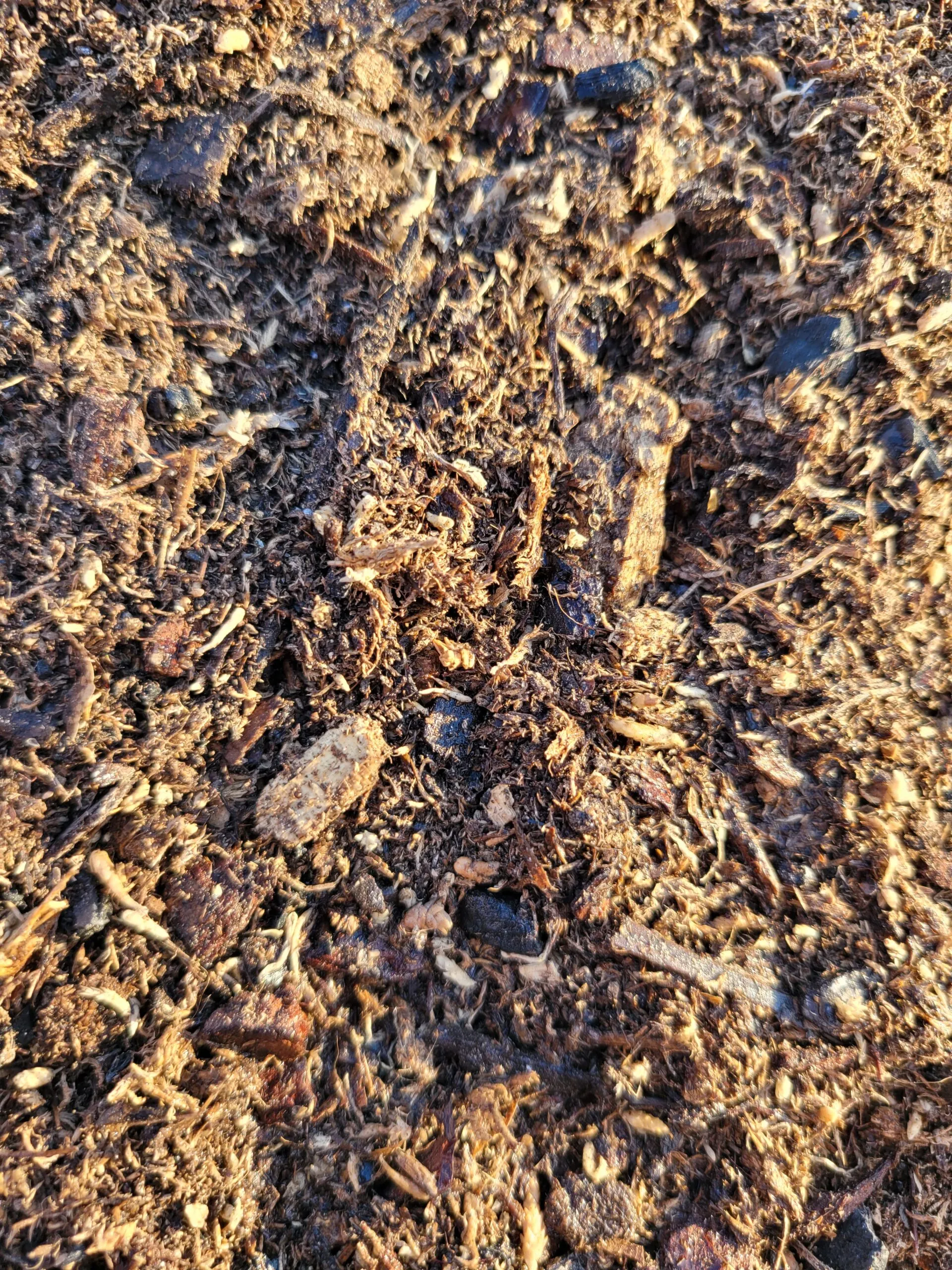
Ultra Isopod Substrate is the standalone version of the enriched substrate blend used inside the TC INSECTS Ultra Isopod Habitat Kit. Sold here on its own, the mix is built around flake soil, rotten softwood, leaf litter, New
Zealand moss, worm castings, and limestone calcium. The blend is nutritionally heavier than the standard Premium Isopod Substrate, which makes it especially useful as an enrichment top layer rather than as a sole
substrate on its own.
Additionally, the intended use case is layered rather than standalone. The existing TC INSECTS guidance, and the practical reality of the formulation, is that Ultra works best when poured on top of a base layer of Premium
Isopod Substrate. The Premium base holds humidity steadily, while the Ultra topper contributes the slow-release trace nutrition and microfauna habitat that supports long-term culture health.
What Is in the Blend?
- Flake Soil: A fermented hardwood-based component widely used in beetle and isopod husbandry to provide slow-release nutrition as it breaks down further.
- Rotten Softwood: Already-decomposing softwood that supports fungal and microbial activity, which feeds detritivore cultures over time.
- Leaf Litter: Adds cover and a familiar food source directly into the substrate column, available to the colony as it works through the upper layer.
- New Zealand Moss: A highly absorbent moss component that holds moisture and creates humid microclimates throughout the top layer.
- Worm Castings: Nutrient-rich organic material that contributes microfauna and trace nutrition to the substrate column.
- Limestone Calcium: Provides ongoing calcium availability to support molting in growing colonies, especially in calcium-demanding species like rolling isopods.
Why Choose Ultra Isopod Substrate?
- Enriched topper formulation: The blend concentrates the components most useful for trace nutrition and microfauna support, designed to boost the top inch or two of an enclosure rather than fill the whole bed.
- Same blend as the Ultra Habitat Kit: Keepers who already use the habitat kit can replenish or extend the same enriched substrate without rebuying the full kit.
- Worm castings included: Worm castings are one of the harder components to source separately, and they appear here as part of the blend.
- Leaf litter built into the mix: The substrate already contains a leaf litter component, which gives the colony usable food directly from the substrate column.
- Flexible volume options: Six size options let keepers pick anything from a single small enclosure topper (1 qt) to a multi-culture shelf refresh (2 gallons).
Honest Note on the Topper Use Case
Two honest points are worth flagging clearly before purchase. First, Ultra Isopod Substrate is designed as a topper, not a sole substrate. Using Ultra as the only substrate in an enclosure works, but it does not get the most
out of the formulation, since the blend is built to enrich the upper layer of a culture rather than to fill the entire substrate column. The standard pairing is a base layer of Premium Isopod Substrate for moisture retention,
with Ultra layered on top for enrichment and food.
Second, this is the standalone substrate, not the full habitat kit. Buyers who want a complete turn-key setup with the enclosure, sphagnum, leaf litter, charcoal hides, and feed already included should consider the TC
INSECTS Ultra Isopod Habitat Kit, which packages the same Ultra substrate blend alongside everything else needed to start a new culture. The standalone bag works best for keepers who already have those other
components covered.
If you want a single dependable working substrate without layering, the Premium Isopod Substrate page is the better fit. Ultra exists specifically to add enrichment on top.
How to Use Ultra Isopod Substrate
The intended layered use is straightforward and benefits from a clear order of operations.
For a New Enclosure
Layer a base of Premium Isopod Substrate first, about an inch or two deep across the enclosure floor. Mist lightly to bring the base to a consistently damp feel. Then layer Ultra Isopod Substrate on top, about half an inch to
an inch deep. Add a generous top dressing of TC INSECTS Assorted Hardwood Leaf Litter, position cork bark or charcoal hides, and introduce live isopods with their shipping substrate.
For Topping Off an Established Culture
As the existing substrate breaks down, sprinkle a thin layer of fresh Ultra across the top of the enclosure every several months. This refreshes the trace nutrition and microfauna load without disrupting the established
culture below. Avoid full replacement, since established microfauna populations contribute meaningfully to culture health.
For Slow-Breeding Species
Collector species like Cubaris, Reductoniscus, and small Venezillo lines tend to benefit from the richer top layer. Add Ultra on top of the existing substrate, water lightly, and let the culture work through it gradually. The
slow-release nutrition from flake soil, rotten softwood, and worm castings supports steady colony development.
Moisture and Misting
Ultra holds moisture well due to the moss and organic content. Mist on one side of the enclosure to maintain a humid retreat zone, and allow slight drying on the opposite side to maintain a humidity gradient suited to most
hobby species.
Which Size Should You Choose?
- 1 qt: A small enrichment top-off for a single enclosure. Good for testing the layered Premium+Ultra approach before committing to larger volumes.
- 2 qt: Matches the substrate volume in the Ultra Habitat Kit, suited to a single new enclosure setup or two refreshes of established cultures.
- 3 qt: Mid-range volume for two to three enclosures at once, or one larger enclosure.
- 4 qt (Gallon): Suited to a multi-culture shelf refresh or several new enclosure setups.
- 2 Gallon: Bulk option for breeders, multi-species collectors, or keepers refreshing an entire shelf of cultures at once.
Best For
- Keepers running layered substrate setups with Premium underneath and Ultra on top.
- Refreshing established cultures with a periodic enrichment top dressing.
- Supporting slow-breeding collector species that benefit from richer trace nutrition.
- Multi-shelf keepers who already use the Ultra Habitat Kit and want to replenish the same blend.
- Breeders supporting calcium-demanding rolling species with the limestone calcium and worm castings in the blend.
Not Best For
- Buyers expecting a complete starter setup with enclosure, sphagnum, leaf litter, and feed. The Ultra Habitat Kit fits that intent better.
- Use as a sole substrate without a base layer. The blend works best layered over a moisture-holding base.
- Keepers who want the most affordable working substrate. The Premium Isopod Substrate is the lower-cost dependable option.
- Use as a primary food source. Substrate contributes trace food as it breaks down but does not replace staple feed or leaf litter cover.
- Vivarium drainage layers. This blend is intended for direct isopod and springtail culture use rather than as a vivarium drainage layer.
Recommended Pairings
- Premium Isopod Substrate as the base layer that Ultra is designed to top.
- TC INSECTS Assorted Hardwood Leaf Litter as the surface cover and slow base food that pairs with any layered substrate setup.
- TC INSECTS Isopod Food for the staple protein and trace nutrients that substrate alone cannot provide.
- TC Calcium Ultra Fine for supplemental molting support beyond the limestone calcium already in the blend.
- TC INSECTS Ultra Isopod Habitat Kit for keepers who want the complete starter setup that includes this same substrate blend.
Frequently Asked Questions
Why is Ultra meant to be used as a topper instead of a full bed?
The blend is built around enrichment components that work best in the upper layer of a culture, where the colony actively forages and where moisture and microfauna activity are highest. Using Ultra as a thin top dressing
on a moisture-holding base like Premium Isopod Substrate gets the most value out of the formulation. Filling an entire enclosure with Ultra works, but it spreads the enrichment further than necessary and runs the unit cost
up.
Is this the same substrate that comes in the Ultra Habitat Kit?
Yes. The standalone Ultra Isopod Substrate is the same enriched blend that ships inside the TC INSECTS Ultra Isopod Habitat Kit. The standalone bag is useful for keepers who already have the kit and want to replenish, or
who want the enriched blend without buying the full habitat setup.
How is Ultra different from Premium Isopod Substrate?
Premium is the working base substrate, blended for moisture retention and steady use across a whole enclosure. Premium is built around woodchips, charcoal, sphagnum, peat, sand, and limestone calcium. Ultra layers on
top of that base and adds flake soil, rotten softwood, leaf litter, New Zealand moss, worm castings, and limestone calcium. Used together, they create a layered setup with humidity stability below and enrichment above.
How much Ultra do I need per enclosure?
Most keepers use a half-inch to an inch of Ultra layered on top of the base substrate. For a small enclosure that fits the Ultra Habitat Kit container, 2 quarts is typical. For larger enclosures or multi-shelf setups, the 4 qt
(gallon) or 2 gallon sizes suit refreshing several cultures at once.
How often should I refresh the Ultra layer?
Every several months works for most cultures. Sprinkle a thin fresh layer of Ultra across the top of the existing substrate as the original layer breaks down. Avoid full substrate replacement, since the microfauna load that
builds up in an established culture contributes meaningfully to long-term health.
Can I use Ultra for springtail cultures?
Yes. The same enriched blend works for springtail cultures, especially with slightly higher moisture than an isopod culture would need. The worm castings and moss components support dense springtail populations. For
dedicated springtail cultures, the moisture level usually needs to run higher across the whole substrate rather than as a gradient.
Learn More About Bioactive Substrates and Detritivore Cultures
For background on enriched bioactive substrates and the role of decomposers in healthy invertebrate cultures, the following non-commercial sources are useful starting points.
-
USDA NRCS: Soil Organisms. An educational resource on soil biology and the role of decomposers, useful background for understanding why enriched substrates with worm castings and decomposing wood support healthy invertebrate cultures.
-
University of Florida IFAS: Sowbugs and Pillbugs. An extension page covering general biology, habitat preferences, and feeding ecology of sowbugs and pillbugs, helpful for understanding how an enriched top layer supports captive cultures.
-
Natural History Museum: Woodlice. A general-audience introduction to woodlouse biology and behavior, helpful background for keepers thinking about how substrate enrichment and detritivore feeding behavior interact in a healthy culture.



Reviews
There are no reviews yet.