
Porcellio werneri Greek Shield for Sale
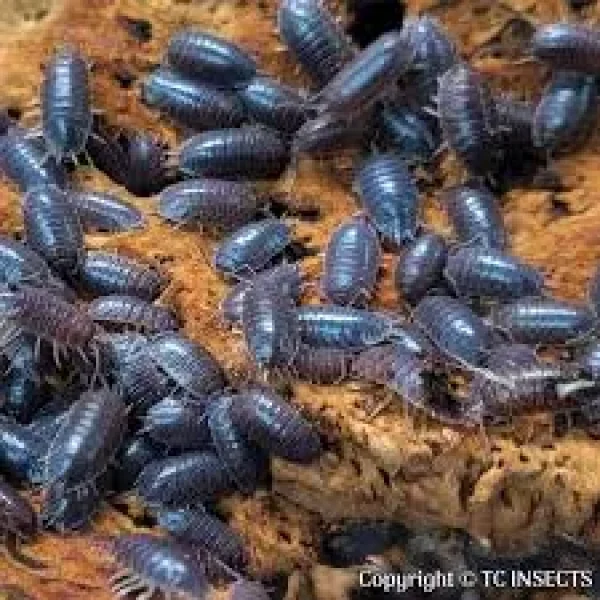
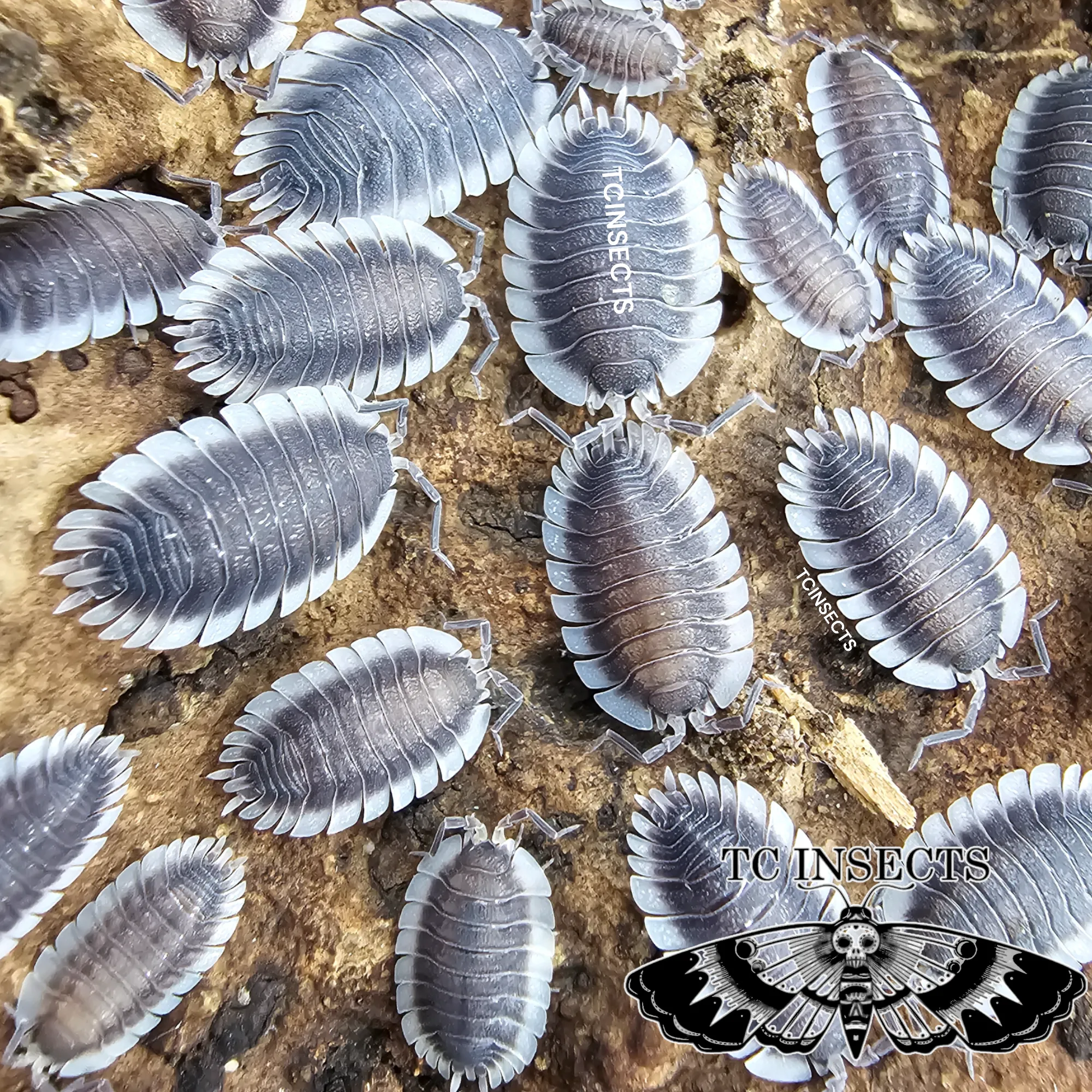
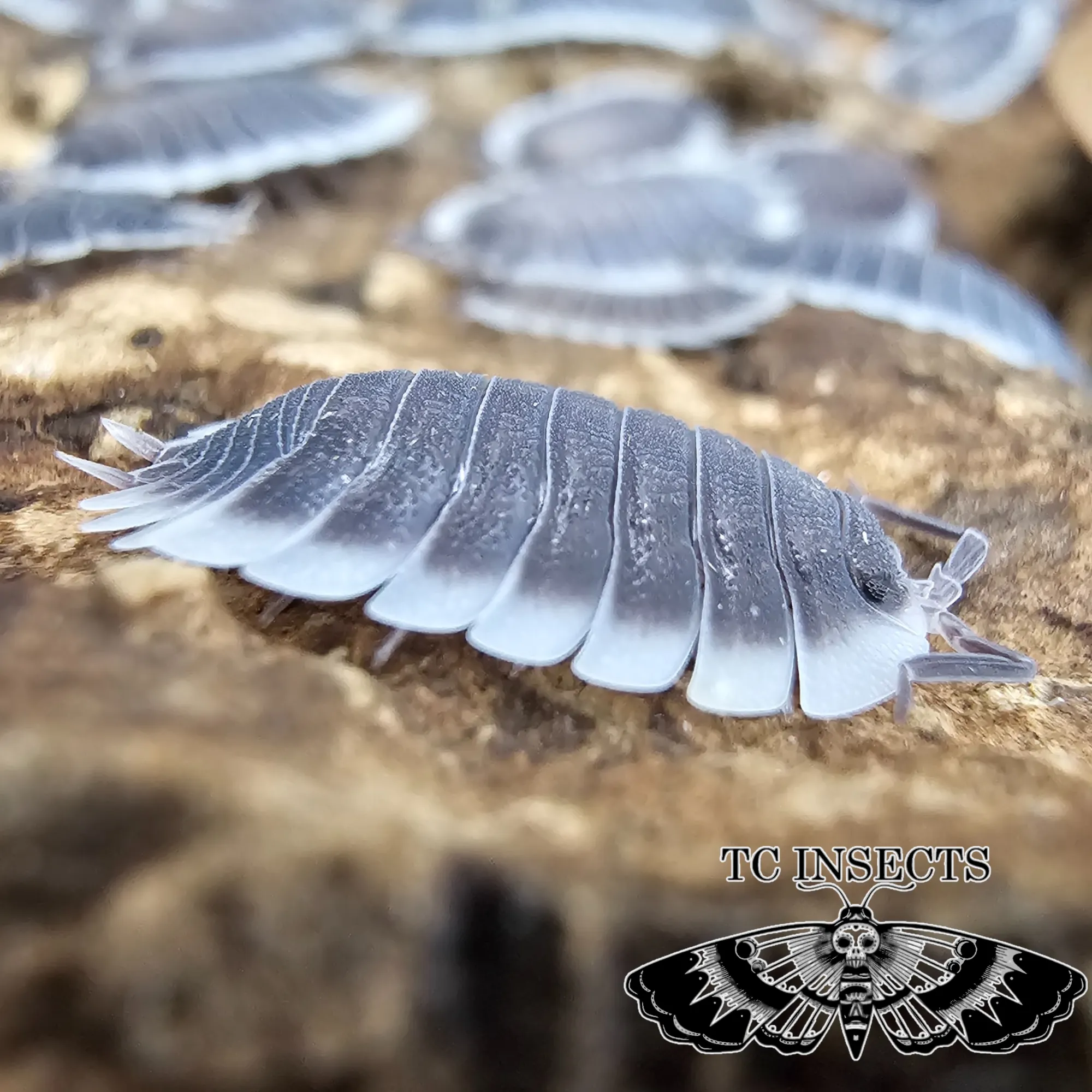
Porcellio werneri, sold in the hobby as the “Greek Shield,” is a flat, wide, display-friendly isopod from Greece. Its shield-like body shape gives it a very different look from the more rounded Porcellio species many keepers start with. Hobby sources describe it as a moderate-care species that likes airflow, a moist side, and enough space for males to keep some distance from one another.
Overview
This species is best thought of as a large Greek Porcellio with a strong visual profile. It is not as dry-leaning as the Spanish forms already covered in the catalog. Instead, it does better with moderate humidity, solid ventilation, and a clear moisture gradient.
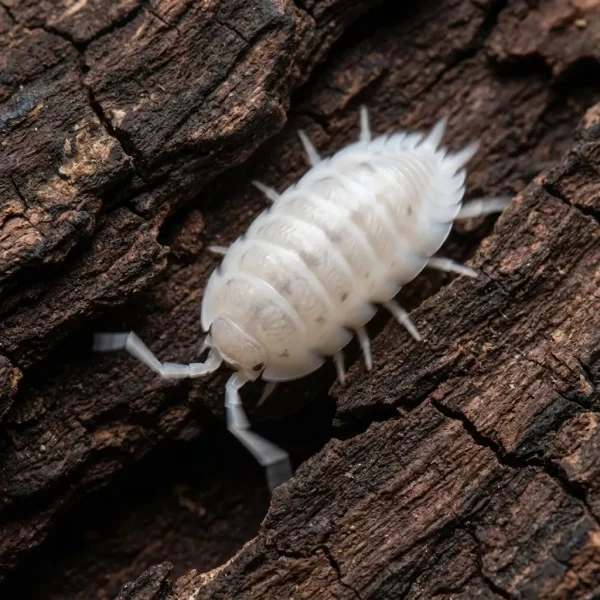
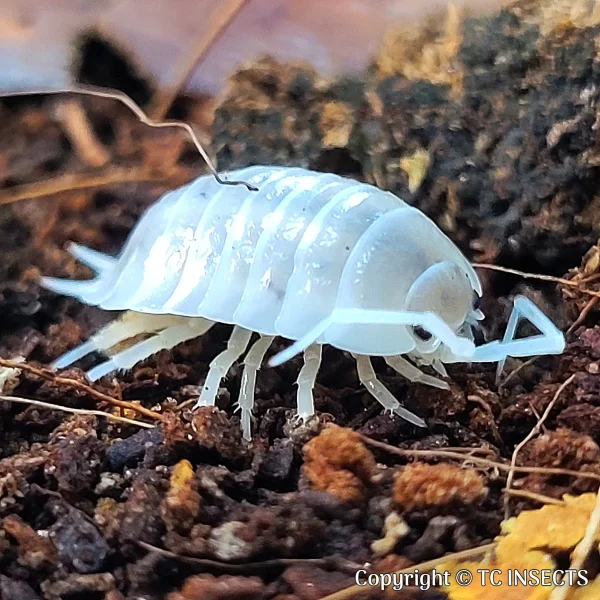
The body shape is the main draw. Mature individuals look broad and flattened, which is why the hobby calls them Greek Shield isopods. They are a good fit for keepers who want something bold and unusual without stepping into extremely delicate species.
Why Keep Porcellio werneri?
- Shield-like shape: The flattened body makes this species stand out immediately. It has a strong display presence even when the colony is still small.
- Moderate care range: It is not overly fragile, but it still rewards steady airflow and a proper moisture setup. That makes it approachable for keepers with some experience.
- Visible colony behavior: Hobby sources describe it as active, especially once settled. That gives it more display value than shy substrate-bound species.
- Good collector species: It has a distinct Greek identity and a shape that looks different from many popular Porcellio. That makes it appealing for keepers building a varied collection.
Honest Note on Space
Adult males can be territorial, so this species needs more room than a tiny starter bin with heavy crowding. That does not make it difficult, but it does mean the enclosure should not be undersized. Give the colony enough hides and enough floor space so weaker individuals can move away from conflict.
Also, this is not a species to keep in a sealed, wet box. It needs airflow first, then a moist zone second. That balance is what keeps the colony stable over time.
Care and Setup
The basic setup is simple. Use a well-ventilated enclosure, one moist side, one drier side, and plenty of hides. Leaf litter and decaying wood should always be available.
Temperature
Sources place this species in a workable range of about 17 to 26°C. Room temperature usually works well, and a little night cooling is fine. Avoid extreme heat, especially if the enclosure is already humid.
Humidity
Keep roughly one-third of the enclosure moist and the rest drier. This gives the animals a choice and helps prevent stagnant conditions. A steady gradient matters more than one fixed humidity number.
Substrate
Use a deep, loose substrate with leaf litter, rotten hardwood, and moss in the moist zone. Cork bark and stacked hides help the colony feel secure. A taller setup with room for layering usually works better than a shallow tub.
Food
Base the diet on leaf litter and decayed wood. In addition, offer vegetables, fish food, shrimp pellets, or another protein source on a regular schedule. Keep protein on the drier side so it does not spoil too fast.
Calcium
This species should always have access to calcium. Cuttlebone, limestone, or another safe calcium source can help support molts and growth. Keep it easy to reach and replace it when the colony works through it
Ventilation
Airflow is very important. Good ventilation keeps the moist side from becoming stale and helps the colony stay healthy. Hobby sources repeatedly note that this species does better with modest humidity and strong airflow rather than sealed moisture.
Bioactive Use
Porcellio werneri can work well in moderate bioactive builds, especially those that need a visible cleanup crew with a bit of character. It is a better fit for enclosures with a clear moisture gradient than for fully wet tropical tanks. Springtails can help support mold control in a setup like this.
Breeding Notes
The breeding rate is generally described as moderate. Colonies may take time to settle, so do not expect instant growth. Once conditions are stable, the species should reproduce steadily without needing constant intervention.
Because males can be territorial, colony growth is usually smoother when the enclosure has enough space and cover. If a setup feels crowded, expand it before problems build up. That small adjustment can make breeding much more consistent over time.
Best For
- Keepers who want a flat, shield-shaped display species with a strong visual profile
- Collectors building a mix of Greek and Spanish Porcellio species
- Bioactive keepers who can maintain ventilation and a moisture gradient
- Intermediate keepers who want a more interesting species than a basic starter isopod
Not Best For
- Sealed, humid enclosures with weak airflow
- Very small setups with no room for territorial males
- Keepers who want the driest Spanish Porcellio care style
- Beginners looking for the most forgiving starter species
Origin and Locality Notes
Porcellio werneri is associated with Greece, and one hobby source notes an island distribution in the Aegean, including Naxos, Paros, Sikinos, and Amorgos. [web:71] That makes the “Greek Shield” name a useful hobby label, but the page should still focus on practical care rather than making bigger origin claims than the sources support. [web:69][web:71][web:72]
Receiving and Acclimation
When the colony arrives, place it into a ready enclosure with the moist side already set. Give the animals hides, leaf litter, and room to spread out. Keep the setup stable during the first week and avoid overcorrecting if they stay hidden at first.
Recommended Add-Ons
- TC INSECTS Assorted Hardwood Leaf Litter — Important for food, cover, and natural substrate structure.
- TC INSECTS Isopod Food — Helpful for balanced feeding and regular colony support.
- TC Calcium Ultra Fine — A steady calcium source for molts and growth.
- TC INSECTS Ultra Isopod Habitat Kit — A ventilated habitat option that suits this species well.
- Springtails — Useful for mold control in a moderate-moisture bioactive setup.
Frequently Asked Questions
Is Porcellio werneri beginner-friendly?
It is more of an intermediate species. The care is not extreme, but the colony still needs airflow, space, and a proper moisture gradient. That makes it easier than many specialist species, but less forgiving than the simplest starter isopods.
How moist should the enclosure be?
About one-third of the enclosure should stay moist, while the rest stays drier. That gives the animals a choice and helps prevent stale air. The exact number matters less than keeping the gradient clear.
Can Greek Shield isopods live in a bioactive setup?
Yes, they can work well in moderate bioactive enclosures. They are best for setups with airflow and a moisture gradient rather than very wet tropical tanks.
Do males fight?
Adult males can be territorial, so crowding is not ideal. Provide enough hides and space so weaker animals can separate when needed.
What should I feed them?
Leaf litter and decayed wood should always be available. You can also offer vegetables and protein sources such as fish flakes or shrimp pellets. Keeping a calcium source on hand is also important.
How does it compare to dry Spanish Porcellio?
Porcellio werneri still needs ventilation and a gradient, but it is not as dry-leaning as many Spanish species. That makes it a good middle ground for keepers who want a flat Porcellio without the harshest dry setup.
Learn More About Porcellio
Taxonomy
These references give useful background on the species name, wild range, and habitat context for Porcellio werneri. They help buyers understand how this Greek species differs from the dry Spanish forms in the catalog.
- World Register of Marine Species (WoRMS): Porcellio ornatus H. Milne Edwards, 1840. This is the formal taxonomic model used for confirmed isopod names. It helps buyers see the kind of record a fully established species entry should have.
Field Records
Field records are helpful because they show where related species live in nature. That makes it easier to understand why Greek and Spanish Porcellio often need different care choices.
- iNaturalist: Porcellio ornatus Observations. Useful for comparing wild body shape, habitat use, and locality data with hobby stock. Even when the species is different, the field context helps keepers think about habitat more clearly.
Habitat Context
This final reference gives broader habitat background for Iberian woodlice. It is useful if you want to compare Greek Shield care with other Mediterranean Porcellio species.
- British Myriapod and Isopod Group (BMIG): Woodlice Collected from Northwest Spain. A field survey that helps explain the habitat style many Mediterranean Porcellio species come from. It is useful context for drainage, cover, and ventilation decisions.