Bioactive Isopods Mega Mix for Sale
Overview
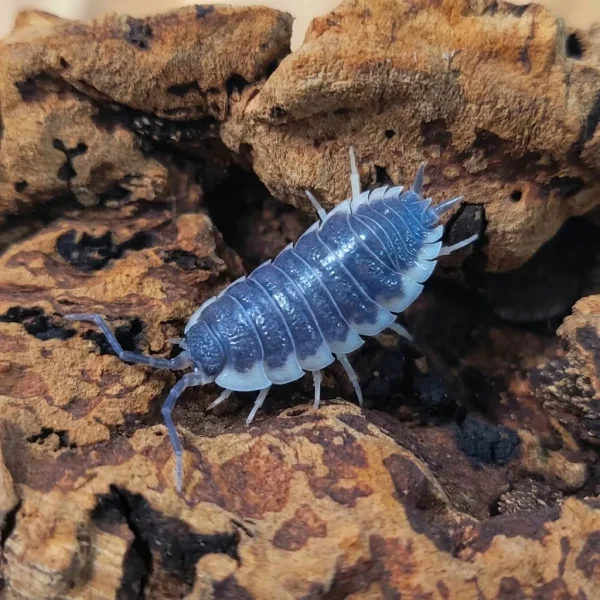
The Mega Mix is a multi-species random pack of cleanup-crew isopods at a value price point. The contents come from pooled cultures in our breeding facility. Specifically, when individual species cultures cross-mix between bins, we collect those animals into a dedicated Mega Mix bin instead of culling them.
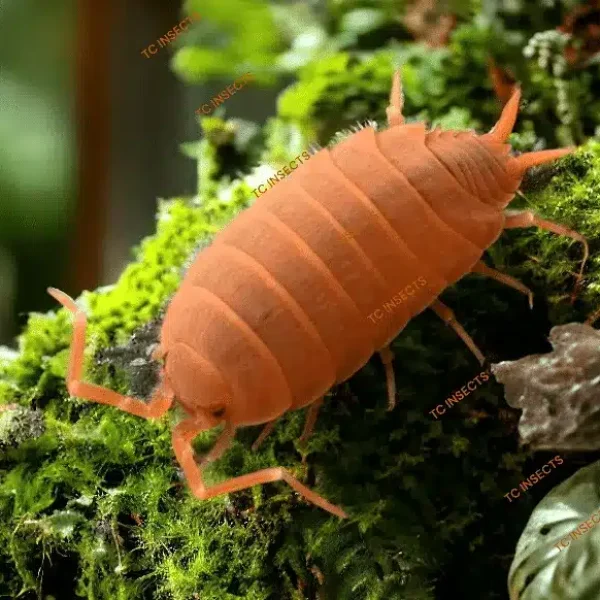
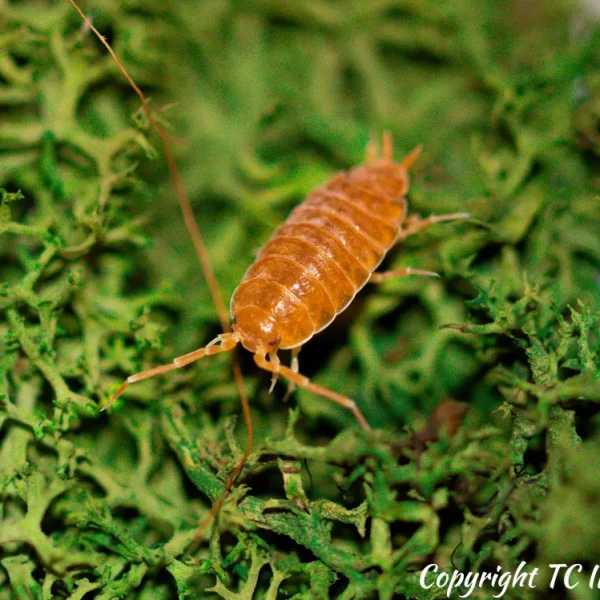
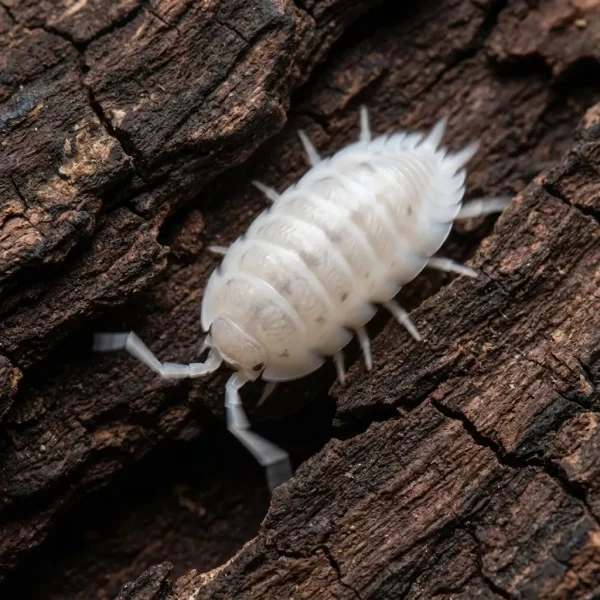
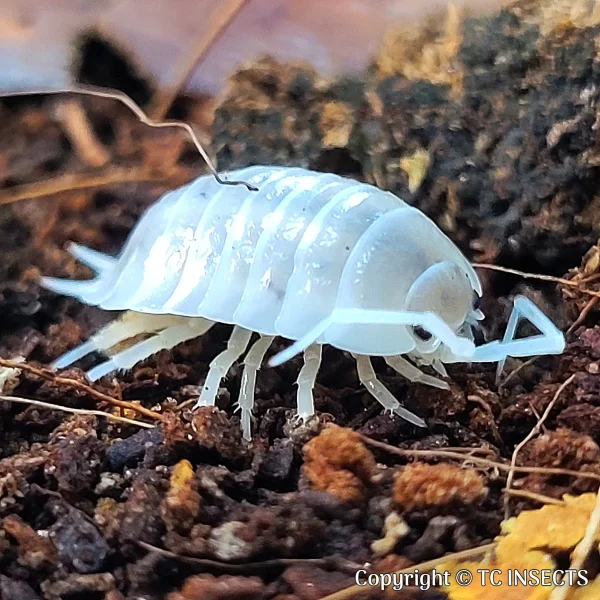
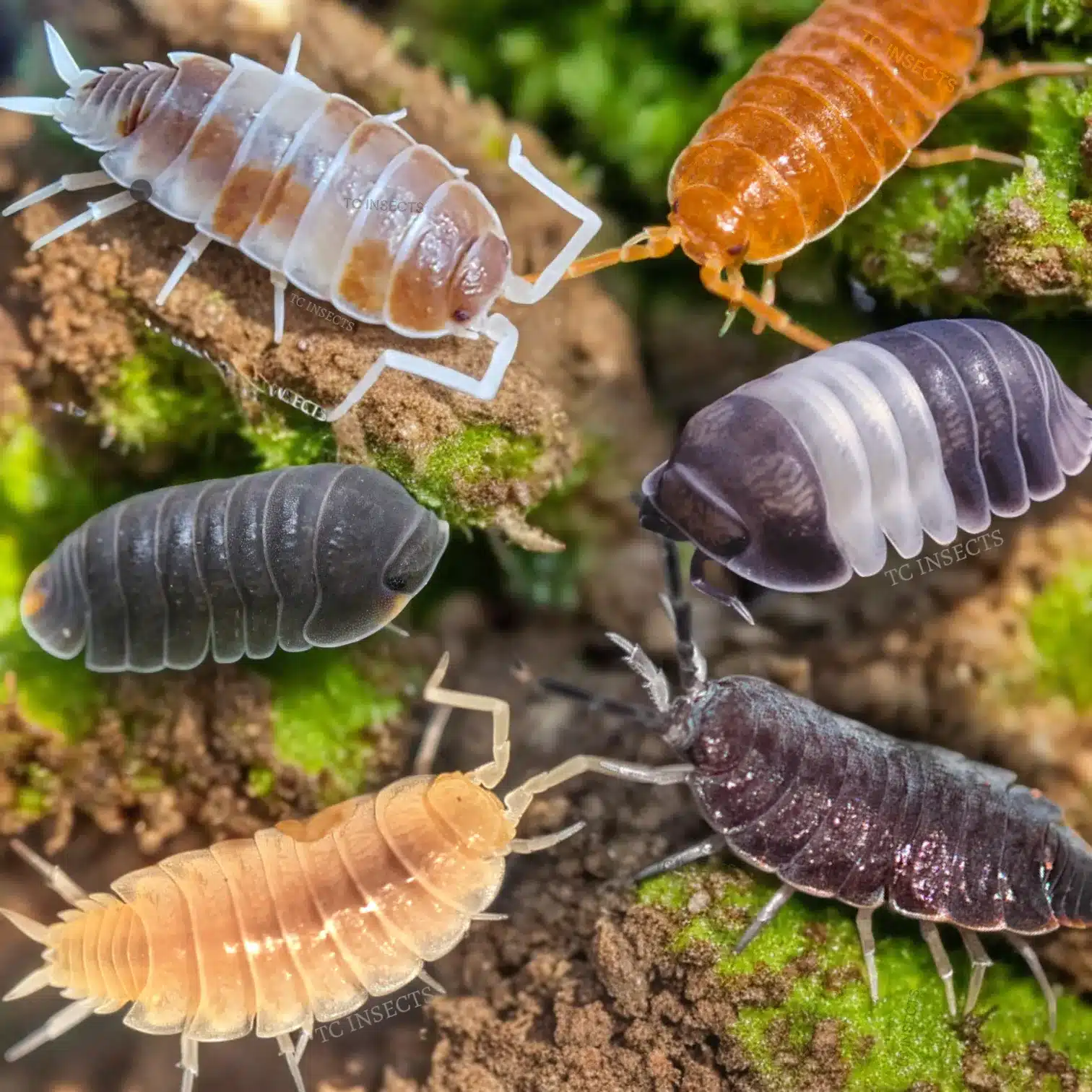
The result is a working bioactive crew that typically includes Porcellionides pruinosus morphs, Porcellio species, Trichorhina tomentosa dwarf whites, and other isopods we breed in-house. However, the exact species and ratios shift from batch to batch. Accordingly, we do not guarantee a specific count or species breakdown per pack.
Why Choose the Mega Mix?
This product sits in a different category from our single-species and single-morph listings. Most customers pick it for one or more of the following:
- Lower price per isopod. First, the entry price runs below most single-species options. As a result, a starter pack covers a larger bioactive enclosure for less money.
- Built-in variety. Next, multiple species in one pack give you different working zones in the enclosure. Burrowers handle the lower substrate layers, while surface-active species work the leaf litter and bark.
- Curiosity factor. Additionally, some keepers enjoy not knowing exactly what they will get. The mix usually contains a few species the buyer would not have picked on their own.
- Beginner-friendly. Finally, with multiple species in the bin, at least some will adapt well to whatever humidity and temperature range your enclosure runs. Therefore, this is a forgiving option for first-time bioactive builders.
Honest Note on What This Product Is and Is Not
The Mega Mix is a working cleanup crew, not a display culture or a breeding line. Because multiple species share the bin, the contents will not stay separated, and some species will outcompete others over time. Accordingly, this product is not the right pick if you want to know exactly what species you have, breed out a specific line, or maintain clean genetics. For those goals, a single-species or single-morph product is the better choice.
Care and Setup
Because the mix contains multiple species with slightly different care preferences, the goal is to find a setup that works for the broadest overlap. Stable temperatures, varied moisture zones, leaf litter, and cross-ventilation produce the best results across all species in the pack.
Temperature
A safe overlap range runs from 65 to 80°F. This covers temperate species and most tropical species comfortably. However, sustained heat above the mid-80s without strong ventilation usually stresses the more humidity-sensitive species in the mix.
Humidity
Aim for 60 to 80% overall, with one reliably moist corner. Some species in the mix prefer humid conditions, while others tolerate drier zones. Therefore, the best approach is to provide both a moist sphagnum moss area and a slightly drier bark or leaf litter zone in the same enclosure. The isopods will sort themselves between zones based on species preference.
Substrate
Use coconut fiber blended with flake soil or decomposed hardwood. Then top it with a generous layer of leaf litter and a few pieces of cork bark. In addition, add calcium sources such as crushed cuttlebone, eggshell, or limestone. Different species in the mix have different molting needs, and calcium availability matters for all of them.
Food
A varied diet works best for a multi-species culture. For example, useful items include decaying hardwood (avoid pine and cedar), leaf litter, magnolia pods, sweet potato, mushrooms, freeze-dried peas, and protein sources like shrimp meal, fish food, or insect frass. Alternatively, a prepared balanced diet such as TC INSECTS Isopod Food simplifies feeding across all species at once.
Ventilation
Cross-ventilation matters for any mixed culture. Sealed bins with no airflow tend to develop mite blooms and crash colonies. Therefore, a vented lid with one moist corner works better than a closed lid at uniform high humidity.
Bioactive Use
The Mega Mix works well in standard tropical and temperate bioactive vivariums alongside springtails. In addition, this is a strong option for larger naturalistic enclosures where you need a working cleanup crew across multiple substrate zones rather than a single specialist species.
Use with Different Reptiles and Amphibians
The mix suits most common bioactive setups, but enclosure conditions matter more than the species mix itself:
- Crested geckos, day geckos, mourning geckos: Generally works well, since the enclosure conditions overlap with most species in the mix.
- Dart frogs: Works in fully humid setups, especially when paired with springtails. However, some drier-tolerant species in the mix may persist less than others.
- Leopard geckos and bearded dragons: Can work if a protected humid retreat is always available. Otherwise, the more humidity-dependent species in the mix will not survive long-term.
- Chameleons (juvenile setups): The mix can serve as both cleanup and occasional supplemental feeders, especially for soft-bodied species in the pack.
Best For
- Beginners building a first bioactive enclosure
- Larger naturalistic vivariums that benefit from multiple working zones
- Keepers wanting a varied cleanup crew at a lower per-isopod cost
- Buyers curious about which species do best in their specific setup
- Backup cleanup crews to layer into an existing single-species culture
Not Best For
- Keepers who want to know exactly what species and ratios they are getting
- Breeding projects targeting a specific species or morph
- Display cultures where color or species purity is the goal
- Use as a primary staple feeder, since the species mix is unpredictable
- Sealed, no-ventilation tubs, which often develop mite issues and culture crashes
Recommended Add-Ons
- TC INSECTS Ultra Habitat Kit for a vented 6qt enclosure with substrate, sphagnum, leaf litter, and starter feed
- TC INSECTS Isopod Food for a calcium-supported diet that works across all species in the mix
- Springtails to handle mold and biofilm at a smaller scale than isopods can reach
Learn More About Bioactive Cleanup Crews
The references below cover background information that helps keepers understand what a cleanup crew actually does in a working enclosure. Each source comes from an academic, museum, or government site rather than a competing retailer.
- University of Nebraska-Lincoln Department of Entomology: Sowbugs and Pillbugs. A clear breakdown of isopod biology and their role as decomposers. Useful for understanding why a multi-species cleanup crew breaks down waste and leaf litter more efficiently than a single specialist species.
- Natural History Museum (UK): Woodlice Overview. Covers the wider terrestrial isopod family, anatomy, molting, and the conditions different woodlice need to thrive. Helpful context for keepers who want to understand why providing both humid and drier zones supports a mixed culture.
- BugGuide (Iowa State University): Porcellionides pruinosus species page. Species-specific reference for one of the most common species in the Mega Mix. Useful for getting a sense of what the most prolific component of the mix looks like and how it behaves in a culture.
Bioactive Isopods Mega Mix FAQs
What species are in the Mega Mix?
The mix typically includes Porcellionides pruinosus color morphs (Powder Blue, Orange, White, and others), Porcellio species, Trichorhina tomentosa dwarf whites, and other isopods we breed in-house. However, the exact species and ratios shift from batch to batch. We do not guarantee a specific count of any one species per pack.
Why is this product cheaper than single-species isopods?
The Mega Mix comes from pooled cultures that have cross-mixed in our breeding facility. Specifically, instead of culling cross-contaminated animals, we collect them into a dedicated bin and sell them at a lower per-isopod price. The animals are healthy. They simply cannot be sorted reliably by species.
Will the species stay distinct in my enclosure?
No. Over time, the faster-reproducing species will outnumber slower ones. Additionally, color morphs of the same species will interbreed. Therefore, the look of the colony will shift as it matures. This is a working cleanup crew, not a long-term display or breeding culture.
Is this a good option for a first bioactive enclosure?
Yes. With multiple species in the bin, at least some will adapt well to whatever conditions your enclosure runs. Therefore, this is a forgiving option for beginners who are still dialing in temperature and humidity. The trade-off is that you will not know exactly what is thriving until the colony settles in.
Can I feed the Mega Mix to my reptile?
Some species in the mix work as occasional supplemental feeders, especially softer-bodied isopods that are easier to digest. However, this is not a primary feeder product. The species mix is unpredictable, and some isopods in the pack are better suited to cleanup work than to being fed off.